
Planning Guide
Kenya vs Tanzania Safari: How to Choose
The Masai Mara or the Serengeti? East Africa's two classic safari countries share an ecosystem but offer genuinely different journeys. Here is how they actually compare — and how to choose the right one for your trip.
Designed for couples, families, honeymooners, and private travelers from around the world.
Kenya and Tanzania sit on either side of the same great ecosystem: the wildebeest that cross the Mara River spend most of their year in Tanzania's Serengeti. Wildlife quality is world-class in both. The real differences lie in scale, style, logistics, and timing — which is good news, because it means the choice comes down to how you want to travel, not which country is "better".
Below is the honest comparison we walk travelers through, followed by simple rules of thumb — and the case for doing both in one journey.
Side by side
Kenya and Tanzania Compared
| What matters | Kenya | Tanzania |
|---|---|---|
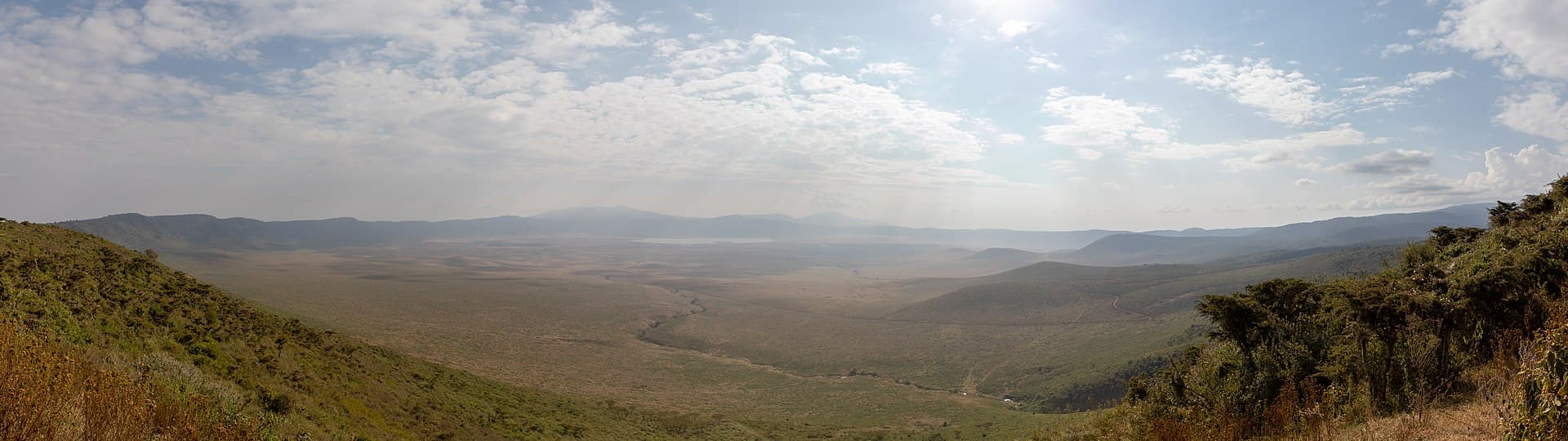
| Signature experience | The Masai Mara — the densest big-cat viewing in Africa, framed by private conservancies. | The Serengeti — vast, cinematic scale, plus the Ngorongoro Crater's wildlife amphitheater. |
| The Great Migration | Hosts the herds roughly July–October, including the famous Mara River crossings. | Home to the migration most of the year — calving season (Jan–Mar) and river crossings in the north (Jun–Oct). |
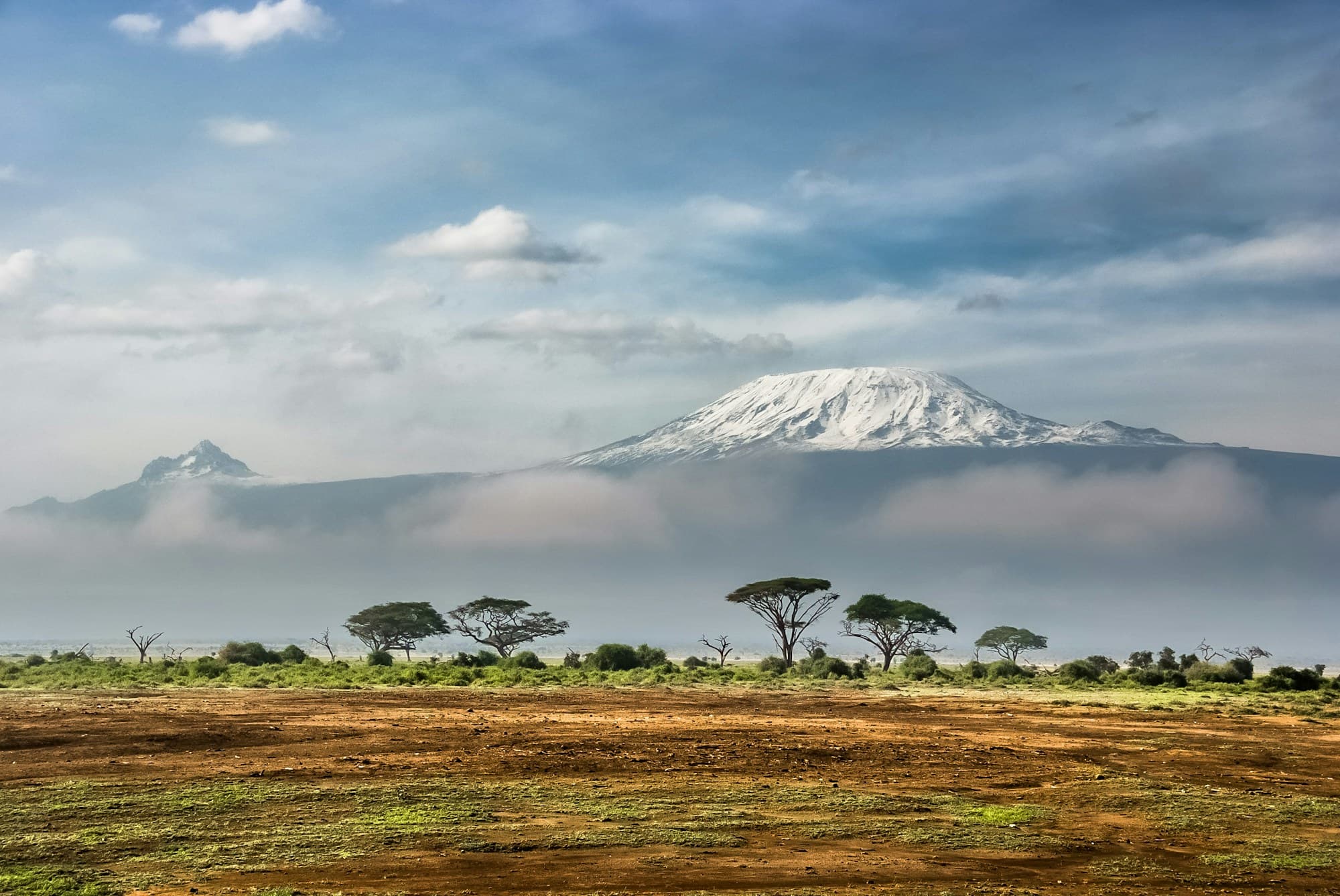
| Beyond the flagship park | Amboseli's elephants under Kilimanjaro, Laikipia's rhino conservancies, Samburu's unique species. | Ngorongoro, Tarangire's elephant herds and baobabs, remote Ruaha and Nyerere in the south. |
| Lodges and camps | Deep bench at every level; private conservancies offer exclusive traversing with fewer vehicles. | Superb camps including mobile camps that move with the migration; crater-rim lodges are unique. |
| Crowds | The Mara reserve gets busy in peak season — conservancies are the premium answer. | Central Serengeti sees traffic; the ecosystem's sheer size makes escaping it easier. |
| Cost profile | Slightly gentler entry point; conservancy exclusivity prices comparably to Tanzania's premium camps. | Park fees run higher; migration-following mobile camps carry a premium worth paying. |
| Beach combinations | Kenya's own coast (Diani) is lovely and convenient. | Zanzibar is the classic safari-and-beach pairing — short direct hops from the Serengeti. |
| Family travel | Excellent — shorter drives, family-focused conservancy camps, easy logistics from Nairobi. | Wonderful for slightly older children; distances between parks are longer. |
Rules of thumb
Choose Kenya if…
- You want the highest density of big-cat sightings and photographic action
- Private conservancies with exclusive access appeal to you
- You are traveling with younger children or want shorter transfers
- You want July–October river-crossing drama with the widest camp choice
Choose Tanzania if…
- You dream of the Serengeti's endless-plains scale and the Ngorongoro Crater
- You want the migration outside the July–October window — especially calving season
- Zanzibar is part of the plan
- You want to add remote, low-vehicle wilderness like Ruaha or Nyerere
Or do both
The Case for Combining Kenya and Tanzania
The border crossing at Isebania–Sirari and scheduled flights via Kilimanjaro or Nairobi make a two-country itinerary very achievable in 10–14 days: Mara conservancies plus the Serengeti and Ngorongoro is arguably East Africa's ultimate first safari. It costs more than a single-country trip — two visa fees, a border transfer or flight — but for many travelers it settles the Kenya-vs-Tanzania question the best possible way: with both. For a first safari of five to seven days, though, one country usually serves you better, with more time watching wildlife and less in transit.
Good to know
Kenya vs Tanzania Questions
Which is better for a first safari, Kenya or Tanzania?
Both are outstanding first-safari choices, so we steer by style: Kenya for big-cat density, conservancy exclusivity, and easier logistics with children; Tanzania for sheer scale, the crater, calving season, and Zanzibar pairings. If your dates fall July–October, both host world-class migration viewing.
Is Kenya or Tanzania cheaper for a safari?
At the classic tier Kenya often has a gentler entry point, while Tanzania's park fees and migration camps carry premiums. At the luxury tier the two converge — lodge category and season move the price far more than the country does.
Where is the Great Migration right now — Kenya or Tanzania?
The herds spend most of the year in Tanzania: calving in the southern Serengeti January–March, moving north through the year, with river crossings and Masai Mara residency roughly July–October. Exact timing follows rainfall — we plan routings around probability, not promises.
Can I see the Big Five in both countries?
Yes. Both offer all five, with rhino the rarest sighting in each. Kenya's Laikipia conservancies are a rhino stronghold; in Tanzania, the Ngorongoro Crater gives the most reliable black-rhino viewing.
Do I need separate visas for Kenya and Tanzania?
Yes — each country issues its own entry authorization (Kenya's eTA and Tanzania's eVisa), and both are straightforward online applications. A combined itinerary needs both; we brief you on current requirements when we plan the route.
How many days do I need for a Kenya and Tanzania combination?
Ten nights is the comfortable minimum for Mara conservancies plus the Serengeti and Ngorongoro; twelve to fourteen lets the trip breathe and can add Amboseli, Tarangire, or a Zanzibar finish.
Let Us Settle It for Your Dates
Tell us when you want to travel and what you want to feel. We will tell you honestly whether Kenya, Tanzania, or both fits your journey best — and design a private itinerary around the answer.
Request a Private Safari Quote