Why Namibia
Space, Silence and Wildlife That Defies the Desert
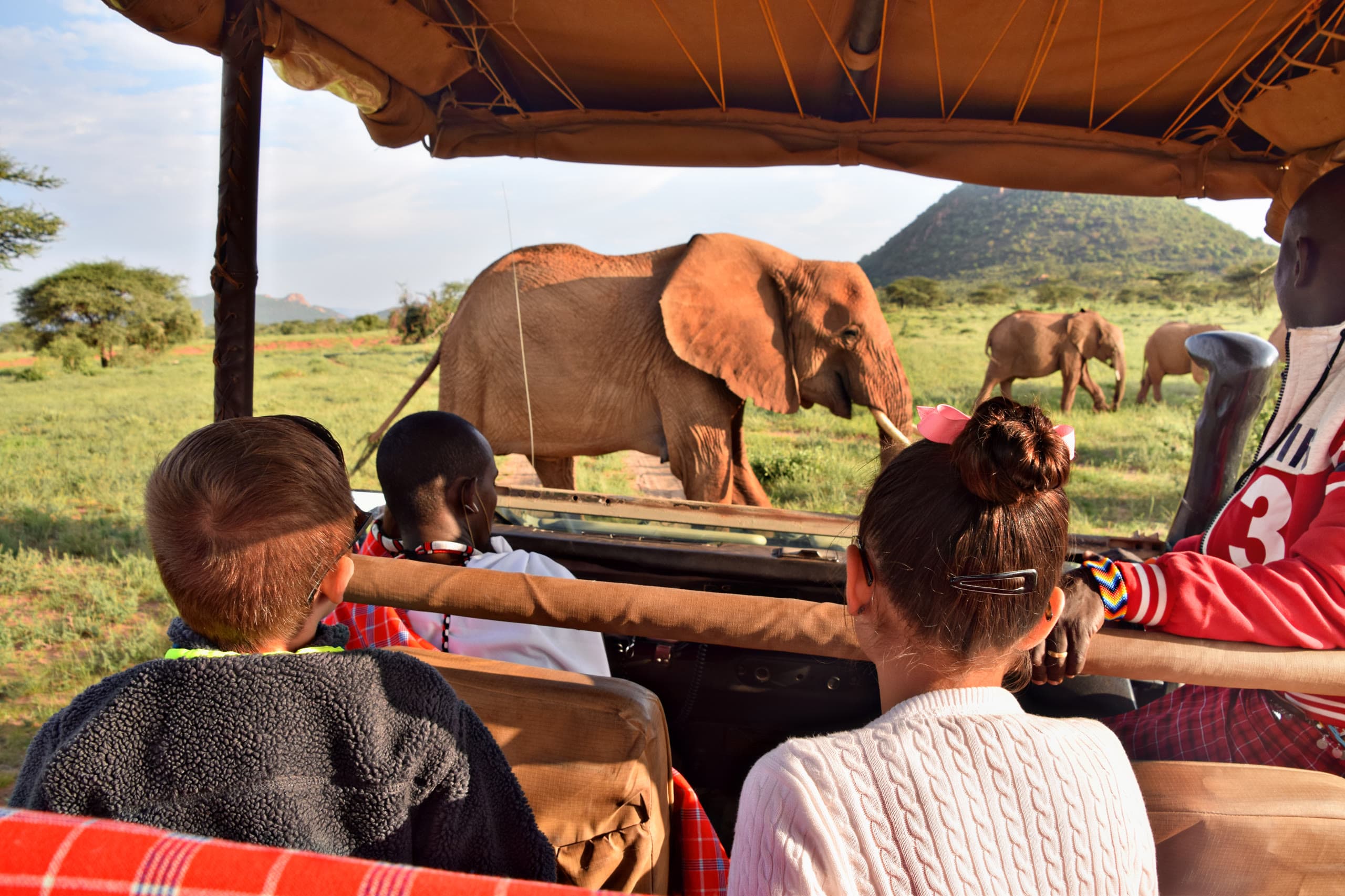
Namibia is bigger than Texas and home to about three million people, and that scale shapes every trip. Namibia Wildlife Resorts measures 432 km of road from Windhoek to Okaukuejo in Etosha and 756 km from Sossusvlei to Etosha, much of it gravel. We plan two ways of crossing it: privately guided road journeys, where your guide drives, navigates and interprets, and fly-in safaris that turn long road days into short flights and reach coast and river camps no road serves. If driving yourself would suit you better, we will tell you honestly.
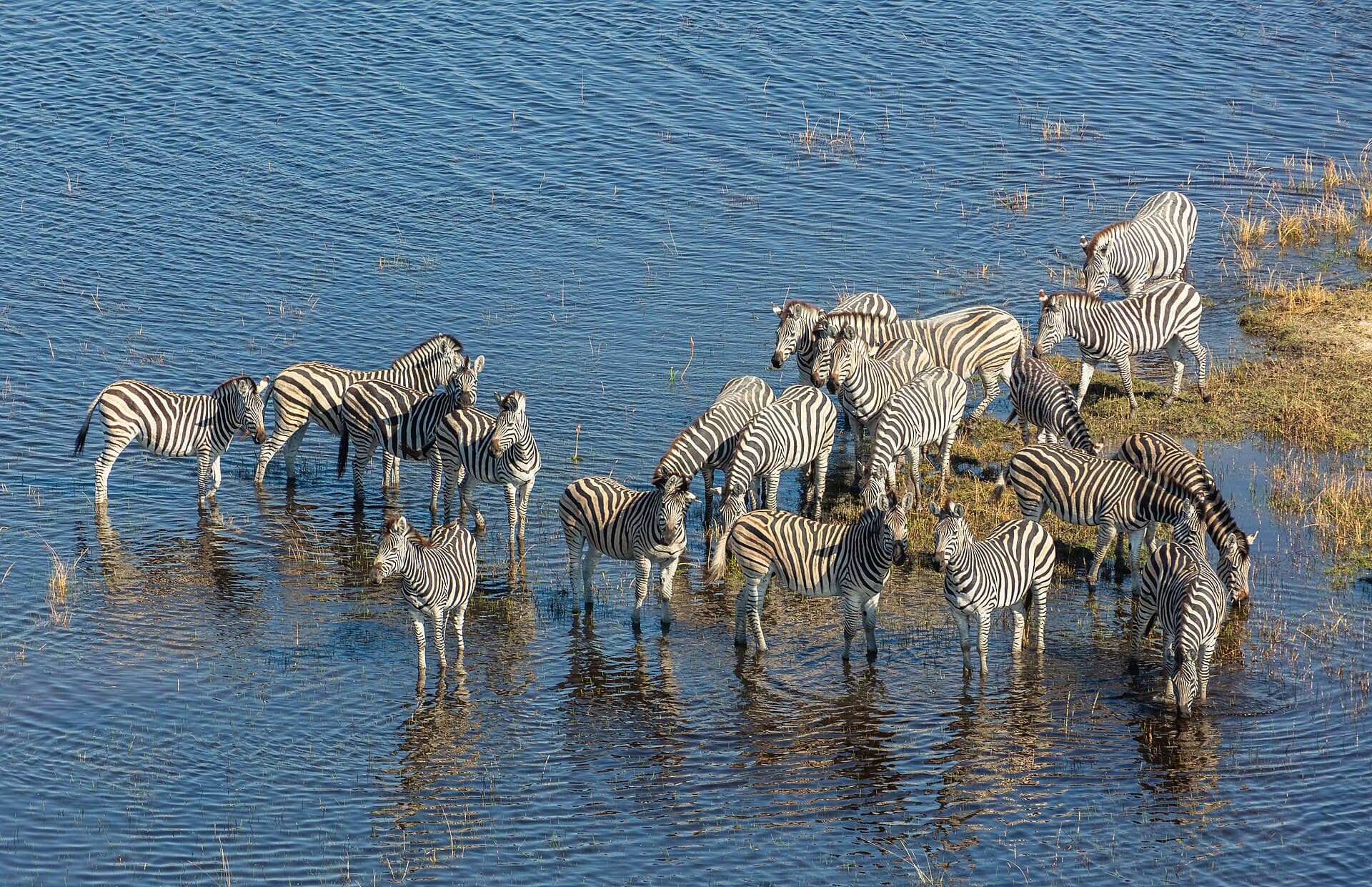
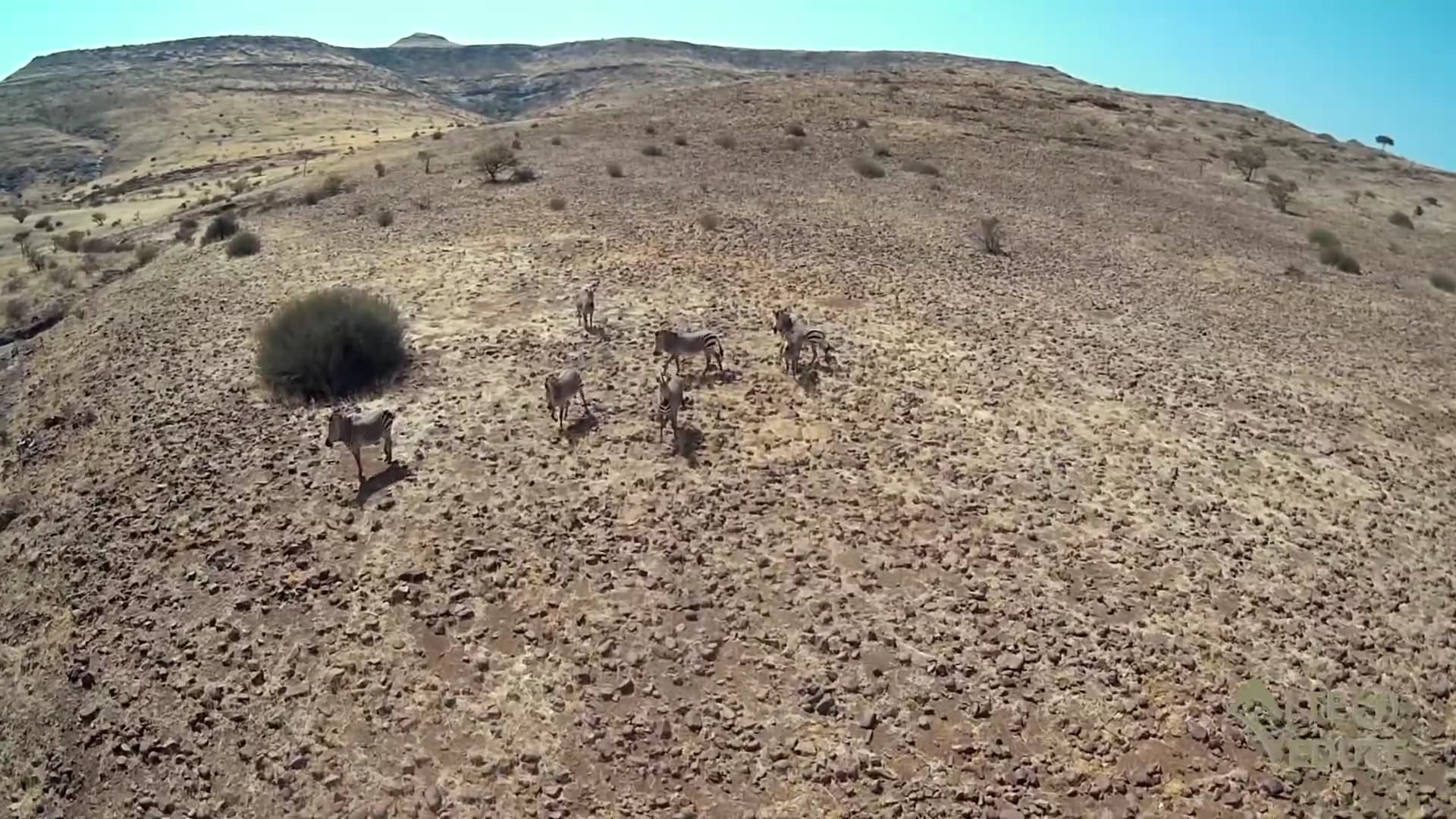
The wildlife story here is adaptation. Elephants, black rhino and lions live in the deserts of the north-west, following dry riverbeds from spring to spring, and much of that country is communal land where conservancies share tourism income with the people who live alongside the animals. Save the Rhino Trust has monitored the region’s black rhino since 1982 with trackers drawn from local communities. And where we include a visit to an OvaHimba community, the community sets the terms, a local guide makes the introductions and photographs are taken only with consent.
A few things have changed recently, and we keep our travel advice current. US travelers have needed a visa since 1 April 2025, a revised park-fee schedule was reported from 1 April 2026, and a wildfire in September 2025 burned roughly a third of Etosha. None of this stands in the way of a superb trip; it simply means planning with up-to-date information.
- ≈22,900 km²
- Etosha National Park
- ≈30,800 km²
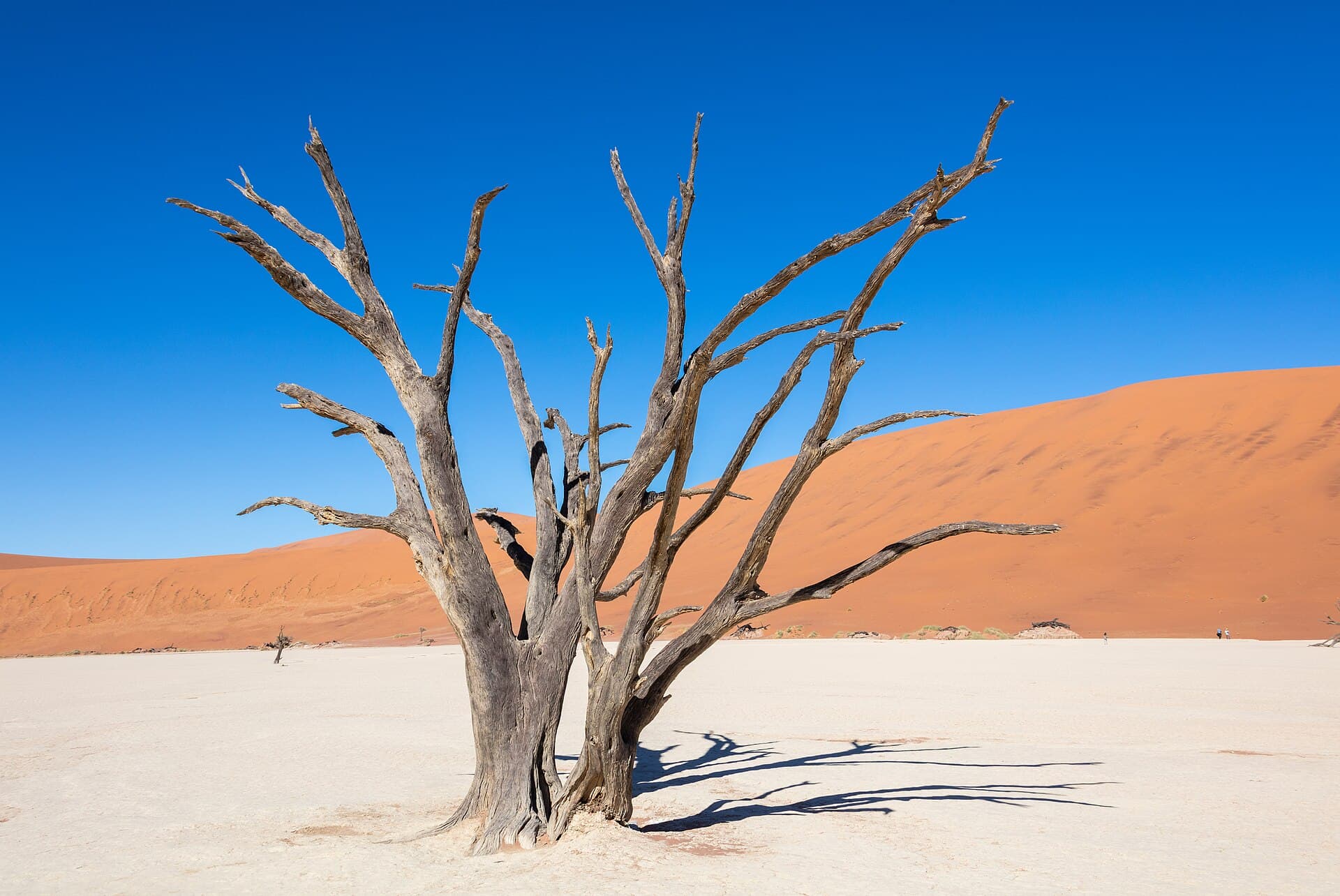
- Namib Sand Sea World Heritage Site
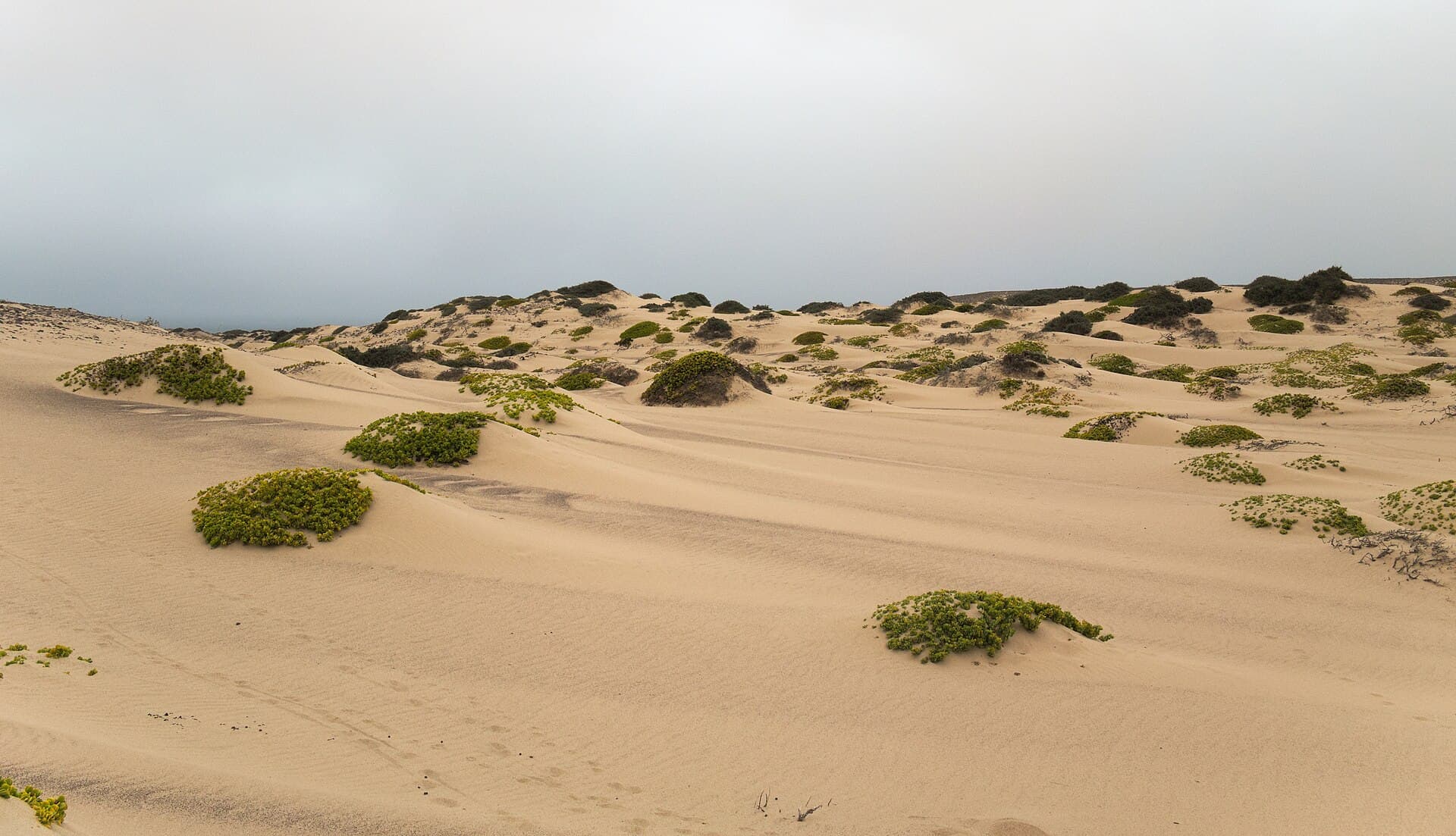
- ≈500 km
- Skeleton Coast Park, from the Ugab River to the Kunene
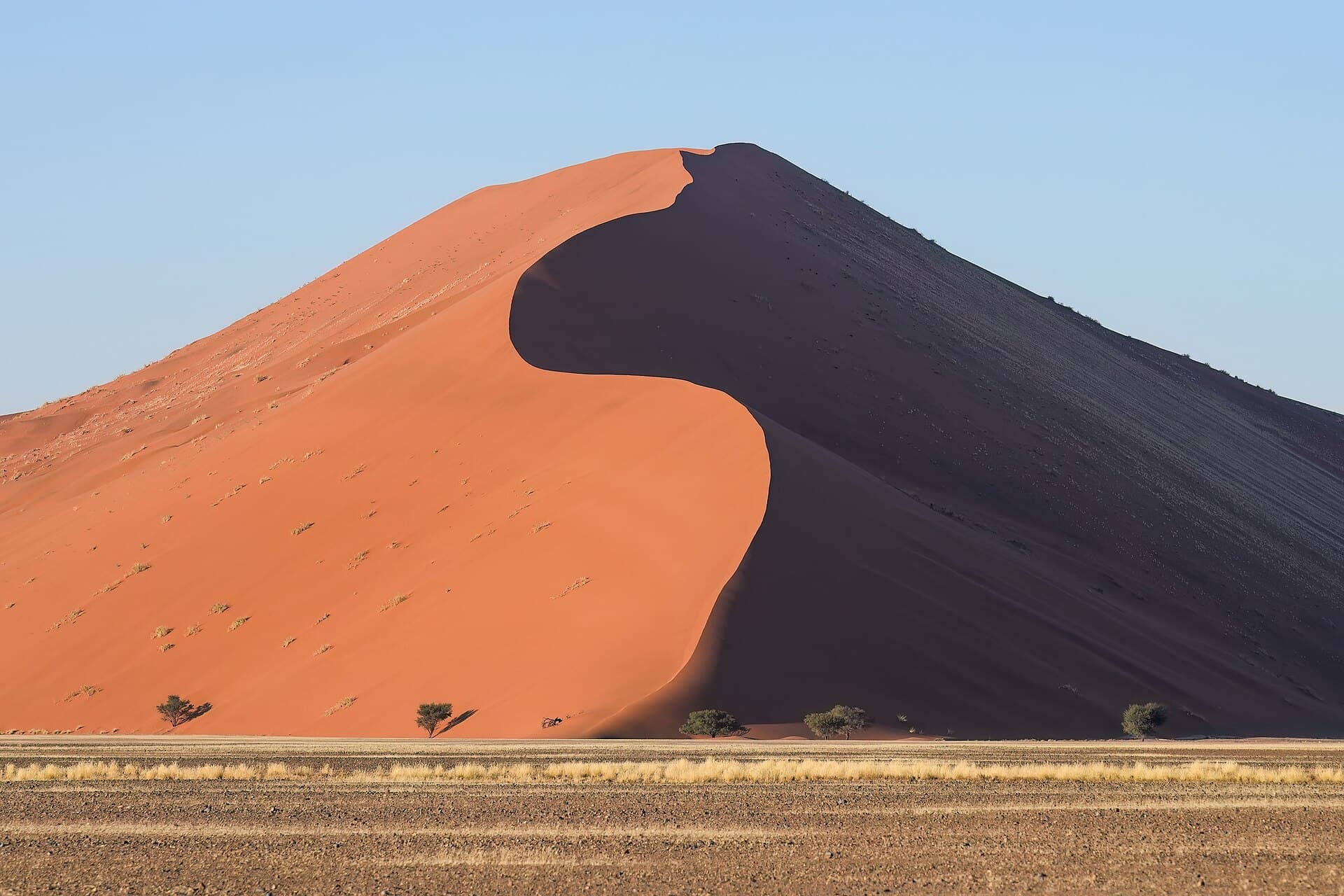
- ≈325 m
- Big Daddy, one of the Namib’s tallest dunes
Figures are widely published approximations.