
Travel with care
Responsible Safari Travel
A great safari leaves the wild wilder and the welcome warmer. Here is how we plan journeys that respect wildlife, support local communities, and set honest expectations.
Designed for couples, families, honeymooners, and private travelers from around the world.
The privilege of a safari comes with responsibility. The landscapes and wildlife that make these journeys extraordinary are fragile, and the communities who live alongside them are central to their future. We plan with that in mind — favoring partners and practices that protect what makes Africa worth traveling for.
Responsible travel is also honest travel. That means setting realistic expectations about wildlife, respecting the rules of every park and community, and never promising what nature cannot guarantee.
How we plan
What Responsible Safari Planning Means to Us
Respectful wildlife viewing
Keeping a safe, low-impact distance, following park and guide rules, and never pressuring for a sighting. The animals' wellbeing comes before the photograph.
Supporting local communities
Favoring camps, guides, and operators that employ locally and channel tourism value back into the communities who steward these landscapes.
Conservation-minded choices
Leaning toward private conservancies and lodges with genuine conservation and low-impact practices, where park fees and bed-night levies fund protection.
Realistic expectations
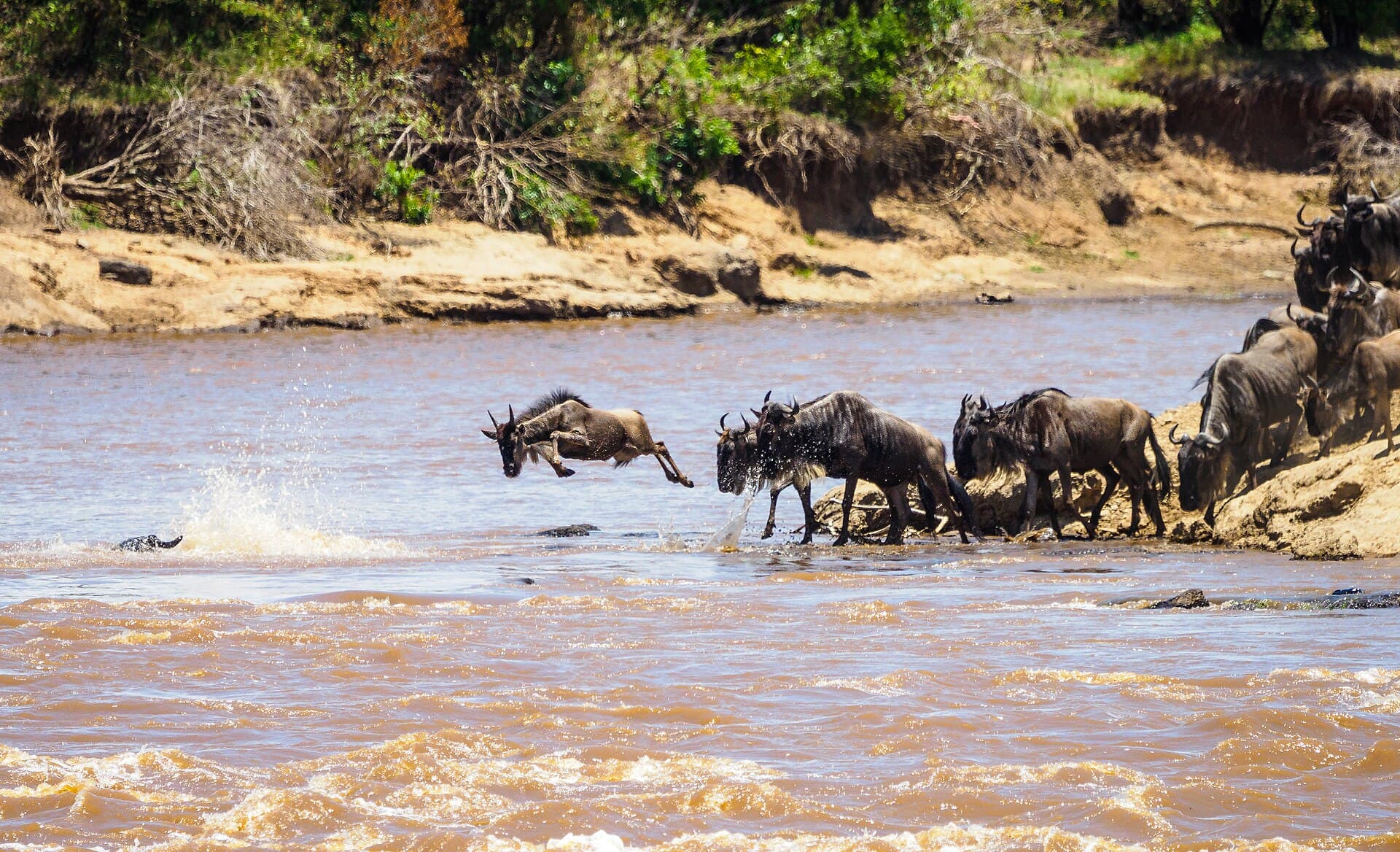
Wildlife is wild. We plan around probability and season, position you well, and are candid that no sighting — a river crossing, a leopard, a specific animal — can be guaranteed.
Cultural respect
Community and cultural visits, where included, are arranged through partners who conduct them with dignity, consent, and fair benefit — never as spectacle.
Low-impact footprint
Encouraging longer stays in fewer places, sensible routing, and camps that manage water, waste, and energy responsibly.
In short
Our Honest Promise
We will never guarantee wildlife sightings, overstate what a journey can deliver, or recommend a practice that harms the wild or the communities within it. A safari planned well is one that could happen again, for the next traveler and the next generation — and that is the standard we plan to.
Good to know
Responsible Travel Questions
Can you guarantee wildlife sightings?
No. Wildlife is genuinely wild, and sightings follow rainfall, season, and movement rather than a schedule. We plan around probability, place you in the strongest regions for your dates, and are honest about what to realistically expect — including the Great Migration, big cats, and specific species.
Is safari travel good or bad for conservation?
Done responsibly, well-run safari tourism is one of the strongest funders of habitat protection and anti-poaching, and a major employer in rural communities. We lean toward partners and conservancies where your park fees and bed-night levies genuinely support that work.
How can I travel more responsibly on safari?
Choose fewer, longer stays; follow your guide's lead on wildlife distance and behavior; support locally-staffed camps; and keep expectations realistic. We build these choices into every itinerary and are glad to talk them through.

Plan a Safari That Gives Back
Tell us how you like to travel and we'll design a private journey that respects the wildlife, supports local communities, and sets honest expectations from the first conversation.
Request a Private Safari Quote