
Planning Guide
Rwanda vs Uganda: Where to Trek Gorillas
Both countries protect the same endangered mountain gorillas, and both deliver a life-changing hour. The choice comes down to permit cost, trek difficulty, access, and what else you want from the trip.
Designed for couples, families, honeymooners, and private travelers from around the world.
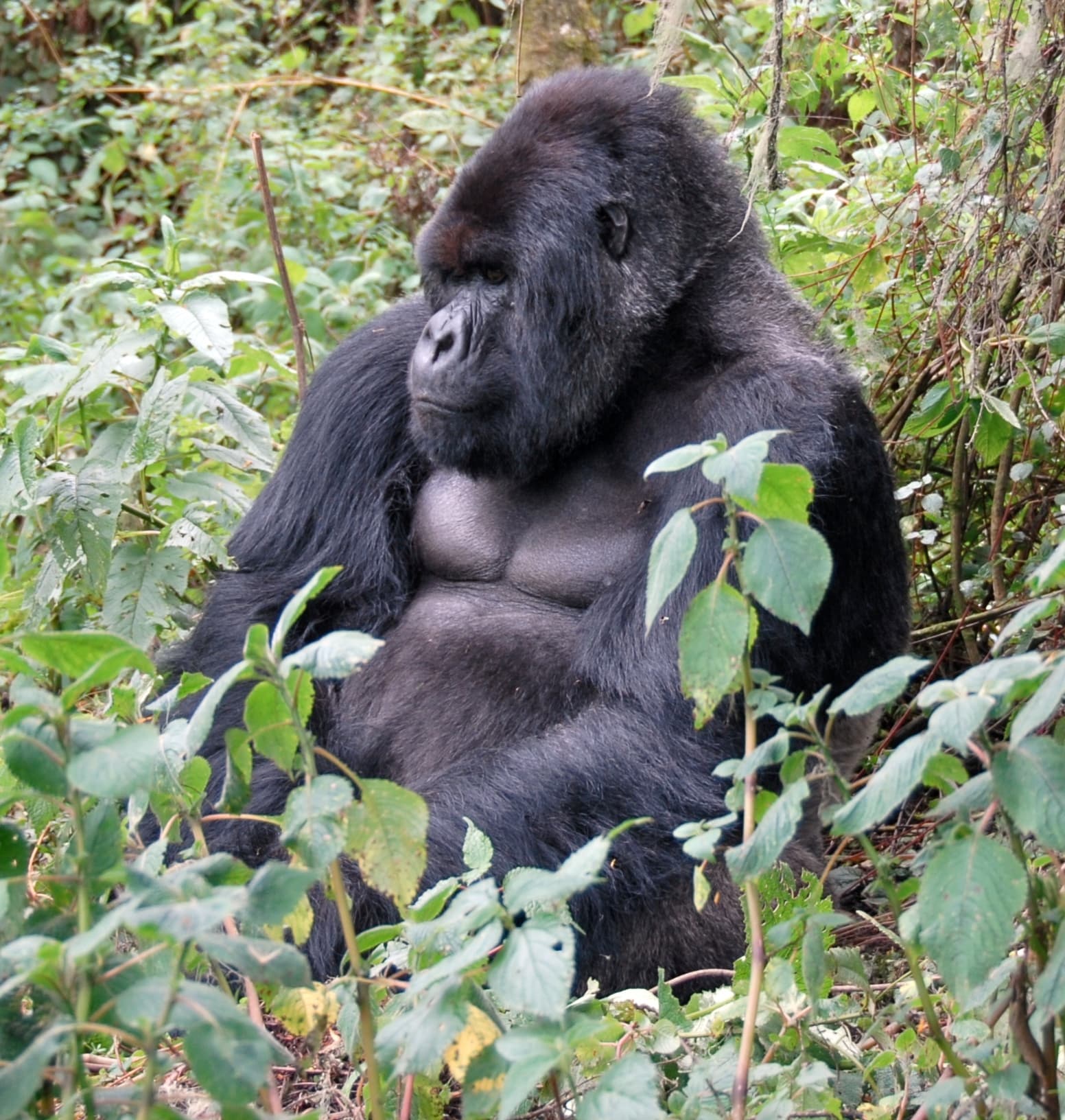
Roughly half the world's remaining mountain gorillas live across the Virunga volcanoes that Rwanda and Uganda share, plus Uganda's Bwindi Impenetrable Forest. Wildlife authorities in both countries run permit systems that strictly limit daily visitors — one habituated family, eight trekkers, one hour. The gorillas are equally extraordinary either side of the border; the experience of reaching them is what differs.
Here is the honest comparison, followed by simple guidance and the case for pairing gorillas with a wider safari. Check government advice first: when we last checked (23 September 2026), the US State Department rated Uganda Level 4, “Do Not Travel”, after the 2026 Ebola outbreak, and Rwanda Level 3, “Reconsider Travel”, with Level 4 applying only within 10 km of the DRC border, an area that excludes Volcanoes National Park.
Side by side
Rwanda and Uganda Compared
| What matters | Rwanda | Uganda |
|---|---|---|
| Gorilla permit cost | $1,500 per person, per trek — set by the Rwanda Development Board. | No current figure: $800 per person, per trek under the Uganda Wildlife Authority's 2024–26 tariff, which expired in June 2026. Confirm the current rate at booking. |
| Where you trek | Volcanoes National Park, in the Virunga range. | Bwindi Impenetrable Forest (and Mgahinga in the Virungas). |
| Access | About 2–3 hours by road from Kigali airport — the easiest access in the region. | 8–9 hours by road from Entebbe, or a scheduled flight to the southwest. |
| Trek difficulty | Open bamboo and volcano slopes; demanding but relatively navigable. | Dense, steep rainforest — often more strenuous, with tangled undergrowth. |
| Lodges | The region's most polished luxury lodges, several ultra-exclusive. | Excellent lodges with strong value; fewer ultra-luxury options. |
| Beyond gorillas | Golden monkeys, the Dian Fossey legacy, and Akagera's savanna to the east. | Chimpanzees, tree-climbing lions, and boat safaris in Queen Elizabeth NP. |
| Best paired with | A short, seamless add-on to a Kenya or Tanzania safari. | A longer primates-and-savanna journey within Uganda itself. |
Choose Rwanda if…
- You want the easiest access and shortest travel time
- You are adding gorillas to a Kenya or Tanzania safari
- You want the region's most luxurious lodges
- Comfort and convenience matter more than permit cost
Choose Uganda if…
- You want what has historically been the lower permit cost and stronger overall value
- You are up for a more demanding, wilder forest trek
- You want chimpanzees and diverse wildlife in one country
- You have time for a longer, deeper primates journey
Or go wider
Combining Gorillas With a Savanna Safari
Gorilla trekking is unforgettable, but a single hour rarely fills a whole trip. Rwanda's easy access makes it the natural three- to four-night add-on to a Kenyan or Tanzanian safari — savanna, then gorillas, then home. Uganda rewards a longer stay in its own right, chaining Bwindi's gorillas with chimpanzee tracking in Kibale and the wildlife of Queen Elizabeth. Because permits are strictly limited in every season, we secure them first and build the itinerary around the confirmed dates — never the other way around.
Good to know
Gorilla Trekking Questions
Is Rwanda or Uganda better for gorilla trekking?
Both offer the same extraordinary encounter. Rwanda wins on access and luxury — 2–3 hours from Kigali to some of the region's finest lodges — while Uganda has historically won on value, with an $800 permit under its expired 2024–26 tariff against Rwanda's $1,500 (confirm Uganda's current rate), and superb chimpanzee tracking alongside. Rwanda suits a polished short add-on; Uganda suits a longer, wilder primates journey. Check the current US advisory for each before you decide: Uganda was at Level 4 at our last check on 23 September 2026.
How much are gorilla permits in Rwanda and Uganda?
Permits are fixed by the national authorities. Rwanda's is $1,500 per person per trek, set by the Rwanda Development Board. Uganda's was $800 under the Uganda Wildlife Authority's 2024–26 tariff, which expired in June 2026, so the current Uganda rate must be confirmed at booking. Prices are identical through every operator — nobody discounts them — and daily numbers are strictly capped, so permits, not lodges, usually drive an itinerary's timing.
How difficult is gorilla trekking?
It ranges from an hour to a full day of hiking at altitude, on steep and often muddy terrain. Rwanda's bamboo slopes are demanding but navigable; Uganda's Bwindi is denser and steeper. Reasonable fitness helps, porters are available and recommended, and rangers match slower groups to nearer families.
What is the best time for gorilla trekking?
Trekking runs year-round in both countries. The drier months — June to September and December to February — bring firmer trails and easier hiking, though rain is possible any time in these forests. Permits sell out furthest ahead for the dry season, so book early.
Can I combine Rwanda and Uganda gorillas?
You can, and some travelers trek in both, but for most it is unnecessary — the gorillas are the same species and the experience is similar. We more often pair one country's gorillas with a savanna safari or, in Uganda, with chimpanzees, for greater variety across the trip.
How many days do I need for a gorilla trip?
For Rwanda as a savanna add-on, three to four nights covers a comfortable buffer plus one or two treks. Uganda's longer access and richer primate circuit reward six nights or more. We always build in a spare day around trekking to absorb the unexpected.
Plan Your Gorilla Trek the Right Way
Tell us your dates and whether gorillas are the whole trip or part of a wider safari. We will secure permits first, then design a private journey — Rwanda, Uganda, or gorillas plus savanna — around the confirmed days.
Request a Private Safari Quote