
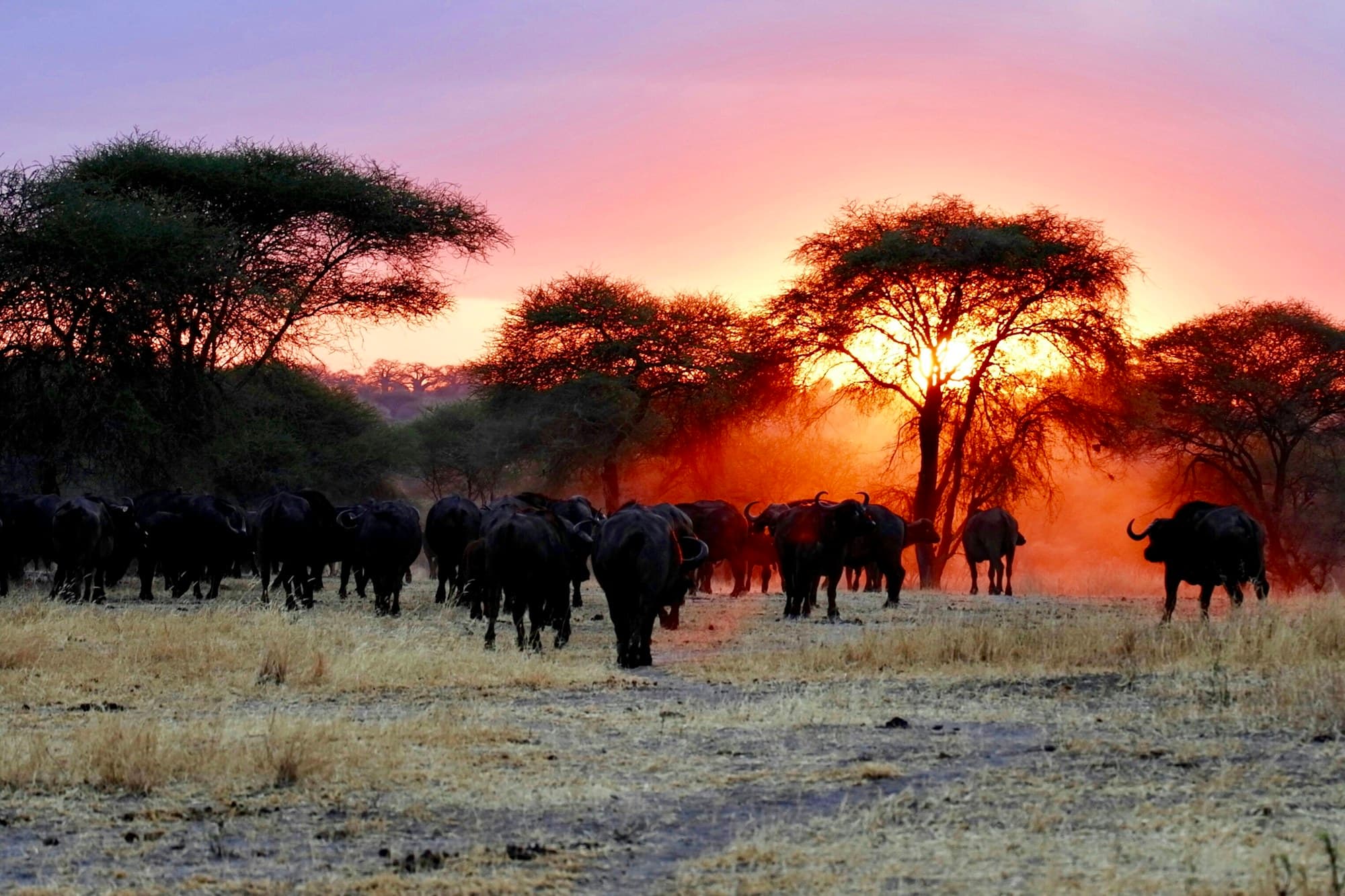
Planning Guide
Best Time to Go on an African Safari
There is no single perfect month, only the right month for your dream safari. Learn how seasons, wildlife movement, weather, crowds, and destination choice shape the best time to travel.
Designed for couples, families, honeymooners, and private travelers from around the world.
In short
The Quick Answer
June to October
Best for
Classic dry-season safari, excellent wildlife viewing, and easier game viewing around water sources.
January to February
Best for
Warm weather, strong wildlife viewing, predator activity, and calving season in parts of Tanzania.
November to December
Best for
Greener landscapes, fewer crowds, shoulder-season travel, and photography.
March to May
Best for
Lower crowds and value in some areas, but rain can affect routing and some camps may close.
The best time depends on your destination, travel style, lodge preference, and the wildlife experience you want most.
How timing works
Safari Timing Depends on What You Want to Experience
An African safari can be excellent year-round, but the best month depends on your destination and priorities. Dry-season months often bring easier wildlife viewing around water sources, while green-season months can offer fewer crowds, lush landscapes, dramatic skies, and strong photography opportunities.
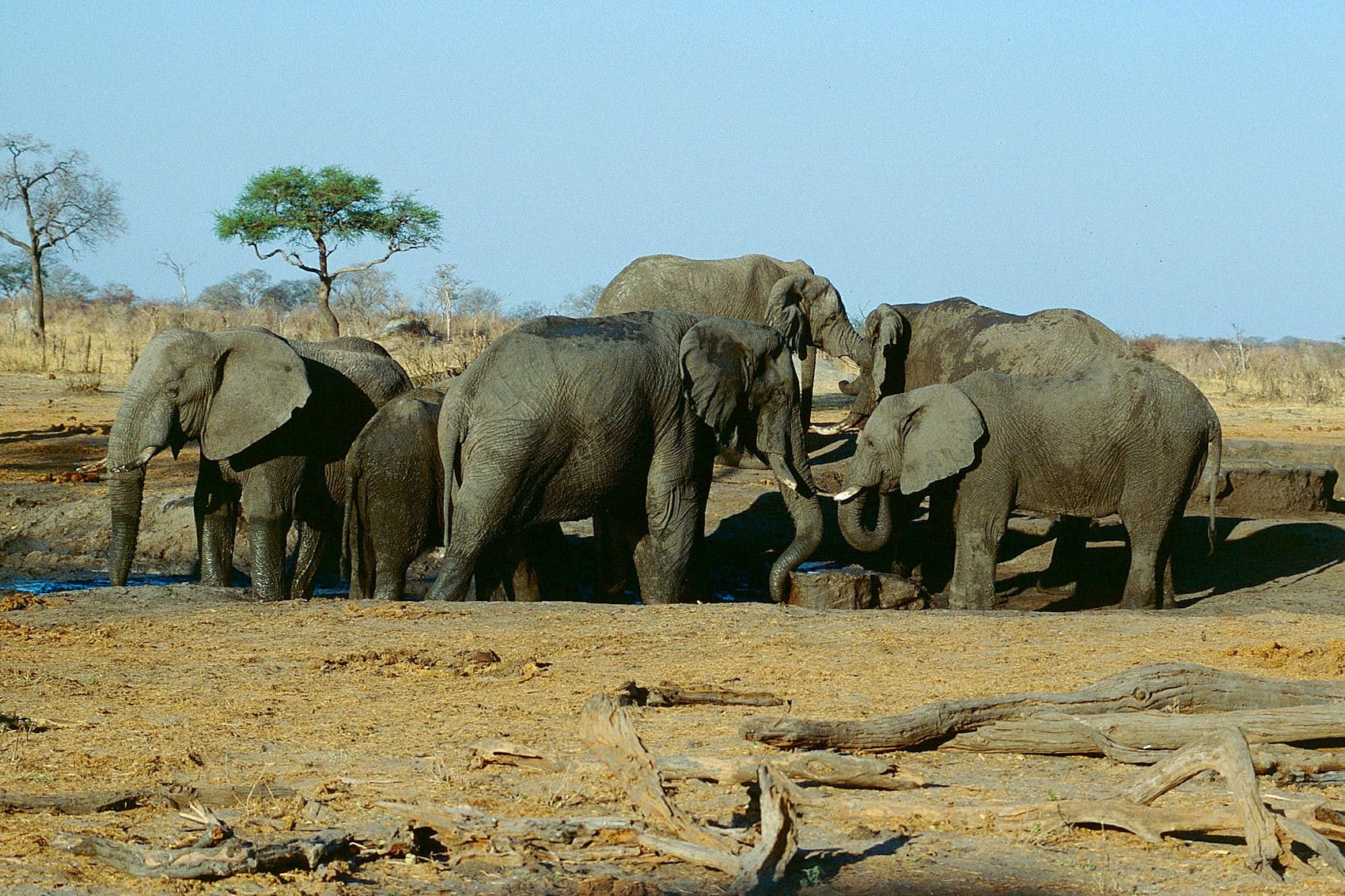
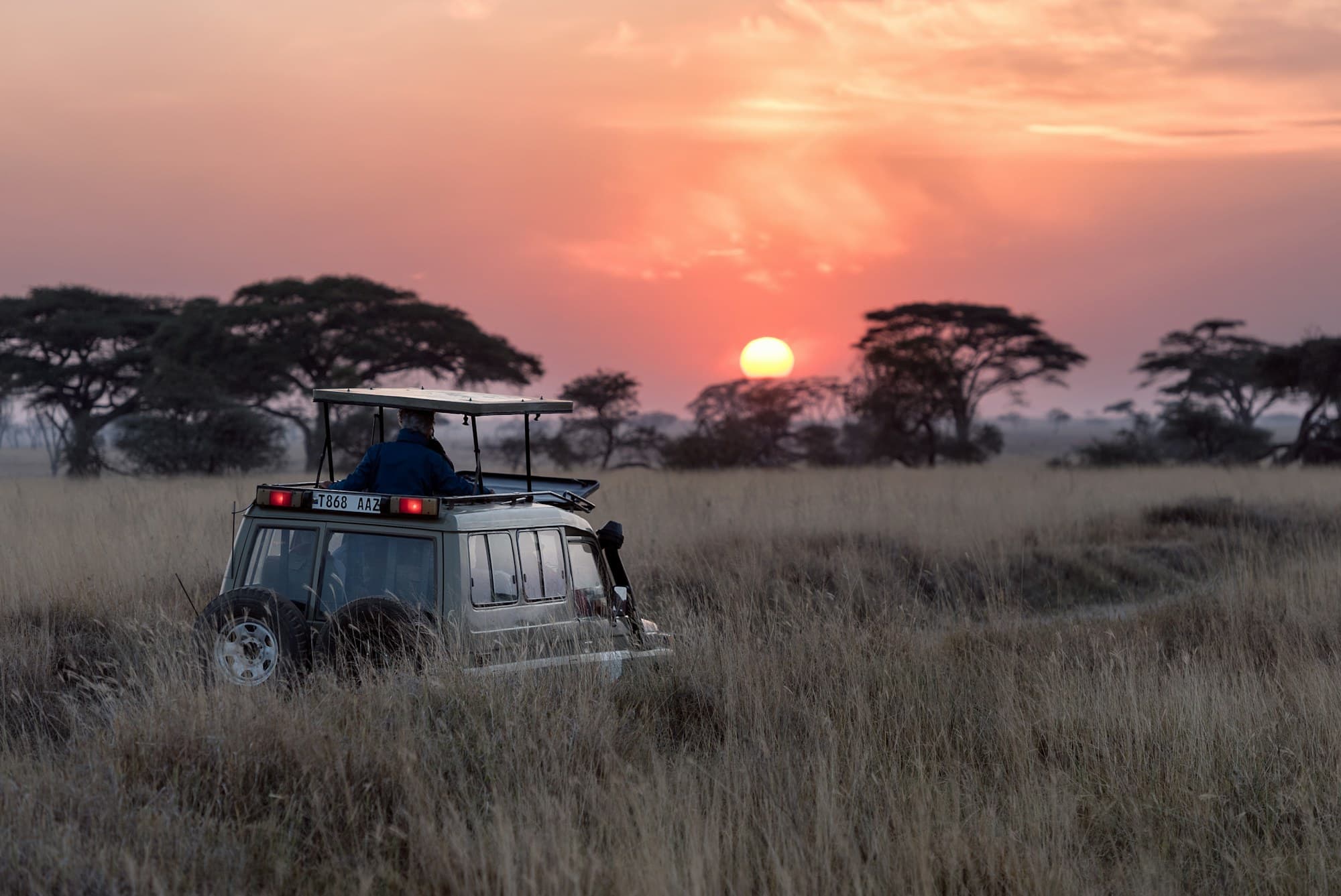
Dry season concentrates wildlife at water — green season transforms the light.
The four windows
Safari Seasons Explained
June to October: Classic Dry Season
- Best months for wildlife viewing around water sources
- Popular for Kenya, Tanzania, Botswana, South Africa, Zambia, Zimbabwe, and Namibia
- Higher demand — plan 9–12 months ahead
November to December: Short Rains and Green Shoulder Season
- Greener landscapes and dramatic skies
- Fewer crowds in many regions
- Strong photography light
- Conditions vary by country
January to March: Warm Season and Calving Period
- Strong East Africa wildlife viewing
- Southern Serengeti calving season
- Popular for honeymoon and family travel
- Warm weather in many areas
April to May: Long Rains and Quiet Season
- Lowest crowds of the year
- Some seasonal camps close
- Rain can affect routing
- Best for flexible travelers and value-oriented luxury planning
By travel style
Best Time by Safari Style
Timing shifts with the kind of journey you want. Here is where to start for each style.
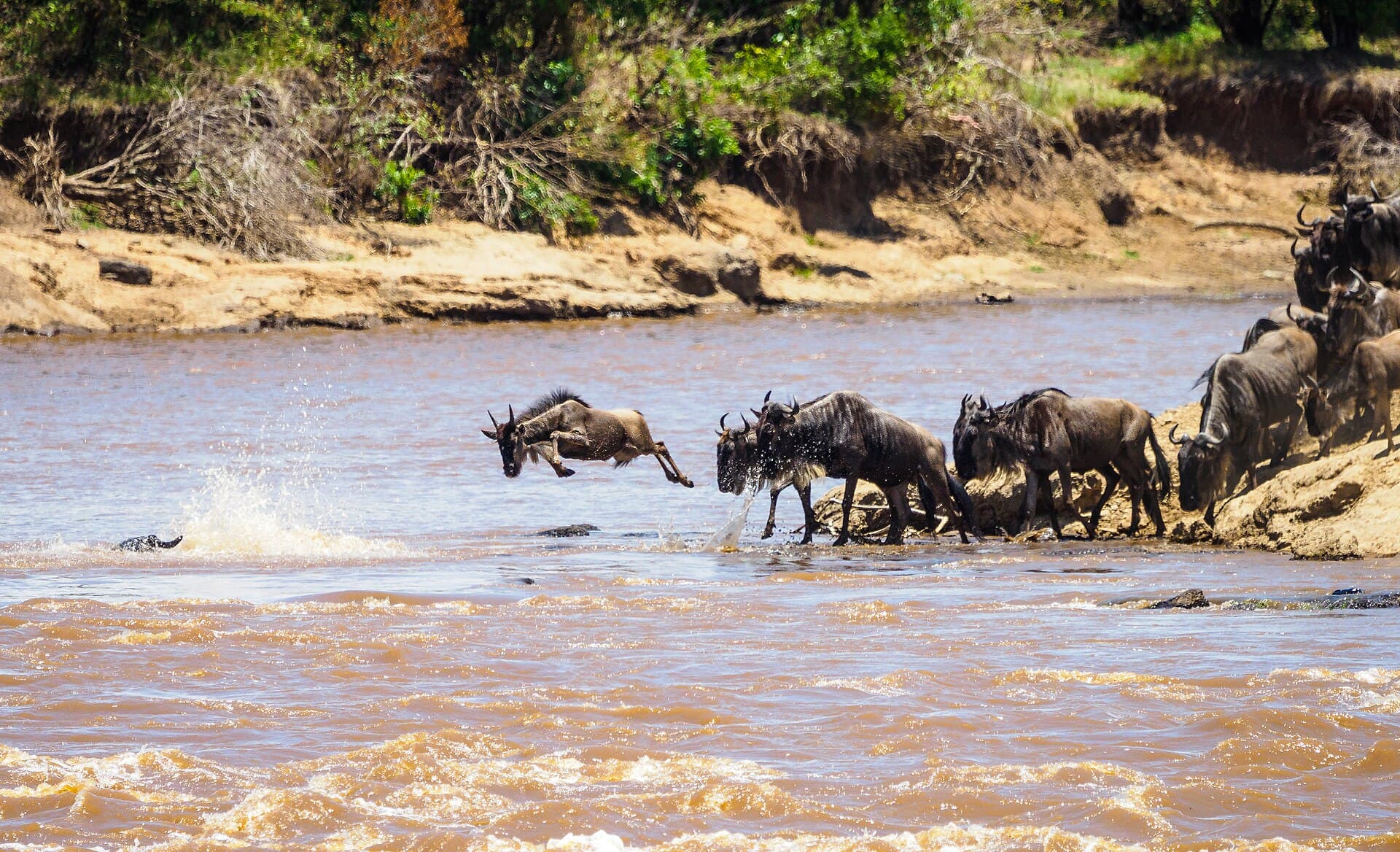
Great Migration Safari
January to March for southern Serengeti calving season; June to October for northern Serengeti and Masai Mara migration movement.
Explore
Gorilla Trekking
June to September and December to February are often preferred for drier trekking conditions.
Explore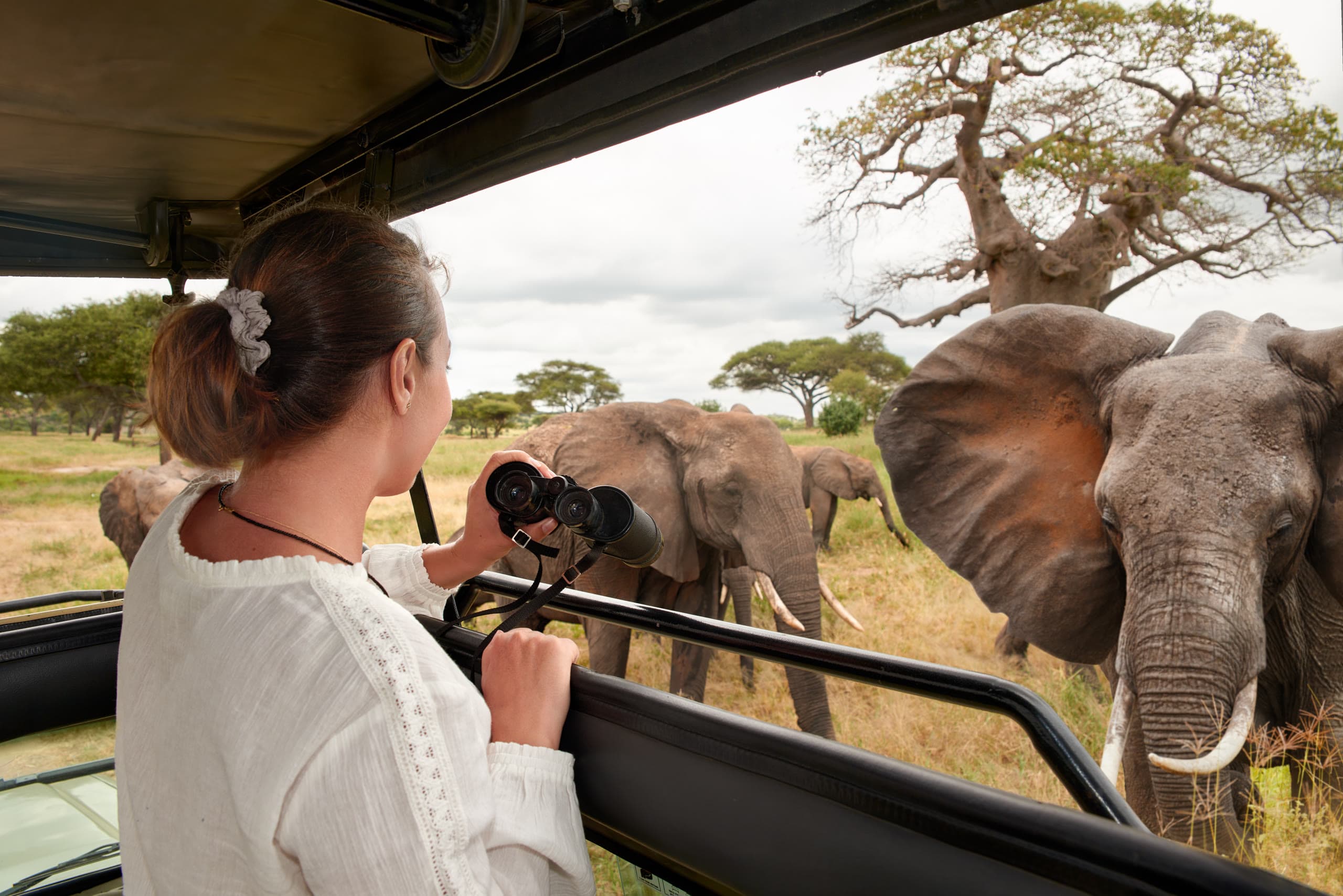
Luxury Safari
June to October for classic dry-season safari; January to February for strong East Africa wildlife viewing.
Explore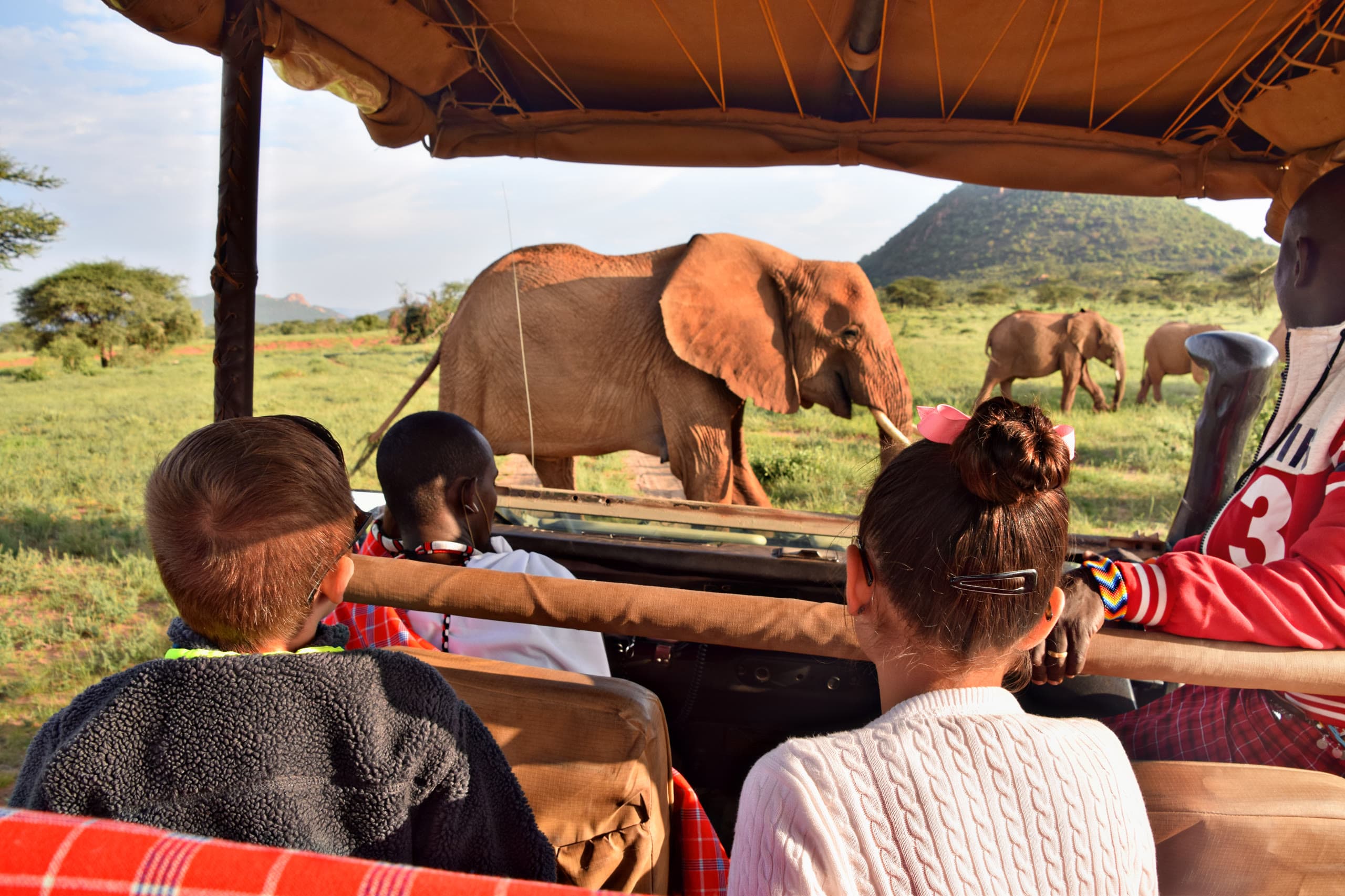
Family Safari
June to August and December holiday periods are popular, but plan early for lodge availability.
Explore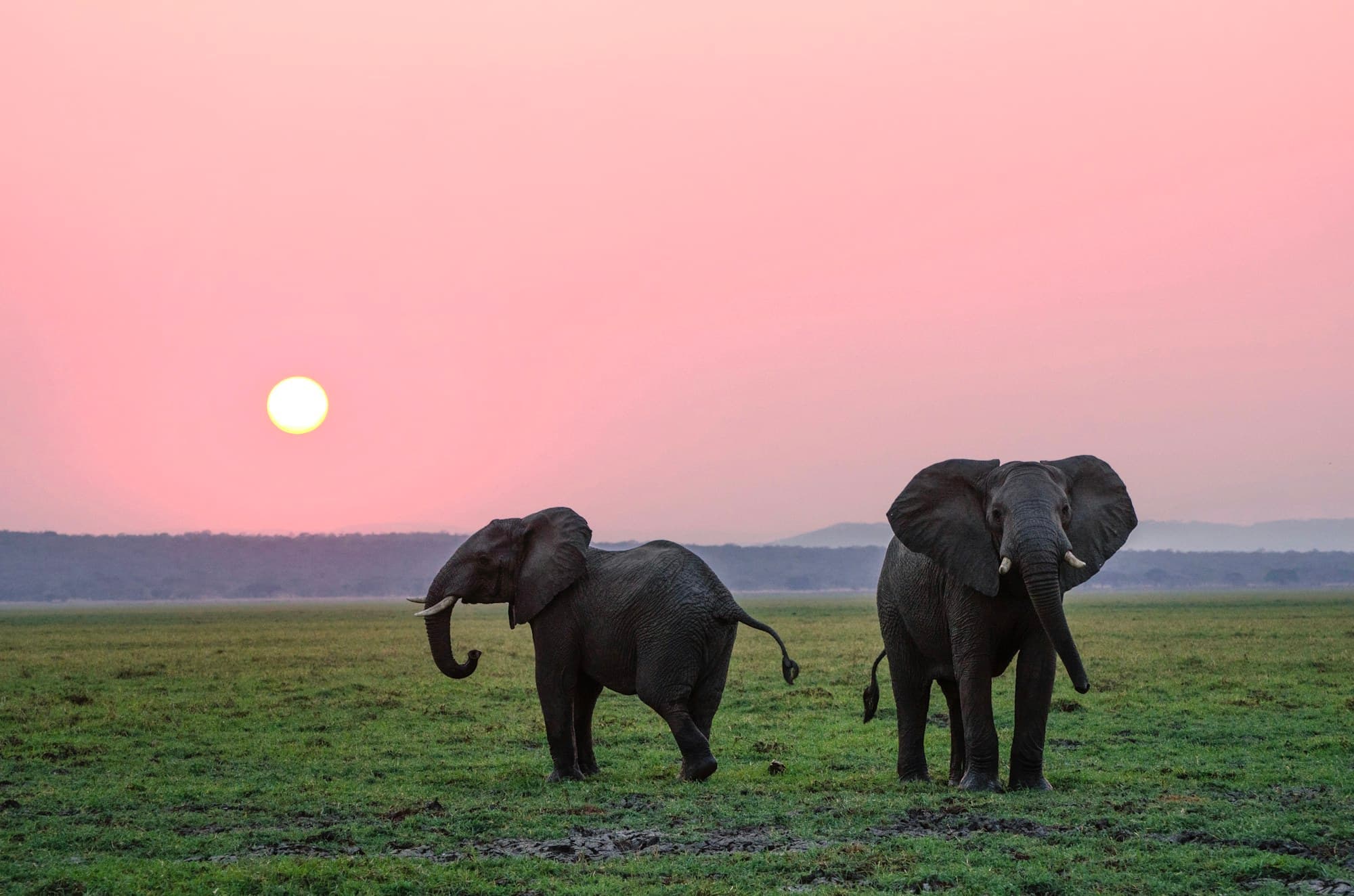
Honeymoon Safari
June to October for classic safari weather; January to February for warm weather and strong wildlife viewing.
Explore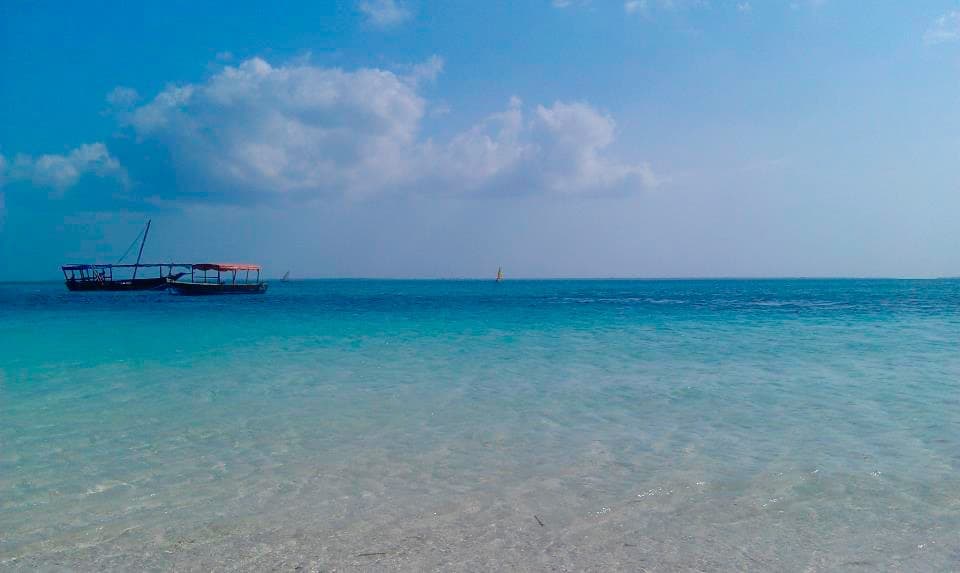
Safari + Beach
June to October and December to February often work well for safari and Zanzibar or Indian Ocean beach combinations.
ExploreMonth by month
The Safari Year at a Glance
Every month offers a strong safari somewhere. Here is where each one shines.
January
Calving seasonBest for
Southern Serengeti calving, Kenya, Rwanda, South Africa
Warm conditions in East Africa with strong predator action around the calving herds.
February
Warm seasonBest for
Southern Serengeti, Kenya conservancies, gorilla trekking
Peak calving weeks — a favorite month for photographers and honeymooners.
March
Shoulder seasonBest for
Serengeti, South Africa, Namibia
Long rains begin late in the month in East Africa; parks grow quiet and value improves.
April
Green seasonBest for
South Africa, Namibia, flexible East Africa travel
Long rains across East Africa — some camps close and rates soften.
May
Green seasonBest for
South Africa, Namibia, Zimbabwe
Rains taper and landscapes turn lush — a quiet, value-driven month for flexible travelers.
June
Dry seasonBest for
Botswana, Tanzania, Kenya, Zambia
The dry season opens across most regions with excellent all-around game viewing.
July
Peak dry seasonBest for
Masai Mara, northern Serengeti, Okavango Delta
Migration river crossings often begin — book sought-after camps early.
August
Peak dry seasonBest for
Kenya, Tanzania, Botswana, Zambia, Zimbabwe
Classic safari conditions everywhere, with peak demand around the Mara crossings.
September
Dry seasonBest for
Kenya, Tanzania, Botswana, Zambia
Outstanding predator viewing as water sources shrink — slightly fewer crowds than August.
October
Late dry seasonBest for
Kenya, Zambia, Zimbabwe, Botswana
Hot and dry with wildlife concentrated at water; short rains arrive late in the month.
November
Short rainsBest for
Serengeti, Zanzibar, South Africa
Green shoulder season — dramatic skies, newborn wildlife, and fewer vehicles.
December
Festive seasonBest for
Southern Serengeti, Kenya, Zanzibar, South Africa
The holidays are popular at top lodges — plan festive travel well ahead.
By country
Best Months by Country
Open a country to see its strongest months, what it does best, and what to keep in mind.
KenyaJune–October, January–February
- Best months
- June–October, January–February
- Best for
- Masai Mara, big cats, private conservancies, family safaris
- Good to know
- Migration timing varies with rainfall and herd movement.
TanzaniaJune–October, January–March
- Best months
- June–October, January–March
- Best for
- Serengeti, Ngorongoro Crater, the Great Migration, calving season
- Good to know
- The migration is in Tanzania year-round — the region you visit changes by month.
South AfricaMay–September
- Best months
- May–September
- Best for
- Malaria-free reserves, Greater Kruger, Cape Town combinations
- Good to know
- The winter dry season is best for game viewing; Cape Town shines December–March.
BotswanaJune–October
- Best months
- June–October
- Best for
- Okavango Delta, water-based safaris, exclusive small camps
- Good to know
- Delta flood levels peak mid-year; the green season offers strong value.
NamibiaJune–October
- Best months
- June–October
- Best for
- Etosha waterholes, Sossusvlei dunes, desert-adapted wildlife
- Good to know
- A year-round destination — photographers love the green-season light.
RwandaJune–September, December–February
- Best months
- June–September, December–February
- Best for
- Gorilla trekking, Volcanoes National Park, golden monkeys
- Good to know
- Trekking runs year-round; drier months make hiking easier and permits are limited.
UgandaJune–September, December–February
- Best months
- June–September, December–February
- Best for
- Bwindi gorillas, chimpanzees, Queen Elizabeth, Murchison Falls
- Good to know
- Drier windows suit trekking; the savanna parks are good most of the year.
ZambiaJune–October
- Best months
- June–October
- Best for
- South Luangwa walking safaris, Lower Zambezi, Victoria Falls
- Good to know
- Many bush camps close in the rains; the falls flow strongest February–May.
ZimbabweJune–October
- Best months
- June–October
- Best for
- Hwange elephants, Mana Pools, Victoria Falls
- Good to know
- The late dry season concentrates wildlife; the falls are fullest early in the year.
ZanzibarJune–October, December–February
- Best months
- June–October, December–February
- Best for
- Beach extensions, Stone Town, diving and snorkeling
- Good to know
- Pairs naturally with East Africa's dry-season safari months.
Not Sure Which Month Is Right?
Tell us your preferred travel month, destination interests, and travel style. We will help match your dates with the strongest safari regions, lodge options, and route combinations.
Good to know
Timing Questions
What is the best time to go on an African safari?
For most first safaris, June to October offers the classic dry-season experience: wildlife concentrated around water, cool mornings, and reliable conditions. January and February are a strong alternative in East Africa. The honest answer depends on your destination and priorities — which is exactly what we help you match.
Is the green season worth it?
Often, yes. November to March brings lush landscapes, dramatic skies, newborn wildlife, migratory birds, and fewer vehicles at sightings — often with better lodge availability. The trade-off is taller grass and occasional rain, and April–May rains can affect routing in some regions.
What is safari weather actually like?
Milder than most travelers expect. Dry-season mornings can be genuinely cold on open vehicles, middays warm, and evenings crisp — layers matter more than heat protection. Green-season rain usually falls in short, dramatic bursts rather than all-day washouts.
When should I see the Great Migration?
The herds are always somewhere in the ecosystem. January to March is calving season in the southern Serengeti; June to October covers the dramatic river-crossing months in the northern Serengeti and Masai Mara. Crossings follow rainfall, not a calendar — we build routings around probability, not promises.
Is December a good time for safari?
Yes — the short rains typically ease, landscapes are green, and East Africa offers strong wildlife viewing. The festive weeks are popular at top lodges and Zanzibar resorts, so December travel is best planned six to twelve months ahead.
Is August too crowded for safari?
August is peak season in the Masai Mara and around migration crossings, but a private safari changes the experience: private conservancies, quieter park sectors, and camps chosen away from the busiest circuits. Botswana, Zambia, and Zimbabwe are also superb in August with far fewer vehicles.
What is the best time for gorilla trekking?
Gorilla trekking in Rwanda and Uganda runs year-round. June to September and December to February are often preferred for drier trails and easier hiking. Permits are strictly limited in every season, so timing is usually driven by permit availability.
When should I book a luxury safari?
Nine to twelve months ahead for dry-season travel, and earlier for the festive season, migration river-crossing camps, and gorilla permits. The best small camps hold only a handful of rooms — the calendar, not the budget, is usually the constraint.
Can I travel during the rainy season?
Yes, with the right expectations and routing. April and May bring the heaviest rains in East Africa — some camps close, but rates soften and parks are beautifully quiet. Southern Africa's rains fall November to March, when Namibia and the Cape are at their best.
Begin Your Private African Safari Journey
Tell us when you want to go, where you want to travel, and the kind of experience you have in mind. We will help shape a curated private journey across Africa's leading parks, reserves, lodges, and wilderness destinations.
Request a Private Safari Quote