Why South Africa
Three Decisions That Shape a South Africa Safari
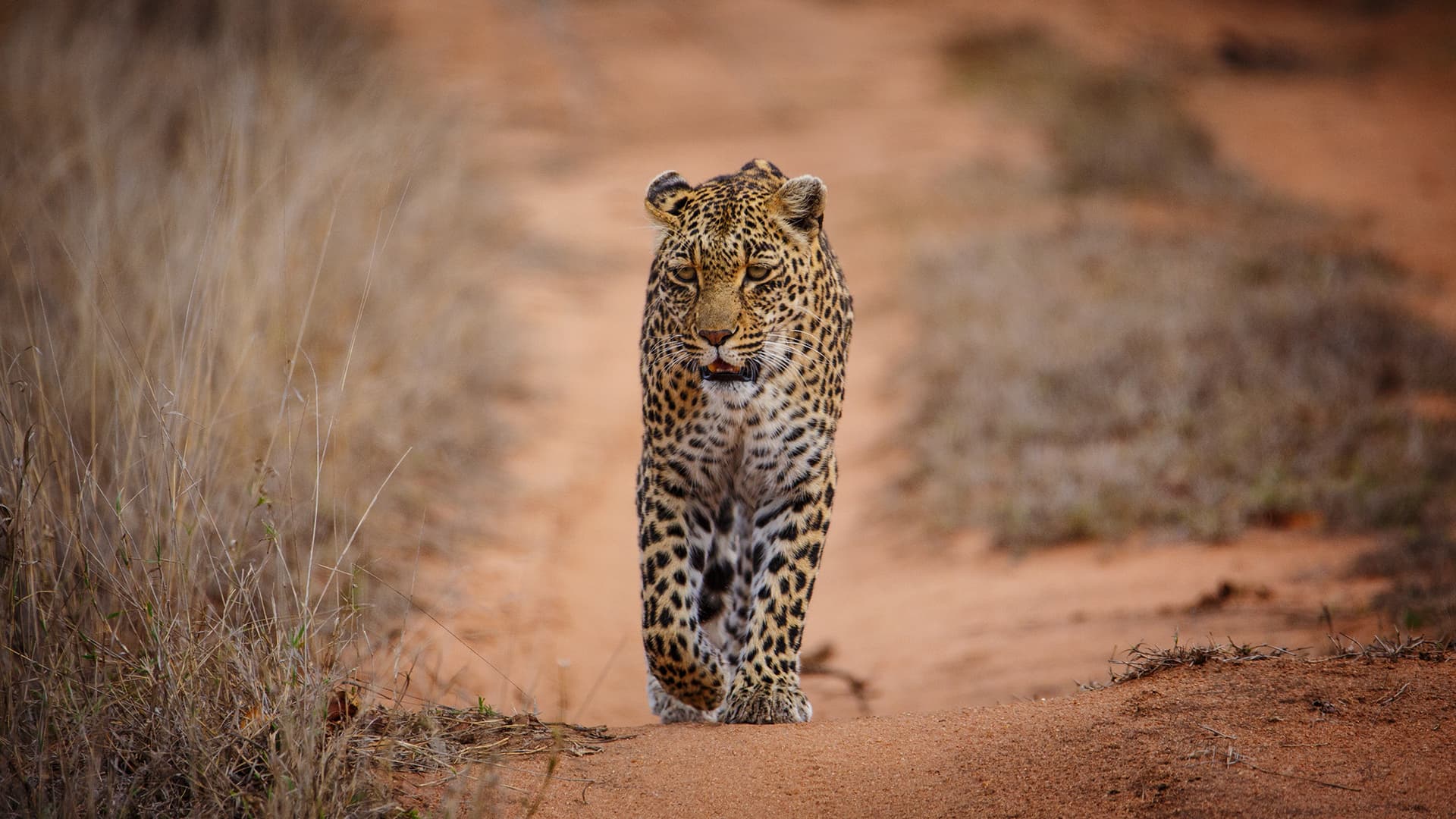
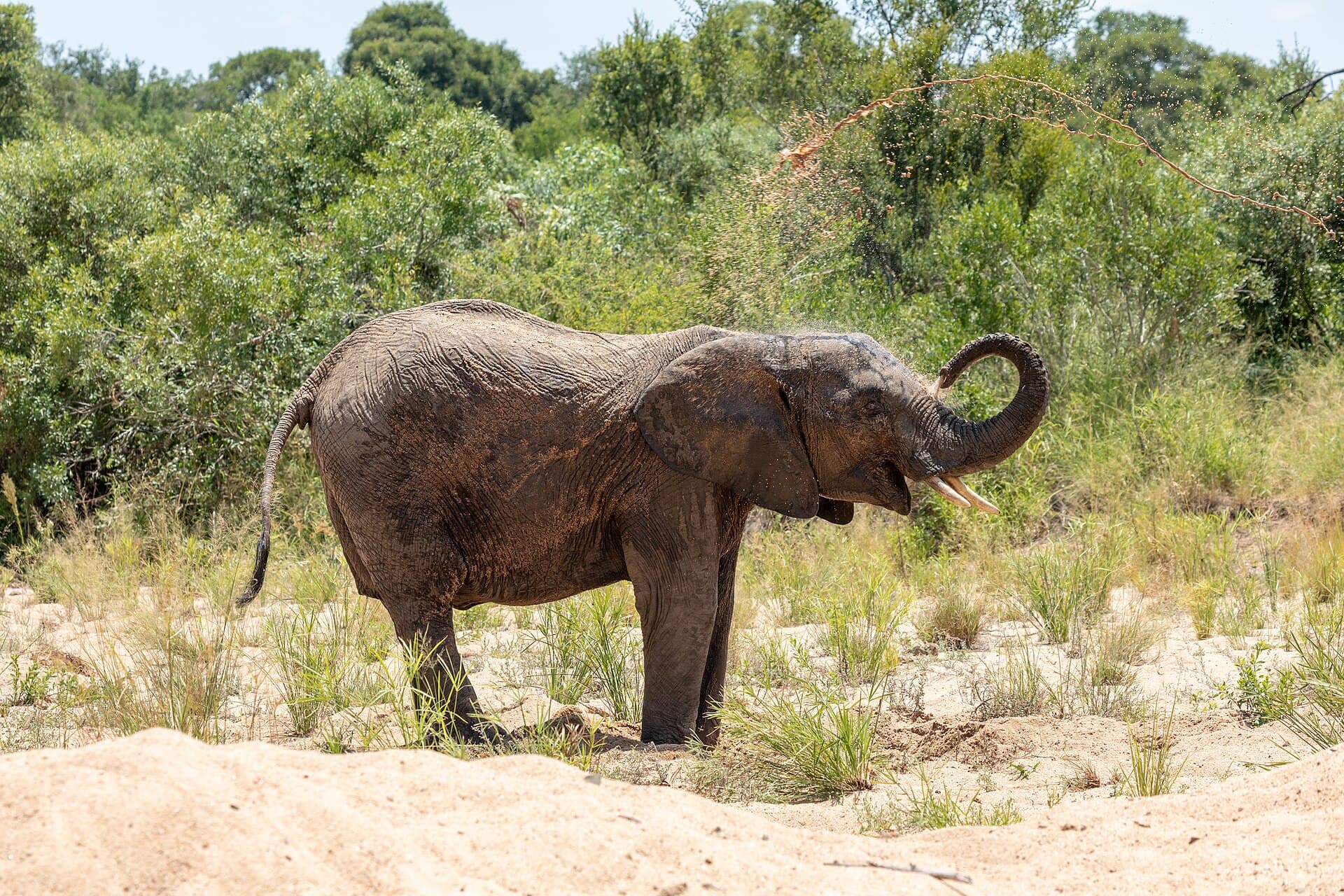
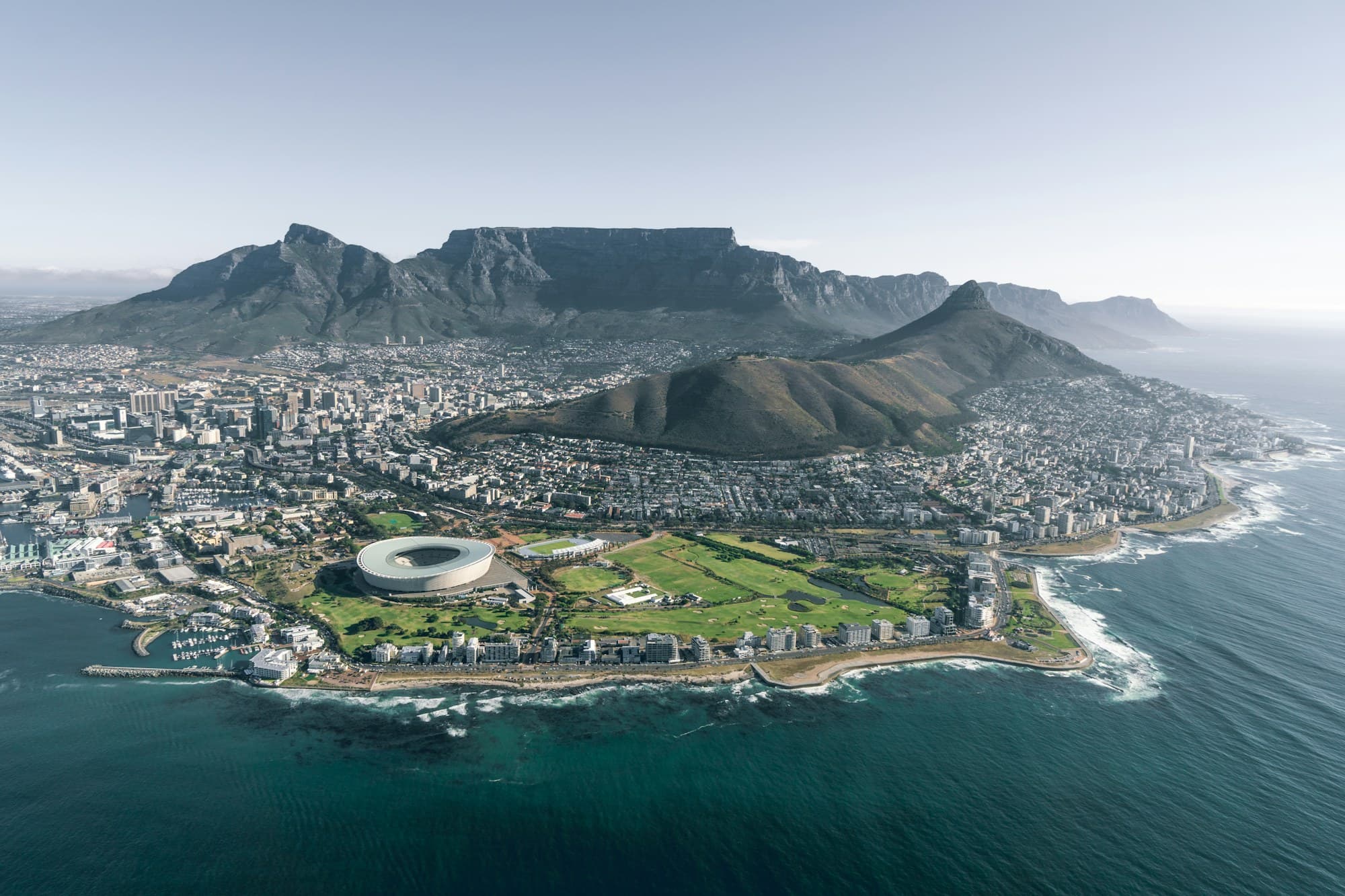
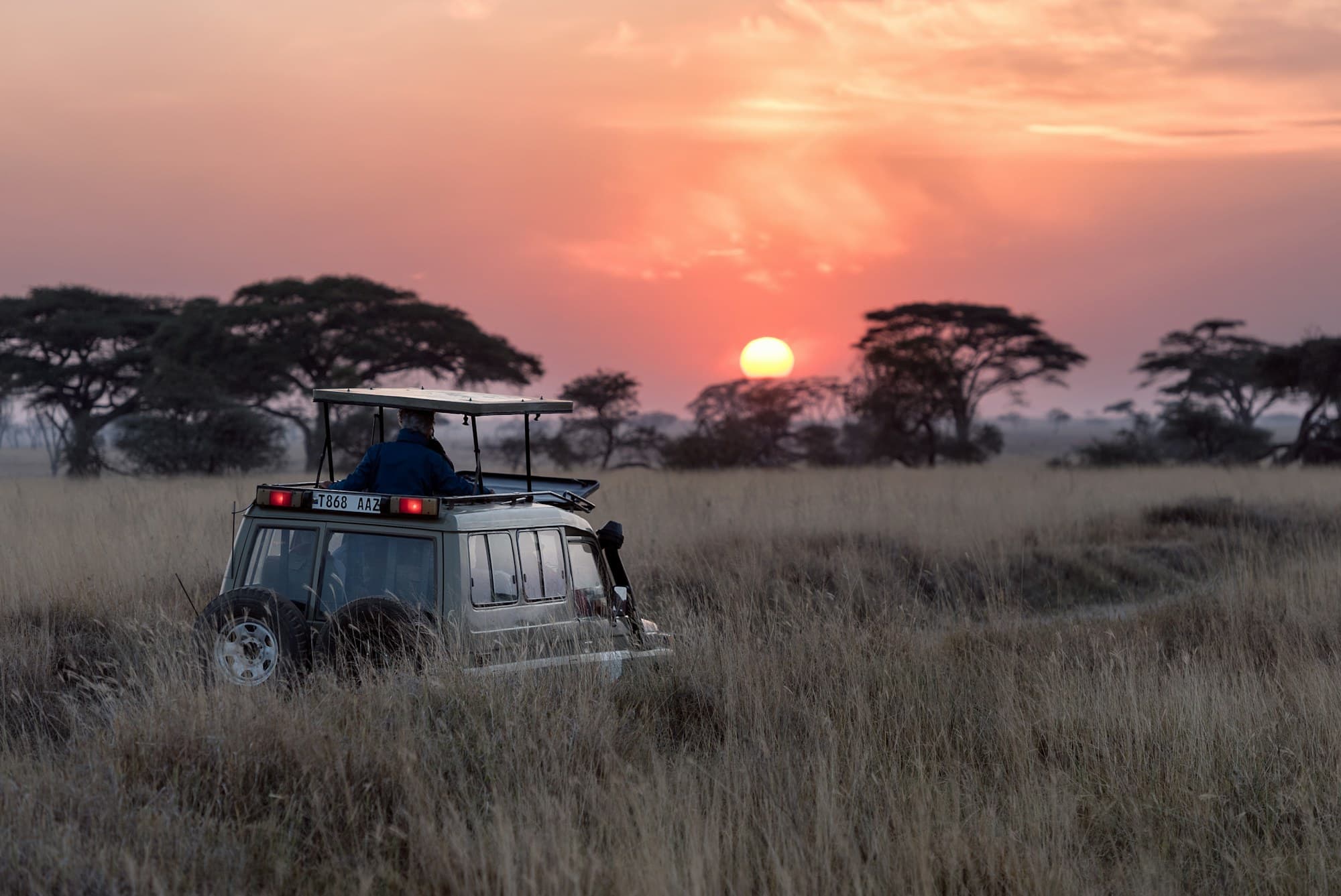
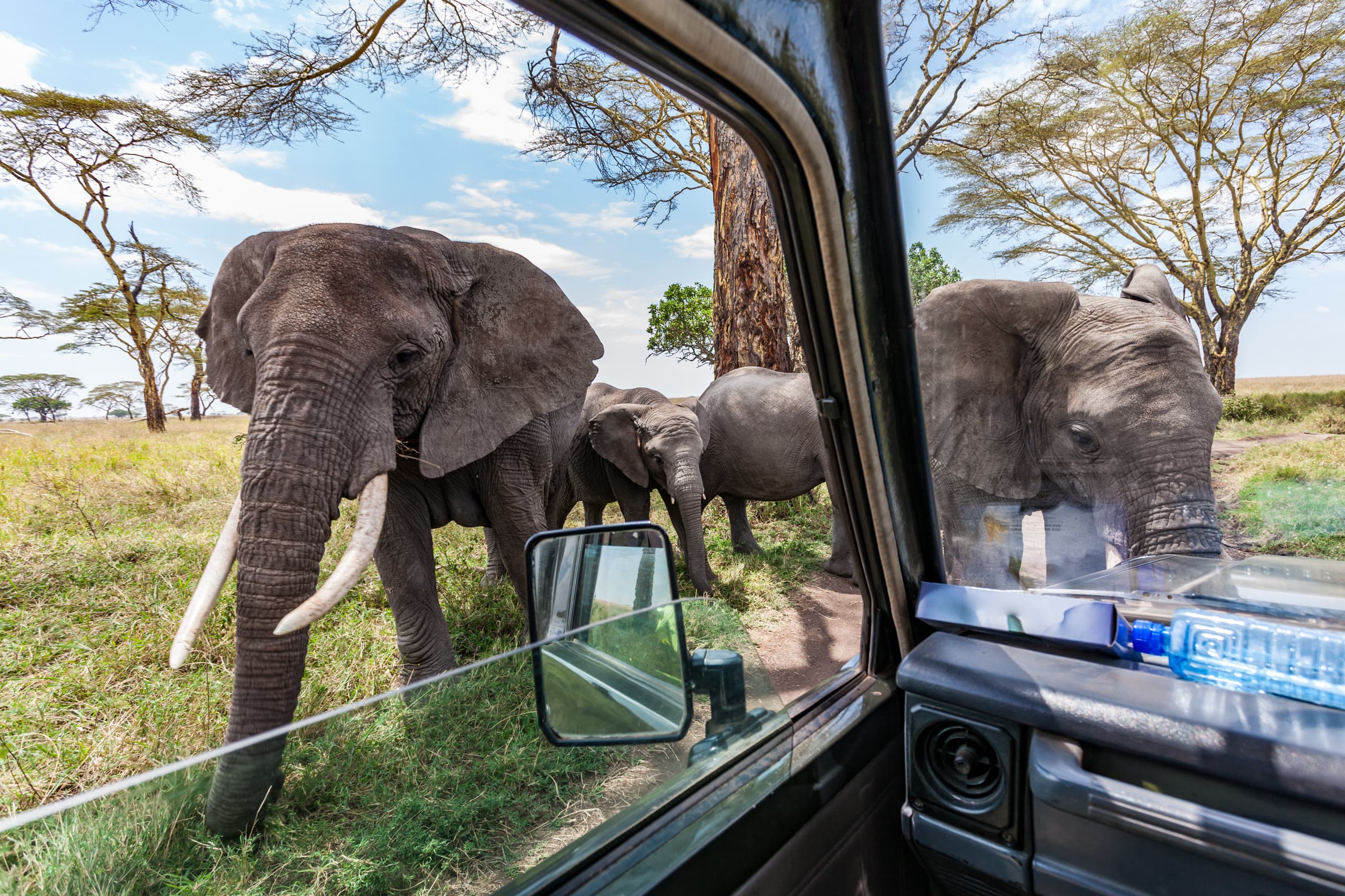
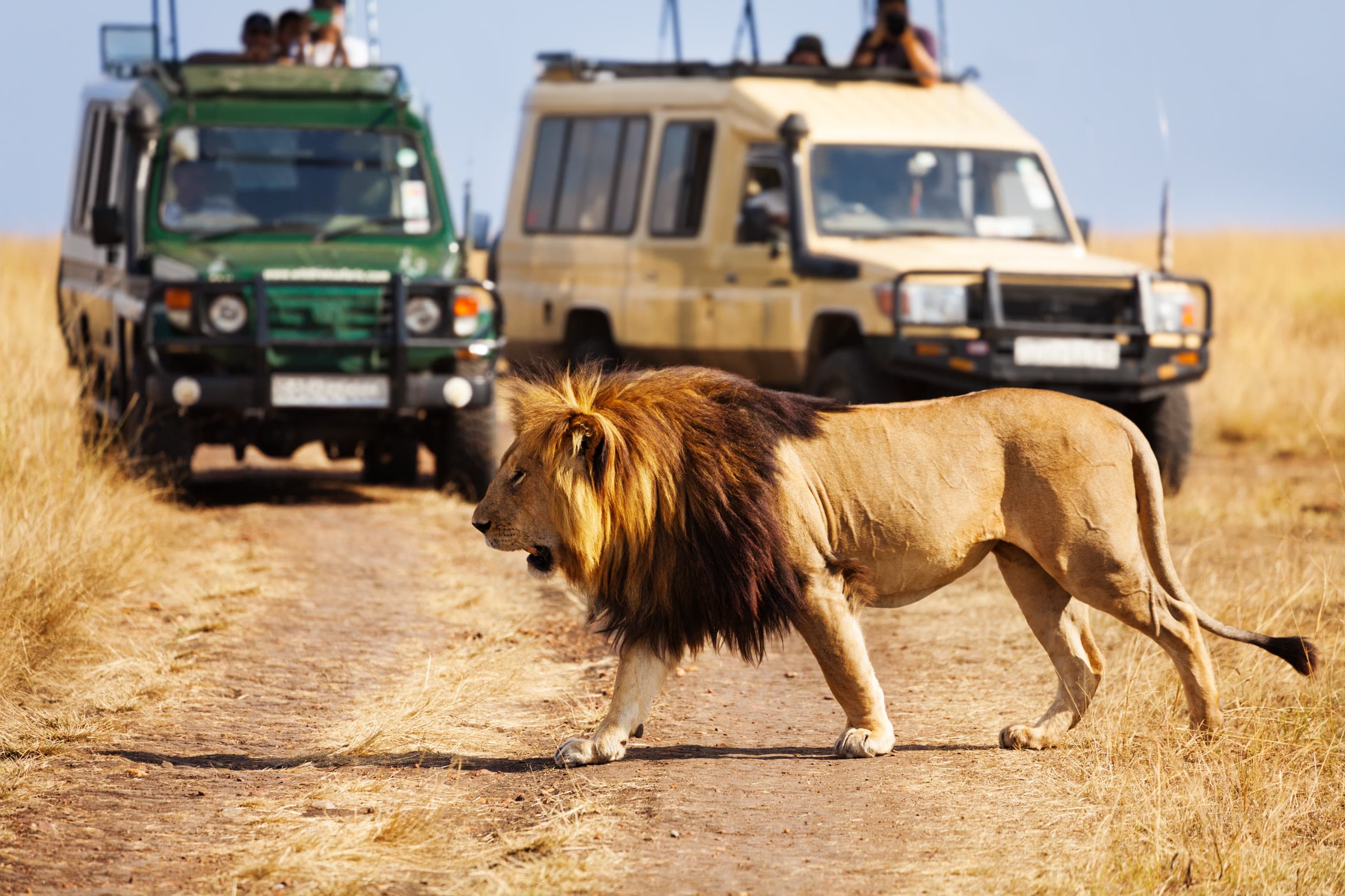
Few safari countries give you as many good choices as South Africa. Kruger National Park, one of Africa’s largest, shares open, unfenced wilderness with the Sabi Sand and a string of private reserves along its western edge. Malaria-free Big Five reserves lie a short flight from Johannesburg and Cape Town. And the Cape adds a world-class city, wine country and a whale coast to the same trip.
Three decisions shape the journey. The first is the kind of reserve: the national park itself, the leopard-rich Sabi Sand, the quieter northern reserves such as the Timbavati, or a malaria-free reserve such as Madikwe when young children are coming. The second is sequencing, because the bush is at its best in the dry winter while the Cape shines in its summer, so the shoulder months often suit both. The third is how you move: nonstop flights from the US reach Cape Town and Johannesburg, and direct flights link Cape Town with the Kruger airports.
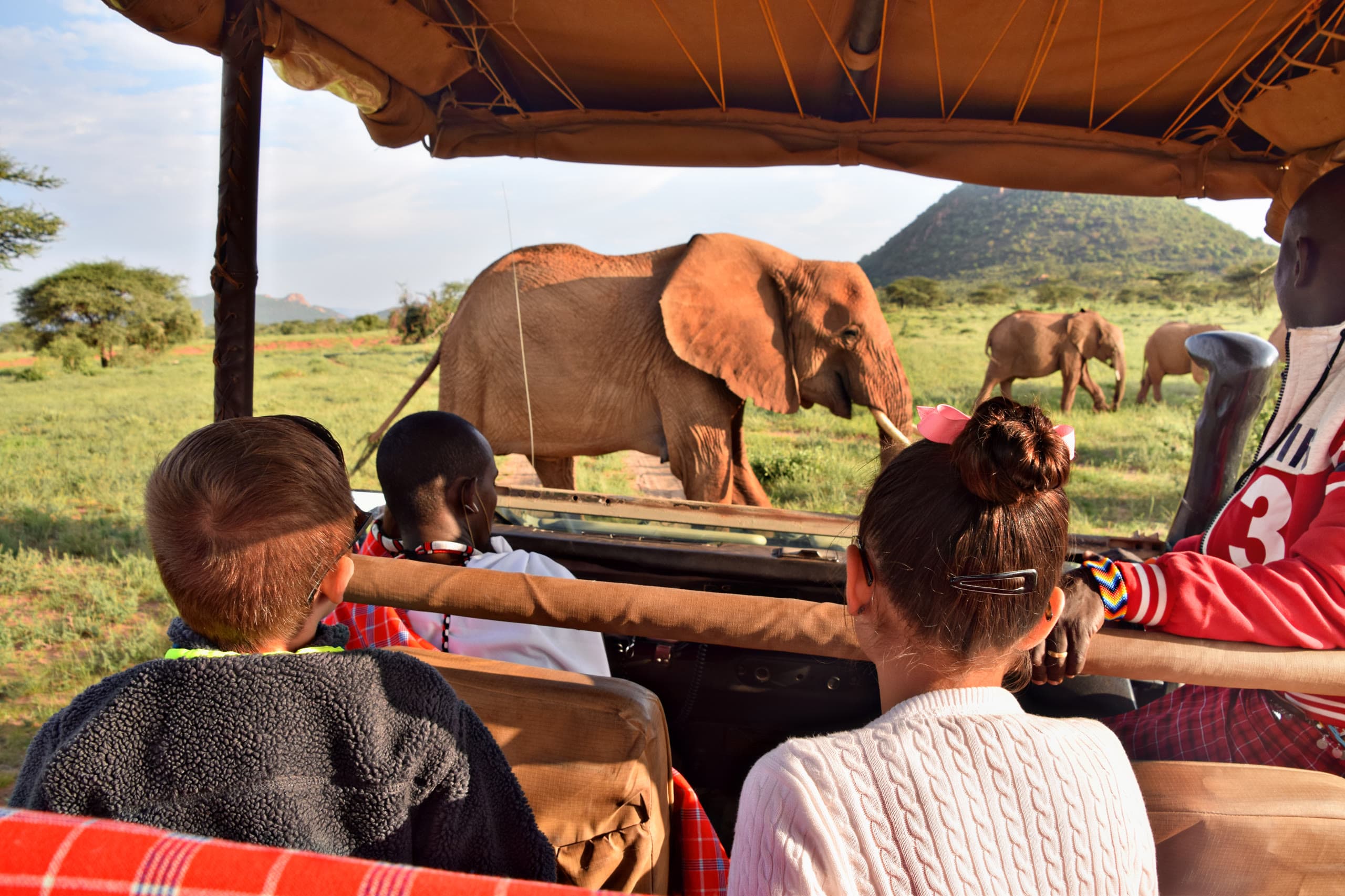
We plan every journey with private transfers and driver-guides on the road and expert lodge guides in the reserves, rather than handing you a rental car, and we are plain about what we leave out: no cub petting, lion walks or shark-cage diving, only reserves where wild animals live wild.
- ≈19,600 km²
- Kruger National Park
- 1993
- Fences between Kruger and its western private reserves removed
- ≈750 km²
- Madikwe, a malaria-free Big Five reserve
- ≈500
- bird species recorded in Kruger
Figures are widely published approximations.