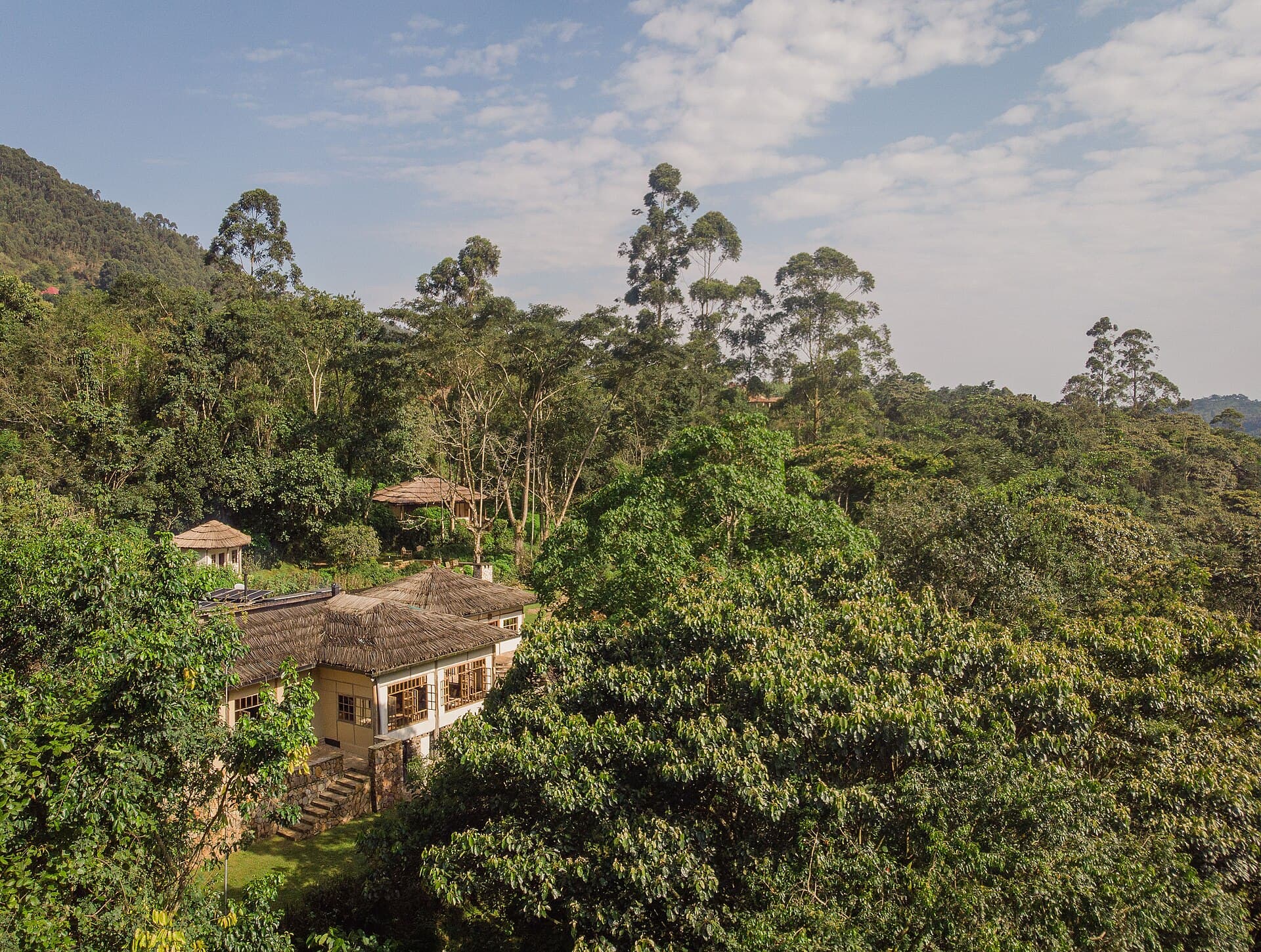
Mist drifting through the forested hills of gorilla country

When to Go

Best Time to Visit Rwanda: A Month-by-Month Guide

Gorillas can be trekked on any day of the year. What changes with the months is the mud on the trail, the light in the forest and how early you need to book.

For most travelers, the best time to visit Rwanda is the long dry season from June to mid-September, followed by the shorter dry spell from mid-December to February. Forest trails in Volcanoes and Nyungwe are firmer, road transfers run to time and the mornings are clearer. These are also the weeks when permits and the best-placed lodges sell out first.

Rwanda doesn’t close in the rains, though. The gorillas live in the park all year, the families are visited every day, and a wet-season trek can be every bit as moving as a dry one, only muddier. The real question isn’t whether the gorillas will be there in a given month, but how comfortable the walk will be and how flexible your dates are.

Rwanda lies just south of the equator, so its year is shaped by rainfall rather than by temperature. Altitude matters more than the month: Kigali is mild all year, while the Virunga slopes and Nyungwe’s forest are cooler, cloudier and wetter than the city averages below suggest.

At a Glance

Rwanda’s Year at a Glance

Each row rates one way of experiencing Rwanda through the year, from limited to excellent. For gorilla and golden monkey treks, the rating describes trail comfort, not the chance of meeting the family.

ExperienceJanFebMarAprMayJunJulAugSepOctNovDec
Gorilla & golden monkey trekking (trail comfort)GoodExcellentFairFairGoodExcellentExcellentExcellentGoodFairFairGood
Nyungwe chimps & canopy walkwayGoodGoodFairFairGoodExcellentExcellentExcellentGoodFairFairGood
Volcano hikes (Bisoke, Karisimbi)GoodGoodFairFairFairExcellentExcellentExcellentGoodFairFairGood
Akagera game viewingExcellentExcellentGoodFairGoodExcellentExcellentExcellentExcellentGoodGoodGood
Birding (Nyungwe & Akagera)ExcellentExcellentExcellentGoodGoodGoodGoodGoodGoodGoodExcellentExcellent
Kigali & Lake KivuGoodGoodGoodFairGoodExcellentExcellentExcellentExcellentGoodGoodGood
RainfallShowersShowersRainy seasonRainy seasonShowersMostly dryMostly dryMostly dryShowersRainy seasonRainy seasonShowers
Travel seasonHigh seasonHigh seasonShoulderGreen seasonGreen seasonPeak seasonPeak seasonPeak seasonPeak seasonHigh seasonShoulderHigh season
ExcellentGoodFairLimited or closedShowersRainy seasonPeak seasonHigh seasonShoulderGreen season

General guidance. Gorillas can be trekked every day of the year — ratings reflect trail comfort, not the chance of seeing them. Rainfall levels follow Kigali averages; the Virunga highlands and Nyungwe are cooler and wetter, and rain is possible in any month.

The Seasons

Rwanda’s Four Seasons

Two dry seasons and two rainy seasons divide the year. The rainfall figures are long-term averages for Kigali; the mountains and the rainforest receive more.

June–mid-September · Long dry season

The driest and most dependable weeks: Kigali averages about 20 mm of rain in June and only 10 mm in July. Forest trails firm up, early mornings often bring clear views of the volcanoes, and Akagera’s wildlife gathers near the lakes as the grass dries. Demand for permits and lodges peaks, so plan early.

October–November · Short rains

Rain builds through October and November, often as heavy afternoon downpours; Kigali averages about 121 mm in November. Many mornings stay dry enough for trekking. Fewer visitors, greener hills and fresh growth in the forest make this a quiet, photogenic window.

Mid-December–February · Short dry season

A warm, drier spell between the rains, and a second busy period, particularly over the holidays. Trails are generally manageable, Akagera is green, and migrant birds are typically present across the country.

March–May · Long rains

The wettest months, with Kigali averaging about 129 mm in March and 135 mm in April. Trails are steep and slick, cloud can sit on the volcanoes for days, and some roads slow down. In exchange you get the lushest forest and the quietest parks of the year.

Month by Month

Rwanda Weather and Travel, Month by Month

What each month is typically like, and what it suits best. Read the rainfall as a guide to how often you’ll meet rain, not as a forecast for your trek day.

MonthKigali rain (average)What it’s likeEspecially good for
January84 mmShort dry season; warm days with occasional showersGorilla treks, Akagera, birding
February84 mmOften one of the better trekking months of the short dry seasonGorillas, chimps, pairing with Tanzania’s calving season
March129 mmThe long rains arrive, usually as heavy afternoon stormsQuiet parks and green forest
April135 mmThe wettest month; Kwibuka commemoration begins on 7 AprilTravelers who value solitude and don’t mind mud
May89 mmRain eases through the monthLush landscapes and a gentle return to drier trails
June20 mmThe long dry season begins; cold nights at altitudeGorillas, volcano hikes, Akagera
July10 mmThe driest month, with the lowest humidityEvery activity; book well ahead
August30 mmDry, often clear mornings; peak demandGorillas, chimps, Akagera game drives
September65 mmDry early in the month, showers later; Kwita Izina is often heldGorillas, Akagera, fewer crowds late in the month
October109 mmThe short rains set inGreen hills and quieter lodges
November121 mmShort rains, mostly in the afternoonsBirding and quiet forest walks
December76 mmRain eases from mid-month; holiday demandGorillas and family trips with teens aged 15 and over

Rainfall is the long-term Kigali average from Meteo Rwanda normals. The Virunga highlands and Nyungwe are wetter and cooler, and rain is possible on any day of the year.

By Experience

The Best Months for Each Experience

Gorilla trekking

Any month works. June to September and mid-December to February bring the firmest trails; the rainy months mean more mud and cloud, but also fewer visitors at Kinigi. Permits for the dry months sell out first.

Explore

Chimpanzees in Nyungwe

Chimp tracking runs all year, but the steep forest paths are far easier in the drier months. Nyungwe is a rainforest, so pack a rain jacket in every season. Its park-run lodging charges high-season rates from June to September and mid-December to February.

Explore

Akagera game viewing

Akagera’s own advice is that November to April is the best time to visit, when the park is green and the birdlife at its richest. From June to September, shorter grass and shrinking water draw animals toward the lakes, which many visitors find easier for game drives. Both views are fair; it depends on what you want.

Explore

Volcano hikes

Bisoke and Karisimbi are steep, muddy and cold near the top in any month. June to August gives you the best chance of a clear view into Bisoke’s crater lake and firmer footing on the descent.

Explore

Birding

Palearctic migrants typically arrive around November and stay into April, joining Nyungwe’s forest specialists and Akagera’s wetland birds. The Albertine Rift endemics of Nyungwe are resident, so serious birders can come at any time.

Kigali and Lake Kivu

Kigali is pleasant all year, with short, heavy showers in the wet months. Lakeshore rest days at Karongi are at their sunniest in the long dry season, which is also the easiest time for the drives in and out.

Explore

The Local Calendar

Dates Worth Planning Around

Umuganda, the national community-work morning, takes place on the last Saturday of every month from about 7 to 11 am. Most shops and services pause and road traffic is restricted, so we avoid scheduling long transfers from Kigali that morning. The Kigali Genocide Memorial opens only in the afternoon on those Saturdays.

Kwibuka, the national commemoration of the 1994 Genocide against the Tutsi, begins on 7 April each year and continues for 100 days, with the first week the most solemn. Traveling at this time is entirely possible and many visitors find it meaningful, but the atmosphere is subdued and respectful behaviour matters. We’ll brief you on what to expect in the week you arrive.

Kwita Izina, Rwanda’s gorilla-naming ceremony, began in 2005 and is usually held around September. It is a national celebration of conservation rather than a tourist event, and attendance is largely by invitation, so confirm the year’s date before building a trip around it.

Journeys by Season

Which Journey Suits Which Months

Every journey runs year-round, but some routes gain more from dry weather than others.

4-day gorilla escape · any month

Short enough to slot into any season, and easy to shift by a day if the forecast turns. June to September and December to February give the firmest trails.

Explore

7-day gorillas & Akagera · June–September, December–February

Dry months suit both halves of the trip: firmer trails at Volcanoes and wildlife concentrated near Akagera’s lakes. In the green season the savanna is lush and full of birds instead.

Explore

12-day complete Rwanda · June–September

The long loop has the most road time and two forest parks, so the long dry season makes the biggest difference here, especially for the chimp morning in Nyungwe.

Explore

11-day gorillas & Serengeti · June–September or January–February

Both countries are typically dry in these windows. June to September suits the Serengeti’s western and northern areas, while January and February pair your trek with calving on the southern plains.

Explore

Safaris

Recommended safaris

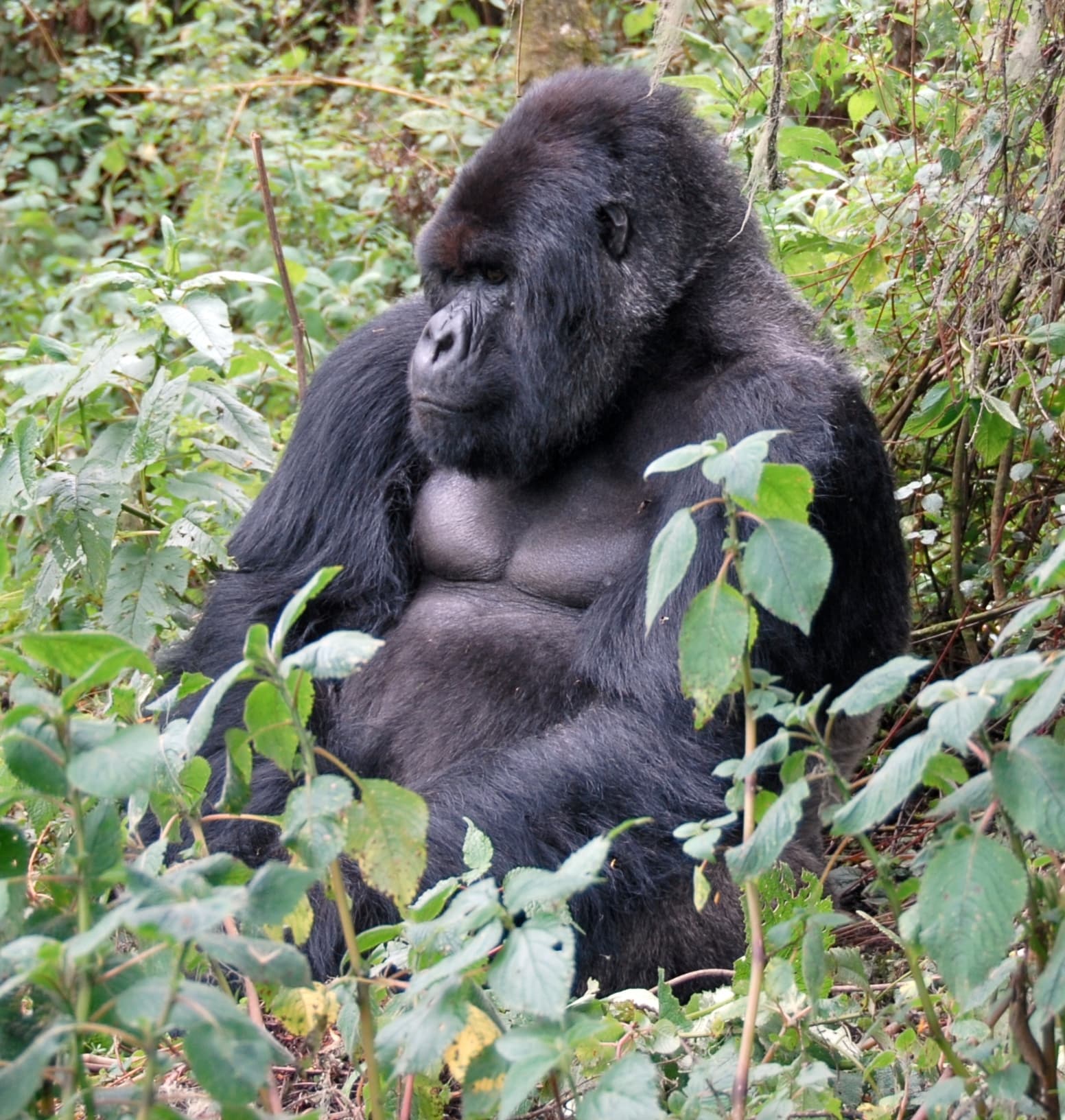
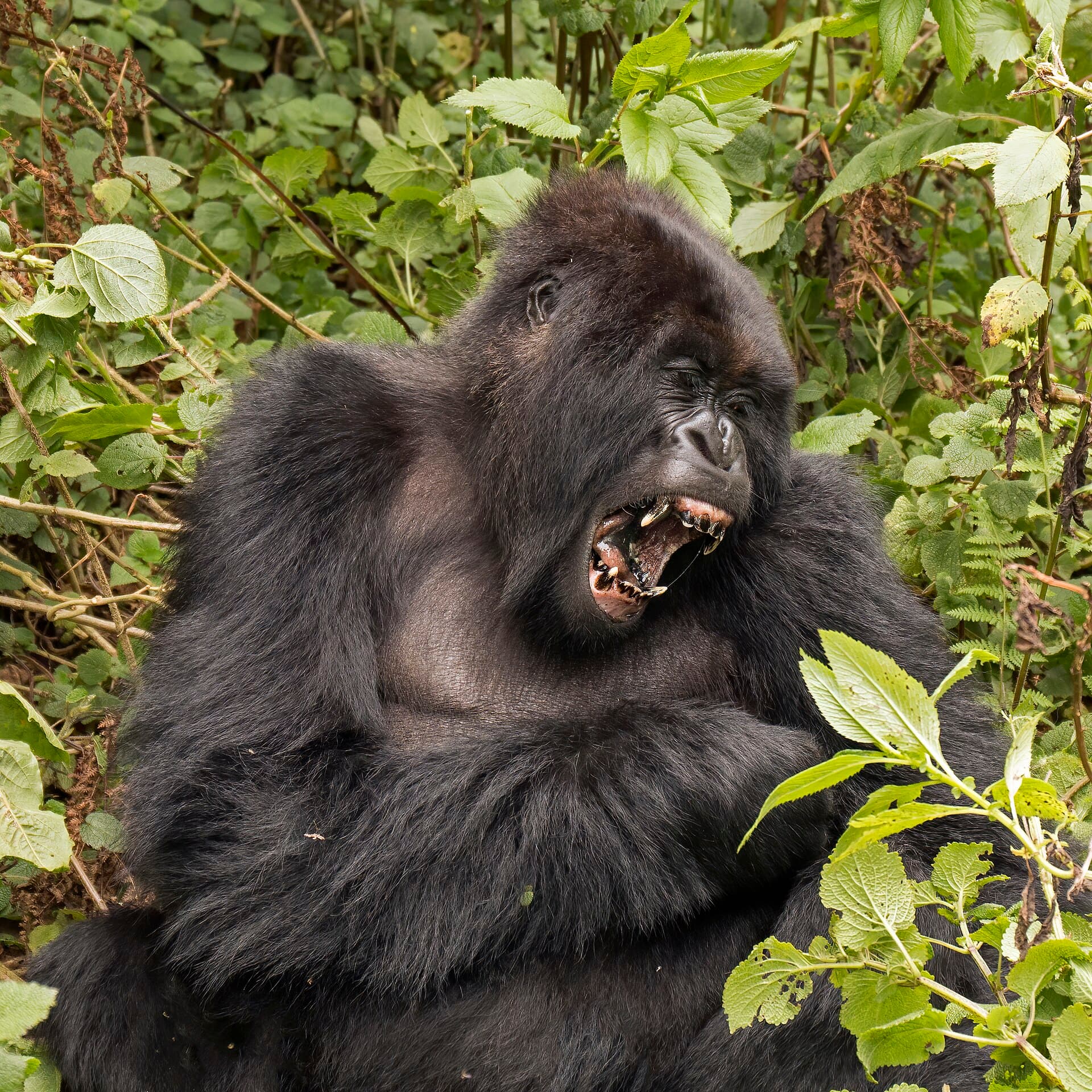
Silverback mountain gorilla mid-yawn among fresh green foliage
4 daysShortest gorilla trip

Rwanda Gorilla Escape

Kigali · Kinigi (park HQ) · Volcanoes National Park · Kigali International Airport

Couples and experienced travelers with limited leave who want the gorillas without a long safari around them

Best months
June–September & December–February
Comfort levels
Premium · Luxury · Ultra-Luxury
Individually quoted
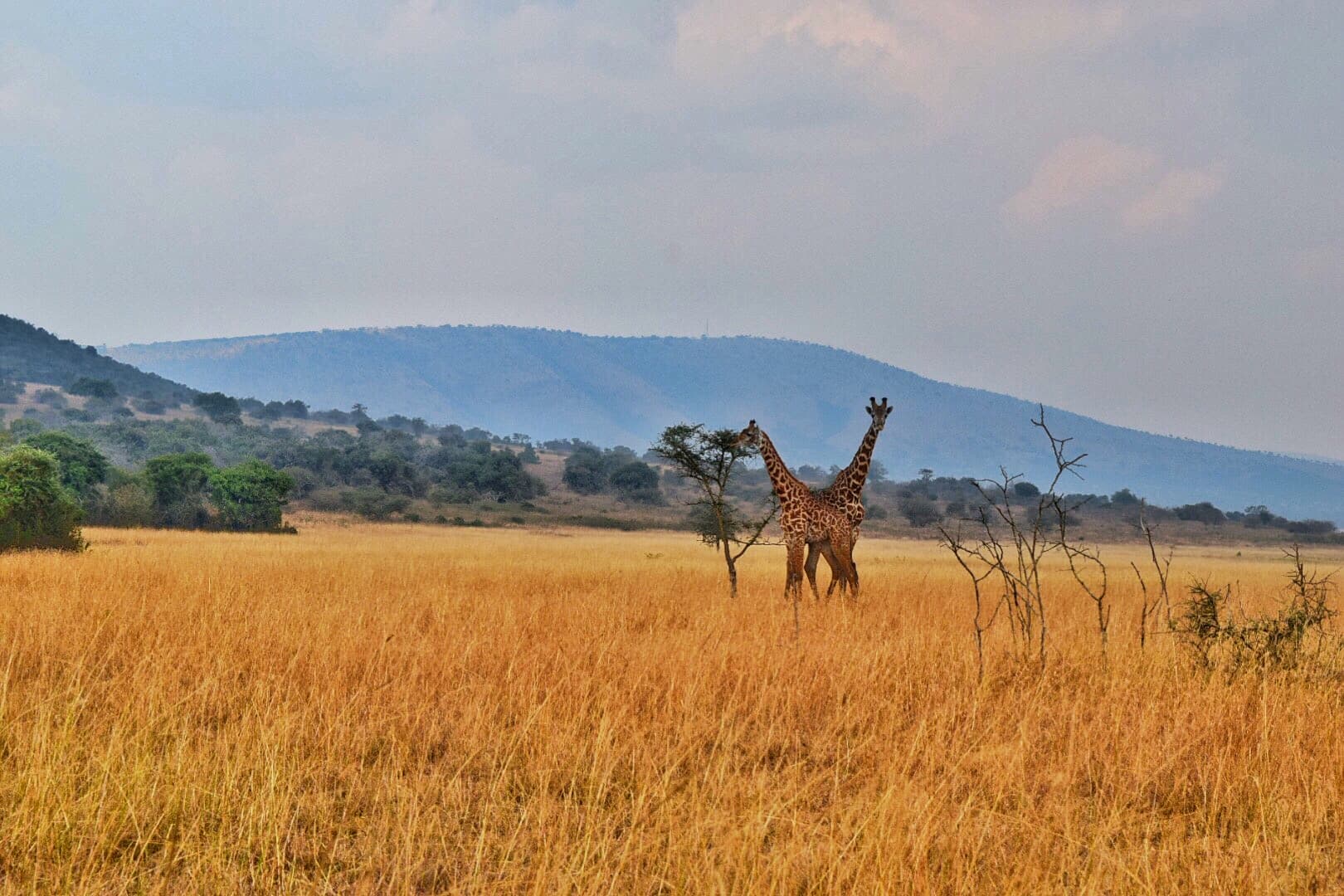
Giraffe on the golden savanna hills of Akagera National Park
7 daysBest first Rwanda trip

Gorillas & Big Five

Kigali · Akagera National Park · Volcanoes National Park · Kigali International Airport

First-time visitors to Rwanda who want gorillas and a classic game drive in a single week

Best months
Dry months: June–September, December–February
Comfort levels
Comfort · Premium · Luxury
Individually quoted
Forested ridgelines of Nyungwe at dusk
12 daysAll three parks

Complete Rwanda

Kigali · Huye · Nyungwe National Park · Karongi (Kibuye) · Volcanoes National Park · Akagera National Park · Kigali International Airport

Primate enthusiasts, photographers and returning safari-goers who want the whole country rather than one park

Best months
Mid-June–September & mid-December–February
Comfort levels
Premium · Luxury
Individually quoted
Mountain gorilla resting among green leaves in Volcanoes National Park, Rwanda
11 daysTwo icons

Gorillas & Serengeti

Kigali · Volcanoes National Park · Kilimanjaro Airport · Arusha · Serengeti · Ngorongoro Crater · Kilimanjaro Airport

Travelers who want East Africa’s two headline wildlife experiences in one trip, at luxury or ultra level

Best months
January–February & June–September
Comfort levels
Luxury · Ultra-Luxury
Individually quoted
Experiences

Related experiences

Virunga volcanoes rising over lodge rooftops and farmland

Adventure

Mount Bisoke Crater Lake Hike

Climb 3,711 m Mount Bisoke through bamboo and giant lobelias to a lake in the summit crater, right on the DRC border.

Forested ridgelines of Nyungwe at dusk

Adventure

Nyungwe Canopy Walkway

Walk a suspended bridge high above a rainforest valley in Nyungwe, level with the treetops, the monkeys and the birds.

Giraffe on the golden savanna hills of Akagera National Park

On the water

Akagera Boat Safari on Lake Ihema

Glide along Lake Ihema’s papyrus shores past hippos and big crocodiles, ideally as the sun goes down over the water.

Good to know

Frequently asked questions

What is the best month to go gorilla trekking in Rwanda?

July is the driest month on average, and June to August generally offers the firmest trails. December to February is the other good window. The families are visited every day of the year, though, and rainy-season treks often mean fewer people at Kinigi.

Is the rainy season a bad time to visit Rwanda?

Not necessarily. Rain often falls as heavy afternoon showers rather than all day, and many morning treks stay dry. The forest is at its greenest and the parks are quieter, though trails are muddier and some road transfers take longer.

Do I need warm clothes for the gorilla highlands in every season?

Yes. It is colder than most visitors expect. Musanze sits at around 1,700 m and its nights are cool in every month, while the gorilla trails climb to 2,500 m and beyond, where early mornings can be chilly and damp. Bring a warm layer and a waterproof even in the dry season.

When are Akagera and Nyungwe at their best?

Akagera’s managers recommend November to April, when the park is green and the birding strongest, while the dry months concentrate wildlife near the lakes. Nyungwe’s trails are easiest from June to September and mid-December to February, when the forest paths are at their driest.

Does the season change the cost of a Rwanda safari?

Mostly through accommodation. Many lodges charge less in the rainy months than in July and August, and Nyungwe’s park-run lodging has a published low season from March to May and October to mid-December. Permits and park fees are set separately by the authorities, and we confirm what applies to your dates when we book.

Forested ridgelines of Nyungwe at dusk

Tell Us When You’d Like to Trek

Share your dates, who is traveling and what you hope to see. We check permit availability first, then design a private Rwanda journey around it, and nothing is booked until you approve it.

Plan My Rwanda Safari