
Rwanda Travel Guide
Is Rwanda Safe to Visit? Safety, Health & Current Travel Advice
Facts rather than spin: what the advisories say in September 2026, where they apply, and how we plan a Rwanda trip around them.
The Honest Answer
Rwanda is one of the most orderly countries in East Africa to travel in. Roads between the parks are well kept, Kigali is clean and calm, the national parks are professionally managed, and the UK government describes crime as relatively low. None of that makes it risk-free, and no destination anywhere can honestly be described that way.
In 2026 the question has a second part. The Ebola outbreak in the neighbouring Democratic Republic of the Congo, which also spread to Uganda before WHO declared Uganda’s outbreak over on 27 August 2026, has changed government travel advice across the region, including for Rwanda. At the time of writing the CDC had issued no Ebola travel notice for Rwanda itself.
This guide sets out what the advisories say, dated and sourced, which parts of Rwanda they single out, and how we plan around them. It was last checked on 23 September 2026. Advice can change quickly during an outbreak, so read the current versions on travel.state.gov and gov.uk when you book and again before you fly.
Current Travel Advice
What the Advisories Say, September 2026
Summaries in our own words; the full, current texts are linked under Sources.
| Source | What it says | Date |
|---|---|---|
| US State Department | Rwanda as a whole is at Level 3, “Reconsider Travel”, raised from Level 2 because of the Ebola outbreak in the region, with crime and unrest also cited | Since mid-May 2026; last checked 23 September 2026 |
| US State Department | Level 4, “Do Not Travel”, applies only to the areas within 10 km of the DRC border, in Musanze, Rubavu and Rusizi districts. The advisory states that Volcanoes National Park is not included in this area | Since mid-May 2026; last checked 23 September 2026 |
| UK FCDO | Advises against all but essential travel to the parts of Rusizi District within 10 km of the DRC border, including Rwanda’s islands in Lake Kivu and Kamembe Airport; no other areas are listed | Updated 4 September 2026 |
| Rwanda Ministry of Health | Foreign nationals who were in, or transited through, the DRC in the previous 30 days are refused entry; arrivals are screened at Kigali airport | Since 22 May 2026 |
| CDC | No Rwanda-specific Ebola notice; Rwanda’s only travel notice is the global measles notice, while Ebola notices cover the DRC and Uganda | Checked 23 September 2026 |
When we last checked, the US State Department also rated Uganda, the DRC and South Sudan at Level 4 as whole countries, unlike Rwanda, where Level 4 covers only the border band. Check the live advisories before you travel.
Reading the Map
Where the Border Zone Applies
Rwanda’s border with the DRC runs down the country’s western edge, across the Virunga volcanoes and along the length of Lake Kivu. The US Level 4 zone is a 10 km band beside it. That band takes in the lakeshore town of Rubavu (Gisenyi), which faces the DRC city of Goma, and Rusizi with Kamembe Airport in the south-west.
The US text explicitly excludes Volcanoes National Park, where gorilla treks take place, even though the park itself runs along the border. Kigali, Akagera, Nyungwe’s main visitor areas and the main roads between them lie well away from the zone. For any lodge, trailhead or lakeshore town near the western border, we check its position against the current advisory before we include it in your trip.
Our Approach
How We Plan Around the Advice
No routing through the border zone
While the current advice stands, we don’t plan overnights in Rubavu or on the Rusizi lakeshore, and we don’t use the scheduled flights to Kamembe. Nyungwe is reached by road through Huye or by helicopter charter instead.
No overland crossings
We don’t currently route travelers overland into the DRC or Uganda. Combination trips with Tanzania, Kenya or Zanzibar connect by air through Kigali.
Watching the outbreak
Through your planning period we follow the US Embassy in Kigali, the FCDO and the CDC, and we contact you promptly if a change affects your dates or route.
Flexibility where the rules allow
Gorilla permits can be moved to another date under RDB’s terms, for a fee, and we favour lodges and flights with clear change policies. Cancellation terms are set out in writing before you commit.
Insurance that fits the trip
We ask every traveler to hold insurance with medical evacuation cover, and to check how their policy treats destinations under a government advisory, since some policies limit cover.
The Outbreak
Ebola in the Region, in Plain Words
The 2026 outbreak is caused by the Bundibugyo species of Ebola virus. It has been centred in the DRC, where the CDC’s notices name provinces including Ituri and North Kivu, and it also reached Uganda, where WHO declared the outbreak over on 27 August 2026. At the time of writing, no Ebola travel notice has been issued for Rwanda itself.
Rwanda’s response has focused on its borders: screening at Kigali airport and the refusal of entry to anyone who has been in the DRC in the past 30 days, explained in the Rwanda visa guide. The CDC describes Ebola as spreading through direct contact with the blood or body fluids of a sick person or animal, and ordinary safari activities don’t involve that kind of exposure.
One practical point from the US Embassy is to keep taking your antimalarials. Malaria can look like early Ebola, and a fever during an outbreak may mean extra screening or testing, so prevention also spares you a complicated few days.
On the Ground
Everyday Safety in Rwanda
Kigali
Crime is relatively low, but burglary, bag theft and the occasional mugging do happen. Take ordinary city care after dark, keep valuables out of sight, and use your arranged transport rather than walking unlit streets at night.
Roads
Roads between the parks are mostly paved and well maintained, but they wind through the hills, are unlit outside towns and are shared with pedestrians and cyclists. We schedule transfers in daylight.
Motorbike taxis
Moto-taxis are everywhere in Kigali and carry a real accident risk. Your private vehicle, or a taxi booked by your hotel, is the better choice.
Umuganda Saturdays
On the last Saturday of each month, traffic and most businesses pause from about 7 to 11 am for national community work. It’s orderly, but worth knowing when planning an arrival day.
Borders
Land borders with neighbouring countries can close at short notice, which is another reason combination trips fly rather than drive.
Photos and laws
Avoid photographing government buildings and security sites, and remember that plastic bags and vapes are banned in Rwanda.
Health
Your Rwanda Health Checklist
See a travel-health clinic four to eight weeks before you leave. At the time of writing, the CDC’s guidance for Rwanda includes:
- Malaria prevention for all areas of Rwanda, with atovaquone-proguanil, doxycycline, mefloquine or tafenoquine chosen with your doctor
- Hepatitis A for unvaccinated travelers aged one and over, and typhoid for most travelers
- Routine vaccinations up to date, including measles, the subject of a global CDC notice
- Rabies awareness: dogs are commonly infected and post-exposure treatment is found only in larger facilities, so ask about pre-travel vaccination
- Cholera is present in parts of Western Province but rare among travelers; careful food and water hygiene is the main defence
- Altitude: gorilla treks reach 2,500–4,000 m and Musanze sits at about 1,700 m, so pace yourself and mention any heart or lung condition to your doctor
- Yellow fever: a certificate is needed only if you arrive from a risk country, as explained in the visa guide
Who’s Traveling
LGBTQ+, Solo and Women Travelers
Same-sex relationships are legal in Rwanda and the constitution prohibits discrimination, which sets it apart from several of its neighbours. Society remains conservative, though, and the UK government notes that same-sex relationships can be frowned upon, so discretion in public is sensible, as it is for all couples.
Solo travelers and women traveling without a partner generally find Rwanda straightforward, especially on a private trip with a driver-guide from arrival to departure. If anything about your situation needs particular care, tell us early and we’ll plan with it in mind.
Where to go
Places in this guide
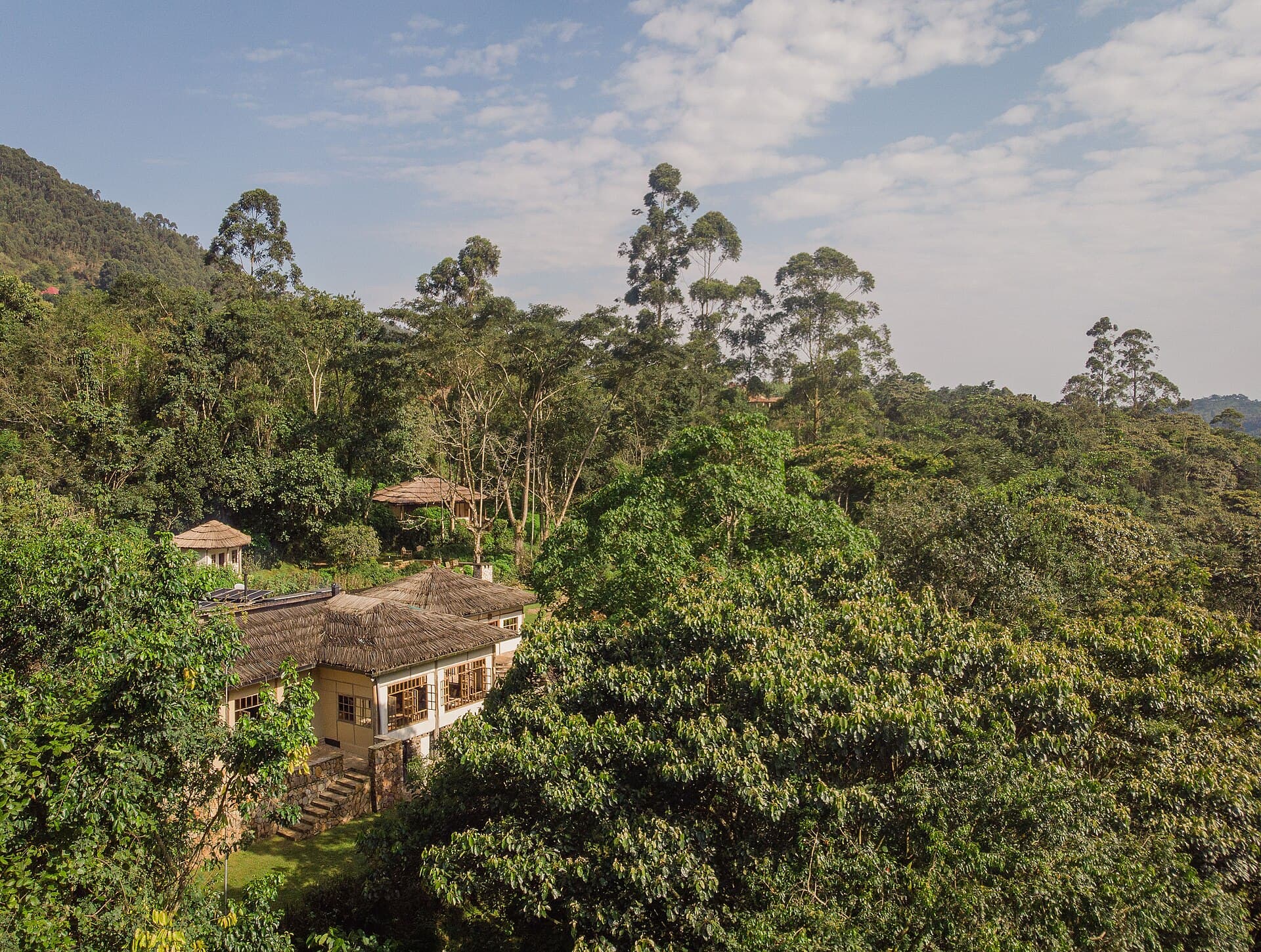
Volcanoes National Park
Rwanda’s gorilla park: bamboo and cloud forest on the slopes of the Virunga volcanoes, about two and a half hours from Kigali.
Explore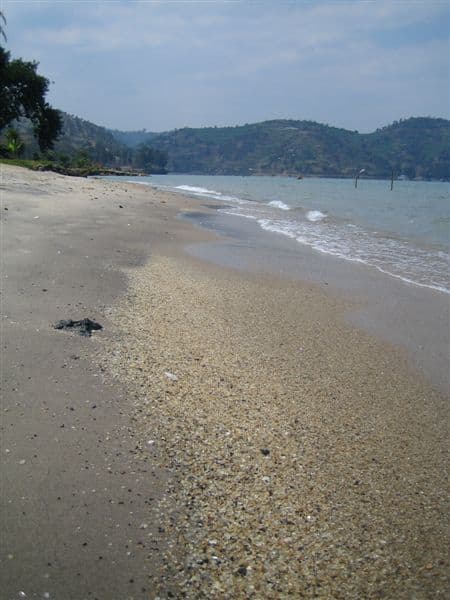
Lake Kivu
A deep Great Lake on the western border, best used for a slow day or two at Karongi between the forest and the volcanoes.
Explore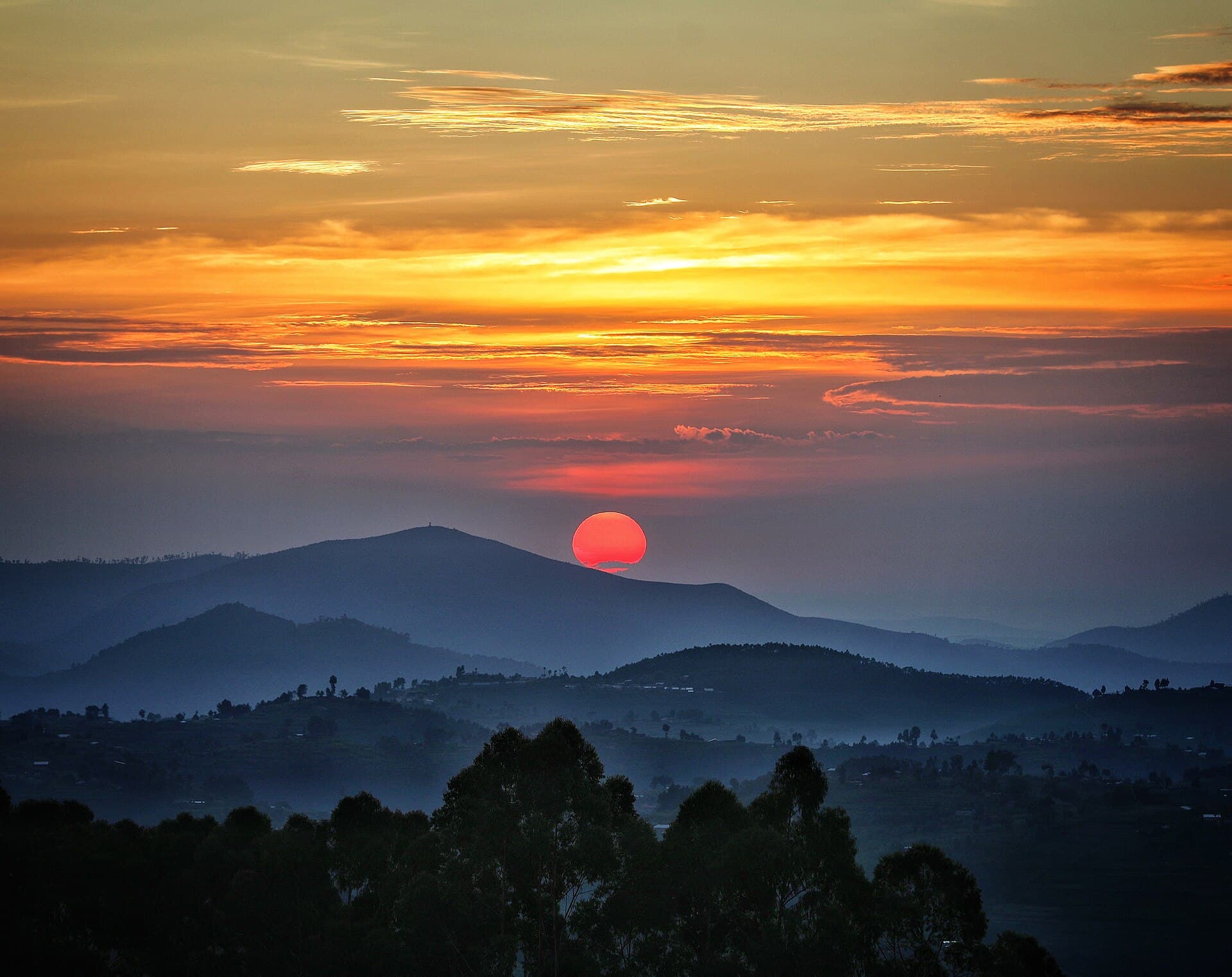
Nyungwe National Park
Montane rainforest in the far south-west, with chimpanzees, twelve other primate species and a walkway through the canopy.
ExploreGood to know
Frequently asked questions
Is it safe to go gorilla trekking in Rwanda right now?
When we last checked (23 September 2026), the US advisory’s Level 4 zone, a 10 km band along the DRC border, explicitly excluded Volcanoes National Park. Rwanda as a whole is at Level 3, not Level 4, so read the current advisory, hold insurance with evacuation cover and plan with a company that monitors conditions.
Is there Ebola in Rwanda?
At the time of writing, the 2026 outbreak continues in the DRC; Uganda’s outbreak was declared over on 27 August 2026, and the CDC has no Ebola travel notice for Rwanda. Rwanda screens arrivals at Kigali airport and refuses entry to travelers who were in the DRC in the previous 30 days. Check the CDC’s travel notices shortly before you go.
Is Kigali safe at night?
Kigali is calmer than most capitals, but petty crime and burglary do occur. Use arranged transport after dark, avoid walking alone on unlit streets and keep valuables out of sight, as you would in any city.
Do I need malaria tablets for Rwanda?
Yes. The CDC recommends malaria prevention for all areas of Rwanda, including Kigali and the national parks. A travel-health clinic will help you choose between the available antimalarials.
Is Rwanda safe for LGBTQ+ travelers?
Same-sex relationships are legal and the constitution prohibits discrimination, but social attitudes are conservative. A private trip is usually low-key, and discretion in public is sensible.
Tell Us When You’d Like to Trek
Share your dates, who is traveling and what you hope to see. We check permit availability first, then design a private Rwanda journey around it, and nothing is booked until you approve it.
Plan My Rwanda Safari