Travel advisory, last checked 23 September 2026: the US State Department rates Uganda Level 4, “Do Not Travel”, an advisory issued in May 2026 because of Ebola. WHO declared Uganda’s outbreak over on 27 August 2026; the outbreak in the neighbouring DRC continues. Read our dated safety guide before you decide.

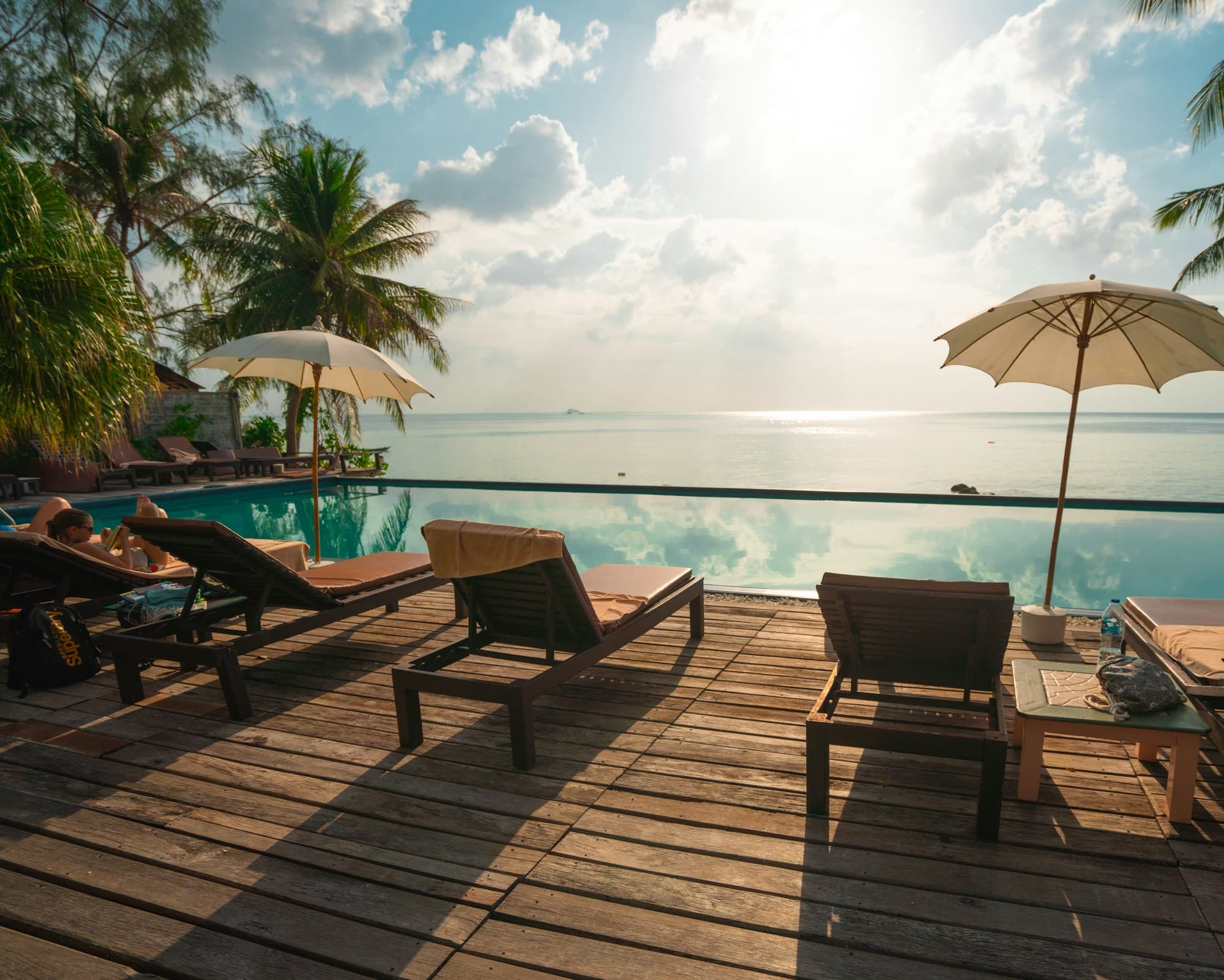
Mist drifting through the forested hills of gorilla country

Destination guide

Bwindi Impenetrable National Park Safaris

An ancient Albertine Rift forest of 321 km² on the DRC border, home to nearly half the world’s mountain gorillas and trekked from four very different sectors.

Size321 km² (about 124 sq mi), 1,160–2,607 m above sea level
Best timeYear-round; firmest trails June–August and December–February
Recommended stay2–3 nights in one sector
Getting thereAbout 1 h 10 by scheduled flight from Entebbe to Kihihi or Kisoro, or 4–5 hours by road from Kigali
Known forMountain gorillas, Albertine Rift birds and a UNESCO-listed forest
Trekking sectorsBuhoma, Ruhija, Rushaga and Nkuringo

Bwindi Impenetrable National Park

Why Visit

Bwindi Impenetrable National Park protects 321 km² of rainforest in Uganda’s far south-west, draped over ridges and ravines between about 1,160 m and 2,607 m. The name is only a slight exaggeration. A UNESCO World Heritage Site since 1994, Bwindi counted roughly 459 mountain gorillas in the 2018 Bwindi–Sarambwe census — close to half of the world’s estimated 1,063 — and Uganda’s first gorilla family opened to visitors here, at Buhoma, in April 1993.

The detail that shapes every Bwindi itinerary is geography. The forest is trekked from four sectors — Buhoma in the north, Ruhija in the east, Rushaga in the south and Nkuringo in the south-west — and the Uganda Wildlife Authority (UWA) sells each permit for one sector on one date. The roads between sectors are slow murram tracks over steep hills, and UWA’s rules fine anyone who tracks at a different location half the permit’s value. So we secure permits first, choose a lodge in the same sector second, and route the rest of the trip around both.

How a trek unfolds, and how fit you need to be, is covered in gorilla trekking in Uganda; booking, refunds and reschedules sit in our Uganda gorilla permit guide. In short, UWA’s previous tariff (July 2024–June 2026) set the foreign non-resident permit at US$800, including that day’s park entry. That tariff has expired and its successor was not yet public at the time of writing (September 2026), so the current fee must be confirmed, and we confirm it when we book.

Best for

  • Mountain gorilla trekking in the forest that holds nearly half the population
  • Choosing terrain, access and lodge style by sector
  • Birders chasing Albertine Rift endemics around Ruhija
  • Linking gorillas with Queen Elizabeth’s savanna through Ishasha

Bwindi Impenetrable National Park

Wildlife & Highlights

  • About 459 mountain gorillas (2018 census), with habituated families in all four sectors
  • Chimpanzees — present in the forest but not tracked by visitors
  • Black-and-white colobus and L’Hoest’s monkeys along the forest trails
  • Around 120 mammal species, many of them small, shy or nocturnal
  • 350+ bird species, including 23 Albertine Rift endemics
  • African green broadbill and Shelley’s crimsonwing, two prized forest specialists
  • 200+ butterfly species in sunny clearings and along streams
  • More than 1,000 flowering plants and about 100 kinds of fern

Season

Best Time to Visit

  1. January
  2. February
  3. March
  4. April
  5. May
  6. June
  7. July
  8. August
  9. September
  10. October
  11. November
  12. December
December–FebruaryA drier spell after the short rains. Trails firm up, although showers still roll over the ridges most weeks. Holiday dates sell out early, so permits for late December and early January are worth securing six months or more ahead.
March–MayThe long rains, with April often among the wettest months. Slopes turn slick and some murram roads slow down, but gorillas are tracked every day. A lower low-season permit rate for April, May and November has been reported but not yet published by UWA, so confirm the rate and any limits on rescheduling before you commit.
June–SeptemberThe driest and most requested months, with the best odds of firm footing on steep descents. Bwindi is a rainforest and never fully dry, so pack a rain jacket regardless. Permits for July and August go first.
October–NovemberThe short rains return, with heavy afternoon downpours and mist in the valleys. Fewer visitors, lush forest and good birding make it a fair trade if you are flexible and well equipped.

Bwindi Impenetrable National Park

Areas to Know

Buhoma (north)

Bwindi’s oldest trekking sector and still its busiest, with the widest spread of lodges within walking distance of the park gate. Some families here can be reached over less punishing ground than in the south, though families are assigned on the morning and move daily. A forest waterfall trail and community walks fill a spare afternoon. Buhoma is reached from Kihihi airstrip and lies about 2–3 hours from Ishasha, which makes it the natural partner for Queen Elizabeth National Park.

Best for: First-time trekkers, fly-in trips and routes from Queen Elizabeth

Ruhija (east)

The highest and coolest sector, strung along a ridge above the canopy. Ruhija has fewer lodges and fewer permits, and it is the birders’ base: the trail down to Mubwindi Swamp is where many look for Albertine Rift specialists such as the African green broadbill, and a guided bamboo walk climbs toward the park’s highest ground. Access is from Kihihi (a longer transfer than to Buhoma) or by road from Kabale, about 95 km of murram that continues on to Buhoma.

Best for: Birders and travelers who like cool, quiet ridges

Rushaga (south)

Rushaga holds more habituated families than any other sector, so it usually has permits when the others are sold out. It is also where UWA runs the gorilla habituation experience, up to four hours with a family still growing used to people. Kisoro airstrip is the nearest, and Kigali is roughly four to five hours away by road via the Katuna or Cyanika border — the logic behind our 6-day gorilla safari from Kigali.

Best for: Permit availability, the habituation experience and the Kigali route

Nkuringo (south-west)

Lodges line the Nkuringo ridge with the Virunga volcanoes filling the southern skyline, and treks begin with a steep descent into the forest — which means a steep climb back out. For many people it is the most demanding sector, and the most spectacular to stay in. Nkuringo shares Kisoro airstrip with Rushaga, lies about 105 km of murram (around four hours) from Kabale, and is one end of the long Buhoma–Nkuringo trail that crosses the forest on foot.

Best for: Fit trekkers who want views and a demanding hike

Lake Bunyonyi (stopover)

Outside the park but on the way to it, Lake Bunyonyi fills a steep valley of terraced hillsides and small islands just west of Kabale. It works as a quiet stopover: after the drive from Lake Mburo and before the last stretch to Rushaga or Nkuringo, or as a rest night after trekking before you cross back into Rwanda at Katuna. Days here are slow — a dugout or motorboat between the islands, a walk along the terraces, an early night.

Best for: Breaking the drive south and resting after a trek

Bwindi Impenetrable National Park

Getting There

There are three ways in. Scheduled light aircraft fly from Entebbe to Kihihi (for Buhoma and Ruhija) or Kisoro (for Rushaga and Nkuringo) in roughly 1 h 10–1 h 15, followed by a road transfer to your lodge; luggage is limited to soft bags of about 15 kg including hand baggage. By road from Entebbe, allow a full day of 8–10 hours, ideally broken with a night at Lake Mburo. From Kigali, the southern sectors are about 4–5 hours away via the Katuna or Cyanika crossing, and you will need a Uganda visa or an East Africa Tourist Visa, explained in our Uganda visa and entry guide.

Drive or fly?

Fly if Bwindi is your only stop or your time is short: the flight turns a long day on the road into just over an hour in the air, though rain can delay departures and the soft-bag limit is strict. Drive if you are combining Bwindi with Queen Elizabeth or Lake Mburo, when the road links the parks and your guide stays with you throughout. And if your international flight lands in Kigali anyway, the road to Rushaga or Nkuringo is often the most straightforward route of all.

Airstrips & airports

  • Kihihi (Buhoma, Ruhija)
  • Kisoro (Rushaga, Nkuringo)

Typical travel times

Entebbe to Buhoma by road
About 8–10 hours
Kigali to Rushaga or Nkuringo
About 4–5 hours, including the border
Lake Mburo to the southern sectors
About 4–5 hours
Ishasha to Buhoma
About 2–3 hours
Kabale to Nkuringo
About 4 hours (105 km, mostly murram)

Stays

Where to Stay

Stay in the sector where your permit is. Treks begin around 8 a.m. at the sector’s visitor center, which leaves no room for a two-hour transfer on mountain roads. Buhoma has the broadest choice, from community-run lodges to luxury forest lodges near the gate; Ruhija offers a handful of simpler highland lodges; Rushaga and Nkuringo lodges sit on ridges with volcano views. We match the specific lodge to your permit, dates and comfort level.

Luxury lodge deck with loungers and umbrellas at golden hourComfort

Southern Bwindi · Rushaga

Trekkers’ Lodge · Rushaga

Lodge

Simple, warm lodges close to the Rushaga visitor centre, some owned or staffed by the surrounding community, put you minutes from the morning briefing. Rooms are plain but comfortable, the food is hearty and the fire is lit early, which is exactly what matters after a long day on steep forest trails.

  • Short drive or walk to the Rushaga briefing point
  • Hot showers and a fire in the evenings
  • Packed lunches for long trekking days
  • Boot cleaning and laundry for muddy gear

Ideal for: Trekkers who put location and value before polish
Forest lodge tucked into the canopy near the gorilla parksPremium

Southern Bwindi · Rushaga

Forest-View Lodge · Rushaga

Forest lodge

Cottages on the hillsides above Rushaga look straight across the canopy, so mist lifting off the forest is part of every breakfast. Rooms are larger and warmer than in the simpler lodges, with more thoughtful service around trekking days, from early wake-ups to drying rooms for wet boots.

  • Private cottages with forest views
  • Fireplaces or hot-water bottles against cool nights
  • Drying room and boot cleaning after treks
  • Well placed for the habituation experience’s 06:30 start

Ideal for: Couples and families on two or three gorilla days who want comfort close to the trailhead

Forest lodge tucked into the canopy near the gorilla parksLuxury

Southern Bwindi · Rushaga–Nkuringo ridges

Ridge-Top Luxury Lodge · Southern Bwindi

Forest lodge

High on the ridges between Rushaga and Nkuringo, the finest southern lodges balance suites over Bwindi’s forest on one side with the Virunga volcanoes on the horizon on the other. Expect generous space, fine dining and massage after a trek, with the trade-off of a longer drive to some trailheads.

  • Spacious suites with forest or volcano views
  • Massage and spa treatments at some
  • Private dining and attentive, personal service
  • Access to both the Rushaga and Nkuringo trailheads

Ideal for: Honeymooners and travelers who want the south’s best views and finishes

Luxury lodge deck with loungers and umbrellas at golden hourComfort

Northern Bwindi · Buhoma

Village Lodge · Buhoma

Lodge

Unfussy lodges in Buhoma village, some run with or by local community groups, sit within walking distance of the park gate and the visitor centre. Bandas or simple cottages look toward the forest edge, and staying here puts your spending directly into the village you walk through on the way to your trek.

  • Walking distance to the Buhoma briefing point
  • Simple en-suite rooms or bandas
  • Community walks arranged from the door
  • Hearty meals and packed trekking lunches

Ideal for: Travelers who value location, community links and good value

A canvas safari tent set among trees at a private tented campPremium

Northern Bwindi · Buhoma

Forest-Edge Tented Camp · Buhoma

Tented camp

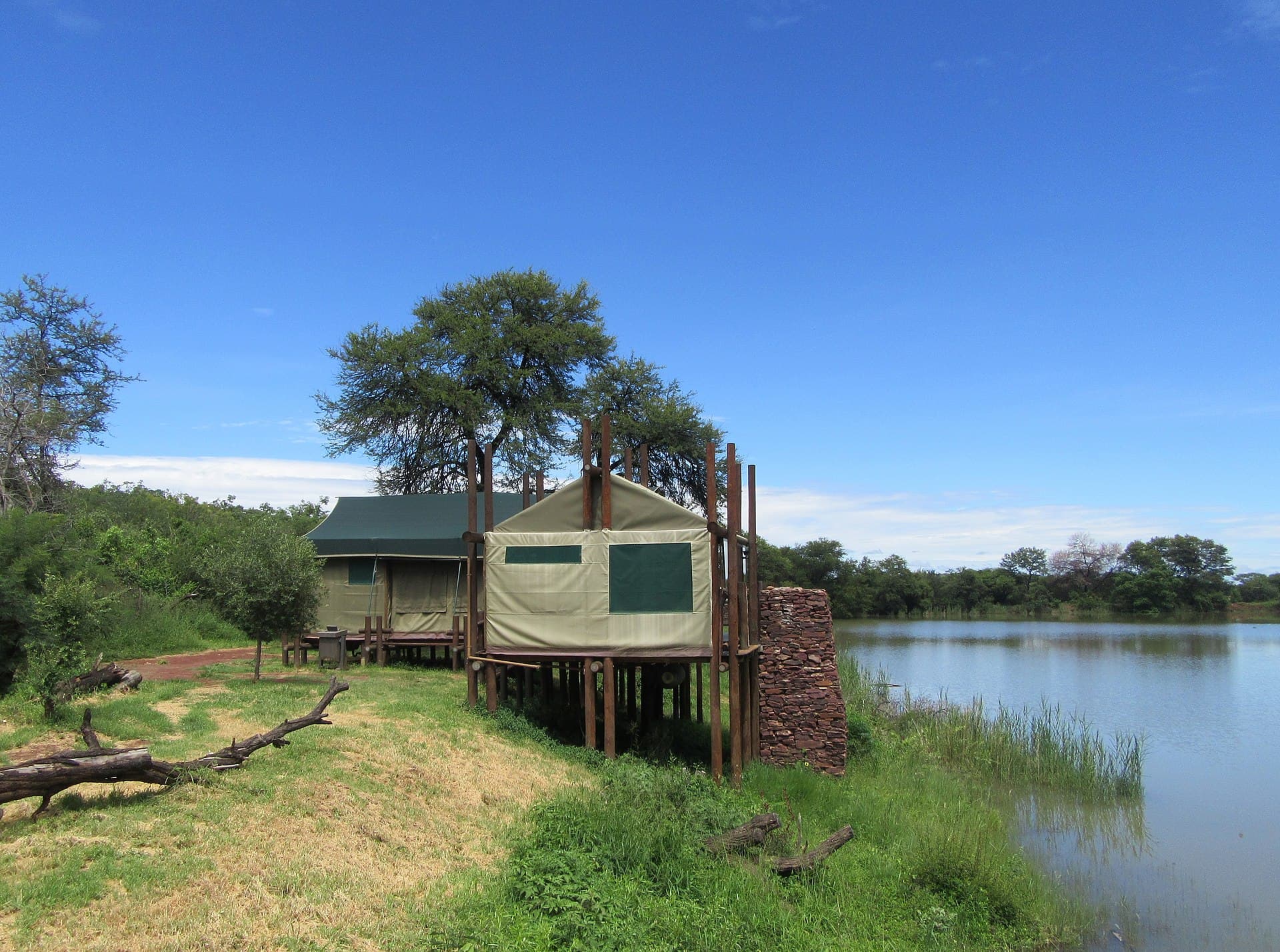
Permanent tents on raised wooden platforms face the forest wall at Buhoma, close enough to hear turacos and monkeys in the trees at first light. Canvas brings you nearer the sounds of the forest without giving up proper beds, en-suite bathrooms and hot showers after a trek.

  • Raised tents with verandas toward the forest
  • En-suite bathrooms with hot showers
  • Short walk or drive to the trailhead
  • Warm evenings around a central fire

Ideal for: Travelers who like the feel of canvas and want to wake up facing the forest

Forest lodge tucked into the canopy near the gorilla parksLuxury

Northern Bwindi · Buhoma

Luxury Forest Lodge · Buhoma

Forest lodge

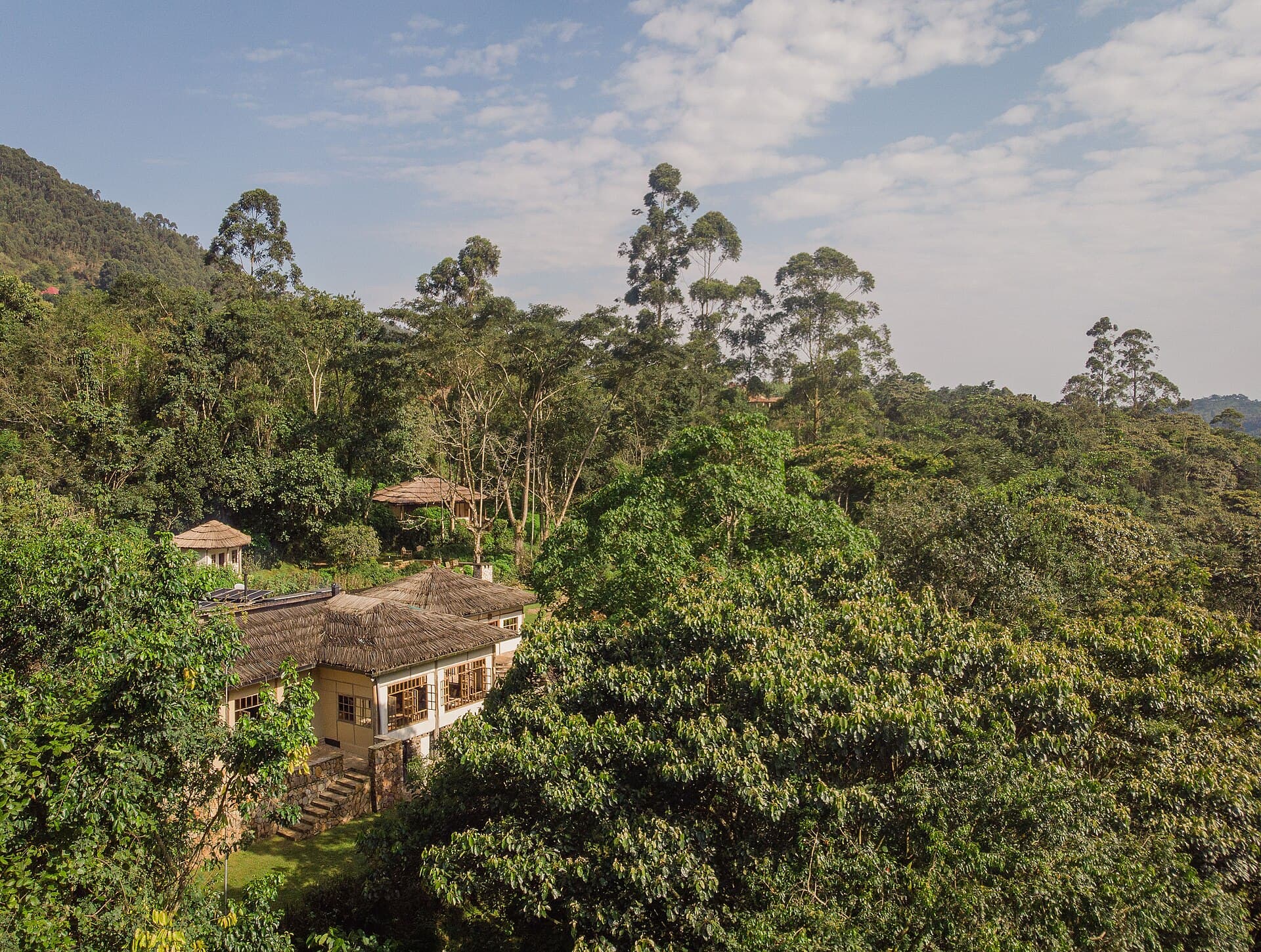
The most refined stays in northern Bwindi are spacious cottages set under the canopy right at the park boundary, where colobus and birds move through the trees outside your window. After the trek there is a massage, a long bath and dinner by lamplight, and the briefing point is only a short walk away.

  • Large cottages or suites facing the forest
  • Massage treatments after trekking days
  • Fine dining with private tables on request
  • Short walk to the Buhoma visitor centre

Ideal for: Honeymooners and travelers flying in who want Bwindi’s best-appointed rooms

Experiences

Experiences

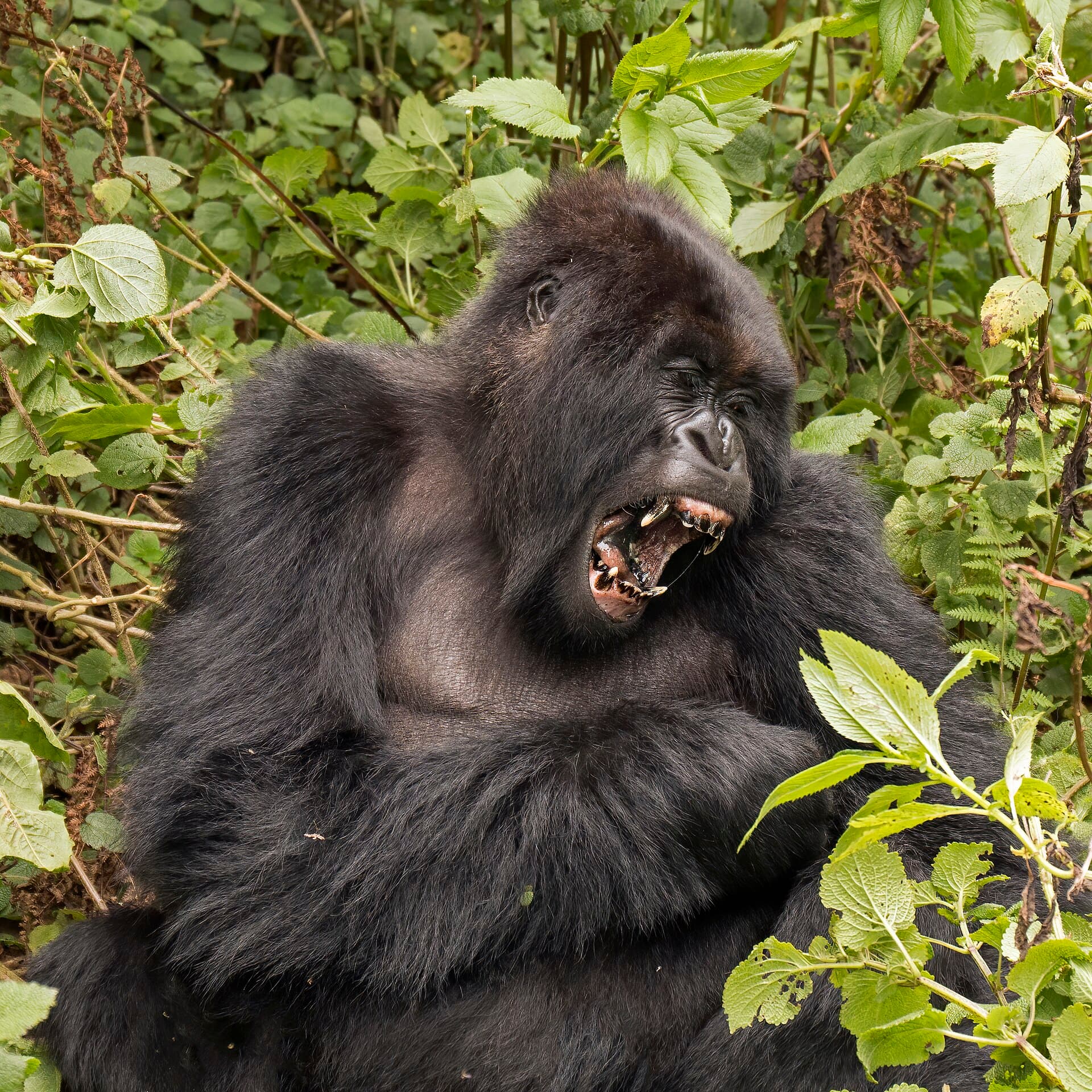
Silverback mountain gorilla mid-yawn among fresh green foliage

Primates

Gorilla Habituation Experience

Spend up to four hours with a gorilla family that is still learning to accept people, alongside the researchers and trackers doing the work, in Bwindi’s southern Rushaga sector.

Good to know

Frequently asked questions

Which Bwindi sector is best if I’m not very fit?

No sector is flat, and gorilla families move every day, so nobody can promise a short walk. Buhoma often has approaches on gentler ground, while Nkuringo’s steep descent makes it the hardest for many people. Tell the rangers at the briefing if you need a nearer family — they try to match slower trekkers accordingly — and hire a porter to carry your pack and steady you on the slopes.

How many nights do I need in Bwindi?

Two nights is the minimum: arrive the afternoon before, trek the next morning and leave the following day. Three nights gives you a buffer for weather or travel delays and room for a second trek, a forest walk or simply rest. Four suits travelers adding the habituation experience in Rushaga.

Can I go gorilla trekking in Bwindi from Kigali?

Yes. Rushaga and Nkuringo are roughly four to five hours from Kigali by road, crossing into Uganda at Katuna or Cyanika, which is often simpler than the long drive from Entebbe. It is not a day trip: plan at least two nights near your sector and arrange a Uganda visa or East Africa Tourist Visa before you travel.

What happens if my lodge is in a different sector from my permit?

Your permit is valid only for the sector printed on it. UWA’s rules fine anyone who tracks at a different location half the permit value, and switching sectors depends on availability. That is why we secure permits before we confirm lodges.

Can you see chimpanzees in Bwindi?

Chimpanzees do live in Bwindi, but they are not habituated for visitors and sightings are rare. For chimp tracking, Kibale National Park is the dependable choice, and it fits easily on a road route that continues to Bwindi through Queen Elizabeth.

Is it safe to trek in Bwindi?

Armed rangers accompany gorilla treks in Bwindi and Mgahinga as a matter of routine, and every trek is closely managed by UWA. Because the park lies on the DRC border, we plan transfers in daylight and brief you on current government advice before you travel. Our Is Uganda Safe guide gives the dated detail.

Virunga volcanoes rising over lodge rooftops and farmland

Start With Your Dates

Tell us when you would like to travel, who is coming and how many gorilla days you want. We check permit availability first, then design a private Uganda journey around it, with nothing booked until you approve.

Plan my safari here