Travel advisory, last checked 23 September 2026: the US State Department rates Uganda Level 4, “Do Not Travel”, an advisory issued in May 2026 because of Ebola. WHO declared Uganda’s outbreak over on 27 August 2026; the outbreak in the neighbouring DRC continues. Read our dated safety guide before you decide.

Destination guide

Kidepo Valley National Park Safaris

1,442 km² of semi-arid valleys and mountains in Karamoja, bordering South Sudan and a few kilometers from Kenya — Uganda’s most remote national park.

Size1,442 km² (about 557 sq mi)
AltitudeAbout 914–2,750 m
Best timeSeptember–March, the dry season in Karamoja
Recommended stay3 nights
Getting thereLight aircraft to Apoka; about 10 hours by road from Kampala via Gulu
Known forRemoteness, cheetah, ostrich and huge buffalo herds

Kidepo Valley National Park

Why Visit

Kidepo Valley National Park fills Uganda’s far north-eastern corner: 1,442 km² of open valleys ringed by mountains, from about 914 m to 2,750 m, bordered by South Sudan to the north-west with Kenya a few kilometers to the east. It lies some 700 km by road from Kampala, and that distance is the reason to go. The light is sharp, the horizons are long and you may drive for an hour without meeting another vehicle, in a semi-arid landscape that feels closer to northern Kenya than to Uganda’s green south-west.

Two valleys shape the park. The Narus Valley in the south holds water all year and gathers most of the game: large buffalo herds, elephant, lion, Rothschild’s giraffe, zebra and eland. The Kidepo Valley further north is drier, its river flowing only in the rains. Between them, Kidepo shelters species found in no other Ugandan park, including cheetah and ostrich (UWA), along with dry-country birds such as secretary birds and carmine bee-eaters.

Flying in is the sensible choice. Scheduled light aircraft reach the Apoka airstrip a few days a week, subject to minimum numbers, and charters fill the gaps; either way you avoid about ten hours of road through Karamoja, where UK government advice warns of cattle raiding and asks travelers not to drive at night. Our 10-day fly-in safari gives Kidepo three nights before flying on to Murchison Falls and Bwindi.

Best for

  • Travelers who have seen the classic parks and want solitude
  • Cheetah and ostrich, which live in no other Ugandan park
  • Photographers after big skies and uncrowded sightings
  • Fly-in routes combining the north with the gorilla forests

Kidepo Valley National Park

Wildlife & Highlights

  • Large buffalo herds in the Narus Valley
  • Cheetah — in Uganda, found only here
  • Ostrich, also absent from every other Ugandan park
  • Lion, sometimes resting on rocky outcrops
  • Elephant and Rothschild’s giraffe
  • Zebra, eland and greater kudu
  • Bat-eared fox and black-backed jackal on the open plains
  • 476 bird species, including secretary birds, carmine bee-eaters and kori bustards

Season

Best Time to Visit

  1. January
  2. February
  3. March
  4. April
  5. May
  6. June
  7. July
  8. August
  9. September
  10. October
  11. November
  12. December
September–NovemberThe rains ease and the grass begins to dry. Landscapes are still green early in this window, and game increasingly concentrates in the Narus Valley as water elsewhere shrinks.
December–MarchThe heart of the dry season: hot, dusty and golden, with thin vegetation and animals close to permanent water. Game viewing is at its most concentrated, and the low sun suits photographers.
April–AugustKaramoja’s single rainy season, which can run into September. The valleys turn green, grass grows tall and some tracks become hard going; flights still operate and visitors are very few.

Kidepo Valley National Park

Areas to Know

Narus Valley

The park’s main game area and the reason most visitors come. Permanent water keeps buffalo, elephant, giraffe and zebra here year-round, and the lions that follow them are often found on the rocky outcrops that dot the valley. Game circuits start close to Apoka, the park headquarters, so drives begin minutes after breakfast.

Best for: Year-round game viewing close to camp

Kidepo Valley and the north

A longer drive north crosses drier, more open country along the seasonal Kidepo River toward the South Sudan border. Wildlife is thinner and more nomadic than in the Narus, but this is where the park’s sense of scale is strongest, and the landscape is the attraction as much as the game. Pack a picnic and plan a full day.

Best for: Big landscapes and a full-day excursion

Lomej and Lonyili hikes

Ranger-guided walks change the pace of a stay. The Lomej hike climbs the hills near Apoka for views over the Narus, while the Lonyili summit hike is a longer climb for fitter walkers. Both are listed as separate activities in UWA’s tariff and work best early, before the heat builds.

Best for: Stretching your legs between drives

Karamojong and Ik communities

Kidepo sits in Karamoja, home to Karamojong pastoralists whose lives revolve around cattle, and to the Ik, a small community living in the mountains near the park. A visit to a Karamojong homestead, arranged through local guides, can be a genuine exchange about cattle, family and a changing region. Ask before taking photographs, and expect conversation rather than performance.

Best for: Travelers curious about pastoralist life in north-east Uganda

Kidepo Valley National Park

Getting There

Scheduled light aircraft fly to the Apoka airstrip, near the park headquarters, a few days a week and only when enough passengers are booked; outside those days, or to connect directly with Murchison Falls, a charter is the answer. By road, UWA puts the drive from Kampala at about ten hours via Gulu, which in practice means two days of daylight driving. Luggage on the small aircraft is limited to soft bags, so pack light.

Drive or fly?

Fly. The road is long, parts of it are rough, and UK government advice for Karamoja is to avoid night travel because of cattle raids, although raiders have generally not targeted foreigners. Flying in turns two days of driving into a single flight and gives those days back to the park. Driving only makes sense for overland enthusiasts with time to spare, and then strictly in daylight.

Airstrips & airports

  • Apoka (Kidepo)

Typical travel times

Kampala to Kidepo via Gulu
About 10 hours, best split over two days

Stays

Where to Stay

Kidepo has very few beds, which helps keep it quiet. The two styles we use are a hilltop lodge near Apoka with sweeping views over the Narus Valley and a tented safari camp down in the valley, closer to the game. Both fill early for December–February, so Kidepo is one of the first reservations we make on a fly-in route.

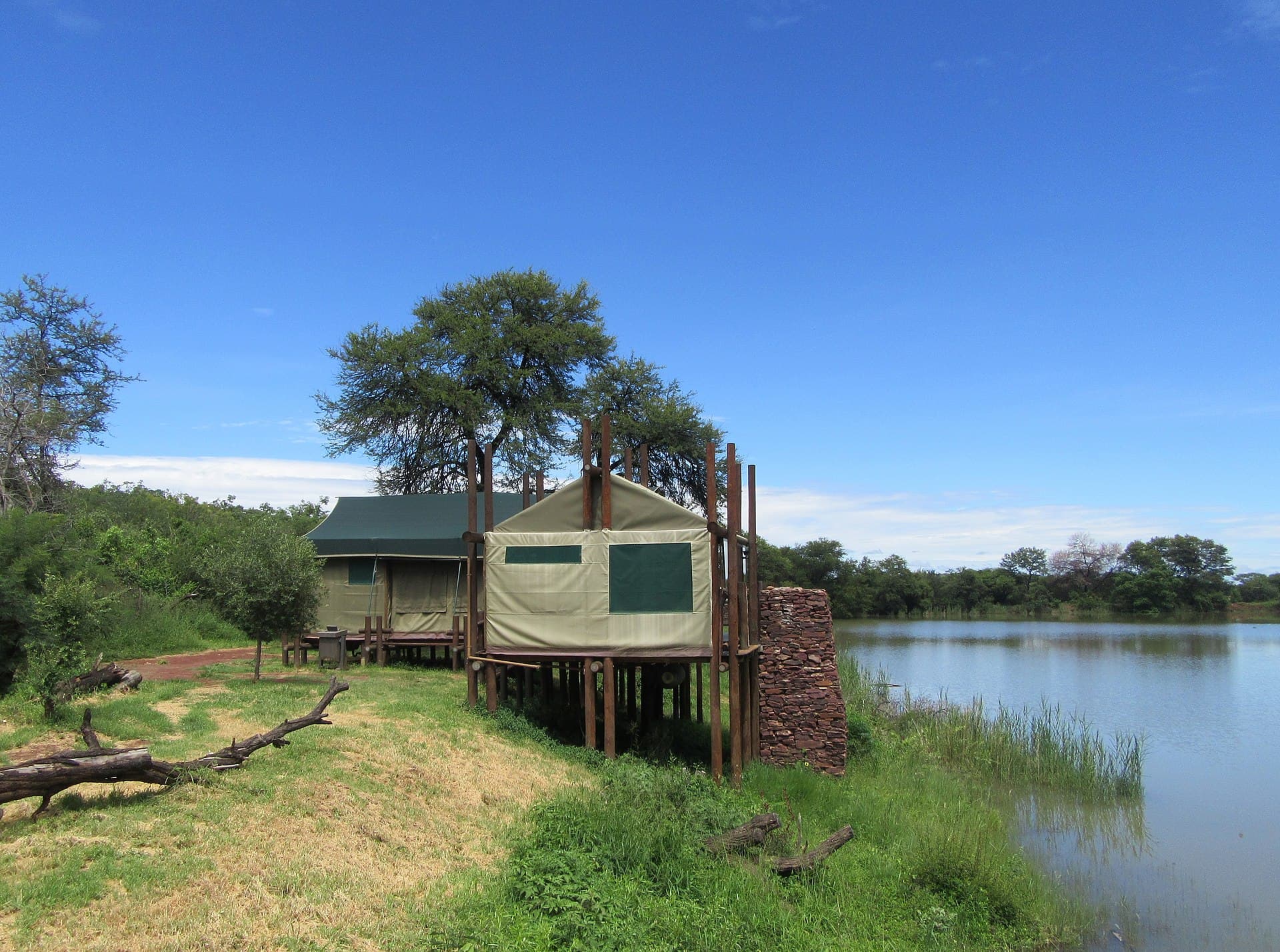
A canvas safari tent set among trees at a private tented campPremium

Kidepo Valley · Narus Valley

Narus Valley Tented Camp · Kidepo

Tented camp

A small tented camp in the Narus Valley puts you in the middle of Kidepo’s main game area, with buffalo, elephant and the occasional lion passing within view. It is remote and simple in the best sense, with few guests, big skies and the low evening light that brings photographers to this corner of Uganda.

  • Tents with views across the Narus Valley
  • Few other guests in camp
  • Short drive from Apoka airstrip
  • Game drives straight from the tents

Ideal for: Photographers and travelers who want to feel the full remoteness of Kidepo
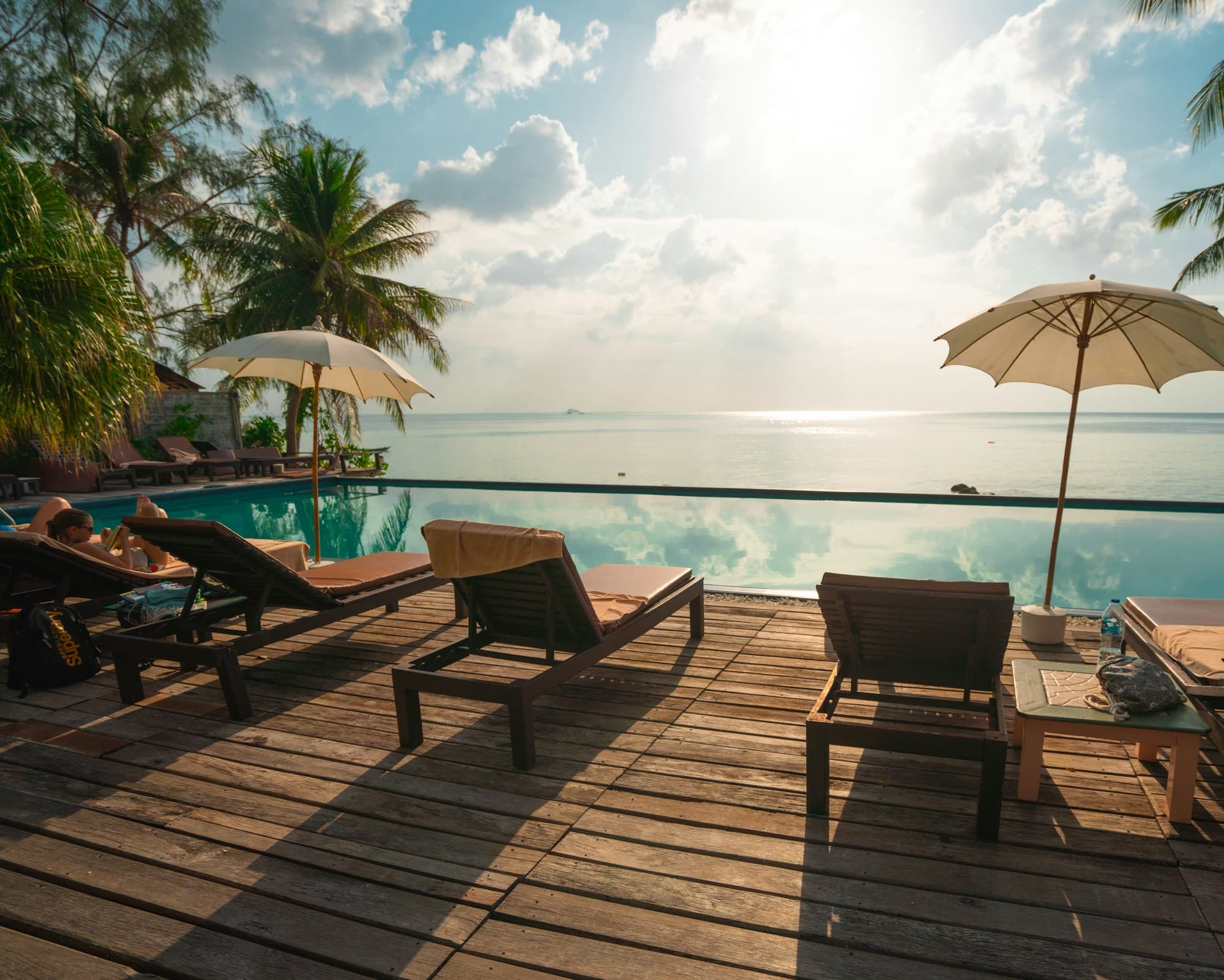
Luxury lodge deck with loungers and umbrellas at golden hourLuxury

Kidepo Valley · Apoka

Hilltop Lodge · Apoka, Kidepo

Lodge

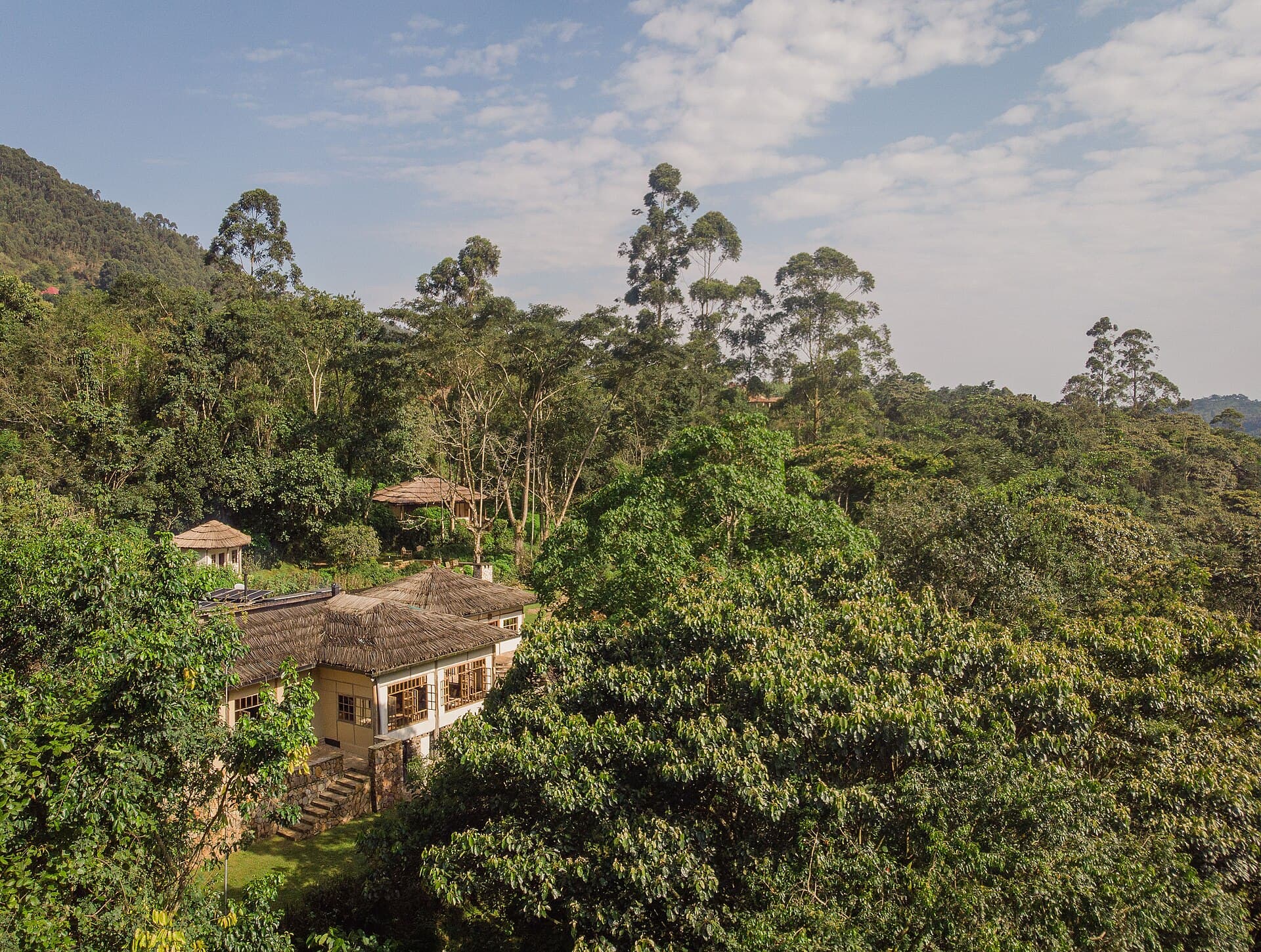
Lodges in this style sit on a rocky rise near Apoka, looking over the Narus Valley and its waterholes from stone cottages, and at least one has a pool set among the boulders. The views stretch to distant mountain ranges, and game often gathers below the lodge in the dry season.

  • Stone cottages with valley views
  • Pool set into the hillside
  • Waterholes visible from the lodge
  • Close to Apoka airstrip

Ideal for: Fly-in travelers who want comfort and views in Uganda’s most remote park

Safaris

Safaris That Go Here

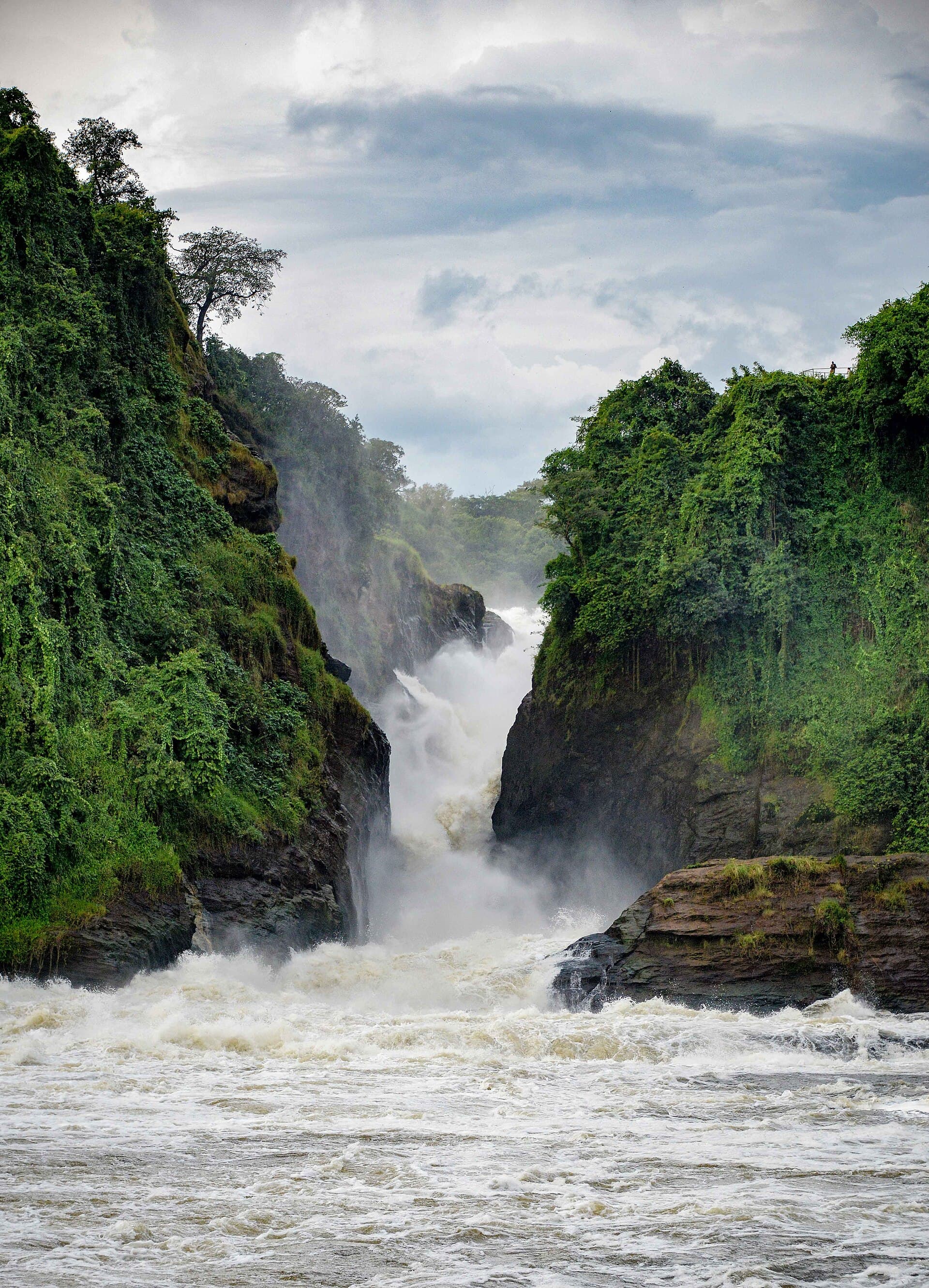
The Nile thundering through the gorge at Murchison Falls
10 daysFly-in wilderness

Uganda Fly-In

Kidepo Valley · Murchison Falls · Buhoma

Travelers who want Uganda’s wildest corner and its gorillas without spending whole days on the road

Best months
December–February and June–August
Comfort levels
Premium · Luxury
Individually quoted

Good to know

Frequently asked questions

Is Kidepo Valley National Park worth the trip?

If you value space and solitude, yes. Kidepo pairs big-sky scenery with cheetah and ostrich found nowhere else in Uganda, and visitor numbers are tiny. It takes more time and money to reach than Murchison or Queen Elizabeth, so it suits a longer fly-in trip or a second visit to Uganda.

Is it safe to travel to Kidepo?

Cattle raiding and occasional armed robbery affect parts of Karamoja, and UK government advice (checked September 2026) is to avoid traveling there at night; raiders generally do not target foreigners. Flying straight to Apoka avoids most of that road exposure, and inside the park you travel with an experienced guide. Check the current advice again shortly before you go.

Which animals can you see in Kidepo but nowhere else in Uganda?

Cheetah and ostrich are the headline species, both absent from Uganda’s other parks according to UWA. The secretary bird and carmine bee-eater are also listed as Kidepo specialties. None can be promised on a given drive, but three nights give you a fair chance at most of them.

Are there rhinos in Kidepo?

Reports in 2026 described southern white rhinos being moved to Kidepo as part of Uganda’s reintroduction effort, but UWA had not confirmed the details when we wrote this (September 2026). We check the current status before you travel. For rhinos on foot today, Ziwa Rhino Sanctuary north of Kampala is the reliable option.

When is the best time to visit Kidepo?

September to March, when Karamoja is dry, the grass is short and animals gather near the Narus Valley’s permanent water. Kidepo has one wet season, roughly April to August, unlike the two rainy seasons of southern Uganda, so its best months differ from Bwindi’s.

Virunga volcanoes rising over lodge rooftops and farmland

Start With Your Dates

Tell us when you would like to travel, who is coming and how many gorilla days you want. We check permit availability first, then design a private Uganda journey around it, with nothing booked until you approve.

Plan my safari here