Travel advisory, last checked 23 September 2026: the US State Department rates Uganda Level 4, “Do Not Travel”, an advisory issued in May 2026 because of Ebola. WHO declared Uganda’s outbreak over on 27 August 2026; the outbreak in the neighbouring DRC continues. Read our dated safety guide before you decide.

Uganda Travel Guide

Is Uganda Safe to Visit?

A calm, dated look at what the official advice says, where the real risks lie, and how a carefully planned private safari manages them.

The Honest Answer

Is Uganda safe to visit? For most travelers on a well-planned private safari, the day-to-day risks are manageable, and many visitors trek gorillas and cruise the Nile without incident. But Uganda has specific, documented risks, and in 2026 an Ebola outbreak pushed US travel advice to its highest level. We would rather set those out plainly than leave you to piece them together elsewhere.

This page reflects the official position as we found it on 23 September 2026. Advisories can change within days, so read it alongside the current government advice linked at the end, and check again before you book and before you fly.

Official Advice

What the Official Sources Said

Dated summaries of the main official sources at the time of writing. Always read the current versions.

SourceWhat it saidDate
US State DepartmentRates Uganda Level 4, “Do Not Travel”, the level it set on 26 May 2026 because of Ebola, with crime, terrorism and unrest also cited. The advisory was still at Level 4 when we checked, after WHO’s declaration.Issued 26 May 2026; last checked 23 September 2026
World Health OrganizationDeclared Uganda’s Ebola (Bundibugyo virus) outbreak over. The outbreak in the neighboring DRC continued.27 August 2026
US CDCUpdated its Level 2 travel health notice for Ebola covering the DRC and Uganda.28 August 2026
UK FCDOWarns that terrorists are very likely to try to carry out attacks in Uganda; advises particular caution in western Uganda near the DRC border, including national parks, and advises against all travel to the DRC provinces bordering Uganda.Updated 2 September 2026

A Level 4 advisory can affect travel insurance cover, so read your policy wording, and ask us to talk through the latest position before you commit.

Health

Ebola in 2026, in Brief

Uganda declared its outbreak on 15 May 2026. It stayed small, with 20 confirmed cases and two deaths, largely linked to infections imported from the DRC and concentrated in Kampala. Uganda closed its DRC border in late May, the last patient left hospital in mid-July, and WHO declared the outbreak over on 27 August.

Ebola spreads through direct contact with the blood or body fluids of a person who is ill, or with contaminated materials, rather than through the air. There was no active transmission in Uganda when we checked on 23 September 2026. The DRC outbreak was still active, however, and WHO notes that close cross-border ties keep neighbouring countries at risk of imported cases, which is one more reason for caution in western Uganda’s border areas. Entry and health requirements are covered in our visa and entry guide.

Security

Terrorism and the DRC Border

The UK FCDO assesses that terrorists are very likely to try to carry out attacks in Uganda, and it names two incidents from 2023. In June that year, an attack on a school at Mpondwe, in Kasese District near the DRC border, killed 42 people. In October, two tourists and their driver were killed by terrorists in Queen Elizabeth National Park.

The FCDO notes that security personnel routinely accompany gorilla-tracking visits in Bwindi and Mgahinga. It advises particular caution in western Uganda near the DRC border, national parks included, and recommends avoiding gorilla tours that cross into the DRC.

In practice, this shapes how we plan rather than simply whether you go: daylight transfers on main routes, no DRC-side excursions, lodges our partners know well, and a close watch on the advice right up to departure. Our Queen Elizabeth National Park guide covers the park itself.

Practical Risks

Risk by Risk

On gorilla treks

Treks in Bwindi and Mgahinga set off with UWA ranger guides and armed escorts, there to protect visitors from wildlife and people alike. Follow their instructions on the trail, above all when a gorilla comes close.

On the road

Road accidents are a bigger everyday risk than crime. The FCDO advises against travel outside main towns after dark, except to Entebbe airport, and recommends avoiding motorcycle taxis (boda-bodas). We plan every road transfer to finish in daylight.

Karamoja and Kidepo

The north-east has a history of cattle raiding and armed robbery, and the FCDO advises against travel there at night, noting that attackers generally don’t target foreigners. Flying into Kidepo, as our fly-in safari does, avoids the long road through the region.

Kampala and Entebbe

Normal big-city precautions apply. Keep valuables out of sight, use transport arranged through us or your hotel, and avoid walking alone after dark.

Around wildlife

Many lodges sit inside or on the edge of parks without fences, and hippos graze near riverside and lakeshore rooms at night. Use the escort offered after dark, and follow your guide’s lead on walks and boat trips.

Your health

Malaria, sun and long road days cause more problems than wildlife. Take antimalarials as prescribed, drink plenty of water, and carry insurance that includes medical evacuation.

LGBTQ+ Travelers

The 2023 Anti-Homosexuality Act

LGBTQ+ travelers should know the legal position before deciding. As summarized by the UK FCDO, Uganda’s Anti-Homosexuality Act of 2023 provides for life imprisonment for same-sex sexual acts, the death penalty for what the law calls “aggravated” cases, and up to 20 years in prison for the “promotion” of homosexuality.

We set this out as fact, without judgment of anyone’s decision. Read the LGBTQ+ sections of the US State Department and FCDO advice, and if you are weighing the trip, talk to us in confidence: we can explain how a private itinerary works on the ground, or plan a gorilla journey in Rwanda instead.

Our Approach

How We Plan Around the Risks

  1. Choose the route with care

    We use Kigali or domestic flights where they cut out long road days, and keep western transfers to main roads in daylight hours.

  2. Fly to the remote parks

    Kidepo, and often Bwindi on shorter trips, are reached by scheduled or charter flights rather than long overland drives.

  3. Travel with vetted partners

    Your driver-guide and vehicle come from vetted Ugandan partners, and you have a local contact number for the whole journey.

  4. Watch the advice

    We follow US, UK and health advisories from booking to departure and contact you if anything changes, including the options to reroute or postpone.

  5. Insure properly

    We ask every traveler to carry insurance with medical evacuation cover, and to check how the policy treats destinations under a government advisory.

Safaris

Recommended safaris

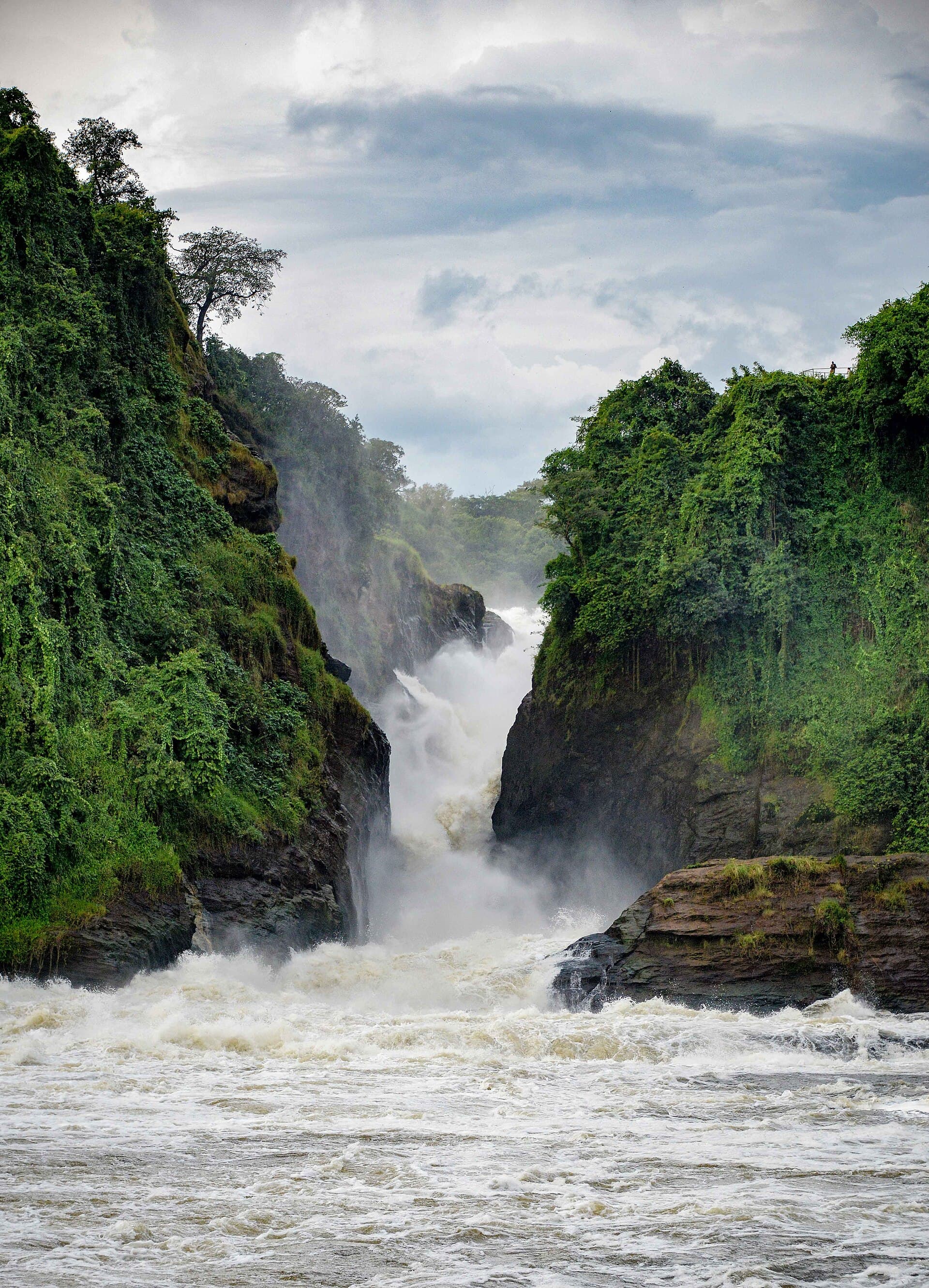
The Nile thundering through the gorge at Murchison Falls
10 daysFly-in wilderness

Uganda Fly-In

Kidepo Valley · Murchison Falls · Buhoma

Travelers who want Uganda’s wildest corner and its gorillas without spending whole days on the road

Best months
December–February and June–August
Comfort levels
Premium · Luxury
Individually quoted
Silverback mountain gorilla mid-yawn among fresh green foliage
6 daysShort & focused

Gorillas via Kigali

Kigali · Rushaga · Mgahinga

Travelers with a week who want two gorilla treks at Uganda’s permit price and the simplest international access

Best months
June–September and December–February
Comfort levels
Comfort · Premium · Luxury
Individually quoted
Good to know

Frequently asked questions

Is it safe to travel to Uganda right now?

When we last checked, on 23 September 2026, the US State Department still rated Uganda Level 4, “Do Not Travel”, the advisory it issued in May because of Ebola. WHO declared Uganda’s outbreak over on 27 August 2026, after the 42-day monitoring period, while the outbreak in the neighbouring DRC continues. Check travel.state.gov and the UK FCDO for the current position before you book or travel.

Does a travel advisory affect my travel insurance?

It can. Some policies exclude or limit cover for destinations under a “do not travel” advisory, and UK travelers who go against FCDO advice may find their policy invalid. Read the wording before you book, and ask your insurer directly if the advice changes before departure.

Are gorilla tours into the DRC from Uganda safe?

The FCDO advises against gorilla tours that cross into the DRC and against all travel to the DRC provinces bordering Uganda. We don’t plan DRC-side excursions. Uganda’s own gorilla parks, Bwindi and Mgahinga, are reached without crossing the border.

Is Uganda safe for LGBTQ+ travelers?

The legal risk is serious: the 2023 Anti-Homosexuality Act criminalizes same-sex acts with severe penalties, including life imprisonment. Read the LGBTQ+ guidance from the US State Department and UK FCDO before deciding. We are happy to discuss alternatives, such as Rwanda, in confidence.

Should I avoid driving at night in Uganda?

Yes. Poor driving standards and road conditions make night driving risky, and the FCDO advises against travel outside main towns after dark, except to Entebbe airport. We plan transfers to arrive before dusk.

Virunga volcanoes rising over lodge rooftops and farmland

Start With Your Dates

Tell us when you would like to travel, who is coming and how many gorilla days you want. We check permit availability first, then design a private Uganda journey around it, with nothing booked until you approve.

Plan My Uganda Safari