
Zimbabwe Travel Guide
Zimbabwe Visa Guide for US Travelers (and the KAZA UNIVISA)
Which Zimbabwe visa fits your route, how the eVisa and visa on arrival work for US passport holders, and when the KAZA UNIVISA is the smarter buy.
The Short Version
If you hold a US passport, getting a Zimbabwe visa is simple. US citizens fall into Zimbabwe’s Category B, which means you can buy a visa on arrival at any port of entry or apply in advance for an eVisa on the government’s official portal. At the time of writing (September 2026), the Embassy of Zimbabwe in Washington, DC lists the fees for US citizens as US$30 for single entry, US$45 for double entry and US$55 for multiple entry.
The real decision is which visa suits your route. Stay inside Zimbabwe and a single-entry visa is all you need. Cross to Zambia for the other side of Victoria Falls, or into Botswana for a day in Chobe, and the choice between a double-entry, multiple-entry or KAZA UNIVISA starts to matter. The table below matches each to the itineraries we plan most often.
Rules and fees are set by governments and can change quickly. Treat this as a planning guide rather than immigration advice, and confirm the current position on the official sources listed at the end before you travel.
Decision Table
Which Visa Fits Your Itinerary
| Your plans | Visa that usually fits | Why |
|---|---|---|
| Zimbabwe only: the falls, Hwange, Kariba, Mana Pools or the south | Single entry (US$30) | One arrival and one departure. Bought as an eVisa, it stays valid for about a month from issue. |
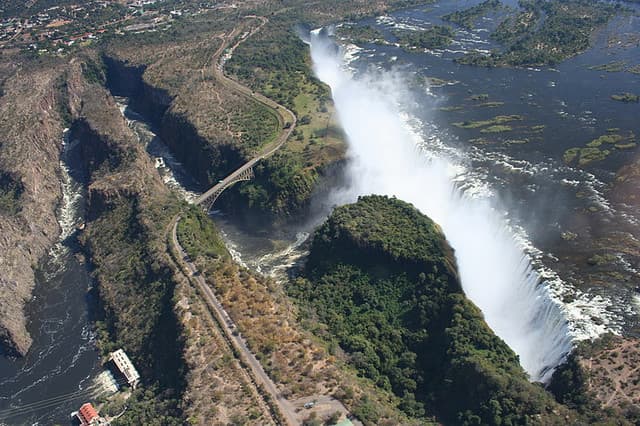
| An afternoon across the bridge in Livingstone | Double entry (US$45), multiple entry (US$55) or KAZA UNIVISA (US$50) | A single-entry visa is used up the moment you leave, so you need one that lets you back in. Check Zambia’s current rules for US citizens as well. |
| A day trip to Chobe from Victoria Falls | KAZA UNIVISA (US$50) or double entry (US$45) | KAZA covers a day visit to Botswana through Kazungula. On a double-entry visa, Botswana’s own entry rules apply at its border. |
| Several crossings between Zimbabwe and Zambia | KAZA UNIVISA or multiple entry | Both allow repeated crossings. KAZA adds the Botswana day trip; the multiple-entry visa lasts longer and doesn’t depend on KAZA issuance. |
| Continuing to Botswana or Zambia to stay overnight | Single entry, if you don’t return | KAZA covers only day trips into Botswana. Nights there, or onward travel in Zambia, follow each country’s normal rules. |
| Returning to Zimbabwe after nights in a neighboring country | Double or multiple entry | Settle the order of countries first, then choose the visa that covers every re-entry. |
Fees are those listed for US citizens at the time of writing (September 2026). KAZA availability has been intermittent, so we confirm it close to your travel date.
KAZA UNIVISA
The KAZA UNIVISA, From Zimbabwe’s Side
The KAZA UNIVISA is a joint visa for Zimbabwe and Zambia, named after the Kavango–Zambezi Transfrontier Conservation Area. At the time of writing it costs US$50 and lasts 30 days, allows as many crossings between the two countries as you like, and also covers day trips into Botswana through the Kazungula border. For a falls-based stay with a Livingstone afternoon and a Chobe day, it is usually the neatest option.
It is issued only at certain airports and land borders; on Zimbabwe’s side these have typically included Victoria Falls Airport, Harare’s airport and the border posts at the Victoria Falls Bridge and Kazungula. Issuance has been suspended at times, so never build a plan that fails without it. Carry enough small US dollar notes to buy a double- or multiple-entry visa instead, and your trip carries on as planned.
One more wrinkle for US travelers: Zambia has waived visas for many nationalities in recent years. If its current list includes US citizens, a Livingstone day trip only needs a Zimbabwe visa that lets you back in, which a double-entry, multiple-entry or KAZA visa does. Our Livingstone guide covers the Zambian bank of the falls, and our Botswana safaris pages cover Chobe, the usual goal of a day across the Kazungula border.
eVisa
Applying for the Zimbabwe eVisa
Applying online saves time in the arrivals hall, especially when several flights land together at Victoria Falls. Each traveler, including children, needs their own visa.
Use the official portal
Go directly to evisa.gov.zw, the government’s own site, rather than clicking an advert. Third-party sites charge extra for the same application.
Apply at least three weeks ahead
The portal advises applying three weeks or more before travel, and processing averages about seven working days. Leave extra time around public holidays.
Don’t apply too early
Validity runs from the date of issue, not your arrival: about one month for single entry, three months for double entry and six months for multiple entry. Apply months ahead and a single-entry visa can expire before you land.
Print the approval
Carry a printed copy of the approval letter with your passport, plus a copy on your phone that opens without a signal.
Keep the paperwork until you leave
Immigration checks the approval against your passport on arrival. Keep any receipt or stamp page safe until you exit Zimbabwe for the last time.
On Arrival
Visa on Arrival, by Air or Over the Bridge
Most travelers fly into Victoria Falls Airport (VFA), Harare (HRE) or Bulawayo (BUQ), and all three issue visas on arrival. Pay in US dollars cash, ideally the exact amount in small, clean notes, because change can be scarce, and keep your receipt. US passport holders have one advantage here: the multiple-entry visa on arrival is offered only to citizens of the United States, the United Kingdom and Canada.
Arriving overland, the crossings you are most likely to use are the Victoria Falls Bridge from Livingstone in Zambia and Kazungula from Kasane in Botswana. The procedure is the same as at the airports, but land borders keep set opening hours, so we time road transfers to arrive comfortably before the posts close.
Before You Fly
Other Entry Rules Worth Knowing
- Passport: at least six months’ validity remaining and blank pages; the UK government advises three blank pages, a sensible standard for any passport.
- Yellow fever: a certificate is required only if you arrive from a country with yellow fever risk, including after a transit of more than 12 hours in one; the safety and health guide explains how routing affects this.
- Cash: declare US$10,000 or more on arrival, and don’t plan to leave with more than US$2,000 in cash; the money guide covers what to carry.
- Drones: flying one needs prior approval from the Civil Aviation Authority of Zimbabwe and a temporary import permit, applied for at least 30 days ahead. Without both, leave it at home.
- Children: carry each child’s full birth certificate, plus a consent letter if one parent is traveling alone. South Africa checks these closely for families connecting through Johannesburg.
Good to know
Frequently asked questions
Can US citizens get a visa on arrival in Zimbabwe?
Yes. US citizens are in Category B, so a visa on arrival is available at any port of entry, and the multiple-entry version is offered on arrival only to US, UK and Canadian citizens. Bring the fee in small US dollar notes, or apply in advance for an eVisa.
Is the KAZA UNIVISA available right now?
It has been issued intermittently over the years, so the honest answer is to check shortly before you travel. When it is available, it costs US$50 for 30 days at the time of writing. If it isn’t, a double- or multiple-entry Zimbabwe visa usually covers the same trip.
Do I need a visa to see the Zambian side of Victoria Falls?
You need to be able to re-enter Zimbabwe, which a single-entry visa won’t allow once you have left. A double-entry, multiple-entry or KAZA visa solves that. Zambia’s own entry rules for US citizens also apply, so check its current list of visa-exempt nationalities.
How long does the Zimbabwe eVisa take?
Processing averages about seven working days, and the portal advises applying at least three weeks before you travel. Because validity starts on the date of issue, avoid applying months ahead, especially for a single-entry visa that lasts about a month.
Does the KAZA UNIVISA let me stay overnight in Botswana?
No. It covers day trips into Botswana through Kazungula, typically for a Chobe game drive or river cruise. If you plan to spend nights in Botswana, you enter under Botswana’s normal rules, and you need a Zimbabwe visa that allows re-entry if you come back.
Start With Your Dates
Tell us when you can travel, who is coming and whether you picture the falls, a canoe on the Zambezi or rhino tracks in the Matobo Hills. We’ll design a private Zimbabwe journey around it, and nothing is booked until you approve it.
Plan My Zimbabwe Safari