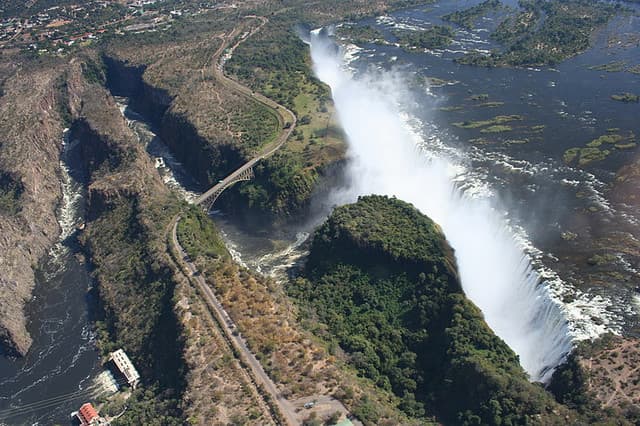
Aerial view of Victoria Falls plunging into the gorge

Destination guide

Victoria Falls, Zimbabwe

Most of the mile-wide curtain faces Zimbabwe, where a rainforest path of viewpoints follows the gorge edge and the Main Falls pour in every month of the year.

SizeAbout 1,708 m wide and up to 108 m deep; Victoria Falls National Park covers about 23 km²
Best timeYear-round; May–August for the best balance of water and view
Recommended stay2 nights for the falls, 3 with rafting, a flight or a trip across the border
Getting thereVictoria Falls Airport (VFA), about 20 km from town, with regional non-stop flights
Known forThe Main Falls, lunar-rainbow nights, Batoka Gorge rafting and upper-Zambezi cruises
World HeritageInscribed 1989, shared with Zambia’s Mosi-oa-Tunya National Park

Victoria Falls

Why Visit

Victoria Falls, Zimbabwe, is where the Zambezi slides off a basalt plateau into a chasm up to 108 m deep, along a front of about 1,708 m — just over a mile. The local name, Mosi-oa-Tunya, is usually translated as “the smoke that thunders”, and at high water the spray column climbs some 500 m and can be seen from 30–50 km away. UNESCO inscribed the falls as a World Heritage Site in 1989, shared between Zimbabwe’s Victoria Falls and Zambezi national parks and Zambia’s Mosi-oa-Tunya National Park.

The Zimbabwe bank looks across at most of the curtain, including the Main Falls, which keep flowing late in the dry season when stretches of the Zambian lip run almost bare. One footpath through a spray-fed rainforest links the viewpoints, from Devil’s Cataract at the western end to Danger Point in the east, where the whole river turns into the gorge below. The town sits a short walk from the gate, and that pairing — the full panorama plus an easy base — is why so many southern African routes start or finish here.

Two or three nights suits most travelers, and the falls slot neatly into a safari: Hwange is a road transfer away, Chobe in Botswana is a day trip, and the 12-Day Victoria Falls, Hwange, Lake Kariba & Mana Pools Private Safari opens with two nights here. Below: how the water changes through the year, which side of the river to see it from, and how to divide your time between the rainforest, the gorge and the quieter upper Zambezi.

Best for

  • Adding the falls to a Hwange, Chobe or Mana Pools safari
  • First-time visitors who want the full panorama in any month
  • Honeymooners pairing river sunsets with a grand old hotel
  • Active travelers keen on rafting, flights and the bridge

Victoria Falls

Wildlife & Highlights

  • Main Falls, the broadest section, flowing in every month
  • Rainbow Falls and the deepest drop, about 108 m
  • A spray-watered rainforest strip along the gorge edge
  • Lunar rainbows over the spray on bright full-moon nights at high water
  • Elephant, buffalo, sable and giraffe in the Zambezi National Park upstream
  • Hippo and crocodile on the upper Zambezi at sundowner time
  • Grade 5 white water in the Batoka Gorge when the river is low
  • The steel-arch Victoria Falls Bridge between Zimbabwe and Zambia
  • More than 400 bird species recorded in the Zambezi National Park

Season

Best Time to Visit

  1. January
  2. February
  3. March
  4. April
  5. May
  6. June
  7. July
  8. August
  9. September
  10. October
  11. November
  12. December
December–FebruaryThe river rises as rain falls across its catchment upstream, and the curtain thickens week by week. Hot, humid and green, with afternoon storms. The Zambian end begins to refill, and rafting usually still runs.
March–MayPeak flow, usually highest around April, when up to about 500 million litres a minute can pour over the lip. The spray is so dense that it can hide much of the curtain from the rainforest path — you get soaked and sometimes see less, while the plume is at its most dramatic from the air. The full rafting run typically closes at peak flood.
June–AugustThe sweet spot for most visitors: a thick curtain but lighter spray, so the views open up. Dry, sunny days and cool early mornings. As levels drop, rafting reopens, first on a shorter high-water section and later on the full run.
September–NovemberLowest water. Rock faces and the gorge geology are exposed and parts of the Zambian side can run nearly dry, while the Main Falls keep flowing on the Zimbabwe side. The full Grade 5 rafting run is at its best; October and November are hot. On 22 September 2026, the Zambezi River Authority recorded about 375 m³/s at the falls, against a long-term annual mean near 1,100 m³/s.

Victoria Falls

Areas to Know

The rainforest walk (Victoria Falls National Park)

A path of about 16 numbered viewpoints runs east from the Livingstone statue and Devil’s Cataract, past the Main Falls and Rainbow Falls, to Danger Point. Allow a couple of hours and go early for softer light and fewer people. At the time of writing (September 2026), ZimParks charges international visitors US$58 at the main gate, US$174 at the VIP gate and US$116 for moonlight viewing, under a tariff effective 13 February 2026 that now includes VAT; check current fees before you travel. From about February to June, bring a rain jacket or hire a poncho, and keep cameras in a dry bag.

Best for: Everyone: the essential first outing

Which side of the falls: Zimbabwe or Zambia?

If you see the falls from only one country, make it Zimbabwe: its path faces most of the curtain, so you get the fuller panorama in every month, and from September to December it is the only side with a reliably full view. Zambia puts you closer to the Eastern Cataract, the Knife-Edge Bridge and the Boiling Pot trail, and in low water it offers Devil’s Pool on Livingstone Island. Victoria Falls town is compact and walkable from the rainforest gate, while Livingstone is a larger town set back from its falls. Crossing takes minutes via the bridge border posts. The KAZA UNIVISA and entry options decide what paperwork you need, and Livingstone and the Zambian side covers the other bank.

Best for: Deciding where to base yourself and whether to cross the bridge

Batoka Gorge & the Victoria Falls Bridge

Below the falls, the Zambezi races through a chain of zig-zag gorges. White-water rafting here is among the most celebrated in Africa: the full low-water run, roughly August to December, takes on a string of Grade 5 rapids, a shorter section operates at higher water, and trips are usually suspended around April and May when the flood peaks. Operators typically set a minimum age of 15. The bridge, completed in the early 1900s, hosts a bungee jump and bridge swing, and simply walking onto it gives a head-spinning view down the first gorge.

Best for: Adrenaline, and seeing the falls’ gorges from below

The upper Zambezi & Zambezi National Park

Above the falls, the river is wide, slow and scattered with islands. Sunset cruises drift past hippo pods and crocodiles, and elephants often cross between the islands in the dry months. Upstream, the Zambezi National Park — together with Victoria Falls National Park about 56,000 ha, with roughly 40 km of river frontage — holds four of the Big Five (there are no rhino), plus sable, kudu and giraffe. Game drives and river-edge picnics here make a gentle warm-up before Hwange, and anglers can try for tigerfish.

Best for: Wildlife and quiet within a short drive of town

Victoria Falls town

A small, walkable town of craft markets, cafés and activity desks, laid out around the road to the bridge. Its Edwardian-era grand hotel serves high tea on a terrace facing the bridge and the spray, an institution worth an hour even if you sleep elsewhere. Flights over the falls leave from helipads a short drive out of town; our Victoria Falls helicopter flight page explains the options.

Best for: Walk-to-the-falls convenience and evenings out

Victoria Falls

Getting There

Victoria Falls Airport (VFA) lies about 20 km south of town, roughly a 25–30 minute transfer. There are no non-stop flights from the US: most travelers connect through Johannesburg, and VFA also has non-stop links with Cape Town, Nairobi, Addis Ababa, Windhoek, Gaborone, Kasane and Harare (check current schedules). From the falls, the tar road runs southeast to Hwange, and Kasane in Botswana is about 70–80 km west via the Kazungula border — close enough for a day on the Chobe River or for continuing into Chobe National Park for longer.

Drive or fly?

Around the falls everything is by road and short. The choice comes when you move on: Hwange is about 2.5–3 hours by road on tar, a comfortable transfer that can include a stop at the painted-dog centre near Dete, or a short light-aircraft hop that saves most of a morning. For Lake Kariba or Mana Pools, fly — by road they are more than a day away. As a rule, drive to Hwange and fly beyond it.

Airstrips & airports

  • Victoria Falls Airport (VFA)
  • Livingstone Airport (Zambia), across the bridge
  • Kasane Airport (Botswana), by road via Kazungula

Typical travel times

Victoria Falls Airport to town
About 25–30 minutes
Victoria Falls to Hwange Main Camp
About 2.5–3 hours (about 195 km)
Victoria Falls to Kasane, Botswana
About 1–1.5 hours plus the border
Victoria Falls town to the Zambian side
A short drive plus two border posts
Johannesburg to Victoria Falls
About 1 hour 45 minutes by air

Stays

Where to Stay

Stays here split into two moods. In town, heritage and boutique hotels put the rainforest gate, restaurants and activity pickups within walking distance, and some rooms look toward the spray or the bridge. Upriver, lodges on the Zambezi’s banks and in private concessions trade that convenience for quiet: hippos below the deck, game drives in the national park and a short drive into town for the falls. We match the specific property to your dates and priorities.

Comfort

Victoria Falls · town

Town Boutique Hotel

Boutique hotel

A small, friendly hotel in the town of Victoria Falls puts cafés, craft markets and activity pick-ups on your doorstep, with the rainforest gate a short drive or a longer stroll away. Rooms are simple and comfortable, and the pool is welcome after a morning spent in the spray.

  • Walking distance of cafés, markets and activity desks
  • Pool and garden for hot afternoons
  • Family rooms at many
  • Easy early pick-ups for rafting and helicopter flights

Ideal for: Families and active travelers who want to be close to the town’s restaurants and activity operators
Premium

Victoria Falls · walk to the rainforest

Edwardian Heritage Hotel

Heritage hotel

Grand hotels in this style date from the early days of the railway, with high ceilings, deep verandas and lawns that look toward the bridge and the spray rising from the gorge. A path leads from the gardens to the rainforest entrance, so you can reach the falls on foot in the cool of the early morning.

  • Terrace views toward the Victoria Falls Bridge
  • Short walk to the rainforest entrance
  • Afternoon tea and formal dining rooms
  • Pool set among old gardens

Ideal for: Couples, honeymooners and history lovers who want to walk to the falls and take tea on a terrace above the gorge

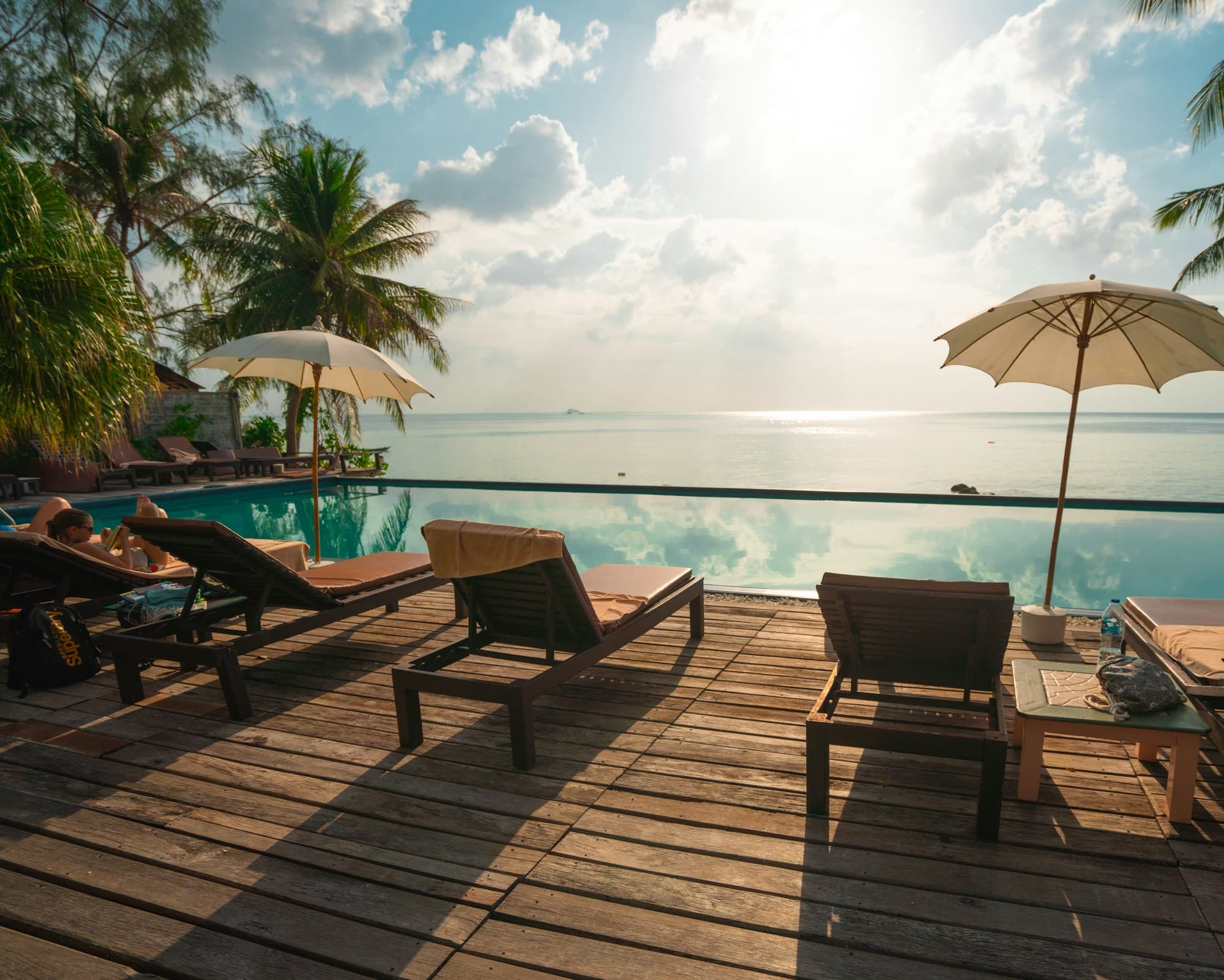
Luxury lodge deck with loungers and umbrellas at golden hourLuxury

Victoria Falls · upper Zambezi

Upper Zambezi River Lodge

Lodge

Upriver from the falls, lodges in this style stand on the banks of the Zambezi, with suites opening onto decks above the water where elephants and hippos move between the islands. The bustle of town disappears, yet the rainforest is a short drive away, and river cruises and drives in Zambezi National Park often start from the lodge itself.

  • Suites with river-facing decks, some with plunge pools
  • Sunset boating from the lodge jetty
  • Game drives in Zambezi National Park
  • Transfers to the rainforest and town at many

Ideal for: Honeymooners and couples who want a quiet river setting with the falls still within easy reach

Luxury lodge deck with loungers and umbrellas at golden hourUltra-Luxury

Victoria Falls · private concession upstream

Private Concession River Lodge

Lodge

The most exclusive stays near the falls lie on private concessions upstream, where a handful of suites or villas share a long stretch of Zambezi frontage and game drives run only for their guests. You can watch elephants from your plunge pool at breakfast and stand in the rainforest spray by mid-afternoon, with a private guide shaping each day around you.

  • Private villas or suites with plunge pools
  • Drives and walks on a private concession
  • River cruises and fishing from the lodge
  • Private guide and vehicle for falls excursions

Ideal for: Families and couples who want privacy, wildlife and the falls in one stay, away from town

Experiences

Experiences

Aerial view of Victoria Falls plunging into the gorge

In the air

Victoria Falls Helicopter Flight

See the whole curtain, the zig-zag gorges and the spray plume from above on a short flight from the Zimbabwe side.

Safaris

Safaris That Go Here

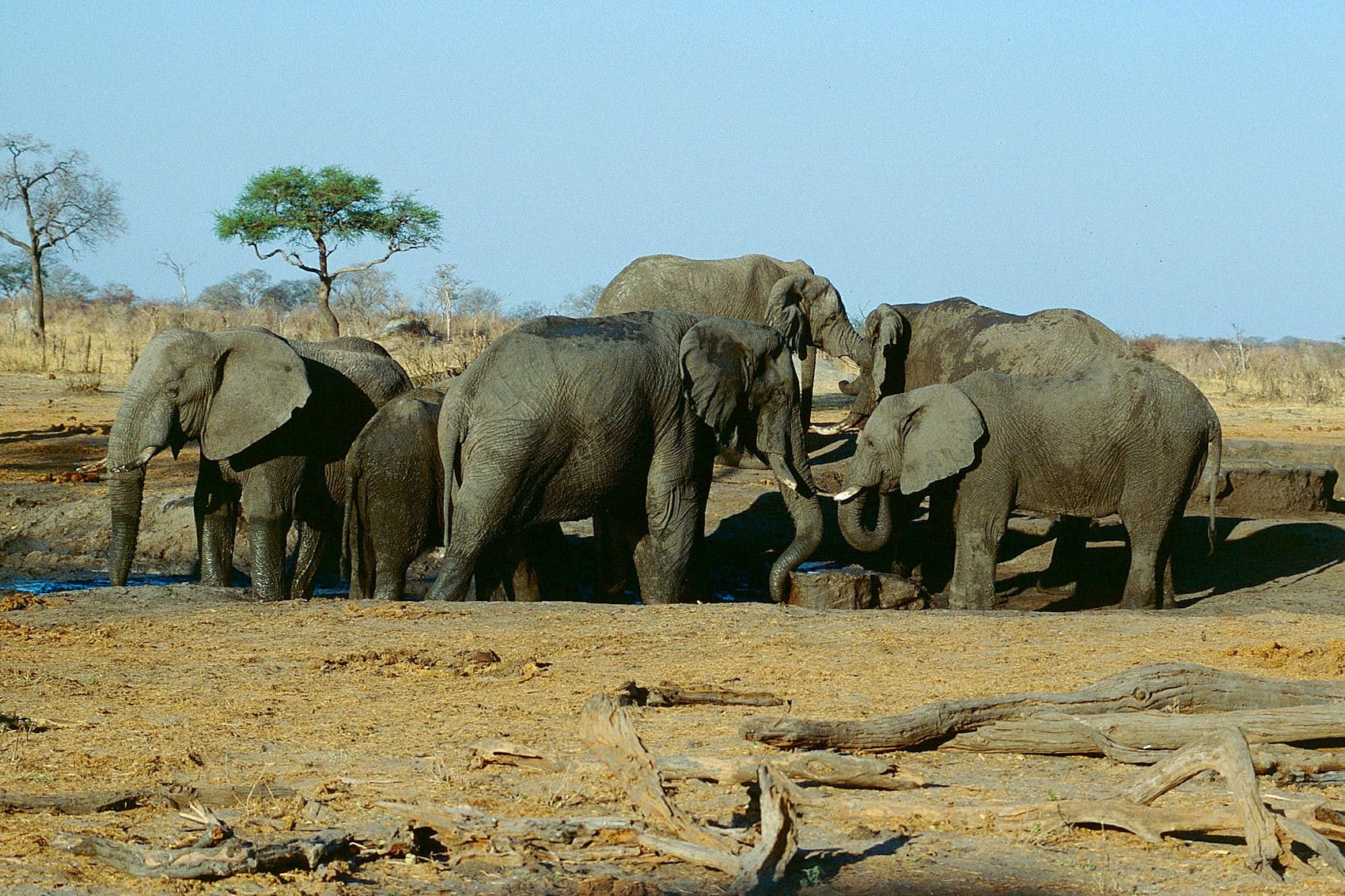
Elephants shoulder to shoulder at a Hwange waterhole
12 daysComplete Zimbabwe

Grand Zimbabwe

Victoria Falls · Hwange National Park · Matusadona · Mana Pools · Harare

Returning or ambitious safari travelers who want Zimbabwe’s full range — falls, big herds, open water and walking — in one private trip

Best months
May–October
Comfort levels
Premium · Luxury · Ultra-Luxury
Individually quoted

Good to know

Frequently asked questions

Which side of Victoria Falls is better, Zimbabwe or Zambia?

For views, Zimbabwe: its bank faces most of the curtain, including the Main Falls, which flow all year. Zambia offers closer, more physical encounters, such as the Knife-Edge Bridge and, in low water, Devil’s Pool. With time, see both; if you must choose, and especially between September and December, choose Zimbabwe.

What is the best month to visit Victoria Falls?

For most people, May to August, when the flow is still strong but the spray no longer hides the view. March to May brings peak volume and a thorough soaking; September to December brings the lowest water, exposed rock and the best rafting. On the Zimbabwe side there is no bad month, just a different falls.

How many days do you need at Victoria Falls?

Two nights covers the rainforest walk, a sunset cruise and a relaxed dinner. Allow three if you want to raft, fly over the falls or cross into Zambia, and add another night for a day trip to Chobe in Botswana.

Can you see a lunar rainbow at Victoria Falls?

Often, on clear nights around the full moon when the river is high and the spray is heavy. ZimParks sells a separate moonlight-viewing ticket for these evenings. Cloud or very dense spray can spoil it, so treat it as a bonus rather than a certainty.

Will I get wet on the Victoria Falls rainforest walk?

Between roughly February and June, yes — near the Main Falls and Danger Point the spray can drench you within minutes. Wear shoes with grip, carry a light rain jacket or hire a poncho, and protect your camera. In the low-water months you stay largely dry.

Should I stay in Victoria Falls town or upriver?

Stay in town if you want to walk to the falls, restaurants and activity pickups. Choose an upriver lodge if you prefer river views, hippos at night and game drives, and don’t mind a short drive in for the falls. Many travelers take one night in town and one upriver.

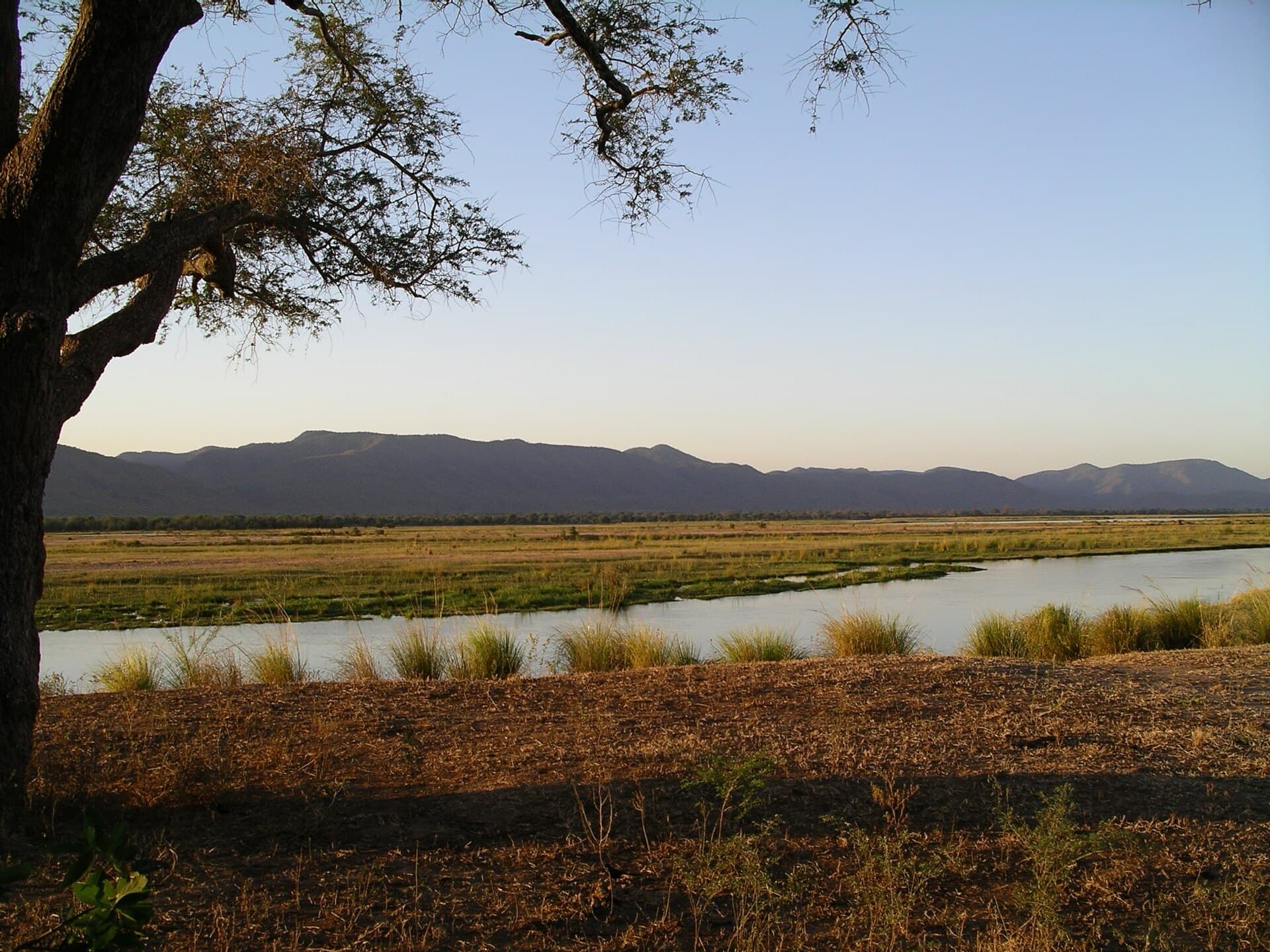
Floodplain and mountains of Mana Pools at dusk

Start With Your Dates

Tell us when you can travel, who is coming and whether you picture the falls, a canoe on the Zambezi or rhino tracks in the Matobo Hills. We’ll design a private Zimbabwe journey around it, and nothing is booked until you approve it.

Plan my safari here