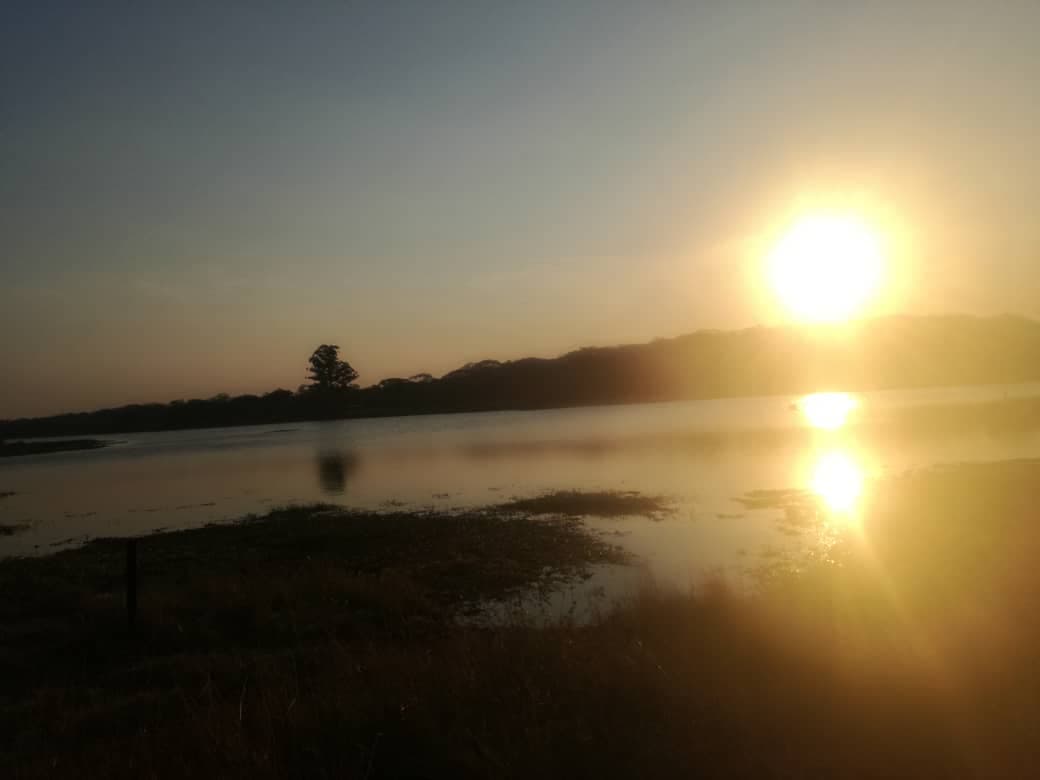
Sunset silhouettes over Lake Kariba

Destination guide

Lake Kariba & Matusadona National Park

An inland sea on the Zambezi, where drowned trees stand in the shallows at sunset and Matusadona’s shoreline draws elephant, buffalo and lion to the water.

SizeLake about 5,580 km² and 223 km long; Matusadona National Park about 1,470 km²
Best timeJuly–October, with August–October strongest on the shoreline
Recommended stay2–3 nights
Getting thereLight aircraft to Kariba or lakeshore airstrips, then a boat or short drive
Known forHouseboats, drowned-forest sunsets, tigerfish and Matusadona’s rewilding
Managed byMatusadona: African Parks with ZimParks since 2019

Lake Kariba & Matusadona

Why Visit

Lake Kariba stretches about 223 km along the Zambezi between Zimbabwe and Zambia, up to 40 km wide and covering some 5,580 km² — one of the largest man-made lakes in the world. It formed when the Kariba Dam closed the river’s gorge in the late 1950s; the water rose between 1958 and 1963, drowning mopane woodland whose bleached trunks still stand in the shallows. At sunset, with elephants grazing the shore and the dead trees in silhouette, it is one of Zimbabwe’s most photographed scenes.

The flooding had a human cost as well as a wild one. Tonga communities who had farmed and fished the valley for generations were resettled away from the river as the water rose, and the wildlife rescue known as Operation Noah ferried stranded animals off shrinking islands. Both stories are part of the lake, and a good guide will tell them.

On the southern shore, Matusadona National Park (about 1,470 km²) climbs from lakeshore grassland into the Matusadona Mountains. Since November 2019 it has been managed by African Parks with ZimParks under a 20-year agreement, and it is in the middle of a comeback: 20 painted dogs were translocated in February 2026 and black rhino returned in June 2026. Two or three nights make a restful pause between Hwange and Mana Pools, as on the 12-Day Victoria Falls, Hwange, Lake Kariba & Mana Pools Private Safari.

Best for

  • A restful pause between Hwange and Mana Pools
  • Families and groups on a private houseboat
  • Sunset photography among the drowned trees
  • Anglers after tigerfish
  • Following Matusadona’s rewilding story

Lake Kariba & Matusadona

Wildlife & Highlights

  • Elephant grazing the shoreline, sometimes swimming between islands
  • Buffalo herds on the lakeshore grasslands
  • Lion in Matusadona’s valleys and along the shore
  • Painted dogs, reintroduced to Matusadona in February 2026
  • Black rhino, returned in June 2026 and not yet a sighting to count on
  • Hippo and Nile crocodile along every shore
  • Tigerfish, the Zambezi’s famous fighting fish
  • African fish eagles calling from the drowned trees
  • Leopard and zebra in the Matusadona hills
  • Around 400 bird species recorded in Matusadona

Season

Best Time to Visit

  1. January
  2. February
  3. March
  4. April
  5. May
  6. June
  7. July
  8. August
  9. September
  10. October
  11. November
  12. December
April–JuneAfter the rains the hills are green and the grass tall, so game is scattered inland. Pleasant temperatures and calm, clear days on the water make it a good time for a houseboat.
July–OctoberThe dry season draws animals to the lake to drink and graze the shoreline grass, and game viewing from boats is at its best from August. October is very hot, with highs in the upper 30s °C, so activities move to early morning and evening.
November–MarchRainy season: humid air, afternoon storms, green hills and very few visitors. Game disperses away from the shore, but migrant birds arrive and the light after a storm can be spectacular.

Lake Kariba & Matusadona

Areas to Know

Matusadona National Park

Bounded by the lake to the north and the Ume and Sanyati rivers to the west and east, Matusadona rises from open shoreline grassland into rugged hills. Camps along its shore offer boat-based game viewing, drives and guided walks with professional guides, and African Parks’ work means a visit now supports a park that is visibly recovering. Its headquarters at Tashinga is reached by road via Karoi, then 68 km of track, but almost everyone arrives by boat.

Best for: Wildlife on foot, by boat and by vehicle

Crewed private houseboats

A houseboat is your own floating lodge: cabins, a sundeck, a crew with a captain and a cook, and a tender boat for fishing or nosing along the shore after game. It moves between sheltered anchorages off the Matusadona shoreline, so the scenery changes each day. It suits families and multi-generation groups who want privacy and flexibility. The trade-off is that you watch wildlife mostly from the water; add a professional guide if you want walks in the park.

Best for: Families, groups and anyone who loves being on the water

Bumi Hills & the western shore

Hilltop lodges west of Matusadona look out across the lake and its drowned forest, with pools, comfortable rooms and some of the widest views on the water. Boat trips run along the shore and to the islands, and fishing trips leave from the jetty. A good choice when views and ease matter more than depth of game viewing.

Best for: Views, sunsets and a relaxed pace

Kariba town & the dam wall

The town climbs the hills above the dam at the lake’s eastern end, and many travelers only see it on the way to or from the airport. If you have an hour, the viewpoint over the dam wall shows the scale of the engineering that created the lake and still generates power for both countries.

Best for: A short stop between flights

Lake Kariba & Matusadona

Getting There

Most safari travelers fly. Kariba’s airport and the lakeshore airstrips near Bumi Hills and Matusadona link by light aircraft with Hwange in about 1–1.25 hours, Mana Pools in about 30–40 minutes, and Harare and Victoria Falls, and scheduled services have connected Kariba with Harare and Hwange (check current schedules). From the airstrip, a boat or short drive takes you to your camp or houseboat. By road, Kariba town is about 5 hours from Harare.

Drive or fly?

Fly unless you are on a slow self-drive loop. The lake lies between Hwange and Mana Pools, and light aircraft turn what would be a very long road detour into short hops, with the drowned forest unrolling beneath you on the approach. The Harare road works for Kariba town and some houseboat departures, but Matusadona’s road access is rough and slow.

Airstrips & airports

  • Kariba Airport (KAB)
  • Bumi Hills airstrip
  • Lakeshore airstrips in and near Matusadona

Typical travel times

Hwange to Kariba
About 1–1.25 hours by light aircraft
Kariba to Mana Pools
About 30–40 minutes by light aircraft
Harare to Kariba town
About 5 hours by road

Stays

Where to Stay

Three styles suit Kariba. A crewed private houseboat gives you your own floating base, a cook and a tender boat, and moves with you along the Matusadona shoreline. Lakeshore tented camps in and around Matusadona put walking, drives and boat safaris at the door. Hilltop lodges near Bumi Hills trade some wildlife depth for sweeping views and a pool.

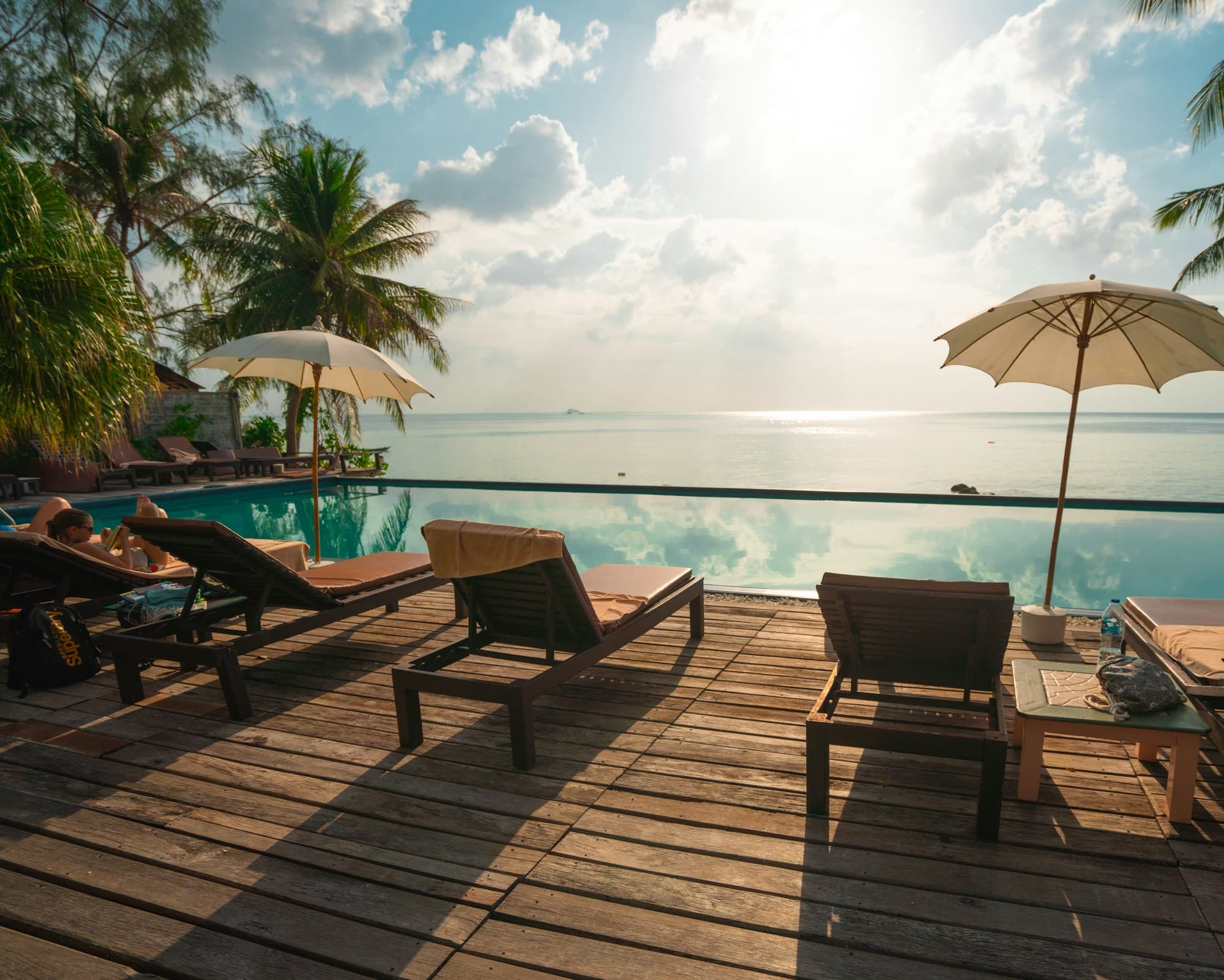
Luxury lodge deck with loungers and umbrellas at golden hourComfort

Lake Kariba · Bumi Hills

Hilltop Lake-View Lodge

Lodge

High on the hills above the southern shore near Bumi Hills, lodges in this style have sweeping views over Lake Kariba toward its flooded forest and distant islands. Rooms are comfortable rather than lavish, and boat trips, fishing and sunset cruises leave from the shore below.

  • Panoramic lake views from rooms and the pool deck
  • Boat safaris and tigerfish fishing
  • Sunset cruises among the drowned trees
  • Easy light-aircraft access via nearby airstrips

Ideal for: Travelers who want lake views, fishing and a relaxed pace at a moderate price level
Sunset silhouettes over Lake KaribaPremium

Lake Kariba · Matusadona shoreline

Crewed Private Houseboat

Houseboat

A houseboat chartered for your party alone, with a skipper, cook and crew, cruises slowly along the Matusadona shoreline and moors in a quiet bay each evening. Cabins are compact, the top deck is for meals and sunsets, and a tender boat takes you closer to elephants on the shore, into drowned-forest creeks or out fishing.

  • Private charter for your party only
  • Skipper, cook and crew on board
  • Tender boat for game viewing and fishing
  • Sun deck for meals and sunsets

Ideal for: Families and multi-generation groups who want their own space, flexible days and life on the water

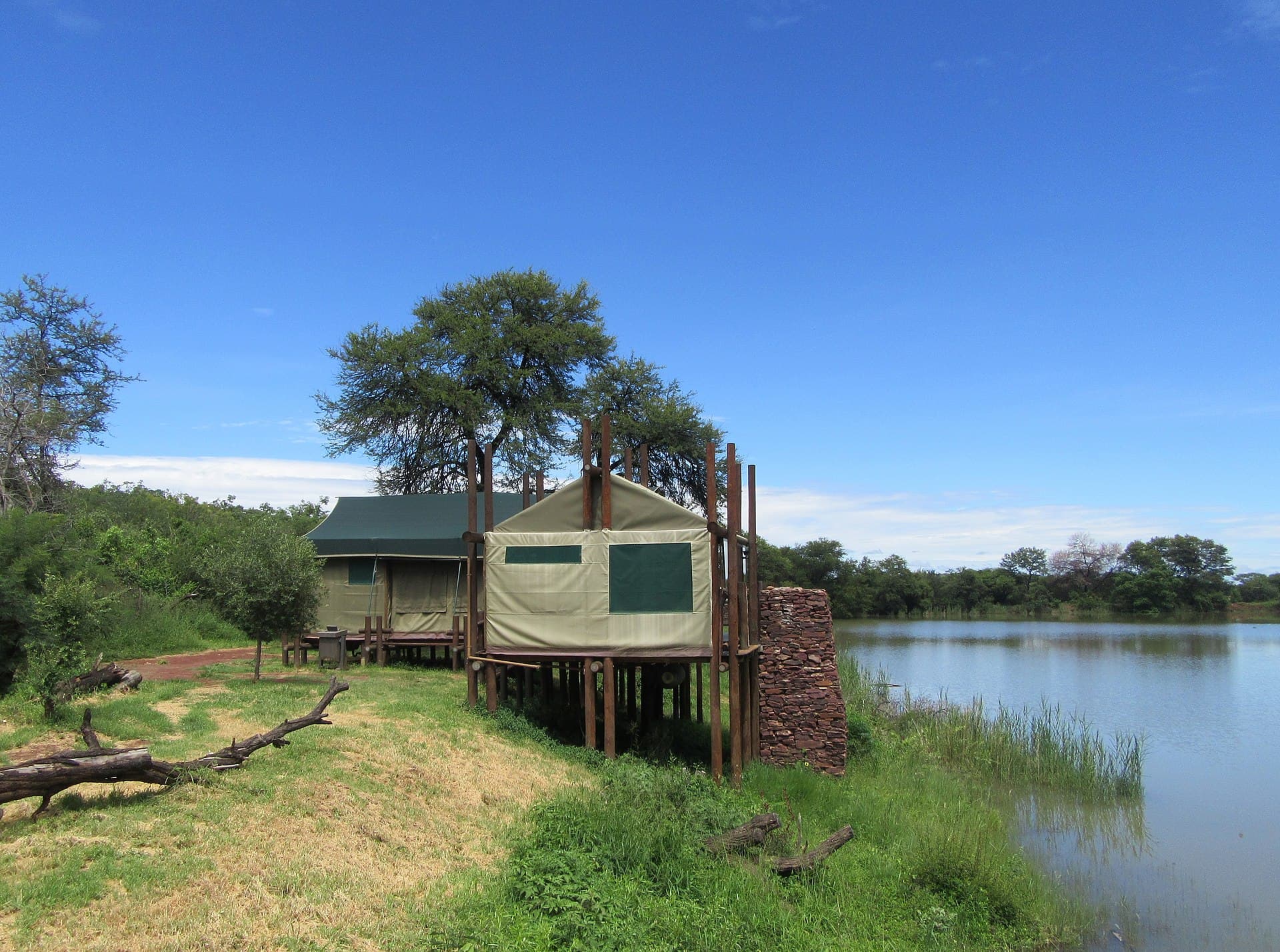
A canvas safari tent set among trees at a private tented campLuxury

Lake Kariba · Matusadona

Matusadona Lakeshore Camp

Tented camp

On the edge of Matusadona National Park, where lakeshore grasslands meet the water, a small tented camp puts you in the path of grazing elephants, buffalo and hippos coming ashore at dusk. Boat safaris, walks with a professional guide and fishing are all on offer, and the park’s newly returned wild dogs and black rhino add a conservation story to your stay.

  • Tents or chalets facing the lake
  • Game viewing by boat and on foot
  • Tigerfish fishing from the camp boats
  • Very few guests on this stretch of shore

Ideal for: Couples and returning travelers who want water, walking and remoteness in one camp

Experiences

Experiences

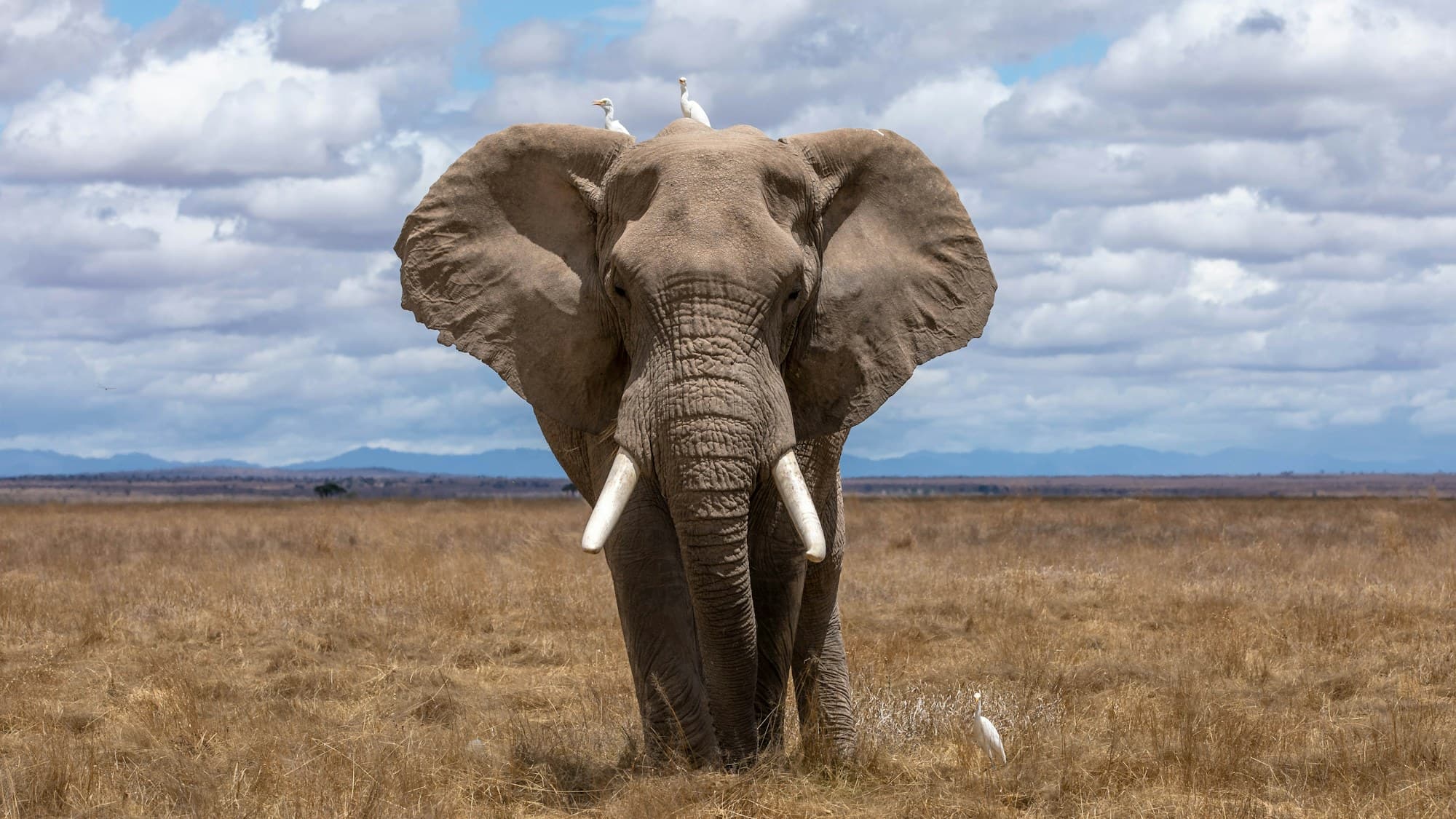
Elephant with white egrets standing front-on in open grassland under a wide sky

On foot

Walking Safaris in Zimbabwe

Walk the bush with some of Africa’s most rigorously trained guides, from Mana Pools’ floodplain to the rhino country of Matobo.

Good to know

Frequently asked questions

Is a houseboat or a lodge better on Lake Kariba?

A houseboat wins on privacy, flexibility and time on the water, and suits families and groups who want their own crew. A lakeshore camp in Matusadona is better for walking, drives and a deeper wildlife experience. A hilltop lodge suits travelers who put views and comfort first.

Can you swim in Lake Kariba?

No. Crocodiles and hippos live along every shore, and health authorities generally advise against swimming in freshwater lakes in the region because of parasitic infection. Cool off in a lodge pool or on the houseboat deck instead.

What was Operation Noah on Lake Kariba?

As the lake filled between 1958 and 1963, rangers led by Rupert Fothergill rescued thousands of animals stranded on shrinking islands, ferrying or herding them to the mainland. The operation drew attention around the world, and Fothergill Island off the Matusadona shore is named after him.

When is the best time to visit Lake Kariba?

August to October is best for wildlife, when the dry season pulls game to the shoreline, though October is very hot. April to July is cooler and lovely for houseboats, with game more scattered. The rainy months are humid and quiet.

Will I see rhino in Matusadona?

Not reliably yet. Black rhino were reintroduced in June 2026, and newly released animals are closely monitored while they settle. Treat any sighting as a rare bonus for now; Matobo is the place in Zimbabwe to track rhino on foot.

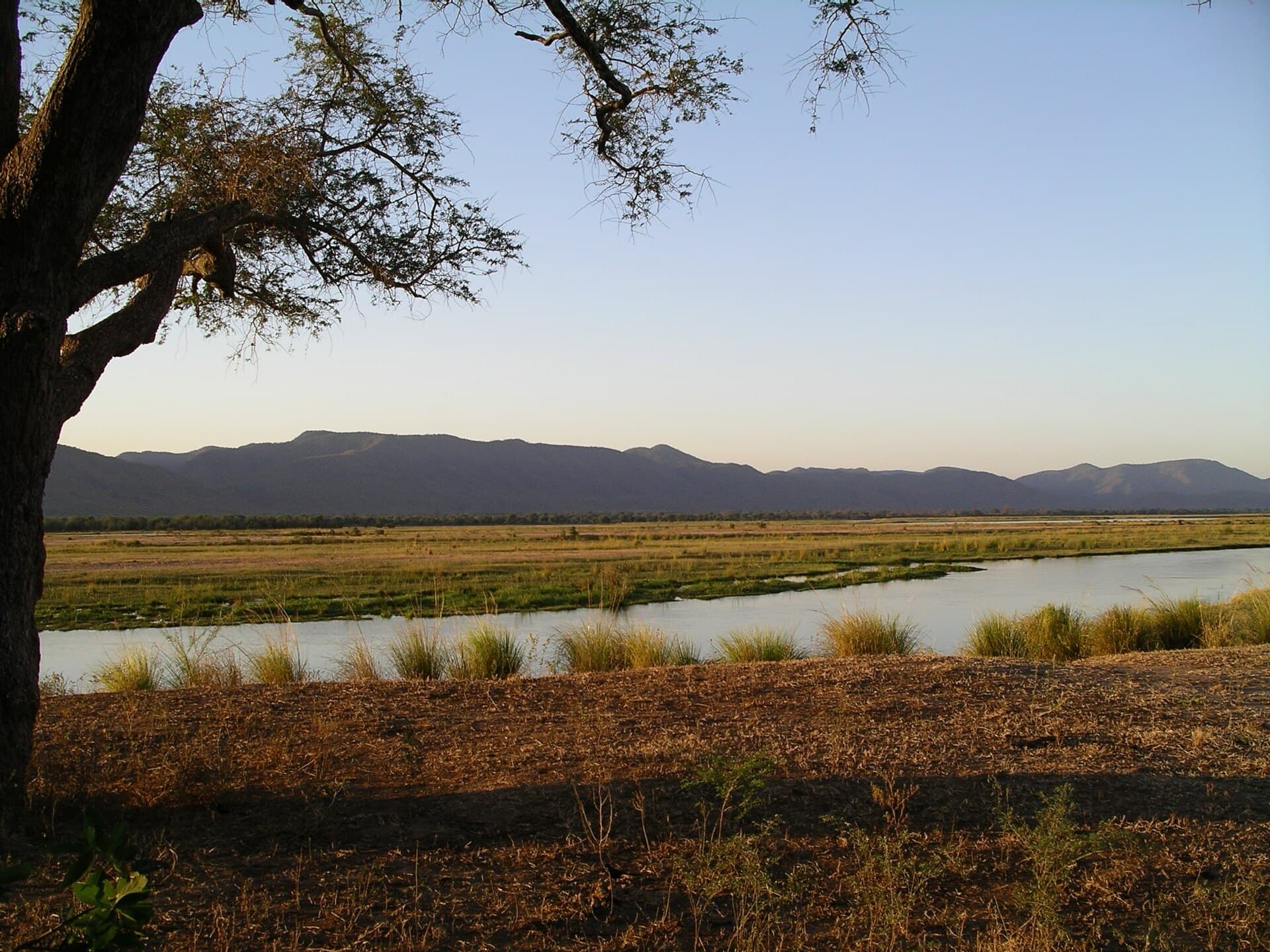
Floodplain and mountains of Mana Pools at dusk

Start With Your Dates

Tell us when you can travel, who is coming and whether you picture the falls, a canoe on the Zambezi or rhino tracks in the Matobo Hills. We’ll design a private Zimbabwe journey around it, and nothing is booked until you approve it.

Plan my safari here