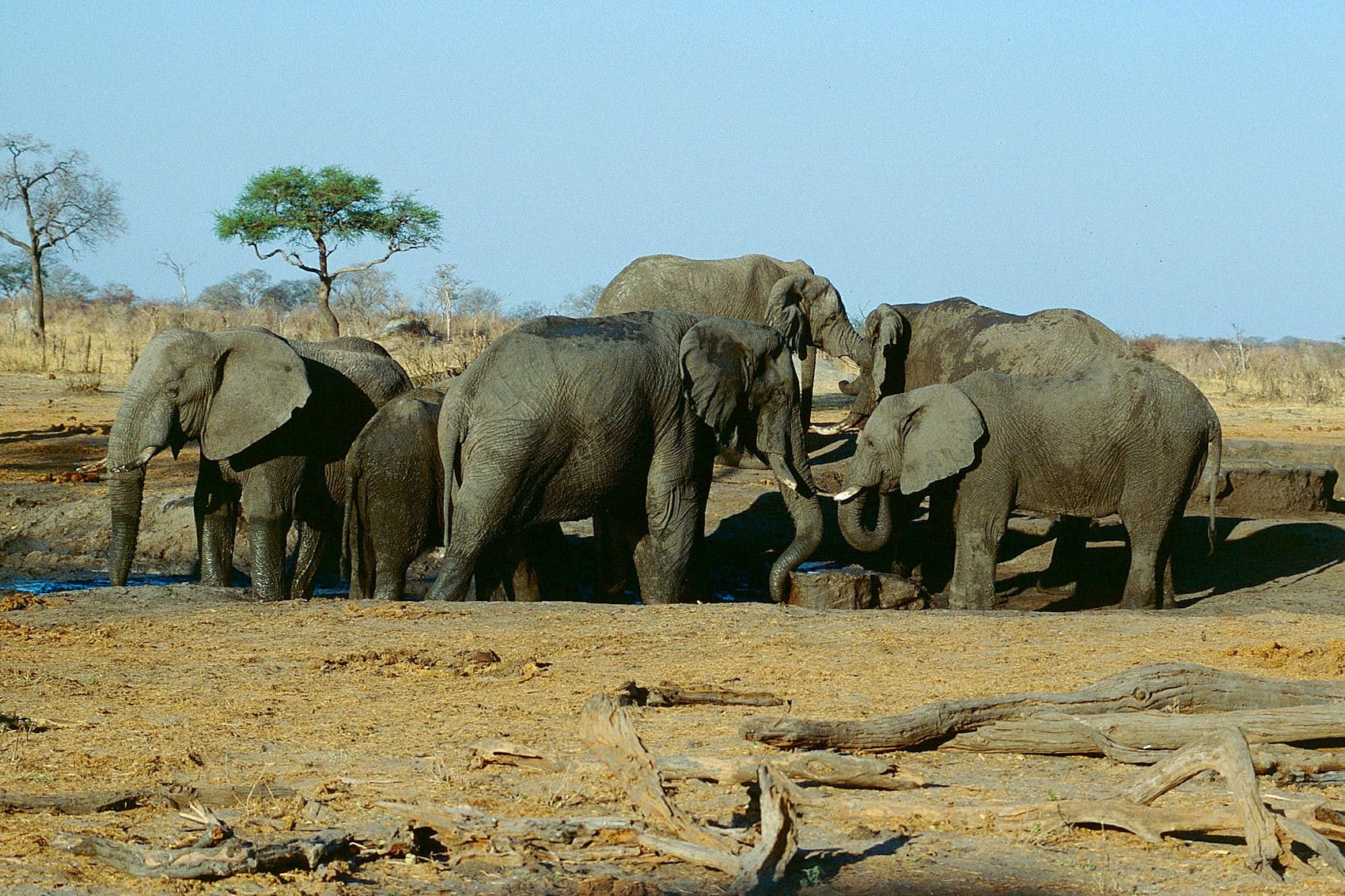
Elephants shoulder to shoulder at a Hwange waterhole

Destination guide

Hwange National Park Safaris

Zimbabwe’s largest park, where Kalahari sand, teak woodland and open vleis hold the country’s biggest elephant herds and the dry season revolves around pumped waterholes.

SizeAbout 14,650 km² (roughly 5,650 sq mi), Zimbabwe’s largest park
Best timeJuly–October for concentrated game; November–April for green season and birds
Recommended stay3–4 nights; two camps if you have 5 or more
Getting thereAbout 2.5–3 hours by road from Victoria Falls, or a short light-aircraft flight
Known forHuge elephant herds at pumped pans, sable and roan, painted dogs
Best forFirst safaris with the falls, photographers and walkers

Hwange National Park

Why Visit

Hwange National Park spreads across about 14,650 km² of Kalahari sand, teak and mopane woodland and open grassy vleis in Zimbabwe’s northwest. It is the country’s largest park and home to its biggest elephant population, widely cited at around 45,000; the 2022 KAZA aerial survey found Hwange’s numbers broadly stable. Late in the dry season, breeding herds file down to the pans one after another, and an afternoon parked at a single waterhole can be the most absorbing few hours of your trip.

Water is what makes Hwange unusual. Once the rains end there is little natural surface water, so much of the wildlife depends on boreholes that pump groundwater into the pans. Friends of Hwange, working alongside ZimParks, maintains solar-powered pumps, many now fitted with batteries so they keep running at night. That is why the action gathers around the pans from about July to October — and why a camp’s position, and which pans it can reach, matters so much.

Hwange is also a place where Zimbabwe’s guiding shines. In the private concessions of the southeast, fully licensed professional guides can take you out on foot, and some camps have ground-level hides where elephants drink just a few meters from your lens. Read more about walking safaris in Zimbabwe, or see how three nights here fit the 12-day Grand Zimbabwe route.

Best for

  • Big elephant herds and waterhole photography
  • A first safari paired with Victoria Falls
  • Walking with a fully licensed guide inside a private concession
  • Travelers hoping for painted dogs, sable and roan

Hwange National Park

Wildlife & Highlights

  • Elephant breeding herds crowding the dry-season pans
  • Large buffalo herds on the southeastern vleis
  • Lion, often hunting around the pans at night and dawn
  • Painted dogs (African wild dogs), wide-ranging and never assured
  • Sable and roan antelope in the woodland and along the vleis
  • Leopard, spotted hyena and, more rarely, cheetah
  • Giraffe, zebra, kudu, eland and blue wildebeest
  • Southern ground hornbills, kori bustards and vultures at the pans

Season

Best Time to Visit

  1. January
  2. February
  3. March
  4. April
  5. May
  6. June
  7. July
  8. August
  9. September
  10. October
  11. November
  12. December
May–JuneEarly dry season. Natural pans still hold rainwater, so game is spread through the woodland, but the grass is dying back and visibility improves by the week. Cool nights and mild, clear days.
July–OctoberPeak season. Natural water runs out and elephant, buffalo and predators converge on the pumped pans; September and October bring the densest gatherings and real heat. In a dry year, demand at the pans can outstrip supply by late October — dramatic viewing, and sometimes hard to watch.
November–AprilGreen season. Rain fills the natural pans and the herds disperse across the park. Lush scenery, newborn antelope and migrant birds, with lower rates at many camps. Sand tracks can become heavy going, and game takes more finding than in the dry months.

Hwange National Park

Areas to Know

Southeast: Main Camp, Ngamo & Linkwasha

Hwange’s best-known corner lies close to the Victoria Falls road. Open vleis and a string of pumped pans hold big herds, and the private concessions here — home to most of the top camps — allow walking with professional guides and see far fewer vehicles than the public roads around Main Camp. Main Camp itself is the ZimParks headquarters, with the park’s airport nearby.

Best for: A first Hwange stay and walking from camp

Northwest: Sinamatella & Robins

Rugged and far less visited, the northwest feels like a different park. Sinamatella sits on a hilltop with long views over a river valley, while the Robins area, toward the Botswana border, has open plains and a serviced airstrip. Expect fewer camps, rougher roads and a stronger sense of having the bush to yourself. Robins is about 110 km from Victoria Falls via the Pandamatenga road.

Best for: Returning travelers and anyone who values solitude

Painted dogs & the conservation centre at Dete

Zimbabwe holds only about 700 painted dogs, according to Painted Dog Conservation, which is based at Dete on Hwange’s edge. Packs roam huge ranges, so sightings are never assured; your best chance is during denning, roughly June to August, when a pack is tied to one area for a few months. A stop at the centre on the road from Victoria Falls shows why these dogs are so vulnerable to snares and roads, and how rehabilitation and community work help.

Best for: Conservation-minded travelers and families

Hwange National Park

Getting There

Most travelers come from Victoria Falls. By road it is about 195 km — 172 km to the Cross Mabale turn-off and 23 km on to Main Camp, according to ZimParks — so allow about 2.5–3 hours on tar, then a game drive to your camp. Light aircraft land at Hwange National Park Airport near Main Camp and at private concession strips, and scheduled services have linked Hwange with Victoria Falls and Kariba (check current schedules). Chobe in Botswana is a day trip from Victoria Falls rather than from Hwange; if you want both, see Botswana safaris and plan a night at the falls in between.

Drive or fly?

Drive if you are arriving from Victoria Falls with time to spare: the road is tarred, the scenery shifts from riverine forest to Kalahari woodland, and you pass the painted-dog centre. Fly if your camp is deep in the southeastern concessions, where the road adds a slow sand-track transfer, or if Hwange sits mid-route between the falls and Lake Kariba or Mana Pools — there, flying is the only sensible option.

Airstrips & airports

  • Hwange National Park Airport (near Main Camp)
  • Robins Camp airstrip (northwest)
  • Private concession airstrips (southeast)

Typical travel times

Victoria Falls to Main Camp
About 2.5–3 hours (about 195 km)
Victoria Falls to Robins Camp
About 2–2.5 hours (about 110 km)
Bulawayo to Main Camp
About 4 hours (about 306 km)
Hwange to Lake Kariba
About 1–1.25 hours by light aircraft

Stays

Where to Stay

Hwange stays range from comfortable lodges near Main Camp, with pools and easy road access, to tented camps facing pumped pans and exclusive-use safari houses in the southeastern concessions. A camp’s position counts for more than its finishes here: a tent looking over a busy pan turns lunch into game viewing. With five nights or more, pairing a southeast concession with a second camp elsewhere in the park adds real variety.

Luxury lodge deck with loungers and umbrellas at golden hourComfort

Hwange · Main Camp area

Park-Edge Safari Lodge

Lodge

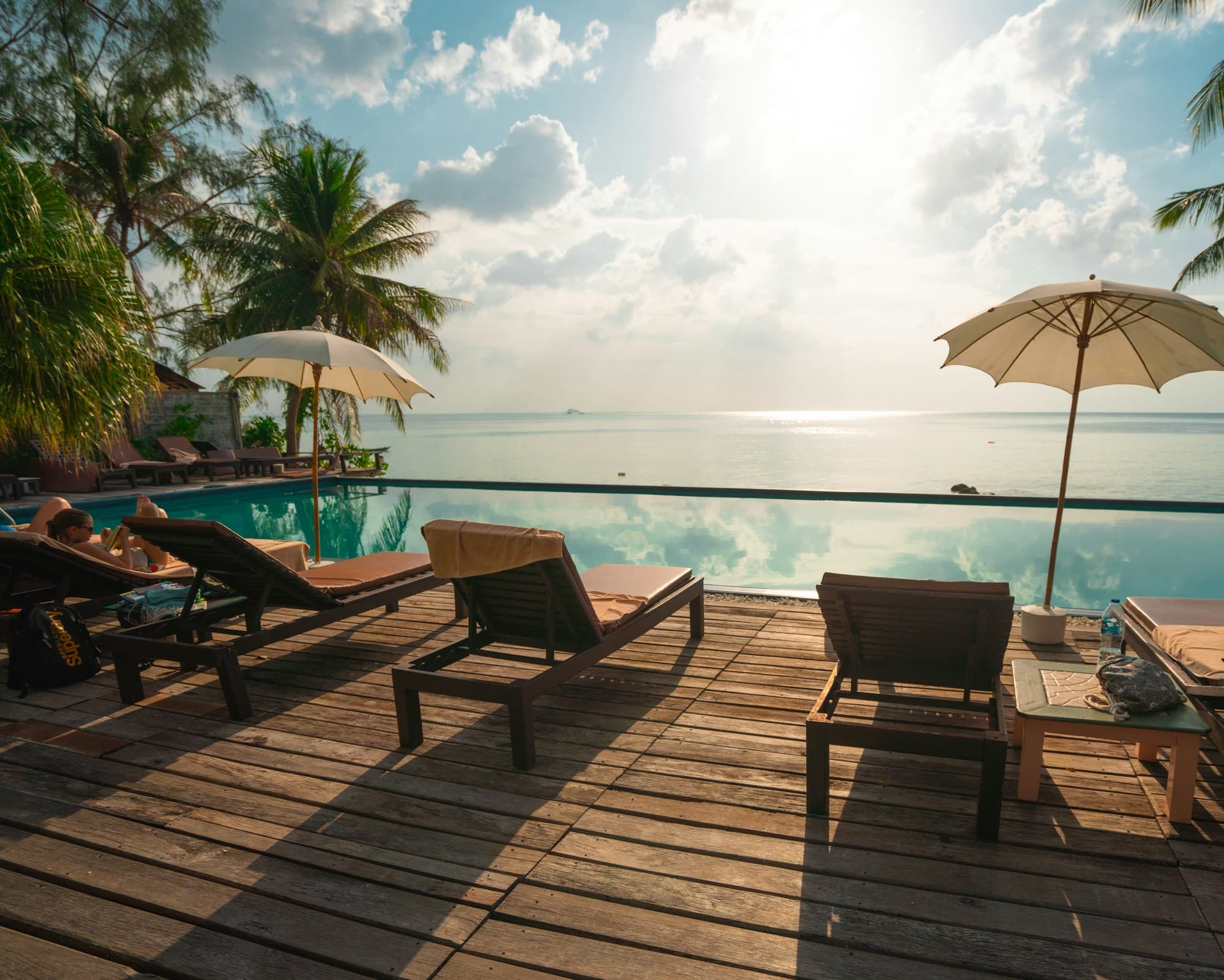
Just outside the Main Camp entrance, lodges in this style offer comfortable rooms, a pool and a waterhole in view of the bar, with the park’s pans a short drive away. They make the most of the tarred road from Victoria Falls and suit travelers who want Hwange’s elephants without the higher rates of the private concessions.

  • Waterhole in view of the main deck at many
  • Pool for the midday heat
  • Game drives into the Main Camp section
  • Straightforward road access from Victoria Falls

Ideal for: Families and first-time visitors who want easy access, a pool and good-value game viewing
A canvas safari tent set among trees at a private tented campPremium

Hwange · pumped pans

Pan-Side Tented Camp

Tented camp

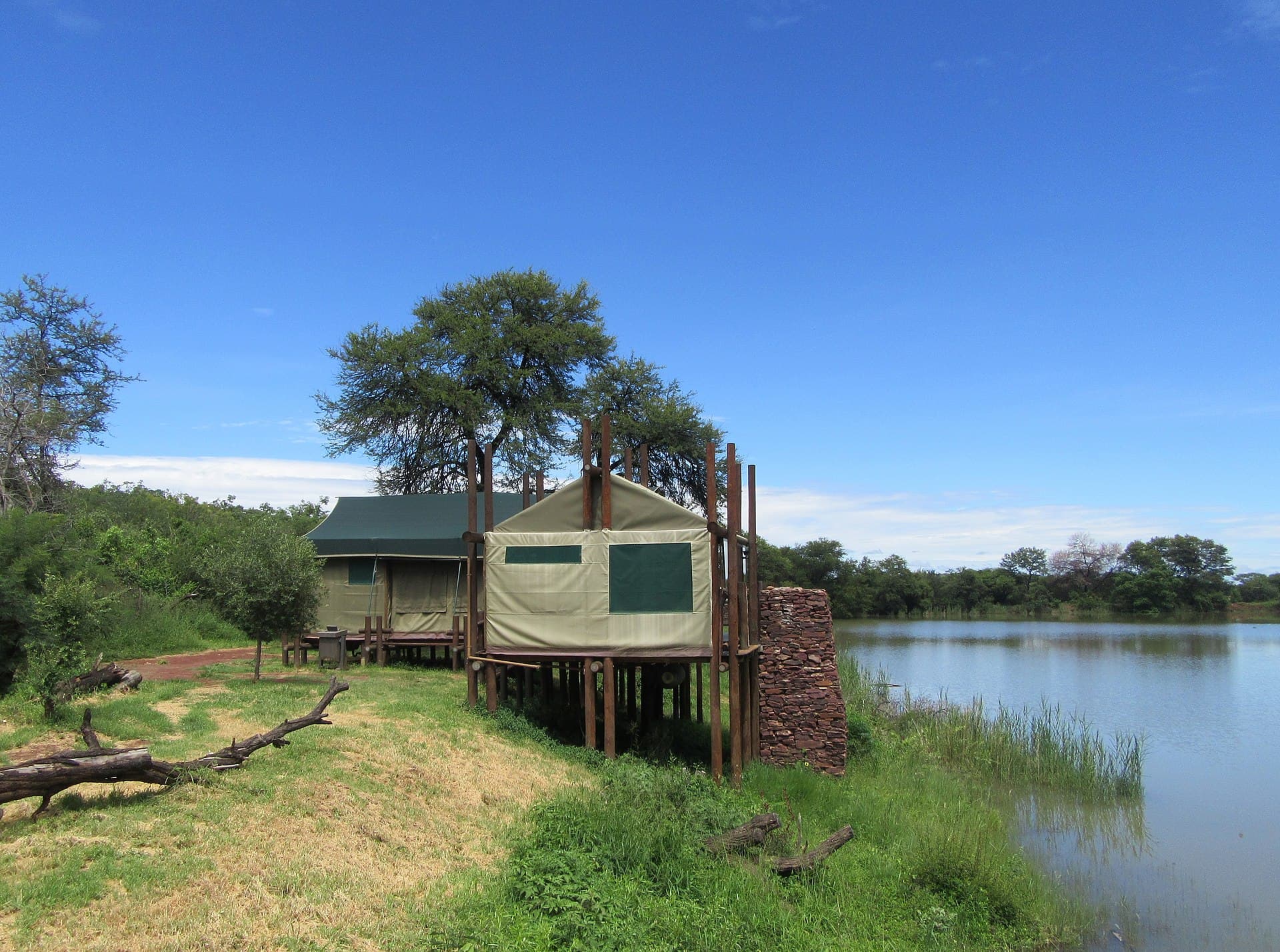
Canvas tents on raised platforms look straight out over a pan kept full through the dry season by a solar-powered borehole, so the wildlife comes to camp as much as you go out to find it. Days are split between drives across the vleis, walks with a professional guide and quiet hours watching elephant herds arrive to drink.

  • Tents overlooking a pumped waterhole
  • Ground-level hide at some camps
  • Guided walks and game drives
  • Small numbers of guests

Ideal for: Photographers and returning travelers who want waterhole action from the veranda and the option to walk

A canvas safari tent set among trees at a private tented campLuxury

Hwange · southeast private concession

Southeast Concession Tented Camp

Tented camp

In the private concessions of Hwange’s southeast, these camps pair large, elegant tents with exclusive traversing over open vleis and pans, so you rarely share a sighting. Guiding is typically of a very high standard, and walks, sundowners at the pans and long lunches on shaded decks set the rhythm of each day.

  • Spacious tents with indoor and outdoor showers
  • Exclusive traversing in a private concession
  • Walks with licensed professional guides
  • Hides and viewing decks over the pans

Ideal for: Couples and keen wildlife watchers who want exclusivity, walking and exceptional guiding in Hwange

Luxury lodge deck with loungers and umbrellas at golden hourLuxury

Hwange · exclusive-use

Exclusive-Use Safari House

Lodge

A private house in a remote corner of Hwange, booked by one family or group at a time, comes with its own guide, vehicle, chef and staff, so meals and activities follow your timetable rather than a camp’s. Bedrooms open onto a shared deck and pool facing a waterhole, which works well for young children who need a midday nap.

  • Sole use of the house, guide and vehicle
  • Private chef and flexible mealtimes
  • Pool and deck overlooking a waterhole
  • Activities timed around children

Ideal for: Families and friends traveling together who want privacy and full control over the day

Experiences

Experiences

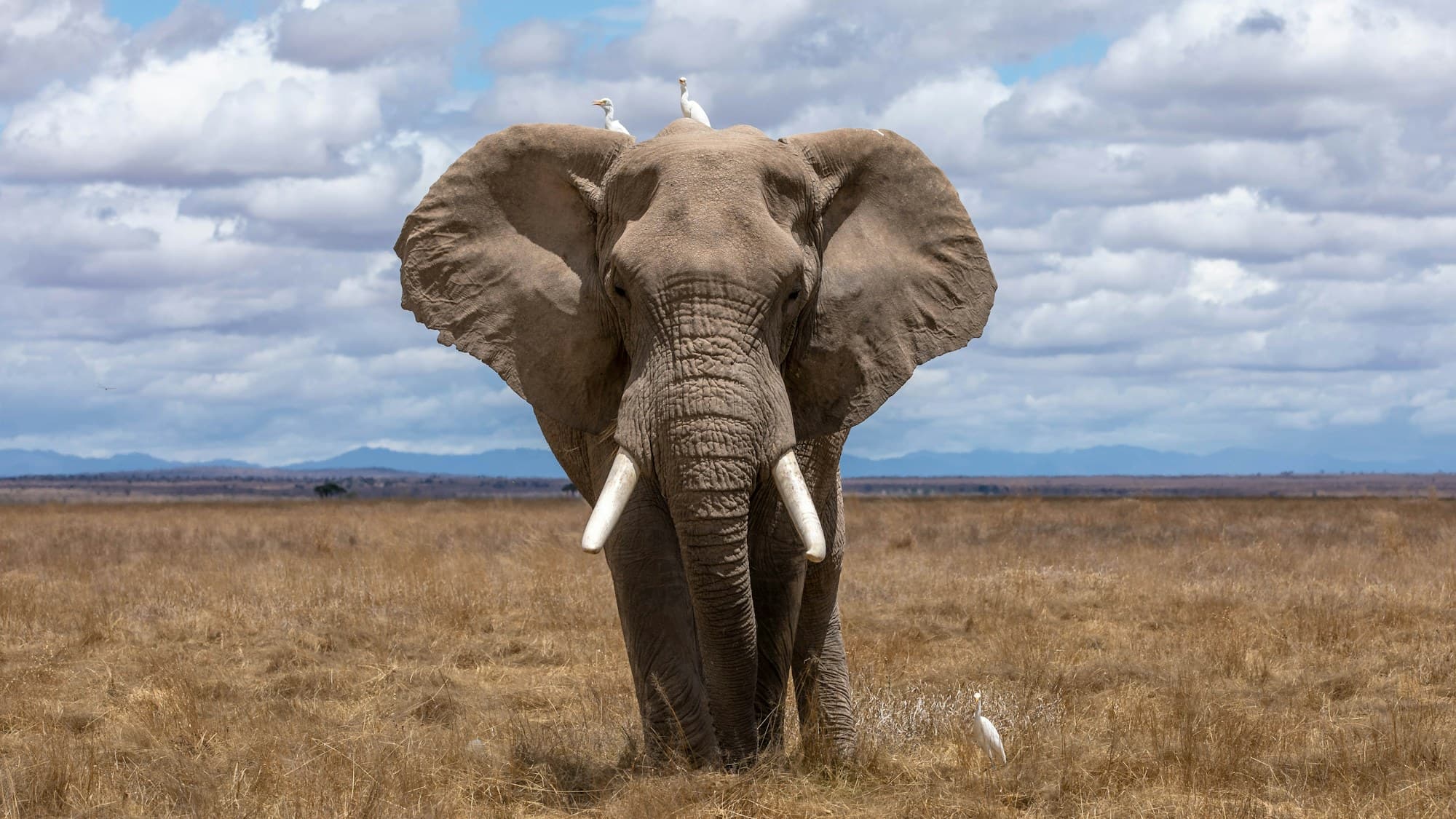
Elephant with white egrets standing front-on in open grassland under a wide sky

On foot

Walking Safaris in Zimbabwe

Walk the bush with some of Africa’s most rigorously trained guides, from Mana Pools’ floodplain to the rhino country of Matobo.

Safaris

Safaris That Go Here

Elephants shoulder to shoulder at a Hwange waterhole
12 daysComplete Zimbabwe

Grand Zimbabwe

Victoria Falls · Hwange National Park · Matusadona · Mana Pools · Harare

Returning or ambitious safari travelers who want Zimbabwe’s full range — falls, big herds, open water and walking — in one private trip

Best months
May–October
Comfort levels
Premium · Luxury · Ultra-Luxury
Individually quoted

Good to know

Frequently asked questions

How many days should I spend in Hwange National Park?

Three nights is the minimum to do Hwange justice, and four lets you slow down at the pans. With five or more, split your stay between two camps in different parts of the park, such as a southeast concession and the quieter northwest.

When is the best time to visit Hwange?

July to October, when the natural pans have dried and animals concentrate around pumped water. September and October are the most intense and the hottest. The green season from November to April is beautiful and quieter, but herds disperse and game is harder to find.

Are Hwange’s waterholes artificial?

Many are. With little natural surface water in the dry season, boreholes pump groundwater into pans across the park, run largely by Friends of Hwange with ZimParks. The pans sustain much of the wildlife through the dry months, and their placement shapes where elephants gather.

Will I see rhino in Hwange?

Don’t plan a Hwange stay around rhino; sightings are rare. If rhino matter to you, add Matobo National Park near Bulawayo, where you can track white and black rhino on foot with an armed ZimParks scout.

Can I see painted dogs in Hwange?

Possibly. Hwange is one of Zimbabwe’s strongholds for painted dogs, but packs range widely and sightings are never certain. Denning season, roughly June to August, gives the best odds, and a visit to the conservation centre at Dete is a rewarding stop either way.

Can you drive from Victoria Falls to Hwange?

Yes. It is about 195 km on tar to Main Camp, roughly 2.5–3 hours, with a further drive to most private camps. Many travelers drive in with their guide and fly out to Lake Kariba or Mana Pools.

Floodplain and mountains of Mana Pools at dusk

Start With Your Dates

Tell us when you can travel, who is coming and whether you picture the falls, a canoe on the Zambezi or rhino tracks in the Matobo Hills. We’ll design a private Zimbabwe journey around it, and nothing is booked until you approve it.

Plan my safari here