Destination guide

Pemba Island: Zanzibar’s Green, Quiet North

Hills of clove trees, mangrove creeks and a deep channel of walls and drifts — Pemba is the part of the archipelago for travelers who would trade a busy beach for solitude.

SizeAbout 985 km², some 67 km long
LocationAbout 50 km north of Unguja, across the Pemba Channel
Best timeJuly–October for the clearest diving; December–February also good
Recommended stay3–4 nights; 5 for keen divers
AccessAbout 30 minutes by air from Zanzibar; flights also from Dar es Salaam
Known forWall and drift diving, Misali’s reefs, Ngezi Forest, cloves and the Pemba flying fox

Pemba Island

Why Visit

Pemba Island lies about 50 km north of Unguja across the Pemba Channel. At some 67 km long and about 985 km², it is smaller than its neighbor but hillier and far greener — it is often called the Green Island — with valleys of clove and mango trees, rice paddies and mangrove creeks. It is part of Zanzibar, yet it feels a world away from Nungwi’s beach bars: there are only a handful of lodges, few restaurants outside them and almost no tourist traffic.

What Pemba gives up is easy beach time: its shores are very tidal, and many lodges sit on lagoons reached by boat. What it offers is serious diving on the walls and fast drifts of the Pemba Channel, a trench roughly 1,000 m deep that suits experienced divers, plus the protected reefs of Misali Island for snorkelers and gentler dives. On land there is Ngezi Forest, the endemic Pemba flying fox and a small cast of endemic birds, and a quiet rural culture built around cloves.

Pemba is more conservative and less used to visitors than Unguja, so dress modestly everywhere — in villages and markets as well as town — and ask before photographing people. It also falls under Zanzibar’s mandatory inbound travel insurance, just like the main island. Most travelers fly the 30 minutes from Zanzibar, and Pemba is the middle stop of the 10-day Zanzibar, Pemba and Mafia island-hopping journey; divers should read our snorkeling and diving guide to match sites to their level.

Best for

  • Experienced divers
  • Return visitors to Zanzibar who want solitude
  • Birders and naturalists
  • Couples who prefer seclusion to nightlife

Pemba Island

Wildlife & Highlights

  • Wall and drift dives along the Pemba Channel for experienced divers
  • Misali Island’s reefs, with more than 300 fish and 40 coral species recorded
  • The endemic Pemba flying fox, a fruit bat with a wingspan of about 1.6 m
  • Ngezi Forest, one of the island’s last stands of indigenous forest
  • Endemic birds, including the Pemba green pigeon and Pemba scops owl
  • Clove plantations — around 3.5 million trees, most of Zanzibar’s crop
  • Green and hawksbill turtles nesting on Misali
  • Market towns at Chake Chake, Wete and Mkoani

Season

Best Time to Visit

  1. January
  2. February
  3. March
  4. April
  5. May
  6. June
  7. July
  8. August
  9. September
  10. October
  11. November
  12. December
July–OctoberThe dry season and the peak for diving, with the clearest water on the channel walls. The south-east trade winds can make open-water crossings lively, so dive plans follow the conditions day by day.
November–FebruaryWarm and mostly calm, broken by short rains around November. The sea warms toward 29 °C and diving stays good on calm days; a lovely, quiet time for the lagoon lodges.
March–JuneThe long rains, heaviest in April, when some lodges close altogether. Roads turn muddy, visibility drops and most travelers leave Pemba until the dry season returns.

Pemba Island

Areas to Know

The north-west and Ngezi

Most of Pemba’s dive-focused lodges sit on the north-west coast, close to Ngezi Forest and the reefs off the island’s northern tip. Ngezi’s tall, humid forest is a protected reserve where guided trails reveal endemic birds and, with patience, the island’s shy wildlife, and the nearby beaches are among Pemba’s longest. This is the easiest base for daily dive trips.

Best for: Divers and forest walks

Misali Island and the west-coast lagoons

Misali, about 10 km west of Chake Chake, is a 1 km² island ringed by coral and protected within the Pemba Channel Conservation Area (PECCA). Its name comes from the Swahili for prayer mat, after a local legend, and since the 1990s imams have helped fishermen protect its reefs by citing the Quran. The mangrove-lined lagoons along this coast are where Pemba’s luxury lodges hide, often reachable only by boat.

Best for: Snorkeling, turtles and secluded lodges

Chake Chake, Wete and Mkoani

Pemba’s three main towns are working market towns rather than sights. Chake Chake, near the airport, is the regional capital; Wete, in the north, is the largest; and Mkoani, in the south, is the ferry port. A guided visit to a market or a clove-drying yard gives you a real sense of everyday island life.

Best for: Markets and everyday island culture

Clove country

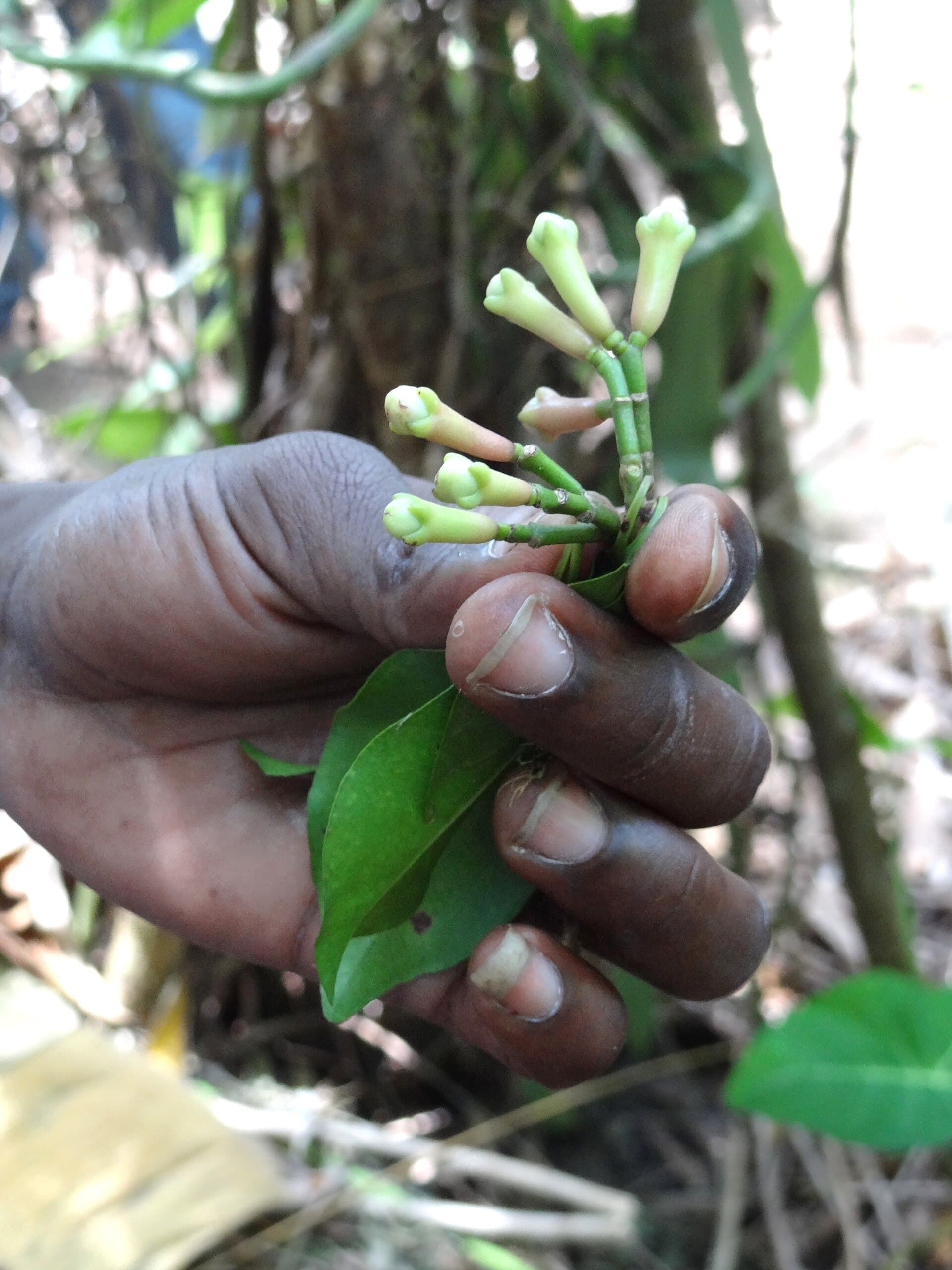
Pemba grows the great majority of Zanzibar’s cloves on hills planted with millions of trees. At harvest, families pick the unopened buds by hand and spread them on mats by the roadside to dry, and the scent drifts through the villages. Harvest timing shifts with the rains, so ask us before you travel if you would like to see it — and pair it with a spice farm tour near Stone Town.

Best for: Spice lovers and photographers

Pemba Island

Getting There

Scheduled light aircraft fly from Zanzibar to Pemba Airport, near Chake Chake, in about 30 minutes, with services also from Dar es Salaam and Arusha. From the airport, most lodges are a road transfer of up to about 1.5 hours, sometimes followed by a short boat ride. Ferries link Unguja and Pemba in roughly 3–4 hours or more, but schedules vary and the route has a painful history — the 2011 sinking of the MV Spice Islander on this crossing was one of Tanzania’s worst disasters — so we arrange flights. Plan on about 15 kg of luggage in soft bags; connections are covered in getting to Zanzibar.

Drive or fly?

Fly. The half-hour flight from Zanzibar replaces a long sea crossing that is often rough in the trade-wind months and has a poor safety record, and it lands you close to the lodges. Once on Pemba, roads are slow and winding, so we keep excursions within easy reach of your lodge and use boats where they are quicker.

Airstrips & airports

  • Pemba Airport (near Chake Chake)

Typical travel times

Zanzibar (by air)
about 30 minutes
Dar es Salaam (by air)
about 1 hour, sometimes via Zanzibar
Pemba Airport to north-west coast lodges
about 1–1.5 hours by road
Chake Chake area to Misali (by boat)
roughly 30–45 minutes

Stays

Where to Stay

Pemba has only a handful of places to stay, and each has a strong personality: dive-focused lodges on the north-west coast with dive centers on site, and a few secluded luxury lodges on west-coast lagoons, reached by boat, with room to disappear. Expect simpler logistics and less choice than on Unguja, and check seasonal closures, since some lodges shut around April and May. Browse the styles among our Zanzibar accommodations.

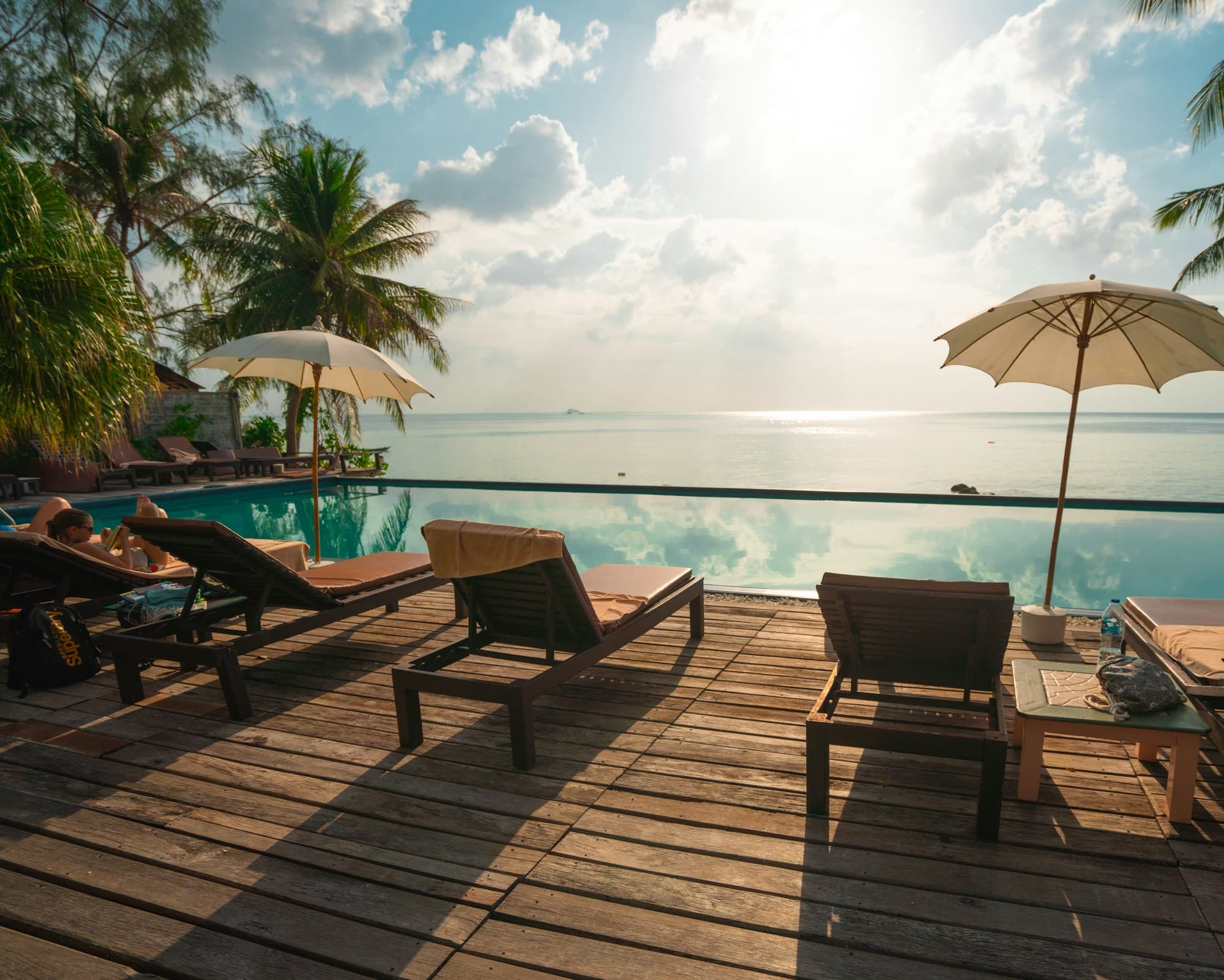
Luxury lodge deck with loungers and umbrellas at golden hourPremium

Pemba · north-west coast

Pemba Channel Dive Lodge

Lodge · Some Pemba lodges close around April–May

Built for people who come to Pemba to dive, lodges in this style sit on the north-west coast with an on-site dive center and boats heading out to the Pemba Channel’s walls and drifts. Rooms are simple and comfortable, the beach is very tidal, and evenings revolve around the day’s dives and an unhurried dinner.

  • Dive center with boats to the Pemba Channel
  • Simple bungalows or bandas near the shore
  • Trips to Misali Island and Ngezi Forest
  • Full board is typical

Ideal for: Experienced divers and keen snorkelers who value the reef over polish
Luxury lodge deck with loungers and umbrellas at golden hourLuxury

Pemba · west-coast lagoon, boat access

Pemba Lagoon Luxury Lodge

Lodge · Some Pemba lodges close around April–May

Reached by boat across a mangrove-fringed lagoon on Pemba’s west coast, lodges in this style are among the most secluded places to stay anywhere in the archipelago, with spacious villas, a spa and staff who plan each day around the tide. Misali’s reefs are close by, and after dark the only sound is the wind in the palms.

  • Spacious villas or bandas facing the lagoon
  • Boat transfers and excursions timed to the tide
  • Spa and fine dining
  • Diving and snorkeling at Misali and in the Pemba Channel

Ideal for: Honeymooners and repeat visitors who want seclusion, water and quiet luxury

Experiences

Experiences

Marine life of the Mnemba atoll reefs

Ocean & reef

Snorkeling & Diving in Zanzibar

From Mnemba’s shallow gardens to Pemba’s deep walls and Mafia’s whale sharks — reefs matched to your level, the month and your flights.

Fresh cloves picked on a Zanzibar spice farm

Culture

Zanzibar Spice Farm Tour

Crush a clove bud, taste fresh nutmeg and learn why Zanzibar became the Spice Islands on a half-day farm walk inland from Stone Town.

Safaris

Safaris That Go Here

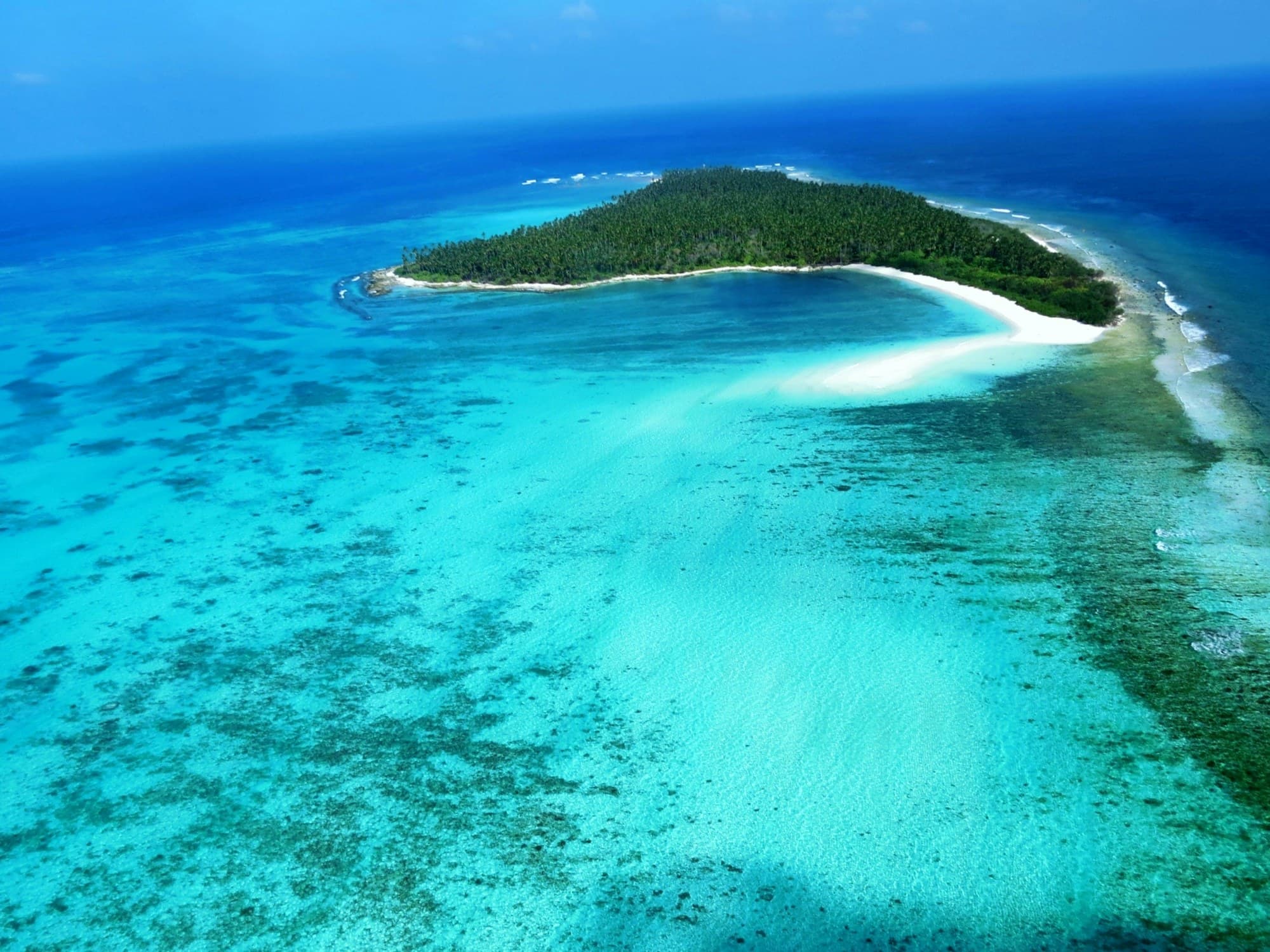
Aerial view of a turquoise reef and white-sand island in the Indian Ocean
10 daysDivers & explorers

Spice Islands Island-Hop

Stone Town · Pemba Island · Misali Island · Mafia Island · Dar es Salaam

Divers, snorkelers and repeat visitors who want the archipelago beyond Unguja’s beaches

Best months
October–February (whale-shark season on Mafia)
Comfort levels
Premium · Luxury
Individually quoted

Good to know

Frequently asked questions

Is Pemba better than Zanzibar’s main island?

It is different rather than better. Pemba has quieter, greener landscapes, more serious diving and almost no crowds, but fewer places to stay, very tidal beaches and little nightlife. Many travelers combine the two: a few nights on Unguja for Stone Town and easy beaches, then Pemba for the reefs and the silence.

Is Pemba good for beginner divers?

Parts of it are. The Pemba Channel’s walls and fast drifts are best left to experienced, confident divers, and some dive centers ask for a minimum number of logged dives. Beginners and snorkelers usually do well on the gentler, shallower reefs around Misali and inside the bays, where courses can be arranged.

How do you get from Zanzibar to Pemba?

The easiest way is a scheduled flight of about 30 minutes from Zanzibar’s airport to Pemba, followed by a road transfer to your lodge. Ferries exist but take several hours and schedules change, so we generally avoid them.

Do you need the Zanzibar travel insurance for Pemba?

Yes. Pemba is part of Zanzibar, so the mandatory inbound travel insurance sold by the Zanzibar Insurance Corporation applies there too. At the time of writing (September 2026) it costs US$44 per person and covers stays of up to 92 days; keep your own comprehensive policy with evacuation cover as well.

Where can you see the Pemba flying fox?

These large fruit bats, found nowhere else, roost in big trees in forests, mangroves and quiet village graveyards and fly out at dusk to feed. Community conservation brought them back from a few hundred animals in the early 1990s to around 29,000 by 2011. Your lodge can arrange an evening visit to a roost with a local guide.

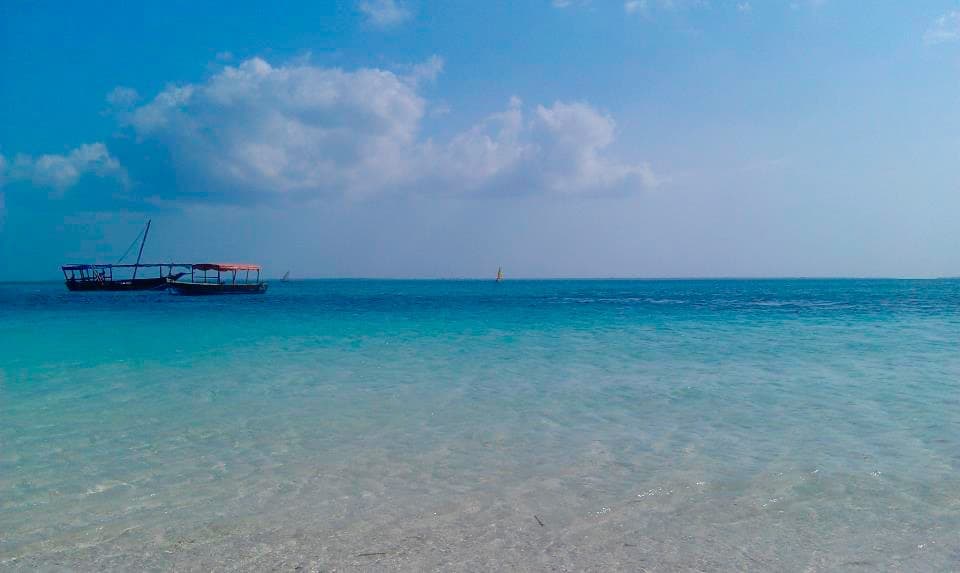
Turquoise water off Nungwi beach with a boat offshore

Tell Us When You’d Like to Be on the Island

Share your dates, who is traveling and what you want from Zanzibar — beaches, reefs, Stone Town or a safari first. We’ll suggest the right coast and design a private trip around you, with nothing booked until you approve it.

Plan my safari here