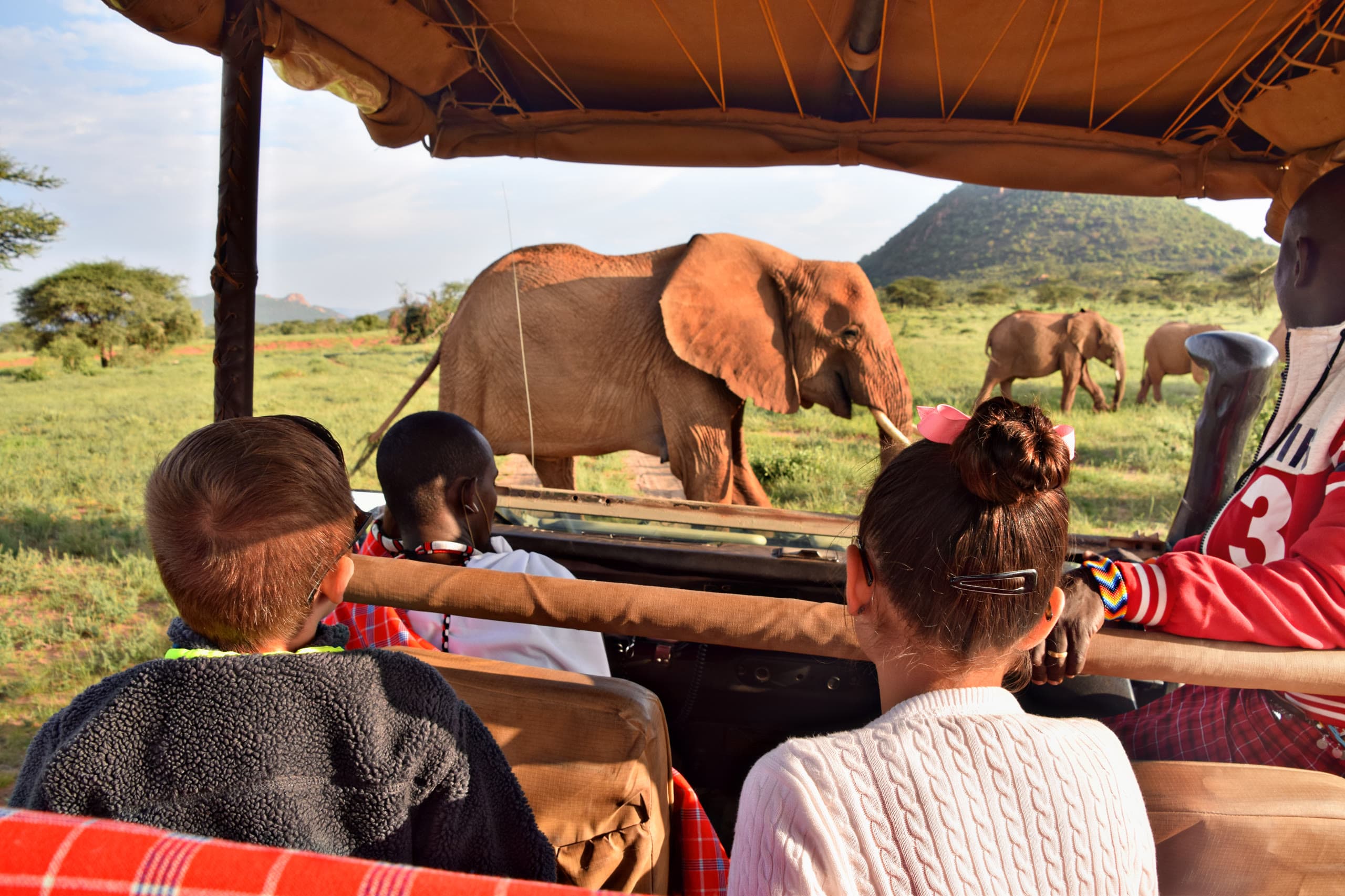
Safari guests watching a herd of elephants from an open vehicle on a family game drive

Destination guide

Madikwe Game Reserve and the Malaria-Free North

About 75,000 hectares of thornveld, open plains and rocky ridges on the Botswana border, restocked from 1992 and closed to day visitors.

SizeAbout 75,000 ha (about 290 sq mi)
Best timeMay–September for dry-season viewing; October–April is hot, green and good for young animals
Recommended stay3 nights
AccessAbout 4.5 hours by road from Johannesburg, or about an hour by light aircraft
MalariaNone under CDC mapping
Known forWild dog, no day visitors and family-friendly lodges

Madikwe & the Malaria-Free North

Why Visit

Madikwe Game Reserve covers about 75,000 hectares of thornveld, open plains and rocky ridges between Groot-Marico and the Botswana border, and takes its name from the Madikwe (Marico) River. It is young by African standards. Under Operation Phoenix, which began in 1992, whole breeding herds of elephant and buffalo were moved in, followed by black and white rhino, lion, cheetah, hyena and African wild dog, and the reserve opened in 1994. Today it counts about 66 large mammal species and some 300 birds.

Two things set Madikwe apart. It lies outside every malaria area on the CDC’s map, so it suits young children and anyone who would rather not take antimalarials. And the reserve admits no day visitors, so the only vehicles you meet belong to its lodges. It also supports what the reserve describes as three packs of wild dog, one of Africa’s most endangered carnivores, which draws repeat visitors as well as first-timers.

The reserve is about 4.5 hours by road from Johannesburg or Pretoria, or a short flight, and pairs neatly with Cape Town: that is the shape of our 9-Day Malaria-Free Family Safari. This page also covers the other safari options near Johannesburg, Pilanesberg and the Waterberg; for the country-wide picture, see malaria-free safaris in South Africa.

Best for

  • Families with young children who prefer to avoid malaria areas
  • A Big Five safari close to Johannesburg
  • Wild dog enthusiasts and repeat visitors
  • Pairing with Cape Town on a trip of a week to ten days

Madikwe & the Malaria-Free North

Wildlife & Highlights

  • African wild dog, with three packs reported by the reserve
  • Elephant, now well above the reserve’s carrying capacity
  • Lion and spotted hyena
  • Black and white rhino
  • Cheetah on the open plains
  • Leopard, present but harder to find than in the Lowveld reserves
  • Buffalo, giraffe, zebra, eland and red hartebeest
  • Around 300 bird species, including kori bustard and crimson-breasted shrike

Season

Best Time to Visit

  1. January
  2. February
  3. March
  4. April
  5. May
  6. June
  7. July
  8. August
  9. September
  10. October
  11. November
  12. December
May–SeptemberDry winter. Days are around 21 °C, nights can drop to about 3 °C, and animals gather at waterholes and dams as the bush dries out. Morning drives are cold, so children need hats, gloves and a warm jacket, but viewing is at its easiest.
October–AprilThe rainy season, with days around 32 °C and cooling afternoon storms. The reserve turns green, many animals have young and migrant birds arrive. Taller grass hides some species, and the heat suits families who build a pool break into the middle of the day.

Madikwe & the Malaria-Free North

Areas to Know

Madikwe Game Reserve

Madikwe’s lodges are scattered across the plains, thornveld and rocky hills of the reserve, and only their guests use its roads. Drives are led by lodge guides, and with no day visitors a sighting is rarely shared by more than a few vehicles. The reserve is candid about one challenge: elephants have grown from about 220 in the 1990s to more than 1,600 in 2025, far beyond what the vegetation can sustain, and the pressure shows in heavily browsed trees.

Best for: A malaria-free Big Five safari with an exclusive feel

Pilanesberg National Park

About 2–2.5 hours from Johannesburg, Pilanesberg covers 572 km² in the eroded root zone of an extinct volcano about 1.25 billion years old, with concentric rings of hills rising 300–600 m. Established in 1984 and run by the North West Parks and Tourism Board, it was stocked with the Big Five and sits beside a large resort complex. Its public roads are open to self-drivers and day visitors, so it is busier than Madikwe, but it is also malaria-free and easy to reach.

Best for: A short safari when time is limited

The Waterberg (Welgevonden)

Welgevonden, a 36,000-hectare Big Five reserve in the Waterberg mountains of Limpopo, is about 2.5 hours by road from Johannesburg or a 45-minute flight. Commercial guests may not self-drive, and more than 20 lodges share the reserve. It is often sold as malaria-free, but the CDC lists the Waterberg district as a low-risk area where it advises mosquito-bite precautions, so think of it as very low risk rather than risk-free. Nearby Marakele National Park holds one of the largest Cape vulture colonies, around 800 breeding pairs.

Best for: Mountain scenery with a short transfer

Madikwe & the Malaria-Free North

Getting There

The reserve’s own guidance is roughly 4.5 hours by road from Johannesburg or Pretoria, and a private transfer lets you stop whenever children need a break. Scheduled light-aircraft shuttles also serve Madikwe from Johannesburg in about an hour, landing close to the lodges. Most flights from the US reach Johannesburg in the evening, so a night near OR Tambo before heading to the reserve is usually the sensible plan, and a Johannesburg and Soweto heritage day can turn that stop into something worthwhile.

Drive or fly?

With children, the decision usually comes down to patience. The road is straightforward in daylight and lets you set your own stops, but four and a half hours is a long stretch for small travelers so soon after a long-haul flight. Flying costs more and restricts luggage to soft bags, yet puts you at the lodge in time for the afternoon drive. A good compromise is to fly in and drive out, timing the road trip to meet an onward flight to Cape Town.

Airstrips & airports

  • Madikwe airstrip (light-aircraft shuttles)
  • OR Tambo International, Johannesburg (JNB)

Typical travel times

Johannesburg or Pretoria to Madikwe
About 4.5 hours by road
Johannesburg to Madikwe by air
About 1 hour by light aircraft
Johannesburg to Pilanesberg
About 2–2.5 hours by road
Johannesburg to Welgevonden
About 2.5 hours by road or 45 minutes by air

Stays

Where to Stay

Madikwe’s lodges are private and all-inclusive, from family-oriented lodges with connecting rooms, pools and children’s activities to luxury lodges in the hills with plunge pools and wide views. Policies on young children vary more here than anywhere else in South Africa: some lodges take all ages on drives, while others set a minimum age or ask families to book a private vehicle. We check each lodge’s rules against your children’s ages before we suggest it.

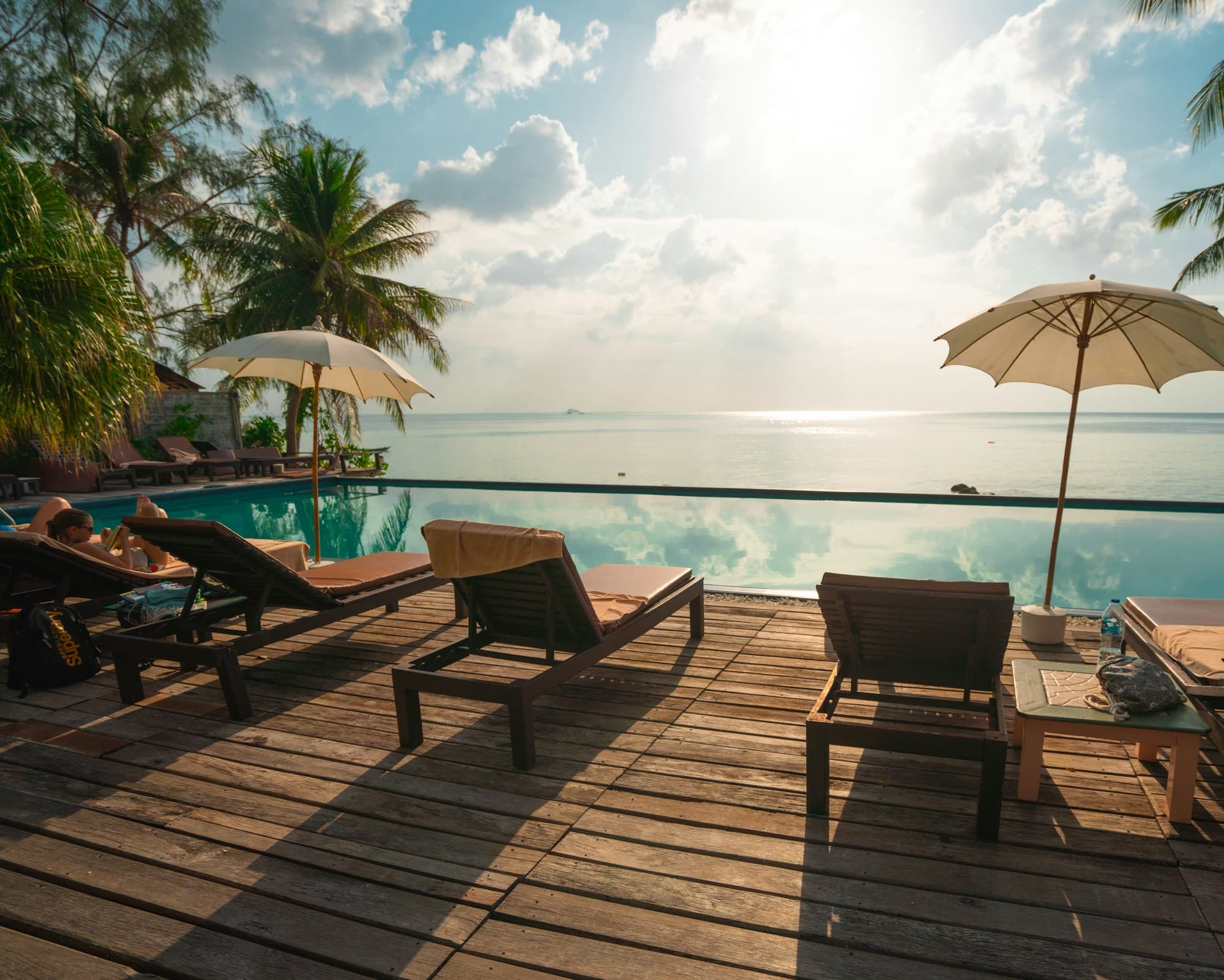
Luxury lodge deck with loungers and umbrellas at golden hourPremium

Madikwe

Family Suite Safari Lodge · Madikwe

Lodge

A warm, unpretentious lodge in malaria-free Madikwe, built with children in mind: family suites, a pool and rangers who adapt drives to short attention spans. Because the reserve admits no day visitors, the roads stay quiet, and wild dog and elephant are often the headline sightings.

  • Interleading family suites
  • Junior-ranger activities at many
  • Private vehicle option for families
  • About an hour’s flight or roughly 4.5 hours’ drive from Johannesburg

Ideal for: Families with younger children who want a Big Five safari without antimalarials
Luxury lodge deck with loungers and umbrellas at golden hourLuxury

Madikwe · hills and plains

Hills-and-Plains Luxury Lodge · Madikwe

Lodge

Set where Madikwe’s rocky hills meet its open plains, lodges in this style offer generous suites with private pools and long views toward the Botswana border country. They suit couples and families alike: malaria-free, a short flight from Johannesburg, and home to wild dog, lion and a fast-growing elephant population.

  • Suites with private plunge pools
  • Family villas at some
  • Spa and wellness areas
  • Star-beds or sleep-out decks at some

Ideal for: Couples and families who want high-end comfort in a malaria-free Big Five reserve

Safaris

Safaris That Go Here

Safari guests watching a herd of elephants from an open vehicle on a family game drive
9 daysFamilies

Malaria-Free Family Safari

Madikwe · Cape Town

Families with children of most ages, and first-time safari travelers who would rather avoid malaria areas

Best months
March–November
Comfort levels
Premium · Luxury
Individually quoted

Good to know

Frequently asked questions

Is Madikwe malaria-free?

Yes. Madikwe is in North West Province, which the CDC does not list as a malaria area, and the reserve describes itself as malaria-free. That makes it one of the few Big Five reserves in South Africa that suits babies, young children and travelers advised against antimalarials. Insect repellent is still worth packing in the wet season for comfort.

Can you visit Madikwe on a day trip?

No. Madikwe does not admit day visitors, so you need to stay at one of the lodges inside the reserve. That rule is a large part of its appeal: the only vehicles on the roads belong to lodges, and sightings stay uncrowded. If you only have a day, Pilanesberg is the nearest alternative that welcomes day visitors.

Madikwe or Pilanesberg: which is better for a safari?

Madikwe is the stronger safari: it is larger, lodge-only and much quieter, with a healthy wild dog population. Pilanesberg is closer to Johannesburg, open to self-drivers and day visitors, and works for a short stay or a family on a tight schedule. Both are malaria-free and both have the Big Five.

Is the Waterberg malaria-free?

Not strictly. Reserves such as Welgevonden often describe themselves as malaria-free, but the CDC lists the Waterberg district as an area of low transmission where it advises mosquito-bite precautions rather than antimalarial tablets. For most travelers the risk is very low; if you are pregnant or traveling with a baby, ask a travel-medicine clinic before choosing it over Madikwe.

How old do children need to be for game drives in Madikwe?

It depends on the lodge. Some welcome children of any age on drives, others set a minimum age, and some ask families with younger children to book a private vehicle. Several lodges run supervised children’s activities while parents are out, so tell us your children’s ages and we will shortlist accordingly.

Why does Madikwe have so many elephants?

The reserve began with herds moved in during the 1990s, about 220 elephants, and with good food, water and no natural outlet the population passed 1,600 by 2025. That is well above what the reserve’s vegetation can support, and managing the numbers is an ongoing conservation question. For visitors it means excellent elephant viewing alongside visible damage to trees.

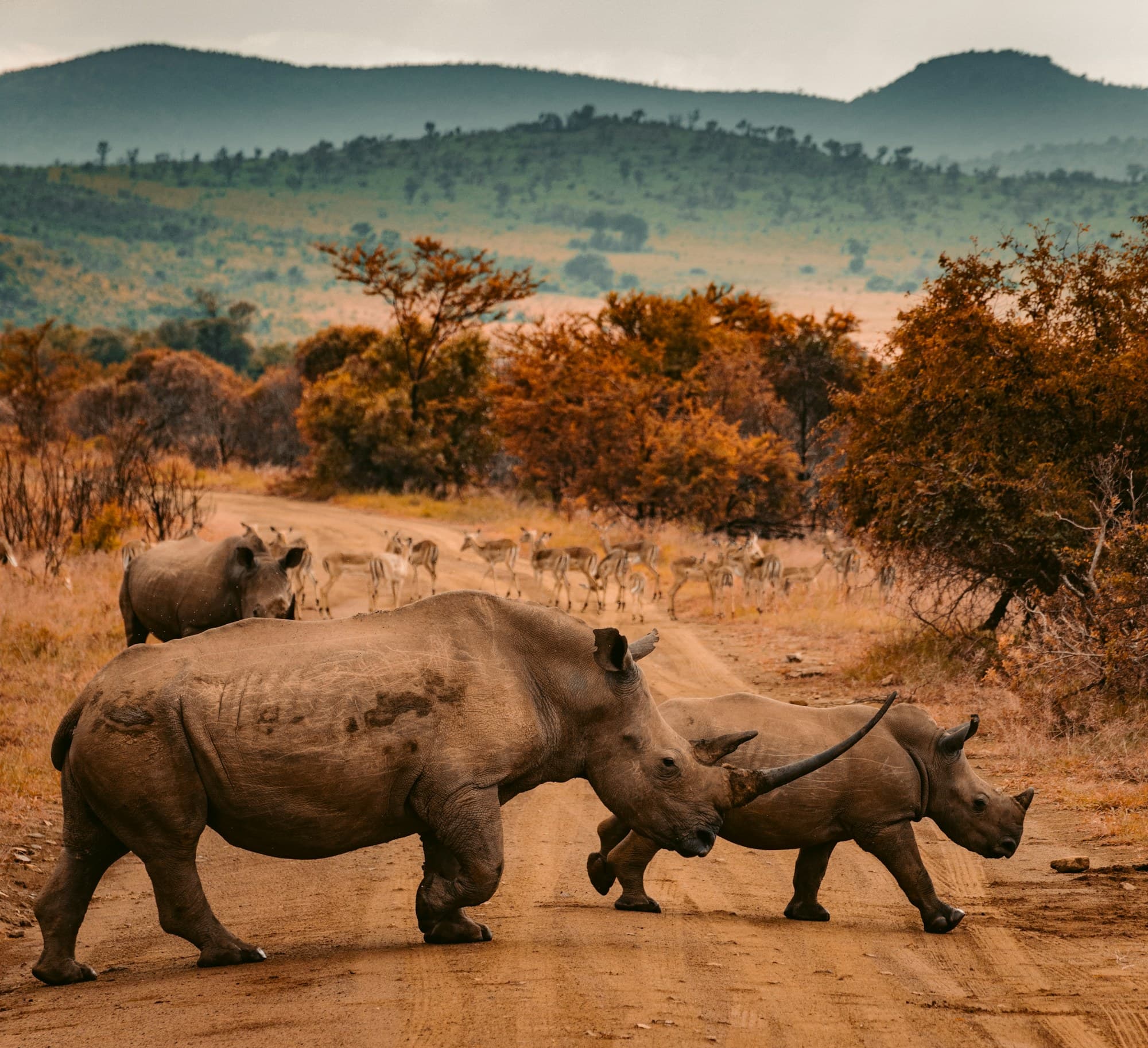
Two white rhinos grazing side by side in a private reserve

Tell Us When You Can Travel

Share your dates, who is coming and whether malaria-free matters, and a safari specialist will design a private South Africa route around you. Nothing is booked until you approve it.

Plan my safari here