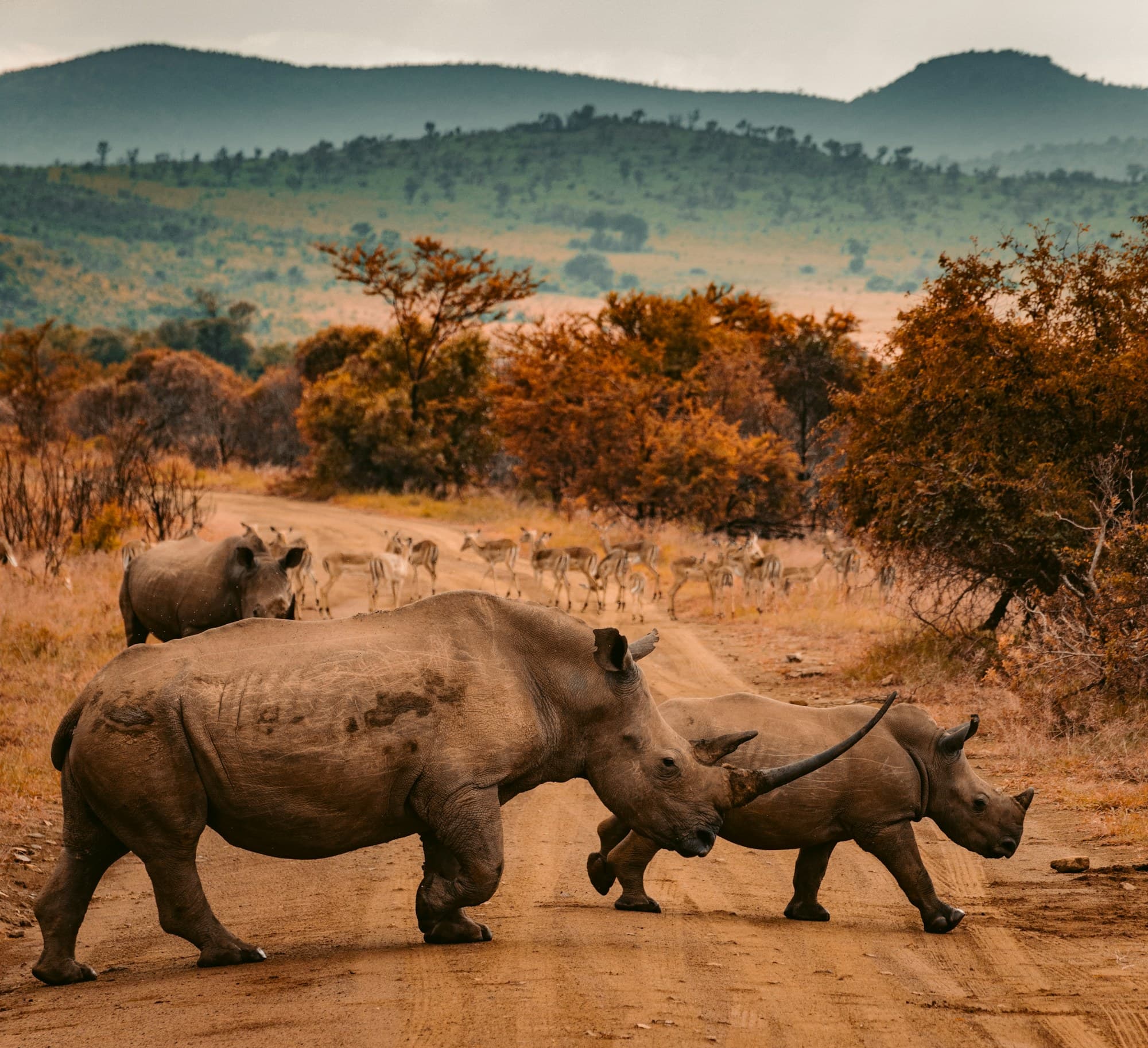
Two white rhinos grazing side by side in a private reserve

Destination guide

The Greater Kruger Private Reserves

Roughly 180,000 hectares of unfenced private bushveld west of the national park, where time on foot is part of the culture and Hoedspruit is the gateway.

SizeAbout 180,000 ha across the APNR; the Timbavati alone covers about 53,400 ha
Best timeMay–October for dry-season game and cooler walking weather
Recommended stay3 nights, or 2–3 as the second half of a two-reserve trip
AccessDirect flights from Johannesburg and Cape Town to Hoedspruit Eastgate Airport, then a road transfer
Timbavati levyR660 per adult per night at catered lodges in 2026 (Timbavati Private Nature Reserve, at the time of writing)
MalariaWithin CDC malaria areas (Mopani and Ehlanzeni districts); antimalarials recommended

Greater Kruger: Timbavati, Klaserie & the Northern Private Reserves

Why Visit

The Greater Kruger private reserves are the land west of the national park where the fences have come down. Strictly, “Greater Kruger” means the park plus every unfenced reserve on its western flank; in safari planning it usually refers to the northern group beyond the Sabi Sand. Most belong to the Associated Private Nature Reserves, or APNR (Timbavati, Klaserie, Balule, Umbabat and Thornybush), about 180,000 hectares without internal fences and joined to Kruger since June 1993. Manyeleti, a provincially managed reserve, lies just south of the Timbavati on the same open system.

Because animals move freely between these reserves and the park, the wildlife is Kruger’s own. What changes is the feel. Lodges are spread more thinly than in the busier parts of the Sabi Sand, the guiding culture leans toward time on foot, and the Olifants, Klaserie and Timbavati rivers run through mopane and knobthorn woodland that sees few vehicles. For many travelers these reserves deliver a private-reserve safari at a gentler price level than the Sabi Sand, though that depends on the lodge and the season.

They also pair naturally with the Sabi Sand: three nights in each shows you two sides of one ecosystem, and that is how our 8-Day Sabi Sand & Timbavati Private Safari is built. For a reserve-by-reserve decision, see Kruger vs Sabi Sand and the other private reserves.

Best for

  • Walking safaris with experienced trails guides
  • A private-reserve safari at a gentler price level than the Sabi Sand
  • Flying in from Cape Town via Hoedspruit
  • Pairing with the Sabi Sand for contrast
  • Repeat visitors looking for quieter bush

Greater Kruger: Timbavati, Klaserie & the Northern Private Reserves

Wildlife & Highlights

  • Lion prides ranging across the Timbavati and Klaserie woodland
  • White lions, a rare color variant carried by a recessive gene in the Timbavati’s lions and seen only occasionally
  • Elephant herds drinking along the Olifants River in Balule
  • Large dry-season buffalo herds
  • Leopard in riverine thickets and along rocky drainage lines
  • African wild dog, which roam across the whole open system
  • Hippo and crocodile in the Olifants River
  • Tracks, middens and termite architecture best read on foot
  • Southern ground hornbill, vultures and raptors over the mopane

Season

Best Time to Visit

  1. January
  2. February
  3. March
  4. April
  5. May
  6. June
  7. July
  8. August
  9. September
  10. October
  11. November
  12. December
May–AugustThe best walking weather: cool mornings, mild afternoons and short grass that lets you see further on foot. The open woodland makes game easier to find from the vehicle too. Nights are cold, so pack a warm layer and a hat.
September–OctoberHot and dry. Seasonal rivers shrink to sand and a few pools, and elephant and buffalo gather at the Olifants and the remaining waterholes. Walks start early to beat the heat, and dust in the air adds a golden cast to late-afternoon photographs.
November–AprilThe rains turn the mopane bright green and fill the pans. Newborn antelope, returning migrant birds and big storm skies make this a rewarding time for photographers, though long grass and midday heat can shorten walks.

Greater Kruger: Timbavati, Klaserie & the Northern Private Reserves

Areas to Know

Timbavati

About 534 km² shared by some 50 member landowners, the Timbavati began as an association in 1956, dropped its fences with the Umbabat in 1988 and with Kruger in 1993. Its open knobthorn and marula woodland is classic lion country, and the reserve is known for the rare white lions occasionally born to its tawny prides. Lodges collect a nightly conservation levy on the reserve’s behalf, which goes toward its conservation work.

Best for: Open-woodland lion country and a range of lodge styles

Klaserie

One of the larger APNR members, the Klaserie is known for low lodge density and a wilderness feel, with the Klaserie and Olifants rivers providing the main water. It suits travelers who value walking safaris and quiet drives over a long list of lodge amenities.

Best for: Walking and a remote, uncrowded feel

Balule

About 40,000 hectares south-west of Phalaborwa and north of Hoedspruit, Balule is defined by the Olifants River, which runs for about 20 km through the reserve. It is made up of many smaller properties, so lodge character varies widely, from simple bush camps to comfortable riverside lodges. Elephant along the river are a highlight in the dry months.

Best for: River scenery and dry-season elephant

Manyeleti

About 22,750 hectares between the Sabi Sand to the south and the Timbavati to the north-west, the Manyeleti, whose name means “Place of Stars”, is managed by the Mpumalanga provincial government and unfenced with Kruger. It has very few lodges for its size, which means few vehicles at sightings, and a community land claim is in progress. Transfers work from either Hoedspruit or the southern airports.

Best for: Few vehicles and a quieter neighbor to the Sabi Sand

Umbabat and Thornybush

The Umbabat, north of the Timbavati, shares an open boundary with it and has a handful of remote camps. Thornybush, about 14,000 hectares close to Hoedspruit, is linked to the open system through the APNR and offers some of the shortest airport transfers in the region.

Best for: Short transfers (Thornybush) or remote camps (Umbabat)

Greater Kruger: Timbavati, Klaserie & the Northern Private Reserves

Getting There

Hoedspruit Eastgate Airport is the gateway, with direct scheduled flights from Johannesburg (about an hour) and Cape Town (about 2.5 hours), and most Timbavati, Klaserie, Balule and Thornybush lodges are a road transfer from there. Some lodges also meet light-aircraft shuttles at their own airstrips. From the Sabi Sand the drive north takes about 2–2.5 hours, which keeps a two-reserve trip simple. Timbavati’s conservation levy, R660 per adult per night at catered lodges for 2026 according to the reserve at the time of writing, is collected by your lodge and may already be in the rate; the other reserves set their own levies. Flight options are compared in getting to Kruger.

Drive or fly?

For most trips the answer is fly and transfer: land at Hoedspruit before lunch and you are normally at your lodge in time for the afternoon activity. Driving from Johannesburg costs a full day, although the route over the escarpment passes the Panorama Route viewpoints and can be split with a night in the mountains. Between the Sabi Sand and the northern reserves, a private road transfer is usually easier than an extra light-aircraft sector and lets you travel at your own pace.

Airstrips & airports

  • Hoedspruit Eastgate (HDS)
  • Private lodge airstrips (light-aircraft shuttles)

Typical travel times

Johannesburg to Hoedspruit
About 1 hour by air; about 5.5–6 hours by road
Cape Town to Hoedspruit
About 2.5 hours by direct flight
Sabi Sand lodges to the Timbavati
About 2–2.5 hours by private road transfer

Stays

Where to Stay

The northern reserves offer a wide spread of stays: canvas tented camps built around walking, classic thatched lodges on riverbanks, and a few remote, exclusive camps in the far north of the system. Because lodges are thinly spread, one property may traverse a large area shared with only a handful of other vehicles. If walking is your priority, tell us early: some lodges offer walks as a morning alternative to the drive, while a few are designed around them.

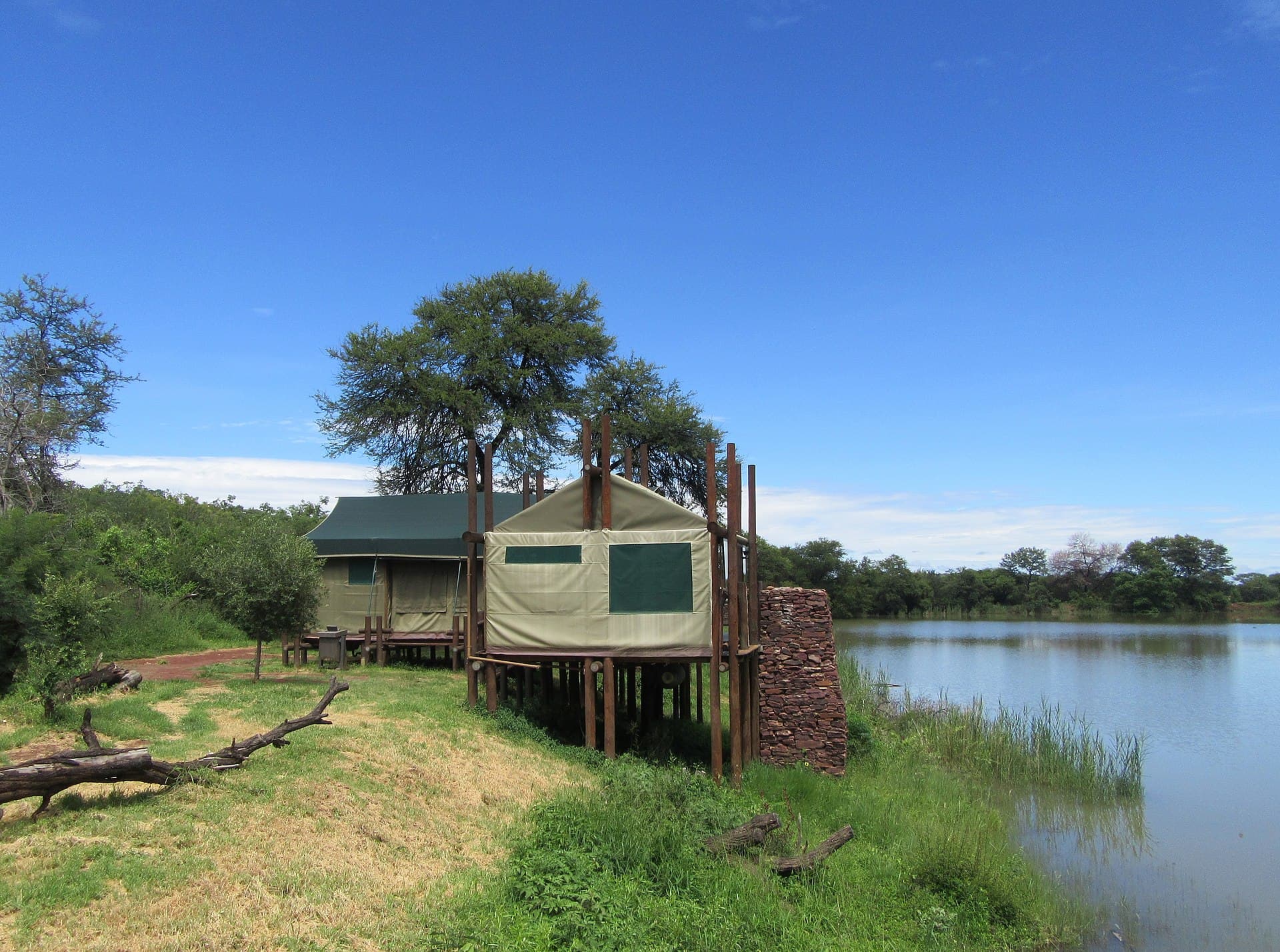
A canvas safari tent set among trees at a private tented campPremium

Greater Kruger · Timbavati

Walking-Country Tented Camp · Timbavati

Tented camp

Canvas-and-timber suites on raised decks look over open bushveld in the unfenced Timbavati, where walking is part of the culture rather than an extra. Guides often lead morning walks on foot, and the reserve’s nightly conservation levy is collected through the camp, sometimes folded into the rate.

  • Raised tents with en-suite bathrooms
  • Guided morning walks with an armed guide
  • Sleep-out or star-bed nights where offered
  • Open boundaries with Kruger National Park

Ideal for: Travelers who want a smaller camp, time on foot and a less polished, more bush-focused feel
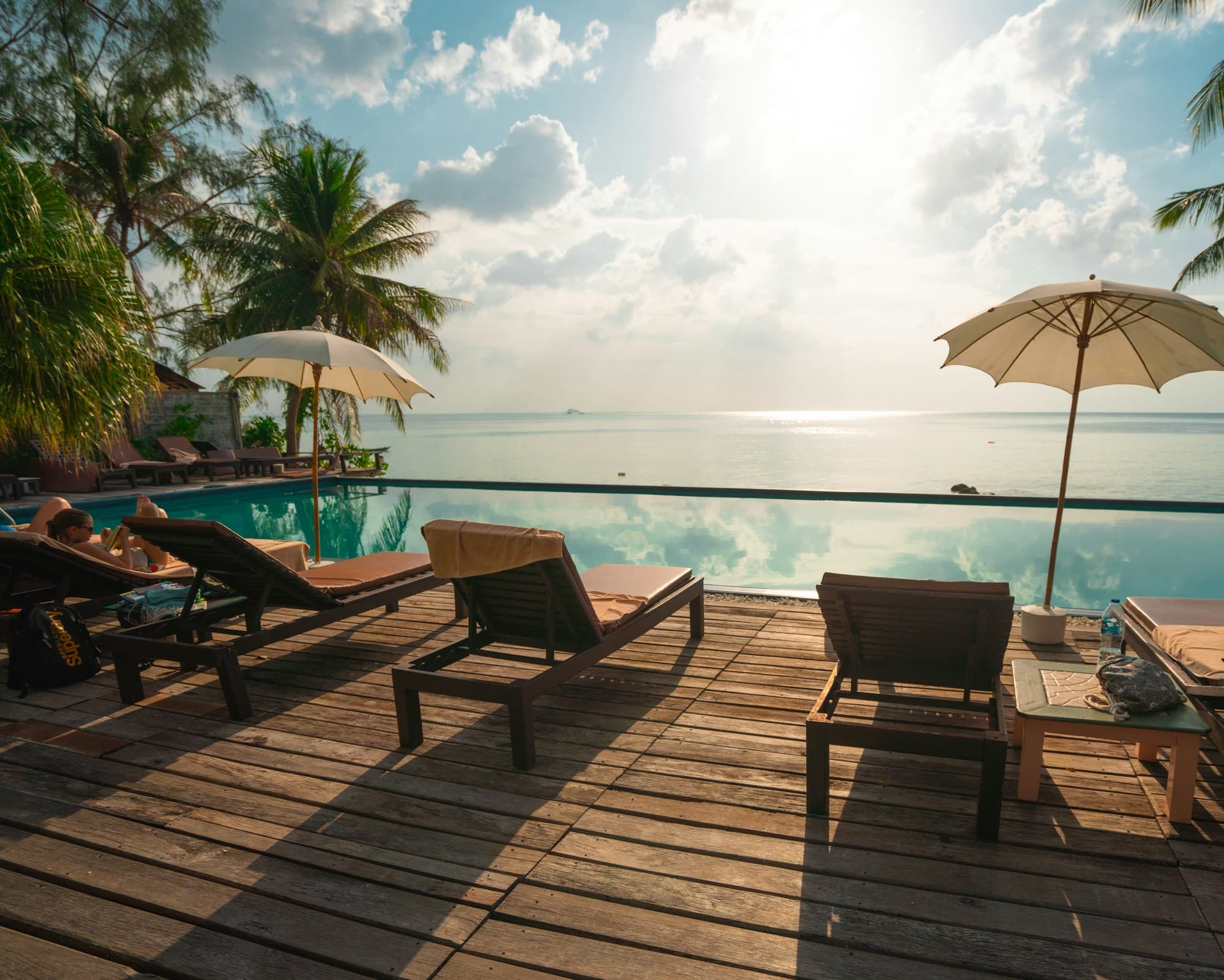
Luxury lodge deck with loungers and umbrellas at golden hourLuxury

Greater Kruger · Timbavati or Klaserie

Dry-Riverbed Luxury Lodge · Greater Kruger

Lodge

Suites in this style overlook a sandy riverbed in the Timbavati or Klaserie, where elephants dig for water in the dry months and lions use the banks as cover. Walking with an armed guide is a highlight, and the small number of lodges across a large traversing area tends to keep sightings uncrowded.

  • Suites with private decks, many with plunge pools
  • Guided walks and tracking on foot
  • Spa and main pool
  • Easy access from Hoedspruit airport

Ideal for: Couples who want luxury and walking in the open Greater Kruger, a direct flight from Cape Town away

A canvas safari tent set among trees at a private tented campUltra-Luxury

Greater Kruger · remote northern reserve

Secluded Canvas-Suite Camp · Greater Kruger

Tented camp

A small camp of lavish canvas suites deep in one of the remote northern reserves of the Greater Kruger, where you can often go a whole drive without meeting another vehicle. Walks, nights on a star deck and meals wherever your guide chooses give it the feel of a private expedition, with every comfort intact.

  • Only a few suites, often bookable for exclusive use
  • Walking and tracking with senior guides
  • Star-deck sleep-outs
  • Private vehicle at many

Ideal for: Experienced travelers and couples who value solitude, walking and exclusivity over polish

Experiences

Experiences

On foot

Walking Safaris in South Africa

Swap the game-drive seat for boots and follow an armed trails guide through Lowveld bush, reading tracks, trees and birdsong at the pace of your own footsteps.

Adventure

Panorama Route & Blyde River Canyon

The escarpment road above the Lowveld: canyon viewpoints, waterfalls and a gold-rush village, taken as a scenic day on the way into Kruger.

Safaris

Safaris That Go Here

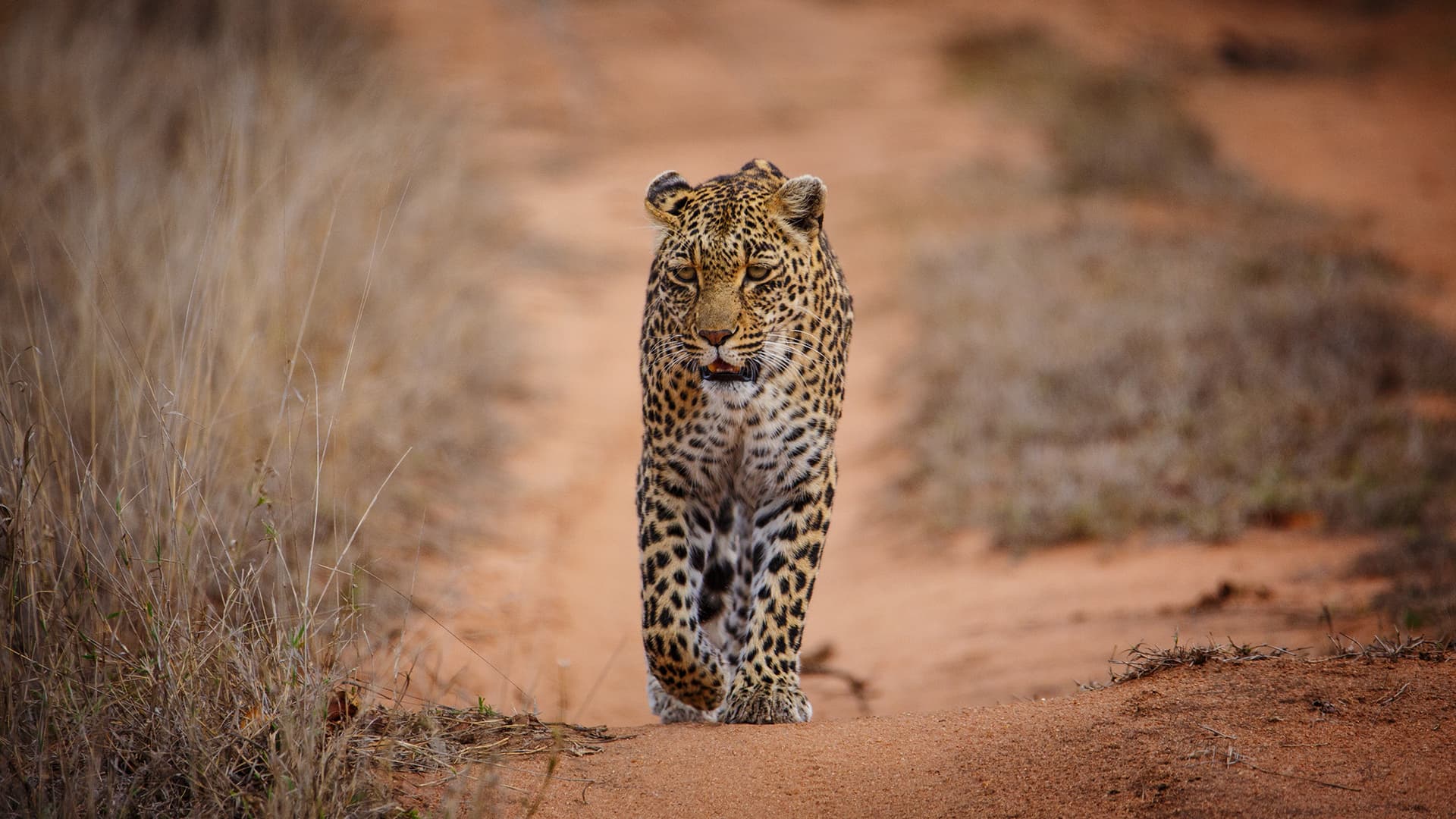
Leopard walking straight toward the camera in a private reserve
8 daysPure safari

Kruger Private Reserves

Sabi Sand · Timbavati · Hoedspruit Airport

Photographers, returning safari travelers and couples who want a week of pure safari, with time both in the vehicle and on foot

Best months
April–November
Comfort levels
Premium · Luxury · Ultra-Luxury
Individually quoted

Good to know

Frequently asked questions

What does “Greater Kruger” mean?

It describes the whole open ecosystem: Kruger National Park plus the private and provincial reserves on its western side whose fences with the park were removed, most of them in 1993. In everyday safari language it usually refers to the private reserves north of the Sabi Sand, such as the Timbavati, Klaserie, Balule and Manyeleti. Wildlife crosses freely between all of them.

Can you see white lions in the Timbavati?

Sometimes, but never predictably. White lions carry a rare recessive gene that occurs in the Timbavati’s lion population, and white cubs are born only occasionally to otherwise tawny prides. Treat a sighting as a bonus rather than a reason to choose the reserve.

What is the Timbavati conservation levy?

The reserve charges a nightly levy for every guest, collected by the lodges. For 2026 it is R660 per adult per night at fully catered lodges, with a reduced rate for children under 12, according to the Timbavati Private Nature Reserve at the time of writing (September 2026). Some lodges quote it separately and others include it, so check how it appears on your quote.

Which Greater Kruger reserve is best for walking?

The Timbavati and Klaserie have a strong walking tradition, and several lodges there are built around time on foot with experienced trails guides. Walks usually start soon after dawn, before the heat, and are led by an armed guide. Lodges commonly set a minimum age of about 12 for walks, so check if you are traveling with children.

Is the Manyeleti part of the Greater Kruger?

Yes. The Manyeleti is unfenced with Kruger National Park and sits between the Sabi Sand and the Timbavati, although it is run by the Mpumalanga provincial government rather than a private association. It has few lodges for its size, so it can feel very private.

How do you get from the Sabi Sand to the Timbavati?

By road it takes about two to two and a half hours, with a private driver collecting you after the morning drive at one lodge and delivering you in time for the afternoon activity at the next. Light-aircraft shuttles can link the two as well, but the road transfer is usually simpler and more flexible.

Two white rhinos grazing side by side in a private reserve

Tell Us When You Can Travel

Share your dates, who is coming and whether malaria-free matters, and a safari specialist will design a private South Africa route around you. Nothing is booked until you approve it.

Plan my safari here