Travel advisory, last checked 23 September 2026: the US State Department rates Uganda Level 4, “Do Not Travel”, an advisory issued in May 2026 because of Ebola. WHO declared Uganda’s outbreak over on 27 August 2026; the outbreak in the neighbouring DRC continues. Read our dated safety guide before you decide.

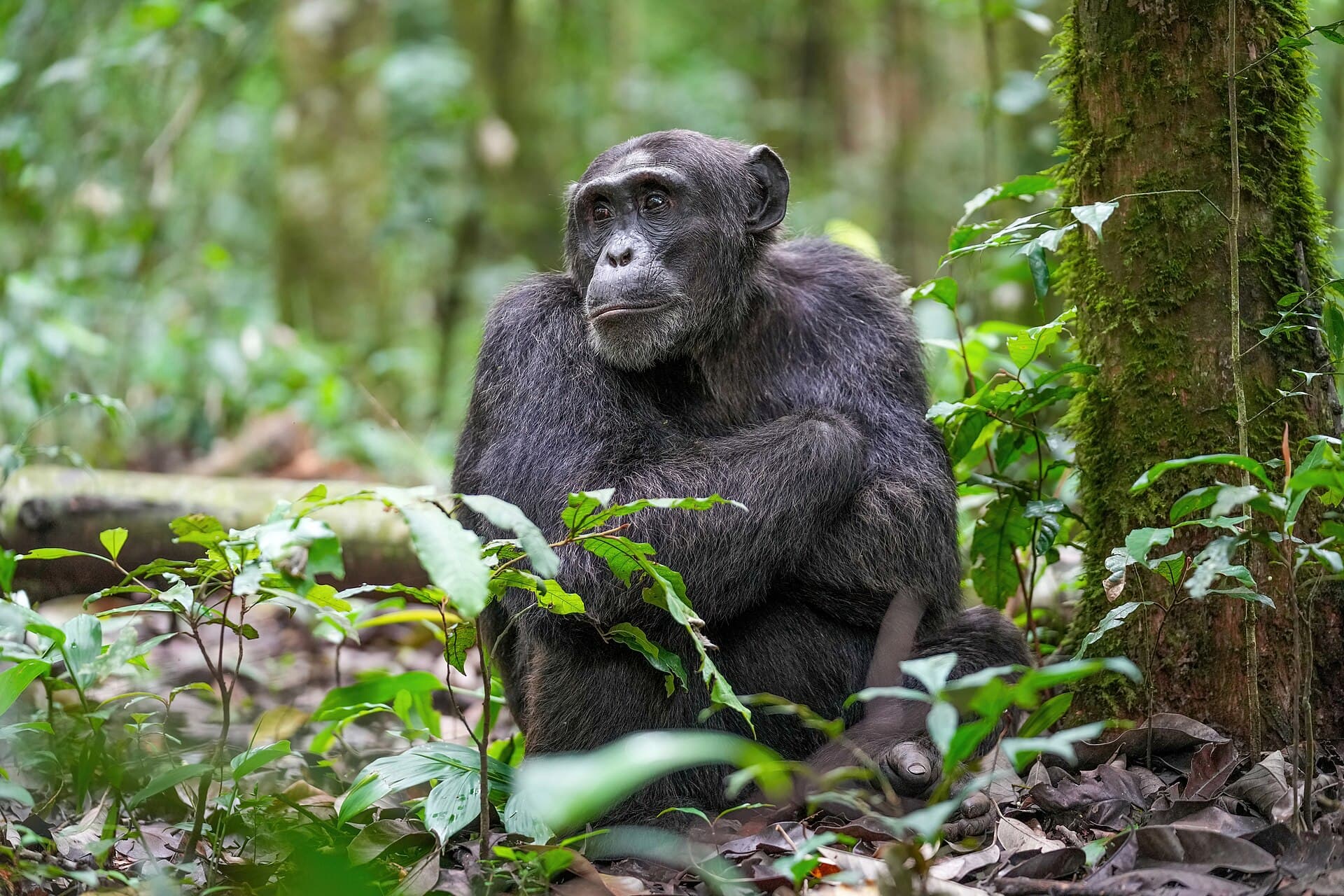
Chimpanzee resting in the Kibale Forest canopy

Destination guide

Kibale National Park Safaris

A mid-altitude rainforest in western Uganda holding more than 1,500 chimpanzees and 12 other primate species, with crater lakes and tea estates on its northern edge.

SizeAbout 795 km² (published figures vary)
AltitudeAbout 1,100–1,600 m
Best timeYear-round; drier June–September and December–February
Recommended stay2 nights
Getting thereAbout 6 hours by road from Kampala; flights to Kasese, then about 2 hours by road
Known forChimpanzee tracking, 13 primate species and Bigodi Wetland

Kibale National Park

Why Visit

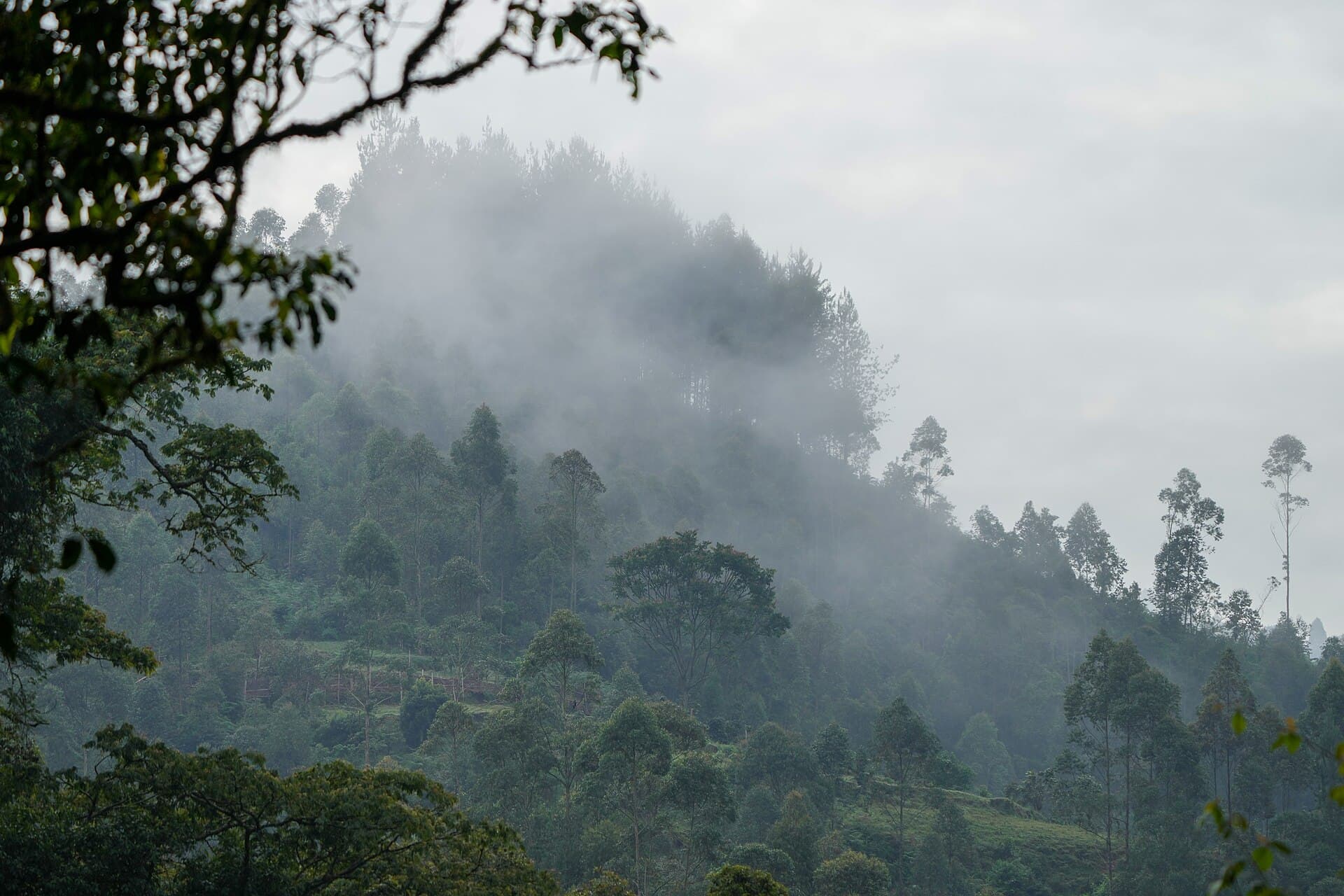
Kibale National Park covers about 795 km² of rainforest, swamp and grassland in western Uganda, at roughly 1,100–1,600 m. Protected as a forest reserve from 1932 and upgraded to a national park in 1993, it is home to 13 primate species and, by UWA’s count, more than 1,500 chimpanzees living in at least 12 communities. Four of those communities are habituated to visitors; the best known, at Kanyanchu, has been followed by researchers and guides since the early 1990s.

That long familiarity is why Kibale is the dependable place for chimps in Uganda: UWA reports sighting success of over 90% at Kanyanchu. Standard tracking runs in morning and afternoon groups and allows up to an hour with the chimps, while the habituation experience begins at 06:30 and allows up to four. Permits, age limits and how Kibale compares with Kyambura Gorge and Budongo are all on our chimpanzee trekking page.

Many routes treat Kibale as a quick chimp stop, which undersells it. Red colobus, black-and-white colobus, grey-cheeked mangabeys and red-tailed monkeys often appear on the same walk; the community-run Bigodi Wetland Sanctuary lies just outside the park; and the crater lakes and tea country around Fort Portal make one of the loveliest bases in the country. Kibale sits between Murchison Falls and Queen Elizabeth on our 12-day complete Uganda safari.

Best for

  • Uganda’s most dependable chimpanzee tracking
  • Primate lovers who want variety beyond chimps
  • Photographers ready for a 06:30 start on the habituation experience
  • Breaking the road between Murchison and Queen Elizabeth

Kibale National Park

Wildlife & Highlights

  • Chimpanzees — more than 1,500 in at least 12 communities (UWA)
  • Uganda red colobus and black-and-white colobus
  • Grey-cheeked mangabey, L’Hoest’s monkey and red-tailed monkey
  • Blue monkeys, olive baboons and vervets along the forest edges
  • Pottos and bushbabies, the forest’s nocturnal primates
  • Forest-dwelling elephants, shy and rarely seen
  • Roughly 325–370 bird species (counts differ), including the green-breasted pitta
  • Great blue turacos in the Bigodi swamp forest

Season

Best Time to Visit

  1. January
  2. February
  3. March
  4. April
  5. May
  6. June
  7. July
  8. August
  9. September
  10. October
  11. November
  12. December
June–SeptemberThe main dry season and the peak of demand. Trails are firmer and chimp permits go quickly in July and August, so we book them alongside your gorilla permits.
December–FebruaryA shorter dry window with warm days and the odd storm. A good time to pair chimps with Queen Elizabeth’s savanna, which is also at its best.
March–May and October–NovemberRain turns the trails muddy and can cut an afternoon group short, but the chimps are tracked every day and the forest is at its greenest. Birders find these months rewarding, particularly around Bigodi.

Kibale National Park

Areas to Know

Kanyanchu

The main visitor center and the starting point for most tracking. Groups leave after a briefing in the morning and afternoon, walk into the forest with a UWA guide and follow the calls — chimps are often heard long before they are seen, and they move fast, on the ground and high in the canopy. The habituation experience also begins here, at 06:30, following a community from the time it leaves its nests. UWA’s guidelines name Buraiga as a second chimp-tracking entry point.

Best for: Chimp tracking and the full-morning habituation experience

Bigodi Wetland Sanctuary

Just outside the park boundary, Bigodi is a papyrus swamp run by a local community association, with a boardwalk and trail through swamp forest. Walks with local guides regularly turn up red colobus, black-and-white colobus and grey-cheeked mangabeys, along with great blue turacos and a long list of wetland birds. Fees go to the community rather than the park, which makes it a satisfying afternoon after a morning with the chimps.

Best for: An afternoon walk after morning tracking

Fort Portal crater lakes and tea country

North of the park, dozens of explosion-crater lakes sit among tea estates and banana farms in the hills around Fort Portal, with the Rwenzori Mountains behind. Lodges on the crater rims trade the short commute of a forest-edge camp for long views, cooler evenings and walks around the lakes. Fort Portal itself, about an hour from the park, is a useful town for cash and supplies.

Best for: Views, walks and a base with character

The corridor to Queen Elizabeth

Kibale’s southern forest connects with Queen Elizabeth National Park, together forming a wildlife corridor of about 180 km. Elephants use it to move between the two, which explains the fresh dung you may step around on a chimp trail. It also explains the route: the two parks are only 2.5–3 hours apart by road, and most itineraries treat them as a pair.

Best for: Understanding why Kibale and Queen Elizabeth pair so naturally

Kibale National Park

Getting There

Kibale is a road destination. From Kampala it is about 326 km, roughly six hours, via Fort Portal (UWA), and the park is about an hour beyond the town. There is no airstrip in the park: the nearest scheduled flights land at Kasese, around two hours away by road. Most travelers arrive overland from Murchison Falls, a long day via Hoima, or from Queen Elizabeth to the south.

Drive or fly?

Drive, in most cases. Kibale sits naturally between the northern and southern parks, and the road from Murchison or on to Queen Elizabeth is part of the day’s scenery, through tea estates and along the Rwenzori foothills. Flying to Kasese makes sense only when Kibale is the single primate stop on an otherwise fly-in route, and even then a two-hour transfer waits at the other end.

Airstrips & airports

  • Kasese (about 2 hours by road)

Typical travel times

Kampala to Kanyanchu
About 6 hours
Fort Portal to Kanyanchu
About 1 hour
Kibale to Queen Elizabeth
About 2.5–3 hours
Murchison Falls to Kibale via Hoima
About 6–7 hours

Stays

Where to Stay

The choice here is simple: sleep at the forest edge near Kanyanchu and reach the briefing in minutes, or stay on a crater rim or tea estate near Fort Portal and drive to the park each morning in exchange for views and walks. Comfortable tented camps, well-run lodges and a small number of luxury forest lodges cover the range.

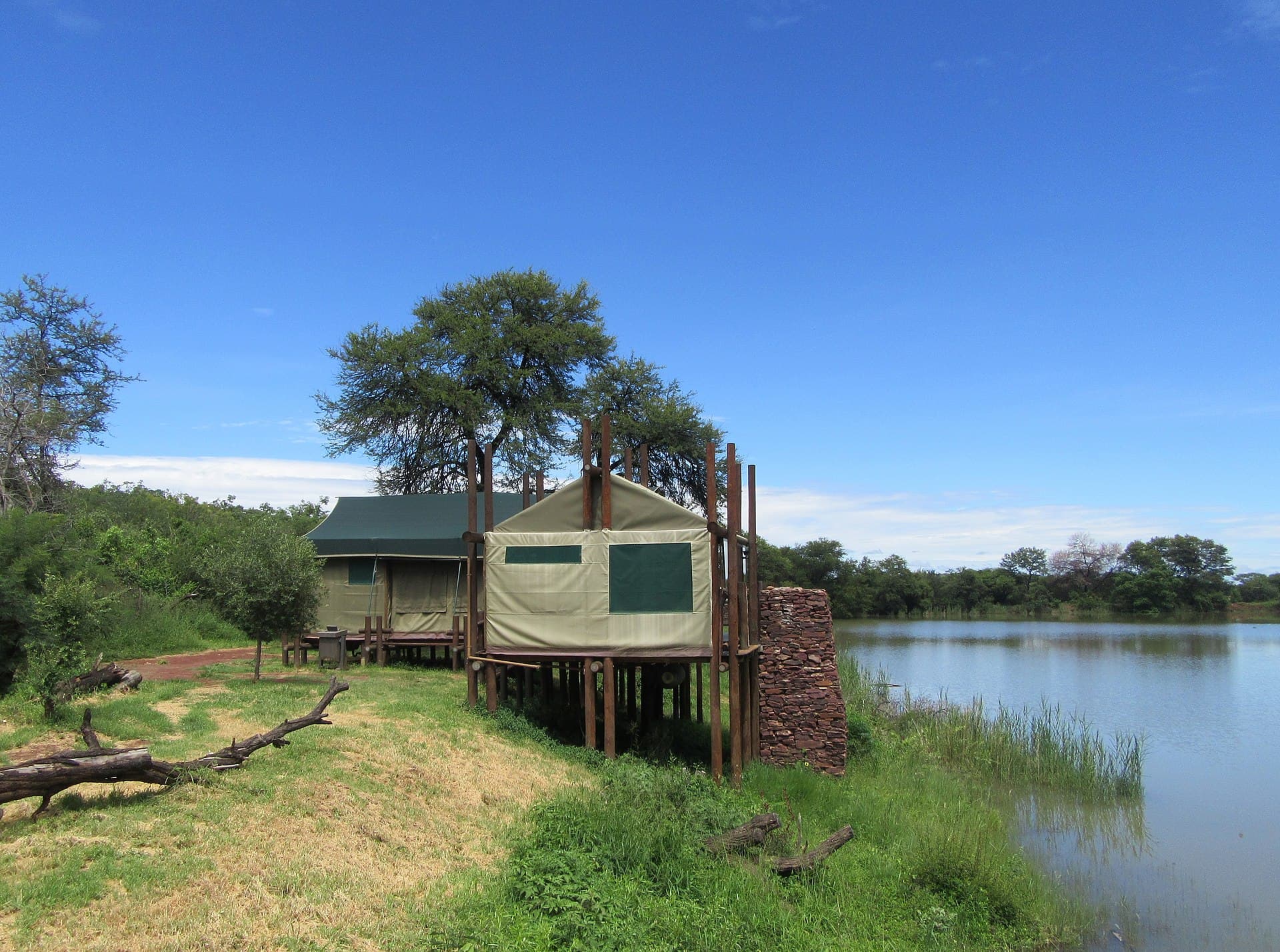
A canvas safari tent set among trees at a private tented campComfort

Kibale · Kanyanchu area

Forest-Edge Tented Camp · Kibale

Tented camp

Simple tented camps at the forest edge near Kanyanchu mean a transfer of only a few minutes to the chimp briefing. You fall asleep to tree frogs and wake to monkeys in the canopy overhead, and the trade-off for that closeness is a plainer style than the crater-lake lodges.

  • Minutes from the Kanyanchu briefing point
  • En-suite tents under the forest canopy
  • Easy access to Bigodi Wetland Sanctuary
  • Early coffee for the 08:00 tracking slot

Ideal for: Primate trekkers who want to be as close as possible to the chimps
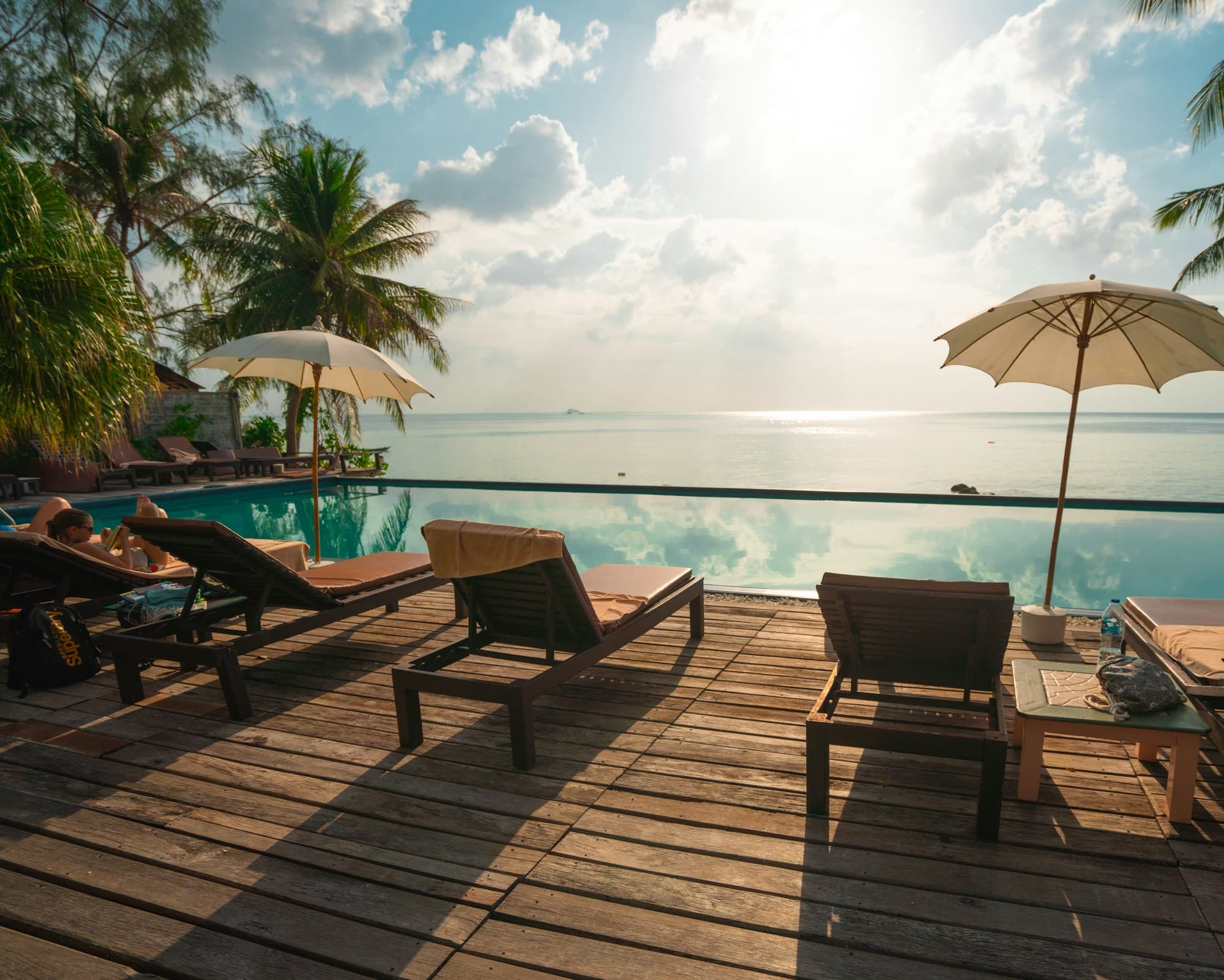
Luxury lodge deck with loungers and umbrellas at golden hourPremium

Kibale · Fort Portal crater lakes

Crater Lake Lodge · Fort Portal

Lodge

Among the volcanic crater lakes near Fort Portal, lodges perch on rims above deep, still water, with the Rwenzori Mountains on the horizon on clear days. The drive to Kanyanchu is longer than from the forest-edge camps, but the scenery and walking around the lakes make up for it.

  • Rooms or cottages above a crater lake
  • Walks and swims in the crater-lake country
  • Roughly 30–45 minutes to Kanyanchu
  • Views toward the Rwenzori on clear mornings

Ideal for: Travelers who want views and space and don’t mind a short drive to the chimps

Forest lodge tucked into the canopy near the gorilla parksLuxury

Kibale · forest and tea country

Tea-Country Luxury Lodge · Kibale

Forest lodge

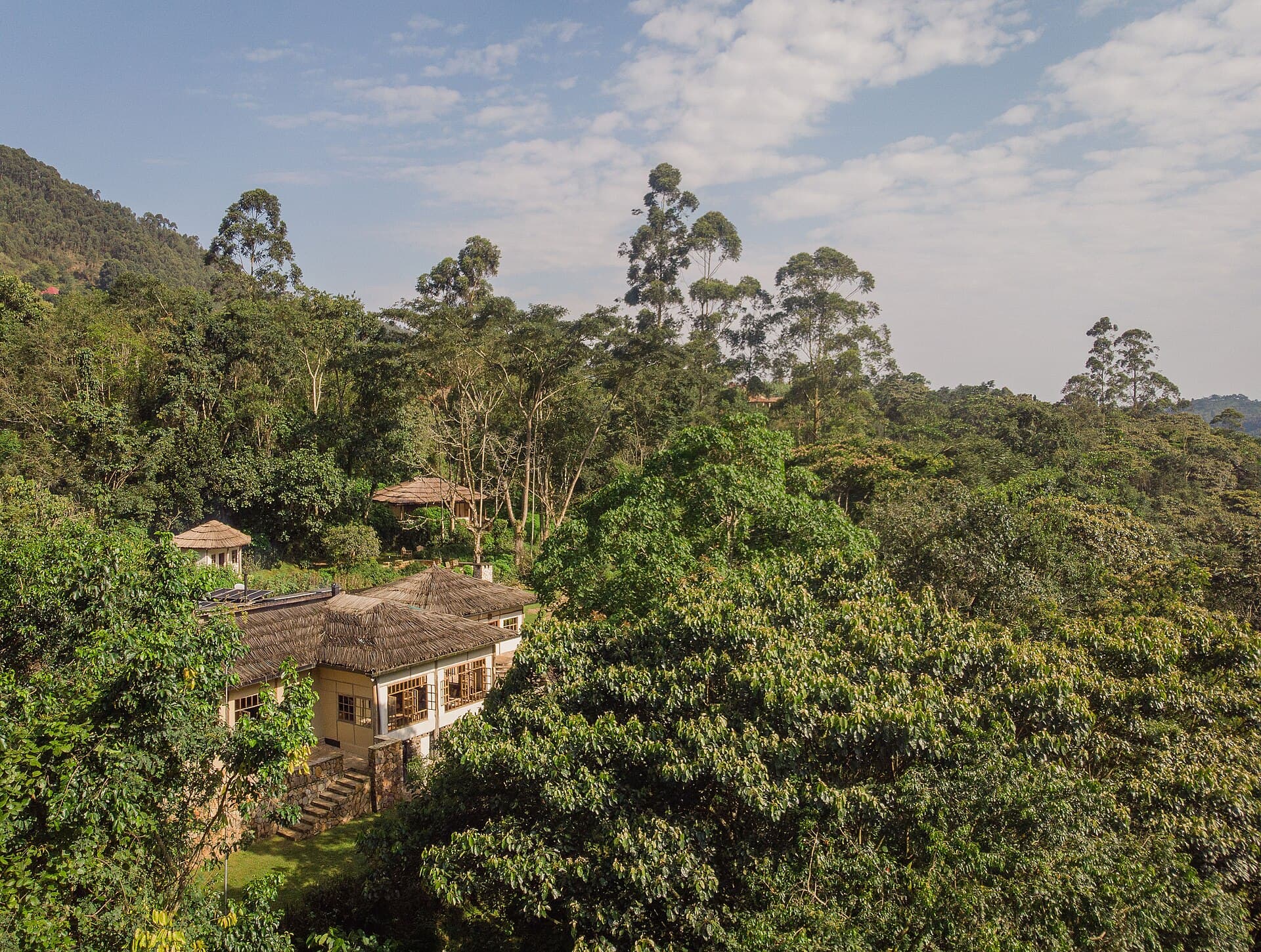
Where Kibale’s forest meets rolling tea estates, a handful of luxury lodges offer large suites, pools with valley views and a sense of seclusion. It is the most restful stay in western Uganda, a good place to pause between long road days, and within easy reach of the chimp trailheads.

  • Spacious suites with forest or tea-estate views
  • Pool and gardens for a slow afternoon
  • Spa treatments at some
  • Tea-estate walks nearby

Ideal for: Honeymooners and travelers who want a luxurious pause mid-journey

Experiences

Experiences

Chimpanzee resting in the Kibale Forest canopy

Primates

Chimpanzee Trekking in Uganda

Follow a chimpanzee community through Kibale’s forest, Kyambura’s sunken gorge or Budongo’s mahogany stands, then spend an hour among them once they are found.

Safaris

Safaris That Go Here

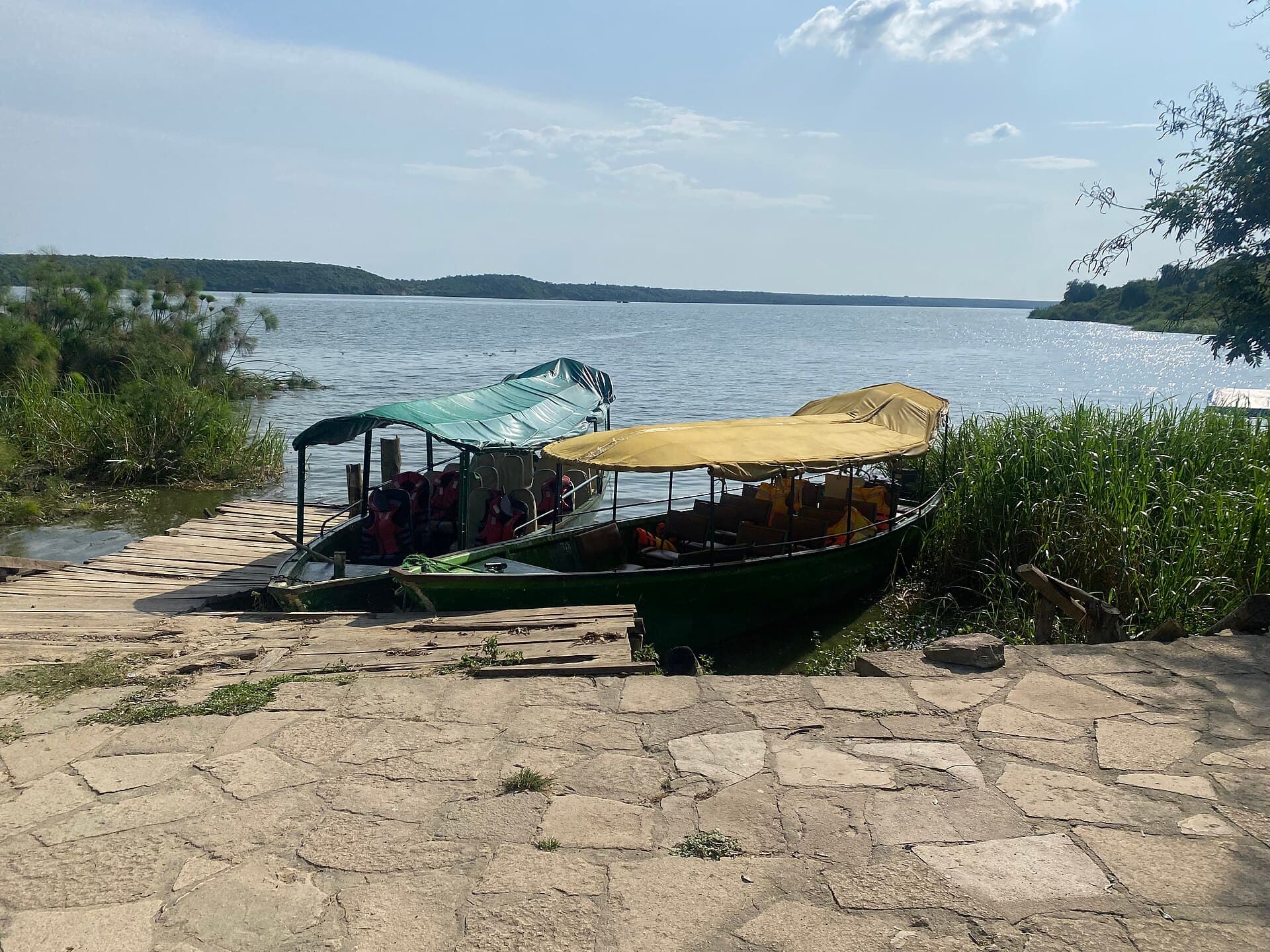
Safari boats on the Kazinga Channel in Queen Elizabeth National Park
12 daysMost complete

Complete Uganda

Ziwa Rhino Sanctuary · Murchison Falls · Kibale Forest · Queen Elizabeth NP · Ishasha · Buhoma · Lake Mburo

Travelers with close to two weeks who want primates, savanna and the Nile, and are happy with a few long road days

Best months
June–September and December–February
Comfort levels
Comfort · Premium · Luxury
Individually quoted
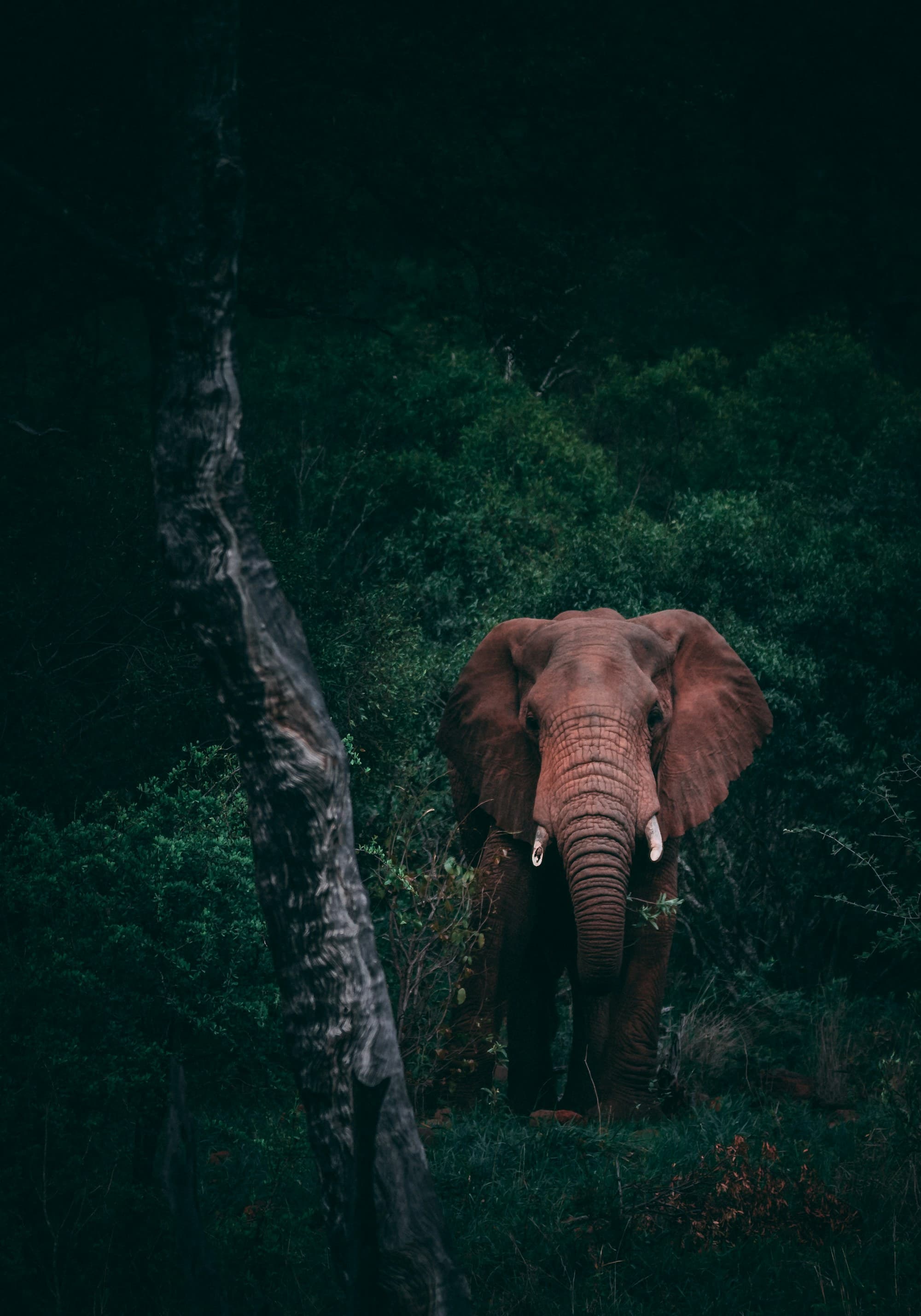
Elephant emerging from the shadows of a dense forest
10 daysFor birders

Uganda Birding

Mabamba Swamp · Lake Mburo · Ruhija · Buhoma · Queen Elizabeth NP · Kibale Forest

Keen birders and bird photographers who want a private guide, early starts and time to find their targets

Best months
November–March
Comfort levels
Comfort · Premium
Individually quoted

Good to know

Frequently asked questions

How many chimpanzees live in Kibale National Park?

UWA estimates more than 1,500, spread across at least 12 communities. Only four of those communities are habituated to people; the rest are left undisturbed or followed by researchers. The Kanyanchu group, habituated since the early 1990s, is the one most visitors meet.

Should I stay near Kanyanchu or near Fort Portal?

Stay near Kanyanchu if you are doing the 06:30 habituation experience or simply want the shortest possible morning. Choose a crater-lake or tea-estate lodge near Fort Portal if views, walks and a sense of place matter more than an extra hour’s sleep. With two nights, either works well.

What else is there to do in Kibale besides chimps?

The Bigodi Wetland walk is the obvious companion, with several monkey species and excellent birds. Around Fort Portal you can walk between crater lakes, visit a tea estate or simply enjoy the views of the Rwenzori foothills. Birders often spend a full morning in the forest looking for species such as the green-breasted pitta.

Are there elephants in Kibale?

Yes, elephants live in the forest and move along the corridor to Queen Elizabeth National Park, but they are shy and rarely seen in the dense vegetation. If you do meet one on a trail, your guide will keep a careful distance and may change the route.

Virunga volcanoes rising over lodge rooftops and farmland

Start With Your Dates

Tell us when you would like to travel, who is coming and how many gorilla days you want. We check permit availability first, then design a private Uganda journey around it, with nothing booked until you approve.

Plan my safari here