Travel advisory, last checked 23 September 2026: the US State Department rates Uganda Level 4, “Do Not Travel”, an advisory issued in May 2026 because of Ebola. WHO declared Uganda’s outbreak over on 27 August 2026; the outbreak in the neighbouring DRC continues. Read our dated safety guide before you decide.

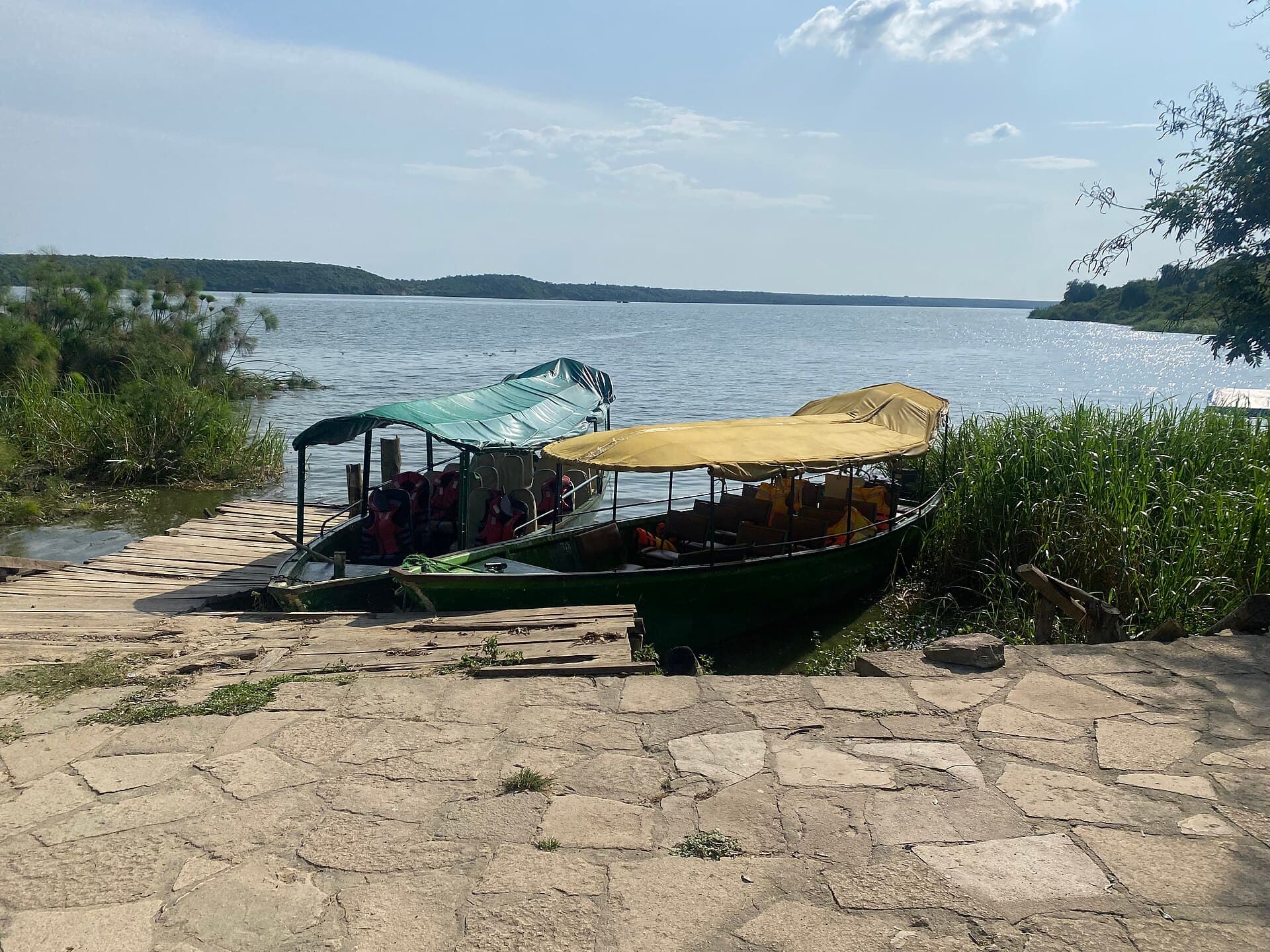
Safari boats on the Kazinga Channel in Queen Elizabeth National Park

Destination guide

Queen Elizabeth National Park Safaris in Uganda

Savanna, explosion craters, a 40 km channel crowded with hippos and the fig trees of Ishasha, spread across 1,978 km² between Lakes Edward and George.

Size1,978 km² (about 764 sq mi)
Species95+ mammals and 600+ birds (UWA)
Best timeJune–September and December–February
Recommended stay2–3 nights, plus 1 in Ishasha
Getting there7–8 hours by road from Kampala; airstrips at Mweya, Kasese and Kihihi (for Ishasha)
Known forKazinga Channel boat trips, tree-climbing lions and Uganda kob

Queen Elizabeth National Park

Why Visit

Queen Elizabeth National Park is Uganda’s classic savanna park: 1,978 km² of grassland, acacia, papyrus, crater lakes and forest on the floor of the Albertine Rift, from about 910 m at Lake Edward up to 1,350 m in the Katwe craters. Founded in 1952 as Kazinga National Park and renamed two years later, it lists more than 95 mammal and 600 bird species (UWA), a remarkable range for its size.

It is easiest to plan as several parks in one. The Kasenyi plains are for dawn drives among kob and lion; the Mweya Peninsula and the Kazinga Channel are for boats; Kyambura Gorge hides chimps in a sunken forest; the crater lakes and the salt pans of Katwe are for landscape and culture; and Ishasha, far to the south, is where lions climb fig trees. Deciding which to include, and where to sleep, is most of the work.

The park is also the hinge of any western Uganda route, linking Kibale to the north with Bwindi’s Buhoma sector to the south — the order used in our 12-day complete Uganda safari. On security: in October 2023 an attack inside the park killed two visiting tourists and their driver, and security arrangements for visitors were reviewed afterwards. Our Uganda safety guide sets out current government advice, dated and sourced.

Best for

  • Classic savanna game viewing in western Uganda
  • A boat safari among hippos, buffalo and waterbirds
  • Searching for Ishasha’s tree-climbing lions on the way to Bwindi
  • Adding chimps in Kyambura Gorge to a savanna stay

Queen Elizabeth National Park

Wildlife & Highlights

  • Hippos crowding the shallows of the Kazinga Channel
  • Lions on the Kasenyi plains and in Ishasha’s fig trees
  • Uganda kob in large herds on their breeding grounds
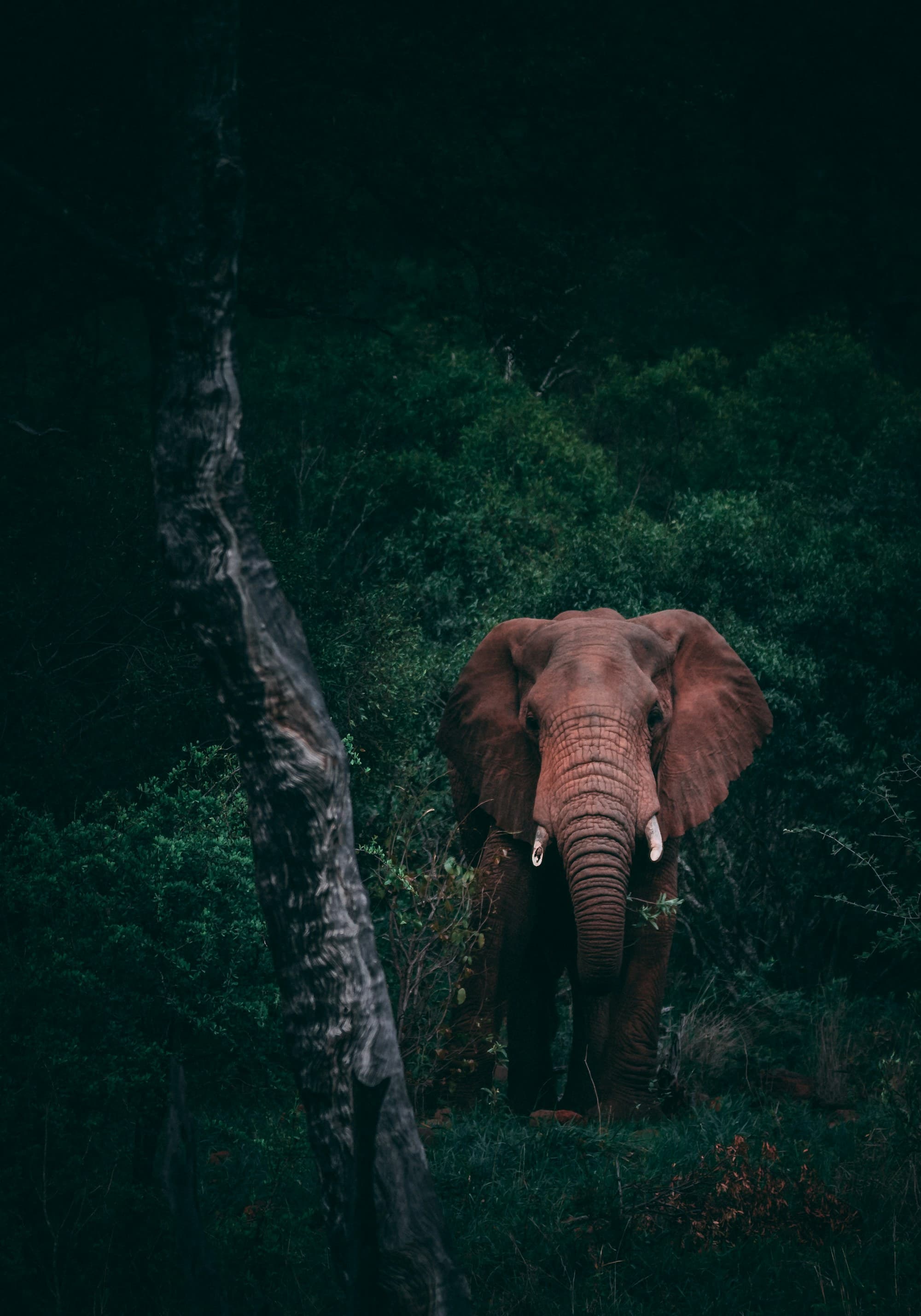
  • Elephant and buffalo along the channel shore
  • Nile crocodiles basking on the channel banks
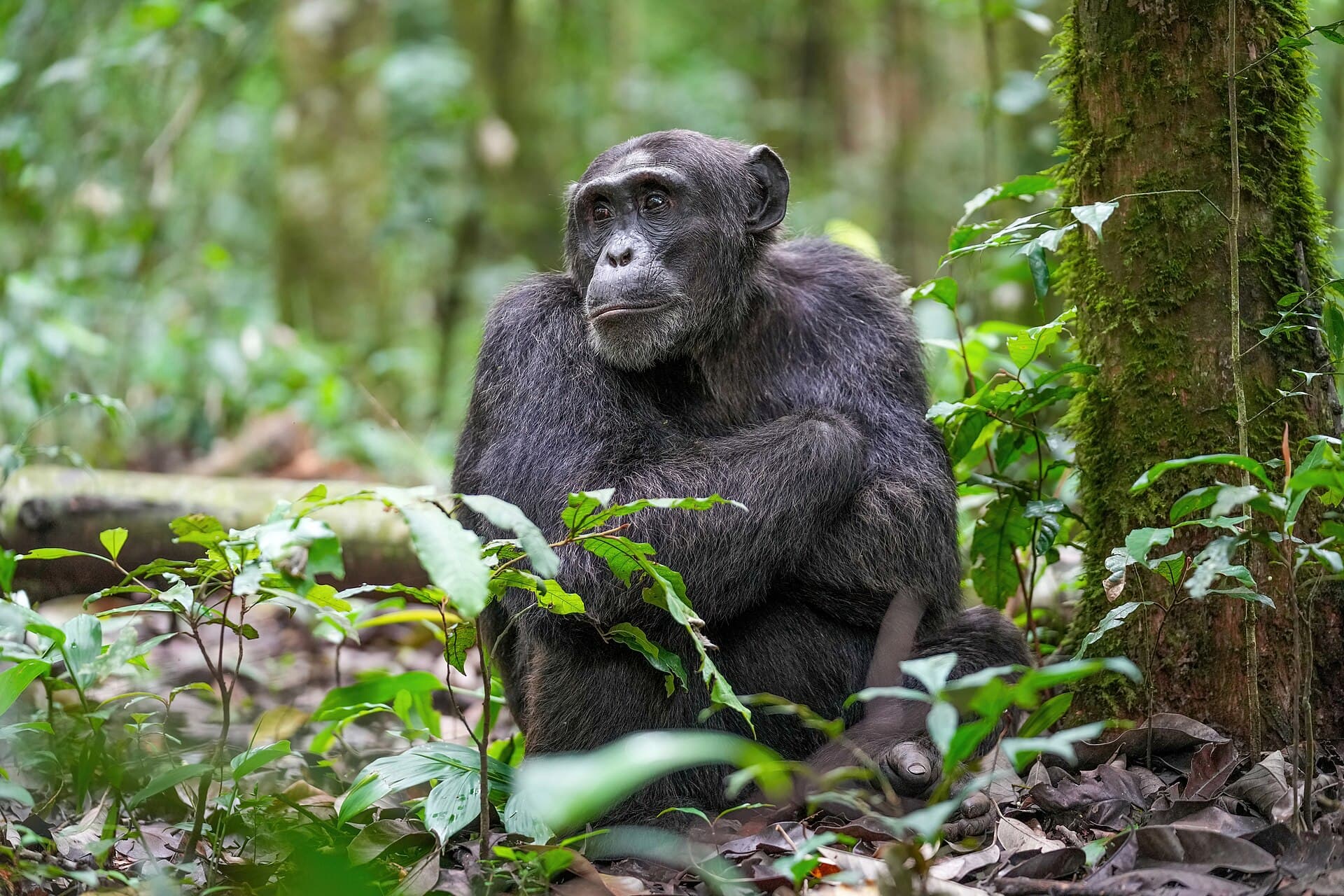
  • Chimpanzees in Kyambura Gorge
  • Topi on the Ishasha grasslands
  • Leopard, spotted hyena and banded mongoose
  • 600+ bird species, from pelicans and skimmers to papyrus specialists

Season

Best Time to Visit

  1. January
  2. February
  3. March
  4. April
  5. May
  6. June
  7. July
  8. August
  9. September
  10. October
  11. November
  12. December
June–SeptemberThe longer dry season. Grass is short, animals gather near the channel and the crater lakes, and game drives on the Kasenyi plains are at their most productive.
December–FebruaryA second dry spell, warm and often hazy. Wildlife viewing stays good, and the drive south to Ishasha is at its easiest.
March–May and October–NovemberThe rains green the plains and bring migrant birds, but some tracks turn to mud, especially in Ishasha. The Kazinga Channel launch runs in every season, so the boat trip is never off the table.

Queen Elizabeth National Park

Areas to Know

Kasenyi plains

Open grassland in the north-east of the park, where Uganda kob gather on their breeding grounds and lions hunt them, most visibly in the first hours after dawn. This is classic game-drive country, with buffalo, elephant and warthog in the mix. UWA also runs an experiential lion-tracking outing here alongside the researchers who monitor the prides, one of several research-style activities listed separately in its tariff.

Best for: Dawn game drives and lions

Mweya Peninsula and the Kazinga Channel

The Kazinga Channel is a natural waterway of about 40 km joining Lake Edward and Lake George, with the Mweya Peninsula rising above it. UWA’s launch trip lasts about two hours and carries up to 40 people, cruising close to banks where hippos pack the shallows, buffalo and elephant come down to drink and crocodiles, pelicans and kingfishers line the shore. Under UWA’s previous tariff (July 2024–June 2026) the launch cost US$30 per foreign non-resident; that schedule has expired, so the current rate must be confirmed, and we check it when we book. Smaller private boats can often be arranged for more space.

Best for: A relaxed afternoon boat safari and bird photography

Kyambura Gorge

A forested gorge sunk into the savanna on the park’s eastern side, home to a small habituated chimp community. Tracking here costs less than in Kibale but the odds are lower, since the group is small and ranges along the river; think of it as a dramatic forest walk with a chance of chimps. If chimps are a priority, our chimpanzee trekking comparison sets out the options.

Best for: A chimp chance without a detour to Kibale

Craters, Katwe and Maramagambo

North of the channel, a drive around the Katwe explosion craters takes in crater rims, small lakes and, on clear days, the Rwenzori Mountains on the horizon. At Lake Katwe, salt has been harvested by hand for generations, and a community-led visit shows how the work is done. Maramagambo Forest adds shady walks and forest birds away from the vehicles.

Best for: Landscapes, culture and a change of scene

Ishasha

The park’s remote southern sector is known for lions that rest in the branches of large fig trees through the heat of the day, black-maned males among them. Sightings are frequent but never certain: the lions choose the trees, not the timetable, and a whole morning can pass with them on the ground. Topi, buffalo and elephant share the open grassland, and the Ishasha River marks the border with the DRC. A night here turns the transfer to Bwindi into a game drive.

Best for: Tree-climbing lions and the route south to Bwindi

Queen Elizabeth National Park

Getting There

By road the park is about 410 km from Kampala, a 7–8 hour drive (UWA), so most visitors arrive from Kibale, 2.5–3 hours to the north, or from Bwindi by way of Ishasha. Scheduled flights serve Kasese, just north of the park, and Mweya itself, which puts the Kazinga Channel minutes from the airstrip; for Ishasha, the nearest airstrip is Kihihi. Inside the park, distances are real: Mweya to Ishasha is a half-day drive.

Drive or fly?

Most travelers drive, because Queen Elizabeth sits in the middle of a road circuit: Kibale above it, Bwindi below and Ishasha as the stepping stone between them. The run south through Ishasha is effectively a game drive, which no flight can replace. Flying into Mweya makes sense on a shorter trip that pairs the park with Bwindi by air. If you are weighing this park against Murchison Falls, our Murchison Falls guide sets the two side by side.

Airstrips & airports

  • Mweya
  • Kasese
  • Kihihi (for Ishasha)

Typical travel times

Kampala to Mweya
About 7–8 hours
Kibale to the Kasenyi plains
About 2.5–3 hours
Mweya to Ishasha
About 2.5–3 hours
Ishasha to Buhoma (Bwindi)
About 2–3 hours

Stays

Where to Stay

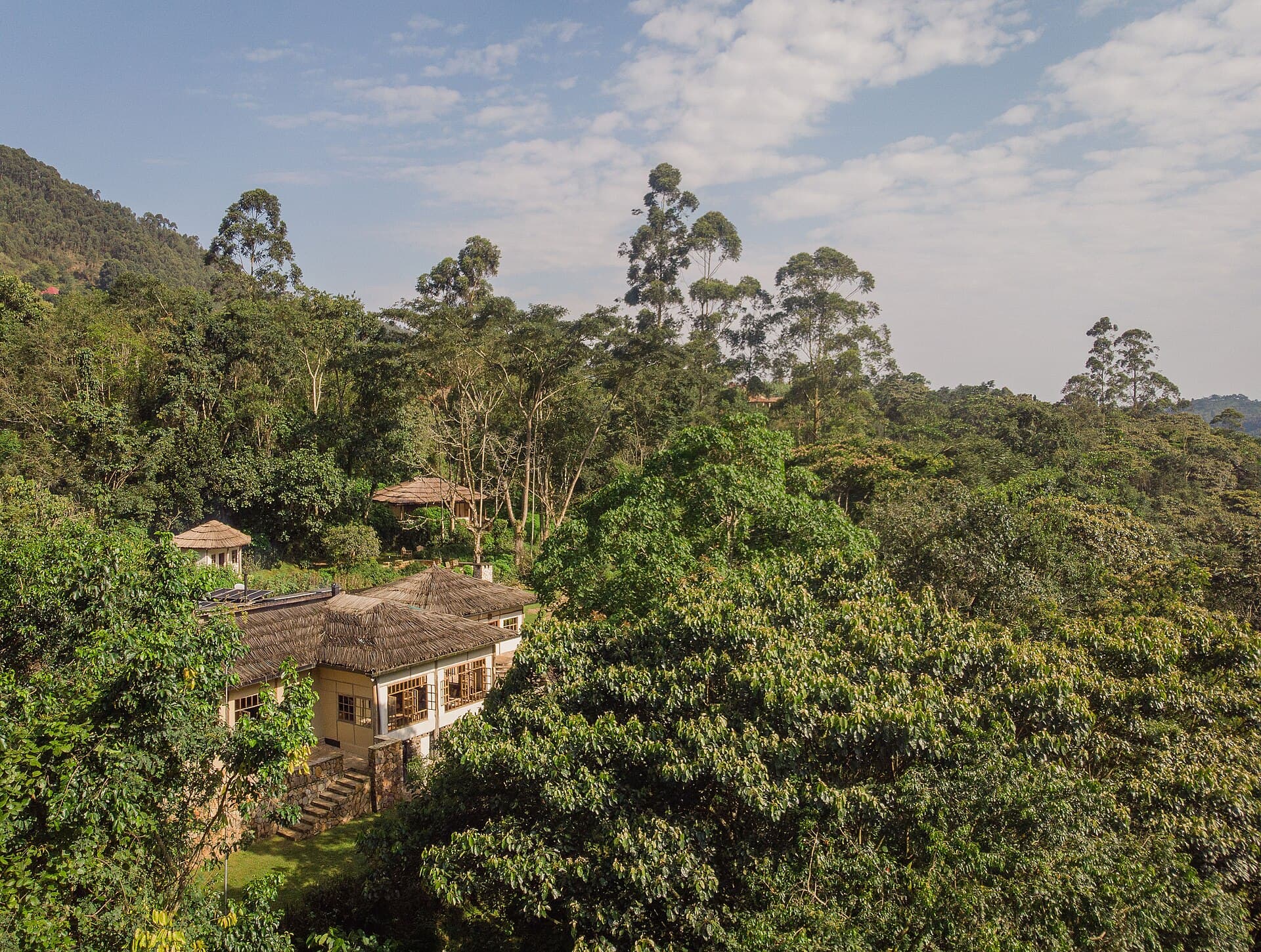
Where you sleep shapes the visit. Mweya Peninsula lodges overlook the channel and put the launch jetty on your doorstep; lodges on the rim of Kyambura Gorge offer space and wide savanna views; luxury tented lodges on the Kazinga Channel add privacy and water views; and Ishasha’s bush camps along the Ishasha River are simple, remote and close to the lion trees. Most routes combine two of these.

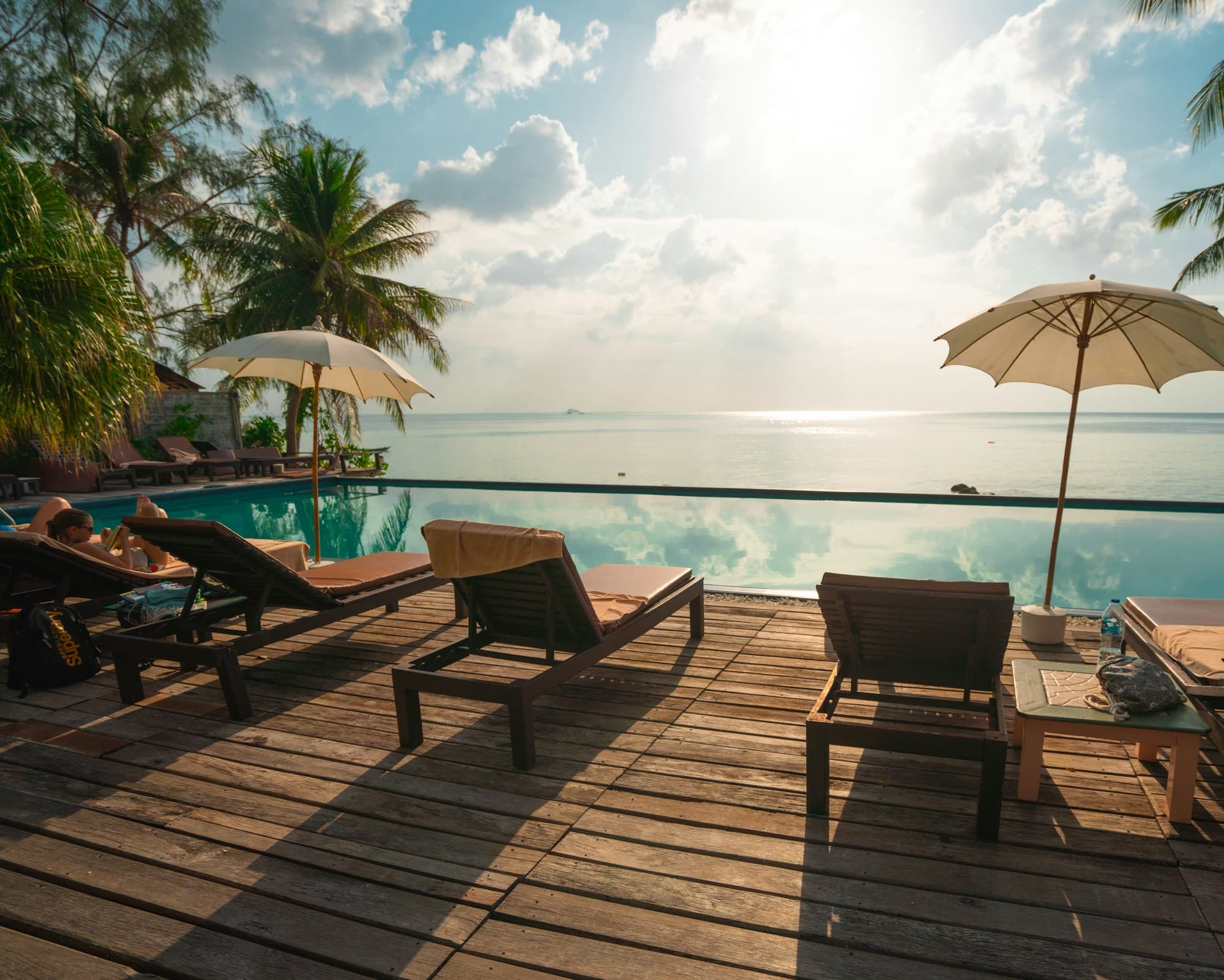
Luxury lodge deck with loungers and umbrellas at golden hourComfort

Queen Elizabeth · Mweya Peninsula

Peninsula Lodge · Mweya

Lodge

Lodges on the Mweya Peninsula sit between the Kazinga Channel and Lake Edward, with wide water views, a pool and the launch jetty just down the hill. Warthogs and banded mongooses wander the grounds, and the Kasenyi plains are an easy early-morning drive away.

  • Views over the Kazinga Channel and Lake Edward
  • Pool for the hot middle of the day
  • Close to the Kazinga launch jetty
  • Easy dawn access to the Kasenyi plains

Ideal for: Families and first-time visitors who want water views and short hops to the channel
Luxury lodge deck with loungers and umbrellas at golden hourPremium

Queen Elizabeth · Kyambura

Gorge-Edge Lodge · Kyambura

Lodge

On high ground near the Kyambura Gorge, stylish lodges look across the savanna of Queen Elizabeth toward the Rwenzori on clear days. They are handy for the gorge’s chimp tracking in the morning and the Kazinga launch in the afternoon, with a quieter, more design-led feel than the peninsula.

  • Rooms or bandas with savanna views
  • Close to the Kyambura Gorge trailhead
  • Short drive to the Kazinga Channel
  • Sundowners on the terrace

Ideal for: Travelers who want style, space and a view over the plains

A canvas safari tent set among trees at a private tented campLuxury

Queen Elizabeth · Kazinga Channel

Channel-Side Luxury Tents · Kazinga

Tented camp

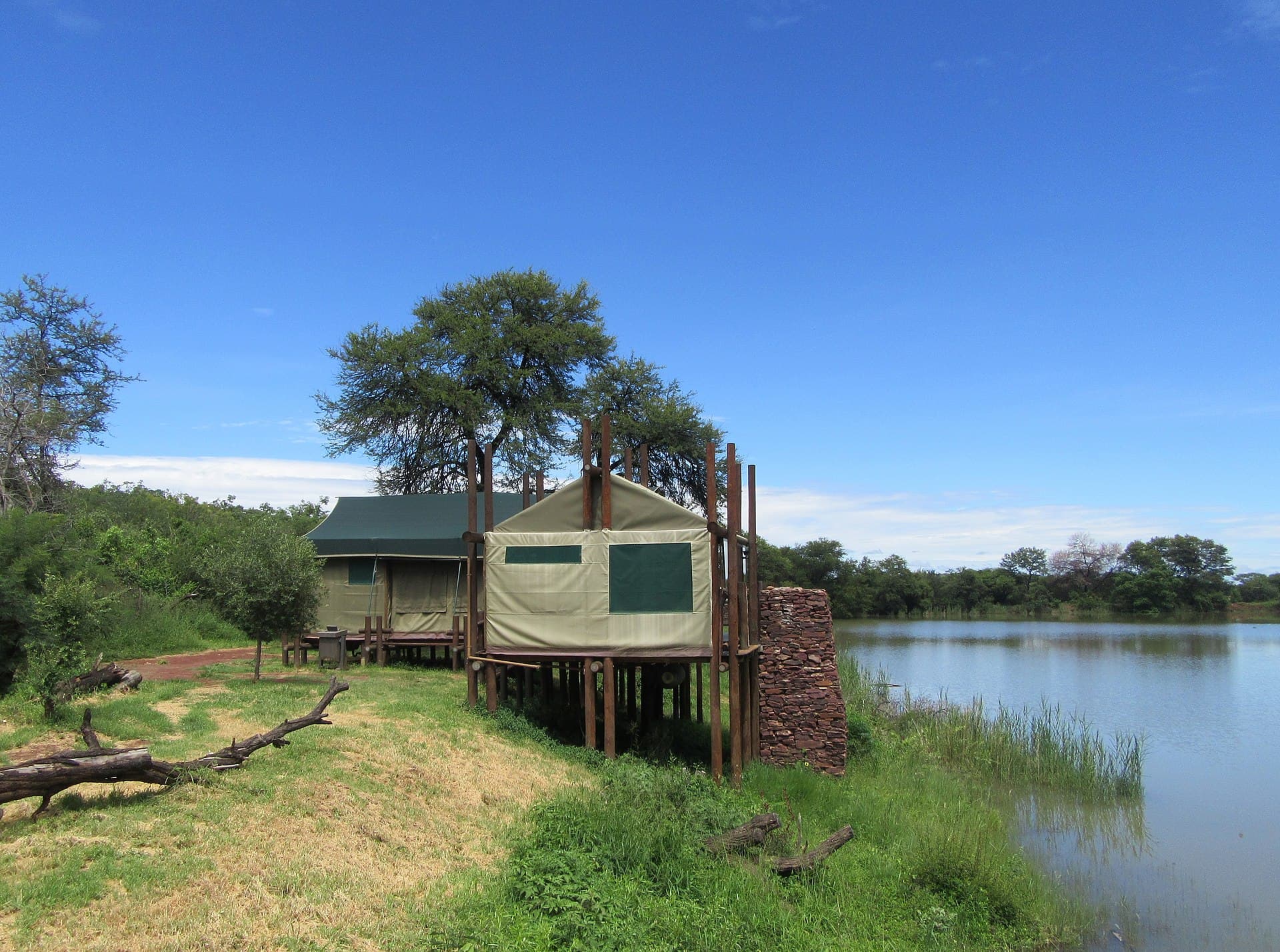
Large tents on decks above the Kazinga Channel give you front-row views of hippos, buffalo and elephants at the water’s edge. Evenings are unhurried, with sundowners over the channel and dinner under the stars, and the pace feels far removed from the busier peninsula.

  • Spacious tents with private decks over the water
  • Hippos and elephants often visible from camp
  • Sundowners and private dining by the channel
  • Easy access to the Kasenyi plains

Ideal for: Couples who want the channel’s wildlife from their own veranda

A canvas safari tent set among trees at a private tented campComfort

Queen Elizabeth · Ishasha sector

Simple Bush Camp · Ishasha

Bush camp

Small, simple bush camps in the Ishasha sector keep you among the fig trees rather than hours away. Tents are basic but comfortable, the evenings quiet and dark, and staying in the sector gives you both a late-afternoon and an early-morning drive to look for the tree-climbing lions.

  • Tents with en-suite facilities
  • Inside the Ishasha sector for dawn and dusk drives
  • Few other guests and very little traffic
  • Campfire dinners under dark skies

Ideal for: Travelers who want to stay close to Ishasha’s lions without paying for polish

A canvas safari tent set among trees at a private tented campLuxury

Queen Elizabeth · Ishasha River

Riverside Tented Camp · Ishasha

Tented camp

Spacious tents along a wooded stretch of river in the Ishasha sector look out over water where hippos grunt through the night. The camp feels secluded and relaxed, with good food and service, and it turns the stop between the savanna and Bwindi into one of the most memorable nights of the trip.

  • Large tents facing the river
  • Hippos and birdlife from your veranda
  • Bush dinners and sundowners
  • Dawn and dusk drives among the fig trees

Ideal for: Travelers who want a peaceful, remote riverside night between the plains and the forest

Experiences

Experiences

Chimpanzee resting in the Kibale Forest canopy

Primates

Chimpanzee Trekking in Uganda

Follow a chimpanzee community through Kibale’s forest, Kyambura’s sunken gorge or Budongo’s mahogany stands, then spend an hour among them once they are found.

Safaris

Safaris That Go Here

Safari boats on the Kazinga Channel in Queen Elizabeth National Park
12 daysMost complete

Complete Uganda

Ziwa Rhino Sanctuary · Murchison Falls · Kibale Forest · Queen Elizabeth NP · Ishasha · Buhoma · Lake Mburo

Travelers with close to two weeks who want primates, savanna and the Nile, and are happy with a few long road days

Best months
June–September and December–February
Comfort levels
Comfort · Premium · Luxury
Individually quoted
Elephant emerging from the shadows of a dense forest
10 daysFor birders

Uganda Birding

Mabamba Swamp · Lake Mburo · Ruhija · Buhoma · Queen Elizabeth NP · Kibale Forest

Keen birders and bird photographers who want a private guide, early starts and time to find their targets

Best months
November–March
Comfort levels
Comfort · Premium
Individually quoted

Good to know

Frequently asked questions

Will I see the tree-climbing lions in Ishasha?

Possibly, but nobody can promise it. The Ishasha prides often climb fig trees in the heat of the day, and a guide who knows their favorite trees improves your chances. A full night in Ishasha, with an afternoon and a morning drive, gives you two attempts rather than one.

How long is the Kazinga Channel boat trip?

UWA’s launch takes about two hours and is shared, with space for up to 40 passengers. Private boats may be available for smaller groups at a higher cost. An afternoon departure fits neatly after a morning game drive on the Kasenyi plains.

Is Queen Elizabeth National Park safe to visit now?

Visitors continue to travel to the park, and arrangements for their security were reviewed after the October 2023 attack. We plan transfers in daylight, follow current US and UK government advice and brief you before departure. Our Is Uganda Safe guide carries the dated detail and sources.

How many days should I spend in Queen Elizabeth National Park?

Two nights covers the Kasenyi plains, a Kazinga Channel launch and a drive around the craters; three lets you add Kyambura Gorge or a research activity. Add a night in Ishasha if you want a real chance at the tree-climbing lions, especially if you are continuing to Bwindi.

What is the best time to visit Queen Elizabeth National Park?

The drier months, June–September and December–February, bring shorter grass and animals closer to water. The park is open all year and the boat trips run in every season; the rains mainly affect the dirt roads, particularly around Ishasha.

Virunga volcanoes rising over lodge rooftops and farmland

Start With Your Dates

Tell us when you would like to travel, who is coming and how many gorilla days you want. We check permit availability first, then design a private Uganda journey around it, with nothing booked until you approve.

Plan my safari here