Destination guide

Gonarezhou National Park Safaris

Zimbabwe’s remote southeast: sandstone cliffs above the Runde River, more than 11,500 elephants and long days when you may meet no other vehicle.

SizeAbout 5,053 km² (about 1.25 million acres), Zimbabwe’s second-largest park
Best timeMay–October; September–October for waterhole viewing in the heat
ClosuresPark closed 10 January–1 March; remote camps closed late November–March/April
Recommended stay3–4 nights
Getting thereAbout 1 hour by road from Chiredzi; light aircraft via Buffalo Range Airport
Managed byGonarezhou Conservation Trust (ZimParks & Frankfurt Zoological Society)

Gonarezhou National Park

Why Visit

Gonarezhou National Park covers about 5,053 km² of Zimbabwe’s far southeast, stretching from the Save River in the north to the Mwenezi in the south and sharing some 100 km of border with Mozambique. Its name is usually translated as “place of elephants”, and it earns it: the Gonarezhou Conservation Trust counts more than 11,500. The signature view is the Chilojo Cliffs, banded red-and-cream sandstone rising above the Runde River and glowing at first and last light.

It is Zimbabwe’s second-largest park, yet it sees far fewer visitors than Hwange or Victoria Falls. Since 1 March 2017 it has been run by the Gonarezhou Conservation Trust, a partnership between ZimParks and the Frankfurt Zoological Society, and it forms part of the Great Limpopo Transfrontier Park, established in 2002 with South Africa’s Kruger and Mozambique’s Limpopo National Park. The Save–Runde confluence, at 162 m, is the lowest point in Zimbabwe.

Getting the calendar right matters more here than anywhere else in the country: the whole park closes to visitors from 10 January to 1 March, and the remote camps usually close from late November until March or April. Three or four nights is the right length, ideally at the end of a road loop from Matobo and Great Zimbabwe, as on the 9-Day Matobo, Great Zimbabwe & Gonarezhou Private Safari.

Best for

  • Returning travelers who want solitude
  • Photographers drawn to the Chilojo Cliffs
  • Combining wildlife with Great Zimbabwe and Matobo
  • Walkers on multi-day trails with private guides

Gonarezhou National Park

Wildlife & Highlights

  • More than 11,500 elephants, often in large herds along the Runde and Save
  • Buffalo, lion and leopard
  • Painted dogs, present but seen only with luck
  • Black rhino, present but rarely seen
  • Nyala and the tiny suni antelope in riverine thickets
  • Hippo and crocodile in the Runde’s pools
  • Zambezi sharks and small-tooth sawfish recorded at the Save–Runde confluence
  • 89 large mammal species and more than 450 bird species

Season

Best Time to Visit

  1. January
  2. February
  3. March
  4. April
  5. May
  6. June
  7. July
  8. August
  9. September
  10. October
  11. November
  12. December
March–JuneThe park reopens on 1 March and the remote camps from March or April as tracks dry out. Green hills, cool mornings and pleasant camping weather, though game is dispersed and grass is long.
July–AugustCool, dry and comfortable, with visibility improving as the bush thins. A fine time for walking and long days along the Runde.
September–NovemberHot and dry, with the best waterhole viewing as animals concentrate on the rivers and remaining pools; midday heat is intense. Remote camps begin closing from late November.
December–FebruaryRains and closures. Remote camps are shut, and the entire park closes to visitors from 10 January to 1 March.

Gonarezhou National Park

Areas to Know

Chilojo Cliffs & the Runde River

The park’s signature landscape: sheer sandstone cliffs running for kilometers above the wide, sandy Runde, with pools that hold hippo and draw elephants down to drink. Exclusive-use bush camps of a handful of tents sit on the river below, and sunrise from the riverbed or the viewpoints along the top is Gonarezhou’s defining photograph.

Best for: Photography and classic Gonarezhou scenery

Chipinda Pools & the central park

Chipinda Pools is the main gate and park headquarters, about 55 km from Chiredzi, and the easiest part of the park to reach. From here, tracks follow the Runde toward the cliffs and loop through mopane and baobab country with good elephant viewing.

Best for: The simplest access and a first taste of the park

The Save River edge

Along the northern boundary, a clifftop lodge on private land looks over the Save River toward the park, with a pool, big views and game drives into Gonarezhou. Downstream, the Save–Runde confluence marks Zimbabwe’s lowest point, at 162 m, where ZimParks has recorded Zambezi sharks and small-tooth sawfish far inland.

Best for: Comfort and views on the park’s edge

Malilangwe (private reserve next door)

Bordering the park, the Malilangwe Wildlife Reserve is a privately protected area with its own conservation trust and, according to that trust, both black and white rhino. Stays here are ultra-luxury, with private-reserve drives and walks, and day excursions into Gonarezhou for the cliffs.

Best for: Ultra-luxury, privacy and rhino conservation

Gonarezhou National Park

Getting There

By road, Gonarezhou is reached from Chiredzi, about 55 km — roughly an hour — from the Chipinda Pools gate; from Great Zimbabwe, allow about 4–5 hours via Chiredzi. Buffalo Range Airport near Chiredzi handles customs and immigration for international charters, and the park’s own airstrips at Chipinda Pools, Mabalauta and Malipati can be used with pre-authorisation requested at least 7 days ahead. There is no direct crossing from Kruger yet: the only route runs through Mozambique via Pafuri and the Sango border, with sand-river crossings, so travelers combining the two usually fly via Johannesburg — see South Africa safaris.

Drive or fly?

Most travelers arrive by road as the last stage of a southern loop, crossing the lowveld’s sugar-cane estates around Chiredzi. Fly if Gonarezhou is a stand-alone trip or you are short on time: a light aircraft to Buffalo Range, then about an hour by road, or with pre-authorisation straight to a park airstrip. Leaving by air from Buffalo Range also saves the long drive back west.

Airstrips & airports

  • Buffalo Range Airport (BFO), Chiredzi
  • Chipinda Pools
  • Mabalauta
  • Malipati

Typical travel times

Chiredzi to Chipinda Pools
About 1 hour (about 55 km)
Great Zimbabwe to Chipinda Pools
About 4–5 hours
Buffalo Range Airport to Chipinda Pools
About 1 hour

Stays

Where to Stay

There are three ways to stay. Exclusive-use bush camps of a few tents on the Runde, below the Chilojo Cliffs, come with a private guide and vehicle. A clifftop lodge above the Save River offers comfort, a pool and big views on the park edge. Next door, the Malilangwe reserve adds ultra-luxury and private drives. Bush-camp rates in the park are typically for accommodation only, with conservation fees, community levies and vehicle fees charged separately.

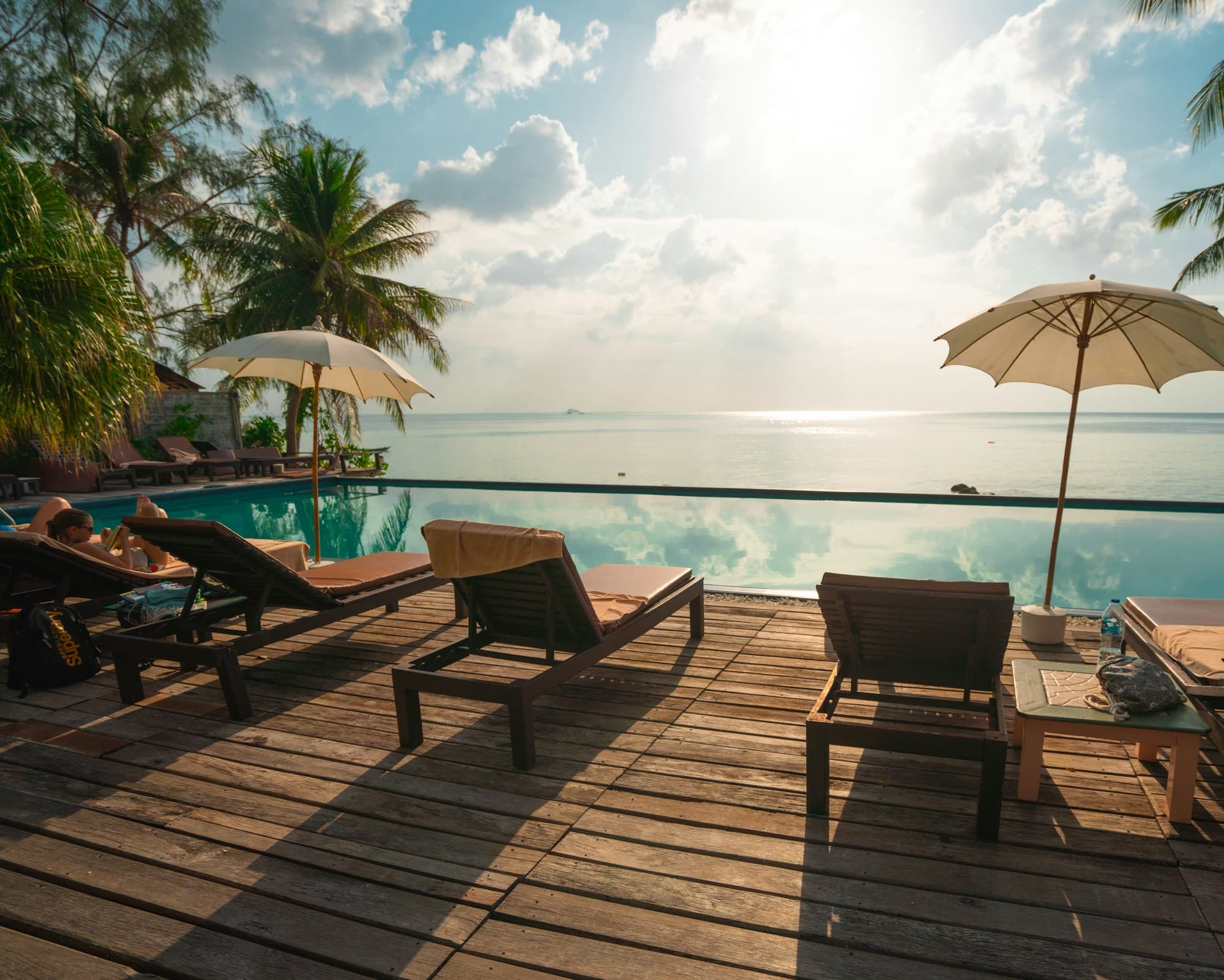
Luxury lodge deck with loungers and umbrellas at golden hourPremium

Gonarezhou · Save River edge

Save River Clifftop Lodge

Lodge

On the northern edge of Gonarezhou, a lodge in this style sits high on cliffs above the Save River, with chalets looking down over the wide sand river and the lowveld beyond. It pairs comfortable rooms and a pool with drives into the park, making a gentler introduction to the remote southeast.

  • Chalets on the cliff edge above the Save River
  • Pool and viewing deck
  • Game drives into northern Gonarezhou
  • Set in a conservancy on the park boundary

Ideal for: Travelers who want Gonarezhou’s wildness with lodge comforts and dramatic river views
A canvas safari tent set among trees at a private tented campLuxury

Gonarezhou · Runde River & Chilojo Cliffs

Runde River Exclusive Bush Camp

Bush camp · Typically closed late November–March; the park closes to visitors 10 January–1 March

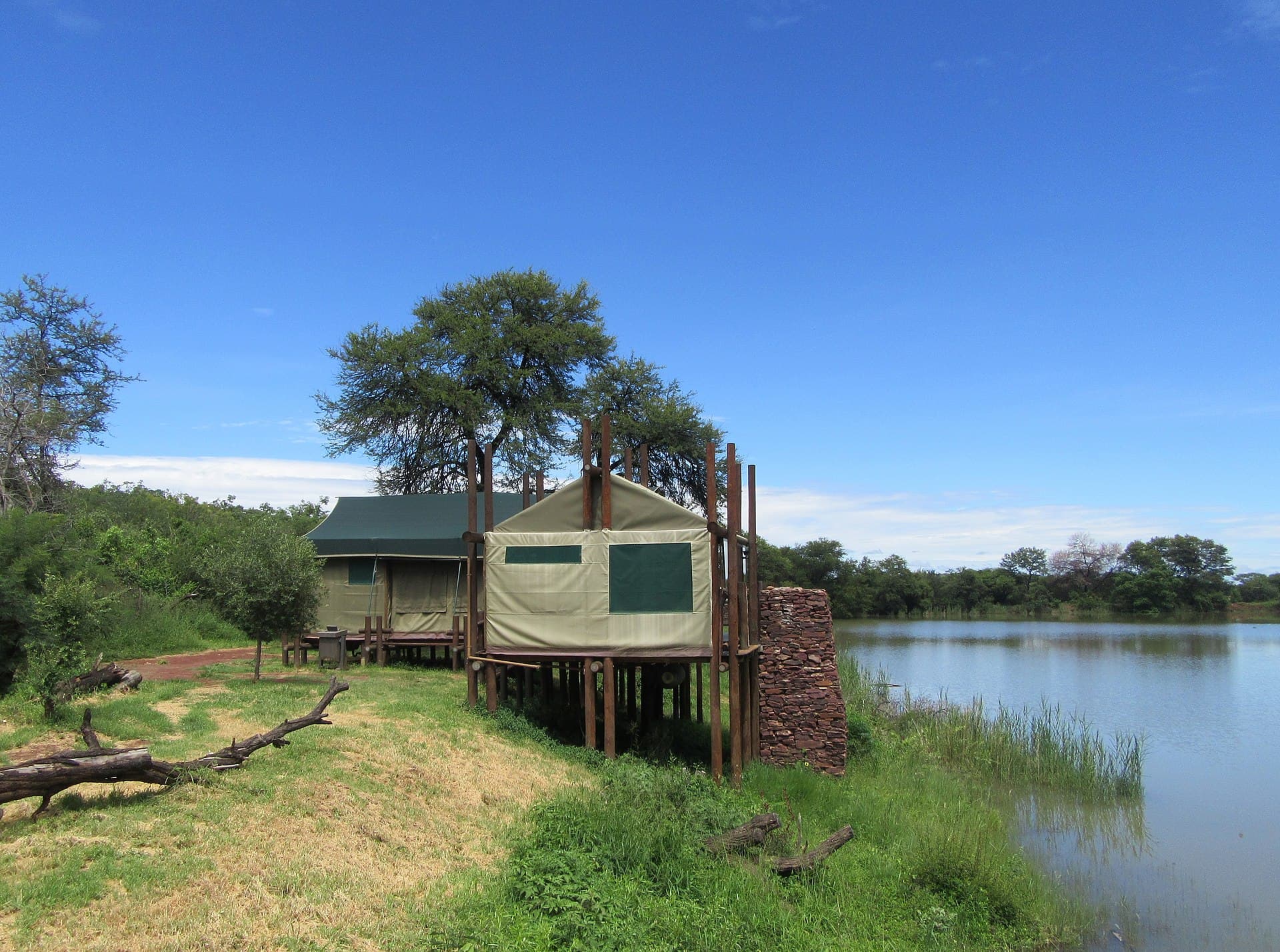
Small bush camps on the Runde River, typically about six Meru-style tents booked by one group at a time, face the red wall of the Chilojo Cliffs. Your own guide, vehicle and camp team run the days around you, with riverbed drives, walks and long evenings by the fire with no other travelers in sight.

  • Exclusive use of the whole camp
  • Private guide and vehicle
  • Views of the Chilojo Cliffs
  • Walks and riverbed drives

Ideal for: Adventurous couples, families and friends who want a whole camp and a wild park to themselves

Luxury lodge deck with loungers and umbrellas at golden hourUltra-Luxury

Gonarezhou · Malilangwe private reserve

Malilangwe Private Reserve Lodge

Lodge

Next to Gonarezhou, the private Malilangwe reserve offers a small number of very private suites and villas, where drives, walks and boating are reserved for lodge guests across a large conservation area. Service, food and design sit at the very top of the market, and the reserve’s conservation and community work can become part of your visit.

  • Very private suites or villas, many with plunge pools
  • Drives and walks reserved for lodge guests
  • Spa and fine dining
  • Conservation and community projects to visit

Ideal for: Honeymooners and travelers who want the ultimate in privacy and comfort in Zimbabwe’s lowveld

Experiences

Experiences

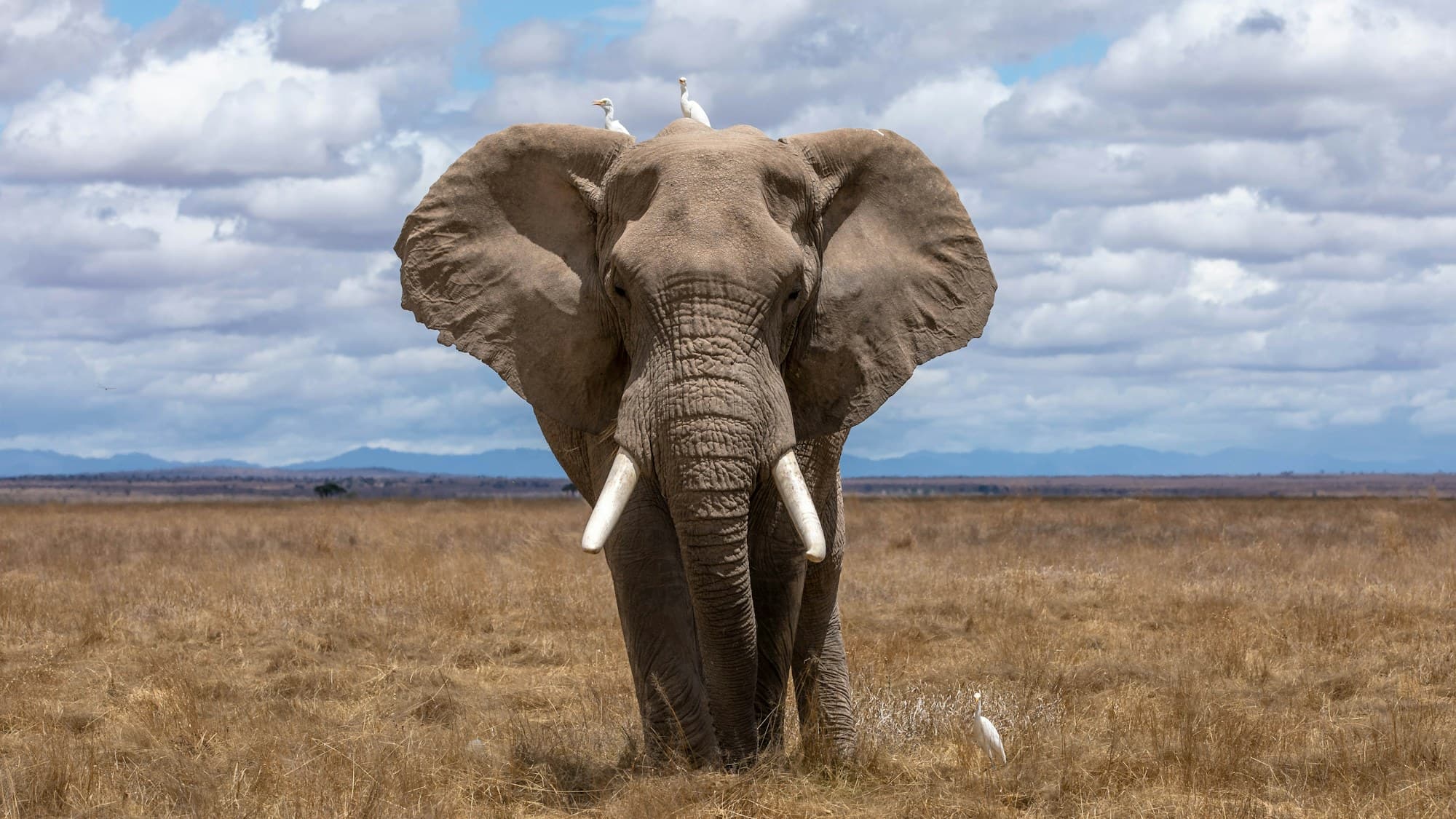
Elephant with white egrets standing front-on in open grassland under a wide sky

On foot

Walking Safaris in Zimbabwe

Walk the bush with some of Africa’s most rigorously trained guides, from Mana Pools’ floodplain to the rhino country of Matobo.

Culture

Great Zimbabwe

Walk through the stone city that gave Zimbabwe its name, built by Shona ancestors between the 11th and 15th centuries.

Safaris

Safaris That Go Here

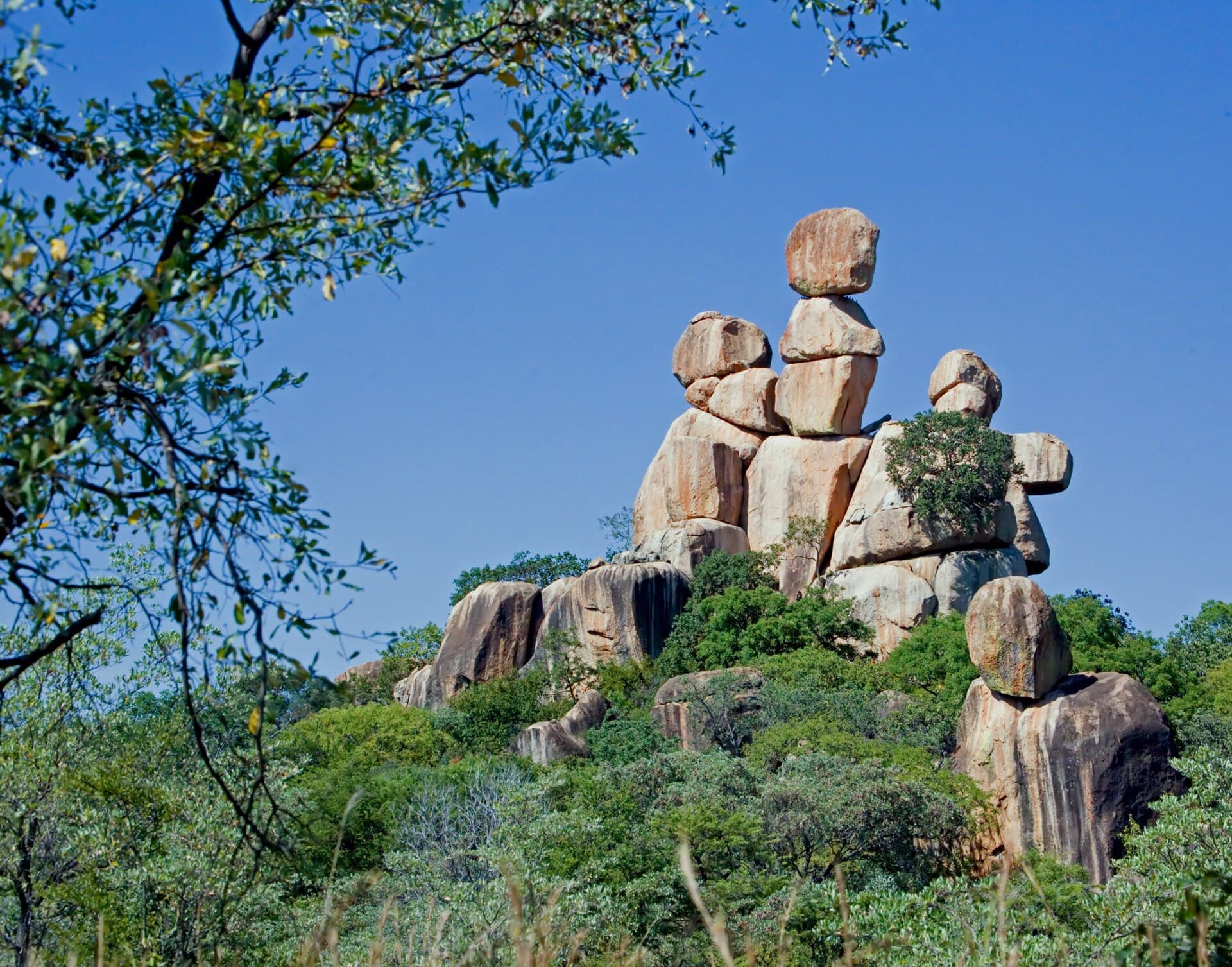
Balancing granite boulders of the Matobo Hills
9 daysSouthern Zimbabwe

Rhinos, Ruins & Red Cliffs

Bulawayo · Matobo Hills · Great Zimbabwe · Gonarezhou · Buffalo Range Airport

Returning safari travelers and culture-minded couples who want history, rhino on foot and a genuinely remote park

Best months
April–October
Comfort levels
Premium · Luxury · Ultra-Luxury
Individually quoted

Good to know

Frequently asked questions

When is Gonarezhou National Park closed?

The whole park closes to visitors from 10 January to 1 March each year, and the remote camps usually close from late November until March or April. The most reliable months are May to October.

Are Gonarezhou’s elephants aggressive?

They once had that reputation, a legacy of years of poaching, but behavior has improved markedly and most encounters are relaxed. Herds can still be nervous around vehicles, which is why an experienced guide who reads body language and gives space matters here.

Can you drive from Kruger to Gonarezhou?

Not directly. Although both parks belong to the Great Limpopo Transfrontier Park, there is no direct tourist crossing yet. The road route runs through Mozambique via Pafuri and the Sango border over sand rivers, so most travelers fly between the two via Johannesburg.

How many days do you need in Gonarezhou?

Three nights is the minimum for a remote park that takes effort to reach, and four lets you explore both the Chilojo Cliffs and the southern or Save River sections without rushing.

What is the difference between Gonarezhou and Malilangwe?

Gonarezhou is a vast national park run by the Gonarezhou Conservation Trust, wild and lightly visited. Malilangwe is a smaller private reserve next door, with ultra-luxury stays, private drives and a strong focus on rhino conservation. Some travelers stay at Malilangwe and make day trips into the park.

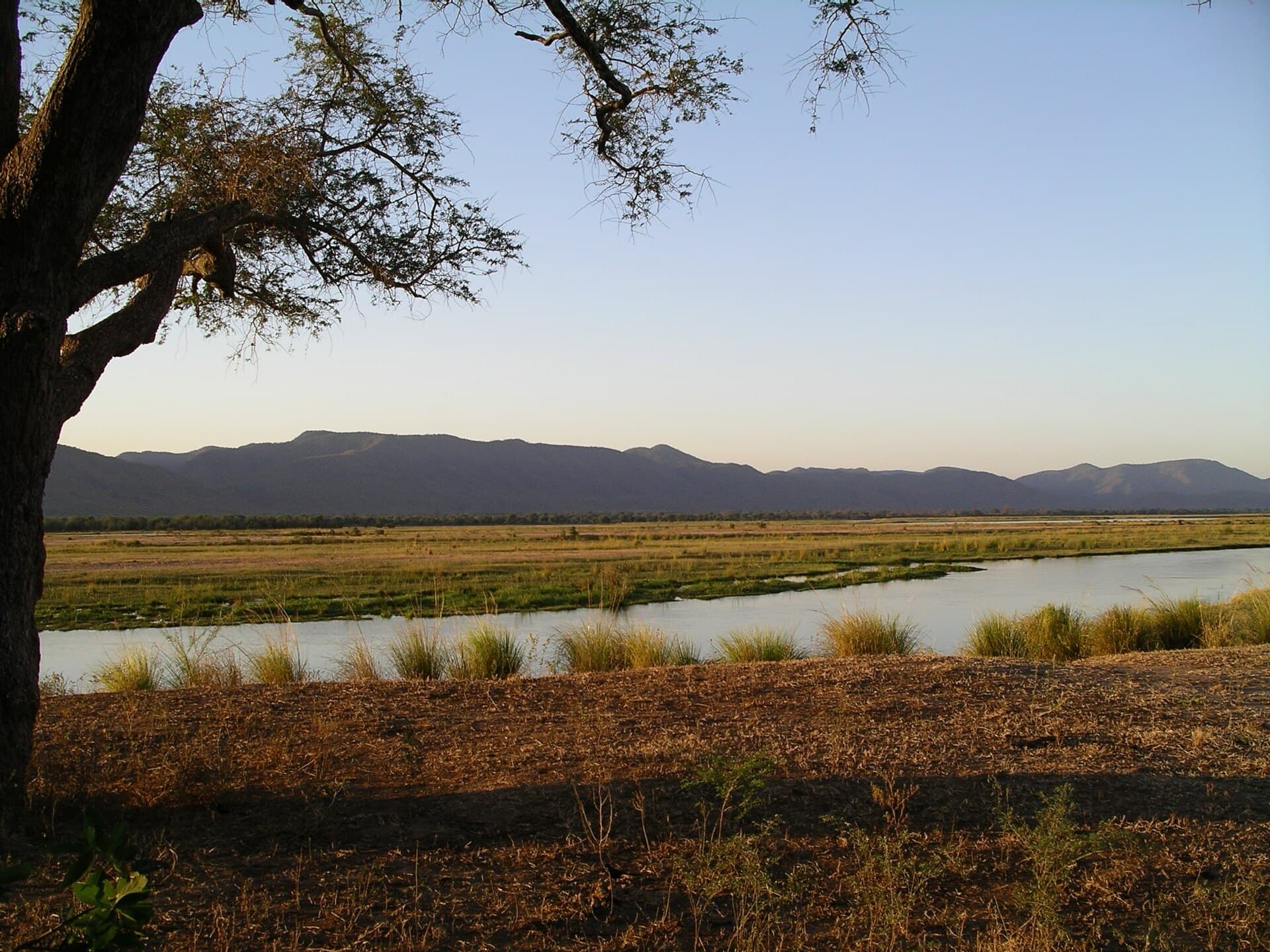
Floodplain and mountains of Mana Pools at dusk

Start With Your Dates

Tell us when you can travel, who is coming and whether you picture the falls, a canoe on the Zambezi or rhino tracks in the Matobo Hills. We’ll design a private Zimbabwe journey around it, and nothing is booked until you approve it.

Plan my safari here