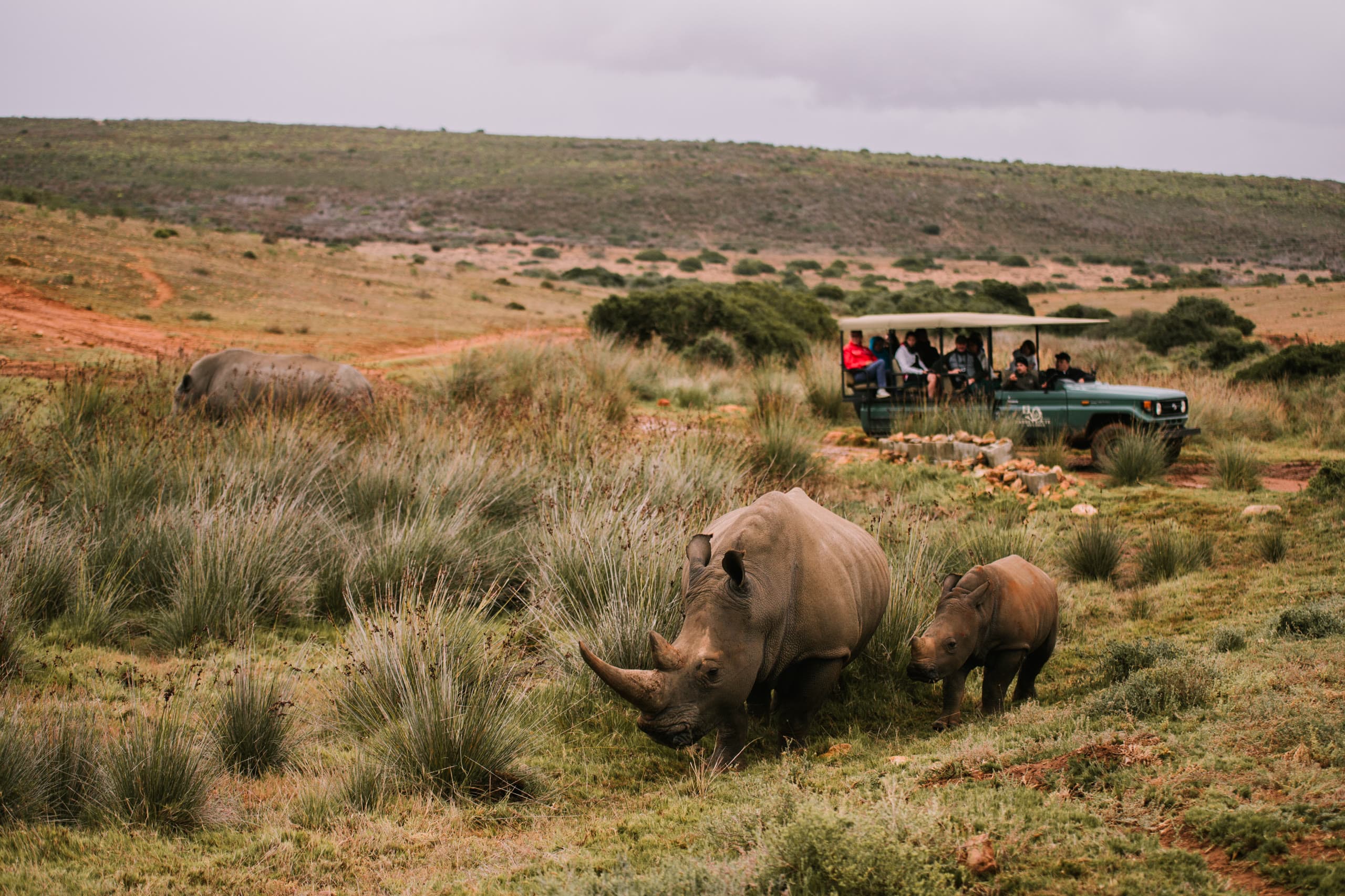
Two white rhinos grazing as guests watch from a safari vehicle in a private conservancy

Destination guide

Laikipia Safari: Ol Pejeta, Lewa & the Private Conservancies

A high, cool plateau on the equator beneath Mount Kenya, where private ranches and community lands became Kenya’s strongest refuge for rhinos.

SizeLaikipia County about 8,700 km²; Ol Pejeta 360 km²; Lewa about 250 km² with Ngare Ndare Forest
AltitudeAbout 1,700–2,000 m; warm days, cool mornings and evenings
Best timeJune–October and late December–March, the dry seasons
Recommended stay3 nights; 4–5 with riding, walking or a helicopter day
Getting thereAbout 1 hour by air from Wilson to Nanyuki, Lewa or Loisaba; 3.5–4 hours by road to Nanyuki
Known forBlack and white rhino, Grevy’s zebra and exclusive-use houses

Laikipia, Ol Pejeta & Lewa

Why Visit

A Laikipia safari takes you onto a broad plateau north-west of Mount Kenya, straddling the equator at about 1,700–2,000 m. There are no national parks here. Instead, Laikipia County’s roughly 8,700 km² is a patchwork of cattle ranches, private conservancies and community lands where wildlife moves freely, with Lewa just over the county line in Meru. Nights are cool, the air is clear, and on a fine morning the jagged peaks of Mount Kenya fill the eastern skyline.

This is where Kenya’s private-land conservation model took shape. From the 1980s, ranchers and communities began setting land aside for wildlife, starting with fenced sanctuaries at a time when poaching had pushed black rhino to the brink. Today Ol Pejeta and Lewa hold a large share of the country’s black rhinos, and Ol Pejeta shelters Najin and Fatu, the last two northern white rhinos on Earth, both female. Many ranches still run cattle alongside lions and elephants, and tourism revenue helps pay for the ranger teams that protect them.

Because the land is private, each property sets its own rules. That opens up what many travelers come for: walking with Samburu or Maasai guides, riding among zebra and giraffe, camel-supported treks, night drives and, from some ranches, helicopter days to the far north. Laikipia pairs naturally with the arid reserves of Samburu and with a Mara conservancy, the route of the 10-Day Samburu, Laikipia & Masai Mara Private Safari.

Best for

  • Seeing black and white rhino, including the last northern whites
  • Walking, riding and camel treks on private land
  • Families who want space, cool weather and a house of their own
  • Returning travelers looking beyond the classic parks
  • Pairing with Samburu or a Mara conservancy

Laikipia, Ol Pejeta & Lewa

Wildlife & Highlights

  • Black rhino, with some of Kenya’s largest populations on Ol Pejeta and Lewa
  • Southern white rhino, and Najin and Fatu, the last two northern whites, at Ol Pejeta
  • Grevy’s zebra, with the largest single population on Lewa
  • Reticulated giraffe, beisa oryx and gerenuk on the drier northern ranches
  • Lion, leopard, cheetah and African wild dog on the larger conservancies
  • Elephant herds moving between the ranches and the Mount Kenya forests
  • Rescued chimpanzees at Ol Pejeta’s Sweetwaters sanctuary, the only place in Kenya to see them
  • Striped hyena, aardwolf and bat-eared fox on night drives, with luck

Season

Best Time to Visit

  1. January
  2. February
  3. March
  4. April
  5. May
  6. June
  7. July
  8. August
  9. September
  10. October
  11. November
  12. December
Late December–MarchDry and warm by day, cool at night. Clear air makes this one of the best windows for Mount Kenya views, and for long walks and rides before the heat builds on the lower northern ranches.
April–MayThe long rains, usually lighter than in the south but enough to green the plateau and pause some fly camps. Several lodges stay open, and the landscape is at its most beautiful.
June–OctoberThe main dry season and peak time for walking, riding and camel-supported treks. Mornings can be surprisingly cold in June and July, and game concentrates near rivers and dams.
November–early DecemberThe short rains, usually as afternoon showers. Wildlife viewing stays good and visitor numbers are low, though some walking outfits wait until mid-December to restart.

Laikipia, Ol Pejeta & Lewa

Areas to Know

Ol Pejeta Conservancy

West of Nanyuki, on the equator between the Aberdares and Mount Kenya, Ol Pejeta covers 360 km² of open plains and whistling-thorn. It is the most accessible of the Laikipia conservancies, with a large black rhino population, an enclosure guarding the two northern white rhinos and the Sweetwaters sanctuary for rescued chimpanzees. Day visitors are allowed, so it feels busier than the private ranches, but it suits families and rhino-focused first visits well.

Best for: Rhinos, easy access and family stays

Lewa & Ngare Ndare Forest

On the plateau’s eastern edge, Lewa grew out of a rhino sanctuary founded in 1983 and now covers about 250 km², including the Ngare Ndare Forest with its waterfalls and pools. It holds more than a tenth of Kenya’s eastern black rhinos and the largest single population of Grevy’s zebra, around 350 animals, and forms part of the Mount Kenya World Heritage Site. Rhino tracking and walking safaris are central to a stay here.

Best for: Rhino tracking, Grevy’s zebra and forest walks

Private ranches of the central plateau

Borana, Loisaba, Segera, Ol Jogi and other family-run or trust-owned ranches cover much of central and northern Laikipia. Each hosts only a few guests, usually in one lodge or a handful of exclusive-use houses, and each has its own emphasis: stables of horses for riding safaris on one, star beds or camel treks on another, research and translocations on a third. Several are also bases for helicopter safaris to the Suguta Valley and Lake Logipi.

Best for: Exclusive use, riding and multi-activity stays

Community conservancies of the north

Toward the plateau’s northern edge, Maasai and Samburu communities such as Il Ngwesi run conservancies with community-owned lodges, walking with local guides and a slower, more personal pace. Some of these lands border the pastoral areas where security was unsettled in 2026, so we confirm current conditions and routing with partners on the ground before recommending a stay.

Best for: Community-run lodges and cultural walks

Laikipia, Ol Pejeta & Lewa

Getting There

Most travelers fly: scheduled light aircraft from Wilson reach Nanyuki, Lewa and Loisaba in about an hour, and the private ranches have their own strips for charters. By road, the tarmac route north through Karatina and Naro Moru reaches Nanyuki in about three and a half to four hours, with the Aberdares to the west and Mount Kenya to the east. Samburu is about 1.5–2 hours’ drive north of Lewa, and the Mara is a scheduled flight away, usually on a Mara-bound hop.

Drive or fly?

The drive up from Nairobi is one of Kenya’s more rewarding road journeys: farmland and market towns, the forested Aberdares on one side and Mount Kenya on the other, and a stop at the equator sign near Nanyuki. It works well for Ol Pejeta. For the remote ranches, where the final stretch can be two hours of rough track, flying saves most of a day, and it is the only sensible way to link Laikipia with the Mara conservancies.

Airstrips & airports

  • Nanyuki
  • Lewa
  • Loisaba
  • Private ranch strips (charter)

Typical travel times

Nairobi to Nanyuki
About 3.5–4 hours
Nanyuki to Ol Pejeta
About 30 minutes
Lewa to Samburu
About 1.5–2 hours
Wilson Airport to Nanyuki or Lewa
About 1 hour by air

Stays

Where to Stay

Laikipia’s stays are defined by their land rather than their tents: a riverside tented camp on Ol Pejeta, a family-run ranch lodge where your hosts may join you for dinner, or an exclusive-use house with its own guide, vehicle and horses. For the adventurous, camel-supported fly camps move through the northern borderlands in the dry seasons. Capacity is small everywhere, so the best places fill early for July–September and the festive weeks.

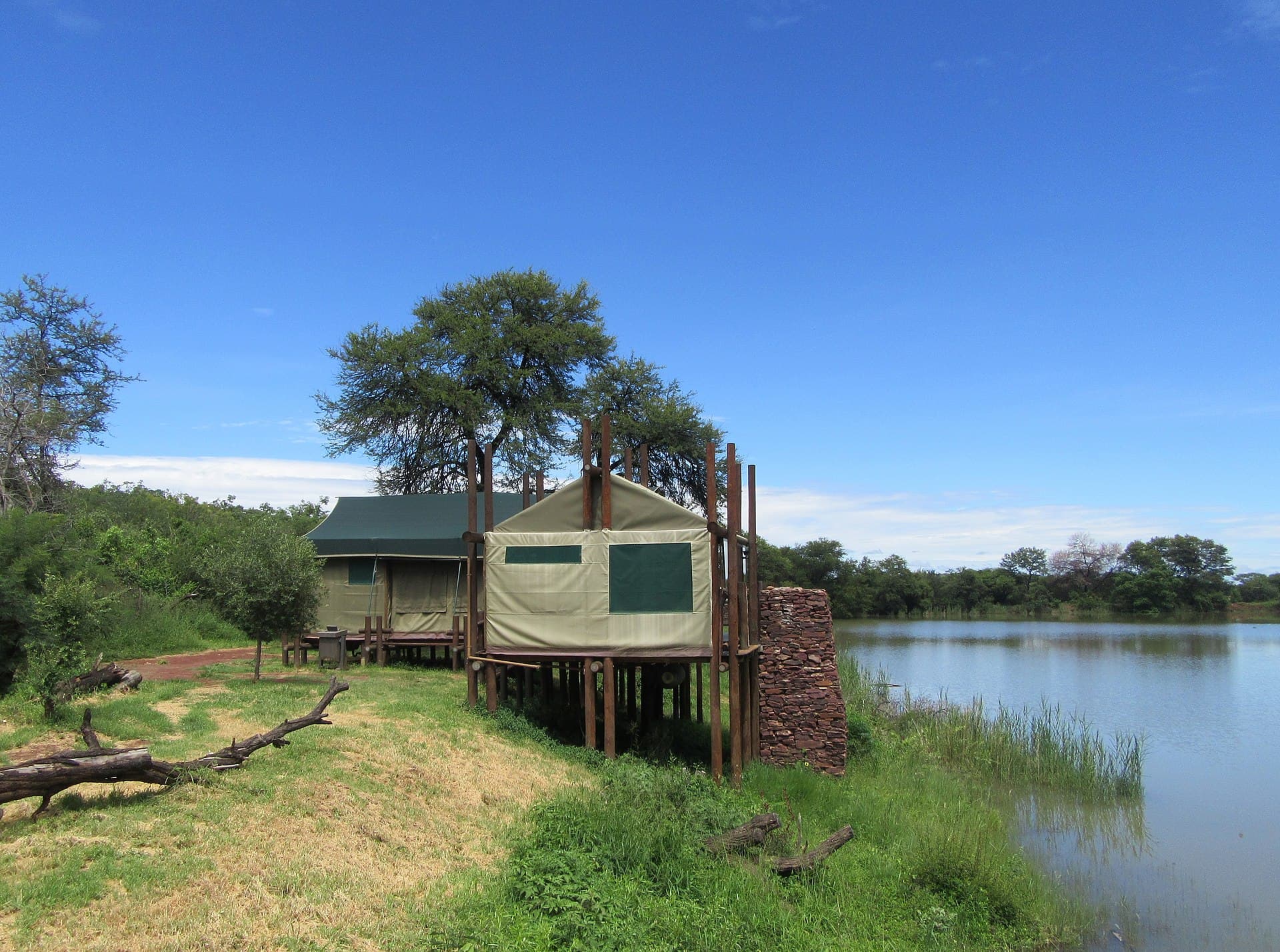
A canvas safari tent set among trees at a private tented campPremium

Laikipia · Ol Pejeta & neighbouring conservancies

Rhino-Country Tented Camp

Tented camp

Comfortable tented camps beside a river or open plains on Ol Pejeta and its neighbours, where black and white rhinos, lions and big herds share the grassland with cattle. It is an easy first taste of Laikipia, with walks, night drives and visits to the conservancy’s chimpanzee sanctuary.

  • Walks and night drives on conservancy land
  • Rhino viewing, including the last northern white rhinos
  • Visits to Kenya’s only chimpanzee sanctuary
  • Family tents at many

Ideal for: Families and first-timers who want rhinos and variety on a cool highland plateau
Luxury

Laikipia · private ranch conservancy

Family-Run Ranch Lodge

Farm lodge

Stone cottages on a working cattle ranch that has become a wildlife conservancy, run by a family who have lived on the land for decades and often join guests at dinner. Days can include rides out from the ranch stables, camel walks, tracking and a look at ranch life, with Mount Kenya on the skyline on clear mornings.

  • Hosted dinners with the ranch family
  • Riding from the ranch’s own stable, plus camel walks
  • Rhino tracking where the ranch holds rhinos
  • Mount Kenya views from many cottages

Ideal for: Families and active travelers who want hosts with deep local knowledge

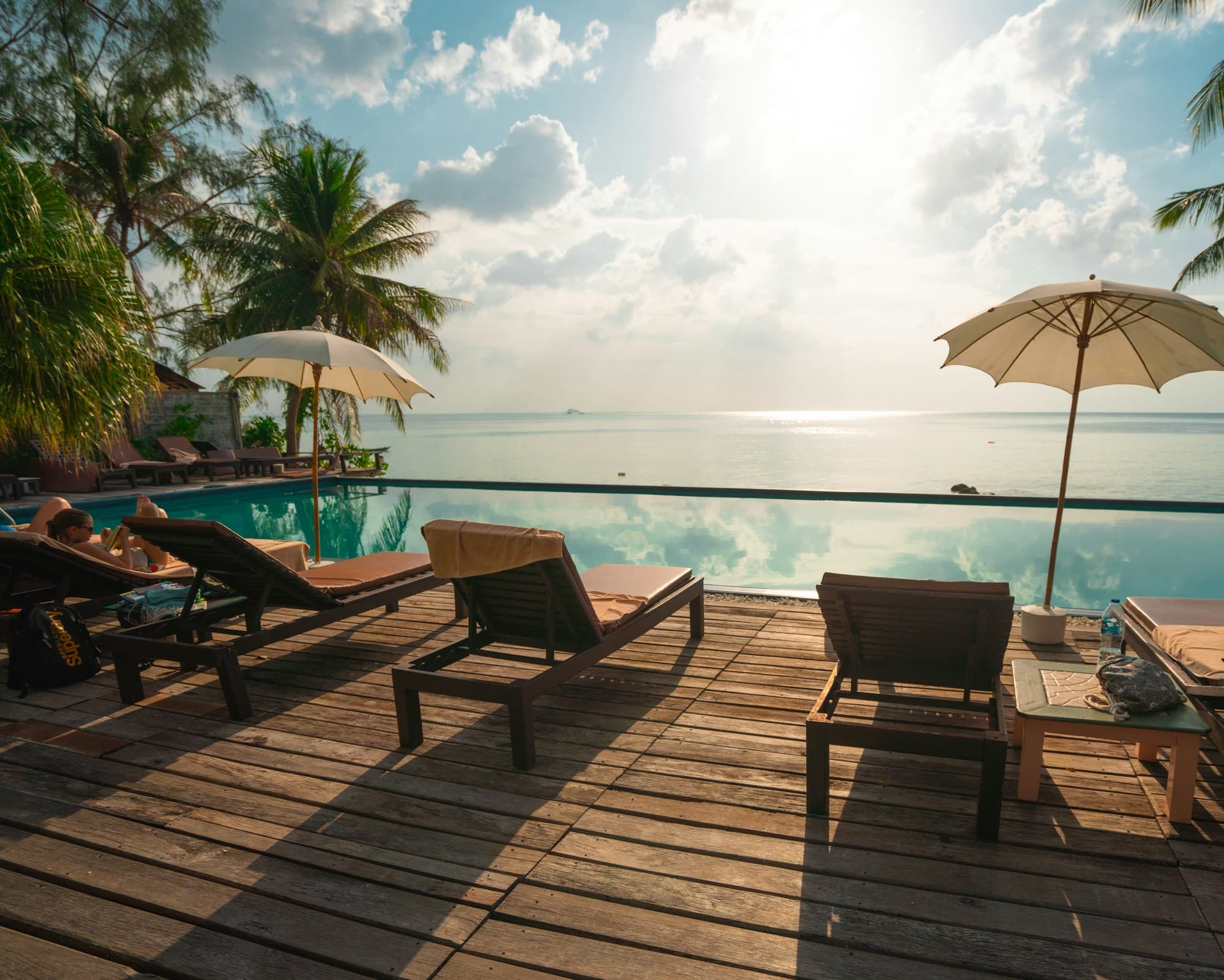
Luxury lodge deck with loungers and umbrellas at golden hourUltra-Luxury

Laikipia · private conservancy

Exclusive-Use Highland House

Lodge

A private house on a Laikipia conservancy, rented whole with its own staff, guides and vehicles, and usually horses from its own or a neighbouring stable, with helicopter charters within reach. Days are planned around you, from a picnic on a rocky outcrop to a sleep-out under the equatorial sky, and the views and pool make it easy to stay in between.

  • Sole use with a private chef and staff
  • Dedicated guides and vehicles
  • Horseback riding on the property, plus walks and helicopter charters on request
  • Pool with views across the plateau

Ideal for: Multi-generation families and couples who want total privacy and a pace of their own

Tented camp glowing at sunrise over golden hillsLuxury

Laikipia & the Samburu borderlands

Camel-Supported Walking Fly Camp

Seasonal mobile camp · Typically operates June–October and December–March

A walking safari where camels carry the camp and Samburu or Maasai guides lead you along dry riverbeds, moving each day to a fresh site that is ready before you arrive. Nights are spent in simple fly tents or on open bedrolls under a mosquito net, with hot bucket showers and meals cooked over the fire.

  • Walks of several hours a day
  • Camels carry the gear; riding one is optional
  • Fly tents or open-air bedrolls
  • Samburu and Maasai guides with armed rangers

Ideal for: Fit walkers who want wilderness, silence and a different rhythm

Experiences

Experiences

On foot

Walking Safaris in Kenya

Walk the conservancies and northern ranches with Maasai or Samburu guides and an armed ranger, from dawn rambles to rhino tracking and camel-supported treks.

On horseback

Horseback Safaris in Kenya

Ride among zebra and giraffe in the Chyulu Hills, across Laikipia’s ranches or in Mara North, from a gentle hour for novices to a multi-day riding safari.

In the air

Helicopter Safaris in Northern Kenya

Fly out from Laikipia over Mount Kenya’s peaks, the Mathews Range and the salt flats of the Suguta Valley, landing where no road reaches.

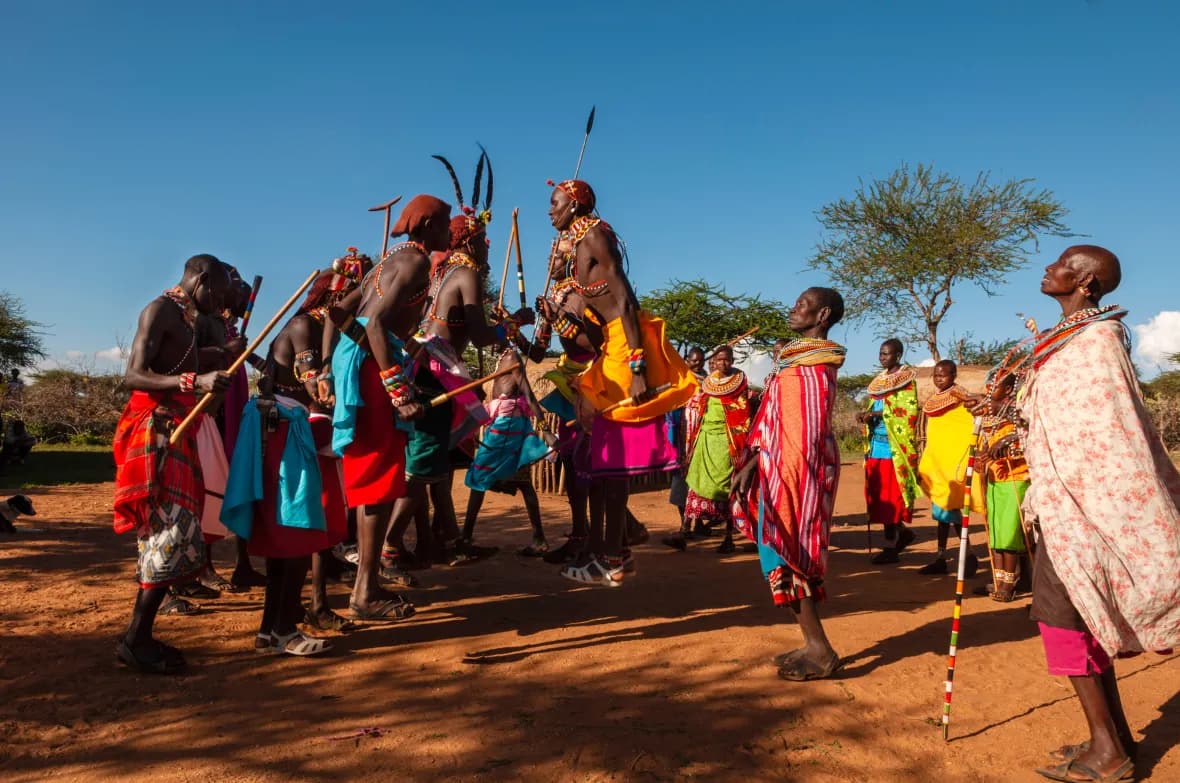
Men and women in traditional beaded dress dancing together during a community cultural visit

Culture

Maasai & Samburu Cultural Visits

Meet Maasai and Samburu families on visits their own communities arrange, where conversation comes first and you know exactly where the fee goes.

Safaris

Safaris That Go Here

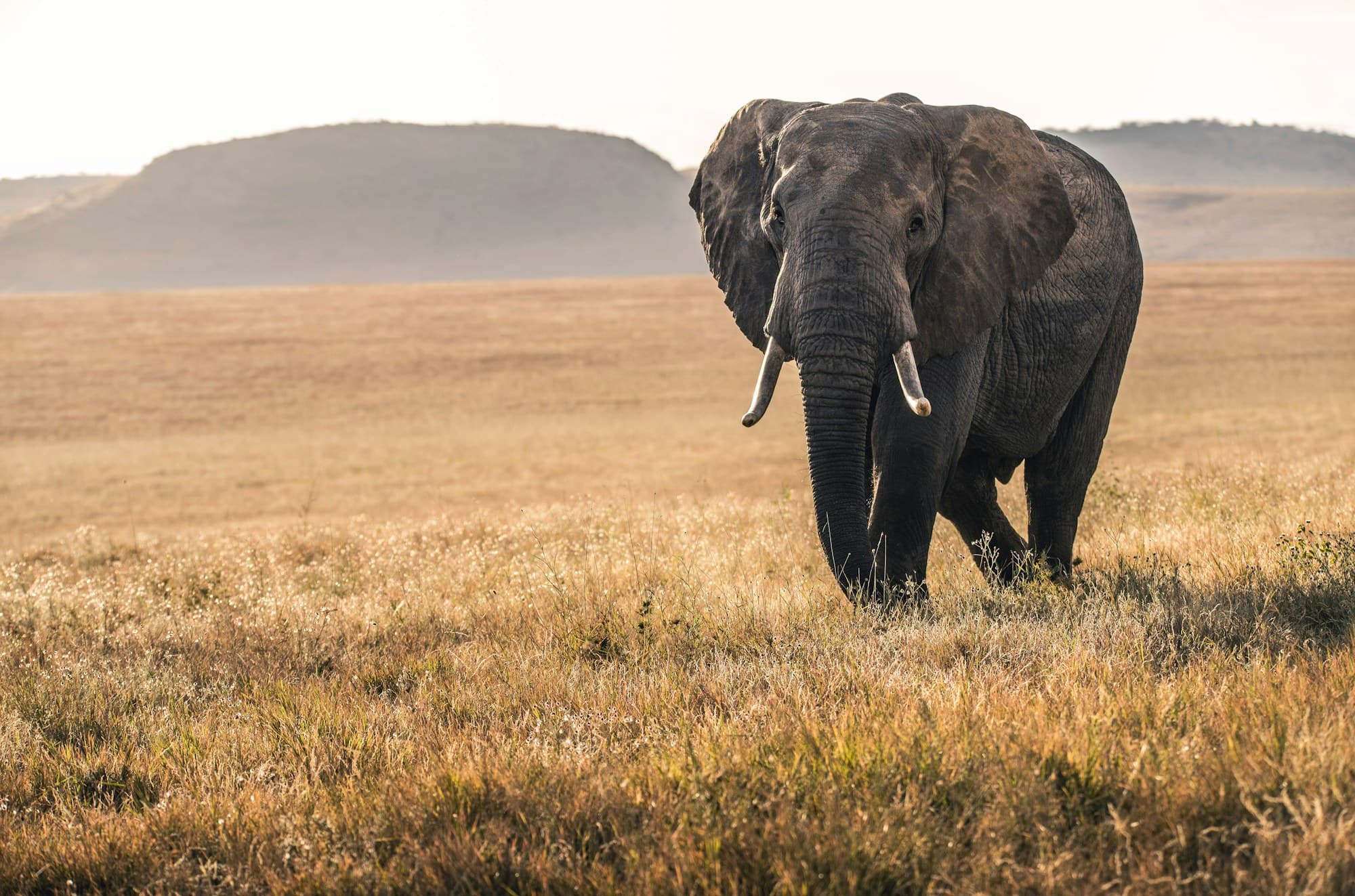
Elephant walking through dry golden grassland in northern Kenya
10 daysComplete Kenya

Kenya Highlights

Nairobi · Samburu · Laikipia · Mara Conservancies

First-timers who want Kenya’s full range, and returning travelers who have seen the Mara alone

Best months
June–October and December–March
Comfort levels
Premium · Luxury · Ultra-Luxury
Individually quoted
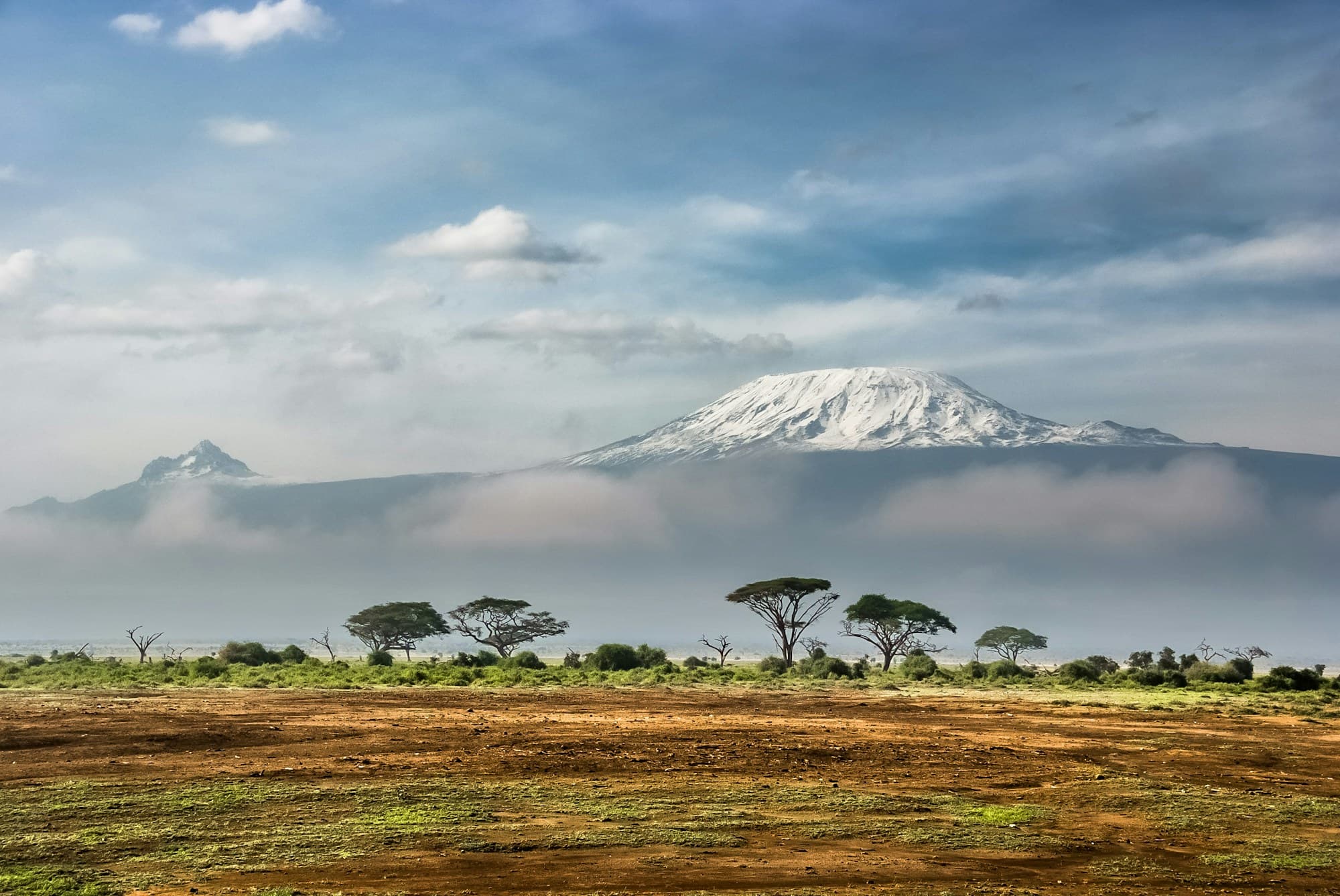
Snow-capped Kilimanjaro rising above the Amboseli savanna dotted with acacias
9 daysActive

Walking & Riding Kenya

Nairobi · Chyulu Hills · Laikipia

Confident riders and fit walkers who want to spend most of each day out of the vehicle

Best months
June–October and December–February
Comfort levels
Luxury · Ultra-Luxury
Individually quoted
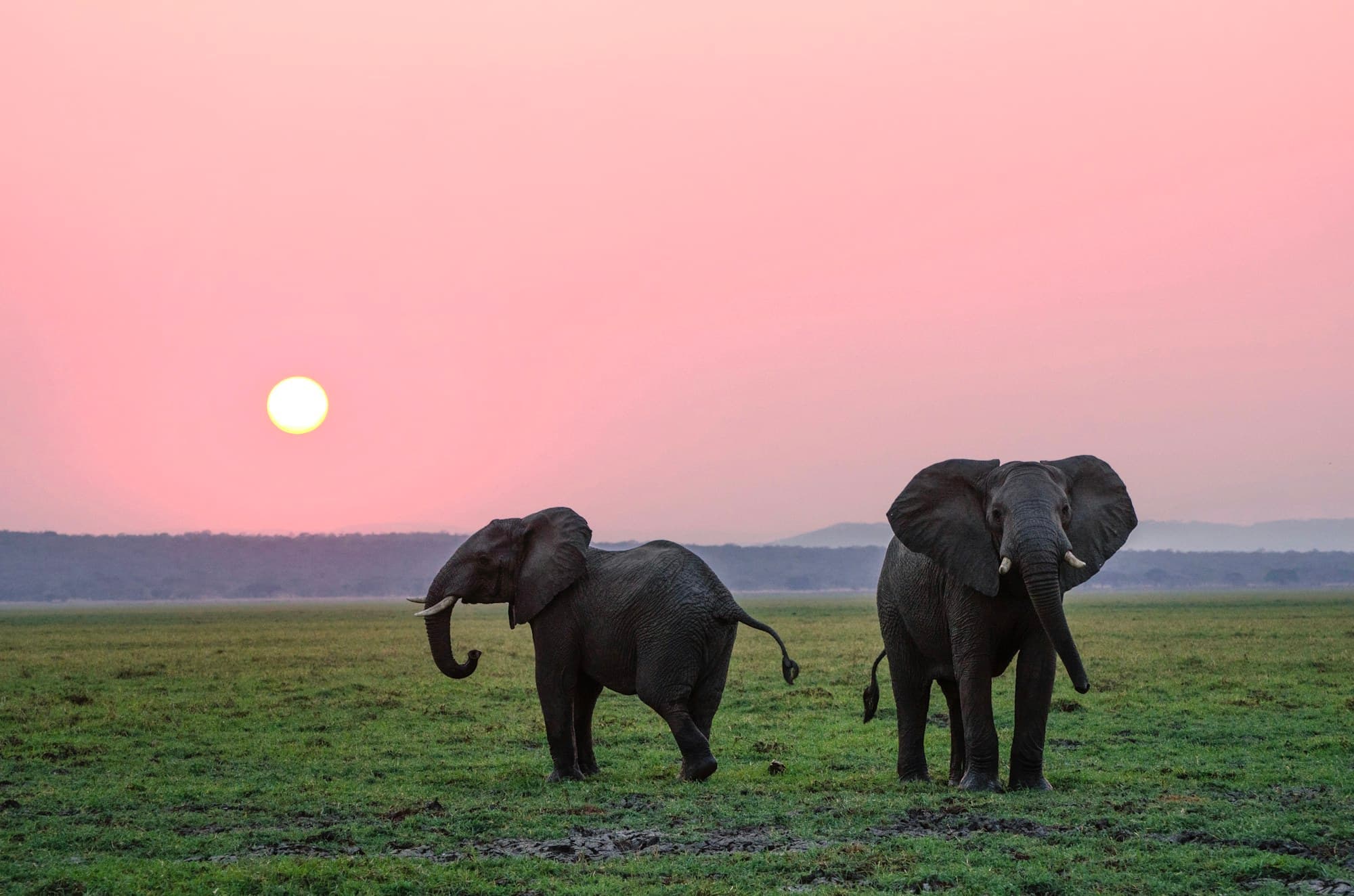
Two elephants together beneath a soft pink dusk sky
12 daysCouples

Kenya Honeymoon

Nairobi · Laikipia · Mara Conservancies · Diani Beach

Newlyweds who want privacy, a few genuinely special moments and a beach, without road days

Best months
July–October and December–February
Comfort levels
Premium · Luxury · Ultra-Luxury
Individually quoted

Good to know

Frequently asked questions

Ol Pejeta or Lewa: which is better?

Ol Pejeta is easier to reach, welcomes day visitors and is the only place to meet the northern white rhinos and Kenya’s chimpanzees, which makes it ideal for a first or family visit. Lewa is quieter and more exclusive, with more emphasis on walking, rhino tracking and Grevy’s zebra. The wildlife overlaps considerably, so the choice often comes down to the style of stay you want.

Can you see the last northern white rhinos?

Yes, at Ol Pejeta, where Najin and Fatu live under constant guard in a large enclosure. Visits are arranged through the conservancy and let you spend time with the keepers who care for them. A scientific programme is working to produce calves from stored genetic material, so a visit is also a window on one of conservation’s boldest efforts.

Is Laikipia safe to visit?

The conservancies visitors use are well managed, with their own ranger teams, but parts of Laikipia North have seen conflict linked to cattle raiding and grazing pressure. In late March 2026 the Kenyan government gazetted areas including the Mukogodo Forest and Doldol as ‘security disturbed’ for 30 days during an anti-banditry operation. We check the current situation with partners on the ground before confirming any Laikipia stay, and route around affected areas.

Is Laikipia malaria-free?

No. Although the plateau sits at 1,700–2,000 m and mosquitoes are fewer than on the coast, malaria occurs below about 2,500 m throughout Kenya, Laikipia included. Follow your travel clinic’s advice on antimalarials.

How cold does it get in Laikipia?

Days are usually warm and sunny, but at this altitude early mornings and evenings can feel close to 10 °C, especially from June to August. A fleece and a warm jacket are worth packing for dawn drives and evenings by the fire.

How many nights should I spend in Laikipia?

Three nights allows time for rhinos, a walk and a ride or night drive. With four or five, you can split your time between Ol Pejeta and a private ranch, or add two nights at a camel-supported fly camp.

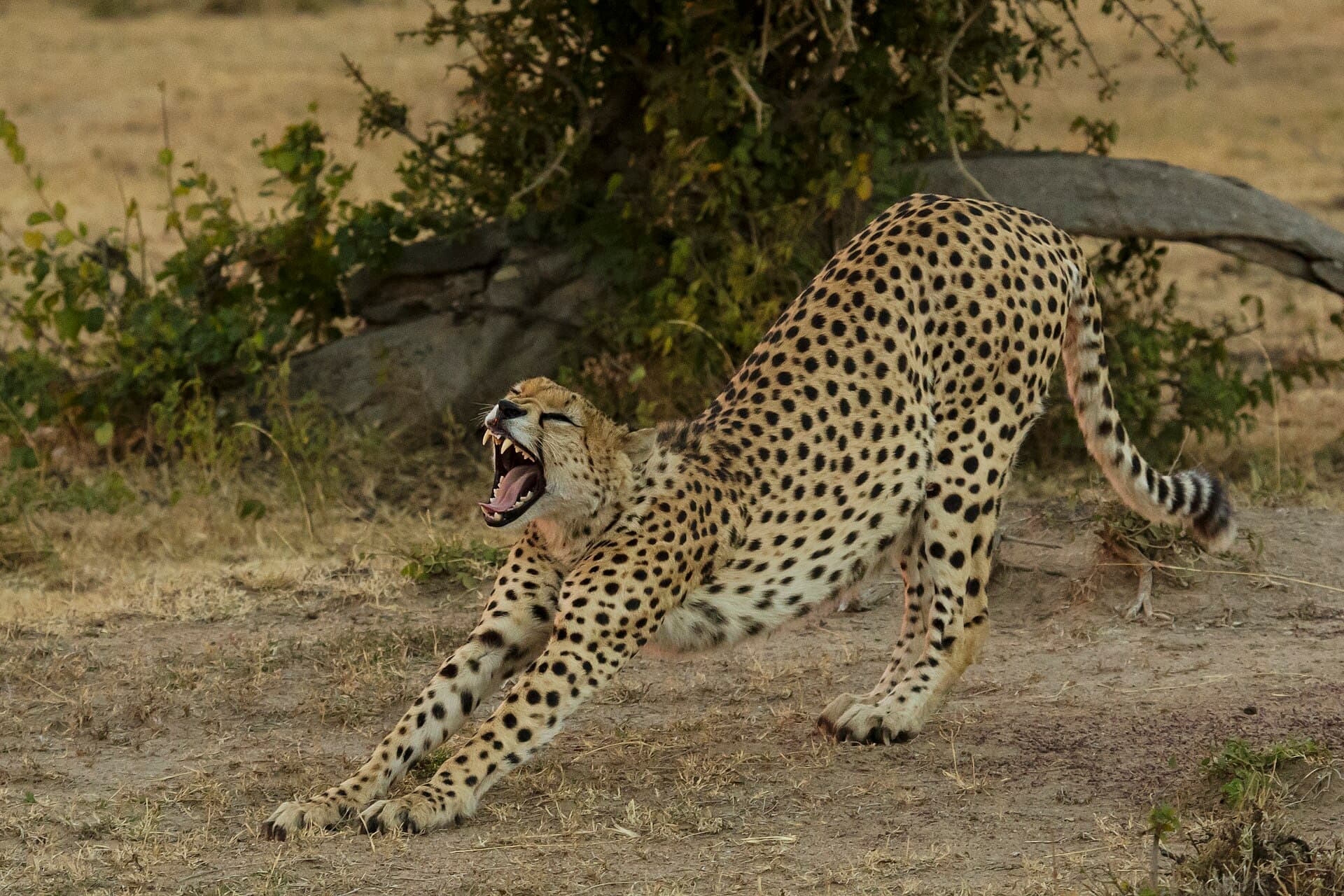
A cheetah scanning the plains in the Masai Mara

Start With Your Dates

Tell us when you can travel, who is coming and what you most want from Kenya. A safari specialist will design a private route around you, and nothing is booked until you approve it.

Plan my safari here