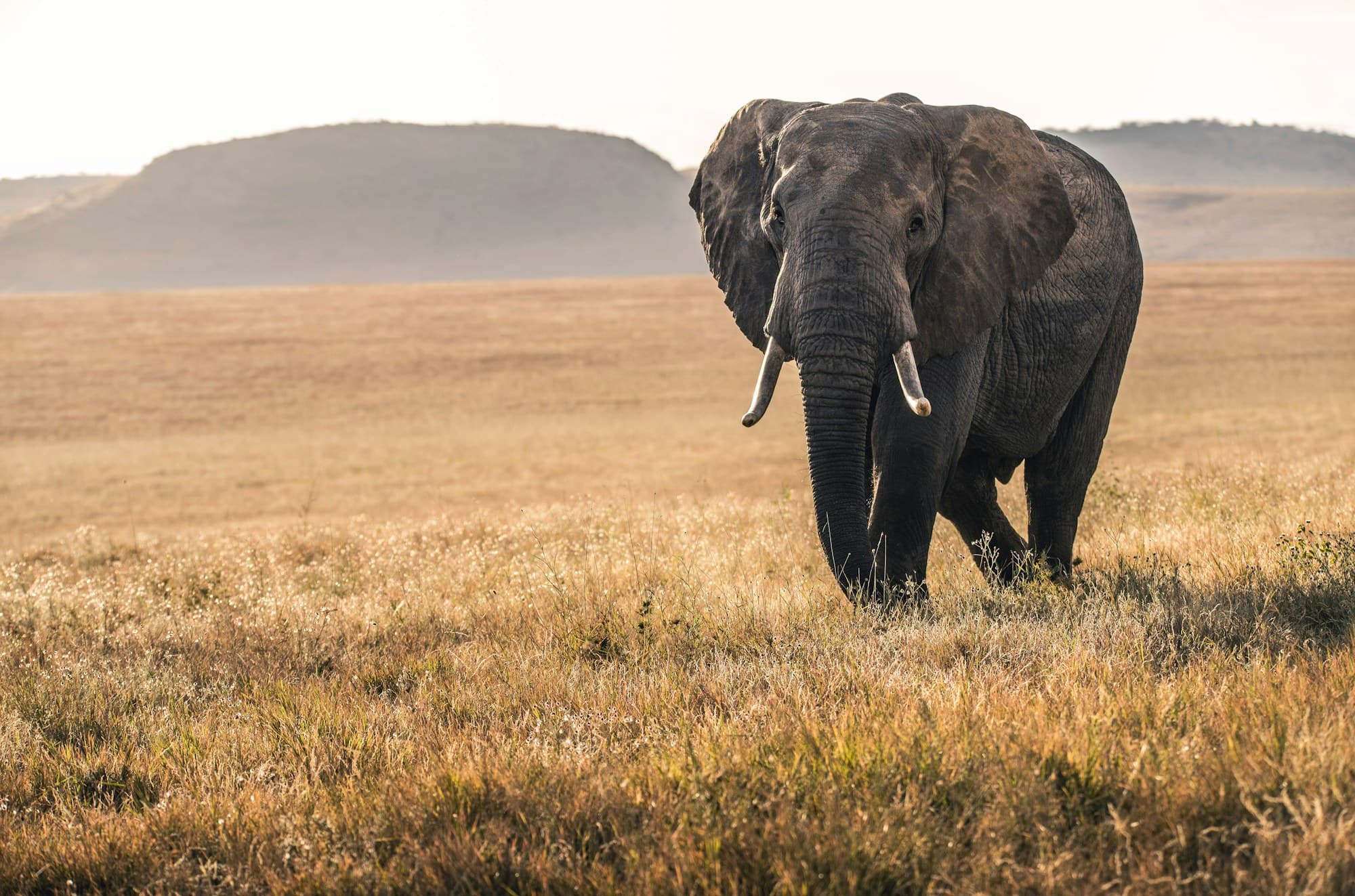
Elephant walking through dry golden grassland in northern Kenya

Destination guide

Samburu National Reserve, Buffalo Springs & Shaba

Red earth, doum palms and the Ewaso Ng’iro River in Kenya’s arid north, home to species you won’t find on the southern plains.

SizeSamburu 165 km²; Buffalo Springs about 131 km²; Shaba about 239 km²
Altitude & climate800–1,230 m; hot, dry and sunny for most of the year
Best timeJune–October and late December–February, when the river concentrates game
Recommended stay2–3 nights; add a night on a community conservancy
Getting thereAbout 1 hour by air from Wilson, or 5–6 hours by road via Nanyuki and Isiolo
Known forThe Samburu Special Five, river elephants and leopards

Samburu, Buffalo Springs & Shaba

Why Visit

Samburu National Reserve feels like a different country from the Mara. It lies about 350 km north of Nairobi, where the highlands fall away into semi-desert, and its 165 km² stretch along the north bank of the Ewaso Ng’iro, a river lined with doum palms and acacias that draws wildlife from far around in the dry months. Across the water lies Buffalo Springs National Reserve, with Shaba further east, both in Isiolo County, and together the three form one continuous safari area.

The draw is dry-country wildlife. Samburu is the place to find the ‘Samburu Special Five’: Grevy’s zebra, reticulated giraffe, gerenuk, beisa oryx and Somali ostrich, none of which you are likely to meet in the Mara. Elephants come to the river to drink and dig for water in the sand, and have been followed here for decades by the research charity Save the Elephants. Leopards use the riverine trees, and the reserve’s bird list passes 350 species.

Samburu has its stories, too. Joy and George Adamson, whose lioness Elsa inspired Born Free, lived and worked in this part of the north, and Joy was killed at her camp in Shaba in 1980, where a simple monument marks the site. Beyond the reserves, Samburu communities run conservancies such as Kalama, Westgate, Namunyak and Sera, where you can walk with Samburu guides, stay in lodges built into rock outcrops and join Samburu cultural visits arranged by the community. The 10-Day Samburu, Laikipia & Masai Mara Private Safari begins here.

Best for

  • Species you won’t find in southern Kenya
  • Returning travelers who have already seen the Mara
  • Photographers drawn to red earth, palms and hard light
  • Walking and cultural stays with Samburu communities

Samburu, Buffalo Springs & Shaba

Wildlife & Highlights

  • Grevy’s zebra, the endangered, narrow-striped zebra of the north
  • Reticulated giraffe with their crisp, net-like pattern
  • Gerenuk standing on their hind legs to browse
  • Beisa oryx on the open, stony plains
  • Somali ostrich, the blue-legged northern species
  • Elephant families drinking and digging in the Ewaso Ng’iro
  • Leopard in the riverine forest and on rocky outcrops
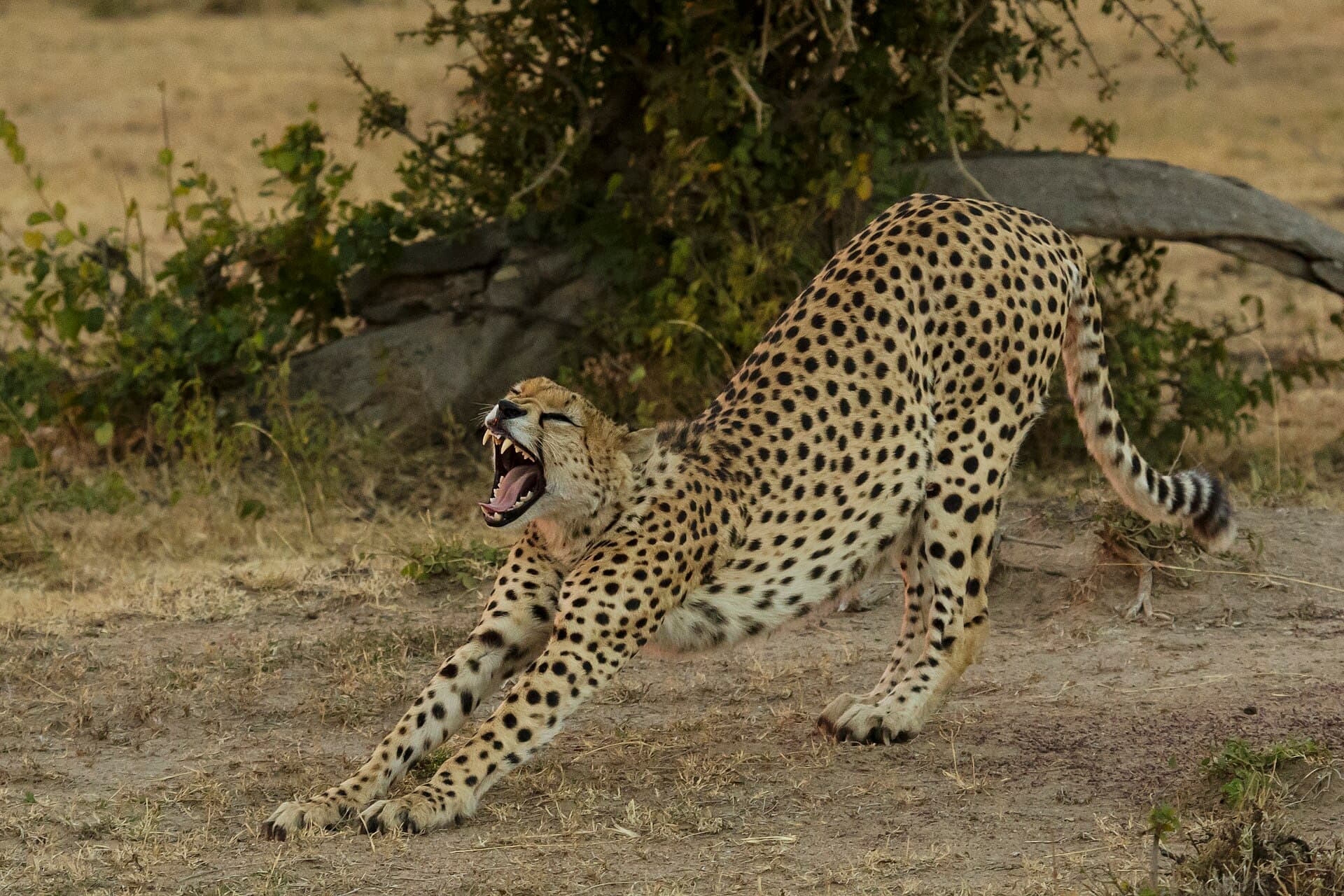
  • Lion and cheetah, and occasionally wild dog
  • Guenther’s dik-dik and Grant’s gazelle in the thornbush
  • Vulturine guineafowl among more than 350 bird species

Season

Best Time to Visit

  1. January
  2. February
  3. March
  4. April
  5. May
  6. June
  7. July
  8. August
  9. September
  10. October
  11. November
  12. December
Late December–FebruaryHot and dry, with daytime temperatures often above 30 °C. The river shrinks and elephants, oryx and giraffe gather along it, so game viewing is concentrated in the early mornings and late afternoons.
March–MayThe long rains arrive as heavy showers that green the scrub and fill seasonal pools, so animals disperse away from the river. Some camps close for part of this period, but birding is excellent and the light is soft.
June–OctoberThe main dry season and the most reliable time for the Special Five and the river elephants. A little cooler than early in the year, with strong winds on some afternoons.
November–early DecemberShort rains bring bursts of green and flowering acacia. Wildlife spreads out, so drives may be longer, but visitor numbers are very low.

Samburu, Buffalo Springs & Shaba

Areas to Know

Samburu National Reserve

The main reserve occupies the north bank of the Ewaso Ng’iro and holds most of the riverside camps. Drives follow the doum-palm groves and the open, stony plains behind them, where oryx and Grevy’s zebra graze in the heat shimmer. Samburu County manages the reserve and sets its fees.

Best for: River elephants, leopards and a first taste of the north

Buffalo Springs National Reserve

Just across the river, Buffalo Springs is flatter and more open, with volcanic soils and the clear spring-fed pools that give it its name. Cheetah, oryx and Grevy’s zebra do well here, and guides often use both reserves in a single drive.

Best for: Open plains, cheetah and Grevy’s zebra

Shaba National Reserve

East of Buffalo Springs, Shaba is rockier, wilder and far less visited, with 34 km of the Ewaso Ng’iro along its northern edge, springs and volcanic outcrops. Parts of Out of Africa were filmed here. Game is more scattered, but you may have a leopard or a herd of oryx entirely to yourself.

Best for: Solitude, scenery and the Born Free story

Community conservancies

Around the reserves, Samburu communities manage large conservancies with support from the Northern Rangelands Trust. Kalama and Westgate border the reserve, Namunyak stretches north toward the forested Mathews Range, and Sera runs a community rhino sanctuary where black rhino can be tracked on foot with community rangers. Stays here combine walking with real cultural contact and very few vehicles.

Best for: Walking, rhino tracking and Samburu culture

Samburu, Buffalo Springs & Shaba

Getting There

Scheduled light aircraft from Wilson reach the Samburu airstrips in about an hour, often calling at Nanyuki or Lewa on the way, which makes it simple to combine with Laikipia. By road the journey is about five to six hours on good tarmac via Nanyuki and Isiolo to Archer’s Post, the small gateway town for the reserves. Charters reach the community-conservancy strips further north, and a helicopter day can add the Mathews Range or the Suguta Valley.

Drive or fly?

The road north is fully paved and quick by Kenyan standards, with Mount Kenya off to the east for much of the way; it suits travelers already in Laikipia, or anyone who enjoys watching the country change from farmland to thornbush. From Nairobi, flying is kinder, especially in the heat of January–March, and it lets you link Samburu with Laikipia and the Mara in a single ten-day trip.

Airstrips & airports

  • Samburu
  • Kalama
  • Buffalo Springs

Typical travel times

Nairobi to Archer’s Post
About 5–6 hours
Lewa to the Samburu reserves
About 1.5–2 hours
Wilson Airport to Samburu
About 1 hour by air
Samburu to Shaba
About 45 minutes

Stays

Where to Stay

Most camps sit on the banks of the Ewaso Ng’iro under doum palms and acacias, with elephants often crossing in front of the tents; shady mess tents and a pool matter in this heat. On the community conservancies, lodges built into rock outcrops and small tented camps offer walking, cultural visits and far fewer vehicles. Some close briefly in the wettest weeks, so we check your dates before suggesting a style.

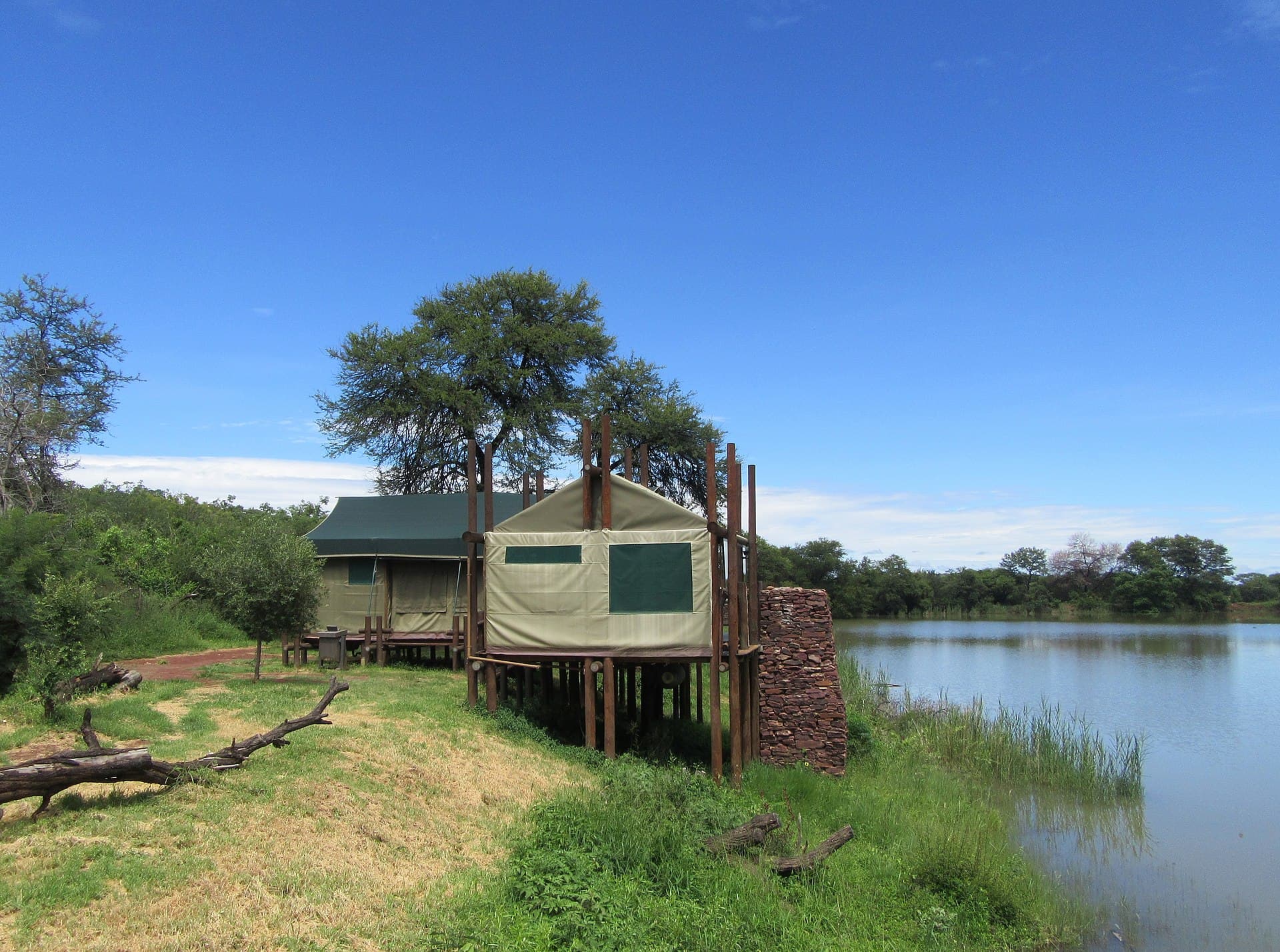
A canvas safari tent set among trees at a private tented campPremium

Samburu & Buffalo Springs reserves

Ewaso Ng’iro River Camp

Tented camp

Tents and cottages under doum palms and acacias along the Ewaso Ng’iro, the lifeline of Samburu and Buffalo Springs, where elephants come down to drink and dig in the sandy riverbed. From the veranda you watch the river, and the Samburu Special Five, from Grevy’s zebra to gerenuk, live a short drive away.

  • River-view tents or cottages
  • Elephants often visible from camp
  • Drives for the Samburu Special Five
  • Pool at many

Ideal for: Photographers and families who want the north’s distinctive wildlife from a riverside base
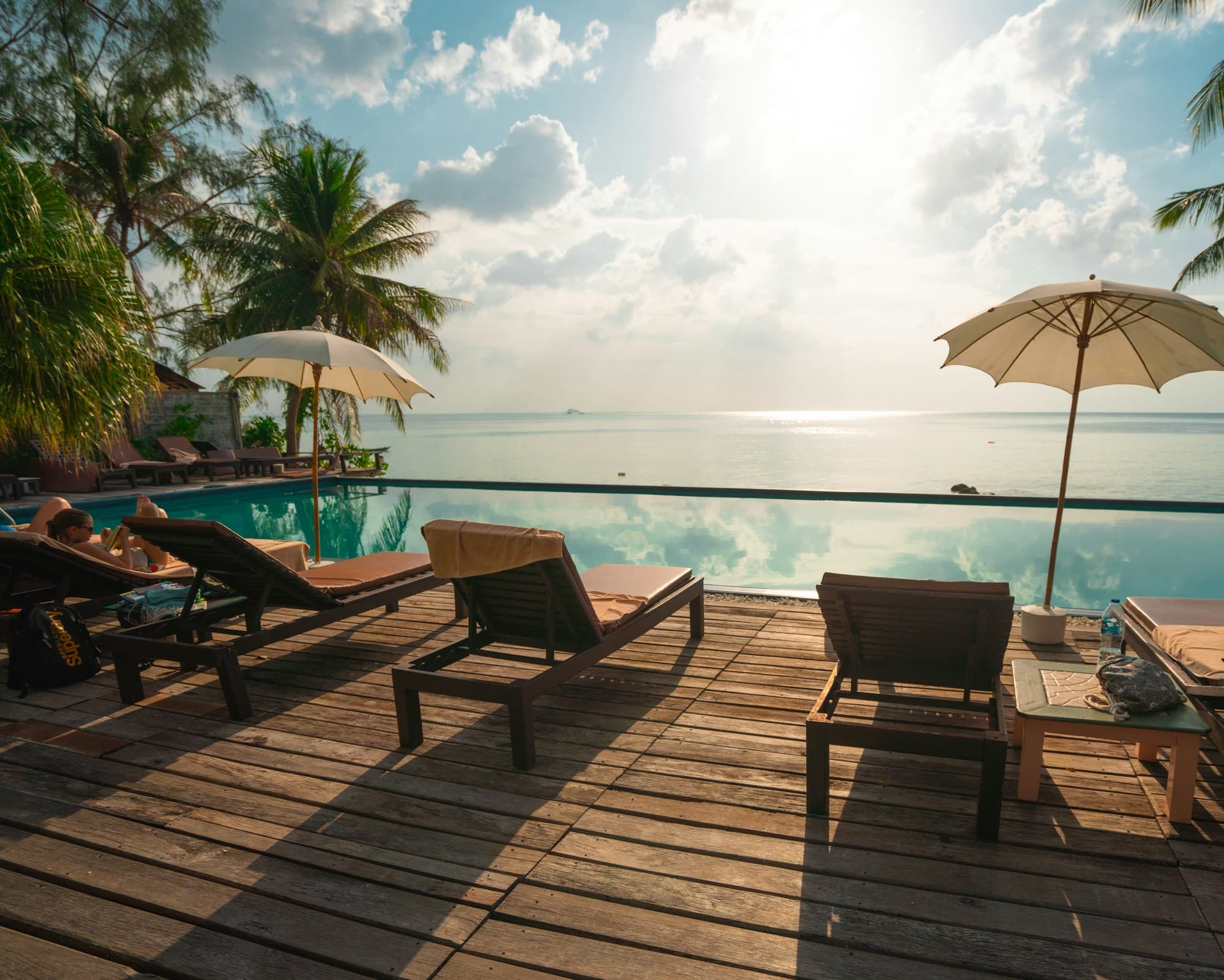
Luxury lodge deck with loungers and umbrellas at golden hourLuxury

Samburu · community conservancies (Kalama, Namunyak, Sera)

Community Conservancy Rock Lodge

Lodge

Open-fronted rooms built into granite outcrops on a Samburu community conservancy, with views that run across the lowland bush to distant mountains. Young Samburu guides lead the walks, the community shares in the conservancy’s income, and around the rhino sanctuary at Sera some lodges can arrange black rhino tracking on foot.

  • Rooms open to the view, often with plunge pools
  • Walks with Samburu guides
  • Rhino tracking at Sera, where arranged
  • Few vehicles and wide horizons

Ideal for: Returning travelers and walkers who want remote country and community-led conservation

Experiences

Experiences

On foot

Walking Safaris in Kenya

Walk the conservancies and northern ranches with Maasai or Samburu guides and an armed ranger, from dawn rambles to rhino tracking and camel-supported treks.

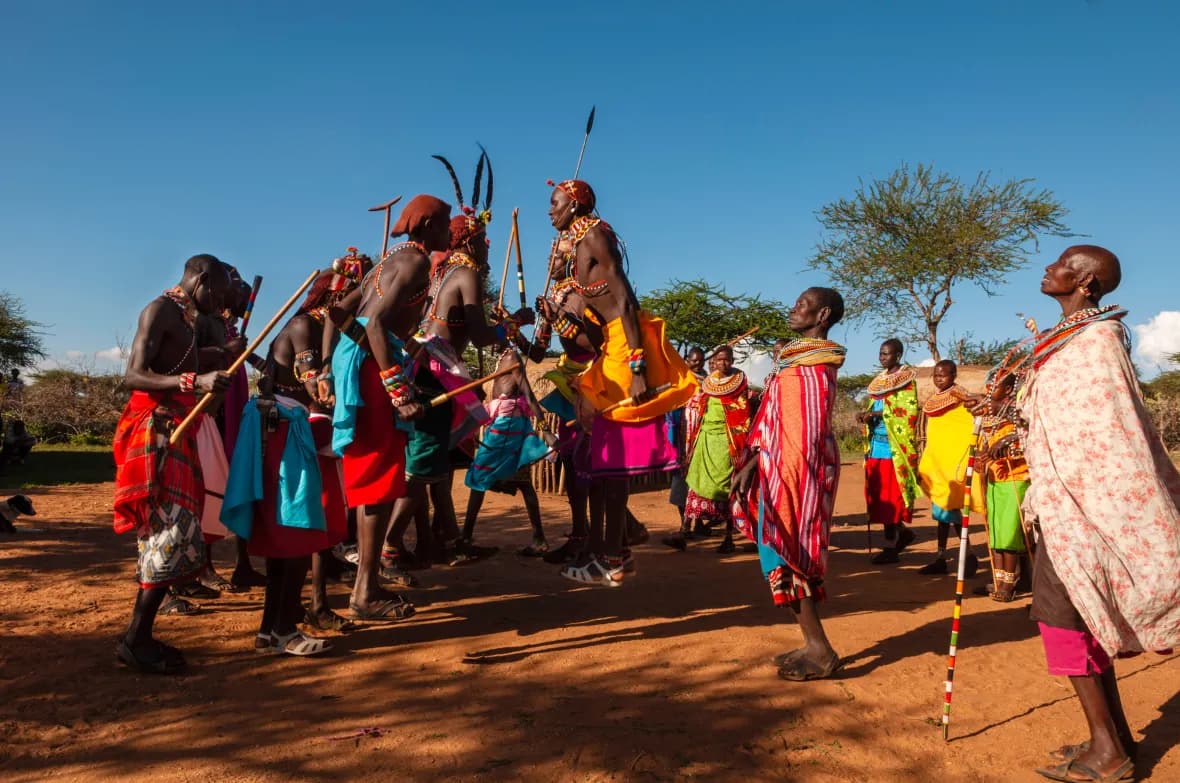
Men and women in traditional beaded dress dancing together during a community cultural visit

Culture

Maasai & Samburu Cultural Visits

Meet Maasai and Samburu families on visits their own communities arrange, where conversation comes first and you know exactly where the fee goes.

In the air

Helicopter Safaris in Northern Kenya

Fly out from Laikipia over Mount Kenya’s peaks, the Mathews Range and the salt flats of the Suguta Valley, landing where no road reaches.

Safaris

Safaris That Go Here

Elephant walking through dry golden grassland in northern Kenya
10 daysComplete Kenya

Kenya Highlights

Nairobi · Samburu · Laikipia · Mara Conservancies

First-timers who want Kenya’s full range, and returning travelers who have seen the Mara alone

Best months
June–October and December–March
Comfort levels
Premium · Luxury · Ultra-Luxury
Individually quoted

Good to know

Frequently asked questions

What are the Samburu Special Five?

Five species adapted to northern Kenya’s dry country: Grevy’s zebra, reticulated giraffe, gerenuk, beisa oryx and Somali ostrich. All five are regularly seen in Samburu, Buffalo Springs and Shaba, while most are rare or absent in the southern parks. Two or three nights gives you a good chance of finding the full set.

How hot is Samburu?

Hot. Daytime temperatures commonly reach the low to mid 30s °C, peaking from January to March. Game drives run early and late, with the middle of the day spent in the shade or by the pool, so light, breathable clothing and a wide-brimmed hat are essential.

What are the park fees for Samburu?

Samburu is managed by Samburu County, and Buffalo Springs and Shaba by Isiolo County, so fees are set by the counties rather than by Kenya Wildlife Service. Rates have changed in recent years and are not always clearly published, so we confirm current fees with each county when we prepare your quote.

Is Samburu worth adding to a Masai Mara safari?

Yes, if you want contrast. Samburu swaps the Mara’s green plains and big herds for red earth, palms and dry-country species, along with a strong cultural dimension through the Samburu conservancies. The Mara remains the place for sheer numbers of cats and plains game, so the two complement rather than compete.

Is Samburu safe?

The reserves and the conservancies visitors use are well established, with their own ranger teams. Northern Kenya does see periodic insecurity linked to cattle raiding, and in March 2026 the government gazetted parts of Isiolo North, along with areas of Laikipia and Meru counties, for security operations. We confirm the current picture with partners before booking and plan routes accordingly.

Can I combine Samburu with Laikipia?

Yes, and it is one of Kenya’s most natural pairings. The two are about 1.5–2 hours apart by road, or a short hop by light aircraft, and they complement each other well: Samburu for dry-country species and river elephants, Laikipia for rhinos, walking and riding in cooler highland air.

A cheetah scanning the plains in the Masai Mara

Start With Your Dates

Tell us when you can travel, who is coming and what you most want from Kenya. A safari specialist will design a private route around you, and nothing is booked until you approve it.

Plan my safari here