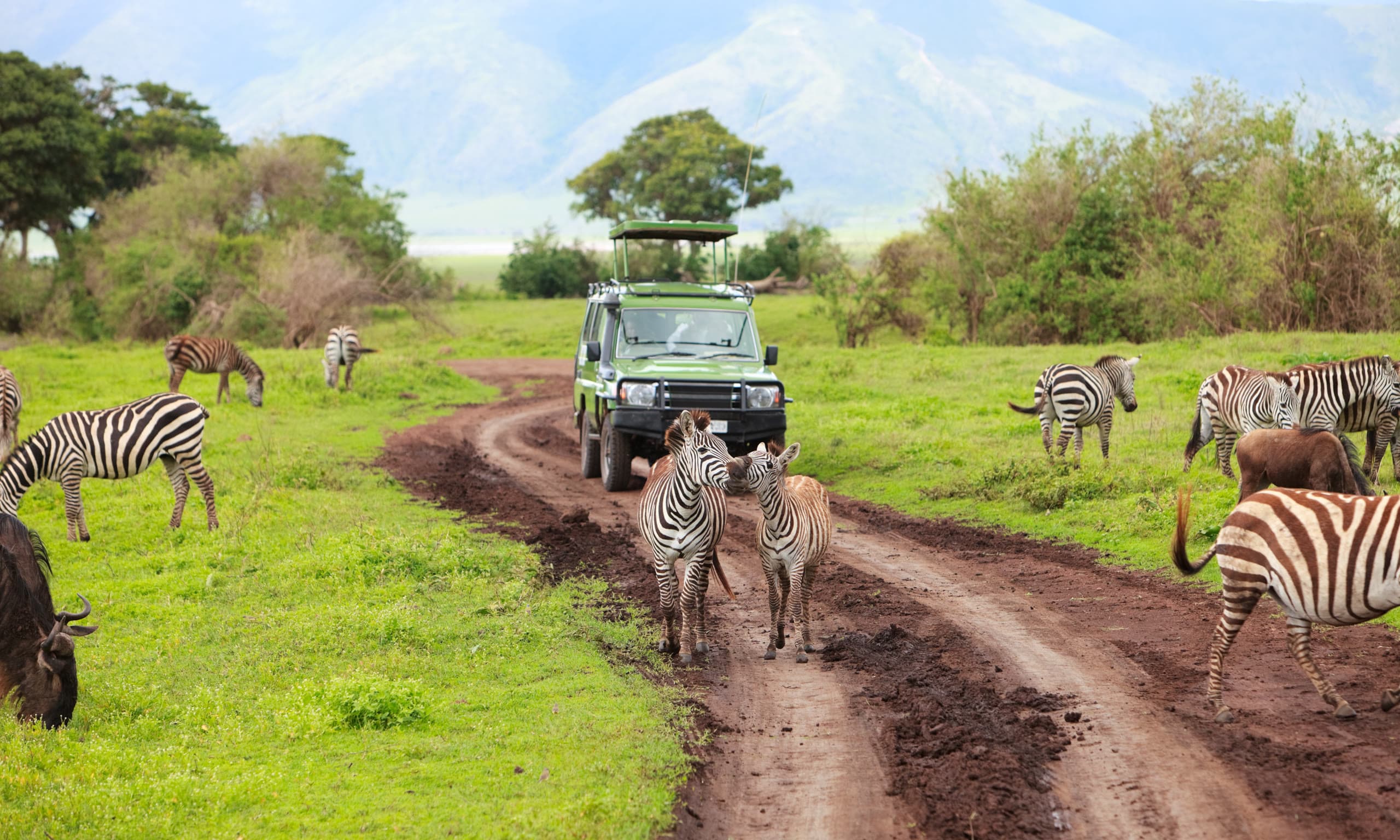
An open safari vehicle on a green Amboseli track with zebras beneath the peak of Kilimanjaro

Destination guide

Amboseli National Park & the Chyulu Hills

A compact park of dry lakebed, spring-fed swamp and acacia at the foot of Kilimanjaro, known for its long-studied elephant families and dawn views of the mountain.

Size392 km²; Chyulu Hills National Park adds 741 km² to the east
Best timeJune–October and January–February, when it is dry and the mountain is most often clear
Recommended stay2–3 nights, plus 2–3 in the Chyulu Hills for riding or walking
Getting thereAbout 45 minutes by air from Wilson, or 4–5 hours by road from Nairobi
Park feeUS$90 per non-resident adult, Kenya Wildlife Service ‘Premium’ rate (at the time of writing, September 2026)
Known forElephants, Kilimanjaro views and swamp birdlife

Amboseli & the Chyulu Hills

Why Visit

Amboseli National Park is small, just 392 km² in Kajiado County, yet few places in Africa offer a scene as recognizable as elephants walking beneath the snowfields of Kilimanjaro. The mountain rises to 5,895 m across the border in Tanzania. Its meltwater travels underground and surfaces in Amboseli as springs and swamps, which is why a park that looks parched from the air holds water, and elephants, all year. UNESCO recognized the wider landscape as a Biosphere Reserve in 1991.

Amboseli’s elephants are among the most closely studied anywhere. Researchers have followed individual families here since 1972, work continued today by the Amboseli Trust for Elephants, and much of what is known about elephant memory, family bonds and communication comes from these herds. Decades of protection have left them relaxed around vehicles, and the population still includes a few of the very large-tusked bulls that have disappeared from much of Africa.

The park is ringed by Maasai group ranches, several of which have set land aside as community conservancies, among them Kimana, Selenkay, Olgulului-Ololarashi and Mbirikani. Staying there adds walks, night drives and, at some camps, sunken photographic hides, none of which the national park allows. To the east rise the Chyulu Hills, a young volcanic range of grass and cloud forest where riding and walking take over from game drives; our 9-Day Kenya Walking & Horseback Safari begins there.

Best for

  • Elephant lovers and wildlife photographers
  • Seeing Kilimanjaro without climbing it
  • Families on a southern road route with Tsavo and the coast
  • Riders and walkers, via the Chyulu Hills

Amboseli & the Chyulu Hills

Wildlife & Highlights

  • Elephant families and big bulls, often in the swamps by mid-morning
  • Lion and spotted hyena along the edges of the dry lakebed
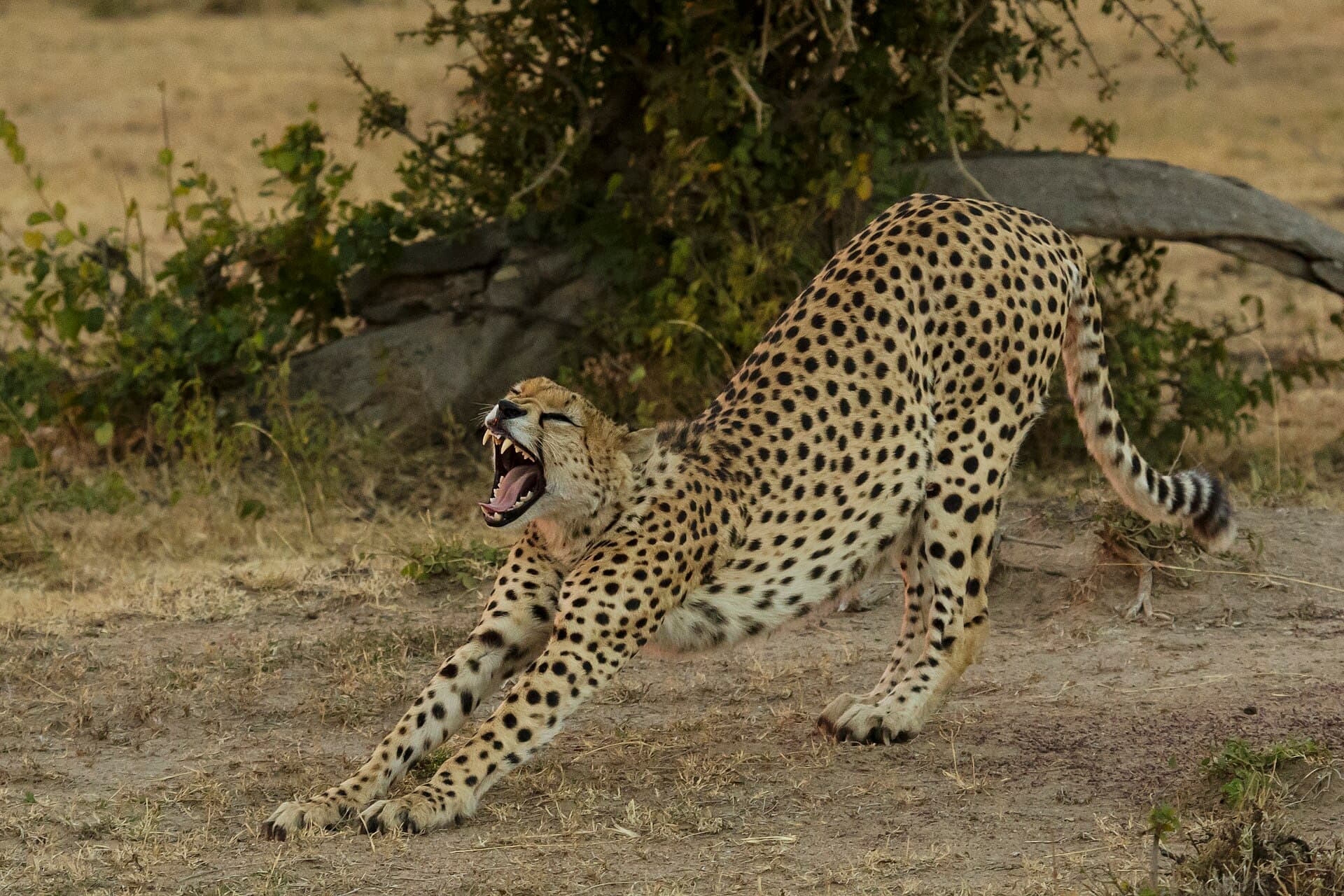
  • Cheetah on the open plains
  • Buffalo and hippo in the Enkongo Narok and Longinye swamps
  • Maasai giraffe, zebra, wildebeest and Grant’s gazelle
  • Gerenuk browsing on their hind legs in the drier acacia bush
  • Pelicans, herons and, when the seasonal lake fills, flamingos
  • Around 400 bird species, including 47 birds of prey

Season

Best Time to Visit

  1. January
  2. February
  3. March
  4. April
  5. May
  6. June
  7. July
  8. August
  9. September
  10. October
  11. November
  12. December
January–FebruaryA short dry spell between the rains, warm, with some of the clearest mornings of the year for Kilimanjaro. Elephants concentrate around the swamps, and the plains still carry some green.
March–MayThe long rains, heaviest in April. The lakebed can flood, tracks turn to mud and cloud may hide the mountain for days, but the park is at its quietest and greenest and the birdlife is superb.
June–OctoberThe long dry season and Amboseli’s busiest period. Game gathers at the swamps, afternoon winds lift dust across the lakebed, and the summit is usually visible at dawn and dusk even when cloud builds by midday.
November–DecemberShort rains bring afternoon storms and fresh grazing. Crisp air after a shower can give the sharpest views of the mountain, and visitor numbers dip until the festive weeks.

Amboseli & the Chyulu Hills

Areas to Know

The swamps & central plains

The heart of the park is a line of spring-fed swamps, Enkongo Narok and Longinye among them, where elephants wade in to feed and hippos, buffalo and pelicans share the water. Observation Hill, one of the few places you may leave the vehicle, looks across the marsh toward the mountain. The park lodges sit closest to this area, which keeps drive times short for families.

Best for: Elephants in the water and classic Kilimanjaro framing

Community conservancies around the park

Kimana to the east, Selenkay to the north, Olgulului-Ololarashi, which surrounds much of the park, and Mbirikani toward the Chyulus are Maasai-owned lands leased to a small number of camps. Wildlife moves freely between them and the park. Staying here adds walking safaris, night drives and visits arranged with the landowners, and some private concessions have the ground-level hides used on the 9-Day Kenya Photographic Safari.

Best for: Walks, night drives, hides and quieter stays

Chyulu Hills

A 100 km chain of volcanic cones and grassy ridges rising to about 2,188 m, the Chyulus last erupted in the mid-19th century, and the Leviathan lava tube, about 11 km long, runs beneath them. The eastern flank is a national park managed by Kenya Wildlife Service; the western side is Maasai group-ranch land, where the lodges are. Game is thinner than in Amboseli, but riding and walking through open grassland and cloud-forest glades with Kilimanjaro on the horizon is safari at a slower, more personal pace.

Best for: Horse riding, walking and green-hills scenery

Amboseli & the Chyulu Hills

Getting There

Light aircraft reach Amboseli in about 45 minutes from Wilson Airport, and some community-land camps and Chyulu lodges have their own strips for charters. By road, the usual route follows the Mombasa highway to Emali, then turns south across Maasai rangeland, about four to five hours in all; the alternative via Namanga on the Tanzanian border suits travelers crossing from Arusha. Amboseli also links well by road with Tsavo West, a few hours east past the Chyulu foothills.

Drive or fly?

The road trip is straightforward by Kenyan standards, mostly paved to the park boundary, and it pairs naturally with Tsavo and the coast on the southern route of the 10-Day Kenya Family Safari & Diani Beach. Fly when Amboseli is one stop on an air-linked route with the Mara or Laikipia: there is no direct road between them, and going back through Nairobi turns the transfer into a very long day. The flight also shows you the swamps glinting across the pale lakebed.

Airstrips & airports

  • Amboseli
  • Kimana
  • Private strips on the Chyulu group ranches

Typical travel times

Nairobi to Amboseli via Emali
About 4–5 hours
Arusha to Amboseli via Namanga
About 4 hours, plus border formalities
Amboseli to Tsavo West
About 2–3 hours
Amboseli to the Chyulu Hills lodges
About 1.5 hours

Stays

Where to Stay

Inside the park, a small number of lodges sit near the swamps and the classic mountain viewpoints, convenient for families and short stays. On the surrounding community lands, tented camps trade that proximity for space, walks and night drives, and one or two private concessions add photographic hides. In the Chyulu Hills, lodges on the Maasai group ranches look straight across the plains to Kilimanjaro and keep horses and walking guides on hand.

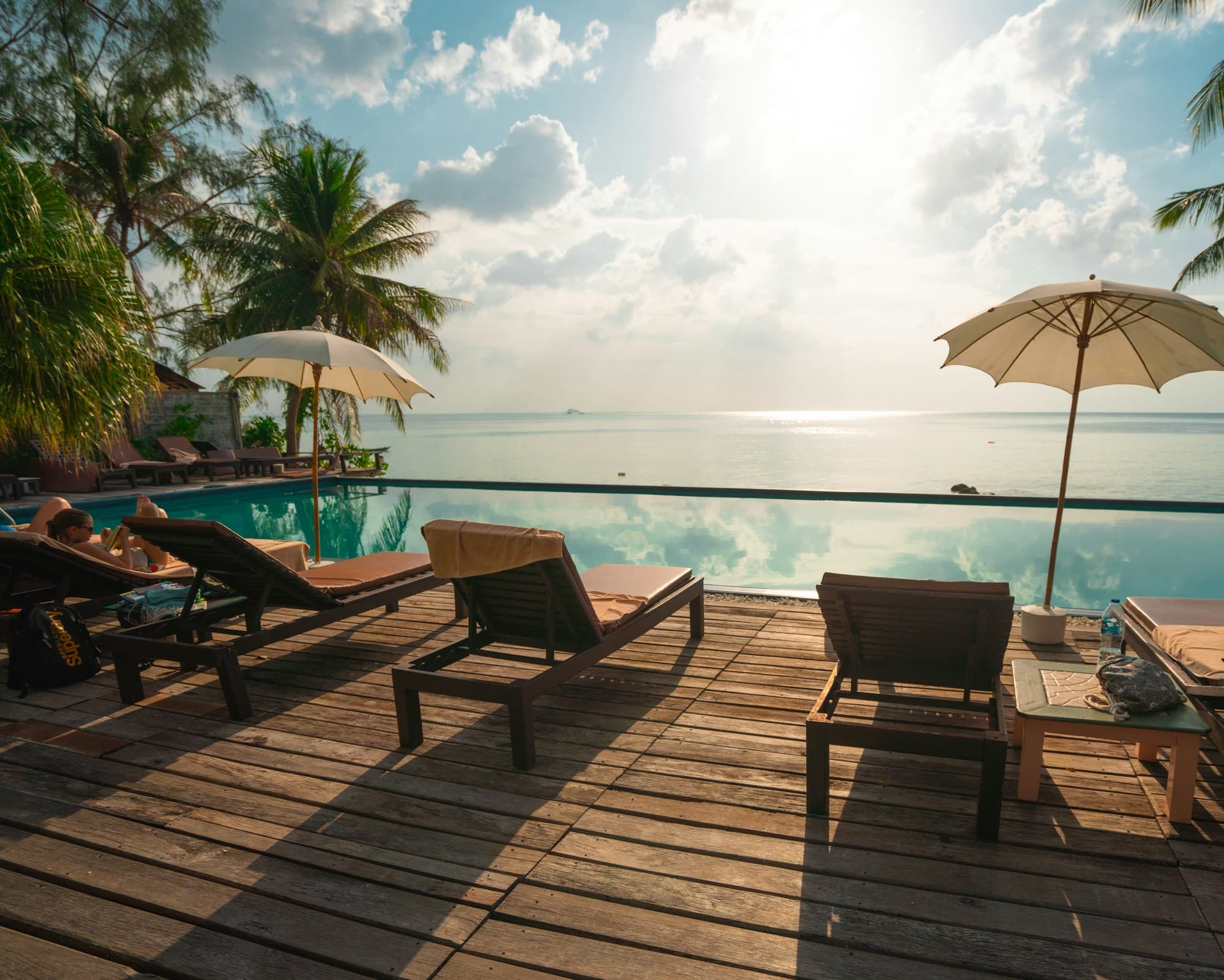
Luxury lodge deck with loungers and umbrellas at golden hourComfort

Amboseli · inside the national park

Kilimanjaro-View Park Lodge

Lodge

Lodges inside the national park sit a short drive from the swamps where elephants gather, with gardens and pools that face Kilimanjaro across the plains. Staying inside means you are among the herds in the clearest early hours without waiting at a gate.

  • Kilimanjaro views from the gardens or rooms
  • Pool for the dusty midday hours
  • Short drives to the elephant swamps
  • Family rooms at many

Ideal for: Families and first-time visitors who want the swamps and the mountain close at hand
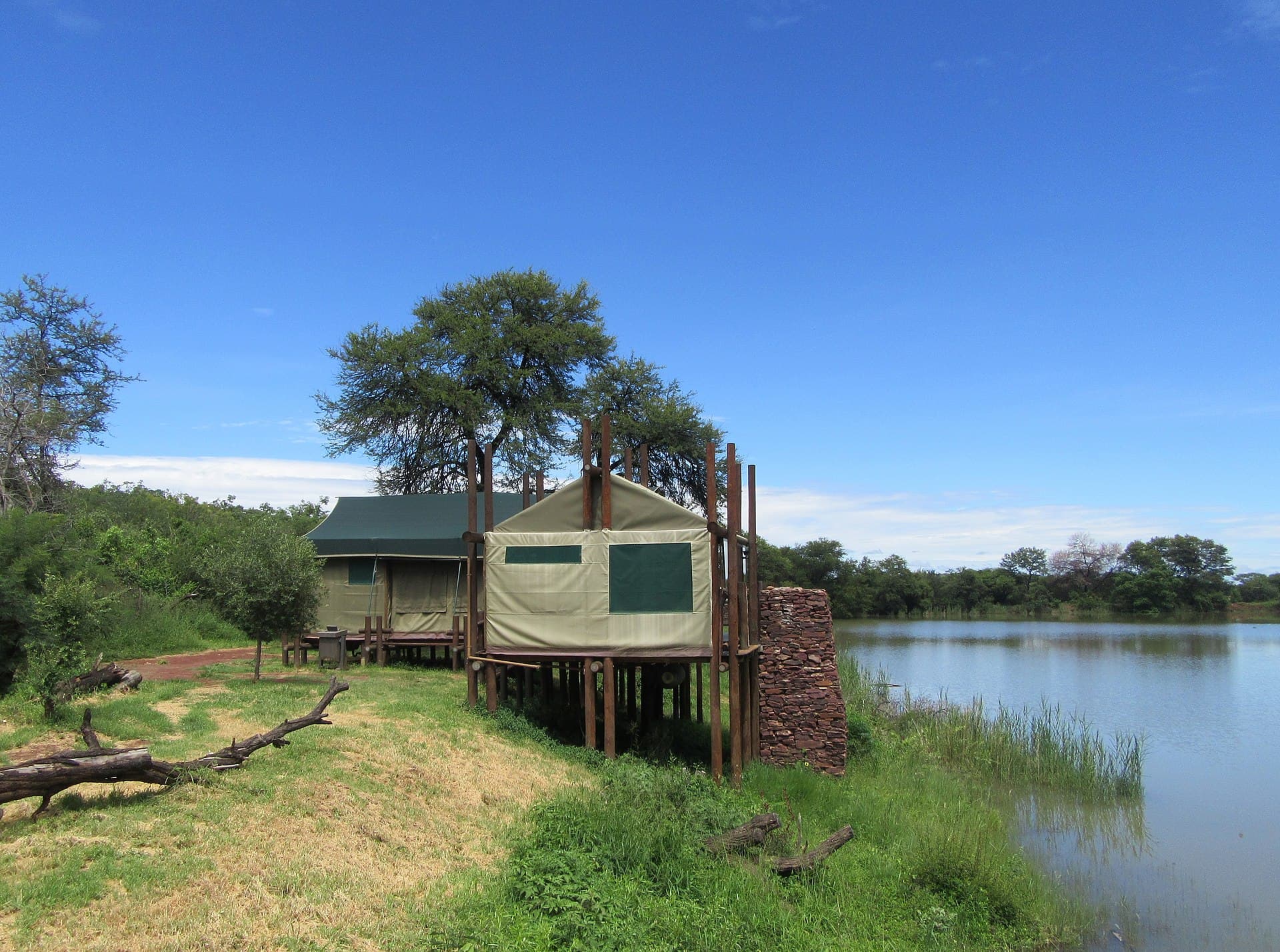
A canvas safari tent set among trees at a private tented campPremium

Amboseli · Kimana & Selenkay community lands

Community-Land Tented Camp

Tented camp

Tented camps on the Maasai community conservancies around the park, such as Kimana and Selenkay, trade a short drive into Amboseli for freedoms the park does not allow: guided walks, night drives and, at some, photographic hides. Lease fees paid to the landowners help keep open the wildlife corridors linking Amboseli, the Chyulu Hills and Tsavo.

  • Guided walks with Maasai guides
  • Night drives on community land
  • Kilimanjaro views from many tents
  • Daytime drives into the national park

Ideal for: Travelers who want walking and night drives alongside Amboseli’s elephants

A canvas safari tent set among trees at a private tented campLuxury

Amboseli · private concession

Private Concession Camp with Hides

Tented camp

A small, luxurious camp on a private concession bordering Amboseli, where a sunken hide beside a waterhole puts you at eye level with drinking elephants. Suites are generous and quiet, the mountain fills the view on clear days, and on the concession’s own tracks you rarely meet another vehicle.

  • Ground-level photographic hide
  • Large tented suites facing Kilimanjaro
  • Off-road driving and walks on the concession
  • Private vehicles on request

Ideal for: Photographers and couples who want Amboseli’s elephants with real privacy

Luxury lodge deck with loungers and umbrellas at golden hourLuxury

Chyulu Hills · Maasai group ranch

Lava-Hills Eco-Lodge

Lodge

Stone-and-thatch cottages on a Maasai group ranch in the Chyulu foothills, run on solar power and harvested rainwater, with Kilimanjaro on one side and green volcanic cones on the other. Walks, drives and horseback rides, from the lodge or with a partner stable nearby, are arranged with the local community, which typically shares in the lodge’s income and helps protect the wildlife corridor.

  • Solar power and rainwater harvesting
  • Walks across the ranch with Maasai guides
  • Views of Kilimanjaro and the Chyulu cones
  • Horseback rides matched to your ability, through a nearby partner stable

Ideal for: Walkers and returning travelers who want conservation and community at the heart of the stay

Luxury lodge deck with loungers and umbrellas at golden hourUltra-Luxury

Chyulu Hills · Mbirikani group ranch

Hilltop Riding Lodge

Lodge

An exclusive lodge on the Mbirikani group ranch with its own stable, where confident riders canter among zebra and giraffe with Kilimanjaro on the horizon. Many suites look over a waterhole, and between rides there is a pool, walking with Maasai guides and night drives, so it is a full safari even for guests who never mount a horse.

  • Riding for confident riders, gentle outings for novices
  • Waterhole views from many suites
  • Pool and open-air decks
  • Walking and night drives on the ranch

Ideal for: Experienced riders and couples who want a remote, active stay with top-end service

Experiences

Experiences

On foot

Walking Safaris in Kenya

Walk the conservancies and northern ranches with Maasai or Samburu guides and an armed ranger, from dawn rambles to rhino tracking and camel-supported treks.

On horseback

Horseback Safaris in Kenya

Ride among zebra and giraffe in the Chyulu Hills, across Laikipia’s ranches or in Mara North, from a gentle hour for novices to a multi-day riding safari.

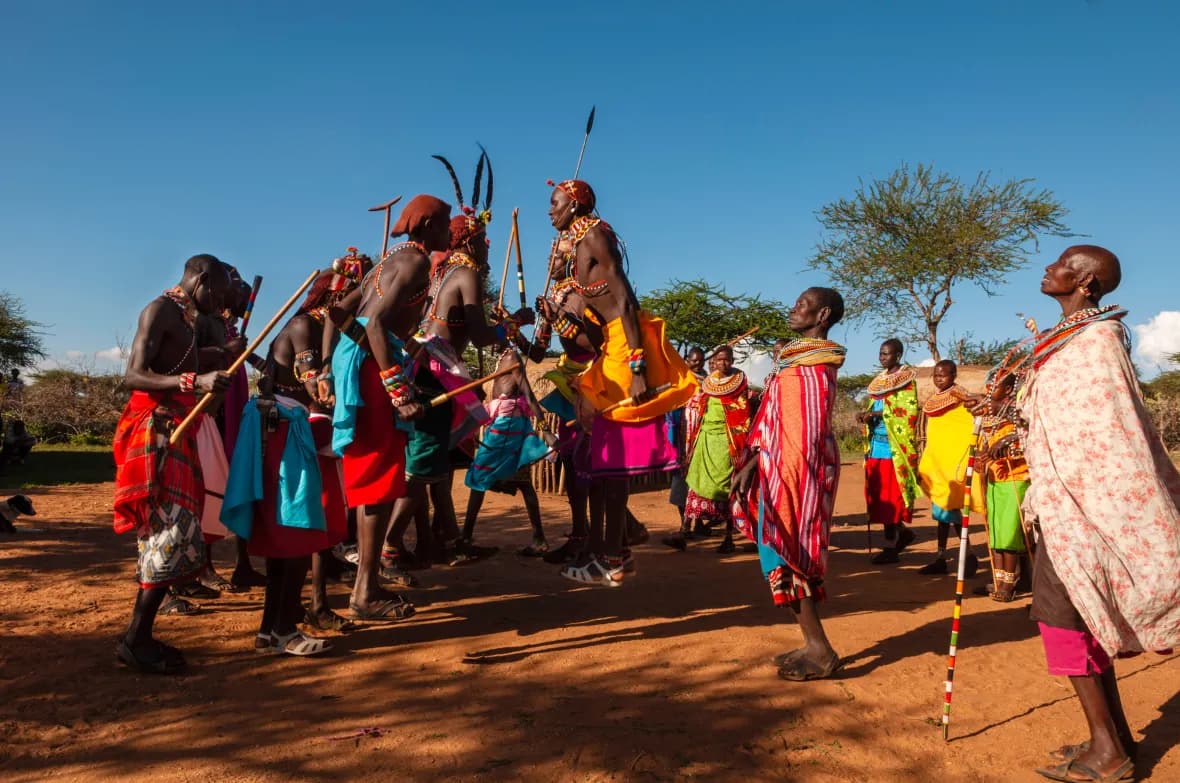
Men and women in traditional beaded dress dancing together during a community cultural visit

Culture

Maasai & Samburu Cultural Visits

Meet Maasai and Samburu families on visits their own communities arrange, where conversation comes first and you know exactly where the fee goes.

Safaris

Safaris That Go Here

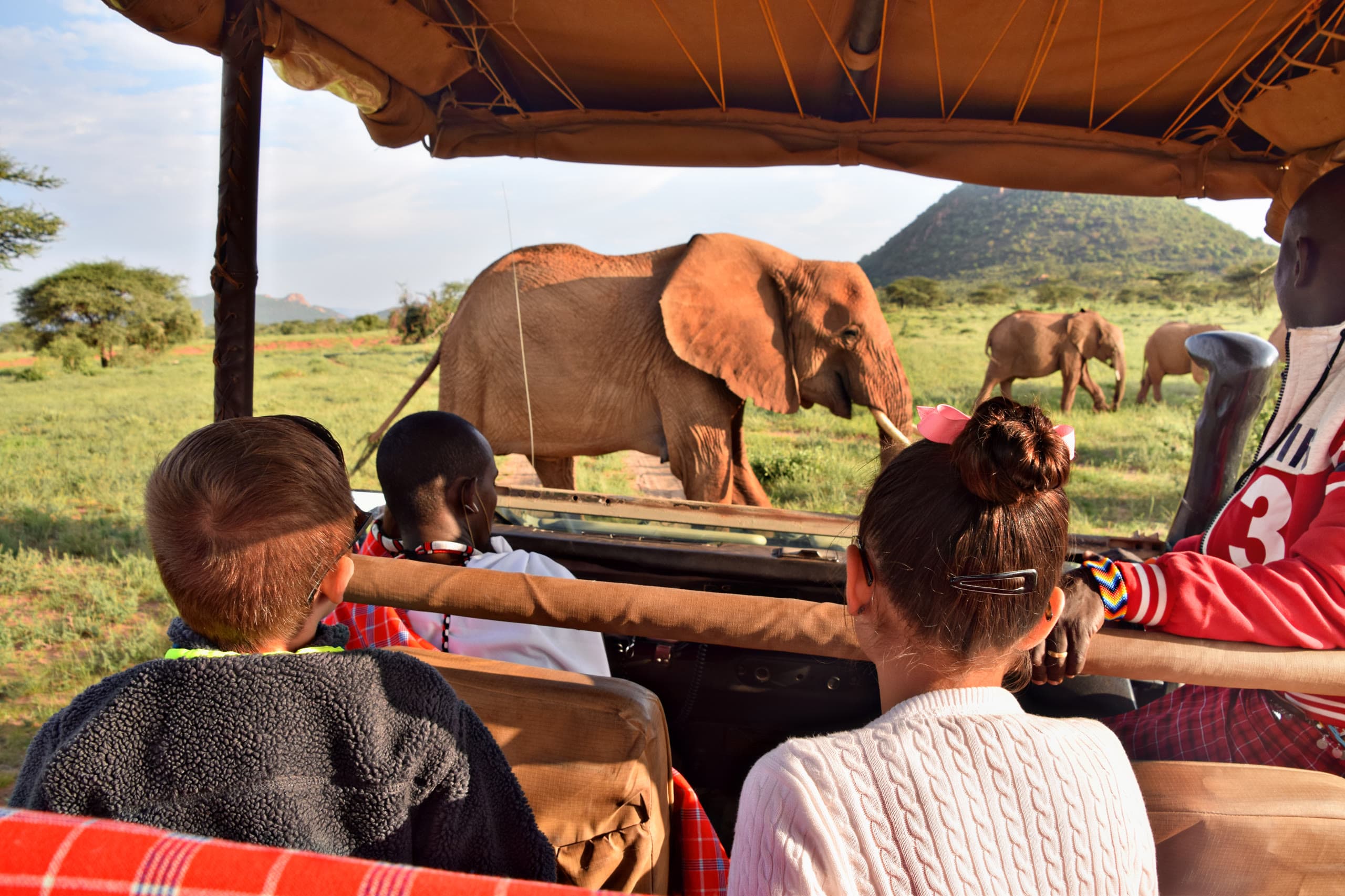
Safari guests watching a herd of elephants from an open vehicle on a family game drive
10 daysFamilies

Family Safari & Beach

Nairobi · Amboseli · Tsavo West · Diani Beach

Families with school-age children who want wildlife and a proper beach in one trip, mostly by road and rail

Best months
July–October and December–February
Comfort levels
Comfort · Premium · Luxury
Individually quoted
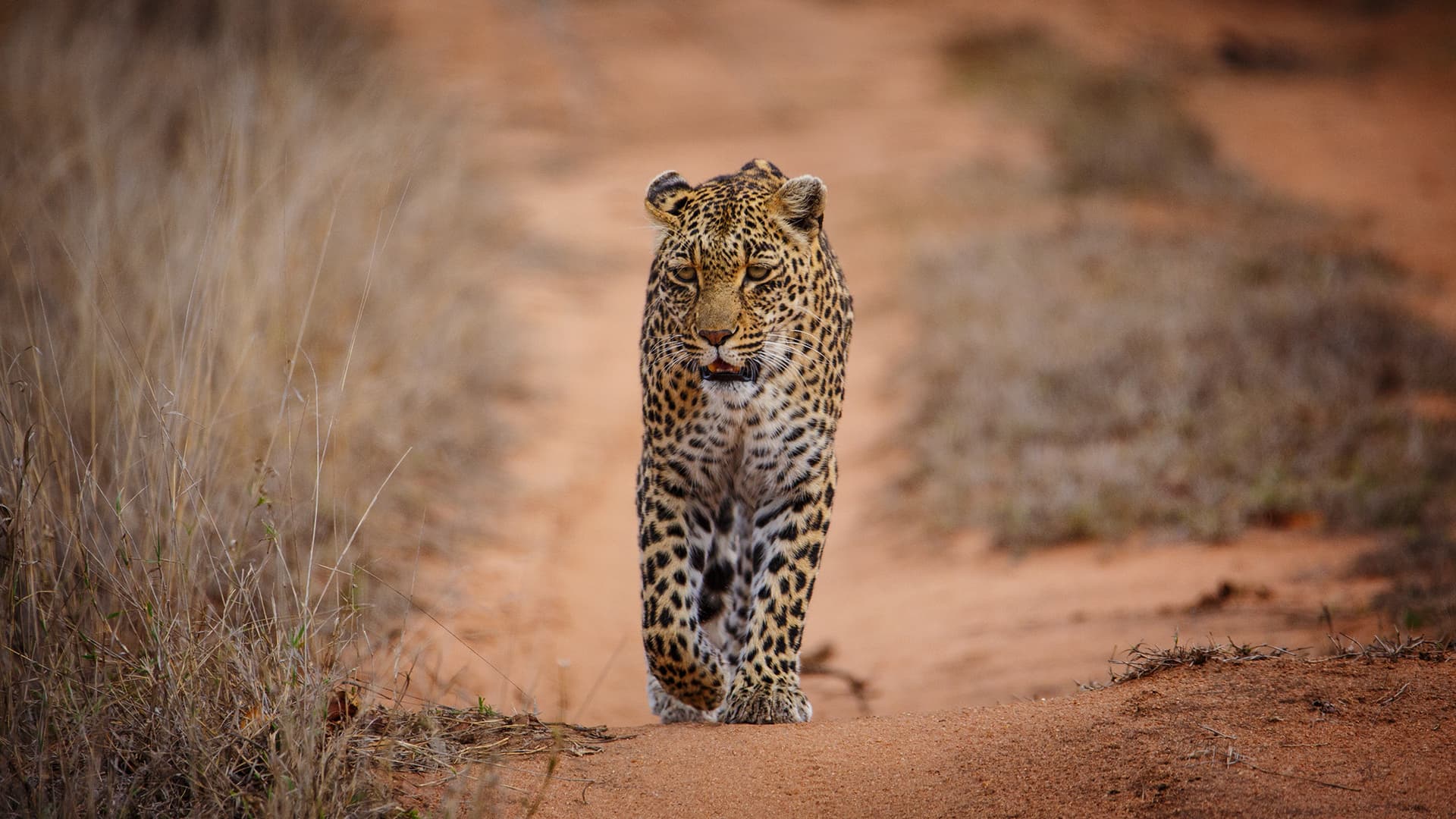
A leopard walking straight toward the camera — iconic big-cat viewing
9 daysPhotographers

Photographic Kenya

Nairobi · Amboseli · Mara Conservancies

Enthusiast and serious amateur photographers who want time, angles and light rather than a checklist

Best months
July–October and January–February
Comfort levels
Premium · Luxury
Individually quoted

Good to know

Frequently asked questions

Will I see Kilimanjaro from Amboseli?

Very likely at some point, but not all the time. Cloud usually builds around the mountain from mid-morning and can hide it for whole days in the rainy months, so dawn and late afternoon give you the best chance. Two or three nights, rather than one, greatly improves the odds of a clear view.

How many days do you need in Amboseli?

Two nights covers the swamps, Observation Hill and a couple of dawn sessions with the mountain. Three is better for photographers, or if you stay on community land and want to add a walk and a night drive. Adding the Chyulu Hills turns it into a five- or six-night southern stay.

How far is Amboseli from Nairobi?

About 240 km, which takes four to five hours by road or roughly 45 minutes by light aircraft from Wilson Airport. The road is paved most of the way, and the last stretch crosses Maasai rangeland where giraffe and zebra often appear before you reach the gate.

What is the Amboseli National Park entry fee?

At the time of writing (September 2026), Kenya Wildlife Service classes Amboseli as a Premium park, with a conservation fee of US$90 for non-resident adults under the rates introduced in October 2025. Combined tickets covering Amboseli and the Tsavo parks are also available for the southern circuit. Park fees are normally built into your safari plan, but check the KWS website for current rates.

Can you walk in Amboseli?

Inside the national park you stay in the vehicle except at designated spots such as Observation Hill. Guided walks with Maasai guides and armed rangers take place on the community conservancies around the park, and in the Chyulu Hills you can walk or ride through grassland and forest.

Are there still big tuskers in Amboseli?

Yes, a small number. Amboseli and neighbouring Tsavo are among the last strongholds of elephants with very large tusks in East Africa, though several famous individuals have died of old age in recent years. Sightings are never assured, but guides here often know individual elephants by family and name.

Is Amboseli dusty?

In the long dry season, very. The park sits on an old lakebed of fine volcanic soil, and from about July to October afternoon winds raise dust storms and swirling dust devils. Pack a scarf and a cover for your camera, and plan the longest drives for the calmer early mornings.

A cheetah scanning the plains in the Masai Mara

Start With Your Dates

Tell us when you can travel, who is coming and what you most want from Kenya. A safari specialist will design a private route around you, and nothing is booked until you approve it.

Plan my safari here