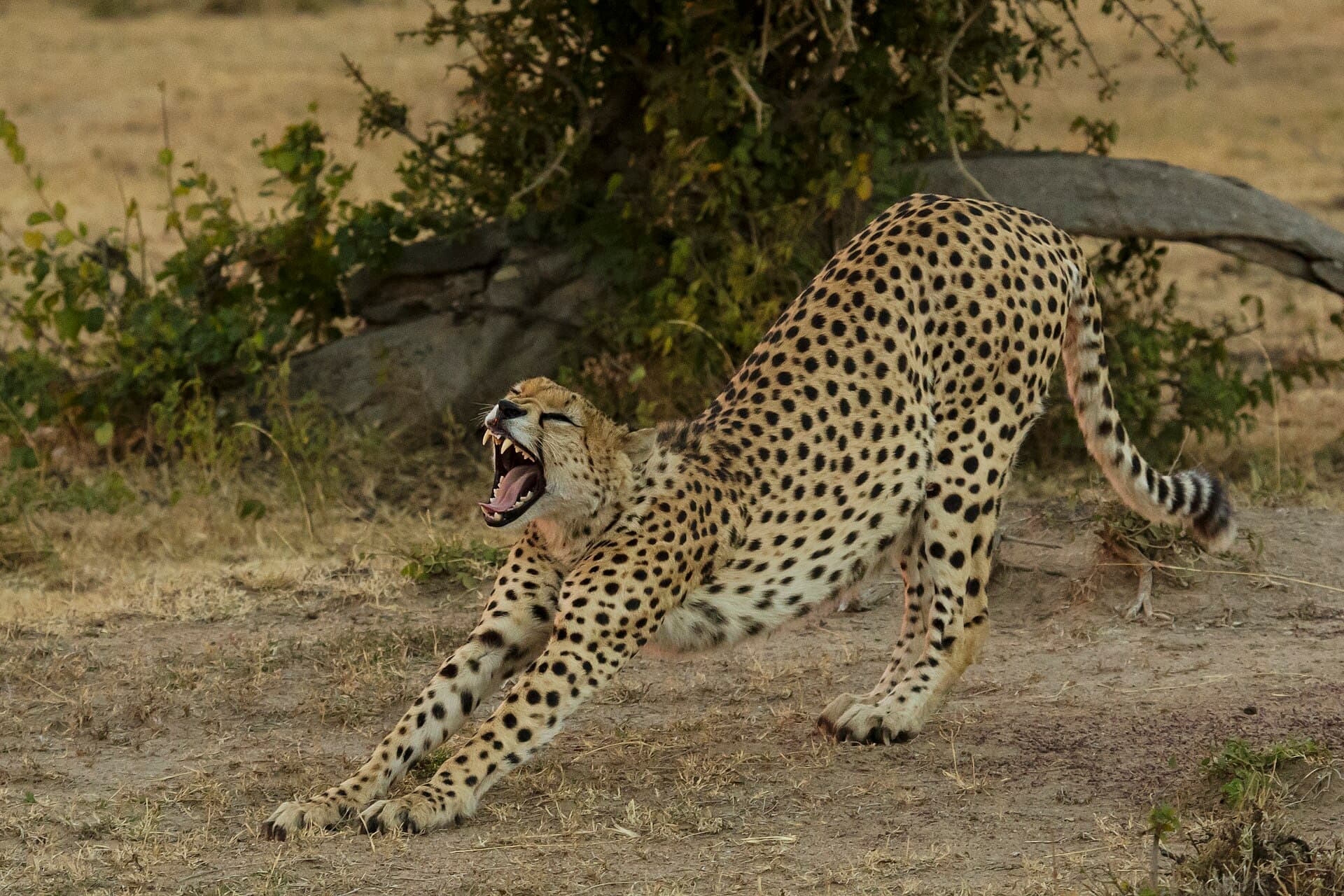
A cheetah scanning the plains in the Masai Mara

Destination guide

Masai Mara Conservancies: Private Land, Fewer Vehicles

Maasai-owned land around the national reserve, leased to a few small camps so guests can walk, drive at night and share sightings with only a handful of vehicles.

Member conservanciesMore than 20, mostly bordering the reserve’s northern and eastern boundaries
LargestMara North (about 28,500 ha), Pardamat, Naboisho and Olare Motorogi
What changesVehicle limits at sightings, low bed density, guided walks and night drives
FeesConservancy fees are included in camp rates; reserve days need a separate ticket
Getting thereAbout 45–60 minutes by light aircraft from Wilson to conservancy airstrips
Recommended stay3–4 nights, or 3 plus 3 in the reserve from July to October

Masai Mara Conservancies

Why Visit

The Masai Mara conservancies are private wildlife areas along the northern and eastern edges of the national reserve, set up since the mid-2000s on land owned by Maasai families. Rather than fence or farm their plots, landowners pool them into a conservancy and lease the whole block to a small number of tourism partners, who pay lease fees and accept strict limits on camp size and guest activities. The Maasai Mara Wildlife Conservancies Association lists more than 20 members, together covering an area comparable to the reserve itself, and the lease income reaches thousands of households; our page on Maasai cultural visits explains how to meet the people behind it.

For you, the difference shows up in the rules. Conservancies cap the number of vehicles at a sighting, typically at a handful, and keep bed numbers low, so a lion kill that might draw a queue in the reserve is often watched with one or two other cars. They also allow what the reserve does not: guided walks with Maasai guides, night drives with a spotlight, careful off-road driving to reach a sighting, and meals out in the bush.

The trade-off is the Mara River. Most of the well-known crossing points lie inside the reserve and the Mara Triangle, so in the migration months conservancy guests usually drive in for a full day, buying a reserve ticket for that day only. The Masai Mara National Reserve page covers the reserve itself; this one is about choosing a conservancy, and the 5-Day Masai Mara Fly-In Safari shows how a conservancy stay works day by day.

Best for

  • Travelers who want sightings without a queue of vehicles
  • Guided walks and night drives in the Mara ecosystem
  • Honeymooners and families who value privacy
  • Photographers who need off-road positioning
  • Supporting Maasai landowners directly through your stay

Masai Mara Conservancies

Wildlife & Highlights

  • Dense lion prides, notably in Olare Motorogi and Naboisho
  • Leopard and cheetah, easier to follow where off-road driving is allowed
  • Aardvark, serval, genet, bushbaby and spotted hyena on night drives
  • Resident wildebeest, zebra, topi and eland all year
  • Migrating herds spreading across the northern conservancies from about July
  • Elephant and giraffe in the whistling-thorn and croton woodland
  • Honey badger, bat-eared fox and, with luck, striped hyena
  • Grey crowned crane, ostrich and kori bustard on the open grassland

Season

Best Time to Visit

  1. January
  2. February
  3. March
  4. April
  5. May
  6. June
  7. July
  8. August
  9. September
  10. October
  11. November
  12. December
January–MarchDry, warm and quiet, with excellent resident predator viewing and few vehicles in the reserve on your day trips. Newborn gazelle and topi keep the cats busy, and short grass makes spotting easier on night drives.
April–MayThe long rains. Several conservancy camps close for part of this period and tracks on black-cotton soil become heavy going. Those that stay open offer green landscapes, dramatic skies and sightings with almost nobody else around.
June–OctoberPeak season. Herds often spill into Mara North, Lemek and Naboisho from about July, while most crossings happen in the reserve, so a day or two at the river fits naturally into a conservancy stay; the 8-Day Masai Mara Great Migration Safari is built around that split. Book early for August.
November–DecemberShort rains bring brief afternoon storms, fresh grass and some of the year’s best light for photography. Walking is rewarding in the cooler air, and the conservancies are at their quietest before the festive weeks.

Masai Mara Conservancies

Areas to Know

Mara North

At about 28,500 ha, Mara North is the largest of the northern conservancies, running along the reserve’s northern boundary toward the Mara River and the Musiara area. Its size and closeness to the river make it a strong migration-season base, and it hosts two of the Mara’s multi-day horseback safari outfits. Around a dozen tourism partners operate here, so camp styles vary widely.

Best for: Migration-season stays near the river, and riding

Olare Motorogi

Tucked between the reserve and Naboisho, Olare Motorogi covers about 15,200 ha and has one of the lowest bed densities in the Mara. It is known for large lion prides along its seasonal streams and for strictly kept vehicle rules. Its few camps sit mostly at the upper end of the price range.

Best for: Exclusivity and big-cat viewing

Naboisho

East of Olare Motorogi, Naboisho brings together close to 700 Maasai landowners on about 22,500 ha of open, rolling grassland. Its small, intimate camps and well-known lion prides make it a favourite with repeat visitors, and its sighting limits keep vehicle numbers down. The terrain is ideal for walking safaris with Maasai guides.

Best for: Walking and small, characterful camps

Ol Kinyei & Lemek

Two smaller conservancies of about 7,500 and 7,000 ha. Ol Kinyei, one of the Mara’s earliest, has held IUCN Green List status for its management and has room for only a few camps. Lemek, north of Mara North, often receives migrating herds in the peak months and has a more pastoral, lived-in feel, with Maasai homesteads never far away.

Best for: Intimate, lower-key stays

Olderkesi, Enonkishu, Siana & Nashulai

Further-flung choices, each with its own character. Olderkesi lies far to the south-east against the Serengeti border; Enonkishu, in the north, integrates wildlife with Maasai cattle ranching and suits families who want to understand how the land works; Siana sits east of the reserve near the Sekenani side; and Nashulai was established by its own community.

Best for: Remote, community-led or learning-focused stays

Masai Mara Conservancies

Getting There

Most conservancies have their own airstrips on the same scheduled light-aircraft routes that serve the reserve, about 45–60 minutes from Wilson depending on how many stops the plane makes. Camp vehicles meet each flight, and transfers are usually short enough to double as a first game drive. By road, allow five to six hours from Nairobi via Narok, the last stretch on rough dirt tracks. For timing your connection from JKIA, see flying into Kenya.

Drive or fly?

Flying is the default for conservancy stays. The drive from Nairobi ends on slow, rutted tracks, and outside vehicles are generally not allowed to game-drive inside a conservancy, so a road driver cannot double as your guide once you arrive. Driving makes sense when the Mara is one stop on a longer road route, for example after a night at Lake Naivasha on the Rift Valley lakes circuit, and even then you switch to the camp’s vehicle and Maasai guide at the boundary.

Airstrips & airports

  • Olare Orok
  • Ol Seki
  • Mara North
  • Ngerende

Typical travel times

Nairobi to the northern conservancies by road
About 5–6 hours
Wilson Airport to a conservancy airstrip
About 45–60 minutes by air
Olare Motorogi or Naboisho to the reserve’s Talek Gate
About 30–60 minutes
Mara North to the Mara River crossing points
About 1–2 hours with game viewing

Stays

Where to Stay

Conservancy camps are small by design: many have a dozen tents or fewer, spaced along seasonal streams or on low ridges with long views. Styles range from simple, well-run tented camps to exclusive-use houses with their own vehicle, guide and chef, and the conservancy fee is already folded into the nightly rate. A few camps close for part of April and May, so green-season travelers should check dates before settling on a particular style.

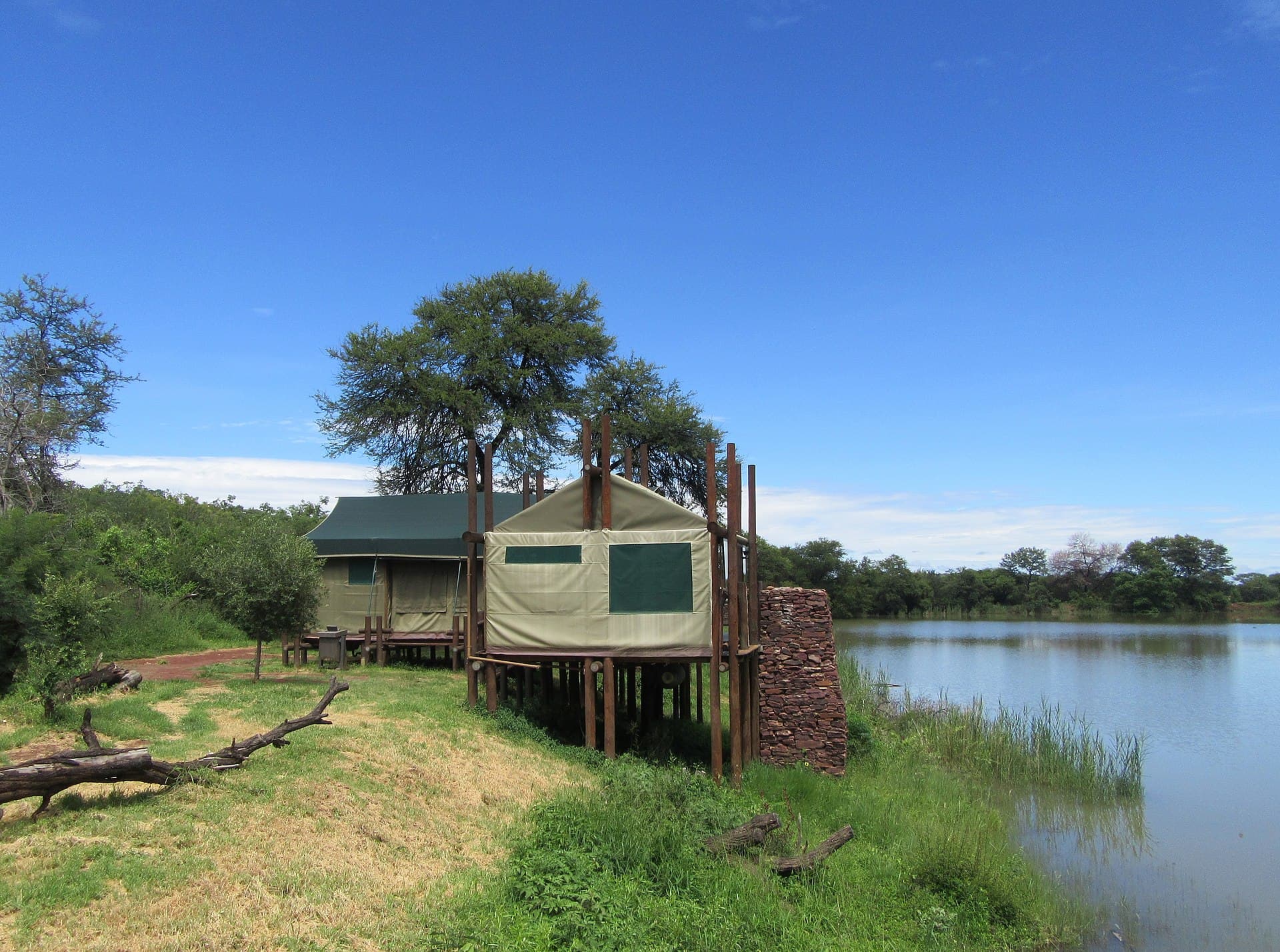
A canvas safari tent set among trees at a private tented campComfort

Mara conservancies · Ol Kinyei, Naboisho & neighbours

Small Conservancy Tented Camp

Tented camp · Some close April–May

An unpretentious camp of a few tents, often owner-run, on a conservancy where vehicle numbers are capped and walking with Maasai guides is part of daily life. Comforts are simple, with en-suite bush bathrooms and solar power, but the low-density wildlife viewing is the same one the larger camps next door enjoy.

  • Walks with Maasai guides
  • Capped vehicle numbers at sightings
  • Solar power and en-suite bush bathrooms
  • Night drives where the conservancy allows

Ideal for: Travelers who put conservancy access and walking ahead of polish
A canvas safari tent set among trees at a private tented campPremium

Mara conservancies · Mara North, Naboisho, Olare Motorogi

Classic Conservancy Tented Camp

Tented camp

Well-appointed safari tents under acacias on one of the larger conservancies, where the land is leased from Maasai families and bed numbers are kept deliberately low. Days mix off-road drives, walks, night drives and meals in the bush, and in the migration months the herds often spread across these northern and eastern conservancies.

  • Open-sided vehicles and off-road viewing
  • Guided walks and night drives
  • Bush breakfasts and sundowners
  • Day trips into the reserve on a separate ticket

Ideal for: First-time and returning travelers who want the classic Mara with far fewer vehicles

A canvas safari tent set among trees at a private tented campLuxury

Mara conservancies · Olare Motorogi & Mara North

Luxury Conservancy Camp

Tented camp

Large, beautifully finished tents with decks, outdoor showers and sometimes a plunge pool, in the conservancies where bed density is kept especially low. Guiding is exceptional, vehicles are few, and meals appear wherever the moment suggests, from a riverbank breakfast to dinner by lantern light on the open plain.

  • Spacious tents with private decks
  • Plunge pools at some
  • Private vehicles and highly experienced guides
  • Bush dinners and sleep-outs where offered

Ideal for: Honeymooners and photographers who want privacy and top guiding in the Mara

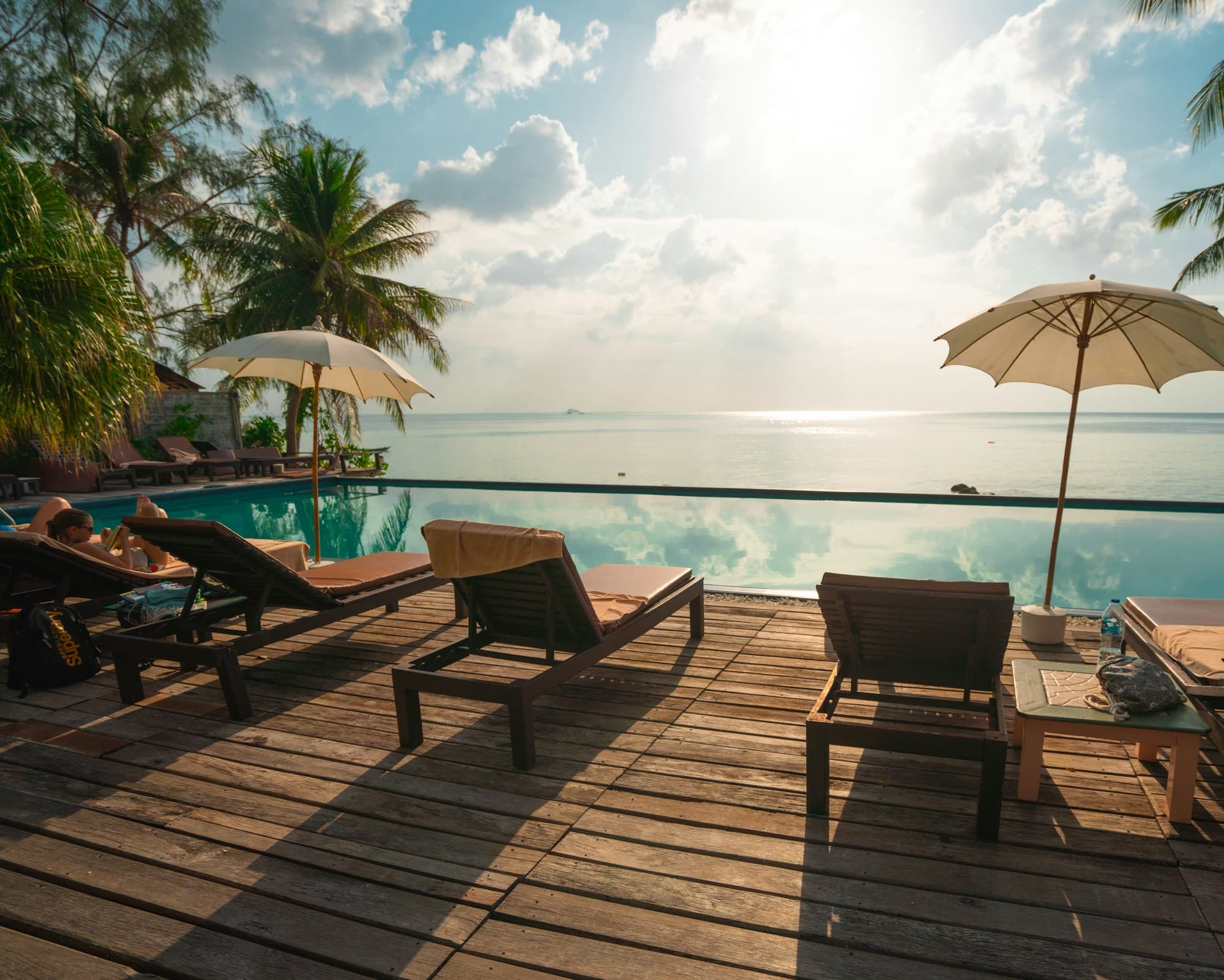
Luxury lodge deck with loungers and umbrellas at golden hourUltra-Luxury

Mara conservancies · private house or camp

Exclusive-Use Conservancy House

Lodge

A private house or small camp taken entirely for your group on a Mara conservancy, with its own chef, guide, vehicle and staff. Meal times, activities and the pace of each day are yours to set, which suits a multi-generation family as well as a couple who want no other guests at all.

  • Sole use of the house and its staff
  • Private chef and flexible meal times
  • Dedicated guide and vehicle
  • Private pool at most

Ideal for: Families and couples who want a whole camp to themselves

Experiences

Experiences

On foot

Walking Safaris in Kenya

Walk the conservancies and northern ranches with Maasai or Samburu guides and an armed ranger, from dawn rambles to rhino tracking and camel-supported treks.

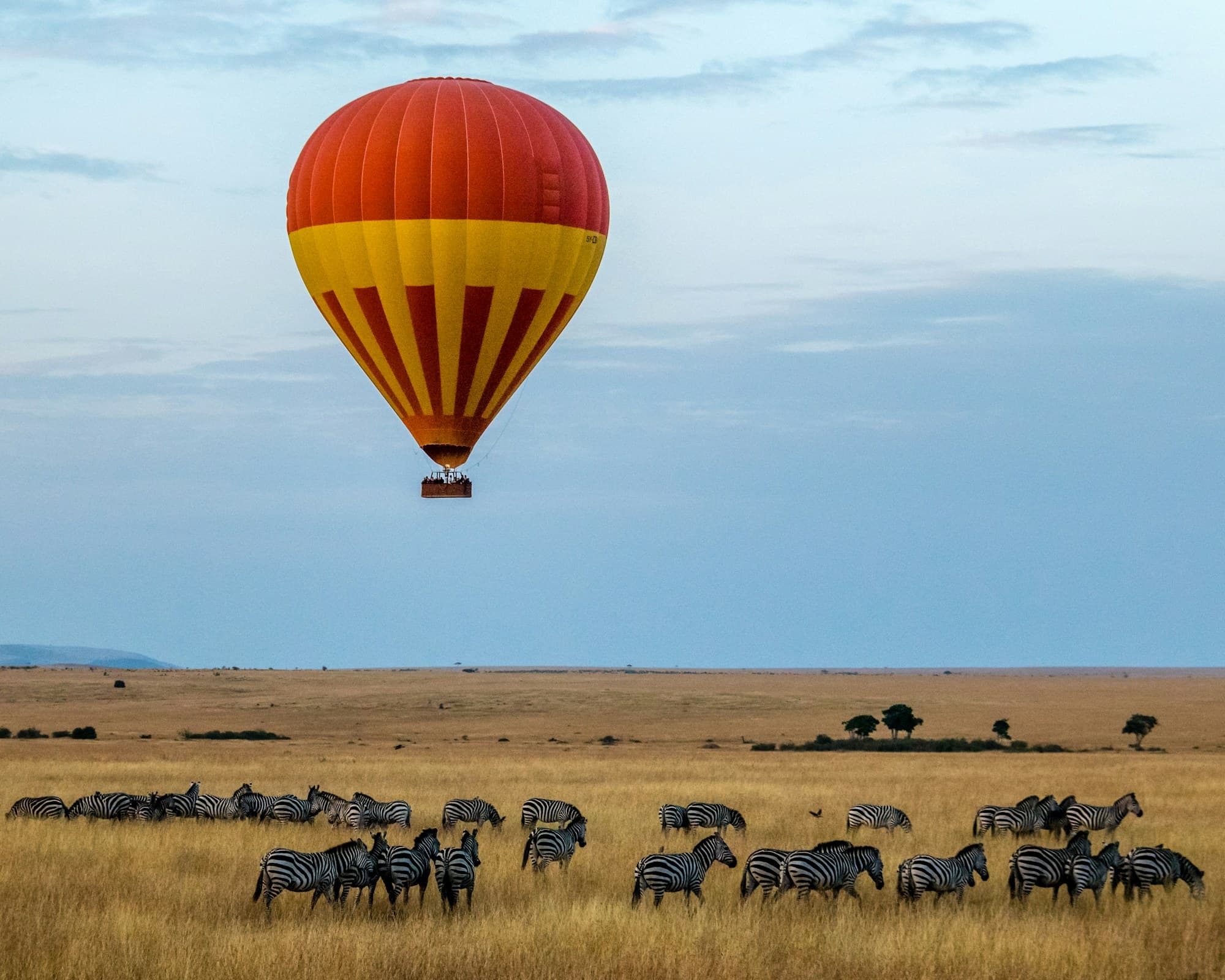
Aerial view over savanna herds from a hot-air balloon at first light

In the air

Masai Mara Hot-Air Balloon Safari

Lift off over the Mara at sunrise, drift for about an hour above the river and the plains, then land for a champagne breakfast in the grass.

On horseback

Horseback Safaris in Kenya

Ride among zebra and giraffe in the Chyulu Hills, across Laikipia’s ranches or in Mara North, from a gentle hour for novices to a multi-day riding safari.

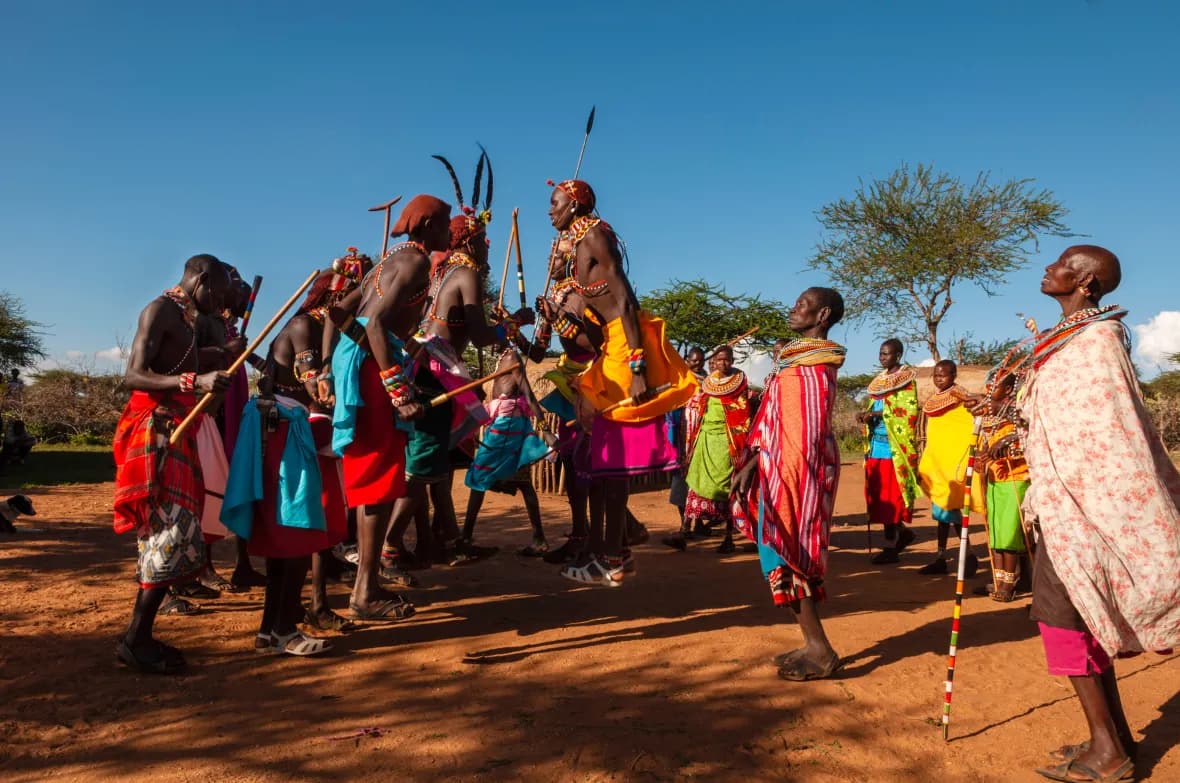
Men and women in traditional beaded dress dancing together during a community cultural visit

Culture

Maasai & Samburu Cultural Visits

Meet Maasai and Samburu families on visits their own communities arrange, where conversation comes first and you know exactly where the fee goes.

Safaris

Safaris That Go Here

A cheetah scanning the plains in the Masai Mara
5 daysShort & focused

Masai Mara Fly-In

Nairobi · Mara Conservancies

First-timers and travelers short on leave who want the Mara done properly in under a week

Best months
All year except the April–May rains
Comfort levels
Comfort · Premium · Luxury · Ultra-Luxury
Individually quoted
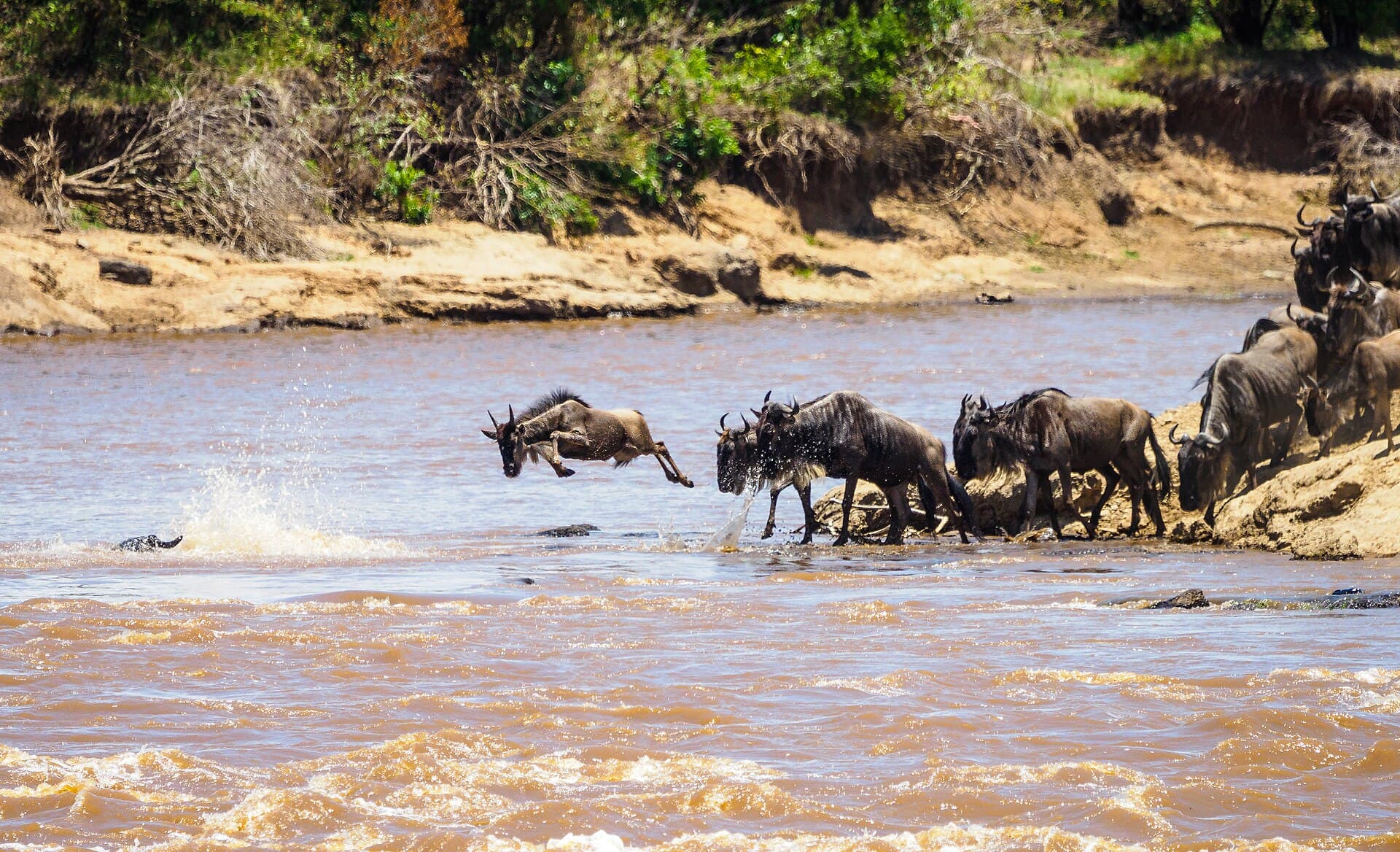
Wildebeest leaping into the Mara River during the Great Migration crossing
8 daysJul–Oct

Mara Migration Safari

Nairobi · Mara Conservancies · Masai Mara Reserve

Migration-focused travelers and photographers with July–October dates and realistic expectations

Best months
July–October, the Mara’s migration months
Comfort levels
Premium · Luxury · Ultra-Luxury
Individually quoted
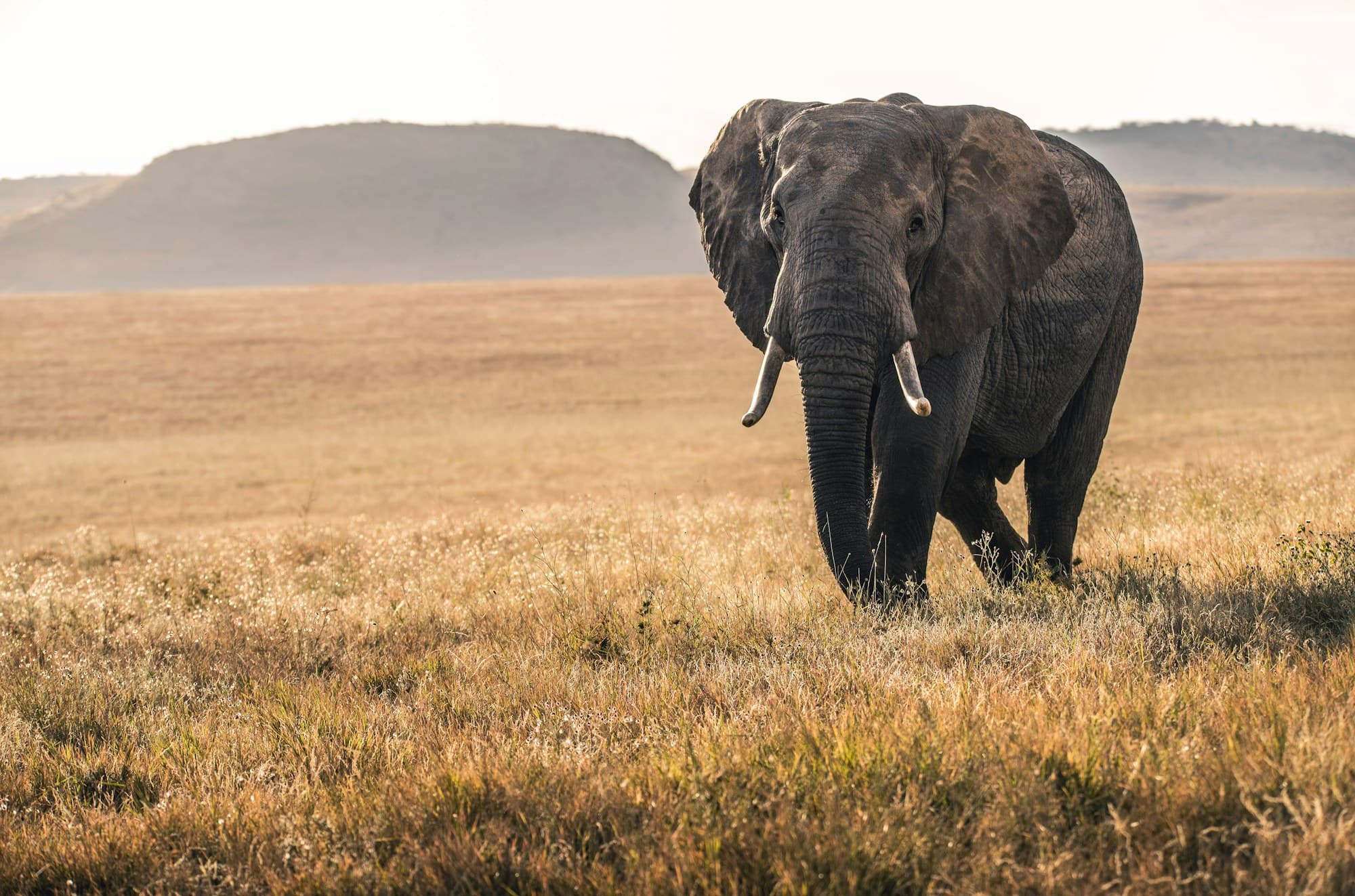
Elephant walking through dry golden grassland in northern Kenya
10 daysComplete Kenya

Kenya Highlights

Nairobi · Samburu · Laikipia · Mara Conservancies

First-timers who want Kenya’s full range, and returning travelers who have seen the Mara alone

Best months
June–October and December–March
Comfort levels
Premium · Luxury · Ultra-Luxury
Individually quoted
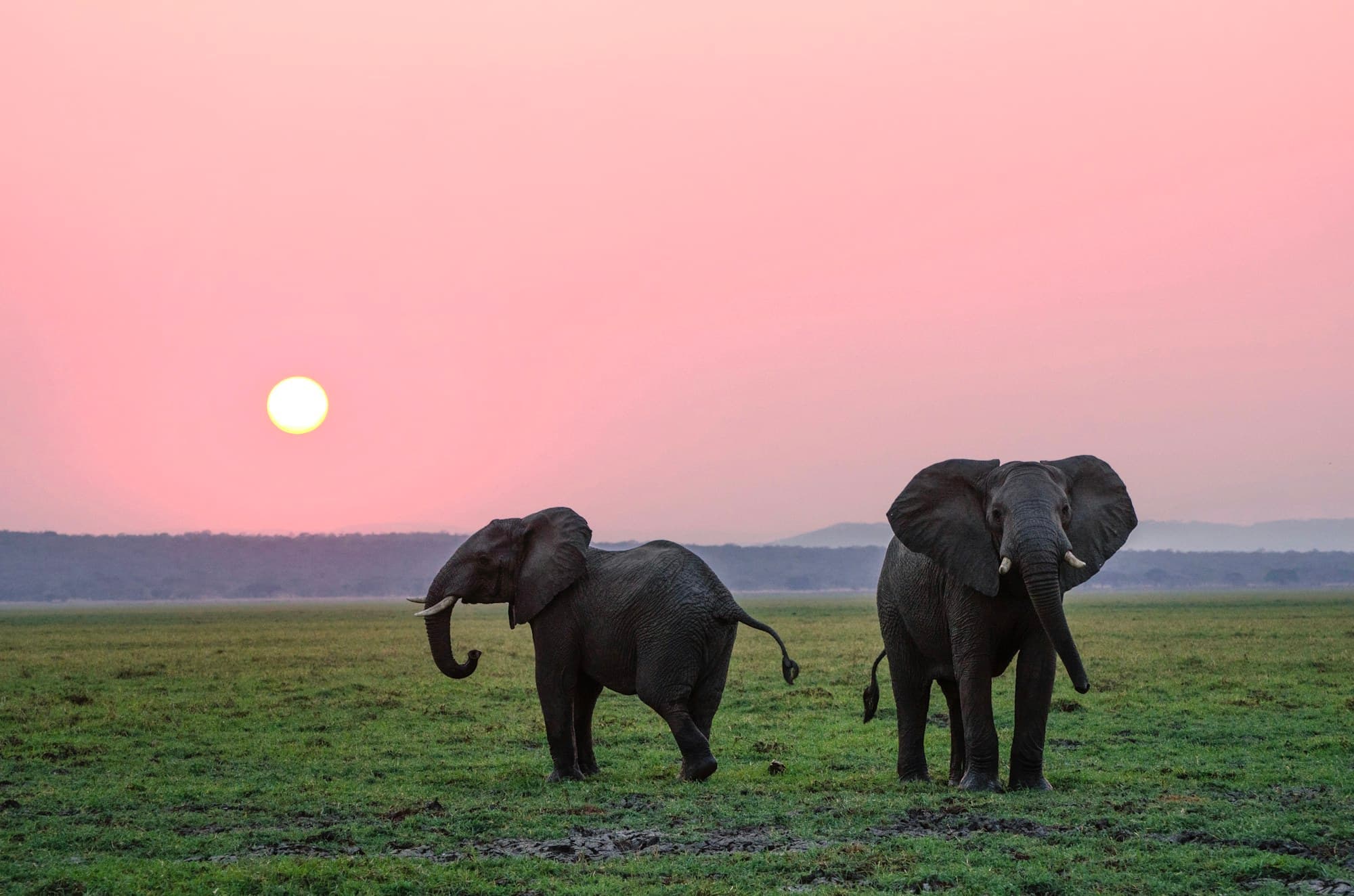
Two elephants together beneath a soft pink dusk sky
12 daysCouples

Kenya Honeymoon

Nairobi · Laikipia · Mara Conservancies · Diani Beach

Newlyweds who want privacy, a few genuinely special moments and a beach, without road days

Best months
July–October and December–February
Comfort levels
Premium · Luxury · Ultra-Luxury
Individually quoted
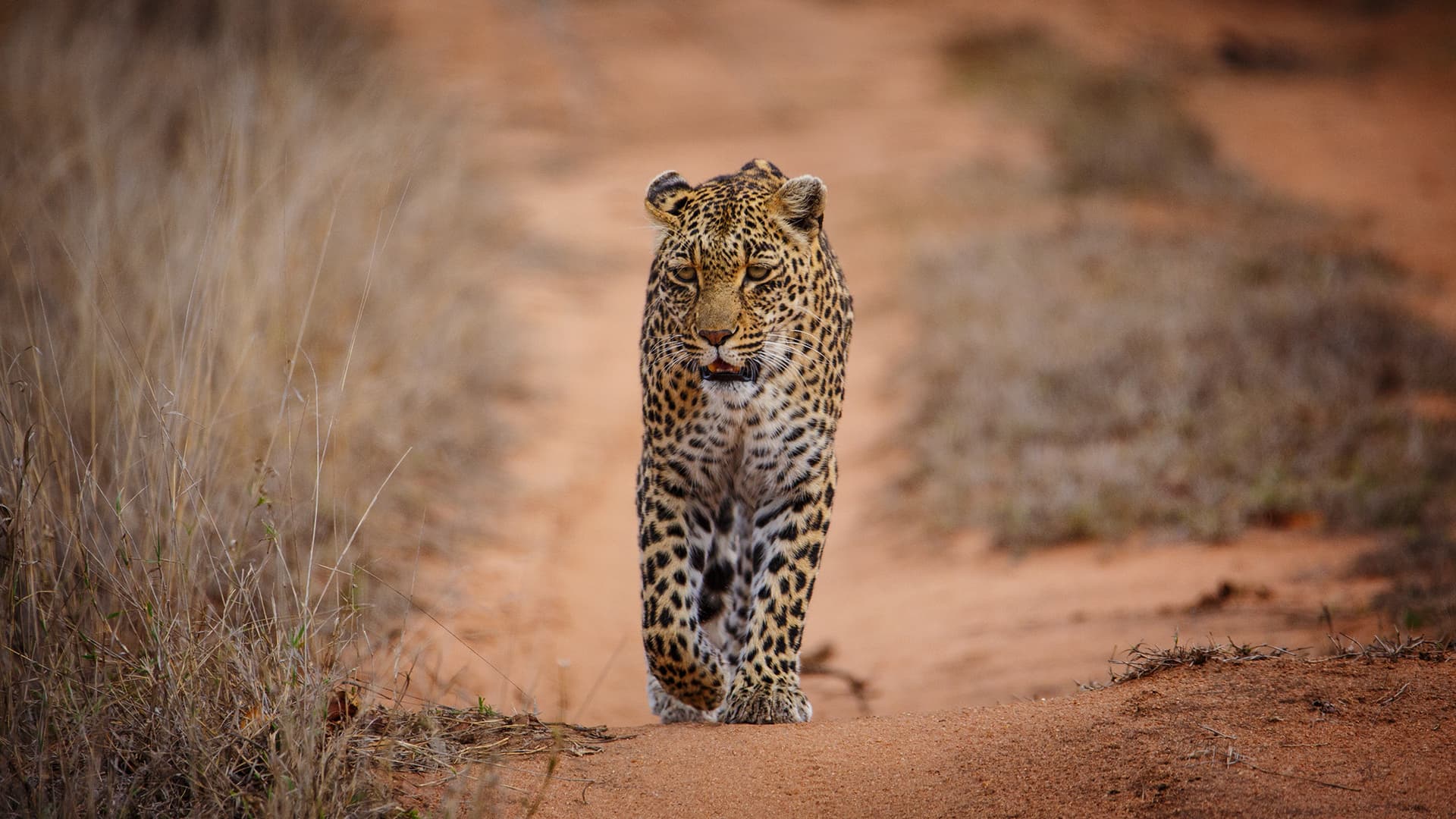
A leopard walking straight toward the camera — iconic big-cat viewing
9 daysPhotographers

Photographic Kenya

Nairobi · Amboseli · Mara Conservancies

Enthusiast and serious amateur photographers who want time, angles and light rather than a checklist

Best months
July–October and January–February
Comfort levels
Premium · Luxury
Individually quoted

Good to know

Frequently asked questions

Should I stay in the Masai Mara reserve or a conservancy?

Choose a conservancy if you value space, walks, night drives and sightings shared with few other vehicles. Choose the reserve if being at the Mara River at first light in crossing season matters most, or if you are on a road itinerary with limited time. From July to October many travelers do both, with three nights in each.

Which Masai Mara conservancy is best?

There is no single best, only the best fit for your month and style. Olare Motorogi is known for exclusivity and lion prides, Mara North for its size and river access in migration season, Naboisho for walking and small camps, and Ol Kinyei for an intimate, low-key feel. We match the conservancy to your priorities before suggesting a camp style.

Are conservancy fees included in the camp price?

Yes. Conservancy fees are paid through your camp and built into its nightly rate, and a share reaches Maasai landowners as lease payments. The only extra entry cost is a national reserve ticket for any day you drive into the reserve itself.

Can you see river crossings from a Mara conservancy?

Rarely from the conservancy itself, because the main crossing points are on the Mara River inside the reserve and the Triangle. From about July the herds often spread across Mara North, Lemek and Naboisho, so you may have wildebeest around camp and still drive to the river for crossings.

Can reserve guests visit a conservancy for the day?

Generally not. Conservancies protect their low-density promise by limiting game drives to guests of member camps, so to walk or go on a night drive in one, you need to stay there.

What age do children need to be for conservancy walks?

Many camps set a minimum age of around 12 for walks with Maasai guides, and some have their own rules for night drives or for young children in general. Exclusive-use houses, with a private vehicle and flexible meal times, are often the easiest fit for families with younger children, and Enonkishu’s mix of cattle and wildlife makes an engaging lesson for older ones.

Do conservancy camps close in the rainy season?

Some close for part of April and May, when the long rains make tracks difficult. Others stay open all year, and the green season’s quiet sightings and newborn animals reward flexible travelers.

A cheetah scanning the plains in the Masai Mara

Start With Your Dates

Tell us when you can travel, who is coming and what you most want from Kenya. A safari specialist will design a private route around you, and nothing is booked until you approve it.

Plan my safari here