
Kenya Travel Guide
Kenya Safari Vaccines, Malaria & Yellow Fever
What Kenya requires at the border, what US health authorities recommend for safari travelers, and why altitude and the coast change the picture.
Required versus recommended
Kenya vaccinations fall into two groups, and it helps to keep them apart. Only one is an entry requirement: a yellow fever certificate if you arrive from a country with risk of yellow fever transmission. Everything else, from hepatitis A to malaria tablets, is a recommendation from health authorities such as the US Centers for Disease Control and Prevention (CDC), which a clinician tailors to you and your route.
Book a travel-health appointment six to eight weeks before departure and bring your whole itinerary, including any Tanzania, Zanzibar, Uganda or Rwanda stops. Where you sleep in Kenya, and where you fly next, changes the advice.
Kenya Health Checklist at a Glance
| Item | Status at the time of writing | Notes |
|---|---|---|
| Yellow fever certificate | Required from travelers aged 1 and over arriving from a country with yellow fever risk | Not needed when flying in from the US, UK or Europe; onward countries may ask for it |
| Yellow fever vaccine | Recommended by CDC for travelers aged 9 months and over | Except trips limited to Nairobi city, the former North Eastern Province, or the coast counties other than Taita-Taveta |
| Routine vaccines | Recommended | Measles-mumps-rubella and other routine shots up to date |
| Hepatitis A and typhoid | Commonly recommended | Spread through food and water; both need time before travel |
| Rabies | Consider | For long stays, walking and riding safaris, remote areas and children |
| Malaria prevention | Recommended for most safari routes | Prescription tablets plus bite avoidance |
| Dengue | Risk present, notably on the coast | Ask your clinic; prevention rests on avoiding daytime mosquito bites |
Summarized from CDC guidance for Kenya at the time of writing (September 2026). Recommendations change, and your clinician has the final word.
Yellow fever: why your route matters
Most US and European travelers flying straight into Nairobi don’t need a certificate to enter Kenya. The vaccine question is about where you go inside the country. CDC recommends it for travelers aged 9 months and over, except when a trip is limited to Nairobi city, the former North Eastern Province (Garissa, Mandera and Wajir), or the coast counties apart from Taita-Taveta. A classic safari to the Mara, Amboseli, Laikipia or Samburu falls inside the recommendation, while a Diani-only beach stay does not.
The certificate matters again when you leave. Kenya is classed as a country with yellow fever risk, so onward destinations, Tanzania and Zanzibar among them, may ask arrivals from Kenya for proof of vaccination; our Tanzania vaccines guide covers their side. A certificate generally takes effect 10 days after the injection and, under current international rules, remains valid for life. Only designated clinics give the vaccine, so book early.
Some people can’t have the vaccine for medical reasons. A clinician can write an exemption letter, but acceptance is up to border officials, so tell us early and we will look at routing that avoids the requirement.
Malaria Across Kenya’s Safari Regions
CDC reports malaria in all areas of Kenya below 2,500 m (about 8,200 ft), game parks included, and rare transmission in central Nairobi.
| Region | Malaria picture | Worth knowing |
|---|---|---|
| Central Nairobi | Rare | Your prescription still needs to cover the parks that follow |
| Masai Mara & conservancies | Present | Camps near rivers and marshes can see more mosquitoes after rain |
| Amboseli & Tsavo | Present | Swamps and springs are mosquito strongholds; cover up at dusk |
| Laikipia & Samburu | Present | Laikipia’s plateau, at roughly 1,700–2,000 m, feels cool but sits below the 2,500 m line |
| Rift Valley lakes | Present | Lakeshore lodges tend to be buzzier at dusk |
| Diani & Watamu | Present | Dengue is also a risk here, and its mosquitoes bite by day |
| Mount Kenya above 2,500 m | Low | Relevant mainly to climbers and high scenic flights |
Based on CDC’s Kenya malaria guidance at the time of writing.
Malaria tablets and bite avoidance
Malaria in Kenya is resistant to chloroquine, so your clinician will choose between the drugs CDC lists for the country: atovaquone-proguanil, doxycycline, mefloquine or tafenoquine. They differ in how often you take them, when you start and stop, side effects, and suitability for children or during pregnancy, which is why the choice belongs with your clinician.
Tablets work best alongside bite avoidance. The mosquitoes that carry malaria bite mainly from dusk to dawn, which is also sundowner and campfire time, so change into long sleeves and trousers before the light goes, use a repellent your clinic recommends and sleep under the net or inside a screened tent. On the coast, keep repellent on during the day too.
Fever is the warning sign. If you develop one on safari, or in the months after you return home, see a doctor promptly and say that you have been in Kenya.
Insurance, evacuation and care on the ground
Many of Kenya’s finest camps are an hour or more by air from a major hospital, and serious cases are usually flown to Nairobi. Travel insurance with emergency medical evacuation and repatriation is essential, and it should name the activities you are planning: a balloon flight, a horseback safari or a helicopter day may need to be declared.
Regional air-ambulance memberships designed for visitors also exist; they complement insurance rather than replace it, and we can point you to current options. US travelers should know that Medicare and most domestic health plans offer little or no cover abroad.
Camps keep first-aid kits and radios or satellite phones, and your guide always knows the nearest airstrip. Pack your usual prescriptions in hand luggage, in their original labeled containers, with several days’ extra supply.
Your Health Timeline
Eight weeks out
Book a travel-health appointment and bring your full route, onward countries included, so yellow fever and multi-dose vaccines can be scheduled in time.
Four weeks out
Finish vaccine courses, collect your yellow fever certificate if advised, fill your antimalarial prescription and confirm your evacuation cover.
Travel week
Put medications, repellent, sunscreen and the certificate in your carry-on, and check CDC’s travel health notices for Kenya and its neighbors.
On safari
Take tablets exactly as prescribed, cover up from late afternoon, drink the filtered water camps provide, and tell your guide early if you feel unwell.
Home again
Complete the antimalarial course and see a doctor quickly about any fever in the following months.
Where to go
Places in this guide
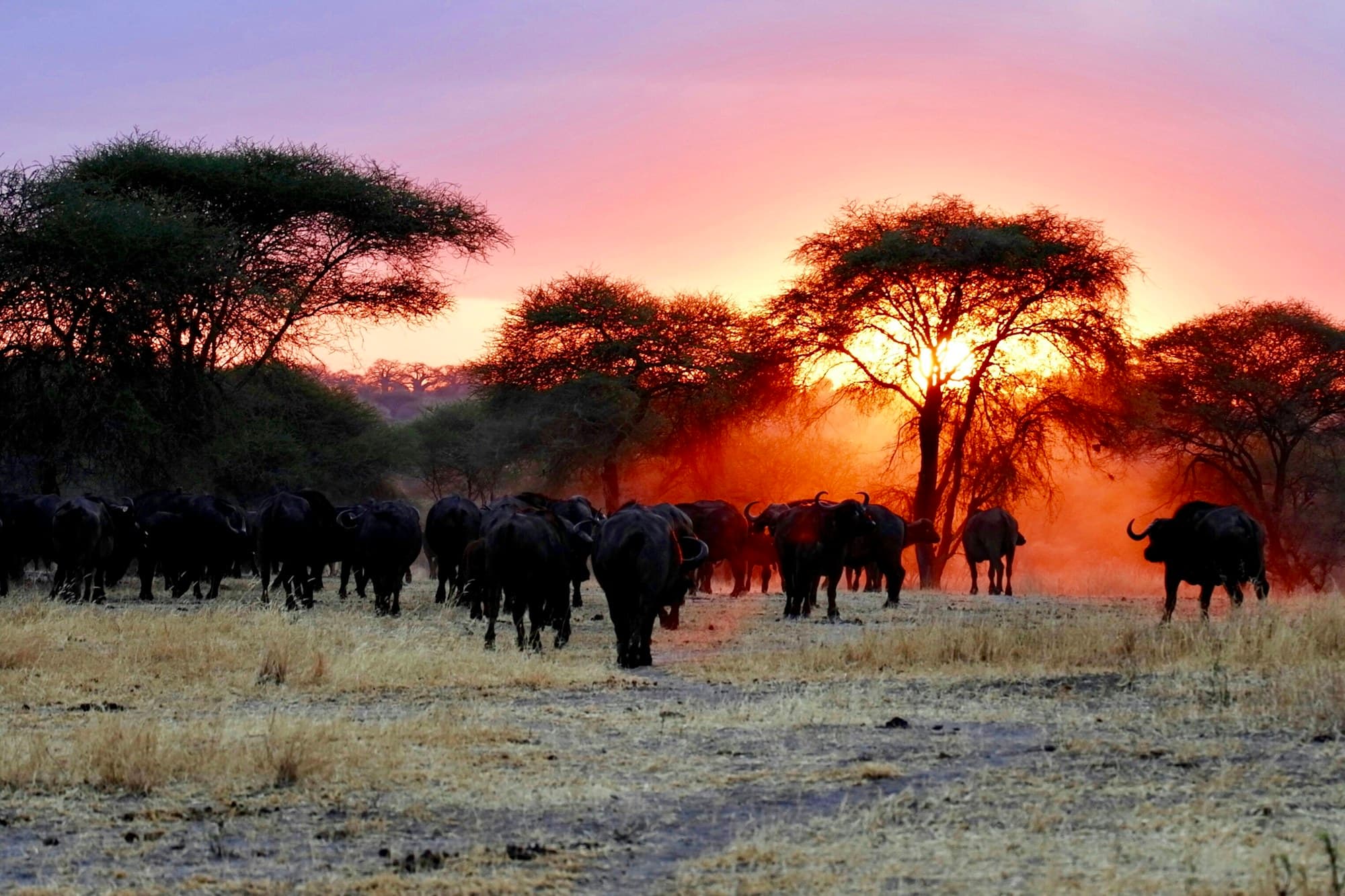
Masai Mara National Reserve
Kenya’s most famous reserve: lion and cheetah country year-round, and the Mara River crossings from roughly July to October.
Explore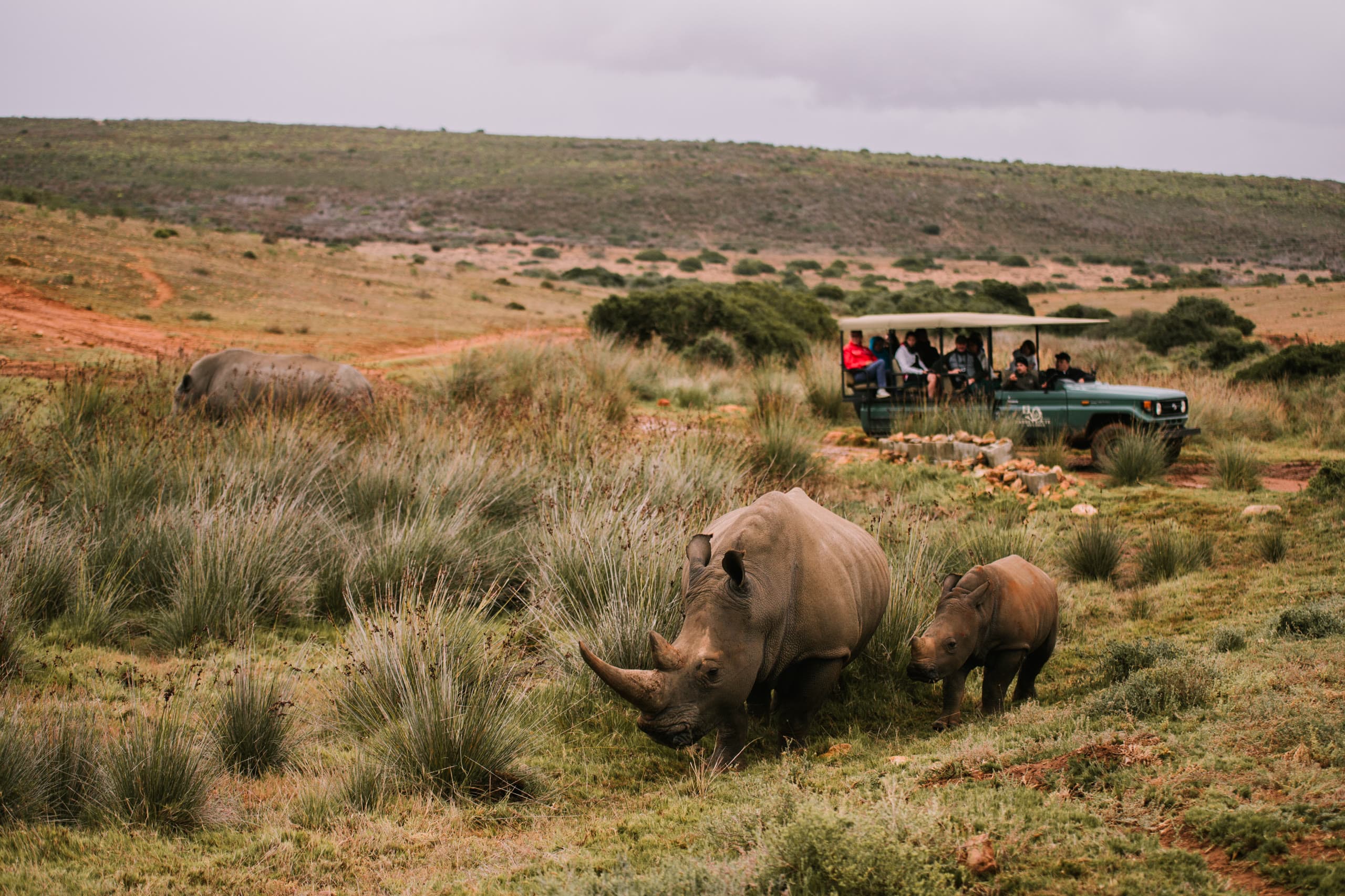
Laikipia, Ol Pejeta & Lewa
Kenya’s private-conservancy highlands: black and white rhino, Grevy’s zebra, and walking, riding and camel treks beneath Mount Kenya.
Explore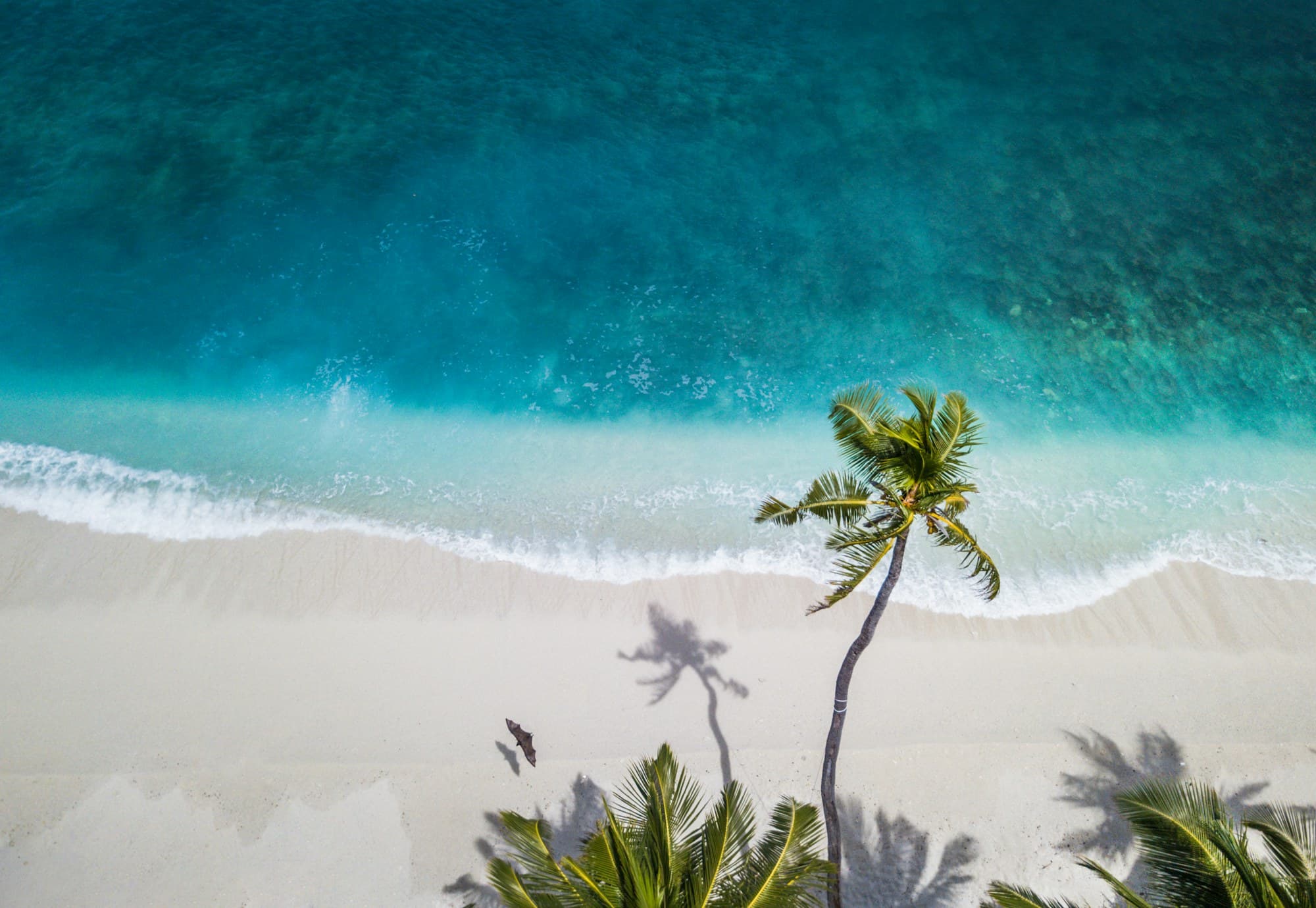
The Kenya Coast: Diani, Watamu & Lamu
Diani’s long white beach and Watamu’s marine park: the simplest way to end a Kenya safari on the Indian Ocean.
ExploreGood to know
Frequently asked questions
Is the yellow fever vaccine required to enter Kenya?
Only if you are aged one or older and arriving from a country with risk of yellow fever transmission, at the time of writing. Travelers flying in from the US, UK or Europe don’t need a certificate to enter, but CDC still recommends the vaccine for most safari itineraries, and onward countries may ask for proof.
Do I need malaria tablets for the Masai Mara?
Most travelers are advised to take them. CDC reports malaria in all areas of Kenya below 2,500 m, which includes the Mara and every other major safari region. Your clinician will recommend a specific drug and schedule.
Is Laikipia high enough to skip malaria prevention?
No. Laikipia’s cool nights and altitude of roughly 1,700–2,000 m can make it feel mosquito-free, but it lies below the 2,500 m threshold CDC uses. Plan on the same prevention as for the rest of your safari.
Will I need a yellow fever certificate to fly from Kenya to Tanzania or Zanzibar?
Quite possibly. Kenya is classed as a yellow fever risk country, and Tanzania, Zanzibar included, may ask travelers arriving from Kenya for proof of vaccination. Check the current rule when you book and keep the certificate with your passport.
Can I drink the tap water on a Kenya safari?
It is best not to. Camps and lodges provide filtered or bottled water, usually in refillable bottles, and many have phased out single-use plastic. Use the same water for brushing your teeth.
Start With Your Dates
Tell us when you can travel, who is coming and what you most want from Kenya. A safari specialist will design a private route around you, and nothing is booked until you approve it.
Plan My Kenya Safari