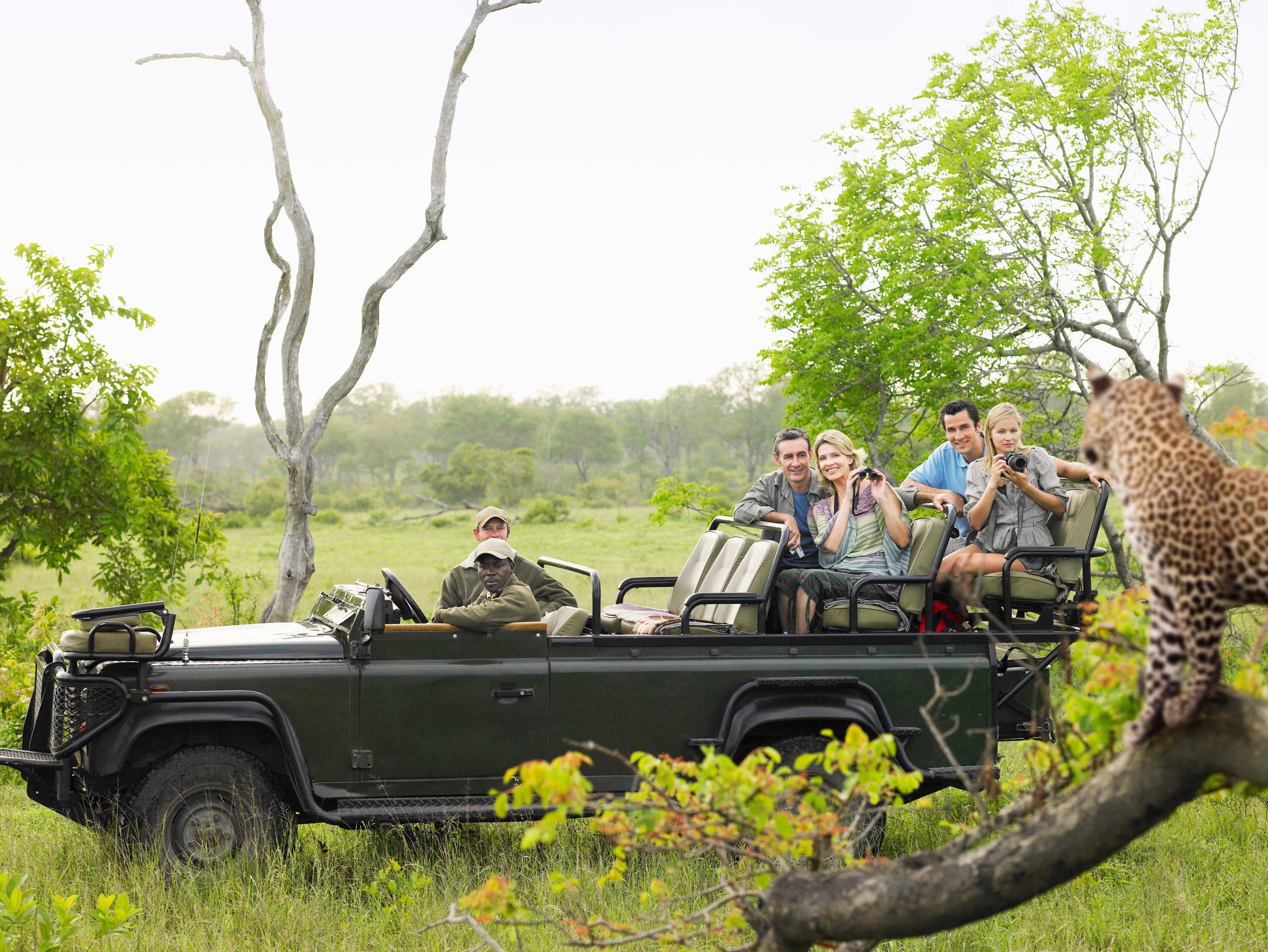
Safari guests in an open vehicle watching a leopard at close range on a private game drive

Wildlife

South Africa Safari Animals: Where to See the Big Five and More

Which animals live where, how good your chances really are, and how to watch them in ways that keep them wild.

Where to see the Big Five in South Africa has a short answer and a more useful long one. The short answer is the Kruger region: Kruger National Park and the private reserves along its western boundary hold lion, leopard, elephant, buffalo and rhino in an open system of more than 20,000 km². The long answer is that South Africa’s wildlife is spread across very different places, from Zululand’s sand forests to the Kalahari’s red dunes and the whale bays of the Cape, and the right safari for you depends on which animals matter most.

No reserve can promise any animal on any given day. What changes from place to place is the likelihood, the kind of sighting and the way you watch. This guide sets out where each species is most reliably found, why South Africa’s rhino story matters so much, and the standards that separate ethical wildlife viewing from the rest.

The Big Five

The Big Five, Region by Region

Likelihood in words, not percentages: everything depends on the season, the length of your stay and a little luck.

AnimalWhere your chances are strongestHonest note
LeopardThe Sabi Sand, where generations of leopards have grown relaxed around vehicles; also the Greater Kruger and Kruger’s river countrySeen regularly in the Sabi Sand, far less predictably elsewhere, and rarely in the smaller malaria-free reserves
LionKruger, the Sabi Sand and the northern private reserves; also Madikwe, Phinda and the Eastern Cape reservesWidespread in the Kruger region; smaller reserves often hold one or two prides that guides know well
ElephantKruger and its private reserves; Addo in the Eastern Cape; Madikwe, where numbers have outgrown the reserveAmong the most dependable sightings in the north-east; absent from the Kalahari reserves
BuffaloKruger, the Sabi Sand and the Greater Kruger, plus Madikwe and the Eastern Cape reservesBig herds gather near water in the dry season, and old bulls linger in the reeds all year
RhinoHluhluwe–iMfolozi and the Zululand reserves; Kruger and its private reserves; Madikwe and the Eastern CapePresent but closely protected; guides keep locations to themselves, and Kruger’s numbers have been hit hard by poaching

General guidance for a stay of three nights or more; no sighting is ever certain.

Where They Live

South Africa’s Wildlife Regions on the Map

The map marks the regions we plan around. The Kruger reserves in the north-east hold the largest predator populations; Madikwe, the Eastern Cape and Phinda offer the Big Five in smaller, managed reserves; and the Cape’s coastline adds penguins and whales.

Map: South AfricaNamibiaBotswanaSouth AfricaKruger National ParkSabi SandTimbavatiMadikweEastern Cape private reservesPhindaCape TownFranschhoekKnysna

Approximate locations — not for navigation.

Rhino

Why South Africa Matters for Rhino, and Why Guides Stay Quiet

South Africa is widely described as the world’s most important stronghold for rhino, and its conservation history explains why. By the late 19th century, southern white rhino had been hunted down to perhaps 20 to 100 animals, most of them in what is now Hluhluwe–iMfolozi Park in KwaZulu-Natal. Protection there, and the translocations of Operation Rhino in the 1950s and 1960s, spread them back across southern Africa.

Poaching has reversed much of that progress. Kruger’s rhinos have been heavily targeted, and parks now rely on rangers, surveillance aircraft and drones. That is why your guide will not broadcast a rhino’s location on the radio, may ask you not to geotag your photos, and sometimes keeps a sighting quiet even from other vehicles. It is a small price for the privilege of seeing one.

There is good news too. In May 2024 the Phinda reserve in Zululand received 40 southern white rhino through African Parks’ Rhino Rewild program, and Hluhluwe–iMfolozi, the park that saved the species, remains one of the best places in the country to see white rhino grazing in the open.

Beyond the Big Five

South Africa’s Wildlife Specials

African wild dog

Endangered and wide-ranging, wild dogs are never easy to find. Madikwe reports three hunting packs, and Kruger, Phinda and the Kalahari reserves hold them too; the denning weeks of the dry winter often give the best chance.

Cheetah

Open country suits cheetah, and reintroductions have made Phinda, several Eastern Cape reserves and the Karoo good places to look. They also occur in Kruger, where sightings are less frequent.

Pangolin

Shy, nocturnal and heavily trafficked, Temminck’s pangolin is the sighting many guides wait years for. Phinda hosts reintroduction research and the Kalahari reserves study them too; a sighting anywhere is a rare privilege.

Meerkats

In the Kalahari, habituated meerkat groups can be watched on foot as they emerge in the early morning to warm themselves, one of the gentlest wildlife encounters in the country.

Sand-forest specials

Zululand’s rare dry sand forest, about 1,000 ha of it at Phinda, shelters the tiny suni antelope and the handsome nyala, and the reserve’s bird list runs to more than 400 species.

The Little Five and the small hours

Ant lion, elephant shrew, leopard tortoise, buffalo weaver and rhino beetle make a walk as absorbing as a drive. In the Eastern Cape, a reserve on the Great Fish River is known for the black-footed cat, occasionally seen after dark.

Coast & Ocean

Marine Wildlife, Without the Shark Cages

South Africa’s coast adds a second wildlife trip to the first. Southern right whales calve in the sheltered bays of the Cape from about June to early December, and more than 100 can gather around Hermanus, where you can watch them from the cliff path without stepping onto a boat. Around Plettenberg Bay, Bryde’s whales are present year-round, with dolphins often in the bay and humpbacks passing on migration.

On the Elephant Coast, loggerhead and leatherback turtles nest on iSimangaliso’s beaches in summer. At Boulders Beach, the African penguin colony that began with two pairs in 1982 now numbers around 3,000 birds, watched from boardwalks. The species was listed as Critically Endangered in 2024, with fewer than 20,000 mature birds left in the wild, so keep to the walkways and give nesting birds space.

We leave shark-cage diving off our itineraries, and responsible travel explains how we choose activities. Our whale-watching guide covers the licensed boat trips that must keep a set distance from the whales.

Birds

Birding From the Lowveld to the Fynbos

Kruger alone has recorded more than 500 bird species, from ground hornbills and saddle-billed storks to the lilac-breasted rollers that seem to perch on every other dead branch. Summer, from about November to March, brings migrants from Europe and the rest of Africa, and the far north around Makuleke and the Pafuri area is prized by serious birders.

The Cape is a different world. The fynbos of the Cape Floral Region holds birds found nowhere else, such as the Cape sugarbird that feeds on proteas, while Cape vultures breed at De Hoop and, in far larger numbers, at Marakele in the Waterberg, where some 800 pairs nest on the cliffs.

Ethics

How to Watch Wildlife Well in South Africa

Good guides follow these standards without being asked; it helps to know them too.

  • Skip any encounter that lets you touch, walk with or feed predators, including cub petting and lion walks; they are tied to South Africa’s captive-lion industry
  • Stay seated and quiet in open vehicles, keep arms inside, and let your guide set the distance at a sighting
  • Expect private reserves to limit the number of vehicles at a sighting, which sometimes means waiting your turn
  • Never ask a guide to share a rhino’s location, and switch off geotagging on photos you post
  • At Boulders Beach and other penguin colonies, stay on the boardwalks and never approach nesting birds
  • Book boat-based whale watching only with permitted operators, who work to distance limits at sea

Safaris

Recommended safaris

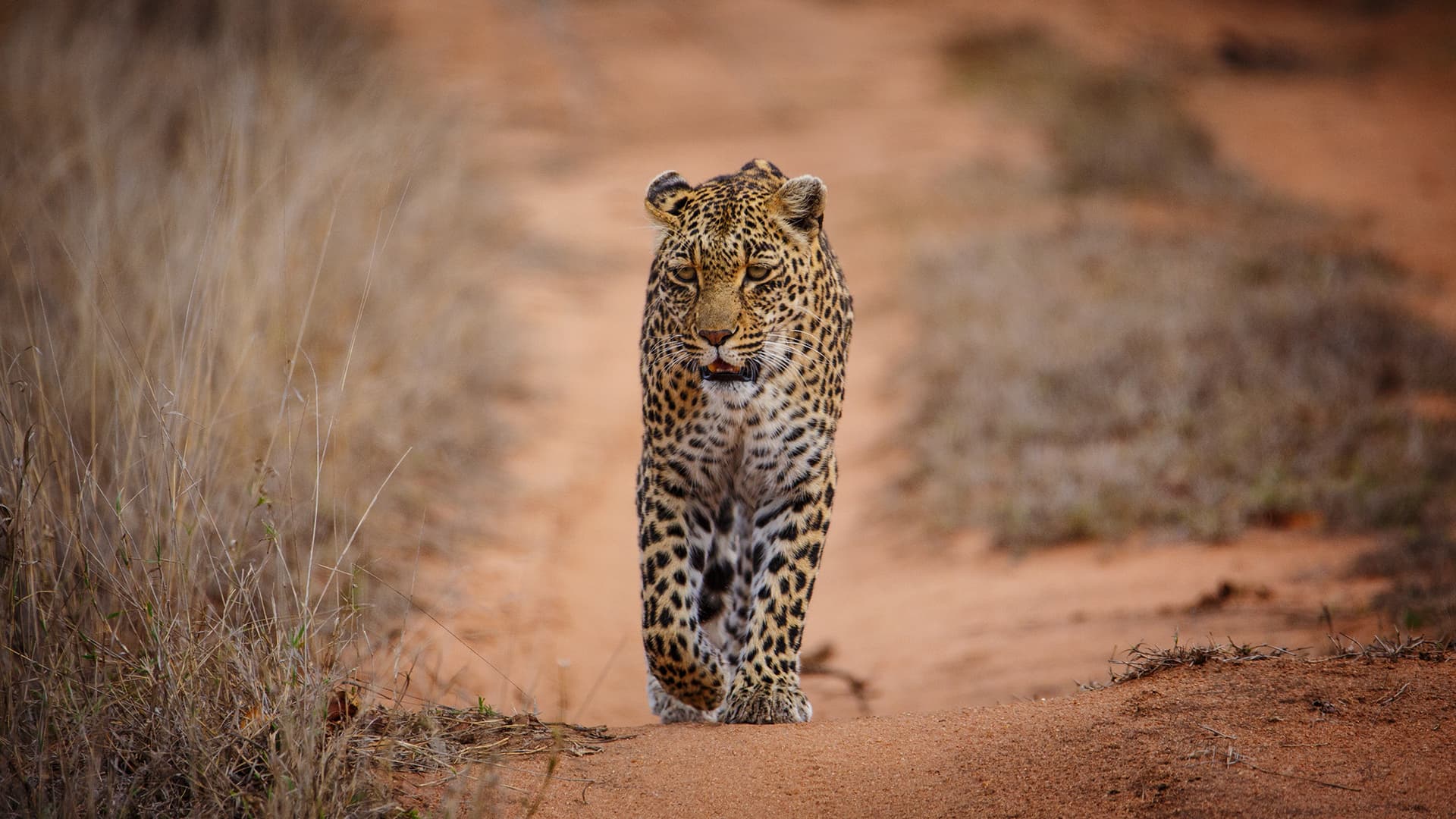
Leopard walking straight toward the camera in a private reserve
8 daysPure safari

Kruger Private Reserves

Sabi Sand · Timbavati · Hoedspruit Airport

Photographers, returning safari travelers and couples who want a week of pure safari, with time both in the vehicle and on foot

Best months
April–November
Comfort levels
Premium · Luxury · Ultra-Luxury
Individually quoted
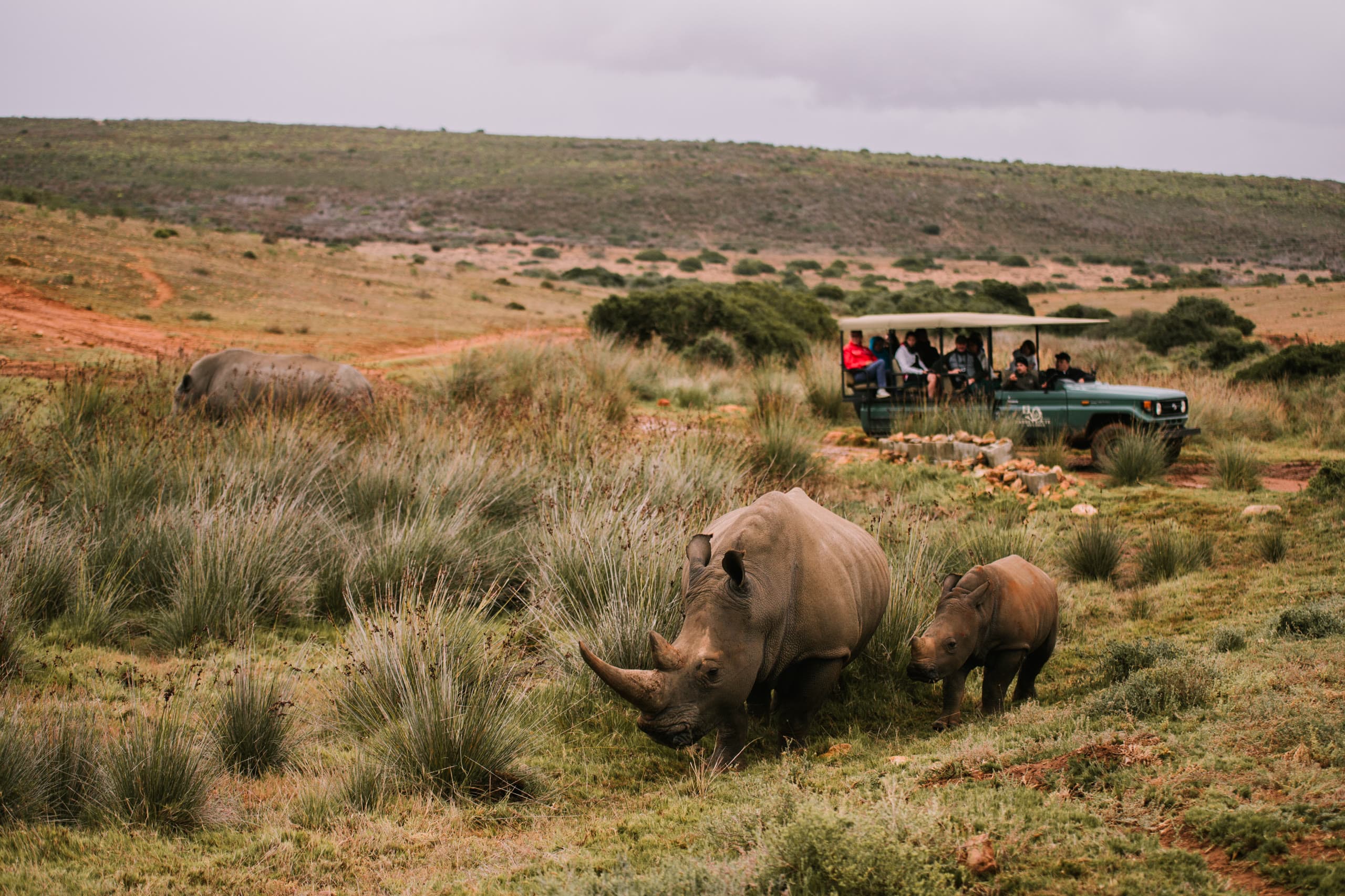
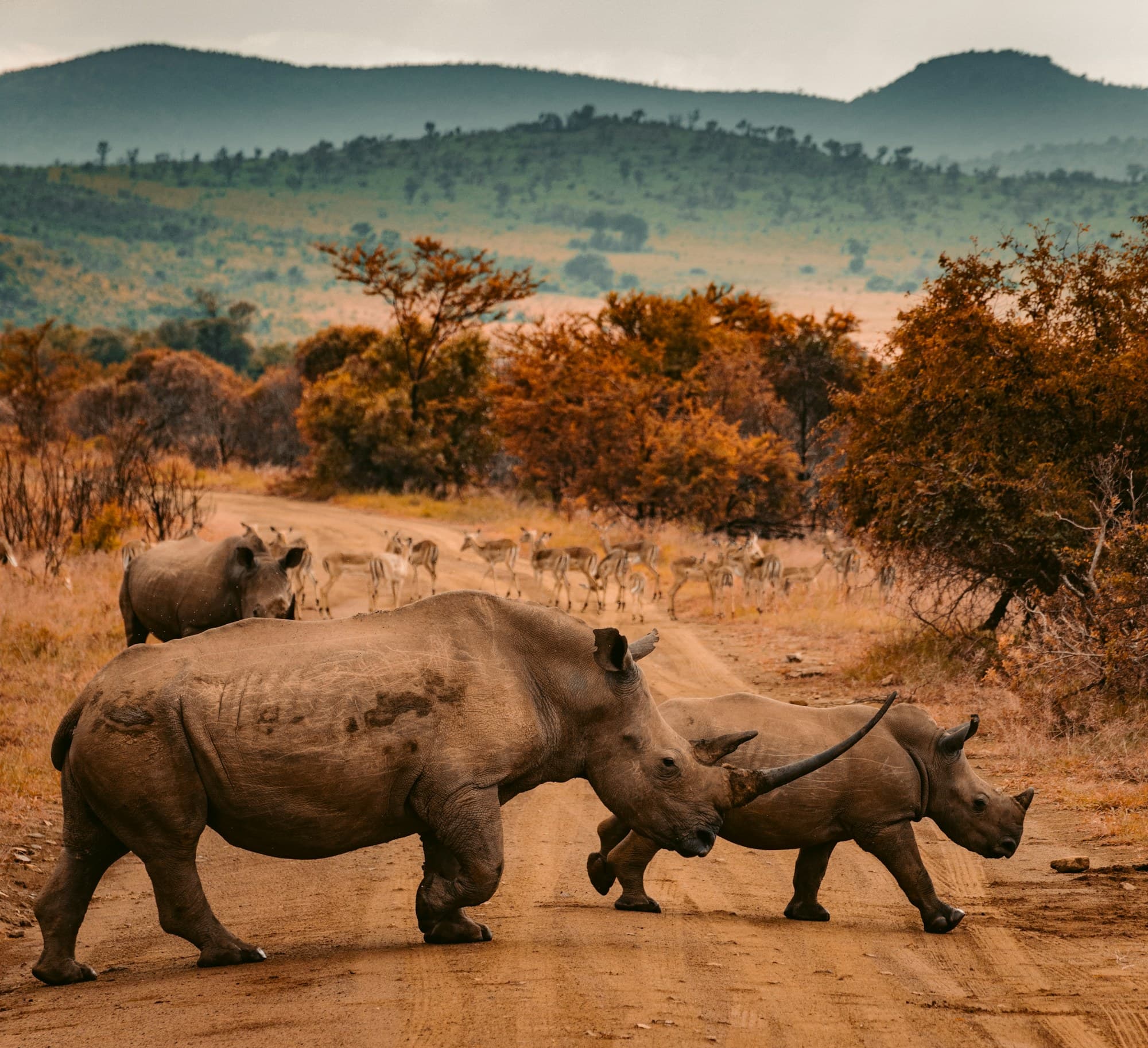
Two white rhinos grazing as guests watch from a safari vehicle in a private conservancy
8 daysBush + beach

Zululand Bush & Beach

Phinda · Elephant Coast (iSimangaliso) · Richards Bay Airport

Couples and repeat safari-goers who want bush and beach in one country, away from the Kruger crowds

Best months
April–December (turtles from about November)
Comfort levels
Premium · Luxury
Individually quoted
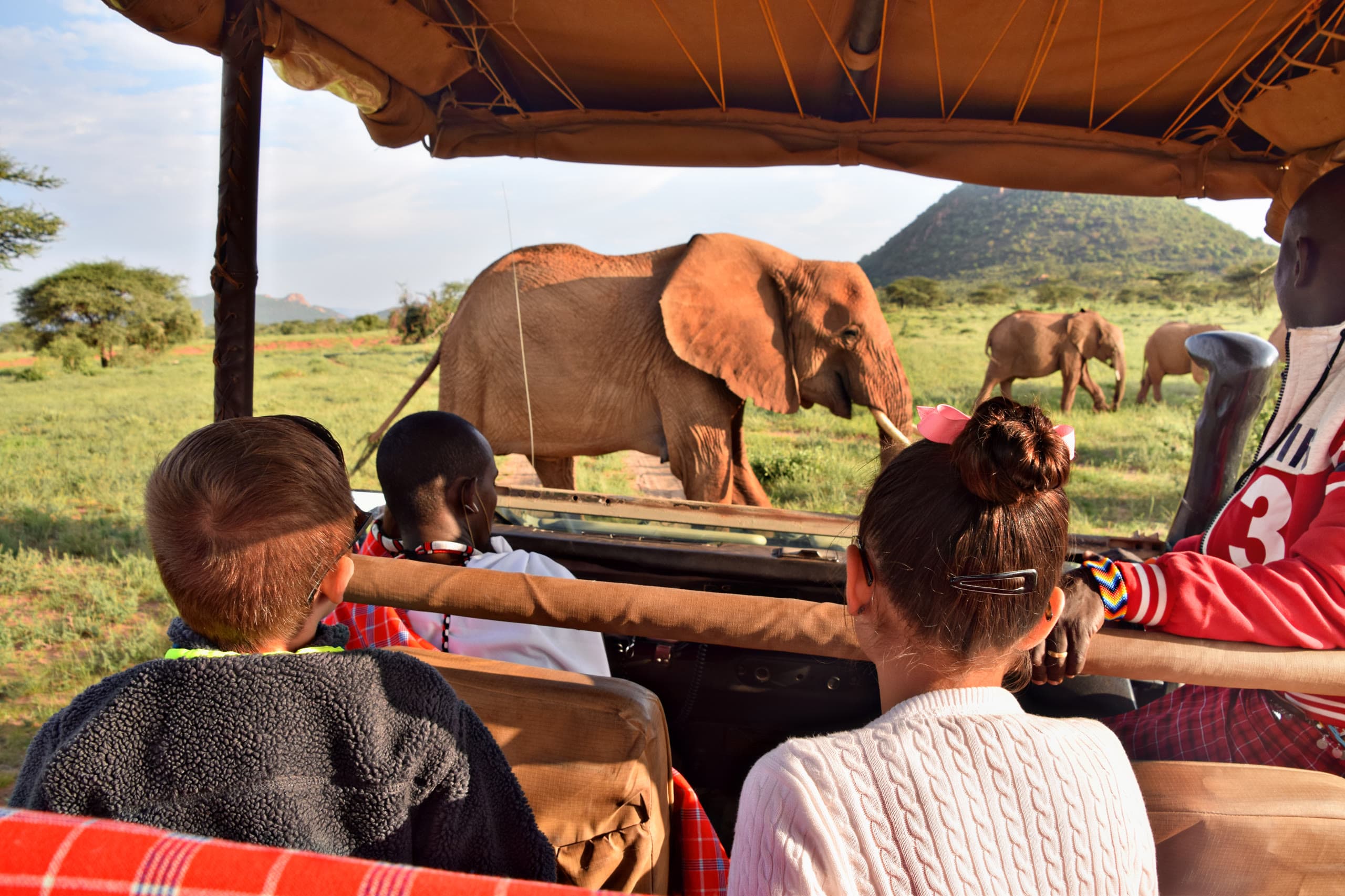
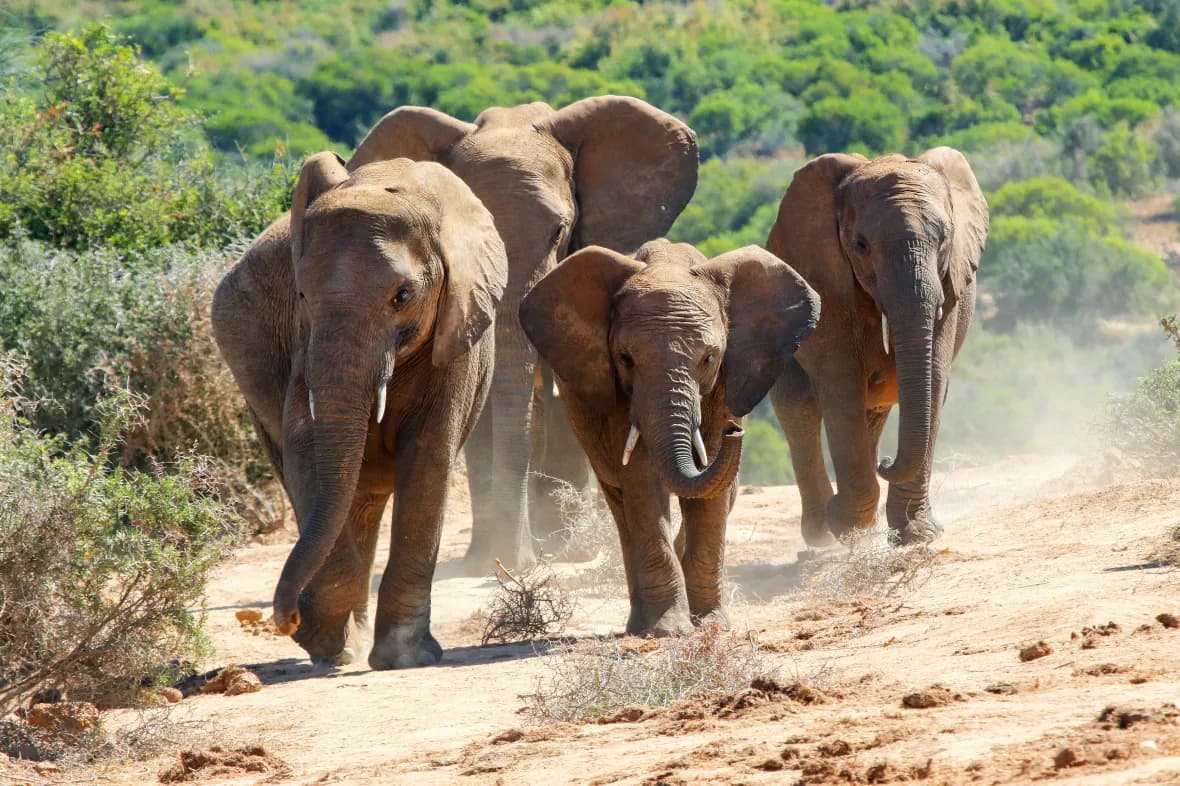
Safari guests watching a herd of elephants from an open vehicle on a family game drive
9 daysFamilies

Malaria-Free Family Safari

Madikwe · Cape Town

Families with children of most ages, and first-time safari travelers who would rather avoid malaria areas

Best months
March–November
Comfort levels
Premium · Luxury
Individually quoted

Experiences

Related experiences

On foot

Walking Safaris in South Africa

Swap the game-drive seat for boots and follow an armed trails guide through Lowveld bush, reading tracks, trees and birdsong at the pace of your own footsteps.

Ocean & reef

Whale Watching in South Africa

Watch southern right whales court and calve within sight of the Cape’s cliffs, from a clifftop path or a licensed boat, roughly June to early December.

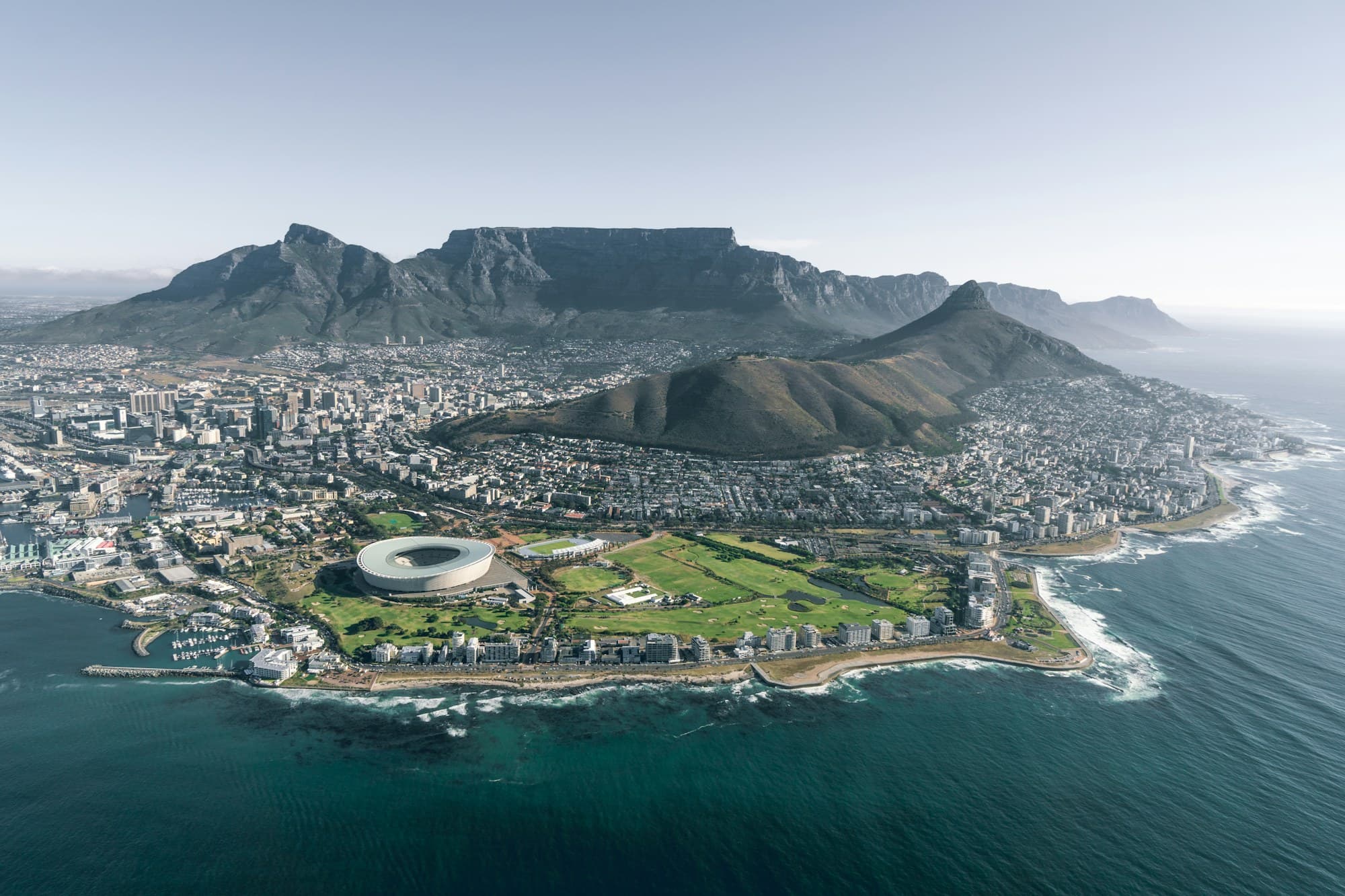
Table Mountain and the Cape Town coastline seen from above at dusk

Cities & culture

Cape Peninsula Tour

A full private day around the peninsula south of Cape Town: cliff roads, the Cape of Good Hope, African penguins at Boulders and a harbor lunch in Kalk Bay.

Good to know

Frequently asked questions

Can you see the Big Five in one day in South Africa?

It happens, especially in the Sabi Sand and the Greater Kruger in the dry season, but it is never something to count on. Leopard and rhino are usually the last two to fall into place. Three nights in a good reserve gives you a realistic chance of all five across the stay.

Where is the best place to see leopards in South Africa?

The Sabi Sand is the country’s most celebrated leopard reserve, because decades of careful viewing have produced leopards unusually relaxed around vehicles, and guides can follow them off-road. The Greater Kruger reserves and Kruger’s river country also offer good chances, with more patience.

Are there white lions in South Africa, and can I see them?

Yes. The Timbavati is known for white lions, which carry a rare recessive gene rather than being albino. They are uncommon and range widely, so no one can promise a sighting; treat one as a remarkable bonus.

Is it ethical to visit a lion sanctuary in South Africa?

Some are and many are not. Genuine rescue sanctuaries do not breed, trade or allow contact with their animals, while many places that call themselves sanctuaries do all three and feed South Africa’s captive-lion industry. We leave predator-interaction facilities off every itinerary and are glad to advise on any you are considering.

Two white rhinos grazing side by side in a private reserve

Tell Us When You Can Travel

Share your dates, who is coming and whether malaria-free matters, and a safari specialist will design a private South Africa route around you. Nothing is booked until you approve it.

Plan My South Africa Safari