
Culture
Culture
Johannesburg & Soweto Heritage Day
Turn the Johannesburg night beside your safari into a day of real meaning: the Apartheid Museum, Constitution Hill and Soweto with a local guide.
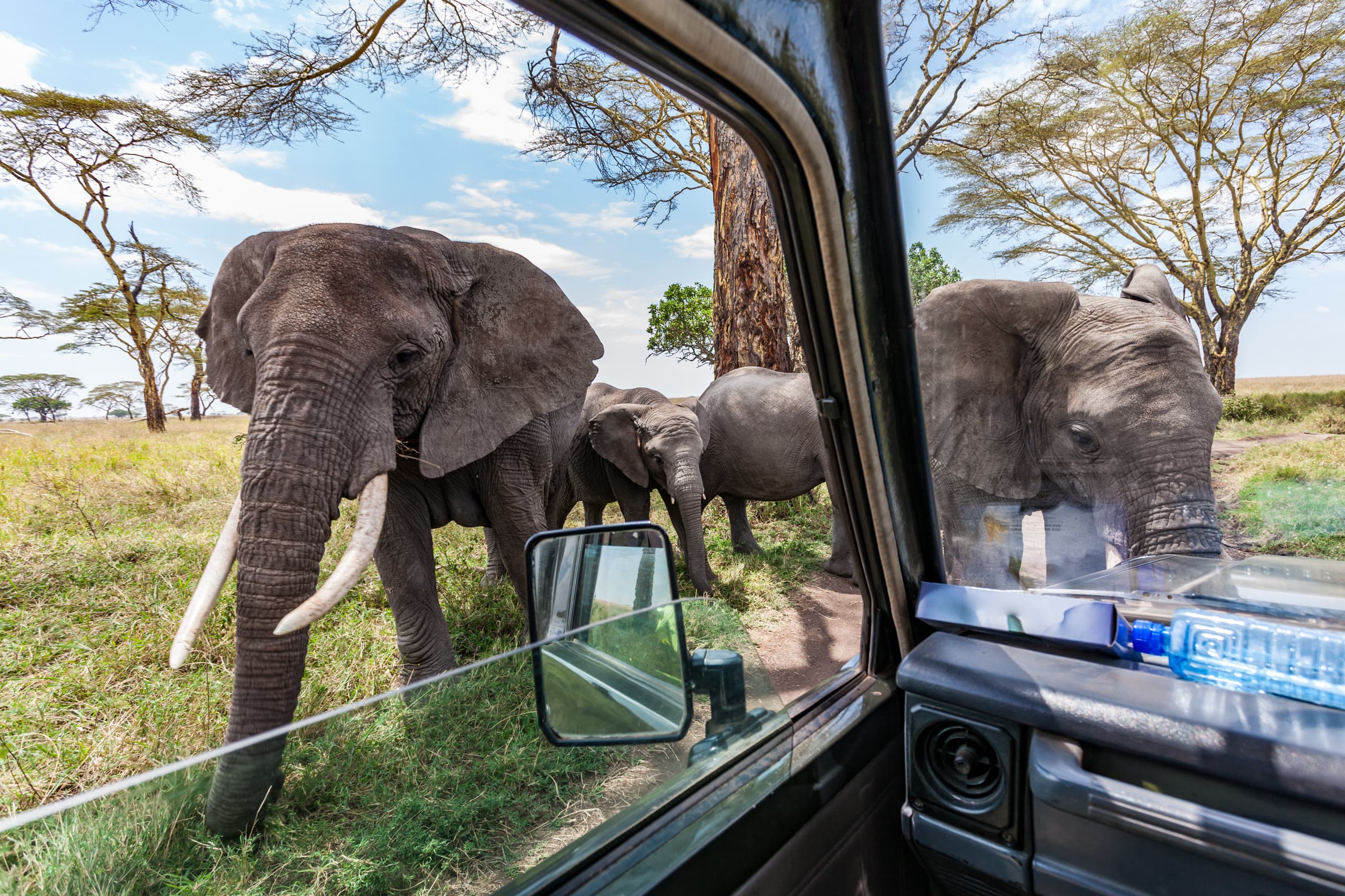
South Africa Travel Guide
South Africa’s risks are real, but they gather in predictable places and hours. Plan around them and a safari-and-Cape trip is calm, easy and deeply rewarding.
Is South Africa safe for tourists? For the kind of trip most international visitors take, with pre-arranged transfers, well-run hotels and lodges, and a guide for sightseeing, the answer for most travelers is yes, with sensible precautions. Kruger National Park alone welcomed close to two million visitors in 2024.
It would be wrong, though, to pretend the country has no problems. Violent crime is a serious issue, particularly in parts of the big cities, and the US government says so plainly. The useful question isn’t whether South Africa is safe in general, but where the risks sit and how a well-planned trip keeps you away from them.
At the time of writing (September 2026), the US State Department rates South Africa Level 2, “Exercise Increased Caution”, the second step on its four-level scale. The advisory cites crime, terrorism, civil unrest and kidnapping, includes guidance on driving at night, and states that violent crime, “such as armed robbery, rape, carjacking, mugging, and ‘smash-and-grab’ attacks on vehicles, is common”.
The level applies to the whole country; it is not a rating of any particular reserve, hotel district or wine valley. Read the current advisory before you book and again before you fly, and consider enrolling in the State Department’s Smart Traveler Enrollment Program (STEP) so the US Embassy can reach you with alerts.
Crime in South Africa is not evenly spread. Most of what makes the news happens in places and at hours that a private safari itinerary avoids.
Downtown areas of Johannesburg and Cape Town empty in the evening, and walking there at night is where visitors are most exposed. Use a pre-booked car or an app-based ride, even for short hops.
Smash-and-grab thieves target bags and phones left visible on car seats at traffic lights. Keep valuables in the trunk or at your feet, with windows up in town.
Card skimming and distraction scams at cash machines are the problems travelers meet most often. Use ATMs inside banks or malls, and never accept help from a stranger.
Robberies have occurred on some less-used routes on Cape Town’s mountains. Hike popular trails in company or with a local guide, and start early.
Unlit roads, potholes, stray livestock and crime make night driving the risk we plan around most carefully. Our itineraries move by daylight.
Private reserves such as the Sabi Sand and the Greater Kruger are among the lowest-risk places you can stay in South Africa. Lodges are remote, staffed and gated, and reached by controlled access roads or airstrips, which puts crime a long way from your stay.
The real safari risks are wildlife and the sun, and both are managed by listening to your guide. Stay seated in an open vehicle with arms inside, walk only with an armed, qualified guide, and after dark accept an escort between your room and the main area if the lodge offers one. The walking safari page explains how guided walks are run.
In Kruger National Park’s public rest camps, the fences are there for good reason: be inside before the gates close, and keep food away from monkeys and baboons, which quickly learn to raid unattended tables.
Nothing removes risk entirely, but the way a trip is designed changes how much of it you meet.
Every airport arrival and road move is pre-arranged with a vetted partner, so you are never hunting for a taxi late at night.
We schedule road transfers to arrive before dark, and we add an airport night rather than asking you to drive after a long-haul flight.
In the cities we choose hotels in well-managed areas, such as the V&A Waterfront in Cape Town, where walking by day is a pleasure.
Soweto, the Cape Peninsula and mountain hikes are done with licensed guides who know the ground.
Your itinerary includes local emergency contacts for every stage of the trip, alongside the details of the partners looking after you there.
Women traveling alone or in pairs visit South Africa comfortably, particularly on a planned itinerary with private transfers and guided days. The same precautions apply as for everyone, with extra care after dark and on isolated trails.
At many lodges, solo guests are invited to dine with other guests or with their guide, and a private vehicle can be arranged if you prefer your own pace. Tell us what would make you most comfortable, and we will choose hotel locations and guides with that in mind.
For years, scheduled rolling blackouts, known locally as load shedding, were part of South African life. They have been rare since 2024–25, and at the time of writing the most recent round took place on 16 May 2025.
Safari lodges and good hotels run backup generators or solar systems, so an outage rarely affects your stay. If one does happen in a city, traffic lights can fail, so allow extra time on the road and take care at intersections.
Experiences
Culture
Turn the Johannesburg night beside your safari into a day of real meaning: the Apartheid Museum, Constitution Hill and Soweto with a local guide.
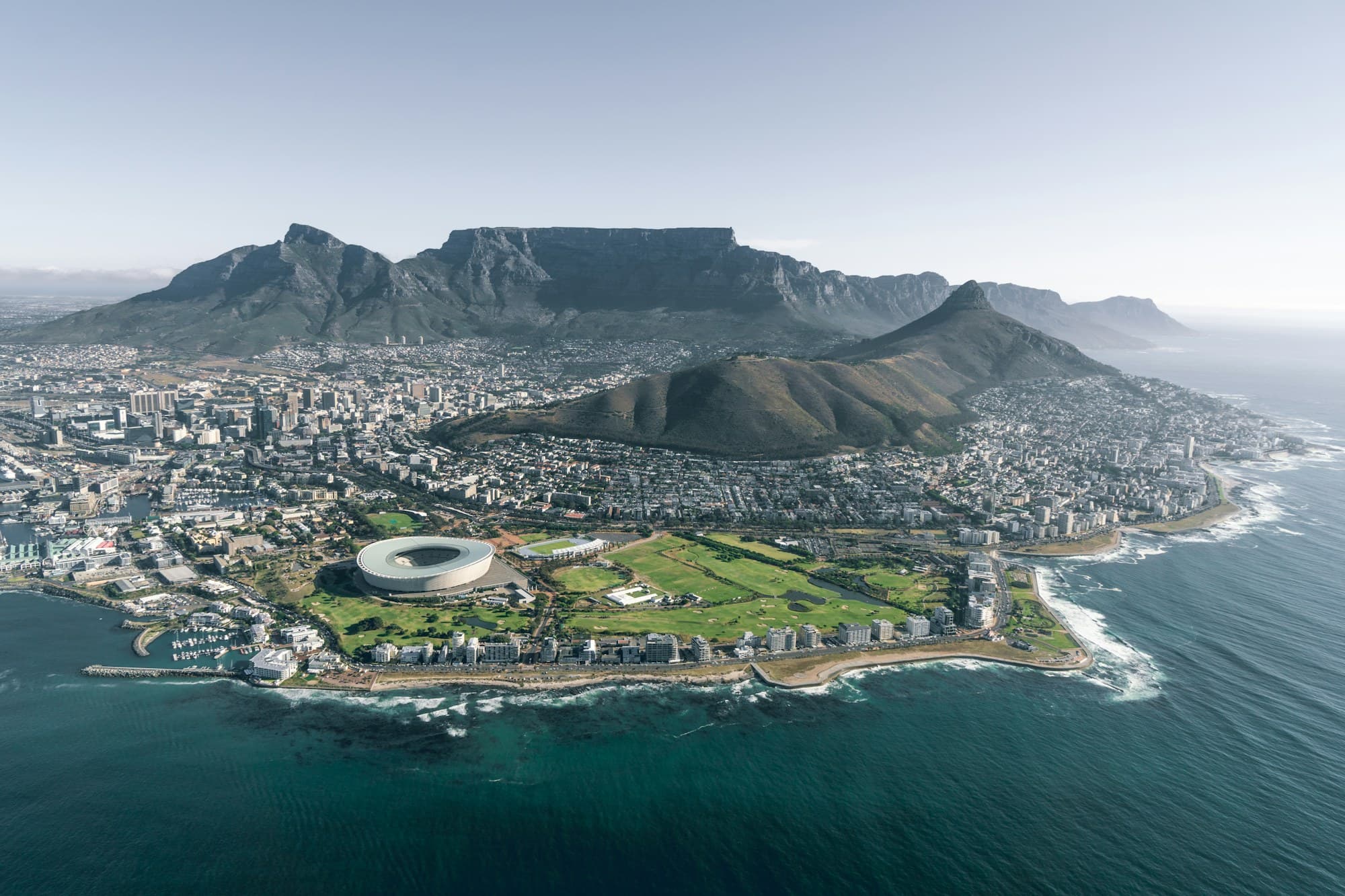
Cities & culture
A full private day around the peninsula south of Cape Town: cliff roads, the Cape of Good Hope, African penguins at Boulders and a harbor lunch in Kalk Bay.
Where to go
Table Mountain, Robben Island, the Peninsula and fine food: the city most South Africa safaris begin or end in.
Explore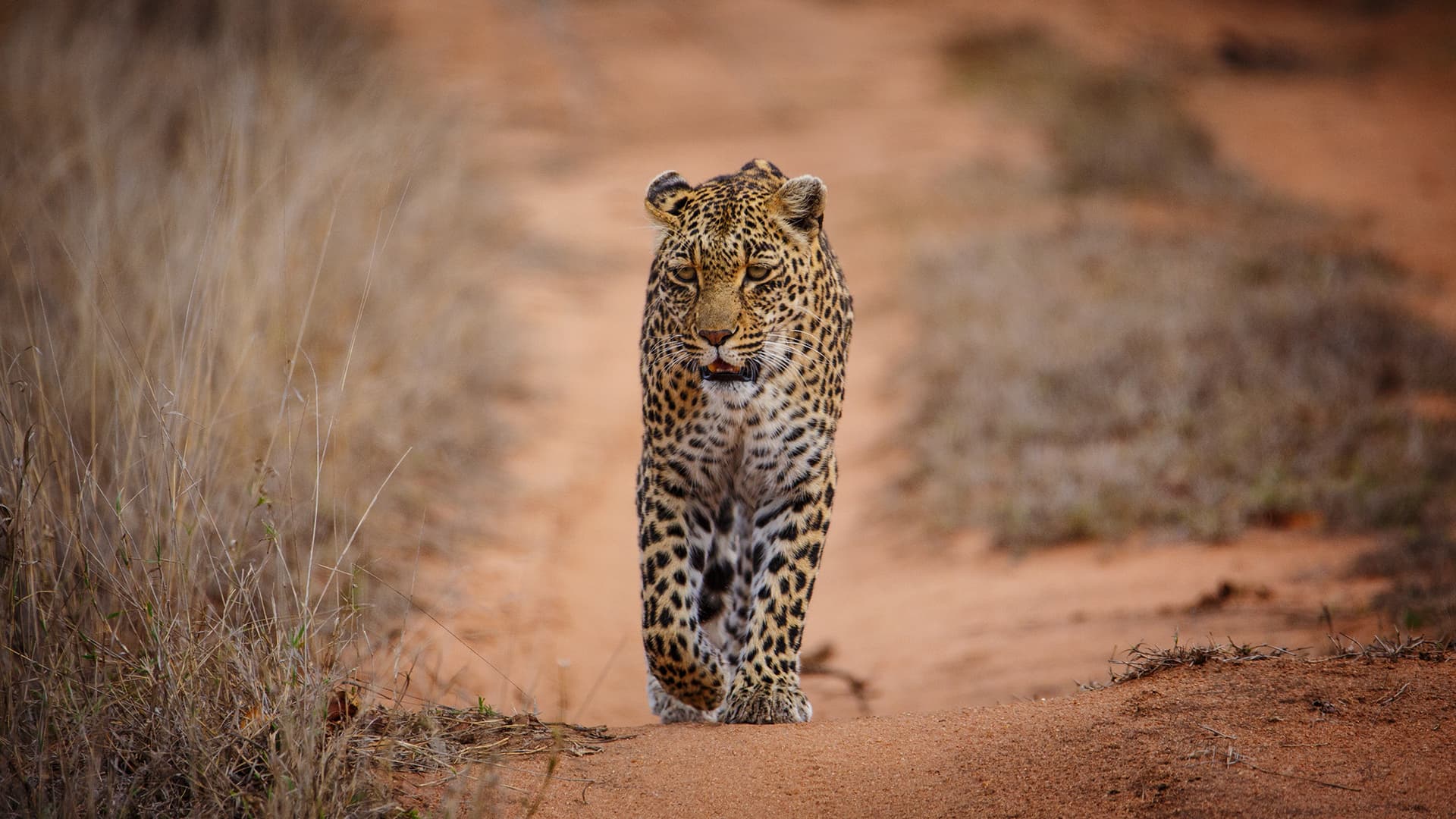
A private reserve on Kruger’s south-western edge, known for relaxed leopards, off-road tracking and polished all-inclusive lodges.
Explore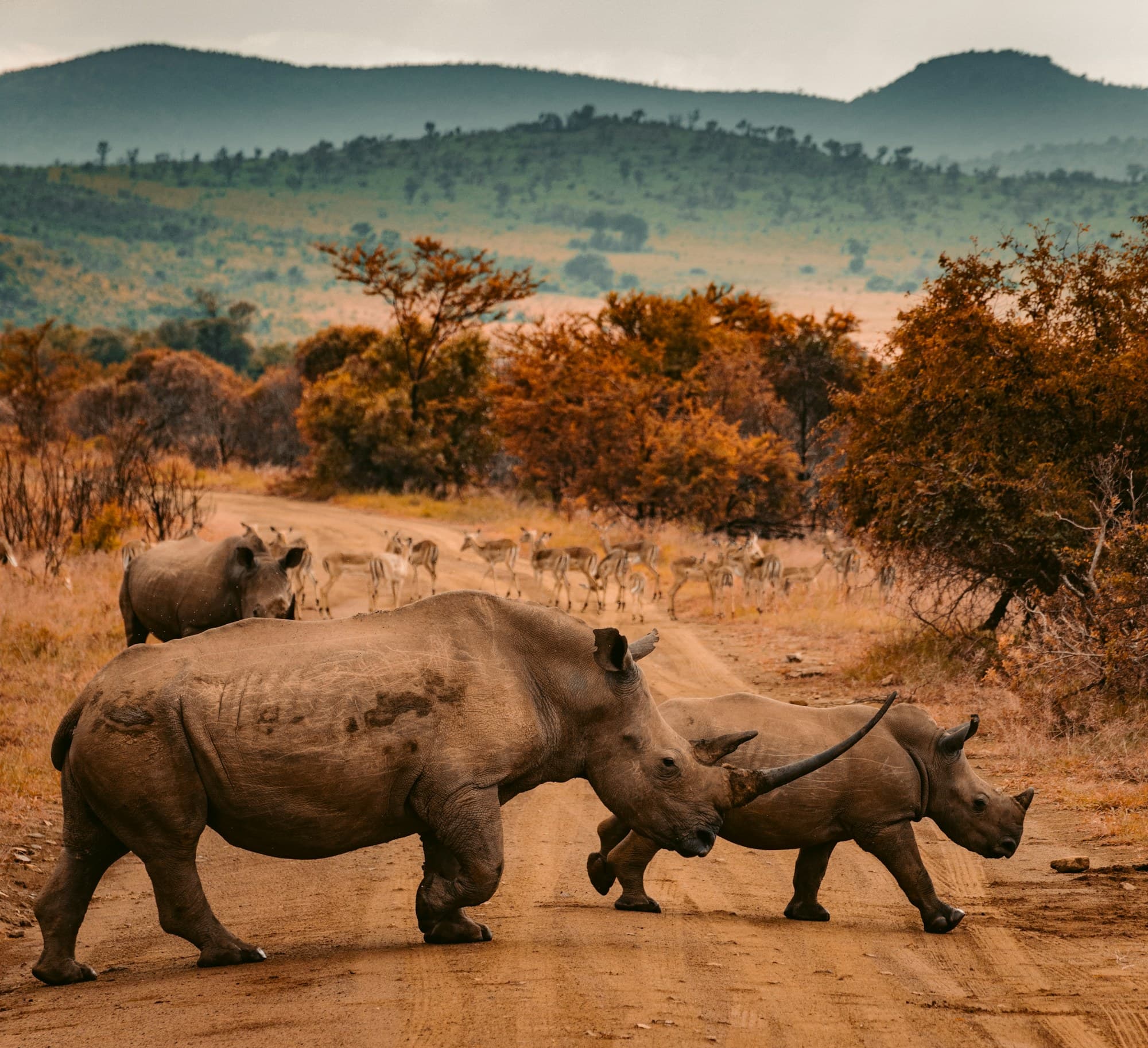
Timbavati, Klaserie, Balule, Manyeleti and their neighbors: open-system private reserves with a walking tradition, reached through Hoedspruit.
ExploreGood to know
Most American visitors travel without problems, especially on a planned trip with private transfers and guided days. At the time of writing, the State Department rates South Africa Level 2, “Exercise Increased Caution”, mainly because of crime, so the usual city precautions matter.
Crime against visitors inside Kruger is rare. The main rules concern wildlife: stay in your vehicle except at designated spots, be back in camp before the gates close, and walk only with a guide. The roads outside the park call for more care, especially after dark.
Popular areas such as the V&A Waterfront, Camps Bay and the Winelands are busy and comfortable by day. Take a car rather than walking after dark, keep valuables out of sight in parked vehicles, and hike Table Mountain’s trails in company or with a guide.
Rarely, at the time of writing. Load shedding last occurred on 16 May 2025, and lodges and good hotels keep backup power, so an outage is unlikely to affect your trip.
Share your dates, who is coming and whether malaria-free matters, and a safari specialist will design a private South Africa route around you. Nothing is booked until you approve it.
Plan My South Africa Safari