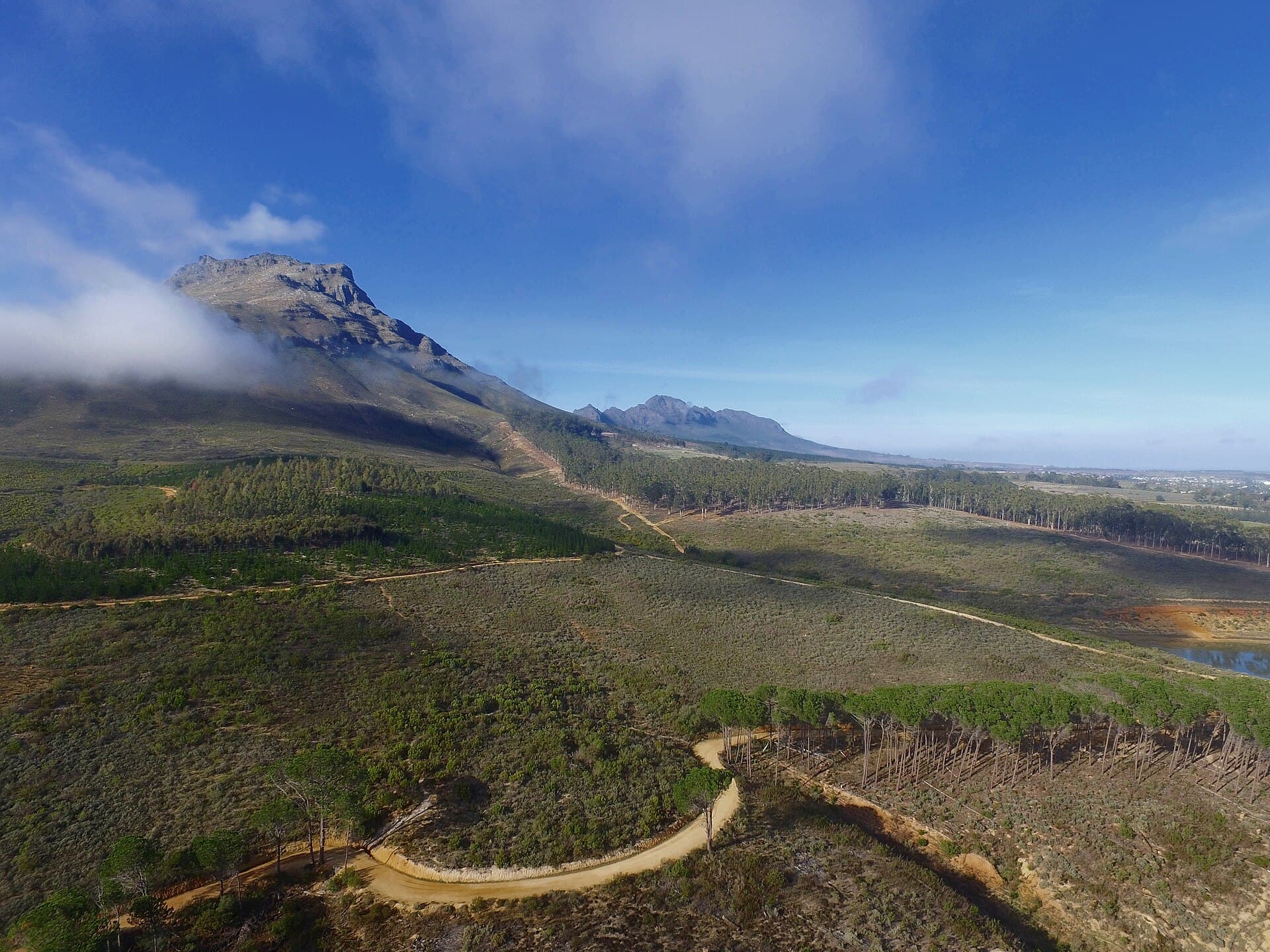
Green fynbos hills meeting the ocean along the Garden Route

South Africa Travel Guide

Driving vs Flying in South Africa: How to Get Around

Good roads, long distances and a few local habits worth knowing. How to choose between a private driver-guide, a domestic flight and taking the wheel yourself.

How we move you around

Driving in South Africa means keeping left on some of the best-maintained highways in Africa, and plenty of visitors enjoy it. But the distances are long: the safari country of the north-east and the Cape sit more than two hours apart by air, and even scenic hops along the coast fill most of a day. For most first trips, the smartest mix is to fly the long legs and travel the scenic ones by road with a private driver-guide.

That is how we design most itineraries: private driver-guides for road days, scheduled flights between regions, and light aircraft into the bush where it saves time. Self-drive suits some travelers for part of a trip, and we can plan the rest of the journey around it, but it is not for everyone; the section below sets out what it asks of you.

Driver-guide, flight or self-drive? Region by region

Route or regionWhat works bestWhy
Johannesburg ↔ Cape TownFly, about 2 hours 10 minutesBy road it is a long two-day drive across the interior
Cape Town ↔ Kruger or the Sabi SandFly direct, about 2.5 hoursDirect flights to Skukuza, Hoedspruit and Kruger Mpumalanga skip Johannesburg
Johannesburg ↔ KrugerFly, or a driver-guide via the Panorama RouteAbout an hour by air; 5–6 hours by road, best broken with a night on the escarpment
Cape WinelandsPrivate driverEstates sit close together, and wine tastings and driving don’t mix
Cape PeninsulaPrivate driver-guideParking, baboons and changing wind are easier with someone who knows the loop
Whale Coast & Garden RouteDriver-guide, or an independent self-drive by dayGood roads and short daily distances; the N2 is straightforward in daylight
MadikweShort flight, or about 4.5 hours by roadThe road is simple, but the flight saves most of a day
Private game reservesLodge vehicles onlyYou arrive at the lodge; all game drives are guided in open vehicles

The rules of the road

South Africans drive on the left and overtake on the right, with the steering wheel on the right side of the car. Speed limits are generally 120 km/h on highways, 100 km/h on rural roads and 60 km/h in towns. Inside Kruger National Park they drop to 50 km/h on tar and 40 km/h on gravel, and animals always have right of way.

A valid US driver’s license is generally accepted if it is printed in English and carries your photo and signature. An International Driving Permit is recommended as a back-up; US motoring associations issue them, and it is simplest to get one before you leave.

Toll roads include the N4 toward Kruger and Chapman’s Peak Drive on the Cape Peninsula, and cards are usually accepted at the booths. Fuel stations are staffed by attendants who fill the tank and often clean the windshield, and a small tip is customary.

Where US drivers get caught out

The first day

Keeping left after an overnight flight is a poor combination. Never collect a rental car on arrival day; take a transfer, sleep, and start driving, if at all, the next morning.

Four-way stops and ‘robots’

Many junctions are four-way stops, where the first car to arrive goes first, and traffic lights are called robots. Minibus taxis stop suddenly for passengers, so leave space.

Car guards

In parking lots, informal car guards in reflective vests keep an eye on vehicles in return for a small tip when you leave. Keep nothing visible inside the car.

Distances on the map

Routes that look short take longer than you expect: Cape Town to Knysna is five and a half hours or more with stops. Aim for no more than about four hours of driving a day.

Driving after dark

Potholes, unlit roads, animals and crime risk make night driving the one thing to avoid. The State Department’s travel advisory addresses it specifically.

Distances and drive times

Typical times in normal traffic without stops. Add time for roadworks, meals and viewpoints.

RouteApproximate driveNotes
Cape Town → StellenboschAbout 45–60 minutesThe larger Winelands town, with a wide choice of estates
Cape Town → FranschhoekAbout 1–1.25 hoursThe Winelands village base for gourmets
Cape Town → HermanusAbout 1.5–2 hours (about 120 km)Gateway to the Whale Coast
Cape Town → KnysnaAbout 5.5–6 hours (about 490 km) on the N2Best split with a night or two on the Whale Coast
Knysna → Plettenberg BayAbout 30 minutesAn easy hop along the Garden Route
Plettenberg Bay → GqeberhaAbout 2.5 hoursAirport for the Eastern Cape reserves
Johannesburg → MadikweAbout 4.5 hoursOr a short flight
Johannesburg → southern Kruger gatesAbout 5–6 hours (about 450–500 km)N4 toll road
Johannesburg → HoedspruitAbout 5.5–6 hoursFor Timbavati, Klaserie and Balule

Estimates only, as of September 2026; road conditions and traffic vary.

Flying within South Africa

Domestic flights are frequent and efficient, with several full-service and low-cost carriers linking Johannesburg, Cape Town, Durban, George, Gqeberha and the Kruger airports. Johannesburg to Cape Town takes about 2 hours 10 minutes, Cape Town to Gqeberha about 1 hour 15 minutes and Cape Town to George about an hour, which turns the Garden Route or Eastern Cape into an easy add-on.

Baggage allowances differ by carrier and fare class, and some low-cost fares include hand luggage only, so we book fares that match what you are carrying. Security screening follows the familiar international rules, so keep liquids in small containers in your carry-on.

For the private reserves, scheduled light-aircraft shuttles connect Johannesburg and Kruger Mpumalanga with lodge airstrips, with soft-bag limits of about 20 kg including hand luggage. The getting to Kruger guide has the details.

Arriving from the US

Which city you land in shapes the whole trip. At the time of writing, travelers from Newark, Washington-Dulles and Atlanta can fly nonstop to Cape Town, while Johannesburg has nonstops from Newark and Atlanta; some services are seasonal, and some Atlanta flights to Cape Town stop in Johannesburg first. Landing in Cape Town lets you begin with the city and fly straight to the bush later, and the Cape Town and Kruger page explains which order suits which traveler.

If you land in Johannesburg in the evening, plan a night near the airport before any onward travel. It is the single most useful rule for a relaxed start.

Self-Drive Is Not for Everyone: What to Plan For

Self-drive works well for confident drivers on the right routes, but it asks more of you than the highways suggest. Before you choose it, plan for these points:

  • Distances and fatigue: keep to about four hours at the wheel a day, and break long legs with a night on the way rather than pushing on.
  • Road conditions: national highways are generally good, but rural roads can be potholed, unfenced and poorly marked, and roadworks add delays.
  • Gravel: many park roads and rural routes are unsealed. Slow down on loose surfaces and corrugations, brake gently and hang back from the car in front, whose dust hides oncoming traffic.
  • Tyres: check the spare, the jack and the tyre pressures before you set off, and ask the rental company what to do after a puncture far from town.
  • Fuel: fill up whenever you pass a station in rural areas, and in Kruger, where fuel is sold at the main rest camps rather than along the roads; small-town stations can close early.
  • Remote stretches: mobile signal fades in the mountains, the Karoo and parts of the parks, so download offline maps, carry water and tell your next lodge when to expect you.
  • Night driving: plan every arrival for daylight. Unlit roads, pedestrians, livestock and potholes make driving after dark the biggest avoidable risk.
  • Wildlife: in national parks animals have right of way, you stay inside the vehicle outside fenced camps and you give elephants plenty of room; on rural roads, watch for antelope and livestock at dawn and dusk.
  • Insurance: take the rental company’s fullest cover, read what it excludes, since tyres, windscreens and undercarriage damage are often excluded, and check how your travel insurance treats rental cars.
  • Vehicle choice: a standard car covers the Garden Route and the Winelands, while higher clearance helps on gravel park roads; an automatic spares you a left-hand gear shift, and a car with a covered boot keeps luggage out of sight.

Safaris

Recommended safaris

Green fynbos hills meeting the ocean along the Garden Route
13 daysCoastal road trip

Cape to Garden Route

Cape Town · Hermanus · Knysna · Plettenberg Bay · Eastern Cape private reserves · Gqeberha Airport (PLZ)

Families and first-timers who want Cape Town, the coast and a Big Five safari without malaria or rushed transfers

Best months
February–April and September–November
Comfort levels
Comfort · Premium · Luxury
Individually quoted
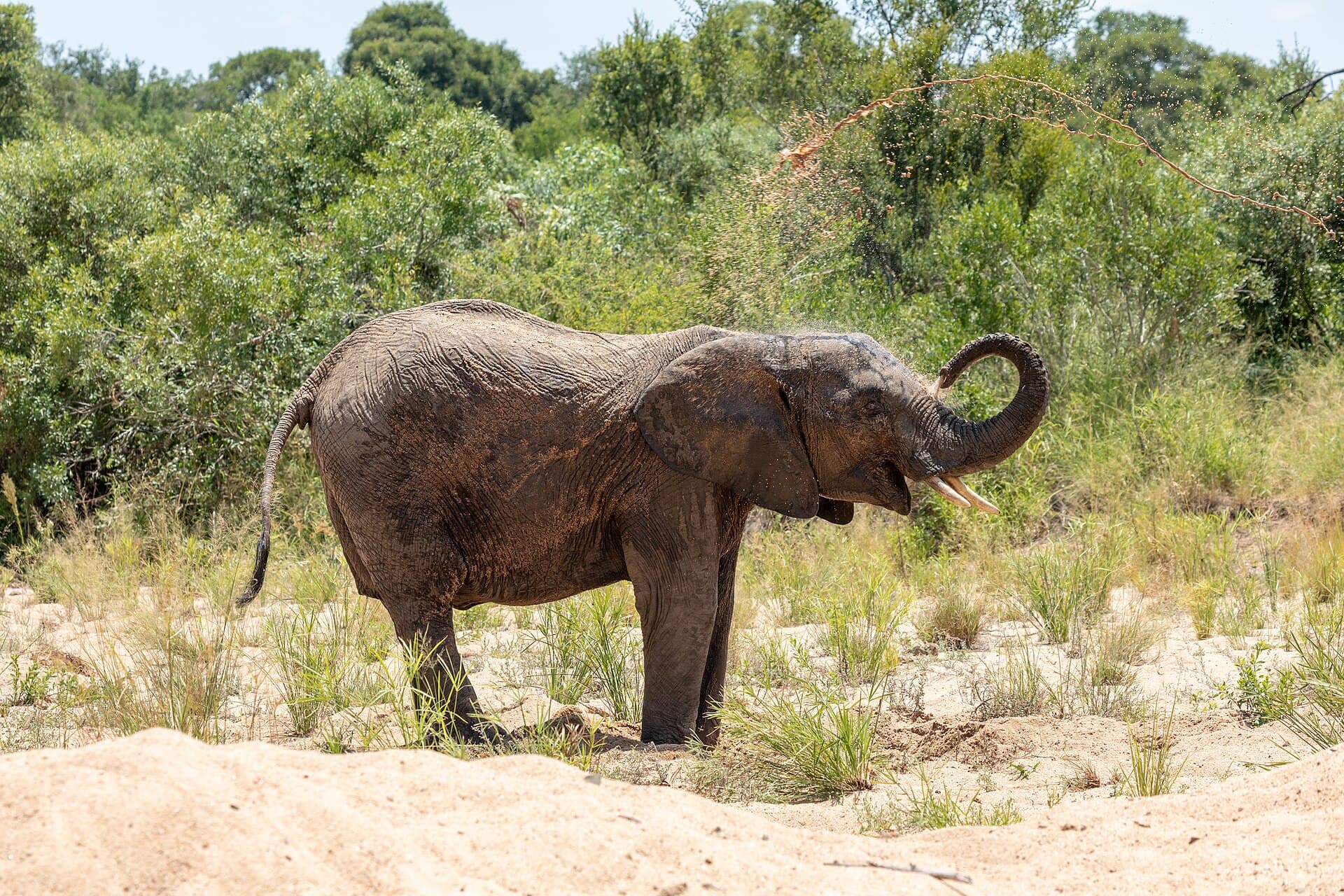
Elephant feeding in a dry riverbed in Greater Kruger
10 daysFirst safari

South Africa Classic

Panorama Route · Kruger National Park · Skukuza Airport · Cape Town

First-time visitors and families who want wildlife, scenery and a great city, at comfort, premium or luxury level

Best months
March–November
Comfort levels
Comfort · Premium · Luxury
Individually quoted
Experiences

Related experiences

Adventure

Panorama Route & Blyde River Canyon

The escarpment road above the Lowveld: canyon viewpoints, waterfalls and a gold-rush village, taken as a scenic day on the way into Kruger.

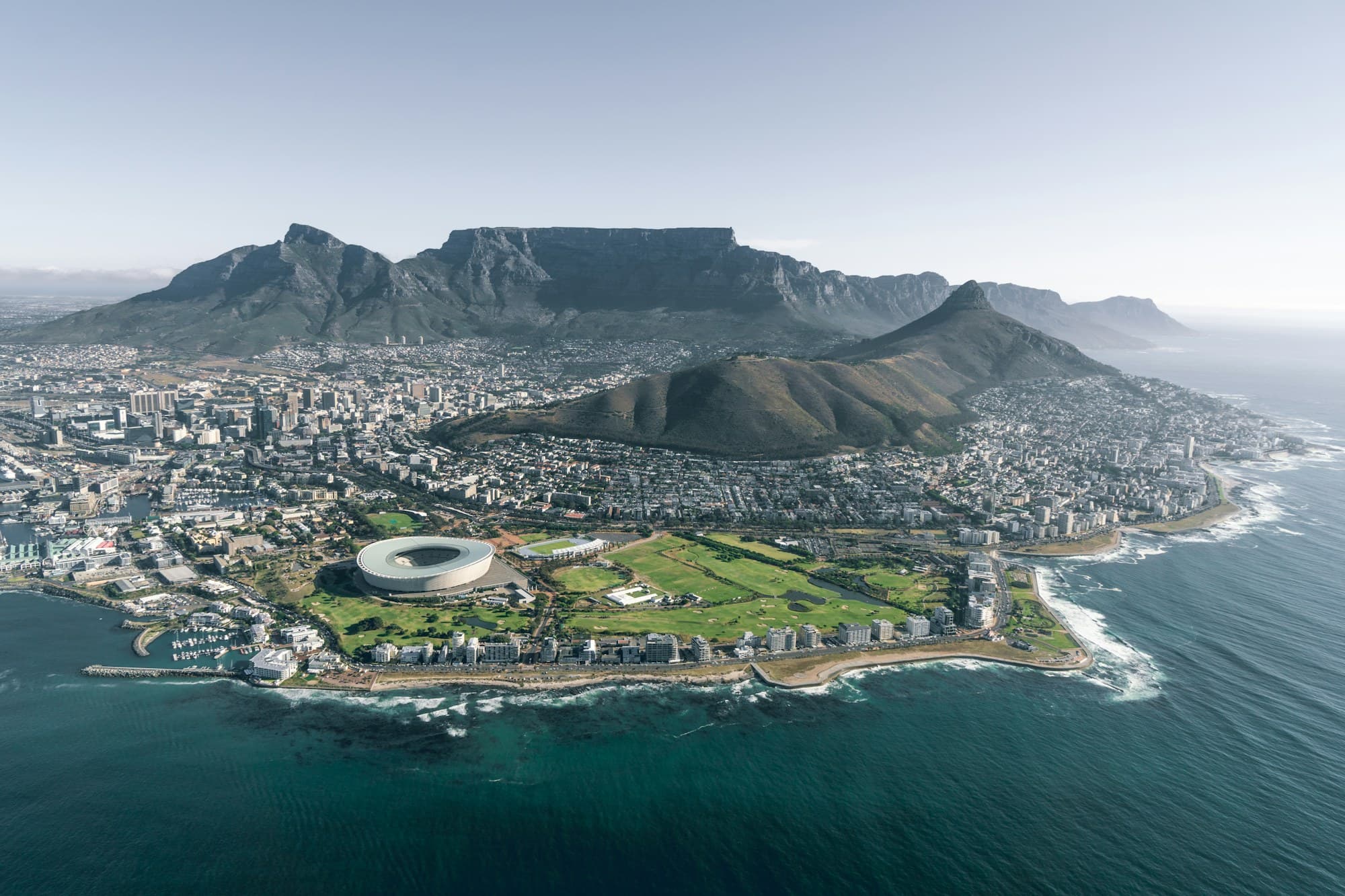
Table Mountain and the Cape Town coastline seen from above at dusk

Cities & culture

Cape Peninsula Tour

A full private day around the peninsula south of Cape Town: cliff roads, the Cape of Good Hope, African penguins at Boulders and a harbor lunch in Kalk Bay.

Good to know

Frequently asked questions

Can I drive in South Africa with a US license?

Generally yes, if your license is in English and shows your photo and signature. An International Driving Permit is recommended as a back-up, and rental companies may ask for one, so get it before you leave the US.

Which side of the road do they drive on in South Africa?

The left, with the steering wheel on the right. Roundabouts run clockwise and you overtake on the right, which takes a day or two to feel natural, so avoid driving straight off a long-haul flight.

Is it safe to drive in South Africa?

Main highways are generally good and many visitors drive without problems by day. The main risks are driving after dark, fatigue, potholes on rural roads and theft from cars in towns, which is why we plan road days with private driver-guides and daylight arrivals.

Should we drive or fly between Cape Town and Kruger?

Fly. Direct flights from Cape Town to Skukuza, Hoedspruit and Kruger Mpumalanga take about two and a half hours, while the drive covers well over a thousand kilometers and would consume two days of your trip.

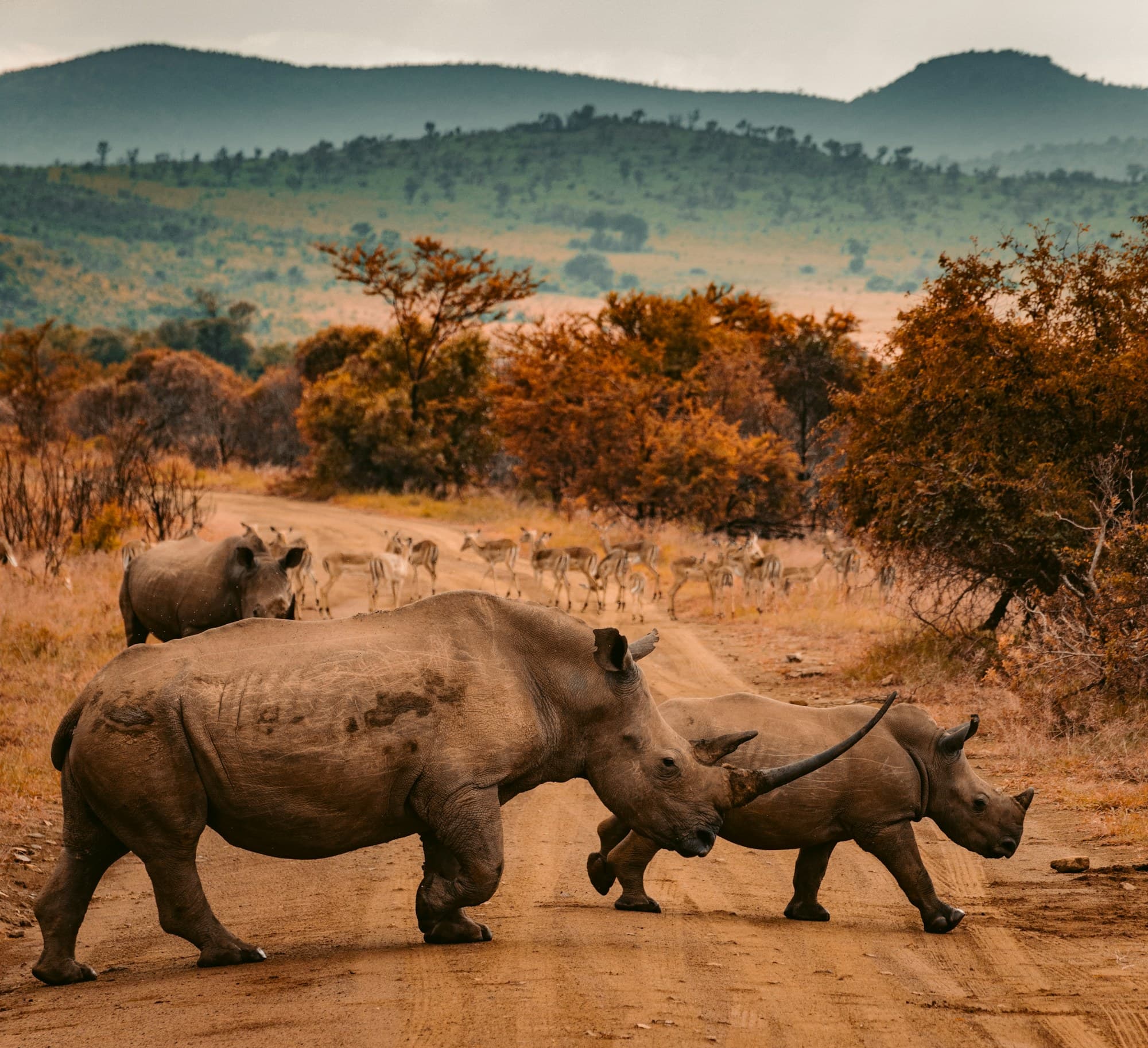
Two white rhinos grazing side by side in a private reserve

Tell Us When You Can Travel

Share your dates, who is coming and whether malaria-free matters, and a safari specialist will design a private South Africa route around you. Nothing is booked until you approve it.

Plan My South Africa Safari