Travel advisory, last checked 23 September 2026: the US State Department rates Uganda Level 4, “Do Not Travel”, an advisory issued in May 2026 because of Ebola. WHO declared Uganda’s outbreak over on 27 August 2026; the outbreak in the neighbouring DRC continues. Read our dated safety guide before you decide.

Mist drifting through the forested hills of gorilla country

Uganda Planning

Best Time to Visit Uganda

Uganda sits on the equator, so its year turns on rain rather than summer and winter. Here is how the months play out for gorillas, chimps, savanna parks, Kidepo and birds.

The best time to visit Uganda, for most travelers, is one of the two drier windows: December to February or June to August, with September a good shoulder month. Forest trails in Bwindi and Kibale are firmer, the long drives to the south-west move faster, and the savanna parks are easier to explore.

There is no closed season, though. Habituated gorillas and chimpanzees are found on most treks in every month, and the wetter months bring greener hills, quieter trailheads and, if reports of a low-season rate for April, May and November are confirmed, lower permit costs. The better question is which part of Uganda matters most to you, because the gorilla forests, the savanna parks and far-off Kidepo each peak at different times.

Month by Month

Uganda’s Year, Activity by Activity

Each row rates conditions for one way of traveling in Uganda, from gorilla trails to birding; each column is a month. The scores describe weather and access rather than your odds of a sighting, and rainfall shifts from one year to the next.

ExperienceJanFebMarAprMayJunJulAugSepOctNovDec
Gorilla trekking — trail conditions (Bwindi, Mgahinga)ExcellentExcellentGoodFairFairExcellentExcellentExcellentGoodFairFairGood
Chimp tracking (Kibale, Kyambura)ExcellentExcellentGoodFairFairExcellentExcellentExcellentGoodFairFairGood
Savanna game viewing (Queen Elizabeth, Murchison, Lake Mburo)ExcellentExcellentGoodFairFairGoodExcellentExcellentGoodFairFairGood
Kidepo ValleyExcellentExcellentExcellentGoodFairFairFairFairGoodGoodGoodExcellent
Birding (incl. Palearctic migrants)ExcellentExcellentExcellentGoodGoodGoodGoodGoodGoodGoodExcellentExcellent
RainfallMostly dryShowersRainy seasonRainy seasonRainy seasonMostly dryMostly dryShowersShowersRainy seasonRainy seasonShowers
Travel seasonHigh seasonHigh seasonShoulderGreen seasonGreen seasonHigh seasonPeak seasonPeak seasonHigh seasonShoulderGreen seasonHigh season
ExcellentGoodFairLimited or closedShowersRainy seasonPeak seasonHigh seasonShoulderGreen season

Values rate conditions, not sighting odds — habituated gorillas and chimps are found on most treks in every month. Southern and western Uganda has two rainy seasons (roughly March–May and October–November) and Bwindi is never fully dry; Kidepo in the north-east has a single wet season (about April–September). Lower gorilla and chimp permit rates for April, May and November have been reported but were not in a published UWA tariff when we checked (23 September 2026).

The Four Seasons

How Uganda’s Year Unfolds

Southern and central Uganda has two rainy seasons a year, with a drier spell after each. The pattern below fits Bwindi, Mgahinga, Kibale, Queen Elizabeth, Murchison and Lake Mburo; Kidepo keeps its own calendar, covered further down.

December–February · The short dry season

Warm, mostly dry days and some of the year’s best trekking conditions, with migrant birds from Europe and Asia still present. The Christmas and New Year fortnight is one of the busiest periods for gorilla permits, so plan those dates early.

March–May · The long rains

The wettest stretch across much of the south, usually peaking in April. Treks still run every day, but trails turn slick and some murram roads slow down. April and May fall inside the reported low-season permit window, which UWA had yet to confirm in a published tariff.

June–August · The long dry season

The classic window: drier forest, firmer trails and wildlife drawn toward water in the savanna parks. It is also peak demand for permits and lodges, and nights at altitude in Bwindi and Mgahinga are properly cool.

September–November · Shoulder, then short rains

September often stays fairly dry and makes an excellent shoulder month. Rain builds through October and November; November sits inside the reported, still unconfirmed low-season permit window, with quieter lodges and vivid green scenery.

By Activity

Best Months for Each Part of a Uganda Safari

The strongest months for each experience, and the reason behind them.

ExperienceBest monthsWhy
Gorilla trekking (Bwindi, Mgahinga)June–August, December–FebruaryFirmer, less slippery trails. Treks run all year, but Bwindi is never fully dry, and April and October are often its wettest months.
Chimp tracking (Kibale, Kyambura Gorge)June–August, December–FebruaryChimps are tracked year-round; the drier months simply make the forest easier underfoot and the roads quicker.
Savanna parks (Queen Elizabeth, Murchison, Lake Mburo)December–February, June–SeptemberShorter grass and fewer pools concentrate wildlife, and game tracks are in better shape.
Boat trips (Kazinga Channel, Victoria Nile)Year-roundLaunches run in every month; in the drier months more animals come down to the banks to drink.
Kidepo ValleyDecember–March, good from late SeptemberKaramoja has a single wet season, so Kidepo’s best months run almost opposite to the south-west’s.
BirdingNovember–AprilPalearctic migrants swell the lists, and many forest birds are at their most vocal.
Shoebill at Mabamba SwampYear-round, early morningShoebills are resident in the swamp; calm early mornings give you the best chance.
Jinja & the NileYear-roundRiver trips run through the year; the drier months are simply more comfortable on and off the water.

Months are typical rather than fixed. When we plan your dates, we check current conditions and which lodges are open.

Forest Weather

What the Rains Mean in Bwindi and Kibale

Bwindi receives something like 1,400–1,900 mm of rain a year, depending on the source, and has no true dry season; even in July you should expect a shower or two. What the drier months change is how often it rains, and how long the trails stay wet afterward.

In the wetter months, rain tends to arrive as heavy afternoon storms rather than all-day drizzle, and many treks finish before the worst of it. The harder effects are underfoot and on the road. Steep trails become slippery, the murram roads to the southern sectors and Ruhija slow down, and low cloud can occasionally delay light-aircraft flights into Kihihi or Kisoro.

None of this stops a trek. It does mean that good boots, gloves and a rain jacket matter more, and that a spare day in the itinerary earns its place. Our gorilla trekking guide covers what to expect on the trail itself.

The North-East

Kidepo Runs on a Different Calendar

Kidepo Valley lies in Karamoja, in Uganda’s far north-east, where one wet season runs from roughly April to September instead of the south’s two. From about late September, and especially from December to March, the grass thins, the Kidepo River shrinks back to pools, and wildlife gathers in the Narus Valley, where water lasts all year.

Those months are hot and often dusty, and because the practical way in is by air, scheduled flight days shape the plan as much as the weather. Our 10-day fly-in safari links Kidepo with Murchison and Bwindi; December to February suits all three parks best.

Low-Season Permits

April, May and November: What You Gain and What You Trade

In February 2026, Ugandan safari companies and park news sites reported that UWA planned a reduced gorilla and chimpanzee permit rate for April, May and November, the wettest and quietest months of the year. At the time of writing (September 2026), no official 2026–27 tariff had been published to confirm it, and the reports disagreed on when any new rates take effect, so we confirm the rate for your dates when we book.

What you gain: easier availability, trailheads with fewer groups and, if the reported rate is confirmed, lower permit costs. What you trade: muddier trails, slower roads and a greater chance of rain during your hour with the gorillas. Reports also say low-season permits cannot be rescheduled, which matters if your plans might shift, and we confirm those terms before you commit. The wider booking rules are in our gorilla permits guide.

Temperature

Equator and Altitude

Uganda straddles the equator, so day length barely changes through the year, and temperature depends far more on altitude than on the month. Around Lake Victoria, Entebbe and Kampala are warm and humid for much of the year.

In Bwindi and Mgahinga, where the forest climbs above 2,500 m, nights are cool and mornings often misty, so pack a warm layer even in July. Kibale and Lake Mburo are milder, while Murchison Falls and Kidepo, lower and further north, are hot in the middle of the day.

Booking Windows

When to Book for Each Season

  • June–August and the December holidays: secure gorilla permits 6–12 months ahead, and earlier for Mgahinga’s single family.
  • January, February and September: still popular, so aim for six months ahead where you can.
  • April, May and November: shorter lead times often work, although the most sought-after lodges still fill.
  • The habituation experience: only a handful of places a day, so treat it like a peak-season permit.
  • Kidepo: scheduled flights operate only a few days a week, so we fix those dates first and plan the rest around them.

Birding

A Birder’s Calendar

Uganda has recorded more than 1,000 bird species, and birding is rewarding in every month. From roughly November to April, Palearctic migrants from Europe and Asia join the residents, and many forest specialists are singing and easier to locate. The Albertine Rift endemics of Bwindi’s Ruhija sector and the shoebills of Mabamba Swamp are resident all year.

Our 10-day birding and shoebill safari is timed for the November–March window, when migrants and residents overlap. If Uganda is one stop of several, the best time for an African safari compares the seasons across the continent.

Safaris

Recommended safaris

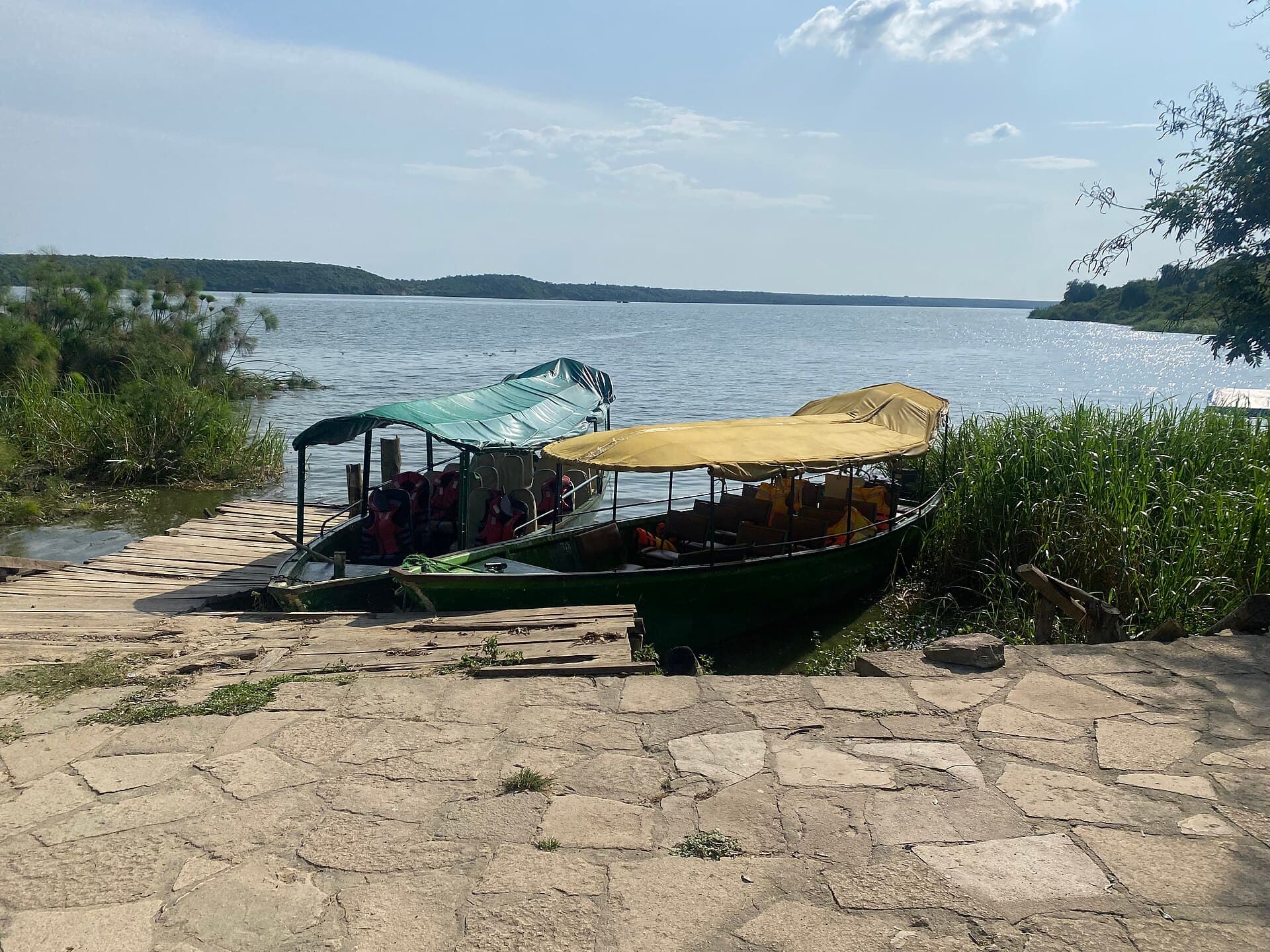
Safari boats on the Kazinga Channel in Queen Elizabeth National Park
12 daysMost complete

Complete Uganda

Ziwa Rhino Sanctuary · Murchison Falls · Kibale Forest · Queen Elizabeth NP · Ishasha · Buhoma · Lake Mburo

Travelers with close to two weeks who want primates, savanna and the Nile, and are happy with a few long road days

Best months
June–September and December–February
Comfort levels
Comfort · Premium · Luxury
Individually quoted
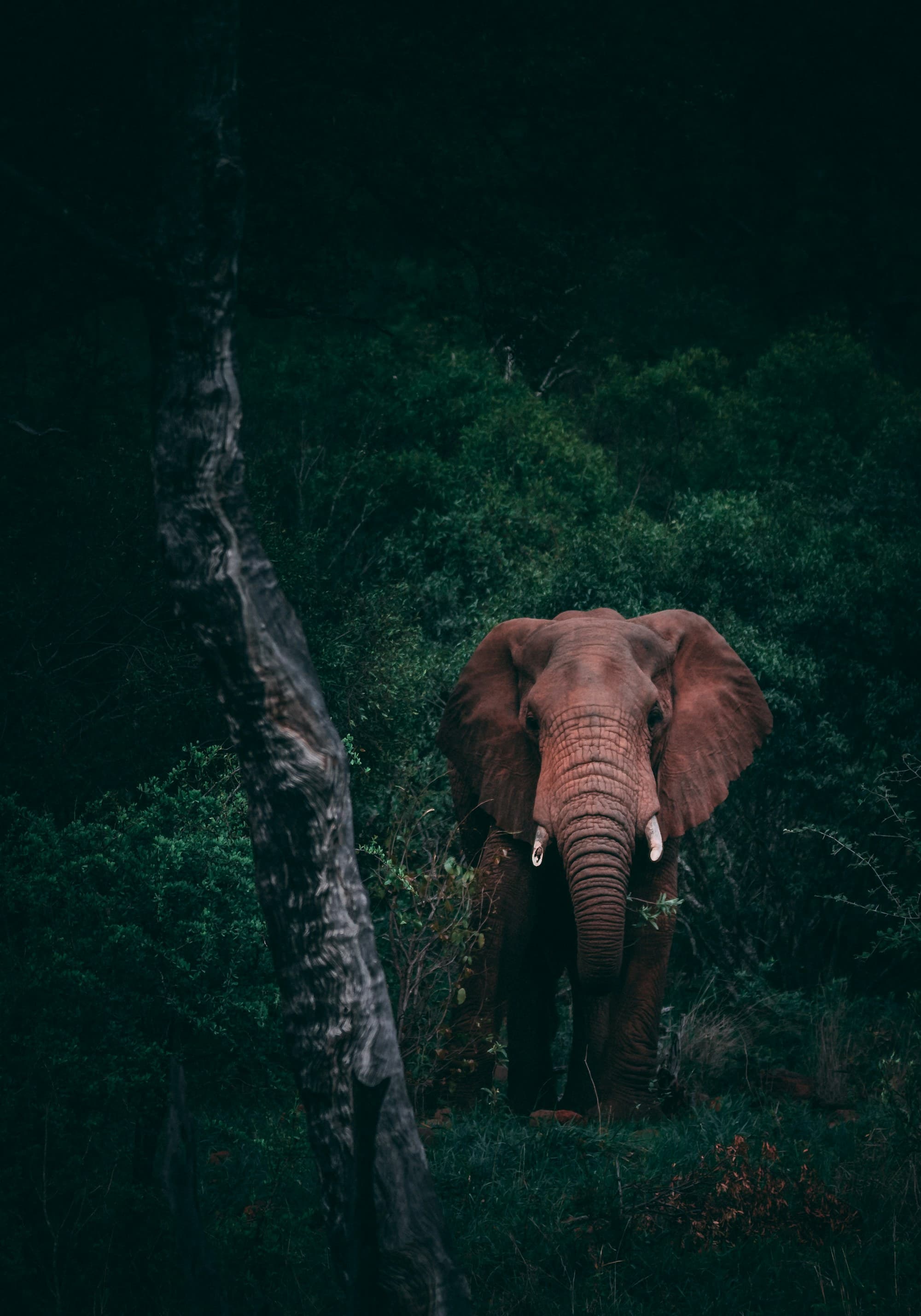
Elephant emerging from the shadows of a dense forest
10 daysFor birders

Uganda Birding

Mabamba Swamp · Lake Mburo · Ruhija · Buhoma · Queen Elizabeth NP · Kibale Forest

Keen birders and bird photographers who want a private guide, early starts and time to find their targets

Best months
November–March
Comfort levels
Comfort · Premium
Individually quoted
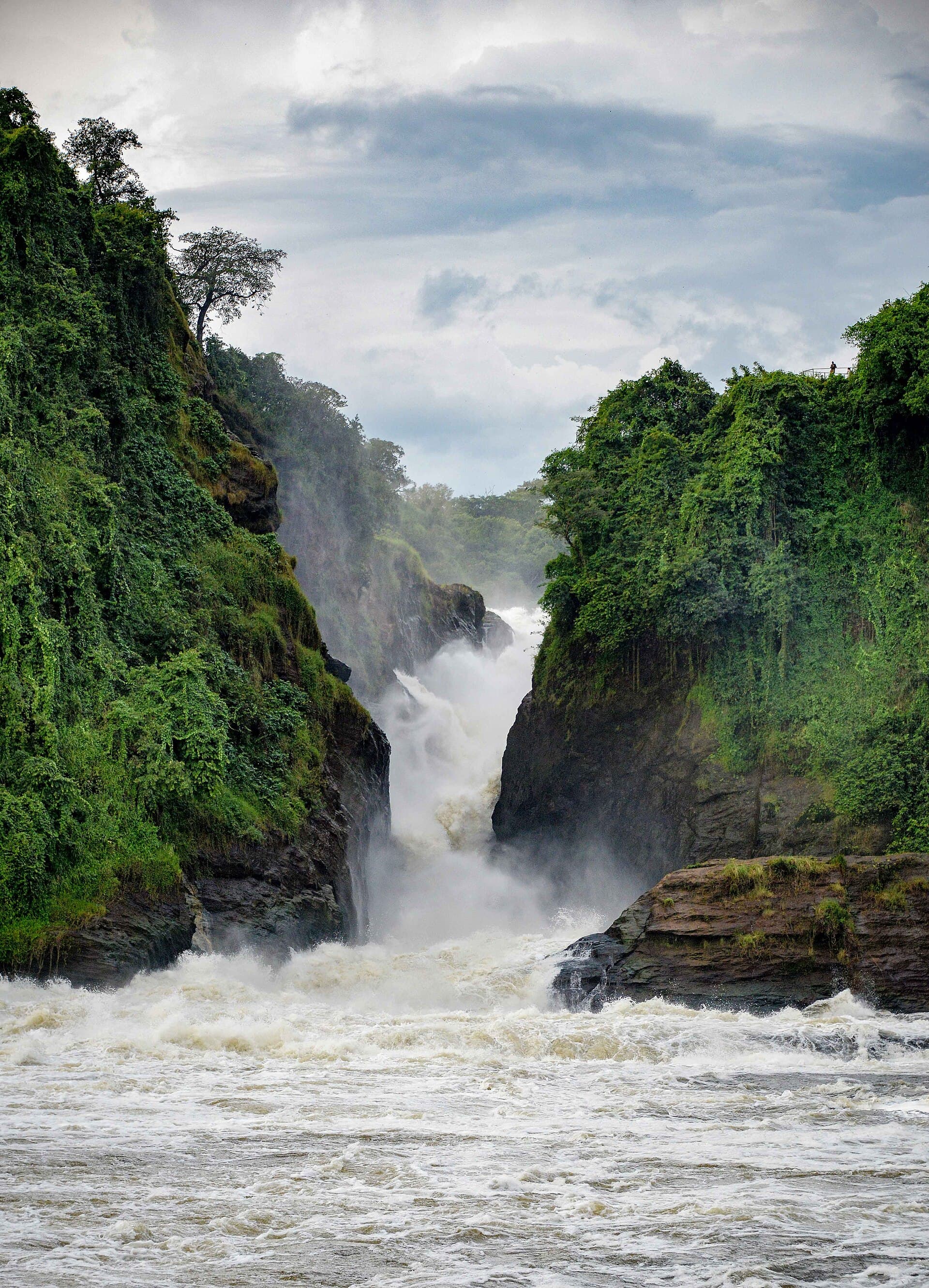
The Nile thundering through the gorge at Murchison Falls
10 daysFly-in wilderness

Uganda Fly-In

Kidepo Valley · Murchison Falls · Buhoma

Travelers who want Uganda’s wildest corner and its gorillas without spending whole days on the road

Best months
December–February and June–August
Comfort levels
Premium · Luxury
Individually quoted
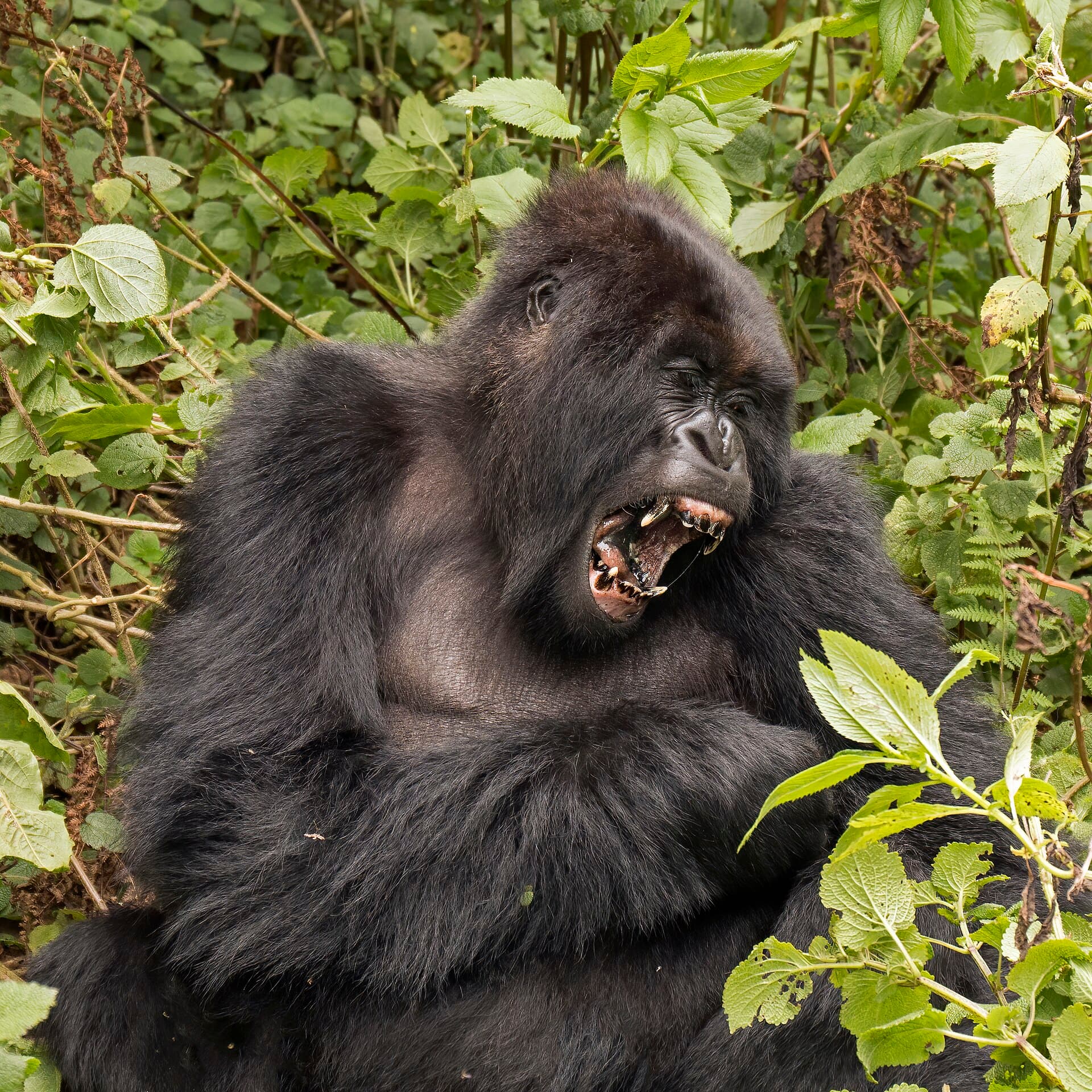
Silverback mountain gorilla mid-yawn among fresh green foliage
6 daysShort & focused

Gorillas via Kigali

Kigali · Rushaga · Mgahinga

Travelers with a week who want two gorilla treks at Uganda’s permit price and the simplest international access

Best months
June–September and December–February
Comfort levels
Comfort · Premium · Luxury
Individually quoted
Good to know

Frequently asked questions

What is the best month to visit Uganda?

For a first trip combining gorillas, chimps and savanna parks, July, August, January and February are the most dependable, with drier trails and good game viewing. September is an excellent shoulder month. If Kidepo is on your list, lean toward December to February.

When is the best time for gorilla trekking in Uganda?

June to August and December to February usually give the driest trails in Bwindi and Mgahinga, but trekking runs every day of the year. The wetter months bring more mud rather than fewer gorillas. April, May and November are the months for which a lower permit rate has been reported, though UWA had not confirmed it at the time of writing.

What is the rainiest month in Uganda?

In the south and west, April is usually the wettest month, with October close behind in Bwindi. In the far north-east around Kidepo, the pattern is different: a single wet season runs from about April to September.

Is it worth visiting Uganda in the rainy season?

Often, yes, if you are flexible and reasonably fit. Primates are found year-round, the landscapes are at their greenest and trailheads are quieter. Expect muddier treks and slower roads, and check the terms of any low-season permit before you book.

How cold does it get in Bwindi?

Nights and early mornings in Bwindi and Mgahinga are cool in every month because of the altitude, and misty dawns are common. Pack a fleece or a light down layer for the evenings and the start of a trek, then shed layers as you climb.

Virunga volcanoes rising over lodge rooftops and farmland

Start With Your Dates

Tell us when you would like to travel, who is coming and how many gorilla days you want. We check permit availability first, then design a private Uganda journey around it, with nothing booked until you approve.

Plan My Uganda Safari