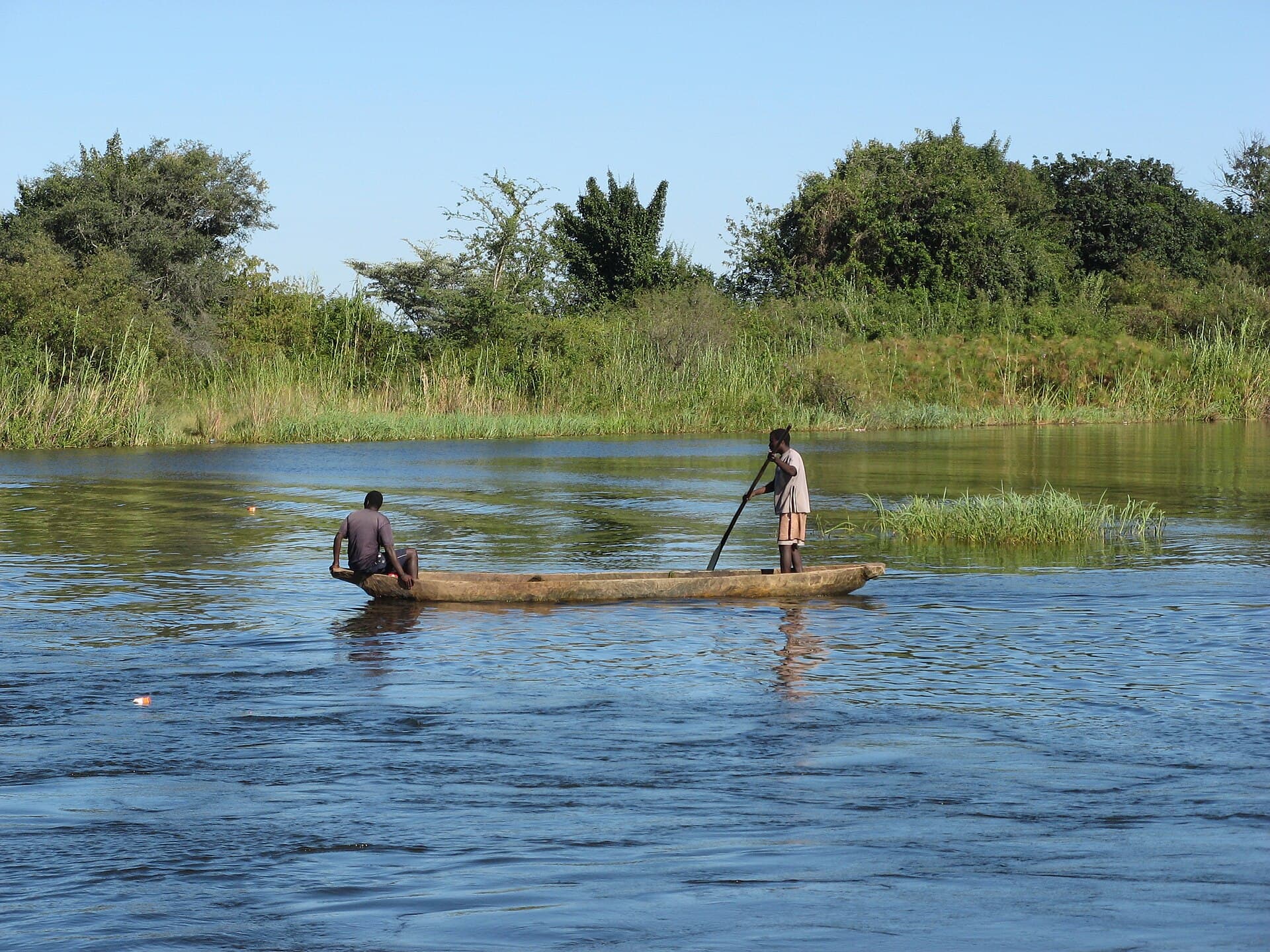
Hippos in a lagoon beside a bush camp in Kafue

Destination guide

Kafue National Park Safaris

Zambia’s largest park, about the size of Wales: flooded plains in the far north-west, a broad river through its heart and wildlife on a measurable comeback.

SizeAbout 22,400 km² (roughly 8,650 sq mi)
Best timeJuly–October for the Busanga Plains; June–October across the rest of the park
Recommended stay5–6 nights, split between Busanga and the Kafue River
Access3–4 hours by tar road from Lusaka to Hook Bridge; light aircraft to Busanga
Known forRed lechwe and lion on the Busanga Plains, leopard on the river, antelope diversity
Park feeCategory B: US$20 per person per day for international visitors, per the DNPW table labelled 2025 (latest published at the time of writing, September 2026)

Kafue National Park

Why Visit

Kafue National Park is big enough to hold three different safaris. At about 22,400 km², it’s on a par with Wales or the state of Vermont, and it’s Zambia’s oldest national park, proclaimed in 1950. In the far north-west lie the Busanga Plains, a seasonally flooded grassland; through the center runs the Kafue River with its tributaries and riverine forest; and in the south stretch Lake Itezhi-Tezhi and the Nanzhila plains.

It’s also a park on the way back. Since July 2022, African Parks has managed Kafue in a 20-year partnership with the Department of National Parks and Wildlife, and its aerial surveys report growing elephant numbers and encouraging trends for buffalo, puku, sable and hartebeest. Wildlife here is more spread out than in the Luangwa, and some animals are still shy of vehicles, so expect to work a little for sightings. The reward is space: you rarely share a sighting, and your visit supports a recovery that is being tracked in numbers.

Altitude shapes the experience too. At about 1,100 m, Kafue is cooler than the Luangwa and Zambezi valleys — pleasant in October, when the lowlands bake, and cold on winter nights, which can fall close to freezing. Road links from both Lusaka and Livingstone make it a natural partner for Victoria Falls, which is how our 9-Day Kafue & Busanga Plains Private Safari is routed.

Best for

  • Open plains and big skies away from other vehicles
  • Photographers after lion, cheetah and lechwe on the Busanga floodplain
  • Combining a safari with Victoria Falls by road
  • Travelers who prefer milder temperatures in October
  • Return visitors to Zambia looking for somewhere new

Kafue National Park

Wildlife & Highlights

  • Large herds of red lechwe and puku on the Busanga floodplain
  • Lion prides hunting across the open plains
  • Cheetah on the Busanga Plains, seen with patience
  • Leopard in the riverine woodland along the Kafue
  • African wild dog, ranging widely across the park
  • Sable, roan and Lichtenstein’s hartebeest in the miombo woodland
  • Elephant, in numbers that aerial surveys show are rising
  • Hippo and crocodile along the Kafue River
  • More than 500 bird species, according to African Parks

Season

Best Time to Visit

  1. January
  2. February
  3. March
  4. April
  5. May
  6. June
  7. July
  8. August
  9. September
  10. October
  11. November
  12. December
May–JuneThe rains have ended but much of the park is still wet. Camps on the central river are open, while the Busanga Plains remain flooded. Roads on black-cotton soil are best avoided until about June.
July–OctoberThe heart of the season. The Busanga Plains open from early July, depending on how fast the floodwater drains, and the whole park is dry and accessible. June–August nights can drop close to 0 °C; September and October are warmer but still milder than the valleys.
November–AprilThe rains return and most of the park becomes inaccessible, with Busanga back under water from about early November. A few camps in the center and north stay open for all or most of the year, reached on the tar road or by air.

Kafue National Park

Areas to Know

The Busanga Plains

In the far north-west, a seasonally flooded grassland along the Lufupa River, dotted with tree islands, turns into some of Zambia’s most open game country as the water recedes. Red lechwe and puku graze in large herds, and lion and cheetah hunt in full view. Only a few seasonal camps operate here, typically from early July to early November, and nearly everyone arrives by light aircraft.

Best for: Open-plains photography and predators, roughly July–October

The central Kafue River

The river is the park’s spine, broad and fringed with riverine forest, with the Lufupa and other tributaries feeding in from the north. Camps here offer boat trips, walks and night drives, and fishing is allowed at selected spots, as explained in tiger fishing on the Zambezi. Leopard are a highlight, several lodges keep long seasons, and all-year airstrips at Lufupa, Chunga and Ngoma keep the area connected.

Best for: Boating, leopard and the longest season

The south: Itezhi-Tezhi & Nanzhila

The southern Kafue is quieter still, with Lake Itezhi-Tezhi on its eastern edge and the Nanzhila plains further south. There are few camps and fewer visitors, and the Dundumwezi Gate is about three hours by road from Livingstone, which suits a road trip between the falls and the park.

Best for: Repeat visitors and road trips from Livingstone

Kafue National Park

Getting There

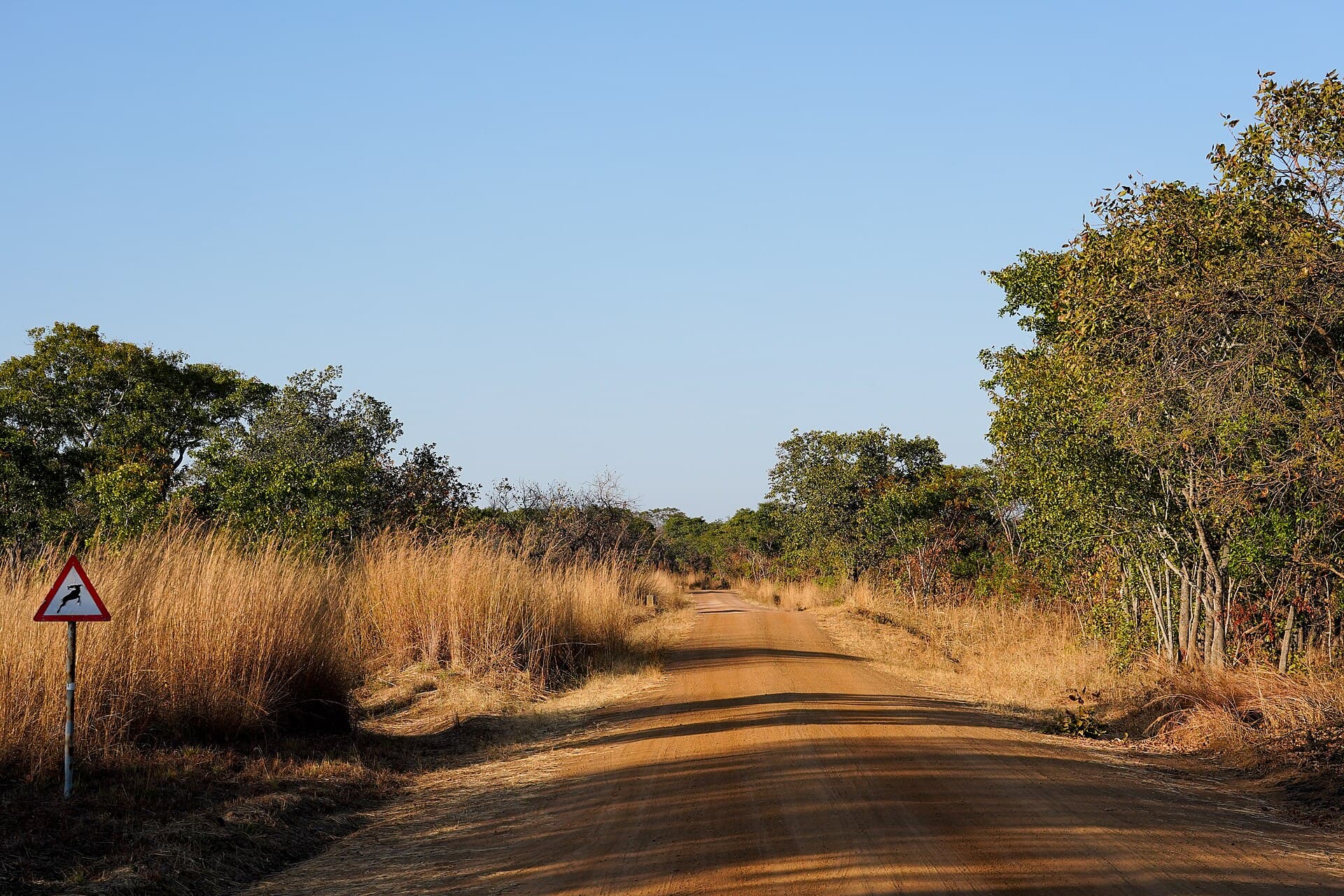
Kafue is unusual among Zambia’s big parks in being practical by road. The M9 from Lusaka is tarred to Hook Bridge, where the highway crosses the Kafue River in the middle of the park, a drive of about 3–4 hours. From Livingstone, the Dundumwezi Gate in the south is about 3 hours away. The Busanga Plains are a different matter: remote and slow to reach on dirt, so most visitors fly to the Busanga airstrip, while year-round airstrips at Chunga, Ngoma and Lufupa serve the central and southern camps. Avoid black-cotton soil roads between November and June.

Drive or fly?

Drive where the tar helps and fly where it doesn’t. A road transfer from Lusaka to the central river is a comfortable half day with a private driver-guide, and it saves the cost of a charter. Busanga is different: the plains are remote, the tracks are slow, and a light aircraft turns most of a day into a short hop. The best routes usually fly into Busanga, move to the river by road or air depending on conditions, and finish at Livingstone.

Airstrips & airports

  • Busanga
  • Lufupa
  • Chunga
  • Ngoma

Typical travel times

Lusaka to Hook Bridge (M9)
About 3–4 hours on tar
Livingstone to Dundumwezi Gate
About 3 hours
Central Kafue camps to Livingstone
Most of a day by road; often better by air

Stays

Where to Stay

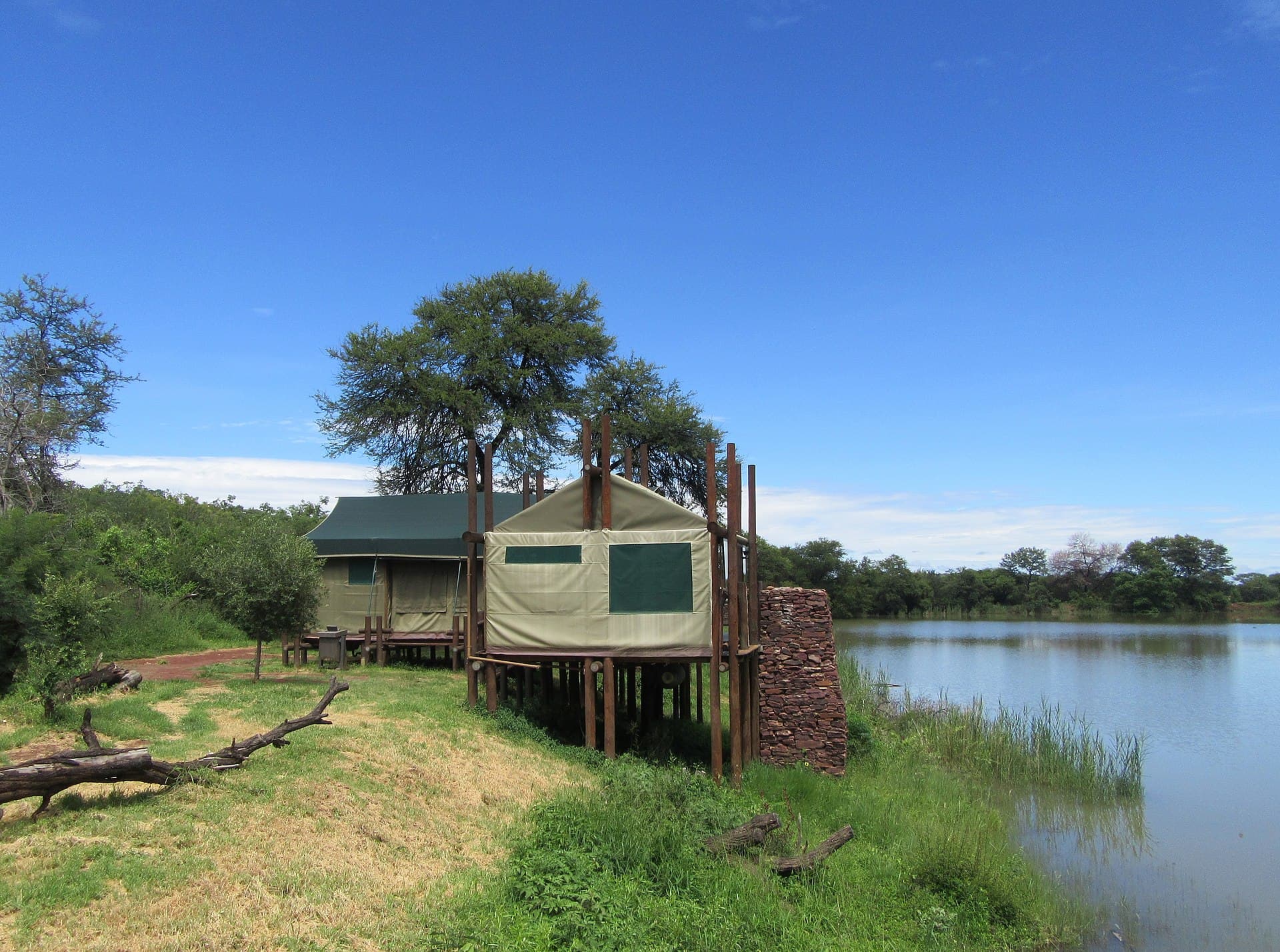
Kafue’s stays follow its geography. On the Busanga Plains, a small number of seasonal tented camps, some raised on tree islands above the floodplain, open once the water drops, typically July–October. On the Kafue River and its tributaries, lodges and tented camps keep longer seasons, several for most of the year, with boats moored below the deck. Camps are small everywhere, and the park rarely feels busy.

A canvas safari tent set among trees at a private tented campPremium

Kafue · Busanga Plains

Floodplain Seasonal Tented Camp

Tented camp · Typically July–October, set by the floodwater

A seasonal tented camp on the edge of the Busanga floodplain, put up once the water drops and packed away before the rains. The plains run right up to the tents, and drives start from camp into lion, cheetah and lechwe country with hardly another vehicle about.

  • Classic canvas tents with en-suite bathrooms
  • Game drives across the open plains
  • Walks where the ground allows
  • Reached by light aircraft

Ideal for: Photographers and adventurous travelers who want open landscapes and few vehicles
A canvas safari tent set among trees at a private tented campLuxury

Kafue · Busanga Plains tree islands

Tree-Island Luxury Camp

Tented camp · Typically June/July–October; confirm per camp

Luxurious tents on a tree island of palms and figs in the middle of the Busanga Plains, with decks looking out over open grassland. It pairs the plains’ remoteness with high-quality design, cooking and guiding, and the view from your bed may include grazing lechwe.

  • Spacious tents with decks over the plains
  • Drives across the floodplain with expert guides
  • Excellent food and wine
  • Light-aircraft access

Ideal for: Couples and photographers who want the Busanga Plains in real comfort

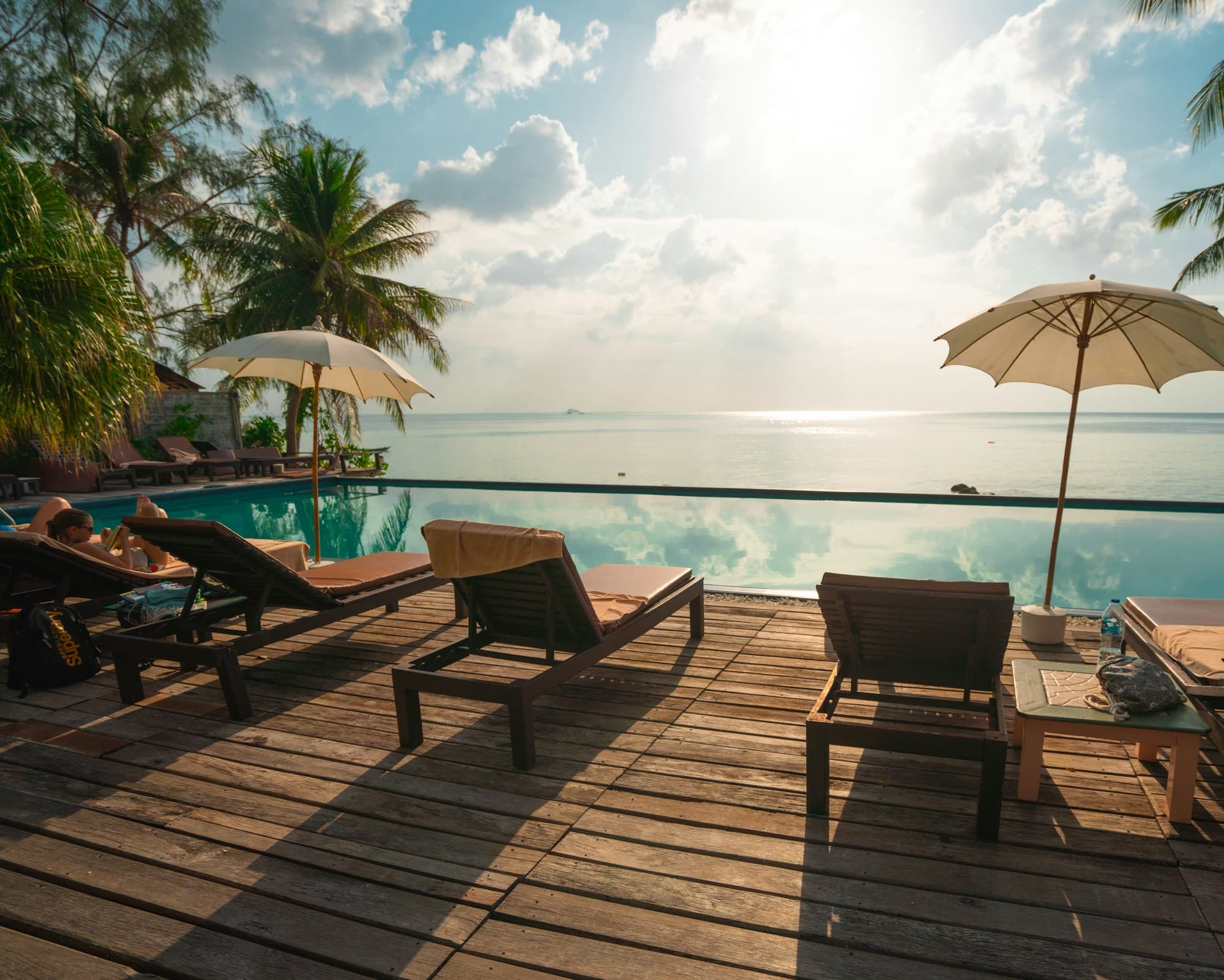
Luxury lodge deck with loungers and umbrellas at golden hourPremium

Kafue · central Kafue River

Central Kafue Riverside Lodge

Lodge · Some open most of the year

Chalets on the banks of the Kafue River in the park’s central section, with river views and an easygoing atmosphere. Boat trips, fishing, walks and drives by day and night are all on offer, and some lodges here stay open for most of the year thanks to all-weather roads and nearby year-round airstrips.

  • River-view chalets
  • Boat trips and catch-and-release fishing
  • Walks, drives and night drives
  • Close to the M9 road and year-round airstrips

Ideal for: Families and travelers who want a mix of river and land activities in Kafue

A canvas safari tent set among trees at a private tented campLuxury

Kafue · Kafue River, central and northern park

Luxury Tented Suites on the Kafue

Tented camp · Typically May–November

Stylish tented suites on the Kafue River in the central or northern park, with plunge pools or a shared pool, wide river views and high standards of food and guiding. Days alternate between boats, walks and drives, and evenings end around the fire with hippos calling from the water.

  • Tented suites with river decks
  • Plunge pools or a pool with a view
  • Boat trips, walks and night drives
  • Small and personal

Ideal for: Couples who want a luxurious, quiet river stay in Kafue

Experiences

Experiences

After dark

Night drives in South Luangwa

Head out after sundowners with a spotter and spotlight to look for leopard, genet and hyena in the park that made night drives famous.

Dugout canoe gliding along the Lower Zambezi

On the water

Tiger fishing on the Zambezi

Cast for the Zambezi’s tigerfish on a catch-and-release outing from a riverside camp, while a non-fishing partner walks, drives or paddles.

Safaris

Safaris That Go Here

Hippos in a lagoon beside a bush camp in Kafue
9 daysOff the beaten track

Kafue Wilderness

Lusaka · Busanga Plains · Kafue National Park · Livingstone · Victoria Falls (Mosi-oa-Tunya)

Repeat safari-goers and photographers who want space, few vehicles and landscapes unlike the valley parks

Best months
July – October
Comfort levels
Premium · Luxury
Individually quoted

Good to know

Frequently asked questions

How far is Kafue National Park from Lusaka?

The M9 highway crosses the park at Hook Bridge, about 3–4 hours’ drive west of Lusaka on tar. Camps on the central river are a further drive on dirt from the highway, and the Busanga Plains in the far north are usually reached by light aircraft.

When can you visit the Busanga Plains?

Typically from early July, once the floodwater recedes, until early November, when the rains return. Exact dates depend on each year’s water levels and camp opening dates vary, so we confirm them for your travel month. August–October is the classic window.

Is Kafue good for a first safari?

It can be, especially if you enjoy space and don’t mind working a little for sightings. Game is more spread out than in South Luangwa, so first-timers who want dense wildlife often visit Busanga in peak season, when the open terrain helps, or pair Kafue with the Luangwa.

How cold does Kafue get?

Colder than many visitors expect. At around 1,100 m, nights from June to August can fall close to 0 °C, so pack a warm jacket, hat and gloves for early drives. Days are usually mild and sunny, and October is noticeably cooler here than in the lower valleys.

Who manages Kafue National Park?

The Department of National Parks and Wildlife, in a 20-year partnership with the conservation non-profit African Parks that began in July 2022. The partnership covers day-to-day management, including the aerial surveys that track the park’s recovery.

Hippos in a lagoon beside a bush camp in Kafue

Tell Us When You Can Travel

Share your dates, who is coming and whether you want to walk, paddle or simply watch. A safari specialist will design a private Zambia journey around the seasons, with nothing booked until you approve it.

Plan my safari here