Destination guide

North Luangwa National Park

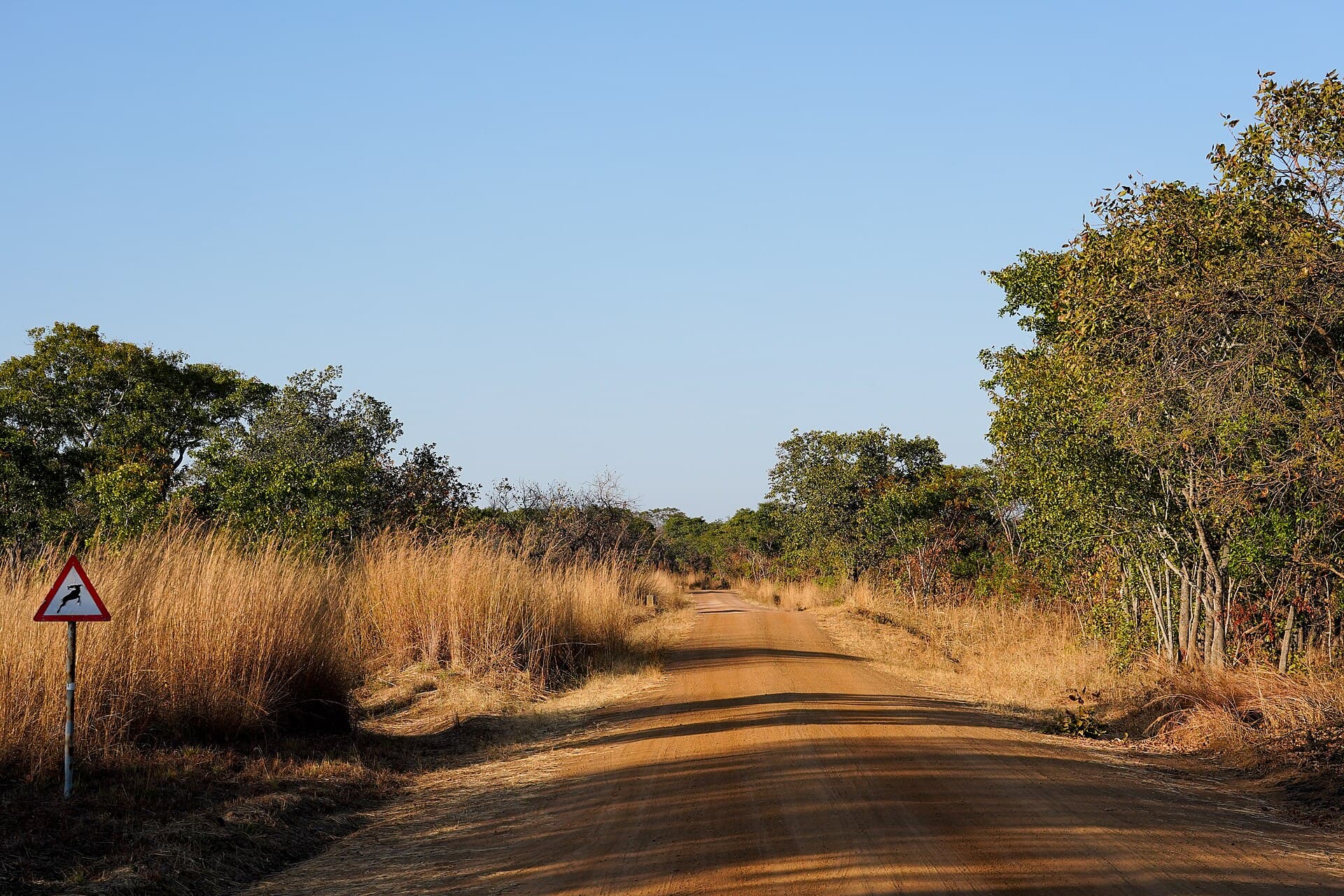
A wilderness of river sand, open floodplain and escarpment, explored almost entirely on foot from a few seasonal camps on the Mwaleshi River.

Size4,636 km² (about 1,790 sq mi), within a roughly 22,000 km² ecosystem
SeasonCamps typically open mid-June to the end of October
Recommended stay3–5 nights, after time in South Luangwa
AccessAbout 40 minutes by light-aircraft charter from Mfuwe
Known forWalking-first safaris, black rhino conservation and solitude
Managed byDNPW and the Frankfurt Zoological Society (North Luangwa Management Company)

North Luangwa National Park

Why Visit

North Luangwa National Park is the Luangwa Valley with the volume turned down. It covers 4,636 km² of valley floor below the Muchinga escarpment, the core of a protected landscape of roughly 22,000 km² once the four surrounding game management areas are counted. There is no lodge strip and little traffic, just a handful of simple seasonal camps, most of them on the Mwaleshi River. You explore on foot with a professional guide and an armed scout from the Department of National Parks and Wildlife (DNPW), following game paths rather than roads.

The park is a conservation story as much as a destination. The Frankfurt Zoological Society (FZS) has supported its protection since 1986, and it’s now managed by the North Luangwa Management Company, a partnership of the government, DNPW and FZS. According to FZS, it holds Zambia’s only black rhino population, is the only Zambian park with all of the Big Five, and has the country’s largest, most stable and only increasing elephant population. The rhino range through a closely guarded area and are rarely seen by visitors, so treat them as a reason the park matters rather than a sighting to expect.

North Luangwa is the purist’s extension to a South Luangwa trip, and the reason our 11-Day North & South Luangwa Private Walking Safari exists. It is not the right choice for a first safari built around big cats, for travelers who dislike rustic camps, or for families with children under 12. If you’re unsure whether a walking-led trip suits you, start with walking safaris in Zambia.

Best for

  • Experienced safari-goers who would rather walk than drive
  • Travelers who value solitude over sighting volume
  • Conservation-minded visitors interested in rhino recovery
  • A remote finale to a South Luangwa trip

North Luangwa National Park

Wildlife & Highlights

  • Buffalo, often in large herds on the dry-season floodplain
  • Elephant, in what FZS describes as Zambia’s only increasing population
  • Lion and spotted hyena, frequently followed by their tracks on foot
  • Cookson’s wildebeest, a subspecies endemic to the Luangwa Valley
  • Crawshay’s zebra, puku, impala and waterbuck
  • Hippo and crocodile in the deeper pools of the Mwaleshi and Luangwa
  • Black rhino, protected in a guarded area and seldom seen
  • More than 400 recorded bird species

Season

Best Time to Visit

  1. January
  2. February
  3. March
  4. April
  5. May
  6. June
  7. July
  8. August
  9. September
  10. October
  11. November
  12. December
Mid-June–JulyCamps open once the tracks and airstrips have dried out. Mornings are cool and walking temperatures are at their most comfortable, and the river still runs between green banks.
August–OctoberThe Mwaleshi shrinks to a chain of pools and wildlife concentrates along it. Heat builds steadily toward October, so walks leave at first light and finish by late morning, with rest through the midday hours.
November–mid-JuneThe rains cut the park off. Camps close and road access fails, leaving North Luangwa inaccessible to visitors for more than half the year.

North Luangwa National Park

Areas to Know

The Mwaleshi River

The heart of visitor North Luangwa is a shallow, clear river that winds across the valley floor to meet the Luangwa. Camps sit on its lower reaches, and most walks follow its banks, where buffalo and puku graze, lion leave fresh tracks in the sand and hippo crowd the shrinking pools. Upstream, the river drops over Mwaleshi Falls, which some camps visit on a longer outing.

Best for: Long morning walks and river wildlife

The Luangwa riverfront

The Luangwa itself forms the park’s eastern edge, a broader, sandier river than the Mwaleshi, with steep banks, big crocodiles and large hippo pods. Walks out to the confluence show you how the two rivers shape the valley, and the open banks make it good country for spotting elephant and buffalo coming down to drink.

Best for: Big-river scenery and elephant at the water

North Luangwa National Park

Getting There

North Luangwa is reached by light-aircraft charter from Mfuwe, a flight of about 40 minutes up the valley to a bush airstrip near the camps. There are no scheduled flights. Overland, it’s about six hours of rough tracks, passable only in the dry season. Charter aircraft are small, so plan your luggage around the tightest limit on your route, as our getting to Zambia guide explains.

Drive or fly?

Fly. The overland route is long, rough and only open in the dry season, and it would consume a full walking day at each end. The charter from Mfuwe is short, and it lets you pair the two Luangwa parks without going back to Lusaka. The only reason to drive is a vehicle-based expedition, which isn’t what North Luangwa is about.

Airstrips & airports

  • Bush airstrips near the Mwaleshi camps (charter only)
  • Mfuwe Airport (MFU) for connections

Typical travel times

Mfuwe by light aircraft
About 40 minutes
Mfuwe by road
About 6 hours on rough dry-season tracks

Stays

Where to Stay

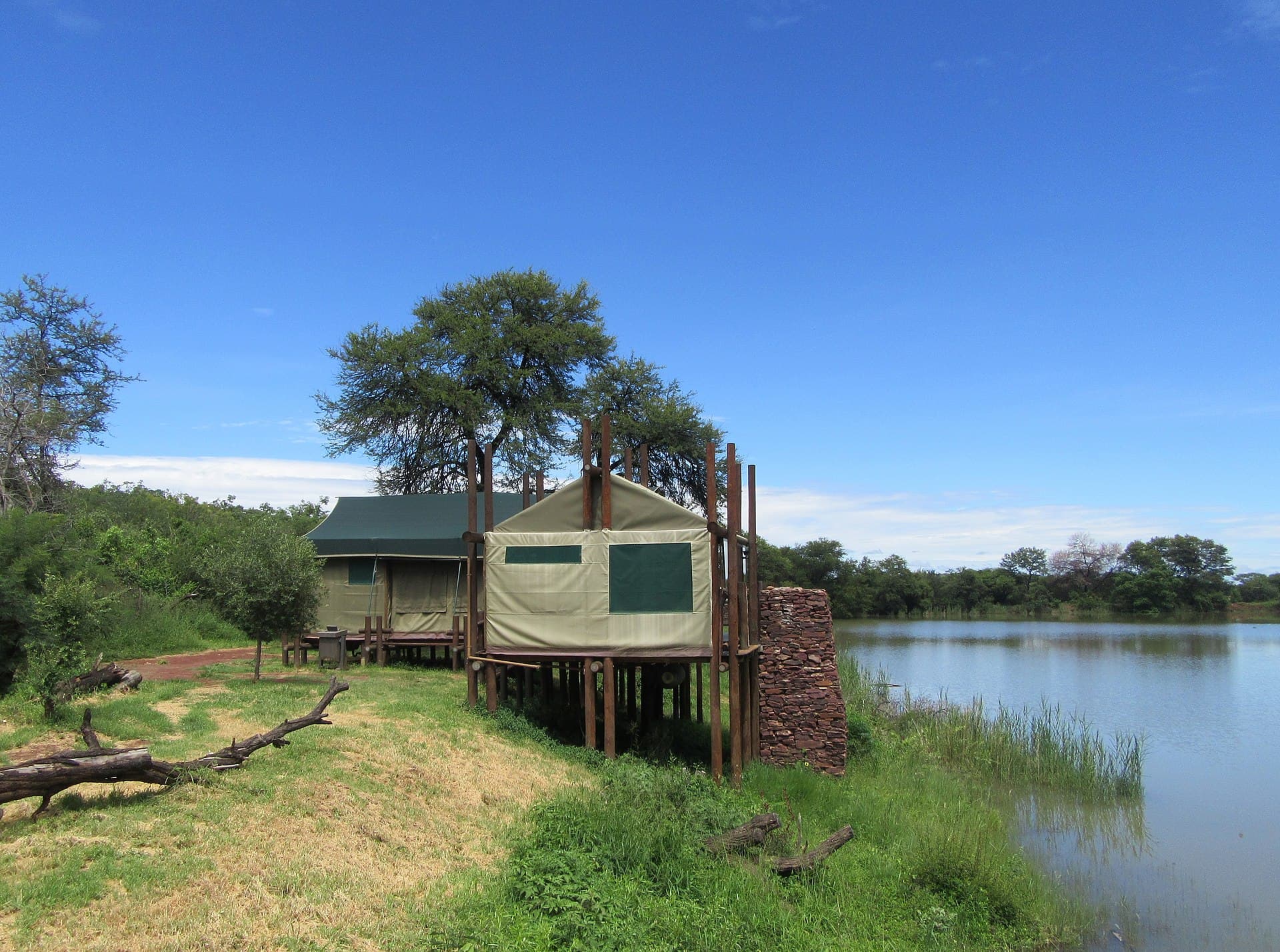
Accommodation is a small number of seasonal walking camps, each with only a few thatched or canvas rooms, often partly rebuilt after every rainy season. Expect comfortable beds, simple bathrooms, meals shared with your guide and a deep knowledge of the river, not pools or Wi-Fi. There is no luxury tier in the usual sense, so our walking journey uses the same simple camp style at every level.

A canvas safari tent set among trees at a private tented campPremium

North Luangwa · Mwaleshi River

North Luangwa Wilderness Walking Camp

Bush camp · Typically mid-June–October

A small, simple camp on a riverbank in a park with almost no roads and very few visitors. Comfort is basic but sound, with good beds, hot showers and home cooking, and the setting is the whole point: days are spent on foot with a guide and an armed scout.

  • A handful of simple chalets or tents by the river
  • Walking-led days, with some drives
  • A short light-aircraft flight from Mfuwe
  • No other camps nearby

Ideal for: Experienced safari-goers and keen walkers who value wilderness over comfort
Safaris

Safaris That Go Here

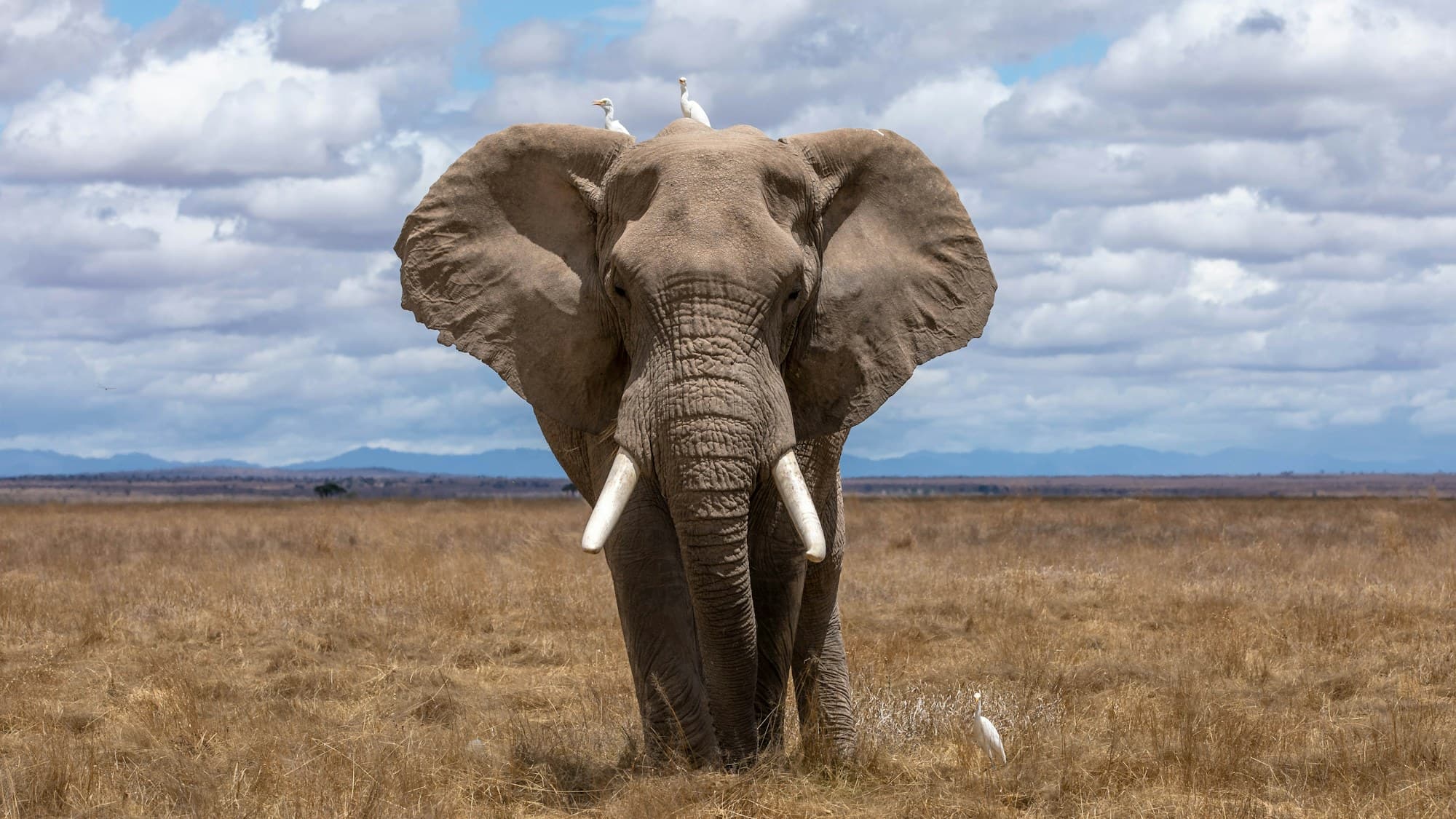
Elephant with white egrets standing front-on in open grassland under a wide sky
11 daysFor walkers

Luangwa Walking Safari

Lusaka · Mfuwe Airport · South Luangwa · North Luangwa

Fit, curious travelers who want to experience the bush on foot and are happy with simple camps

Best months
July – October (late June possible)
Comfort levels
Premium · Luxury
Individually quoted

Good to know

Frequently asked questions

Can you see black rhino on a North Luangwa walking safari?

It’s very unlikely, and no responsible planner should promise it. The rhino live in a closely guarded part of the park and are rarely seen by visitors. Your walks focus instead on buffalo, elephant, lion, hyena and the valley’s smaller life.

When are the North Luangwa camps open?

Typically from mid-June to the end of October. The rains make the park inaccessible for the rest of the year, and camps are partly rebuilt each season, so opening dates can shift by a week or two depending on how late the rains finish.

Is North Luangwa suitable for children?

Generally not for younger children. Walking in Zambian national parks usually has a minimum age of 12, and some remote camps set a higher limit, so check the policy for your dates. Older teenagers who already enjoy the outdoors often love it.

How fit do you need to be for North Luangwa?

Reasonably fit rather than athletic. Walks are slow, usually three to four hours in the cool of the morning, over sand, dry riverbeds and uneven ground. The bigger challenge is heat later in the season, which is why walking starts at first light.

Are there game drives in North Luangwa?

Walking is the core of the experience, and that’s the point of coming. Some camps now offer drives, which help on hot afternoons or when a longer distance needs covering. If you prefer to see the bush from a vehicle, South Luangwa or the Lower Zambezi will suit you better.

Hippos in a lagoon beside a bush camp in Kafue

Tell Us When You Can Travel

Share your dates, who is coming and whether you want to walk, paddle or simply watch. A safari specialist will design a private Zambia journey around the seasons, with nothing booked until you approve it.

Plan my safari here