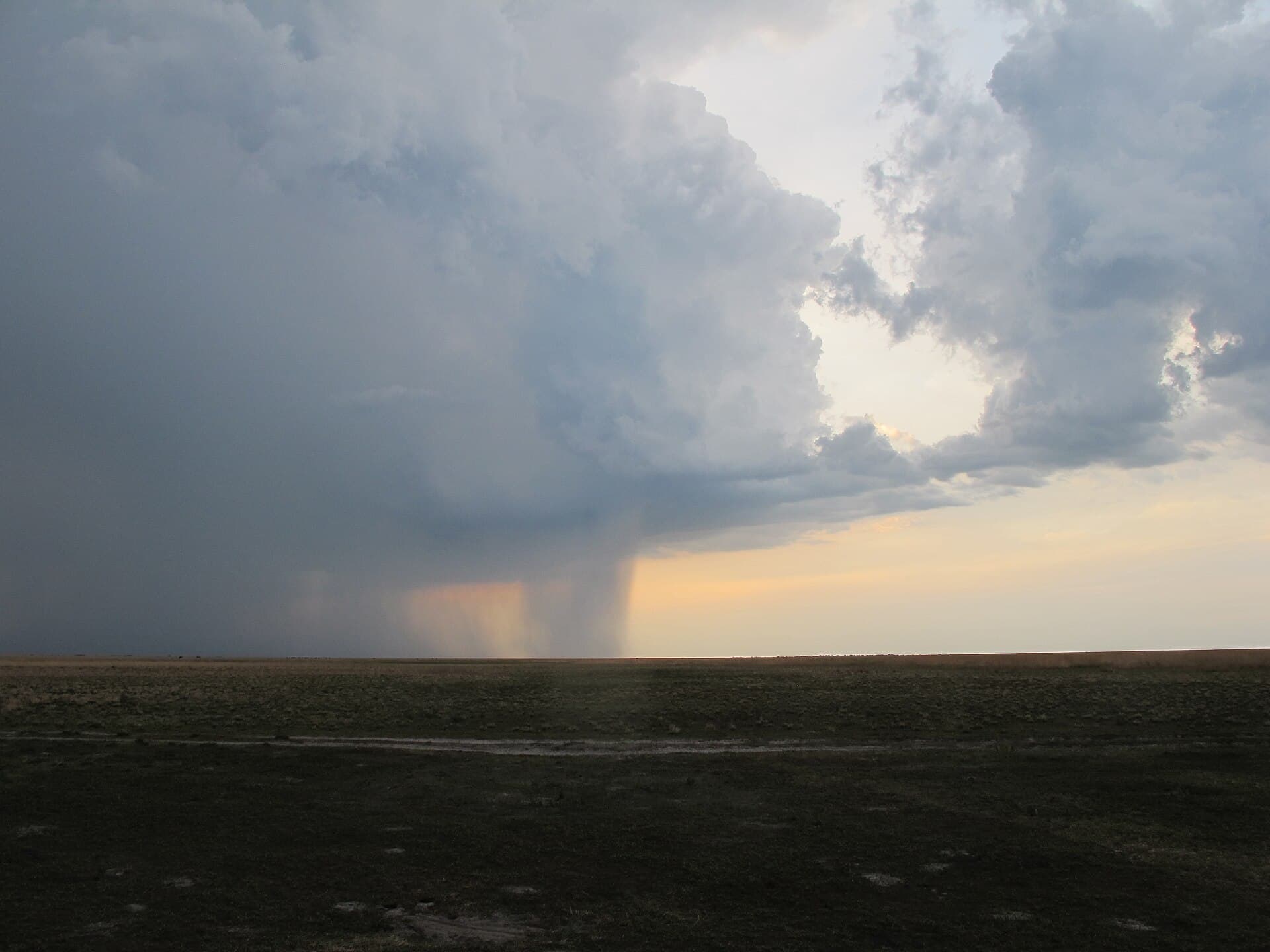
Storm light over the open grass plains of Liuwa

Destination guide

Liuwa Plain National Park

Grassland to every horizon in far-western Zambia, where tens of thousands of wildebeest arrive with the rains and hyena clans rule the night.

SizeAbout 3,660 km² (roughly 1,410 sq mi)
Best timeNovember–December, when the rains bring the herds onto the plains
Recommended stay3–4 nights
AccessLight aircraft to a park airstrip, or about 10 hours by road from Lusaka via Kalabo
Known forWildebeest migration, hyena clans and the Lady Liuwa lion story
Managed byAfrican Parks with DNPW and the Barotse Royal Establishment

Liuwa Plain National Park

Why Visit

Liuwa Plain National Park is one of the emptiest, most open landscapes in southern Africa: 3,660 km² of floodplain grassland, pans and scattered tree islands close to the Angolan border, under a sky that seems twice the usual size. Its signature event is a wildebeest migration that African Parks describes as the second largest in Africa, with more than 40,000 animals in its visitor guidance and over 47,000 in its latest figures. Zebra, tsessebe and lechwe move with them as the rains arrive.

It’s also one of conservation’s better stories. Liuwa’s protection goes back more than 150 years to King Lubosi Lewanika of the Lozi, and since 2003 the park has been run by African Parks with DNPW and the Barotse Royal Establishment, a partnership renewed in July 2026 and extended into part of the Upper West Zambezi Game Management Area. The park’s lions rebuilt from a single survivor, a lioness known as Lady Liuwa, whose story became famous far beyond Zambia. Hyena, cheetah and wild dog are thriving, and Lichtenstein’s hartebeest returned in 2025 after more than 30 years.

Liuwa is a specialist destination — remote, weather-dependent and with very few beds — so it suits travelers on a second or third African trip. Its herd is a fraction of the Great Migration in Tanzania, but you may have it almost to yourself. November is the classic month, and our 9-Day Kasanka Bats & Liuwa Wildebeest Private Safari pairs it with Kasanka’s bat migration.

Best for

  • Seeing a wildebeest migration without other vehicles
  • Experienced travelers seeking remote, specialist safaris
  • Photographers who love storms, big skies and predators on open ground
  • Pairing with Kasanka’s bat migration in November

Liuwa Plain National Park

Wildlife & Highlights

  • Wildebeest, tens of thousands strong once the rains begin
  • Zebra, tsessebe and red lechwe moving with the herds
  • Spotted hyena in large, vocal clans
  • Lion, rebuilt from a single surviving lioness
  • Cheetah hunting on the open grassland
  • African wild dog
  • Lichtenstein’s hartebeest, back since 2025
  • Rich wet-season birdlife on the flooded pans

Season

Best Time to Visit

  1. January
  2. February
  3. March
  4. April
  5. May
  6. June
  7. July
  8. August
  9. September
  10. October
  11. November
  12. December
November–DecemberThe first rains green the grass and the wildebeest gather on the central plains, with hyena, lion and cheetah close behind. Afternoon storms sweep across the horizon, which makes for spectacular light. Beds are very limited, so book well ahead.
January–AprilThe wettest months. Large areas flood from about December to April, and exploring shifts to canoe and on foot where water allows. Access is harder and weather can delay flights; the herds are still on the plains.
May–OctoberDry and cool from May to July, warming from August to October. The herds drift north from around May–July and the plains grow quieter, though resident predators remain. Lodge seasons in these months vary by source and year, so we confirm dates before planning.

Liuwa Plain National Park

Areas to Know

The central plains

The open heart of Liuwa is where the wildebeest concentrate once the rains start, and where hyena clans den and hunt. Game drives here feel more like crossing a sea than a park, and on a clear day you can follow a hunt for kilometers. Night drives, where offered, are the best way to understand how active the hyenas are after dark.

Best for: The migration and predator watching

Pans and wetter margins

Scattered pans hold water long after the rains, and the park’s edges flood widely in the wet season. These are the places for birdlife, from wading birds to raptors, and in the flood months for canoe and walking outings where the water allows. They also frame some of the park’s best landscape photographs.

Best for: Birding, photography and wet-season exploring

Kalabo & the Barotse floodplain

The road approach crosses the vast Barotse floodplain, the heartland of the Lozi people, to the town of Kalabo and on to the park reception. It is a long drive, but it shows you the villages, fishing channels and seasonal rhythms that shaped Liuwa’s royal stewardship.

Best for: Overland travelers interested in western Zambia’s culture

Liuwa Plain National Park

Getting There

Liuwa is remote by any measure. By road it’s about 10 hours from Lusaka or 8 from Livingstone, the last stretch through Kalabo town to the park reception, and a 4×4 is essential. Most visitors fly by light aircraft, but which routes run as scheduled services and which need a charter changes from season to season, so we confirm the options for your dates. Rain can delay light aircraft in the wet months, so leave a buffer before onward international flights.

Drive or fly?

Fly unless you’re an experienced overlander with days to spare. The drive is long and, once off the tar, slow and sandy, and in the wet season parts can become impassable. A flight turns a two-day round trip into a few hours, which matters when you may have only three nights on the plains. Some travelers drive in with a private driver-guide to see the Barotse floodplain, then fly out.

Airstrips & airports

  • Matamanene
  • Kalabo

Typical travel times

Lusaka by road
About 10 hours
Livingstone by road
About 8 hours

Stays

Where to Stay

Choice is limited, and that’s part of Liuwa’s character. There is a single permanent luxury lodge with a handful of villas, a park-run guesthouse and a few campsites. With so few beds and a short peak season, November dates fill early, ideally the year before. Lodge opening seasons differ between sources, so we confirm them for your dates.

Luxury lodge deck with loungers and umbrellas at golden hourPremium

Liuwa Plain · park guesthouse on the plains’ edge

Plains-Edge Park Guesthouse

Lodge · Seasonal — confirm dates

A simple, comfortable guesthouse on the edge of the Liuwa Plain, with a few bedrooms, shared living space and long views over open grassland. It puts Liuwa’s wildebeest and hyena within reach for travelers happy to trade polish for a lower price level, with drives run by an experienced guide.

  • A few bedrooms with shared living areas
  • Guided day and night drives
  • Wide views over the plains
  • Meals, guide and vehicle arranged in advance

Ideal for: Adventurous travelers who want Liuwa’s spectacle and are content with simple comforts
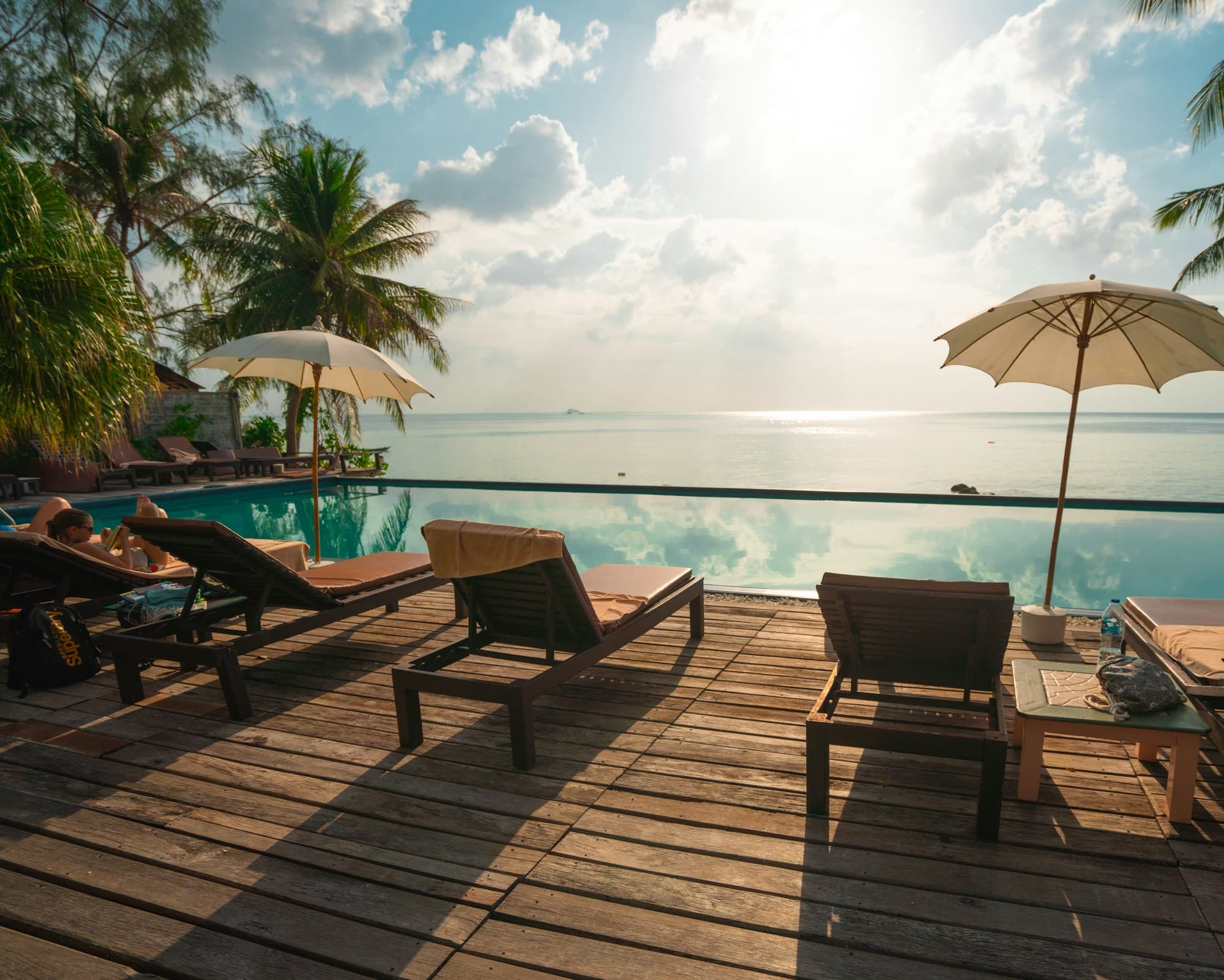
Luxury lodge deck with loungers and umbrellas at golden hourLuxury

Liuwa Plain · remote villa lodge

Villa-Style Plains Lodge

Lodge · Seasonal; recent seasons have covered the November migration — confirm dates

Spacious villas raised above the edge of the Liuwa Plain to catch the views and the breeze, with excellent food and expert guiding. It is one of very few permanent places to stay in the park, and drives head out to the wildebeest herds and hyena clans by day and after dark.

  • Spacious raised villas
  • Day and night drives
  • Excellent food
  • Light-aircraft access

Ideal for: Photographers and experienced travelers who want to see Liuwa in comfort

Experiences

Experiences

After dark

Night drives in South Luangwa

Head out after sundowners with a spotter and spotlight to look for leopard, genet and hyena in the park that made night drives famous.

Safaris

Safaris That Go Here

Storm light over the open grass plains of Liuwa
9 daysNovember only

Zambia’s November Migrations

Lusaka · Kasanka · Liuwa Plain · Livingstone · Victoria Falls (Mosi-oa-Tunya)

Repeat safari-goers, photographers and naturalists who want spectacles few travelers see

Best months
November (bats from late October)
Comfort levels
Premium · Luxury
Individually quoted

Good to know

Frequently asked questions

When is the Liuwa wildebeest migration?

The herds typically arrive on the central plains with the first rains in November and stay through the wet season, dispersing north around May to July. November and December are the usual months to go, but timing shifts with rainfall each year.

How big is the Liuwa migration?

African Parks describes it as the second-largest wildebeest migration in Africa, with more than 40,000 animals and its latest figure above 47,000. That’s a fraction of East Africa’s herds, but here you’re often the only vehicle watching them.

How do you get to Liuwa Plain National Park?

Most visitors fly by light aircraft, on routes and schedules that change by season. By road it’s about 10 hours from Lusaka or 8 from Livingstone, finishing through Kalabo, and a 4×4 is essential. We confirm the best option for your dates.

What is the Kuomboka ceremony?

It’s the Lozi ceremony in which the Litunga, the Lozi king, moves by royal barge from the floodplain to higher ground at the end of the rains. The date isn’t fixed and it isn’t held every year, so it can’t be planned around with certainty. If it falls during your trip, we’ll let you know.

Is Liuwa suitable for a first safari?

It’s better as a second or third trip. The plains are remote, facilities are few and the experience depends on the weather and the herds’ movements. First-timers usually get more from South Luangwa or the Lower Zambezi, perhaps adding Liuwa on a later visit.

Hippos in a lagoon beside a bush camp in Kafue

Tell Us When You Can Travel

Share your dates, who is coming and whether you want to walk, paddle or simply watch. A safari specialist will design a private Zambia journey around the seasons, with nothing booked until you approve it.

Plan my safari here