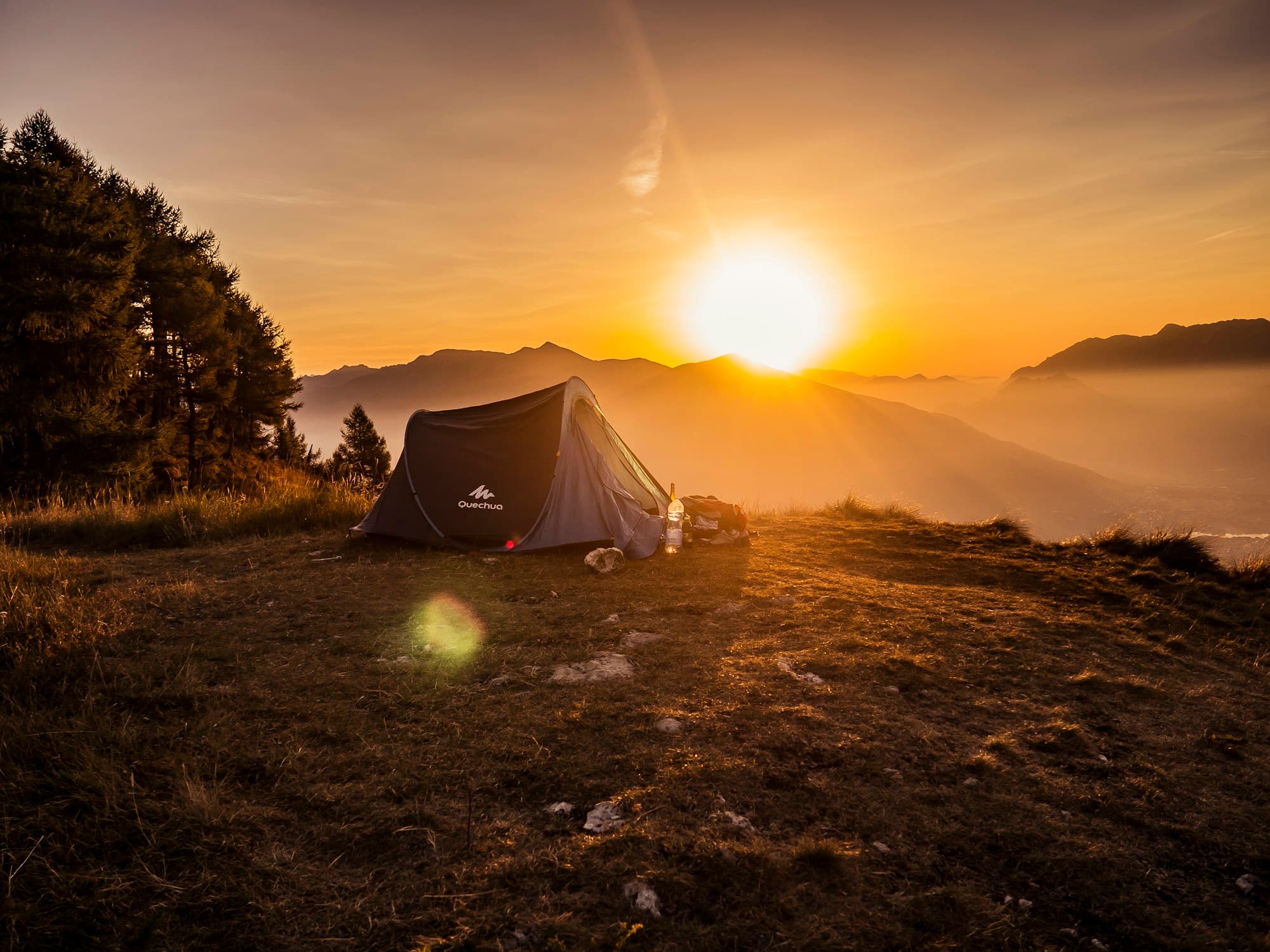
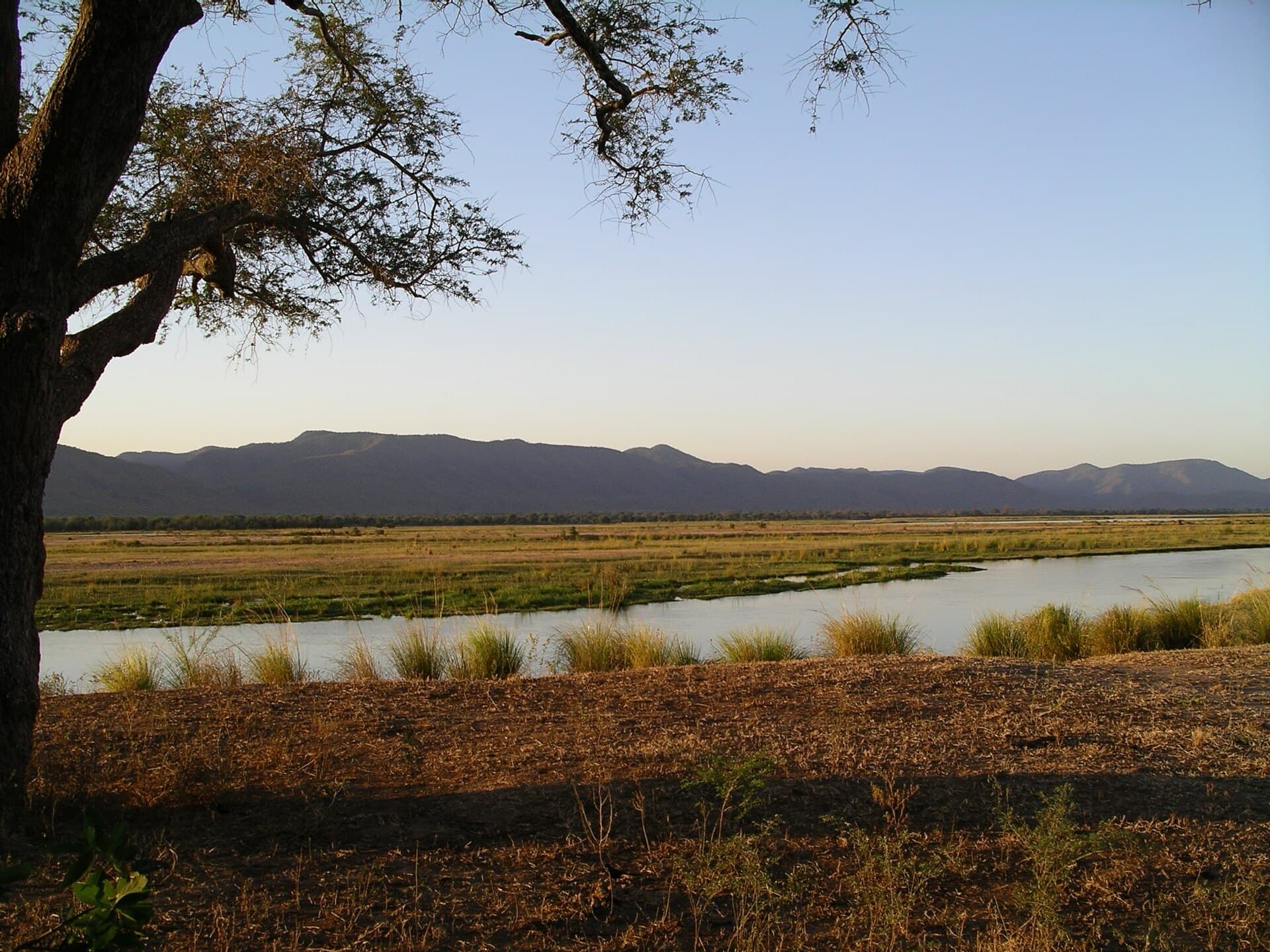
Floodplain and mountains of Mana Pools at dusk

Private safari

9-Day Mana Pools Walking & Canoe Private Safari

9 daysPrivate safariZimbabweIndividually quoted

Walk the spring-fed sand river at Chitake, wander beneath the albidas of the floodplain, then paddle some 50 km of the Zambezi, sleeping on its banks and sandbars.

Customize This Journey
Duration9 days · 8 nights
Best monthsJune–October
Comfort levelsPremium · Luxury
RouteHarare · Chitake Springs · Mana Pools · Chikwenya
Best forFit, returning safari travelers aged 14 and over who would rather walk and paddle than sit in a vehicle
Trip typePrivate safari

This Mana Pools walking and canoe safari itinerary is for travelers who have already done the game-drive safari and now want to meet the bush at ground level. It spends seven of its eight nights inside one of Africa’s great walking parks, Mana Pools National Park, in three distinct settings: the spring-fed sand river at Chitake, the albida floodplain beside the Zambezi and the river itself, paddled over three nights with camps pitched on its banks.

Everything moves at walking pace, and everything depends on the guide. Zimbabwe licenses its walking and canoe guides through a long apprenticeship and a demanding practical exam, and on this route you walk and paddle with fully licensed professional guides, the canoe trail led by one who also holds a canoe licence. The minimum age is 14, a reasonable level of fitness is needed and there is no vehicle alternative on the river days, so choose it with open eyes. Our page on walking safaris in Zimbabwe explains the licensing path step by step.

Why this route works

The order runs from the most demanding walking to the gentlest paddling, and from inland to the river. Chitake Springs comes first because it asks the most of you, and is the most thrilling, while your legs and attention are fresh: walking through jesse thicket and dry riverbeds where prides hunt buffalo is concentrated work. The floodplain then gives two easier days in open country, an introductory paddle and a proper tented camp before the simplest nights of the trip. The canoe trail comes last because it flows one way, downstream from the park’s western end to Chikwenya in the east, and finishes close to an airstrip. Harare is the gateway because its light-aircraft link into Mana Pools is about half the length of the flight from Victoria Falls.

Itinerary

Day by Day

A suggested flow — every day can be reshaped around you.

  1. Day 1 · Harare

    A Garden Night in Harare

    Drive · Harare airportHarare garden suburbs · about 30 minutes

    Your international flight lands in Harare, usually after a connection in Johannesburg, Addis Ababa or Nairobi, and you are driven to a quiet lodge in the city’s northern garden suburbs. Harare sits at roughly 1,500 m, so evenings are mild, and in September and October the jacarandas may be in flower. Use the afternoon to sleep off the journey and repack: the light aircraft into Mana Pools takes a soft bag of roughly 15–20 kg, and on the canoe trail you live out of a smaller dry bag. Your planner’s briefing notes walk you through the days ahead.

    • Meet-and-greet at Harare airport
    • Kit check for the walking and canoe days
    Overnight
    Harare
    Meals
    Dinner
  2. Day 2 · Chitake Springs

    Into the Valley and Inland to Chitake

    Flight · HarareMana Pools National Park · about 1 hourThe onward drive to Chitake Springs is on rough park tracks; allow several hours with wildlife stops.

    Fly north across the plateau and down over the Zambezi Escarpment into Mana Pools, about an hour in a light aircraft. From the airstrip a vehicle takes you inland on rough park tracks toward Chitake Springs, some 50 km south of the river, where springs keep a stretch of sand river wet long after the rest of the valley has dried. Camp is small and seasonal, set up for the dry months only. After tea you take a first walk with your guide, learning the rules of single file and silence, and listening for buffalo on their way to drink.

    • Light-aircraft flight into Mana Pools
    • Drive inland to Chitake Springs
    • Afternoon orientation walk
    Overnight
    Chitake Springs
    Meals
    Breakfast, lunch & dinner
  3. Day 3 · Chitake Springs

    Dawn to Dusk on the Sand River

    Chitake is at its most intense late in the dry season, when big buffalo herds walk down from the escarpment to the springs and lions wait along the banks. Today you walk from first light, following the riverbed and climbing to higher ground above it to watch without disturbing. Much of the day may be spent sitting quietly in the shade of a baobab or on a ridge, which is how the best encounters here tend to unfold. Nothing is certain, but the tension of a herd approaching water with lions nearby stays with you.

    • Full day of guided walking along the Chitake River
    • Picnic lunch in the field
    • Evening by the fire below the escarpment
    Overnight
    Chitake Springs
    Meals
    Breakfast, lunch & dinner
  4. Floodplain and mountains of Mana Pools at dusk

    Day 4 · Mana Pools

    Down to the Albida Floodplain

    Drive · Chitake SpringsMana Pools floodplain · about 2–3 hours with game viewing

    Drive back north toward the Zambezi and the change is striking: dense jesse and mopane give way to open woodland of apple-ring acacias and Natal mahogany on the old river terraces. Your floodplain camp looks across the water to Zambia’s Lower Zambezi National Park, a separate park on the far bank. After lunch and a rest, you walk onto the floodplain in the late afternoon, when elephants browse between the trees and waterbuck and eland drift toward the channels. The first night beside the river is full of sound: hippos, lions calling, the odd hyena.

    • Drive from Chitake to the floodplain
    • Late-afternoon floodplain walk
    • Sundowners overlooking the Zambezi
    Overnight
    Mana Pools floodplain
    Meals
    Breakfast, lunch & dinner
  5. Day 5 · Mana Pools

    Four Pools and a First Paddle

    The park takes its name from the Shona word for four, after Long Pool, Green Pool, Chisasiko and Chine, former river channels that hold water into the dry season. Walk between them in the morning, reading tracks in the silty soil and watching hippos in Long Pool, which runs for more than 6 km. In the afternoon you take a short guided paddle on a quiet side channel of the Zambezi, a chance to get the feel of a two-person Canadian canoe and learn your guide’s hand signals before the trail begins.

    • Morning walk around the pools
    • Introductory paddle on a Zambezi channel
    • Evening walk or drive back to camp
    Overnight
    Mana Pools floodplain
    Meals
    Breakfast, lunch & dinner
  6. Day 6 · Mana Pools

    Launching the Canoe Trail

    Drive · Mana Pools floodplainCanoe-trail start, western Mana Pools · about 1 hour

    After an early drive west along the river, you meet your canoe-trail guide at the start of the trail and set off downstream in pairs, the guide’s canoe leading. Paddling is mostly gentle with the current, though an afternoon headwind can make you work. You pull in for walks ashore, lunch in the shade and long looks at anything interesting on the bank. The support crew travels ahead by road and has camp ready when you arrive: small dome tents, a bush shower and dinner around a fire.

    • Launch of the three-night canoe trail
    • Walks ashore with your canoe guide
    • First fly-camp on the river
    Overnight
    Zambezi canoe trail
    Meals
    Breakfast, lunch & dinner
  7. Day 7–8 · Mana Pools

    Downstream Toward Chikwenya

    Two more days on the river settle into a rhythm: launch soon after dawn, paddle and walk through the cool morning, rest through the midday heat, then paddle again until late afternoon. Your guide reads the water for hippo pods and keeps the canoes in shallows and side channels where possible, since hippos and crocodiles are exactly why this trail needs such a highly qualified guide. Elephants often wade between islands ahead of you, and the Zambian escarpment glows across the water at sunset. Each night’s camp is further downstream, and you cover about 50 km in all.

    • Morning and afternoon paddling sessions
    • Walks ashore on islands and banks
    • Fly-camps on the riverbank or sandbanks
    Overnight
    Zambezi canoe trail
    Meals
    Breakfast, lunch & dinner
  8. Day 9 · Chikwenya

    Chikwenya and Onward

    Flight · Chikwenya airstripHarare · about 1 hour

    The trail ends near Chikwenya, on the eastern edge of Mana Pools where the park meets the Sapi Safari Area. After a last short paddle or a slow breakfast on the bank, you transfer to a nearby airstrip for a light aircraft back to Harare and your international flights. If you want more time in Zimbabwe, the same flight can take you to Lake Kariba or Victoria Falls instead, for a softer finish at a lodge with a pool and a proper bed after three nights under small canvas.

    • Final morning on the river
    • Light-aircraft flight to Harare, Kariba or Victoria Falls
    Meals
    Breakfast

Lodges

Where You’ll Stay

Choose a comfort level to see the stay style for each part of the journey. We match specific camps to your dates and availability.

Refined camps and lodges — often with plunge pools, fine dining and the very best positions.

  1. 1 night · Harare

    Premium

    Harare · garden suburbs

    Garden-Suburb Boutique Lodge

    Boutique hotel

    • A small number of rooms in mature gardens
    • Pool and shaded terraces
    • Home-style or modern Zimbabwean cooking
  2. 2 nights · Chitake Springs

    Tented camp glowing at sunrise over golden hillsPremium

    Mana Pools · Chitake Springs

    Chitake Springs Walking Camp

    Seasonal mobile camp · Dry season only, typically June–October

    • A few tents in a remote inland setting
    • Walking-focused days with professional guides
    • Bucket showers and simple comforts
  3. 2 nights · Mana Pools floodplain

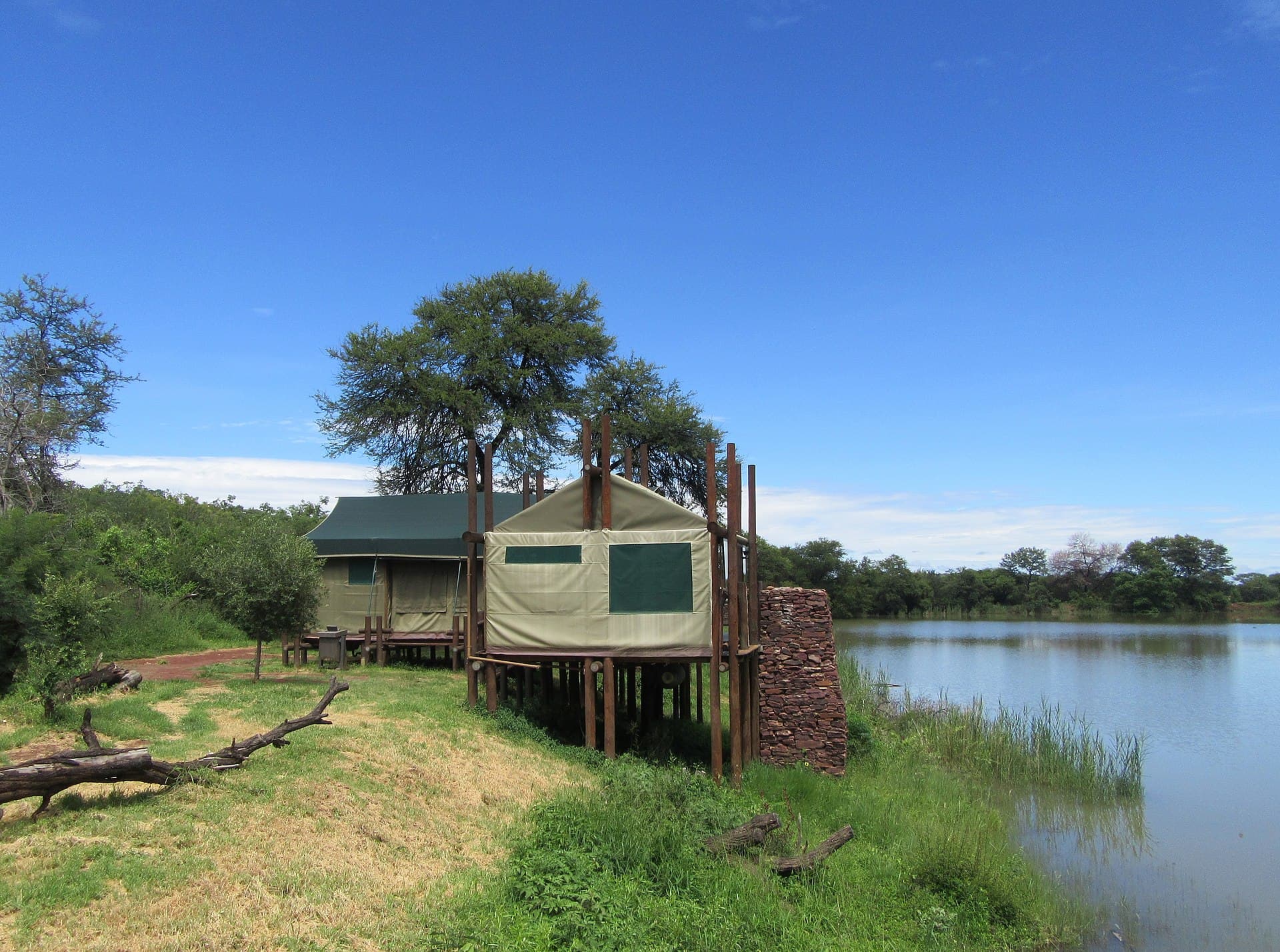
    A canvas safari tent set among trees at a private tented campLuxury

    Mana Pools · riverfront

    Riverfront Luxury Camp

    Tented camp · Typically open April/May–October/November

    • Large tents or suites on riverbank decks
    • Plunge pool in the main area
    • Walks, drives, canoeing and photographic hides
  4. 3 nights · Zambezi canoe trail

    Tented camp glowing at sunrise over golden hillsPremium

    Mana Pools · Zambezi canoe trail

    Zambezi Canoe-Trail Fly Camp

    Seasonal mobile camp · Typically May–October; minimum age 14

    • Dome tents moved nightly by a support crew
    • Bush shower and basic toilet
    • Fireside dinners on the riverbank

Price

Price

Every private safari is priced for your dates, party and choices — here is what moves the number.

Individually quoted

Custom pricing based on your dates, comfort level, party size and routing.

  • SeasonPeak months sit at the top of the range; green-season and shoulder months are noticeably softer at many camps.
  • Party sizeYour private vehicle and guide are shared across your party — the per-person cost typically falls as your group grows from two to four or six.
  • Comfort levelMoving from Comfort to Ultra-Luxury changes the nightly rate more than any other choice.
  • RoutingFlying the long legs saves hours on the road and adds light-aircraft fares; driving keeps costs lower.

What’s Included

  • Professional guiding throughout: a private vehicle and guide on road-based legs, and the camp’s own guides at fly-in camps (a private vehicle can often be added)
  • Accommodation at your chosen comfort level
  • Meals as listed day by day
  • Park and conservation fees for the itinerary
  • Airport meet-and-greet and road transfers as listed
  • Drinking water on game drives
  • Support from our team before and during your journey
  • Light-aircraft flights from Harare into Mana Pools and from Chikwenya back to Harare
  • Two nights of dry-season walking at Chitake Springs
  • The three-night canoe trail with a canoe-licensed professional guide
  • Canoes, paddles, life jackets and dry bags on the trail
  • A support crew that moves and pitches each fly-camp
  • An introductory paddle and daily walks on the floodplain

Not Included

  • International flights
  • Visa and entry fees
  • Travel and medical insurance (strongly recommended)
  • Gratuities for guides and camp staff
  • Premium drinks and personal expenses
  • Onward flights to Lake Kariba or Victoria Falls if you extend the trip
  • Personal walking and paddling kit such as boots, gloves and a wide-brimmed hat
  • A second Harare night before a next-day departure
  • Laundry during the canoe trail and at Chitake

A typical inclusion list — your written proposal itemizes exactly what is and isn’t included.

Activities

Activities & Add-Ons

Included experiences and optional upgrades for this journey.

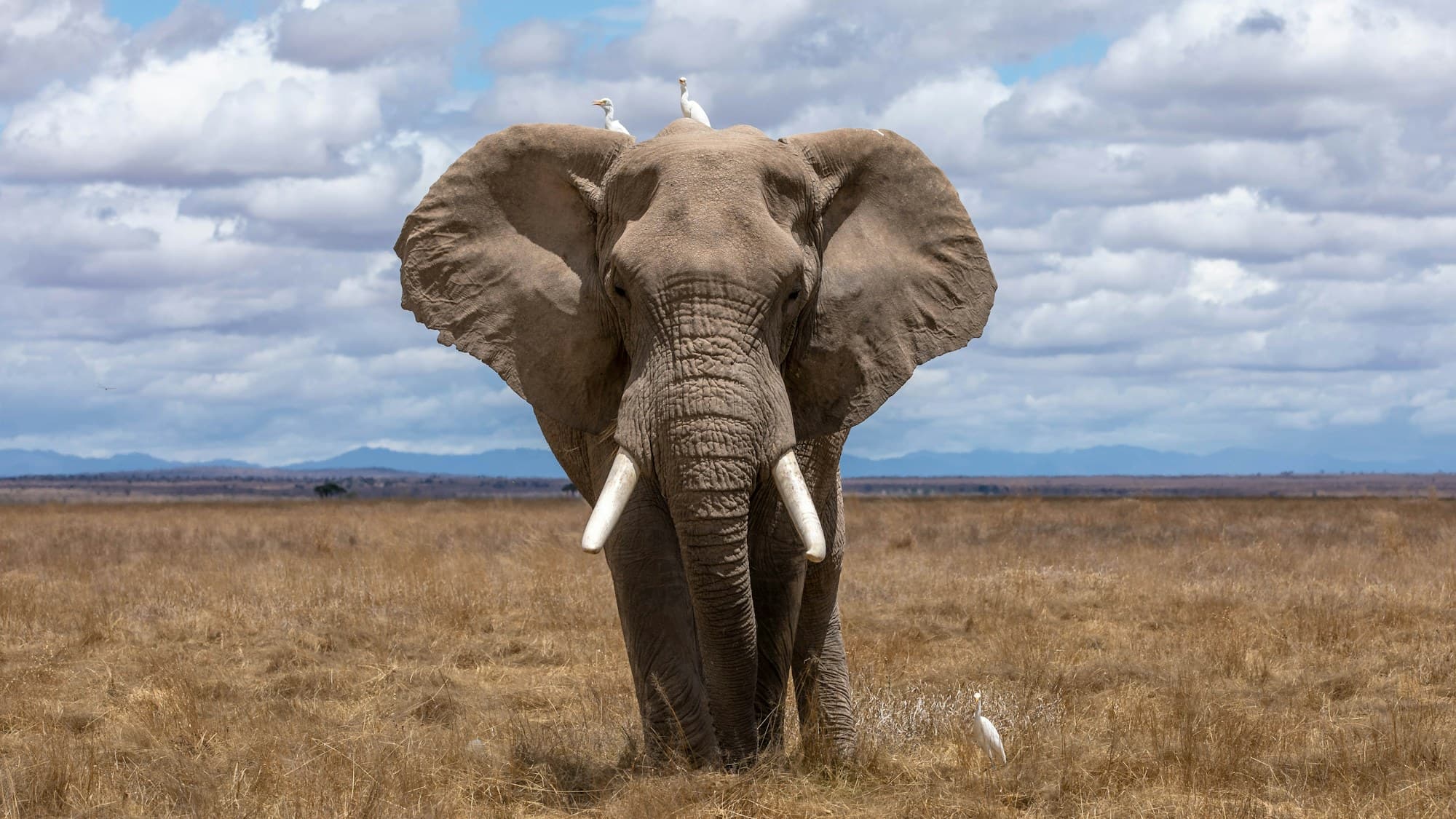
Elephant with white egrets standing front-on in open grassland under a wide skyIncluded

On foot

Walking Safaris in Zimbabwe

Walking is the core of the trip: at Chitake Springs, on the floodplain and ashore from the canoe.

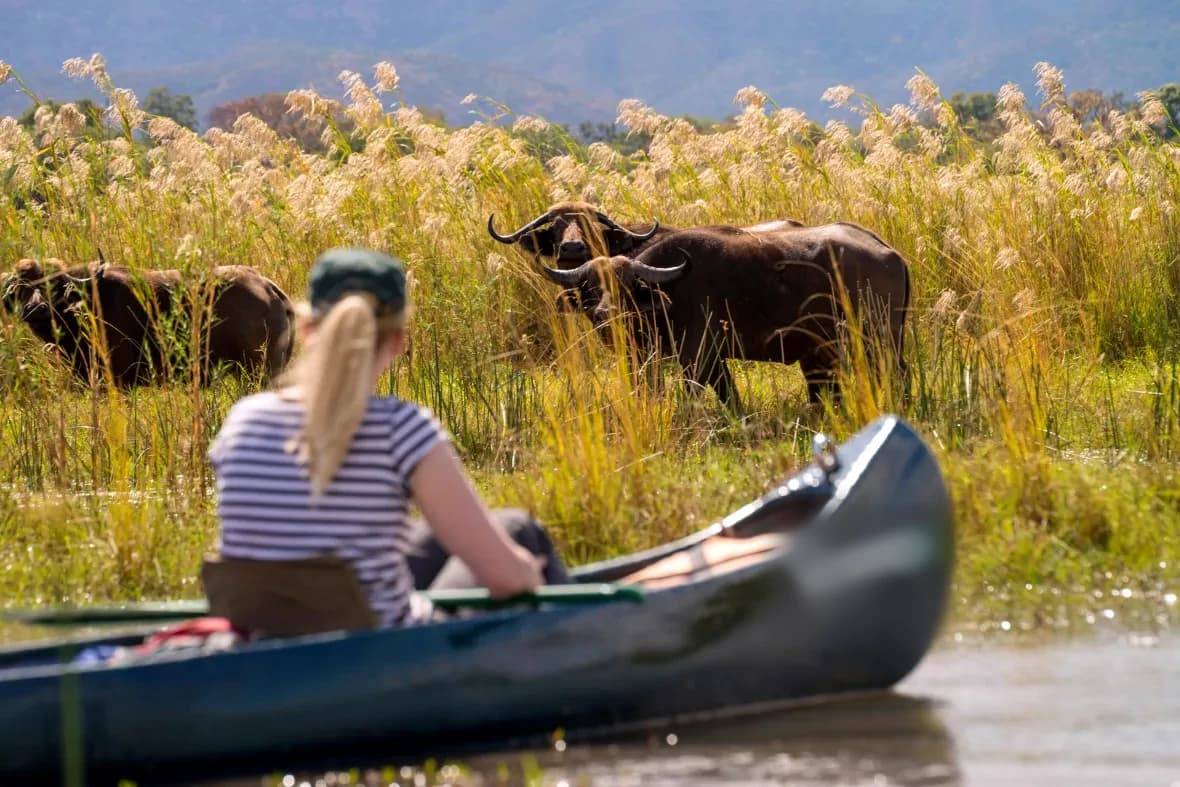
A guest in a canoe watches Cape buffalo among tall riverside reeds, with an escarpment beyondIncluded

On the water

Mana Pools Canoe Safari

The full three-night trail from the park’s western end to Chikwenya; minimum age 14.

Map

Route Map

Route map: Harare · Chitake Springs · Mana Pools · Chikwenya1Harare2Chitake Springs3Mana Pools4Chikwenya
By roadBy air

Approximate locations — not for navigation.

How This Journey Changes Through the Year

June–July
Cool nights and mild days make these the most comfortable months for long walks and paddles. The bush is still fairly thick, so game is more scattered around Chitake.
August–September
Classic walking conditions: the land has dried, animals concentrate on the springs and the river, and the albidas begin dropping their pods. Pack a warm layer for early starts on the water.
October
The most dramatic month at Chitake and on the floodplain, and the hottest, with daytime highs often in the high 30s °C. Most camps have no air-conditioning, so expect very early starts and long, still afternoons.
November–May
The rains close Chitake and the canoe trail, and most Mana Pools camps shut until about April or May. Late April and May suit the southern Zimbabwe route instead.

Make It Yours

  • Add a night back on the floodplain after the canoe trail for a softer finish
  • Continue by light aircraft to Victoria Falls for two nights at the falls
  • Add two nights on Lake Kariba’s Matusadona shoreline before or after the walking
  • Replace Chitake with extra floodplain nights if you prefer less intense walking
  • Book the canoe trail as a private departure for your own party

Good to know

Frequently asked questions

How fit do I need to be for this walking and canoe safari?

You should be comfortable walking for three to four hours over uneven, sandy ground in heat, and paddling for a couple of hours at a time with rests. No canoeing experience is needed, because the current does much of the work and your guide teaches the strokes before you set off. The harder moments are afternoon headwinds and the heat of October.

Why is the minimum age 14?

The trail passes through water shared with hippos and crocodiles, and each canoe needs two paddlers who can follow instructions instantly and paddle hard when asked. The age limit of 14 reflects that responsibility. Walking minimums at the camps are set separately, so younger teenagers are better suited to a floodplain-only stay.

What are the camps like on the canoe trail?

Deliberately simple: small dome tents with bedding, a bush shower and a basic toilet, pitched on the riverbank or a sandbank by a crew who travel ahead. Meals are cooked over the fire and are generous. It is the most basic part of the trip, and it puts you closer to the Zambezi than any fixed camp can.

Can I skip the canoe trail if it feels like too much?

Yes. You can replace it with more nights on the floodplain, where walks, day paddles and drives all run from a comfortable tented camp. We would rather adjust the plan at the design stage than have anyone in your party anxious in a canoe, so talk it through with us before you book.

Can I bring camera gear on the canoe?

Yes, but keep it light and protected. One body with a mid-range zoom is ideal, stowed in a waterproof bag or case in the canoe while you paddle. Longer lenses and tripods are easier to use on the walking days at Chitake and on the floodplain.

Safaris

Similar Safaris

Balancing granite boulders of the Matobo Hills
9 daysSouthern Zimbabwe

Rhinos, Ruins & Red Cliffs

Bulawayo · Matobo Hills · Great Zimbabwe · Gonarezhou · Buffalo Range Airport

Returning safari travelers and culture-minded couples who want history, rhino on foot and a genuinely remote park

Best months
April–October
Comfort levels
Premium · Luxury · Ultra-Luxury
Individually quoted
Elephants shoulder to shoulder at a Hwange waterhole
12 daysComplete Zimbabwe

Grand Zimbabwe

Victoria Falls · Hwange National Park · Matusadona · Mana Pools · Harare

Returning or ambitious safari travelers who want Zimbabwe’s full range — falls, big herds, open water and walking — in one private trip

Best months
May–October
Comfort levels
Premium · Luxury · Ultra-Luxury
Individually quoted
Floodplain and mountains of Mana Pools at dusk

Customize This Journey

Tell us your dates, who is traveling and your preferred comfort level. A safari specialist will tailor this route around you — nothing is booked until you approve every detail.

Customize This Journey