Botswana Honeymoon
Maun · Okavango Delta · Northern Delta concessions · Makgadikgadi Pans
Couples who want privacy, water and wilderness rather than a resort-style honeymoon
- Best months
- April–October
- Comfort levels
- Premium · Luxury · Ultra-Luxury
On horseback
Plains game that would bolt from a person on foot often lets a horse walk right in among it, and in the flood months you ride through sheets of silver water.
A Botswana horseback safari is one of Africa’s most exhilarating ways to travel through wildlife country, and one of the most demanding. Zebra, wildebeest, giraffe and antelope tend to accept a horse as another grazing animal, so you can often ride among them far more closely than a vehicle would allow. In the Okavango Delta, that means splashing across flooded plains with spray flying from the horses’ legs; on the Makgadikgadi pans, it means long, open canters over grassland and salt crust in the dry season.
This is not an activity for novices. Riding among big game means being able to trot, canter and gallop with confidence, and to stay balanced if your horse needs to move away from an elephant or buffalo in a hurry. Camps set their own rider-weight limits, often around 95 kg, and ability requirements, and they ask honest questions before accepting a booking. If you ride regularly and want a different kind of safari, very little comes close.
Horseback Safaris
We start with an honest conversation about your riding: how often you ride, at what paces, and over what kind of terrain.
The riding camp confirms your place against its weight and ability requirements, and may ask for a short assessment ride on arrival.
Rides go out in the cooler morning and late afternoon, led by a professional guide, often with a second guide riding at the back.
Horses are selected and schooled to work around wildlife, and the lead guide sets the pace and the distance to every animal.
Non-riding partners can often stay at the same camp and take game drives or mokoro trips instead, meeting up for meals and sundowners.
Horseback Safaris
Where to go

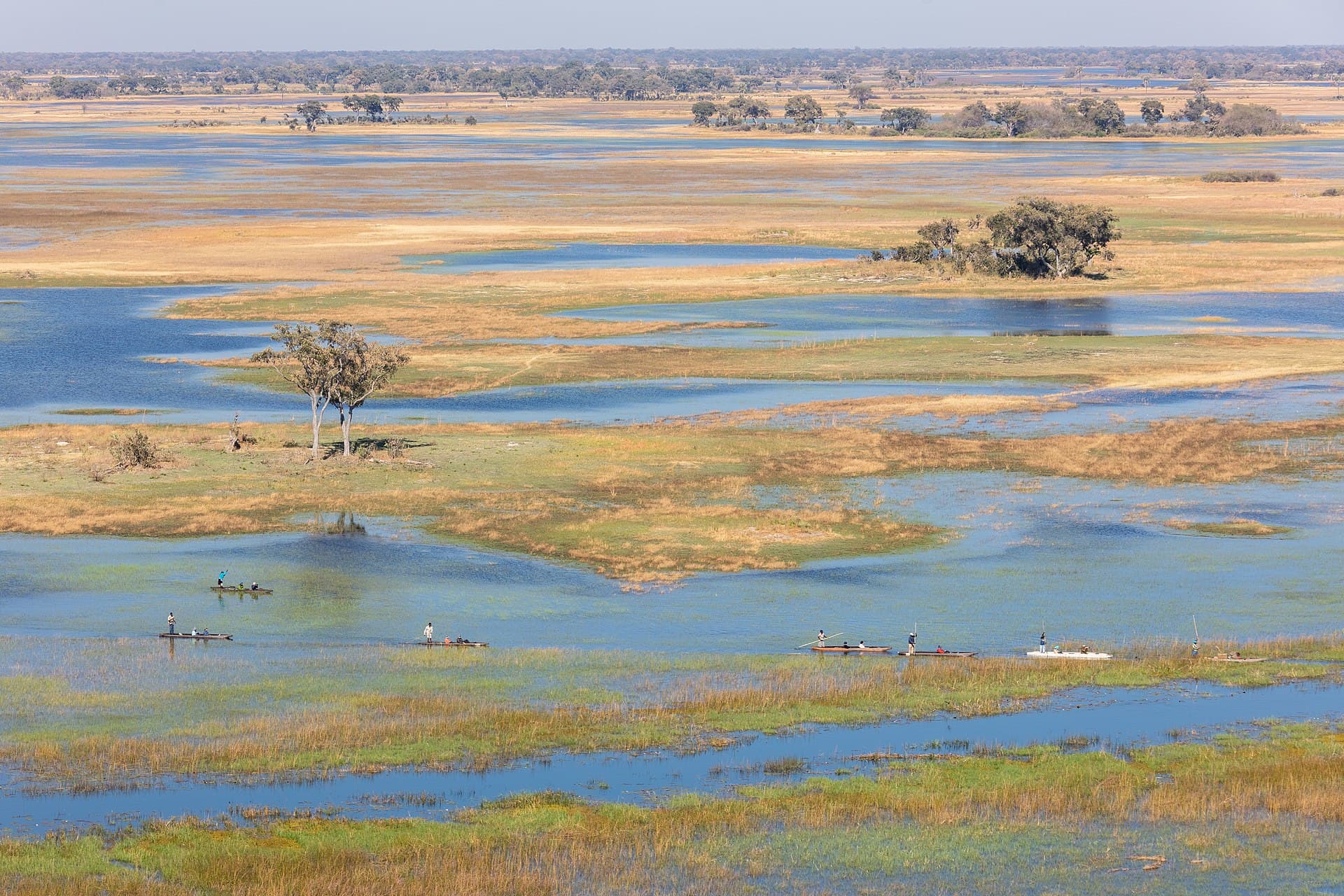
Botswana’s flooded heart: papyrus channels, palm islands and small fly-in camps where the safari happens on the water as well as by vehicle.
Explore
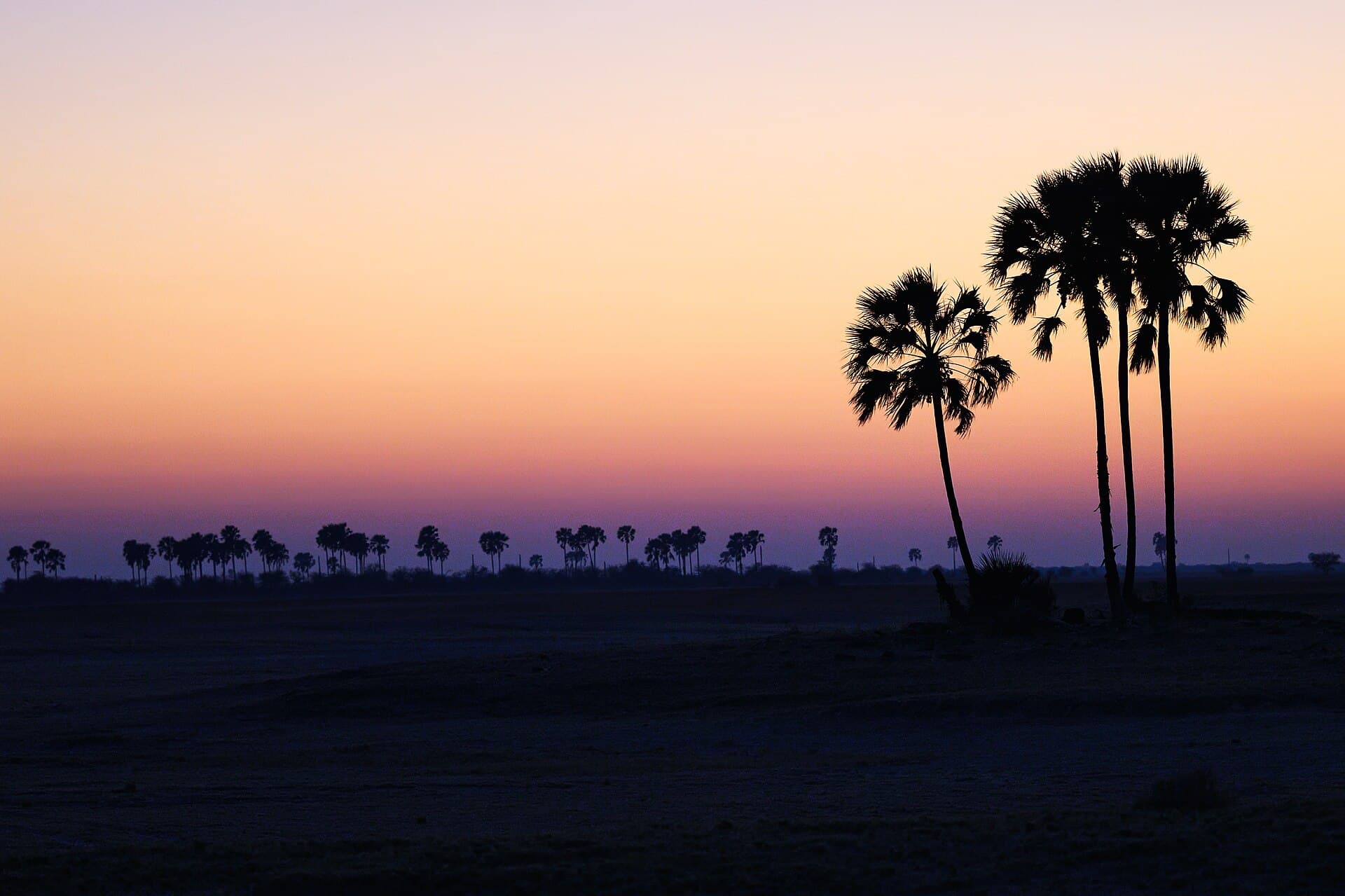
Salt pans, grassland and the Boteti River: green-season zebra, habituated meerkats, sleep-outs under the stars and Baines’ Baobabs.
ExploreSafaris

Maun · Okavango Delta · Northern Delta concessions · Makgadikgadi Pans
Couples who want privacy, water and wilderness rather than a resort-style honeymoon
Good to know
You should be comfortable at all paces, including a sustained canter and a gallop, and able to control your horse on uneven ground. Riding camps are strict because every rider in the group must be able to move away from an elephant or buffalo quickly.
Yes. Each camp sets its own limit to protect the horses, and limits commonly sit around 95 kg. Tell us your weight honestly at the planning stage so we can match you with a suitable camp.
Often, yes. Many riding camps welcome non-riding partners, who take game drives, walks or mokoro trips while the riders are out. A few camps are set up for riders only, so check this early.
The flood months, roughly May to September, are the most spectacular, with water across the floodplains and cool riding weather. Riding on the Makgadikgadi is best in the dry season, when the pan surface is firm.
Experiences

On the water
Glide through the Okavango’s papyrus channels in a poled canoe, low enough to meet reed frogs and lily-trotters at eye level.

On the water
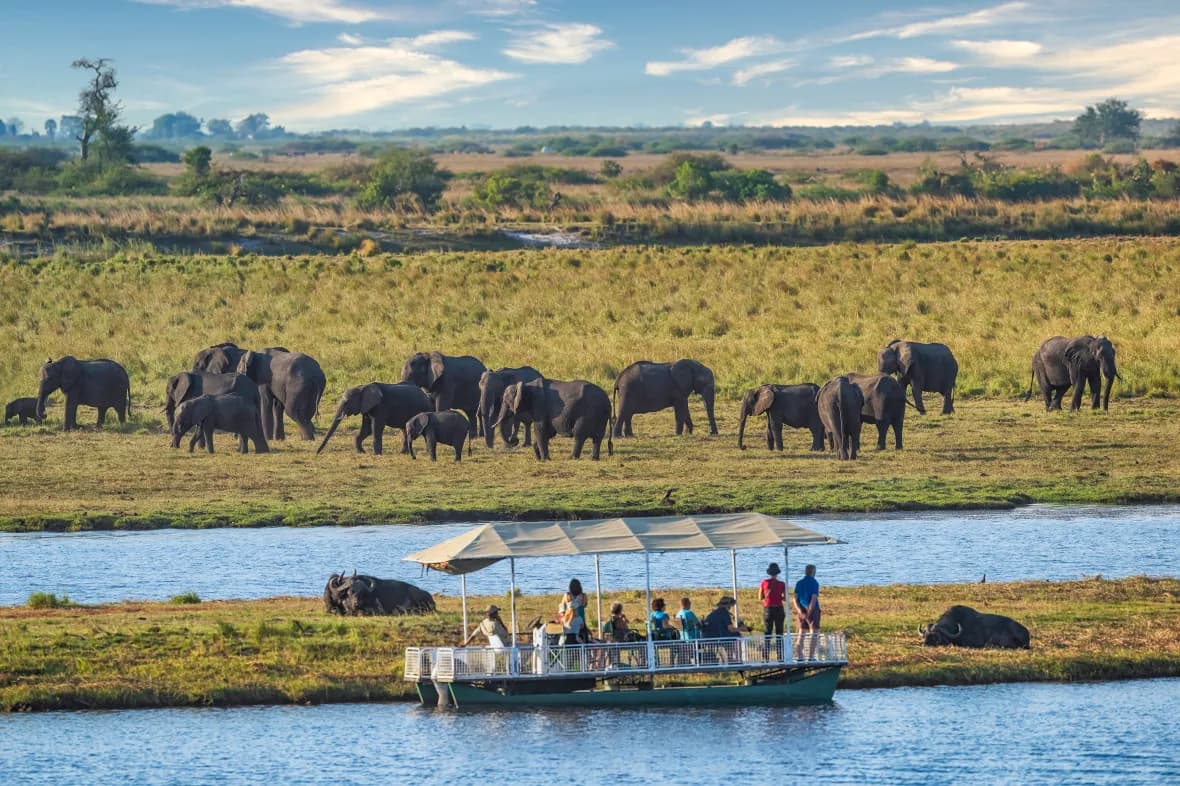
Watch elephant herds drink, swim and cross the Chobe River from a boat, the riverfront’s signature way to see its wildlife.

In the air
See the Okavango’s channels, islands and wading herds from the air, on a doors-off helicopter flight or a fixed-wing scenic flight from Maun.

Share when you can travel, who is coming and what you most hope to see in Botswana. A specialist will shape a private route around it and walk you through every choice before anything is booked.
Plan My Botswana Safari