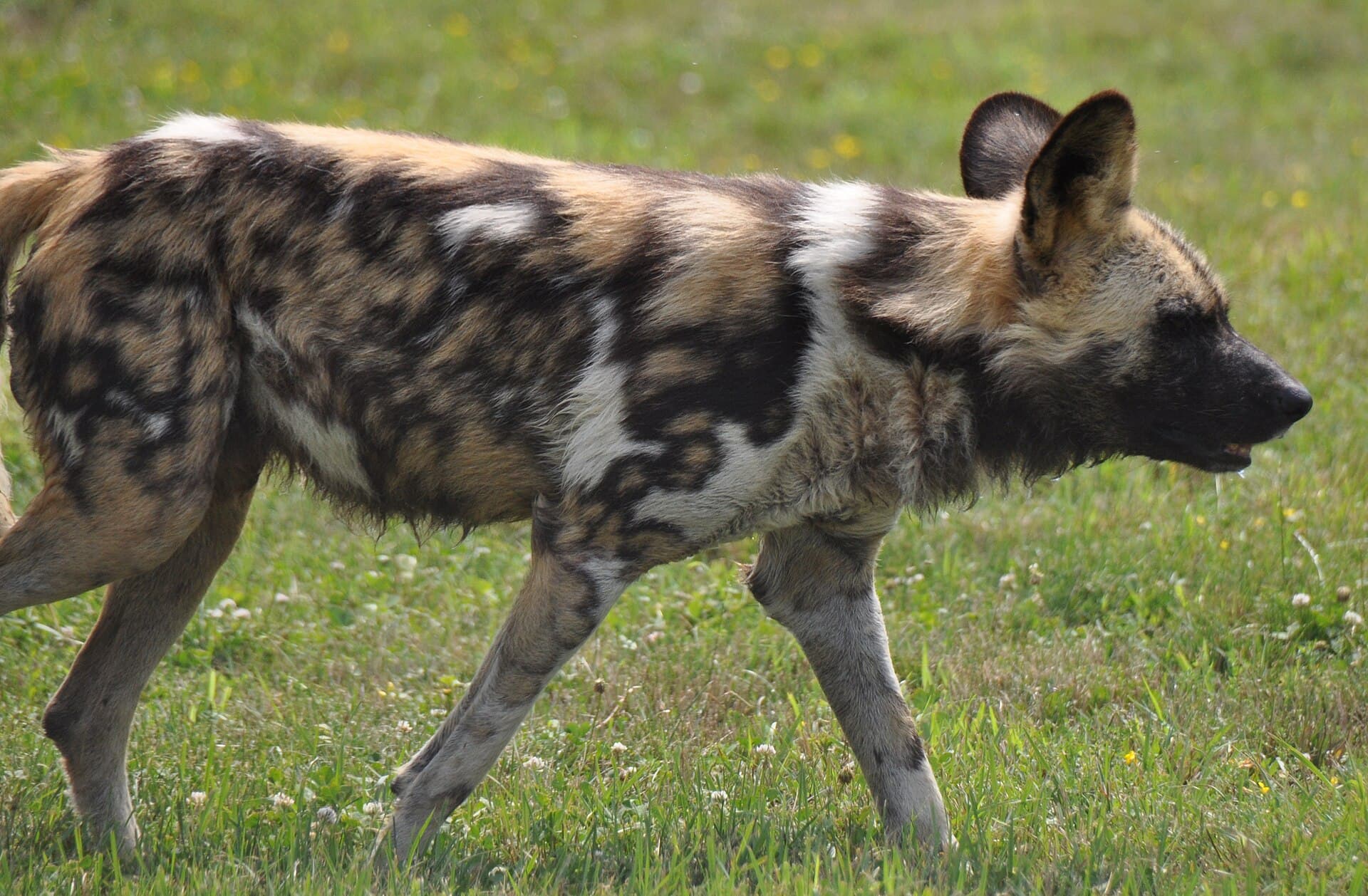
An African wild dog on the move — a Botswana wilderness signature

Destination guide

Linyanti, Selinda & Kwando Safaris

Three private reserves along the Kwando and Linyanti rivers, where a handful of small camps share vast, wild country with elephant herds and wild dog.

SizeKwando about 2,300 km², Selinda about 1,350 km², Linyanti about 1,250 km² (approximate)
TypePrivate concessions, plus a small public section of Chobe National Park
Best timeJune–October, when permanent water draws elephant and buffalo
Recommended stay3 nights, ideally after a Delta water camp
AccessLight aircraft from Maun (about 40–70 minutes) or Kasane
Known forWild dog, big elephant herds, night drives and very few vehicles

Linyanti, Selinda & Kwando

Why Visit

The Linyanti is the name most travelers hear first, but it is really one of three private reserves between Chobe National Park to the east and the Okavango Delta to the south: Kwando in the north-west, Selinda in the middle and Linyanti in the east. Together they cover roughly 5,000 km², and they hold only a small number of camps, each typically hosting around twenty guests or fewer. For travelers who want wilderness with almost no other vehicles, this is some of the finest country in Africa.

The water here comes from Angola. The Kwando River runs south across Namibia’s Caprivi Strip into Botswana, then bends north-east as the Linyanti, feeding a maze of swamps, lagoons and papyrus. Two old channels meet this system: the Selinda Spillway, which in wet years links it with the Delta, and the Savuti Channel, which runs south-east toward Savuti. In the dry season the permanent water becomes a magnet for elephant and buffalo from a huge area.

Because these are private concessions, the leaseholders, rather than the parks department, set the rules within national guidelines: night drives, guided walks and following predators off-road are all generally possible, though each concession has its own conditions. The classic Botswana pairing is a Delta water camp followed by a land camp here, as on the 14-day grand Botswana safari. If you are weighing the options, the Okavango Delta page explains how water and land camps differ.

Best for

  • Exclusivity and very few vehicles
  • Wild dog and predator tracking off-road
  • Night drives and guided walks
  • A second camp after a Delta water camp
  • Photographers who want to position the vehicle freely

Linyanti, Selinda & Kwando

Wildlife & Highlights

  • Elephant in large numbers along the river in the late dry season
  • African wild dog, with packs known to den here in some years
  • Lion, leopard and spotted hyena, followed off-road where rules allow
  • Buffalo herds at the permanent water
  • Hippo and Nile crocodile in the rivers and lagoons
  • Sitatunga and red lechwe in the papyrus and floodplains
  • Roan and sable antelope (possible, never common)
  • Night-drive species, from genet and civet to porcupine
  • Rich birdlife along the river margins and lagoons

Season

Best Time to Visit

  1. January
  2. February
  3. March
  4. April
  5. May
  6. June
  7. July
  8. August
  9. September
  10. October
  11. November
  12. December
June–AugustCool, dry days and cold mornings. Game begins to concentrate on the permanent water, and wild dog packs often den around this time, which can keep them in one area for several weeks. Denning is never certain and varies by year.
September–OctoberThe late dry season is the most dramatic. Inland water is gone, elephant and buffalo crowd the river frontage and the heat builds to the high 30s °C. Predator activity around the water can be intense.
November–MayRains fill the pans and the big herds scatter into the woodland. The concessions turn green, the birding is superb and there are very few guests. Game takes more finding, but newborn antelope, storm light and the stillness have their own appeal.

Linyanti, Selinda & Kwando

Areas to Know

Kwando

The north-western reserve, the largest of the three, follows the Kwando River along the Namibian border. Its mix of river frontage, floodplain and mopane woodland suits a wide range of species, and it is widely known for predators, including wild dog. Across the water lies Namibia’s Zambezi Region, part of the same cross-border wildlife corridor.

Best for: Wild dog, varied habitats and big private areas

Selinda

Selinda lies between Kwando and Linyanti and takes its name from the Selinda Spillway, an old channel connecting the Linyanti system with the northern Delta. In high-water years it flows and its lagoons draw hippo, elephant and water birds; in drier years it is a green ribbon through dry country. The reserve covers about 1,350 km² and has very few camps.

Best for: Exclusivity and a mix of land and seasonal water

Linyanti

The eastern reserve, about 1,250 km², fronts the Linyanti River and swamps, where papyrus and lagoons meet open woodland. In the dry season its riverbank is one of northern Botswana’s great elephant gathering points, and predators follow the herds. The concession allows night drives and off-road tracking, with only a handful of vehicles.

Best for: Late dry-season elephant and predators

Chobe National Park’s Linyanti section

A small part of Chobe National Park also reaches the Linyanti River, with a government campsite reached on long sand roads. National park rules apply here — no night drives, no off-road — and it is used mainly by mobile safaris and experienced self-drivers. It offers the same river but a very different experience from the private camps nearby.

Best for: Mobile and self-drive expeditions

Linyanti, Selinda & Kwando

Getting There

For almost everyone, Linyanti, Selinda and Kwando are fly-in destinations. Light aircraft from Maun reach the concession airstrips in roughly 40–70 minutes, and there are also flights from Kasane, so a stay slots easily between the Delta and Chobe. By road the area is remote, with long sand routes suited only to mobile safaris and well-equipped self-drivers, and the private concessions are generally closed to self-drive visitors.

Drive or fly?

Fly. The road journeys are long and remote, and the private concessions are designed around air access, with camp vehicles meeting each flight. The flights themselves are part of the pleasure: from the air you trace the Linyanti’s swamps and the pale lines of the Selinda Spillway and Savuti Channel cutting through the woodland.

Airstrips & airports

  • Private concession airstrips in Kwando, Selinda and Linyanti
  • Maun (MUB)
  • Kasane (BBK)

Typical travel times

Maun to a concession airstrip
About 40–70 minutes by light aircraft
Kasane to a concession airstrip
Roughly 1 hour by light aircraft
Savuti to the public Linyanti campsite
Several hours on sand (mobile safaris only)

Stays

Where to Stay

The concessions have only a small number of camps, most of them tented and designed for around twenty guests or fewer. They range from premium tented camps to luxury and exclusive-use options, and what sets them apart is less the finish than the land: how many vehicles share it, which activities are allowed and whether the camp faces the river or a lagoon. We match you with the camp whose concession and position suit your priorities.

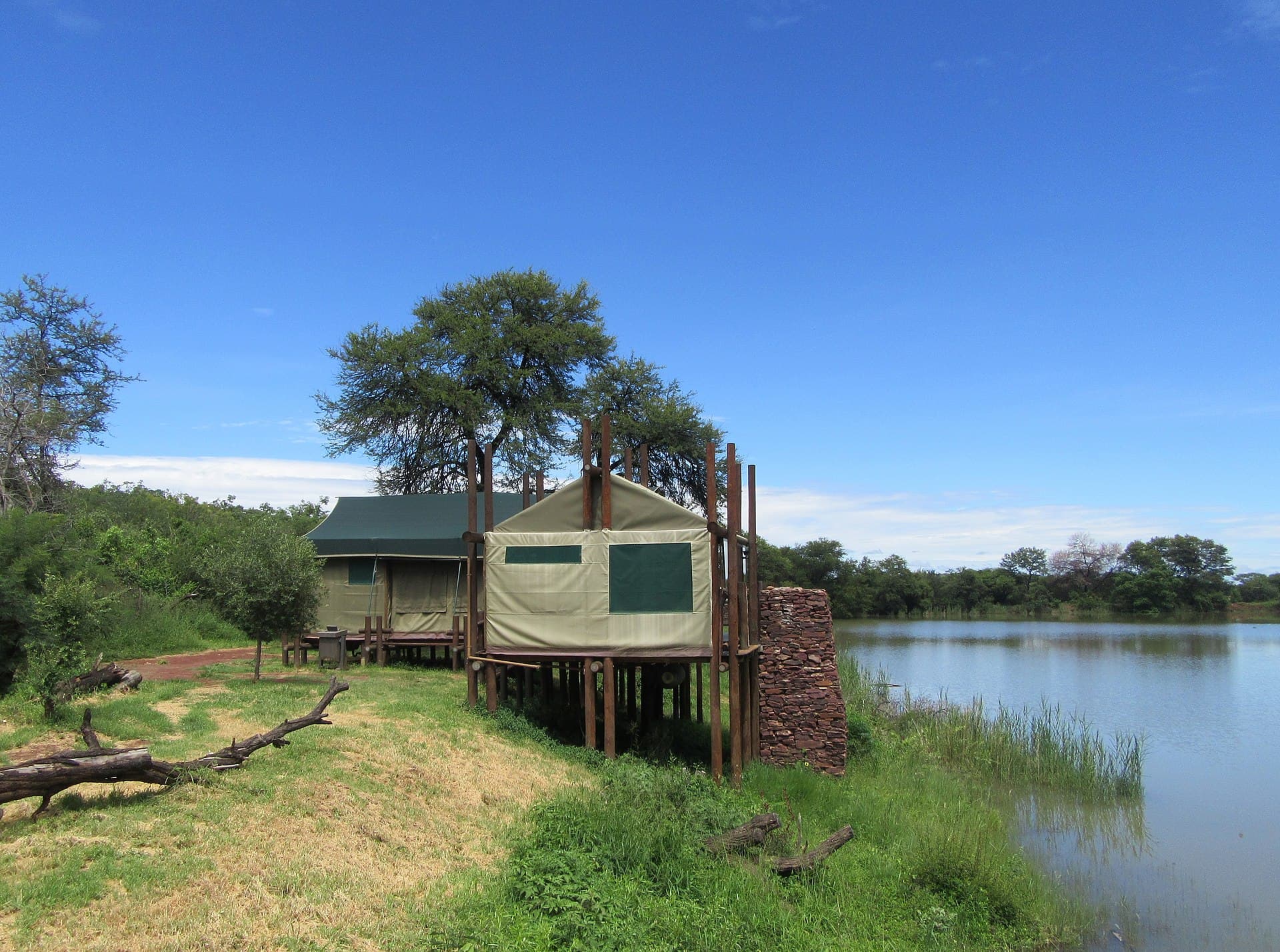
A canvas safari tent set among trees at a private tented campPremium

Linyanti · private concession

Linyanti Classic Concession Camp

Tented camp

A classic tented camp on one of the Linyanti’s private concessions gives you the region’s great draw, dry-season herds of elephant and buffalo gathering at the permanent water, without the top-end finishes. Drives can continue after dark and leave the track where the concession allows, and the camps are small enough that you rarely meet another vehicle.

  • Traditional en-suite tents on the waterfront
  • Night drives and off-road tracking
  • Boat trips on the Linyanti when water allows
  • Small, personal camp atmosphere

Ideal for: Experienced safari travelers who value wildlife and wilderness over lavish touches
A canvas safari tent set among trees at a private tented campLuxury

Linyanti, Selinda & Kwando · private concessions

Riverine Concession Luxury Camp

Tented camp

Across the Linyanti, Selinda and Kwando concessions, luxury camps sit beside lagoons, the Selinda Spillway or the Kwando River, each concession shared by very few guests. Space brings freedom here: walks with a qualified guide, spotlit night drives and off-road tracking of lions or wild dogs where the concession allows, with elephants crossing the channels in front of camp in the dry months.

  • Few tents on a large private concession
  • Walks, night drives and off-road tracking
  • Boating or mokoro on the channels in season
  • Hides or sleep-out decks at some

Ideal for: Couples and photographers who want privacy, predators and the full range of concession activities

A canvas safari tent set among trees at a private tented campUltra-Luxury

Linyanti · private concession

Exclusive Linyanti Marsh Camp

Tented camp

The most exclusive Linyanti camps look over the river’s marshes and channels from suites with private pools, on concessions of more than a thousand square kilometres shared with very few other guests. With a vehicle kept for you, you can sit with an elephant herd crossing the river for as long as the light holds, then dine under the stars on your deck.

  • Suites with private plunge pools
  • Private vehicle and guide at many
  • Night drives and walks on the concession
  • Bush dinners and sleep-out decks at some

Ideal for: Honeymooners and seasoned travelers who want seclusion, service and outstanding dry-season game

Experiences

Experiences

On foot

Walking Safaris in Botswana

Follow a qualified walking guide across Delta islands, Linyanti floodplains or Kalahari sand, and read the bush from ground level.

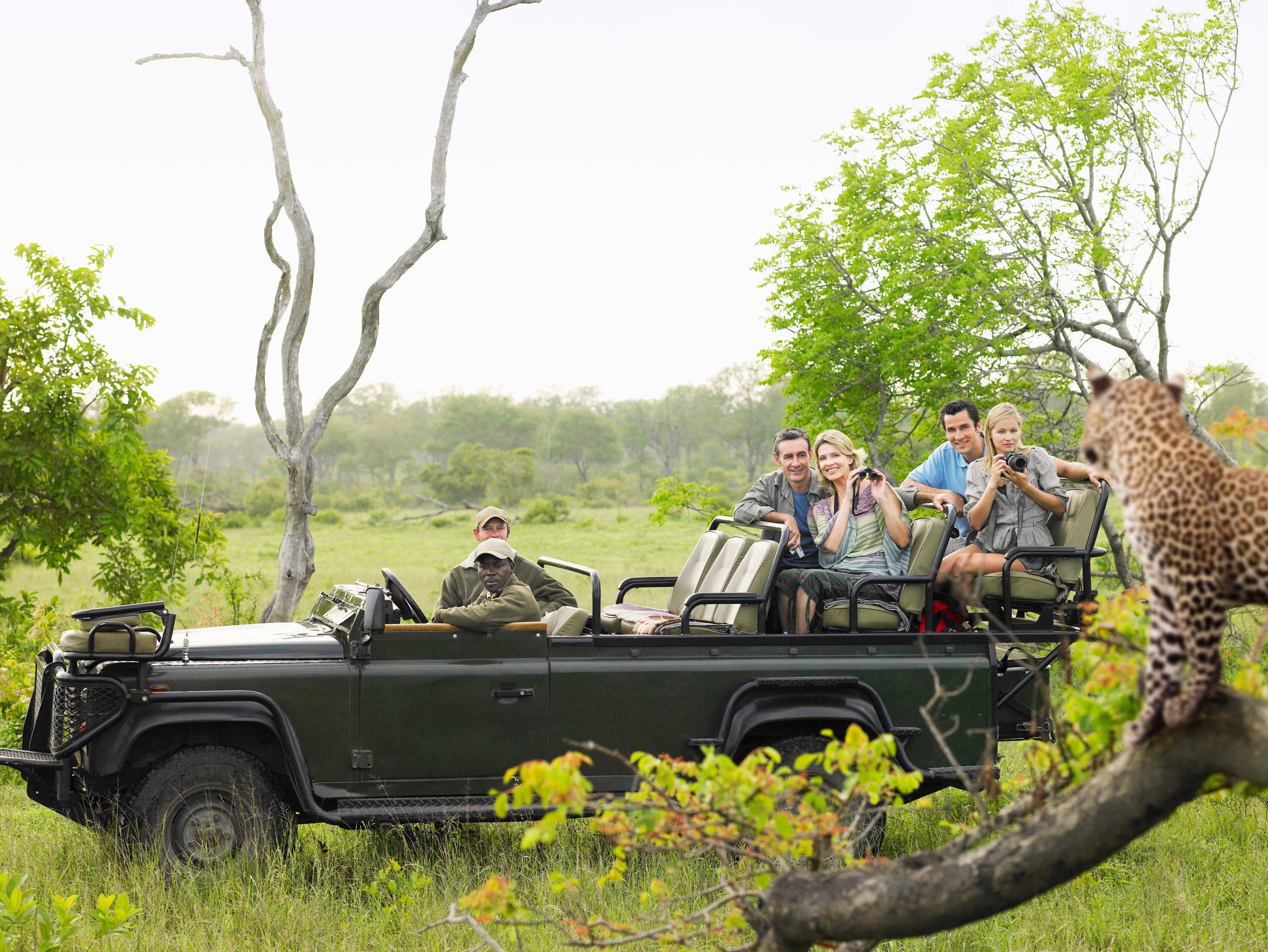
Safari guests in an open vehicle watching a leopard at close range on a private game drive

Photography

Photographic Safaris in Botswana

Private vehicles set up for cameras, low-angle boats on the Chobe, ground-level hides and concession rules that let you position for the light.

Safaris

Safaris That Go Here

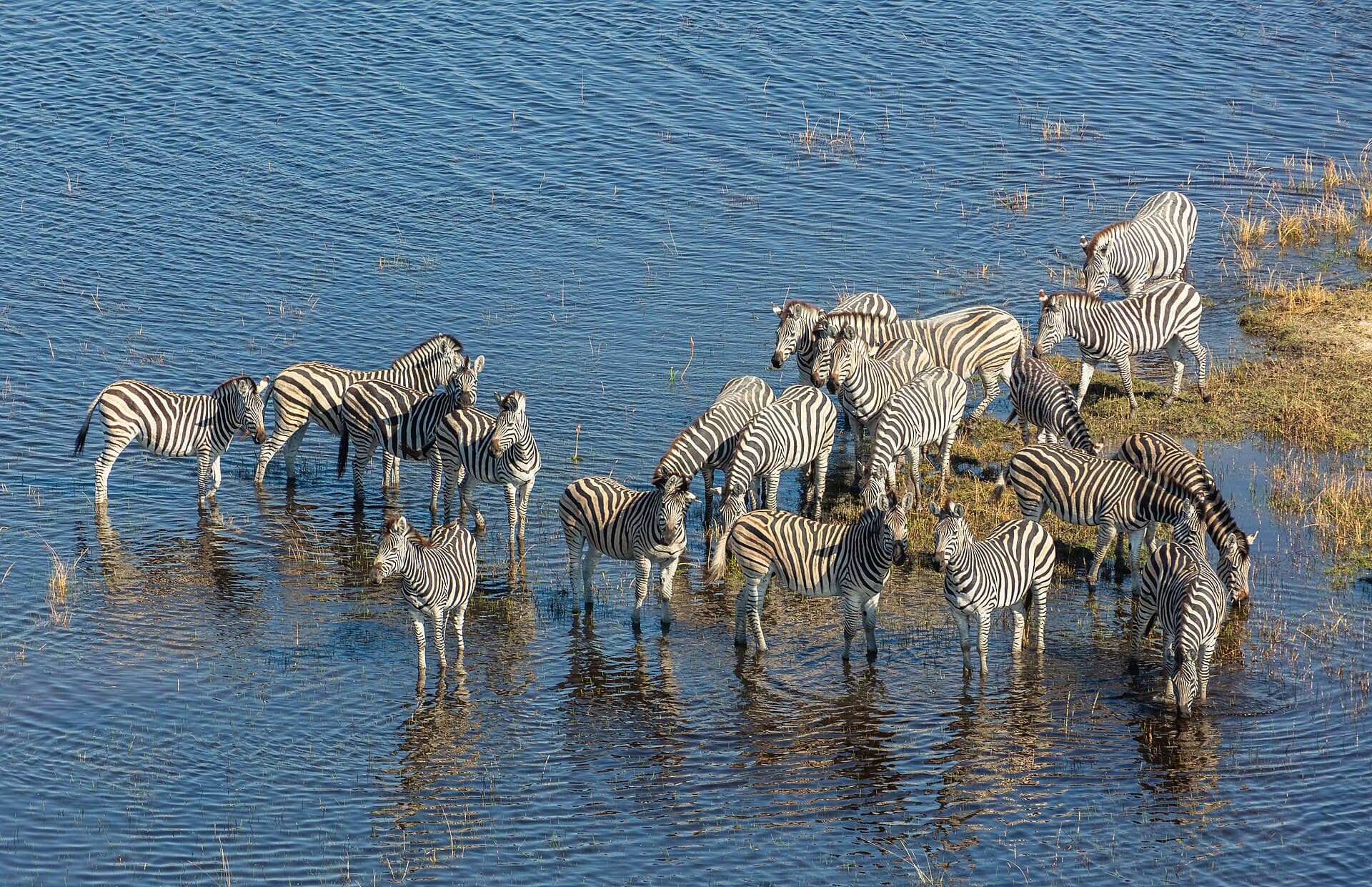
Zebra herd wading through shallow delta water
14 daysIn-depth

Grand Botswana

Maun · Okavango Delta · Moremi Game Reserve · Linyanti, Selinda & Kwando · Savuti · Chobe Riverfront · Kasane

Returning safari travelers, photographers and anyone with two weeks to see northern Botswana properly

Best months
May–October
Comfort levels
Luxury · Ultra-Luxury
Individually quoted

Good to know

Frequently asked questions

What is the difference between Linyanti, Selinda and Kwando?

They are three neighbouring private reserves. Kwando, in the north-west, is the largest and follows the Kwando River along the Namibian border; Selinda sits in the middle around the Selinda Spillway; Linyanti lies to the east along the Linyanti River and swamps. All three share the same wildlife, with differences mostly in habitat mix and camp style.

Is Linyanti part of Chobe National Park?

Mostly not. The Linyanti, Selinda and Kwando reserves are private concessions next to the park, but a small section of Chobe National Park also reaches the Linyanti River, with a public campsite. Camps in the private concessions can offer night drives and off-road driving that the park does not allow.

When is the best time to see wild dog in Linyanti?

Wild dog are possible year-round, but packs often den roughly between June and August, which can keep them in one area for several weeks. Denning sites and timing change from year to year, and in some years there is no known den nearby. Camps know the current picture, so ask when you book.

Do I need both the Okavango Delta and Linyanti?

They complement each other rather than overlap. A Delta water camp gives you mokoro trips and papyrus channels, while a Linyanti land camp gives you predators, elephant and off-road tracking. With six nights or more, combining the two is the classic Botswana plan.

Wetland channels of Moremi Game Reserve

Tell Us Your Month

Share when you can travel, who is coming and what you most hope to see in Botswana. A specialist will shape a private route around it and walk you through every choice before anything is booked.

Plan my safari here