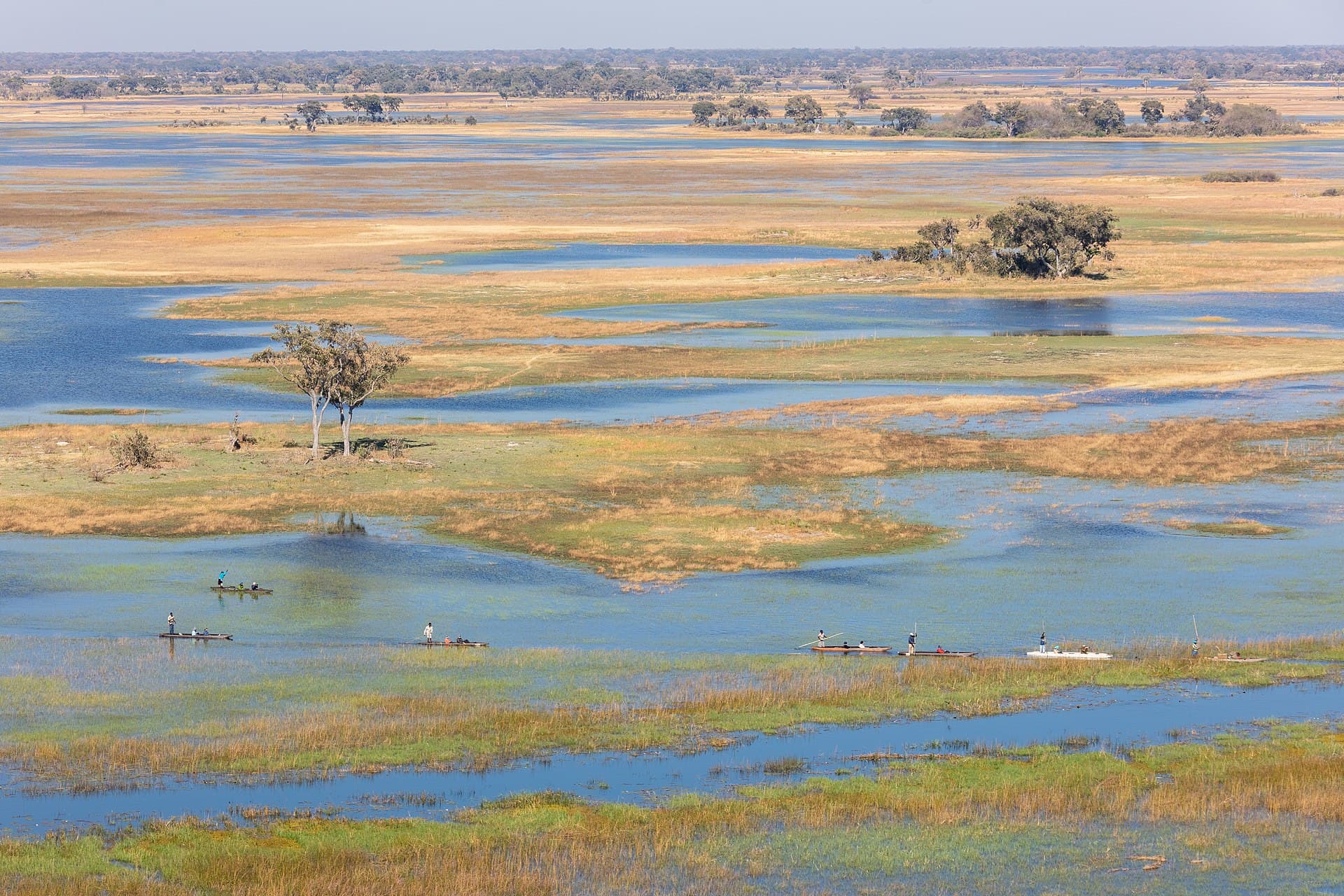
Aerial view over the winding channels and islands of the Okavango Delta

On the water

Mokoro Excursions

No engine and no roof, only the push of a pole and water whispering against the hull as the Delta’s floodplains open ahead of you.

SeasonFollows the flood: seasonal floodplains usually hold enough water from about May to September, while permanent channels allow outings for much longer. Levels differ from year to year.
DurationUsually two to three hours at dawn or in the late afternoon; some camps extend it into a half-day with an island picnic
WherePermanent channels of the central and northern Delta · Mixed camps around Chief’s Island and Moremi · Khwai · Day trips from Maun
Best forTravelers who want the Delta’s quiet side · Birders and macro photographers · Couples looking for a slow, reflective outing · A contrast to game drives in land-based camps

A mokoro safari is the Okavango Delta at its quietest. You sit low in a slim canoe while a poler stands at the stern and pushes you along with a long pole, steering through channels barely wider than the boat. Mokoros were traditionally carved from the trunks of ebony or sausage trees; most are now fibreglass, which spares the old trees and handles just as well. What you notice first is the scale: painted reed frogs clinging to papyrus at arm’s length, water lilies opening in the morning sun, a malachite kingfisher on a reed stem almost close enough to touch.

It is not a game drive on water. Big mammals are seen from a respectful distance, if at all, and a good poler gives elephants and hippos plenty of room. The reward is detail, silence and the craft of polers, many of whom grew up in villages on the Delta’s edge and, as Botswana Tourism notes, learned to handle a mokoro as young as seven. Because the canoe needs water, the experience follows the flood, so your camp and your month decide how much of it you get. Our Okavango Delta guide explains the difference between water, land and mixed camps.

Mokoro Excursions

How It Works

  1. We match your Delta stay to your travel month, choosing a camp with enough water for mokoro outings when you are there.

  2. At the launch point, your poler shows you how to sit and stows your camera bag low in the hull.

  3. You recline on a padded seat while the poler stands behind you, pushing off the sandy channel bed and steering through reeds and lily pads.

  4. Many outings pause on an island for a short guided walk to read tracks and learn the plants; see walking safaris in Botswana for how walks work.

  5. You glide back to camp as the light changes, usually two to three hours after setting out.

Mokoro Excursions

Where You Can Do It

Permanent channels of the central and northern Delta
Water camps here can usually pole out in most months, although the routes shift as levels rise and fall through the year.
Mixed camps around Chief’s Island and Moremi
Seasonal floodplains fill as the flood arrives, so outings typically run from about May to September, depending on the year.
Khwai
In some high-water seasons, camps run mokoro trips on the Khwai River and its lagoons; it varies by year and by camp, so we confirm it when planning.
Day trips from Maun
A drive or short flight to the Delta’s southern fringe gives a few hours on the water, best once the flood has reached the lower Delta.

Good to know

  • Sit still, keep your weight centered and your hands inside the boat; a mokoro is steady when passengers are calm.
  • Polers keep to shallow channels and give hippos and crocodiles a wide berth; if yours signals, stay seated and silent and let them handle the boat.
  • Age limits vary by camp: some take children in a mokoro with a parent, others set a minimum age, so we check before planning a family stay.
  • There is no shade on the water, so bring a hat, sunscreen and a small dry bag for your camera.
  • A day trip from Maun is a taste of the Delta; staying in a water or mixed camp lets you go out at the best light on quieter channels, with no long transfer.

Safaris

Safaris Featuring This Experience

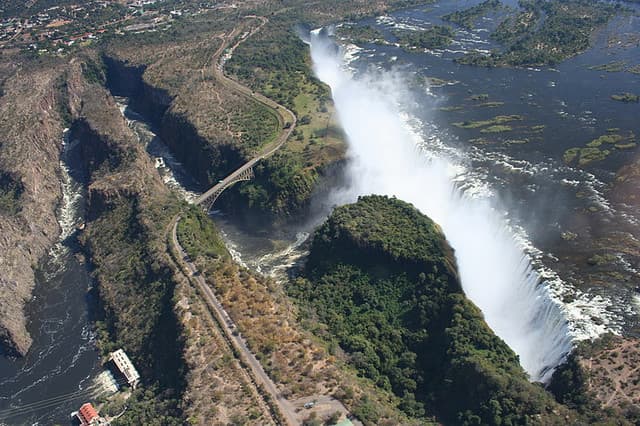
Aerial view of Victoria Falls plunging into the gorge
11 daysFalls + Delta

Botswana & Victoria Falls

Victoria Falls · Kasane · Chobe Riverfront · Khwai · Okavango Delta · Maun

First-time visitors who want Victoria Falls and Botswana’s finest water country in one trip, without rushing either

Best months
April–October, ideally May–July
Comfort levels
Comfort · Premium · Luxury
Individually quoted
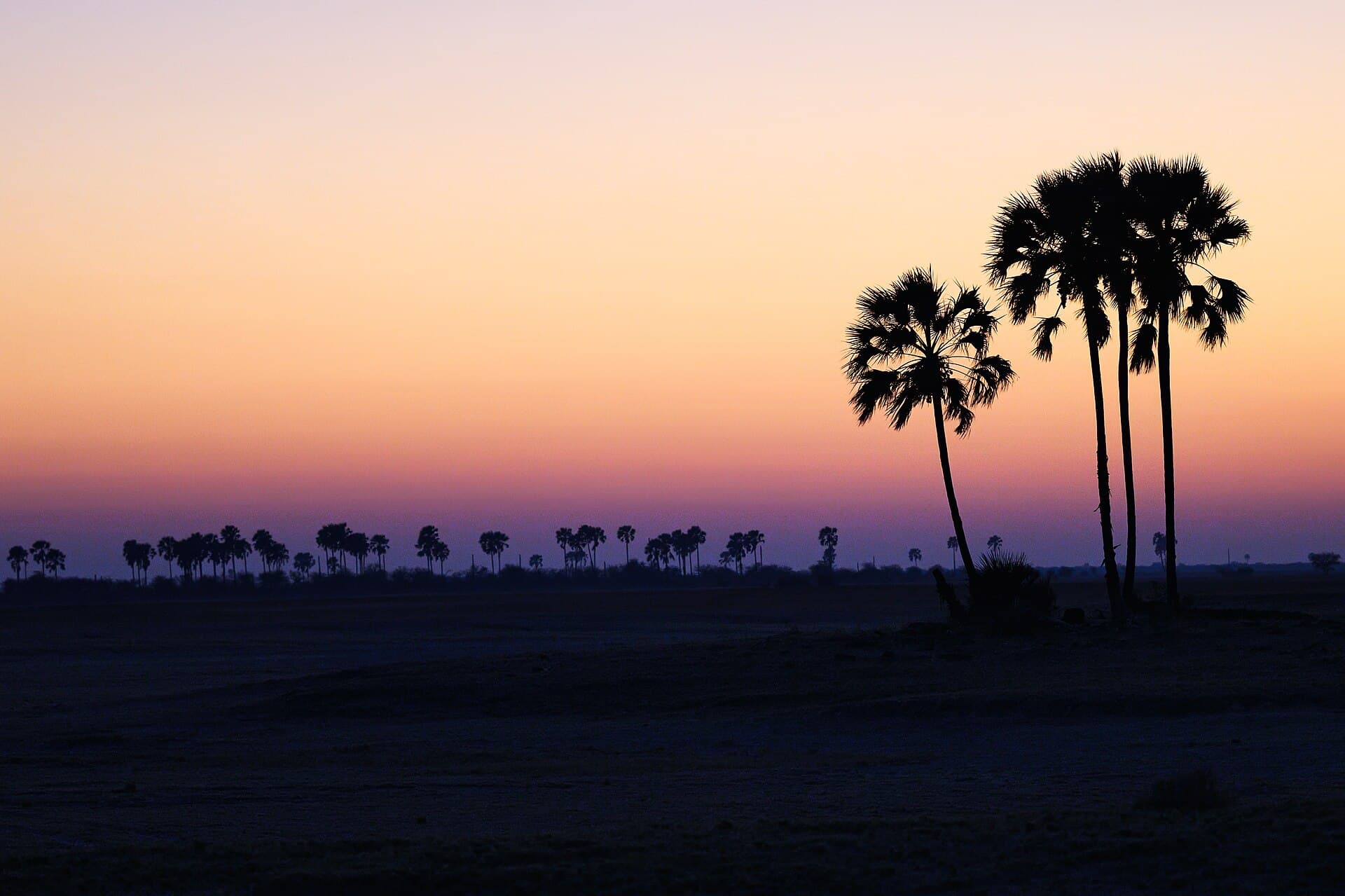
Palm islands silhouetted at dusk on the Makgadikgadi pans
9 daysDec–Apr

Green Season: Kalahari & Pans

Maun · Makgadikgadi Pans · Nxai Pan · Central Kalahari · Okavango Delta

Return visitors, photographers and the Kalahari-curious, happy to trade some certainty for solitude

Best months
December–April, in the rains
Comfort levels
Premium · Luxury
Individually quoted
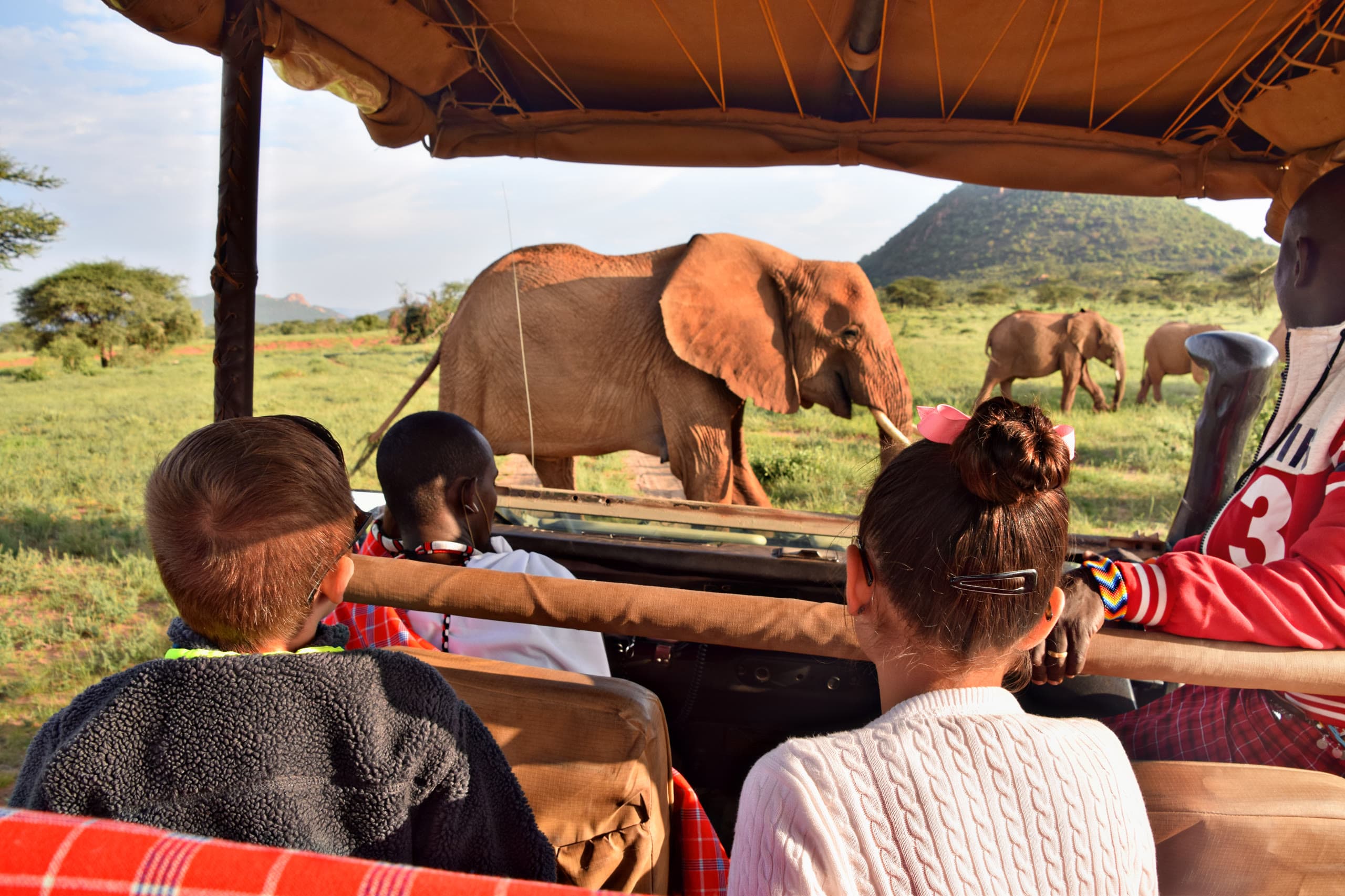
Safari guests watching a herd of elephants from an open vehicle on a family game drive
9 daysFamilies with teens

Botswana Family Adventure

Kasane · Chobe Riverfront · Okavango Delta · Makgadikgadi Pans · Maun

Families with children roughly 12 and older who want variety, activity and a little adrenaline

Best months
April–October (book school-holiday dates early)
Comfort levels
Comfort · Premium · Luxury
Individually quoted
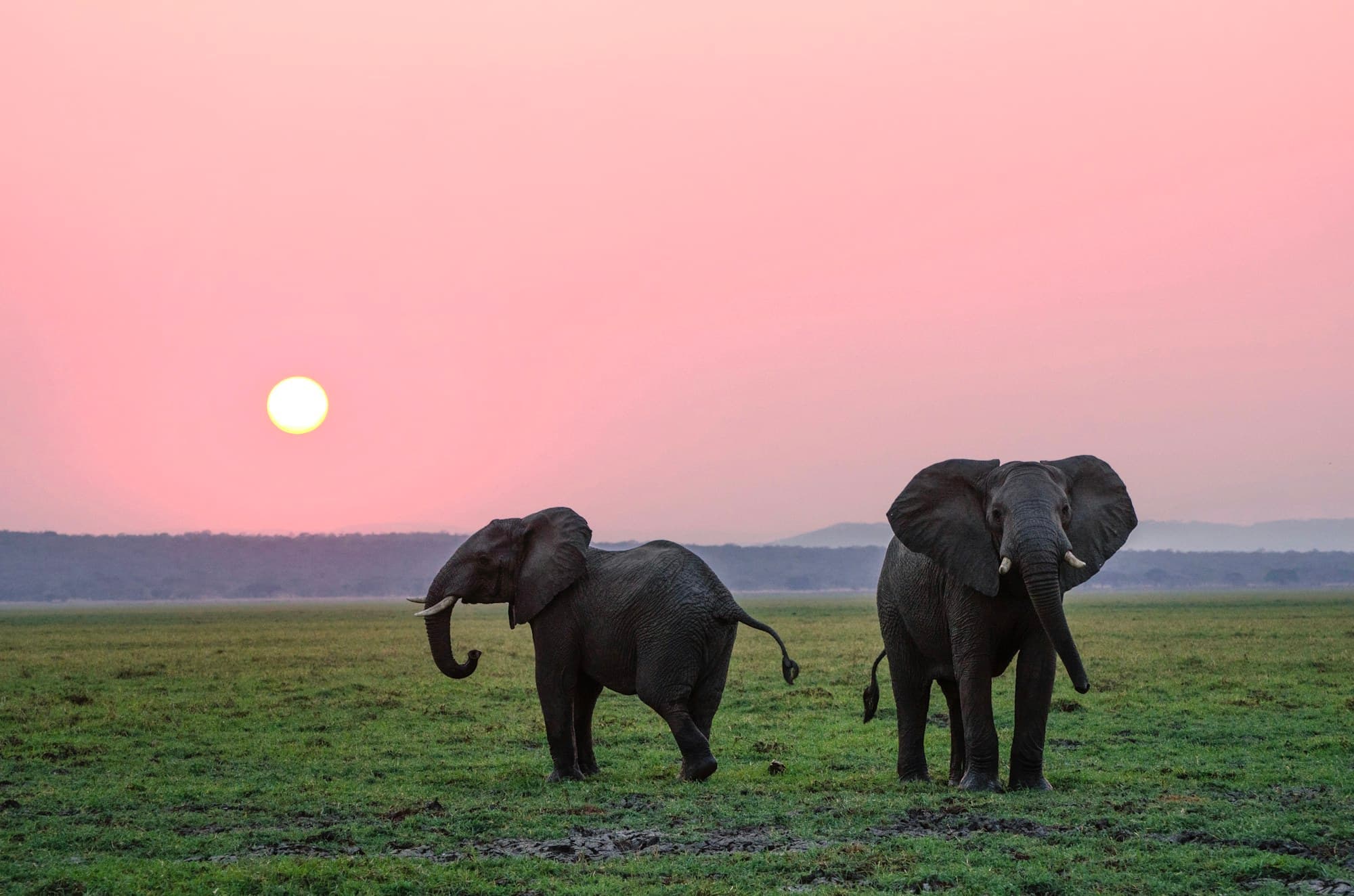
Two elephants together beneath a soft pink dusk sky
10 daysCouples

Botswana Honeymoon

Maun · Okavango Delta · Northern Delta concessions · Makgadikgadi Pans

Couples who want privacy, water and wilderness rather than a resort-style honeymoon

Best months
April–October
Comfort levels
Premium · Luxury · Ultra-Luxury
Individually quoted
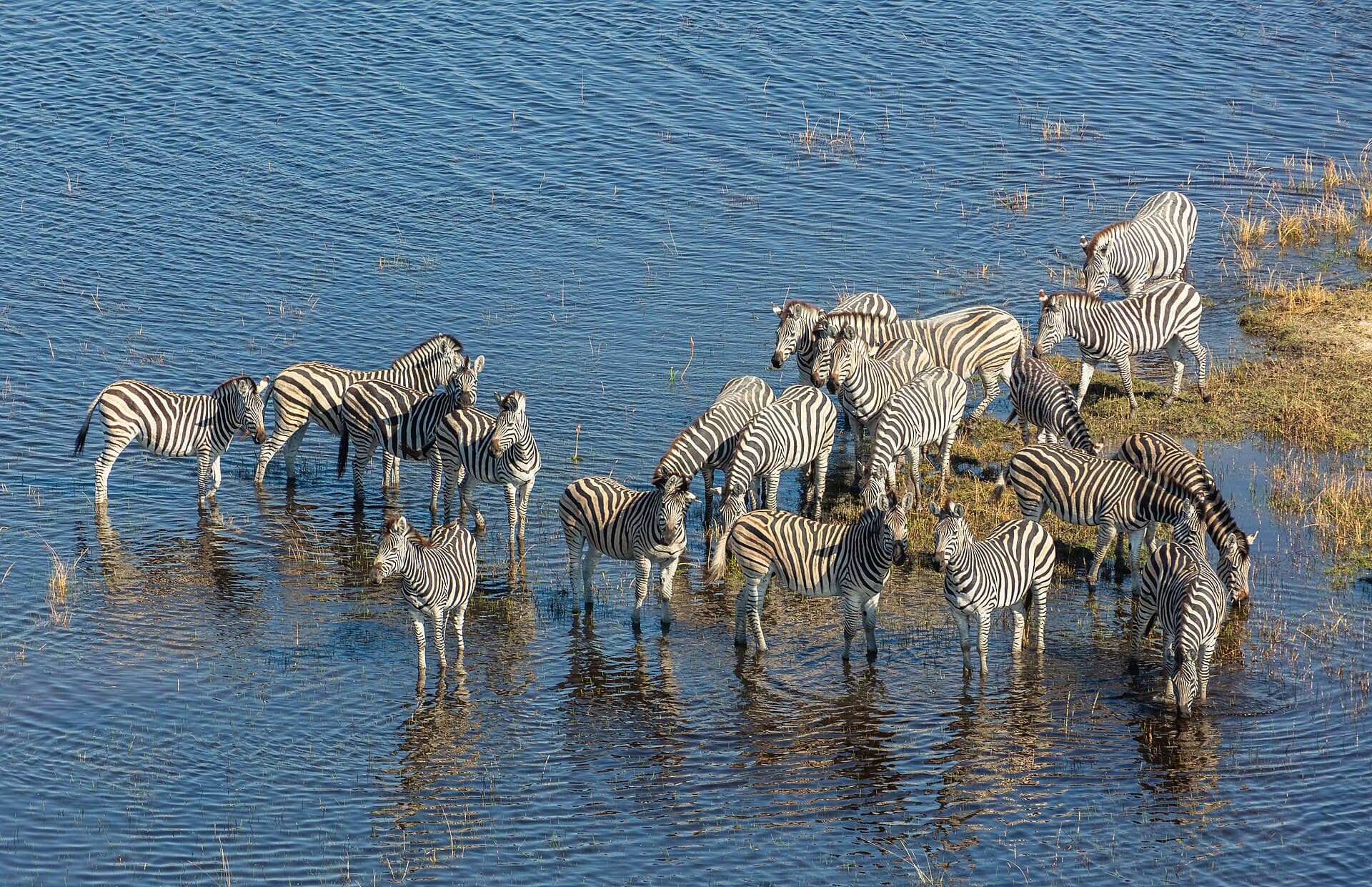
Zebra herd wading through shallow delta water
14 daysIn-depth

Grand Botswana

Maun · Okavango Delta · Moremi Game Reserve · Linyanti, Selinda & Kwando · Savuti · Chobe Riverfront · Kasane

Returning safari travelers, photographers and anyone with two weeks to see northern Botswana properly

Best months
May–October
Comfort levels
Luxury · Ultra-Luxury
Individually quoted

Good to know

Frequently asked questions

What is a mokoro?

A mokoro is a narrow canoe propelled by a poler who stands at the stern and pushes a long pole against the channel bed. They were traditionally carved from ebony or sausage-tree trunks, and most are now made of fibreglass. A mokoro typically carries one or two passengers plus the poler.

Is a mokoro safari safe with hippos and crocodiles around?

Polers work channels they know well, keep to shallow water that hippos tend to avoid by day, and read the signs of animals nearby. The rules for passengers are simple: stay seated, stay quiet and follow your poler’s instructions.

When is the best time for a mokoro safari?

Roughly May to September, when the flood from the Angolan highlands fills the seasonal floodplains, although levels vary each year. Camps on permanent channels can pole for much longer, so outside those months choose a water camp rather than a land camp.

Can I do a mokoro trip as a day trip from Maun?

Yes, when the flood has reached the southern Delta. A day trip involves a transfer each way and busier water than the inner Delta, so if the mokoro matters to you, two or three nights in a water or mixed camp gives a far richer experience.

Experiences

Related experiences

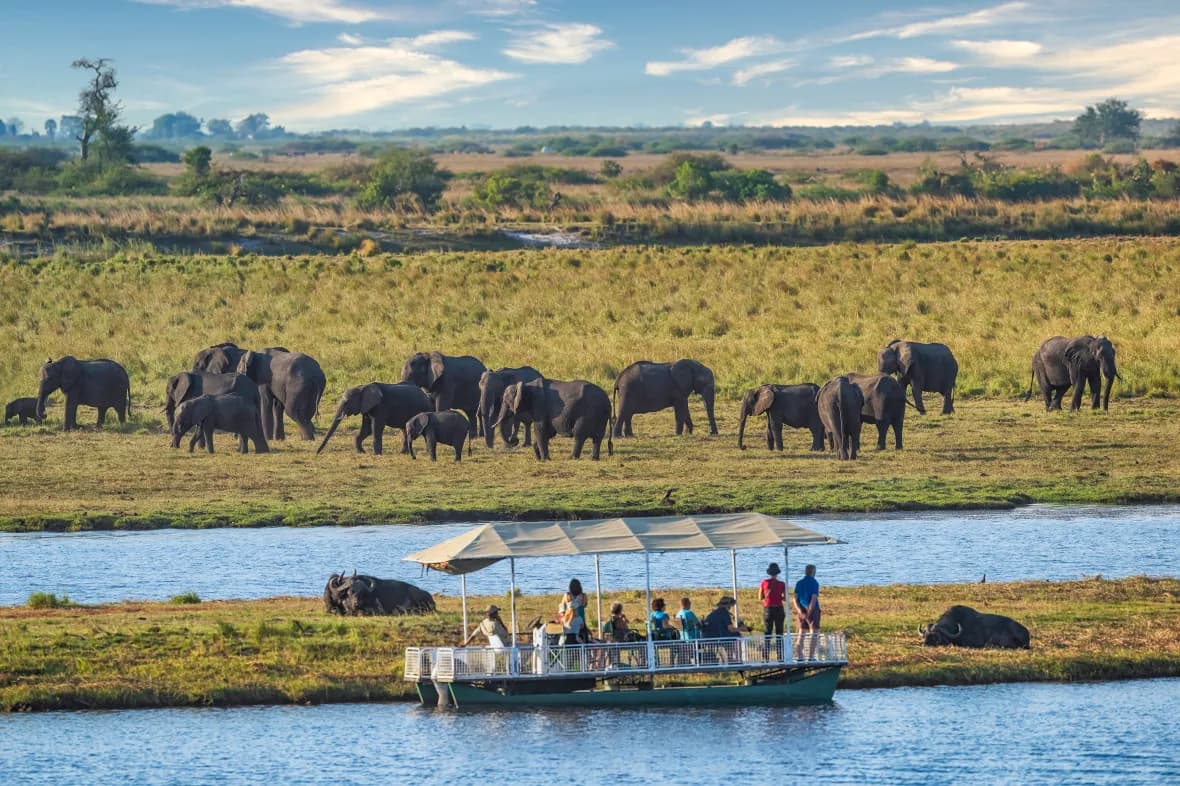
Guests on a small safari boat watch an elephant herd grazing the river floodplain

On the water

Chobe River Boat Safaris

Watch elephant herds drink, swim and cross the Chobe River from a boat, the riverfront’s signature way to see its wildlife.

Wetland channels of Moremi Game Reserve

Tell Us Your Month

Share when you can travel, who is coming and what you most hope to see in Botswana. A specialist will shape a private route around it and walk you through every choice before anything is booked.

Plan My Botswana Safari