On foot

Walking Safaris in Botswana

On foot, the smallest sign matters: a fresh print in the sand, a flattened reed where a hippo left the water, a warning snort from somewhere in the palms.

SeasonPossible for most of the year where concessions allow it; the cooler dry months, about May to September, are the most comfortable, and October mornings start at first light to beat the heat.
DurationUsually two to four hours in the early morning; a few camps offer longer walks or multi-day trails
WhereOkavango Delta concessions · Linyanti, Selinda and Kwando · Khwai · Makgadikgadi and the Central Kalahari
Best forReturning safari travelers ready to step out of the vehicle · Naturalists, trackers and keen birders · Active travelers who like to earn their view · Teenagers old enough to meet camp age limits

A Botswana walking safari depends on one thing above all: where you stay. Walking is generally not permitted inside the national parks and game reserves, including Moremi and Chobe, so it happens in private and community concessions such as the Okavango’s private areas, Khwai and the Linyanti, Selinda and Kwando reserves. Each concession sets its own rules, which is why we choose camps with walking in mind rather than hoping it can be added later.

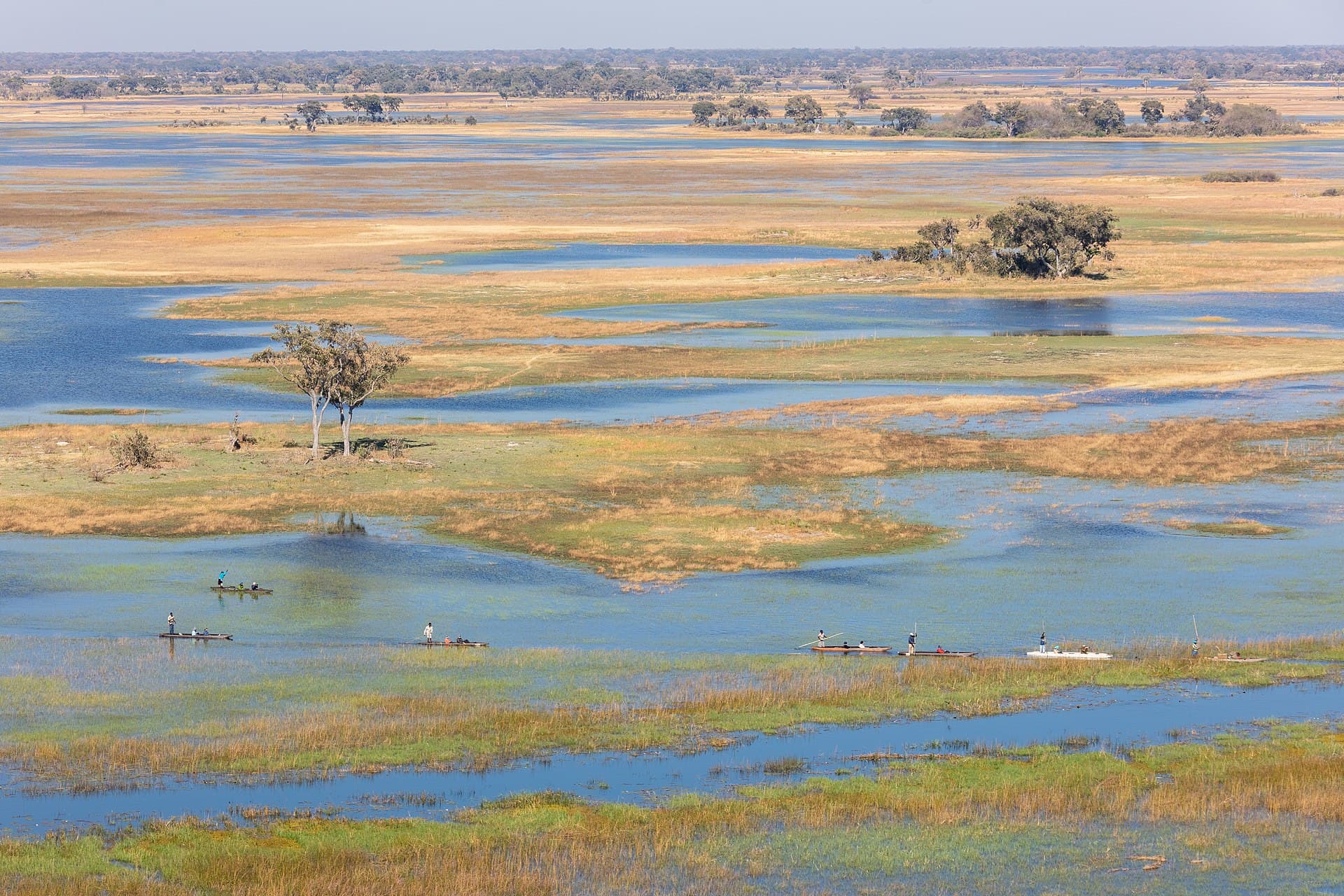
Walks here take three distinct forms. In the Delta, you often reach an island by mokoro and explore it on foot, reading tracks between palms and termite mounds. In the northern concessions, you walk the edges of floodplains and old river channels where elephant and buffalo come to drink. On the Kalahari’s fringes, San guides lead walks built around tracking, plants and survival skills. The point is never to get close to big animals; it is to understand how the whole system fits together.

Walking Safaris in Botswana

How It Works

  1. We build walks into your itinerary by choosing concession camps that offer them, and tell you on which nights they are possible.

  2. Before you set out, your guide runs a full briefing: single file behind the lead, voices low, hand signals agreed, and no running under any circumstances.

  3. Walks are led by guides qualified for walking, who in big-game country usually carry a rifle as a last resort; practice varies by concession, so ask your camp.

  4. You move slowly, usually into the wind, stopping for tracks, dung, insects and plants, while your guide judges how close is sensible to any animal you meet.

  5. Groups stay small, and walks end back at camp or at a waiting vehicle before the heat of the day.

Walking Safaris in Botswana

Where You Can Do It

Okavango Delta concessions
Island walks, often combined with a mokoro outing, in the private and community areas beyond the reserve boundary.
Linyanti, Selinda and Kwando
Big-game walking on floodplain edges and dry channels, from small camps with few other people around.
Khwai
Guided walks are commonly offered in the community area, subject to each camp’s own rules and guide availability.
Makgadikgadi and the Central Kalahari
Walks with San guides and time on foot beside habituated meerkat colonies; see San cultural walks.

Good to know

  • Minimum ages are set by each camp and commonly fall between 12 and 16, so check before you plan a family trip.
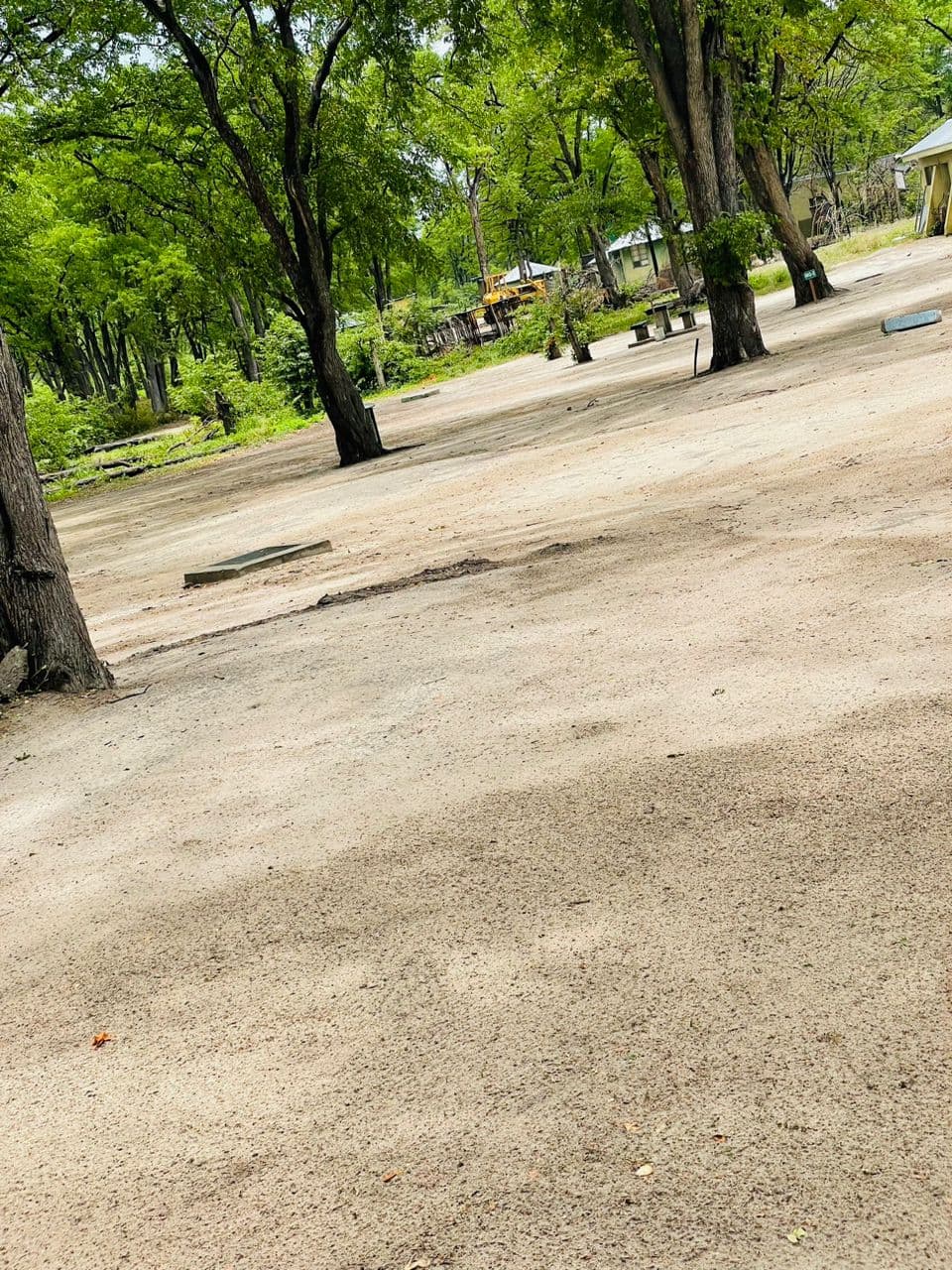
  • Dress in muted bush tones, avoid white and bright colors, and wear closed shoes that can get wet on Delta islands.
  • Walks are paced for observation rather than distance, so moderate fitness is enough, though soft sand and heat make them feel longer.
  • Check yourself for ticks after walking in long grass; our malaria and health guide covers what to discuss with a clinic.
  • Multi-day walking trails and simple fly-camps on Delta islands exist but are limited in number and season, so request them early.

Safaris

Safaris Featuring This Experience

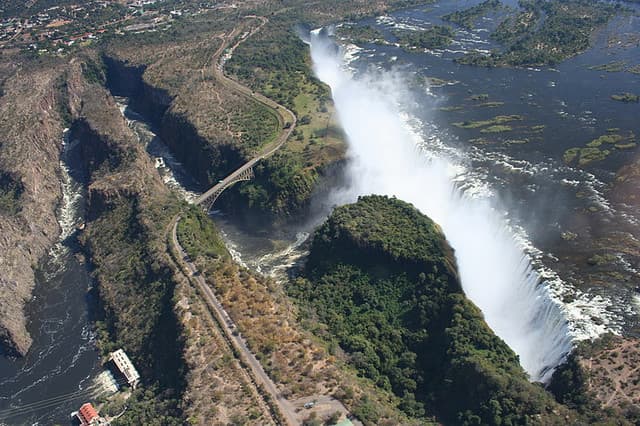
Aerial view of Victoria Falls plunging into the gorge
11 daysFalls + Delta

Botswana & Victoria Falls

Victoria Falls · Kasane · Chobe Riverfront · Khwai · Okavango Delta · Maun

First-time visitors who want Victoria Falls and Botswana’s finest water country in one trip, without rushing either

Best months
April–October, ideally May–July
Comfort levels
Comfort · Premium · Luxury
Individually quoted
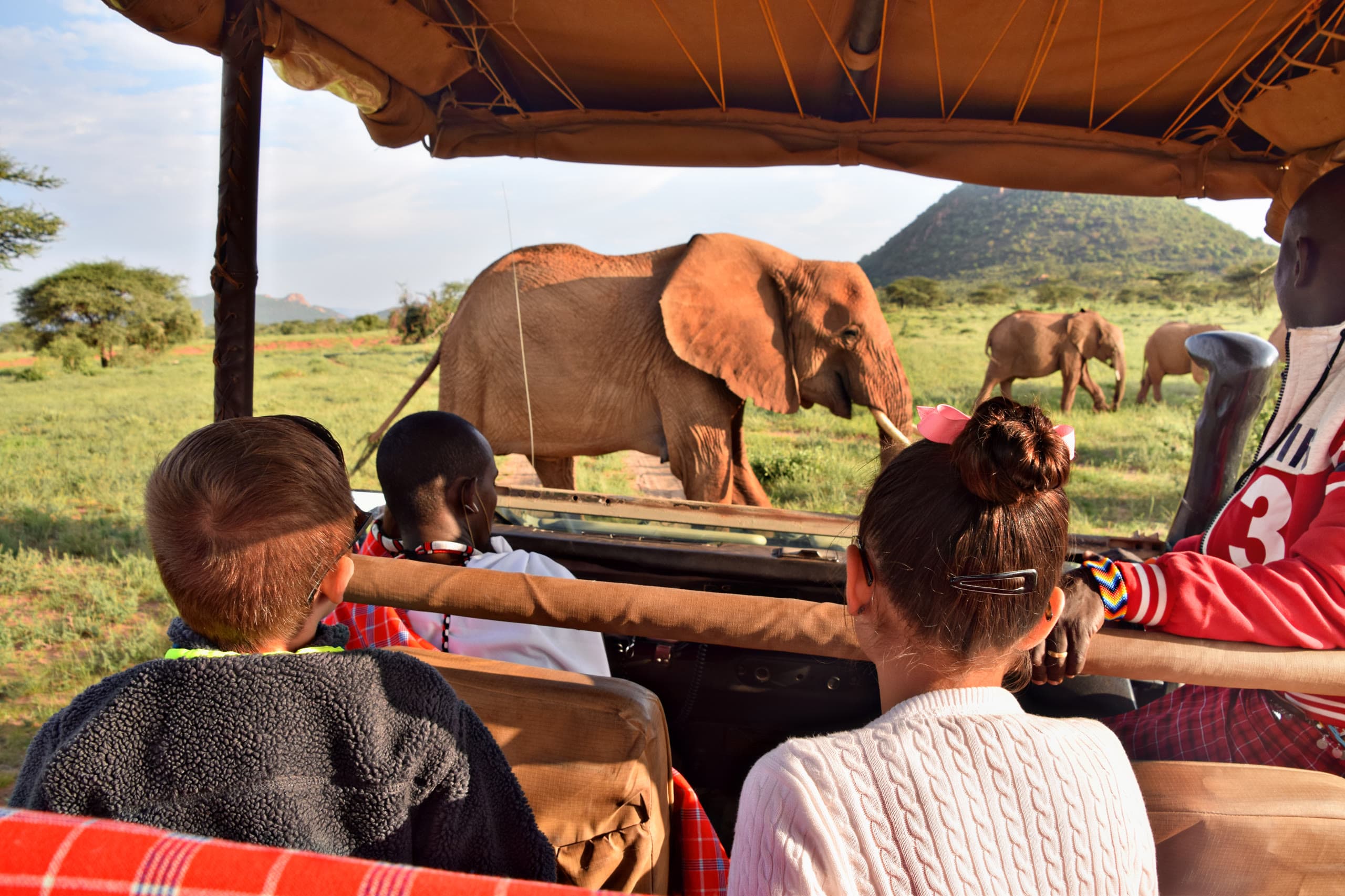
Safari guests watching a herd of elephants from an open vehicle on a family game drive
9 daysFamilies with teens

Botswana Family Adventure

Kasane · Chobe Riverfront · Okavango Delta · Makgadikgadi Pans · Maun

Families with children roughly 12 and older who want variety, activity and a little adrenaline

Best months
April–October (book school-holiday dates early)
Comfort levels
Comfort · Premium · Luxury
Individually quoted
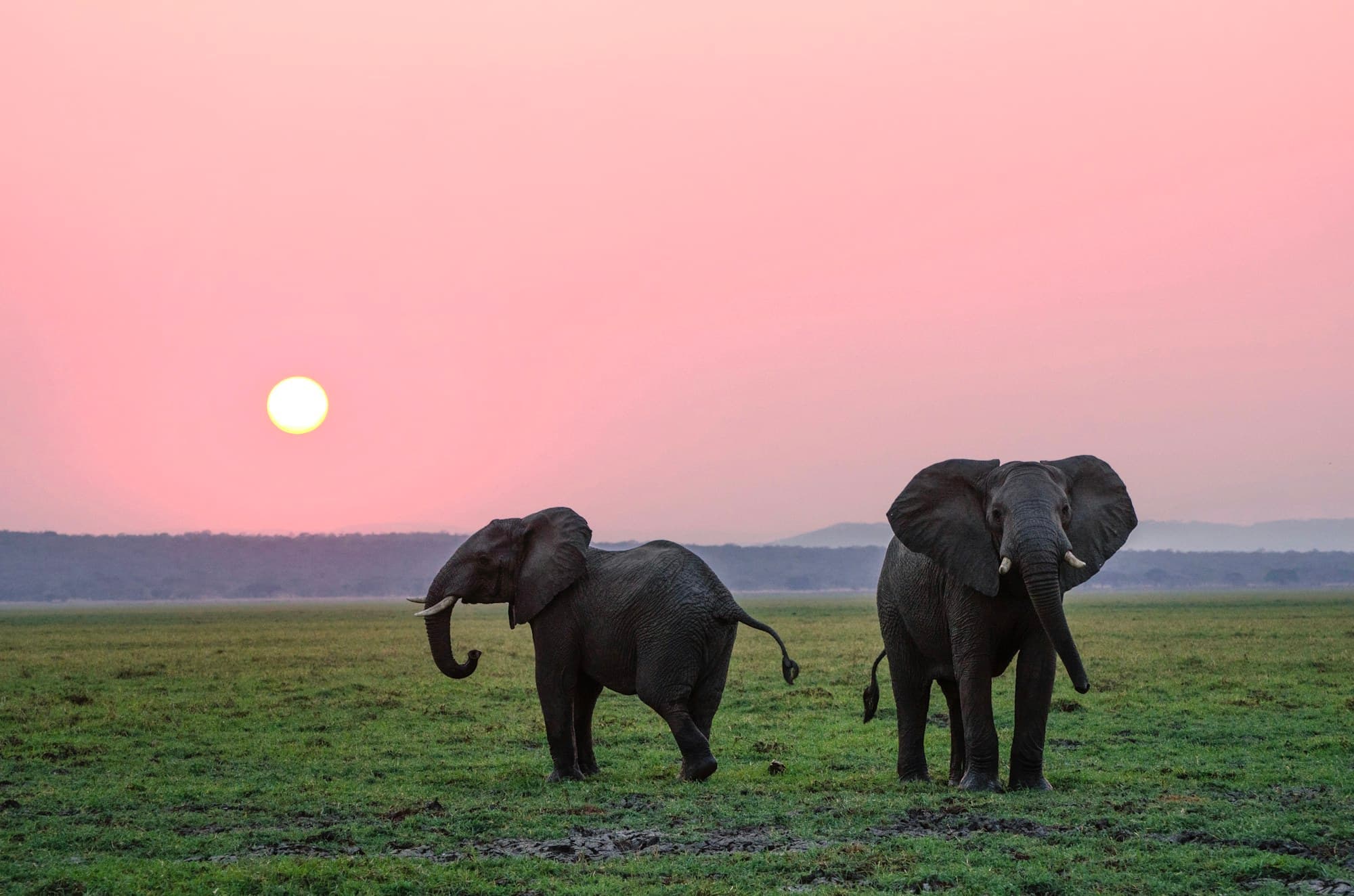
Two elephants together beneath a soft pink dusk sky
10 daysCouples

Botswana Honeymoon

Maun · Okavango Delta · Northern Delta concessions · Makgadikgadi Pans

Couples who want privacy, water and wilderness rather than a resort-style honeymoon

Best months
April–October
Comfort levels
Premium · Luxury · Ultra-Luxury
Individually quoted
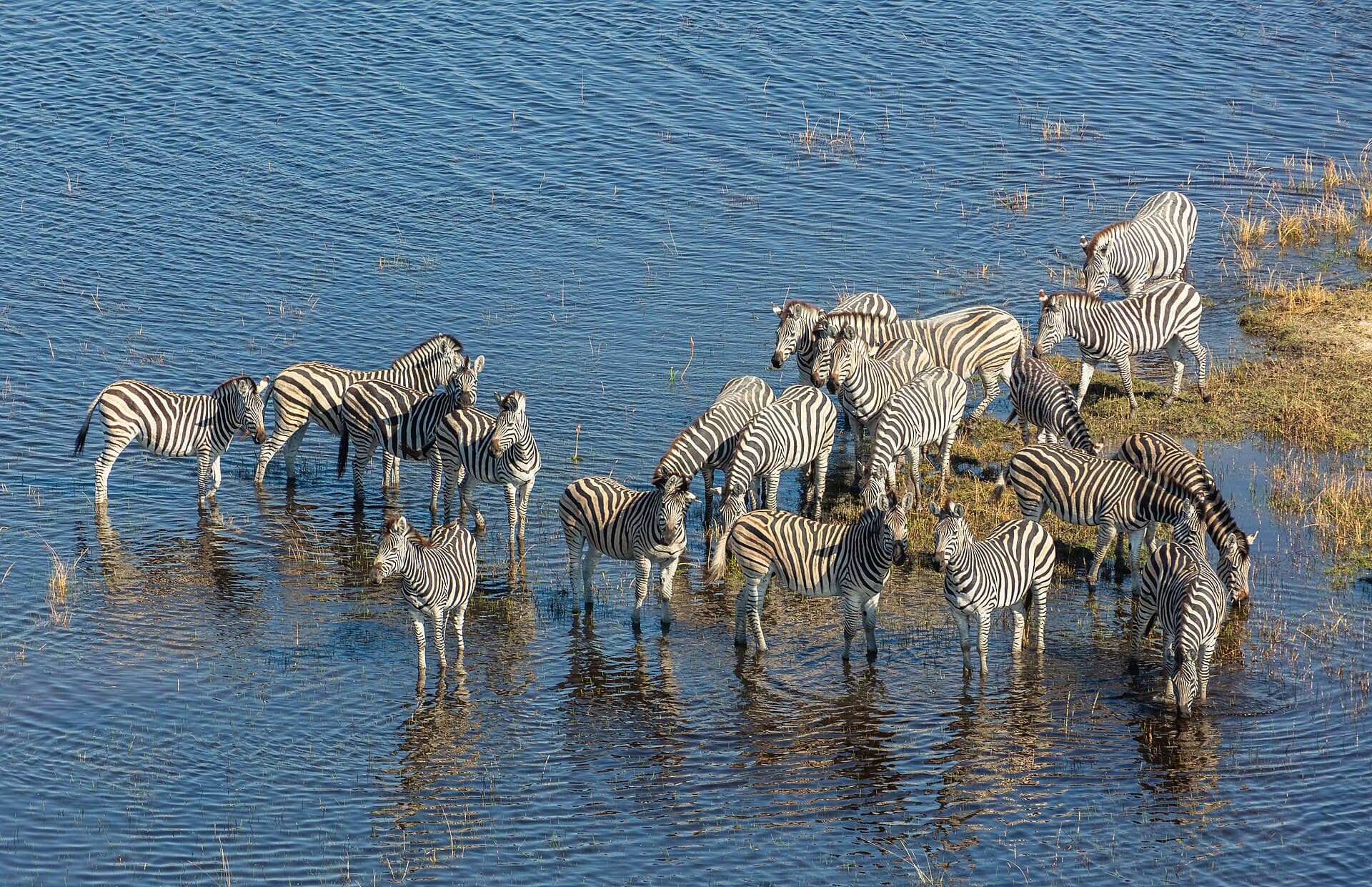
Zebra herd wading through shallow delta water
14 daysIn-depth

Grand Botswana

Maun · Okavango Delta · Moremi Game Reserve · Linyanti, Selinda & Kwando · Savuti · Chobe Riverfront · Kasane

Returning safari travelers, photographers and anyone with two weeks to see northern Botswana properly

Best months
May–October
Comfort levels
Luxury · Ultra-Luxury
Individually quoted

Good to know

Frequently asked questions

Can you do a walking safari in Moremi or Chobe National Park?

Generally not. Guided walking is usually restricted inside Botswana’s national parks and game reserves, so it is arranged in the private and community concessions next to them, such as Khwai beside Moremi or the Linyanti reserves west of Chobe.

How safe is a walking safari in Botswana?

Walks are led by experienced guides who read animal behavior and keep a careful distance, especially from elephant and buffalo. The rules from the briefing, single file, quiet and never running, are what keep walks safe, and guides choose routes to avoid surprises.

What is the minimum age for a walking safari in Botswana?

It depends on the camp, but minimum ages commonly fall between 12 and 16. Some camps offer short, gentle walks near camp for younger children, focused on tracks and insects rather than big game.

Do I need to be very fit for a Botswana walking safari?

No. Most walks cover a few kilometers at a slow pace with frequent stops. Deep sand, heat and the occasional wade through shallow water on Delta islands make a moderate level of fitness helpful.

Experiences

Related experiences

Aerial view over the winding channels and islands of the Okavango Delta

On the water

Mokoro Excursions

Glide through the Okavango’s papyrus channels in a poled canoe, low enough to meet reed frogs and lily-trotters at eye level.

Guests on a small safari boat watch an elephant herd grazing the river floodplain

On the water

Chobe River Boat Safaris

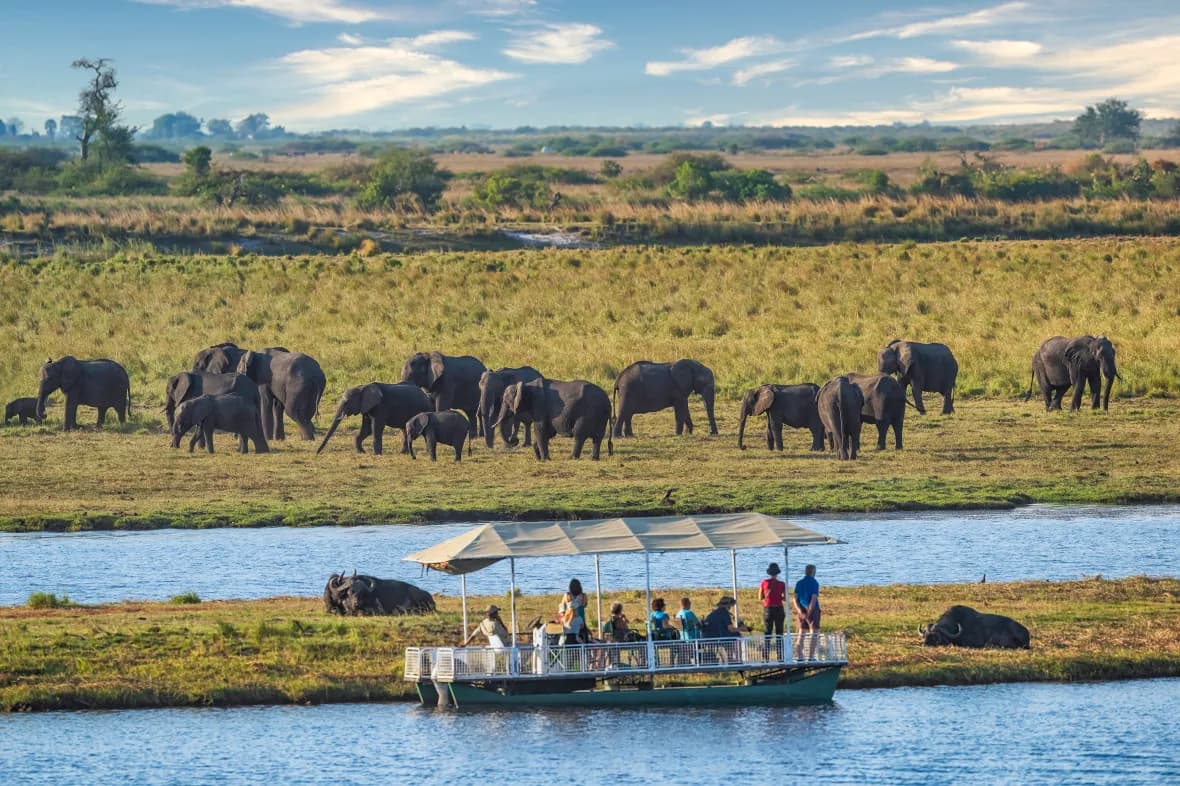
Watch elephant herds drink, swim and cross the Chobe River from a boat, the riverfront’s signature way to see its wildlife.

Aerial view over the winding channels and islands of the Okavango Delta

In the air

Helicopter & Scenic Flights over the Delta

See the Okavango’s channels, islands and wading herds from the air, on a doors-off helicopter flight or a fixed-wing scenic flight from Maun.

Wetland channels of Moremi Game Reserve

Tell Us Your Month

Share when you can travel, who is coming and what you most hope to see in Botswana. A specialist will shape a private route around it and walk you through every choice before anything is booked.

Plan My Botswana Safari