Malachite kingfisher perched over a Zambezi-region channel

Destination guide

Caprivi Strip Safaris in Namibia’s Zambezi Region

Namibia’s green north-east: papyrus channels, floodplains and river parks where buffalo, hippo and red lechwe take the place of the desert’s oryx and springbok.

ParksBwabwata (about 6,100 km²), Mudumu (about 1,010 km²) and Nkasa Rupara (320 km²), per MEFT
Best timeJuly–October for dry-season game on the rivers; December–March for birds
Recommended stay2–3 nights on one river; 4–5 to combine two areas
AccessCharter or seasonal scheduled flights to Katima Mulilo and lodge airstrips; road links to Botswana at Ngoma and Mohembo
Known forBuffalo, hippo, red lechwe, sitatunga, boat safaris and birding
MalariaHigh risk all year according to UKHSA at the time of writing (September 2026); take travel-health advice

Zambezi Region (Caprivi Strip)

Why Visit

A Caprivi Strip safari shows the side of Namibia most visitors never see. The narrow panhandle in the country’s north-east, drawn by an 1890 colonial treaty to give German South West Africa a route to the Zambezi and named after a German chancellor, was renamed the Zambezi Region in 2013. Official maps and locals use the new name, while many travelers still search for the old one. Squeezed between Angola and Zambia to the north and Botswana to the south, it is crossed by three river systems, the Okavango, the Kwando–Linyanti–Chobe and the Zambezi, and Katima Mulilo gets about 680 mm of rain a year.

That water changes everything. Elephant herds cross the Kwando in the dry season, hippo and crocodile fill the channels, and red lechwe and shy sitatunga live on the floodplains and in the papyrus. Buffalo are common, completing the Big Five that Etosha lacks, and sable and roan occur in the woodlands. MEFT protects the core in three parks: Bwabwata (about 6,100 km², where some 5,000 people were living at independence), Mudumu (about 1,010 km²) and Nkasa Rupara (320 km²), which MEFT calls Namibia’s largest wetland with conservation status. Community conservancies around them share in tourism income, a model quite unlike Etosha’s fenced park.

The region is also Namibia’s bridge to the rest of the Kavango–Zambezi area. Kasane and Chobe National Park lie across the Ngoma border post, the Okavango Delta is a short flight beyond, and Victoria Falls is close by. The 12-Day Namibia & Botswana Private Safari spends two nights on the Kwando between Etosha and the Delta, and Namibia vs Botswana compares the two countries.

Best for

  • Adding boats, buffalo and green landscapes to a desert-heavy trip
  • Birders chasing wetland species
  • Travelers continuing to Chobe, the Okavango Delta or Victoria Falls
  • Return visitors looking for quieter river parks

Zambezi Region (Caprivi Strip)

Wildlife & Highlights

  • Elephant herds crossing and bathing in the Kwando through the dry season
  • Buffalo, the Big Five species missing from Etosha
  • Hippo and Nile crocodile in the rivers and channels
  • Red lechwe on the floodplains and sitatunga in the papyrus
  • Sable and roan antelope in Bwabwata’s woodlands (elusive)
  • Lion, leopard and wild dog, present but irregularly seen
  • Wetland birds such as African skimmer, slaty egret and wattled crane
  • Tigerfish in the Zambezi, a draw for catch-and-release anglers
  • Popa Falls, a stretch of rapids on the Okavango near Divundu

Season

Best Time to Visit

  1. January
  2. February
  3. March
  4. April
  5. May
  6. June
  7. July
  8. August
  9. September
  10. October
  11. November
  12. December
May–JuneThe rains have ended but the floodplains are still full and the bush thick. Nights are cool, the landscape is green, and some low-lying tracks in Nkasa Rupara may still be under water.
July–OctoberThe dry season and peak time for game. Animals move to the rivers, elephant crossings are frequent and boat trips are at their best. Heat builds steadily, and September and October are the hottest months before the rains.
November–AprilThe rains, heaviest from December to February, turn the region lush and bring migrant birds, but floods can cut tracks, especially in Nkasa Rupara, and some areas become hard to reach. Humidity and mosquitoes rise; read the malaria and health guide before you book.

Zambezi Region (Caprivi Strip)

Areas to Know

Bwabwata: the Kwando core area

On the western bank of the Kwando, Bwabwata’s eastern core area is the heart of the region’s safari country. Floodplains, oxbow channels and riverine woodland hold elephant, buffalo, hippo, red lechwe and, with luck, sable and roan. Boat trips on the river are a daily highlight, and the few lodges and tented camps here combine them with game drives. Bwabwata is a multiple-use park where people also live, so away from the main road you stay on designated routes with the right permits.

Best for: Elephant, boating and a first Caprivi stay

Bwabwata west: Mahango & Popa Falls

At the western end of the strip, the Okavango flows south into Botswana past Bwabwata’s Mahango core area, a compact block of floodplain and woodland known for antelope, baobabs and birdlife. Nearby Popa Falls is a set of rapids rather than a true waterfall, pleasant for a riverside walk. It makes a natural stop on the road toward the Mohembo border and Botswana’s Okavango Panhandle.

Best for: Birding and the road route toward Botswana

Mudumu National Park

South of the Kwando core area, Mudumu protects about 1,010 km² of floodplain and mopane woodland along the Kwando, with no formal gate or fence. Elephants move freely between it and Botswana’s Linyanti, Selinda and Kwando concessions on the far bank. Game drives, river trips and a real sense of space make it a quieter alternative to the core area.

Best for: A quieter river park with elephants

Nkasa Rupara National Park

Formerly called Mamili, Nkasa Rupara was proclaimed on 1 March 1990 and covers 320 km² of channels, reedbeds and islands where the Kwando becomes the Linyanti. In the dry season it offers buffalo, lechwe, sitatunga and superb birding; in the wet months much of it floods and tracks close.

Best for: Wetland birding and buffalo in the dry season

Katima Mulilo & Impalila Island

Katima Mulilo, on the Zambezi, is the region’s town and airport. East of it, Impalila Island sits where the Zambezi and Chobe meet, with river lodges, a border post and boat access to Kasane in Botswana: the neatest bridge between a Namibia trip and Chobe or Victoria Falls. Fishing for tigerfish and birding from the water are the main activities.

Best for: Linking to Chobe and Victoria Falls

Zambezi Region (Caprivi Strip)

Getting There

Distances from central Namibia are large, so most private itineraries fly. Charters from Etosha reach lodge airstrips on the Kwando in about 2–2.5 hours, and scheduled flights run seasonally from Windhoek to Katima Mulilo. By road, the tarred B8 runs the length of the strip, and visa-on-arrival border posts at Katima Mulilo, Ngoma, Impalila Island and Mohembo link it with Botswana and Zambia. The KAZA UNIVISA used for Zambia and Zimbabwe does not cover Namibia, so Namibia’s own visa rules apply. From Kasane, Victoria Falls is an easy onward hop.

Drive or fly?

Flying is the practical choice from Etosha or Windhoek, since the road east is long and mostly featureless until you reach the rivers. Within the region, roads are good and short transfers between the Kwando, Katima Mulilo and the Botswana border work well by vehicle with your guide. The road crossing at Ngoma to Kasane is the usual link to Chobe, with light aircraft from there into the Okavango Delta.

Airstrips & airports

  • Katima Mulilo (Mpacha) Airport
  • Lodge airstrips along the Kwando
  • Kasane International Airport, Botswana (via the Ngoma border)

Typical travel times

Katima Mulilo to Kasane via the Ngoma border
About 1.5–2 hours plus border formalities
Kwando core area to Katima Mulilo
About 2 hours on tar
Kwando core area to Mahango and Divundu
About 2–3 hours on tar
Etosha to the Kwando by charter flight
About 2–2.5 hours

Stays

Where to Stay

Choice is narrower than in Botswana, and that is part of the appeal. Premium river lodges on the Kwando or Zambezi offer boat trips, game drives and a relaxed pace that suits families. In Bwabwata’s Kwando core area, a luxury tented lodge with strong guiding puts you on the water and the floodplain with very few other vehicles. We match specific properties to your dates and to river conditions.

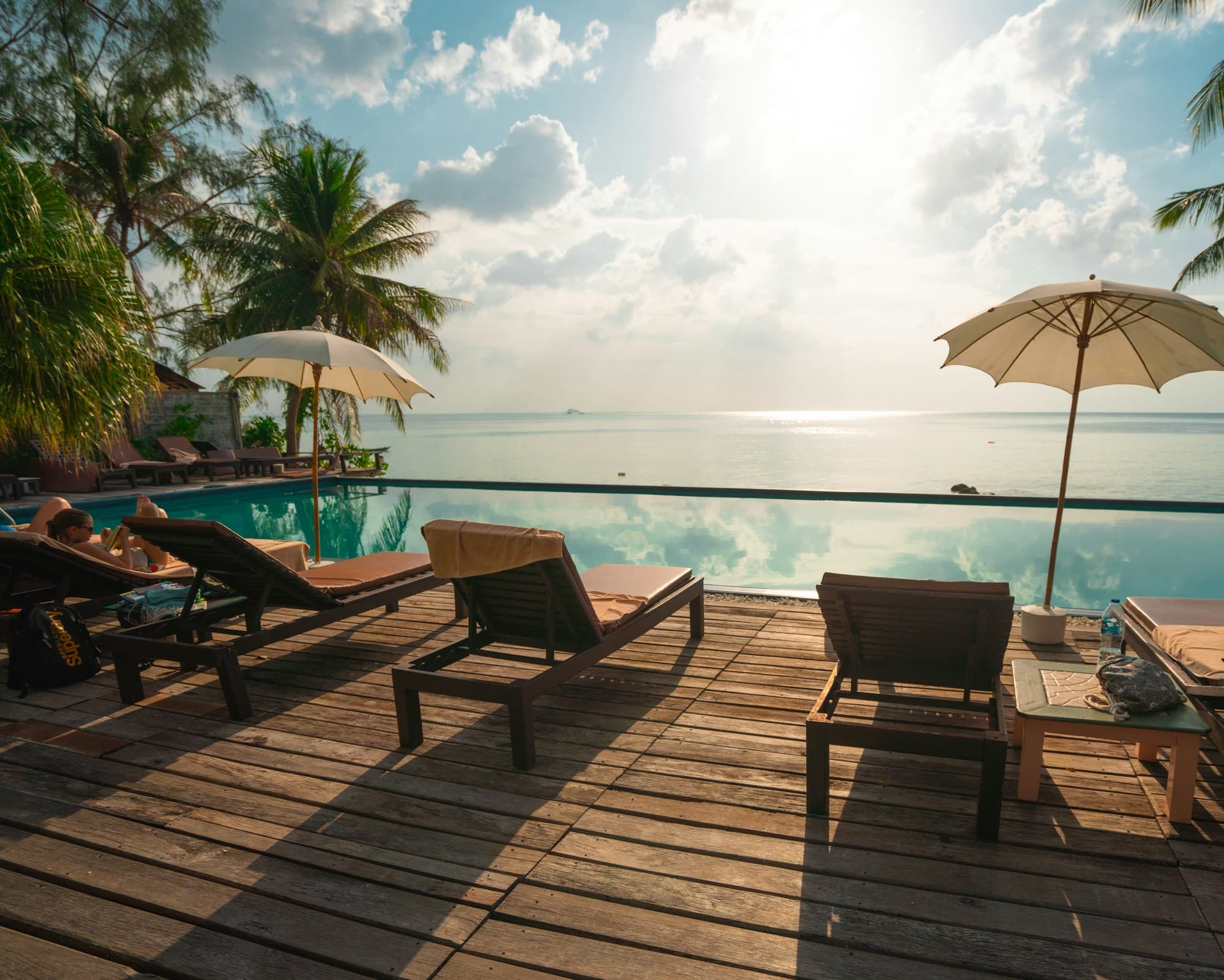
Luxury lodge deck with loungers and umbrellas at golden hourPremium

Zambezi Region · Kwando or Zambezi riverbank

Floodplain-Edge River Lodge · Caprivi

Lodge

Along the Kwando and Zambezi rivers, lodges of this style sit at the water’s edge among tall riverine trees, with chalets raised on stilts and a boat moored below the deck. Days combine river cruises past hippos and crocodiles with game drives in nearby parks such as Bwabwata or Mudumu, and the birding is outstanding.

  • River-view chalets
  • Boat cruises and fishing trips
  • Drives into nearby national parks
  • Pool for humid afternoons

Ideal for: Families and multi-country travelers who want water, boats and a relaxed pace
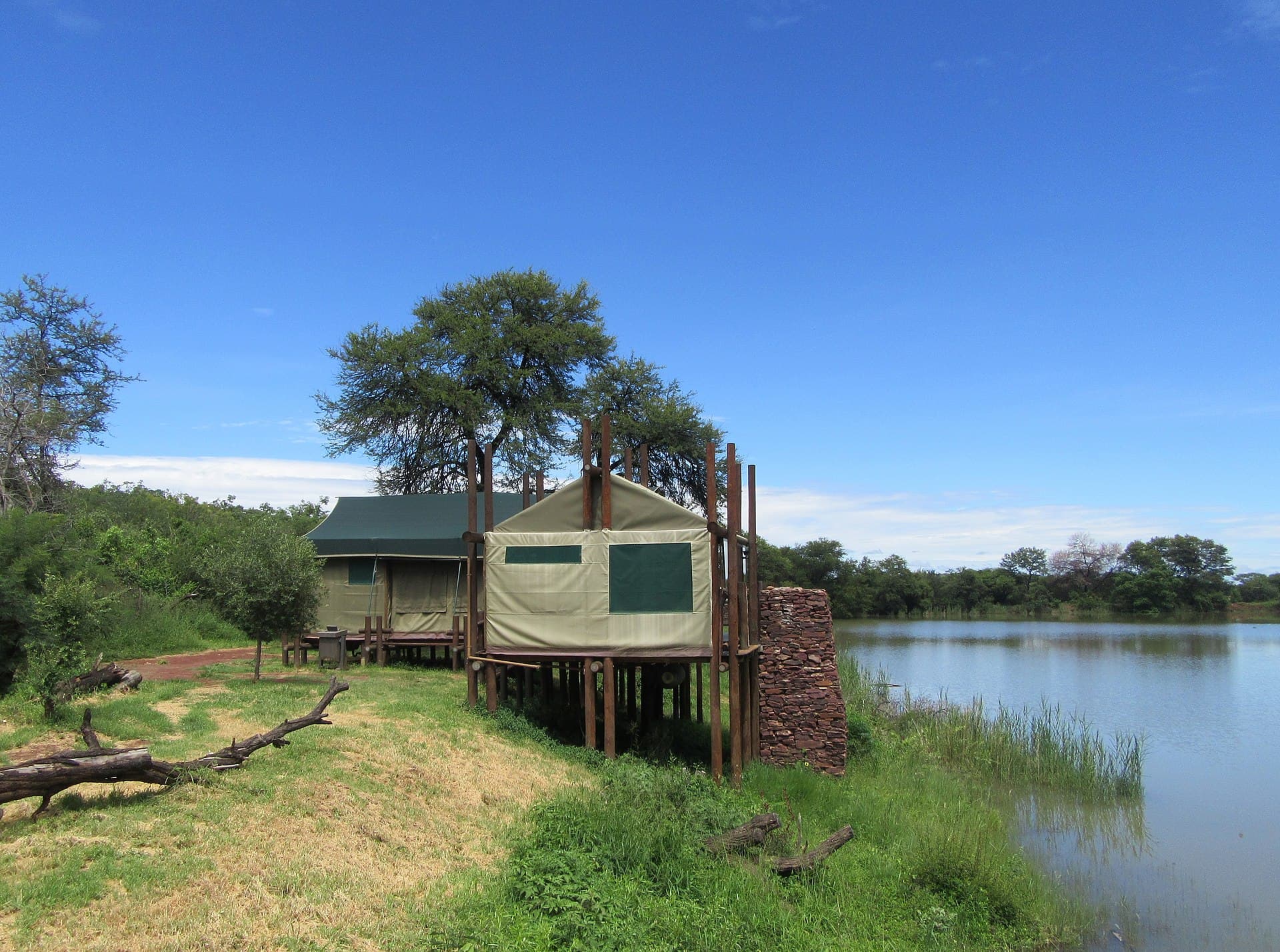
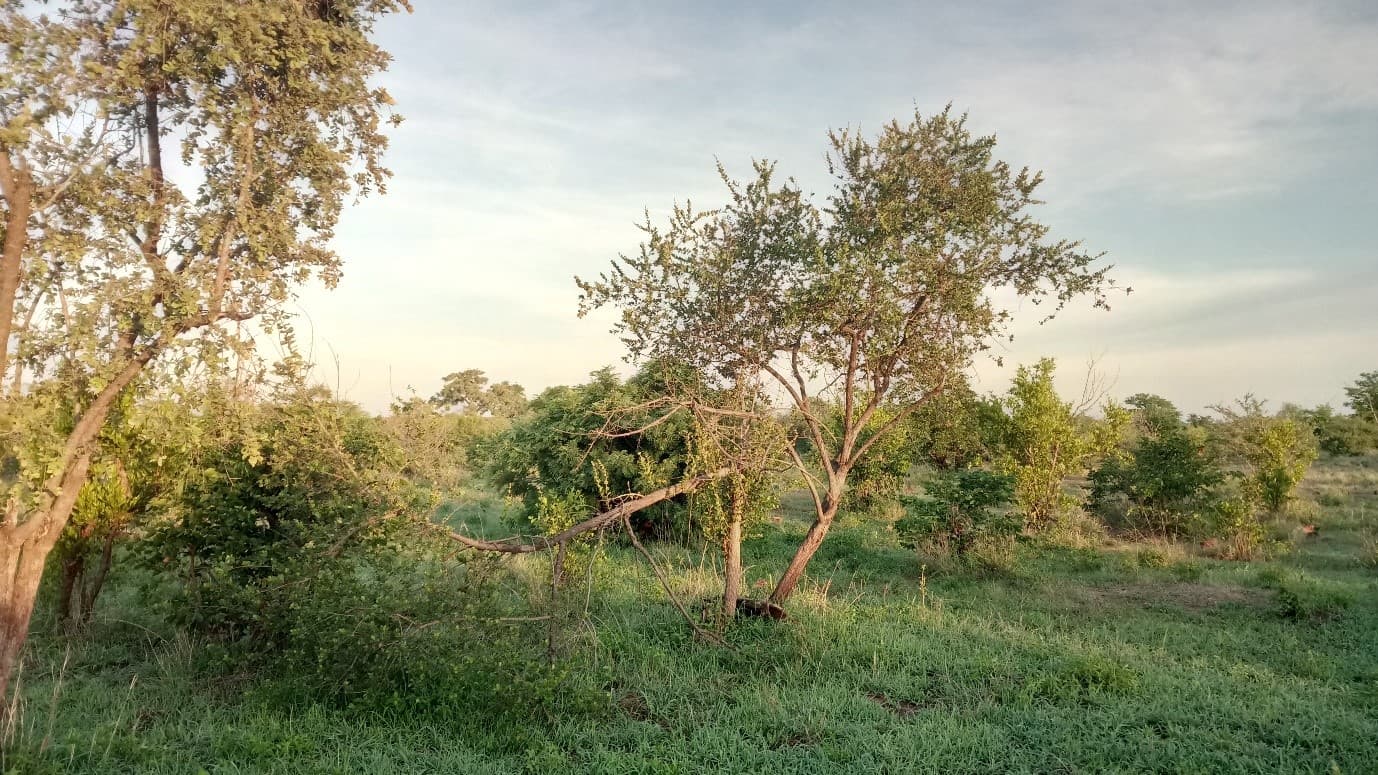
A canvas safari tent set among trees at a private tented campLuxury

Zambezi Region · Bwabwata, Kwando core area

Kwando Channel Luxury Tents

Tented camp

In Bwabwata’s Kwando core area, a luxury tented lodge overlooks the river’s floodplains, where elephants cross the channels in the dry season and buffalo, sable and red lechwe graze the grasslands. Tents are spacious, boating and game drives start from the doorstep, and the surrounding wetlands offer some of Namibia’s finest birding.

  • Spacious tents facing the floodplain
  • Boat trips on the Kwando
  • Game drives in Bwabwata National Park
  • Strong birding in every season

Ideal for: Photographers and travelers adding the water side of Namibia to a desert journey

Safaris

Safaris That Go Here

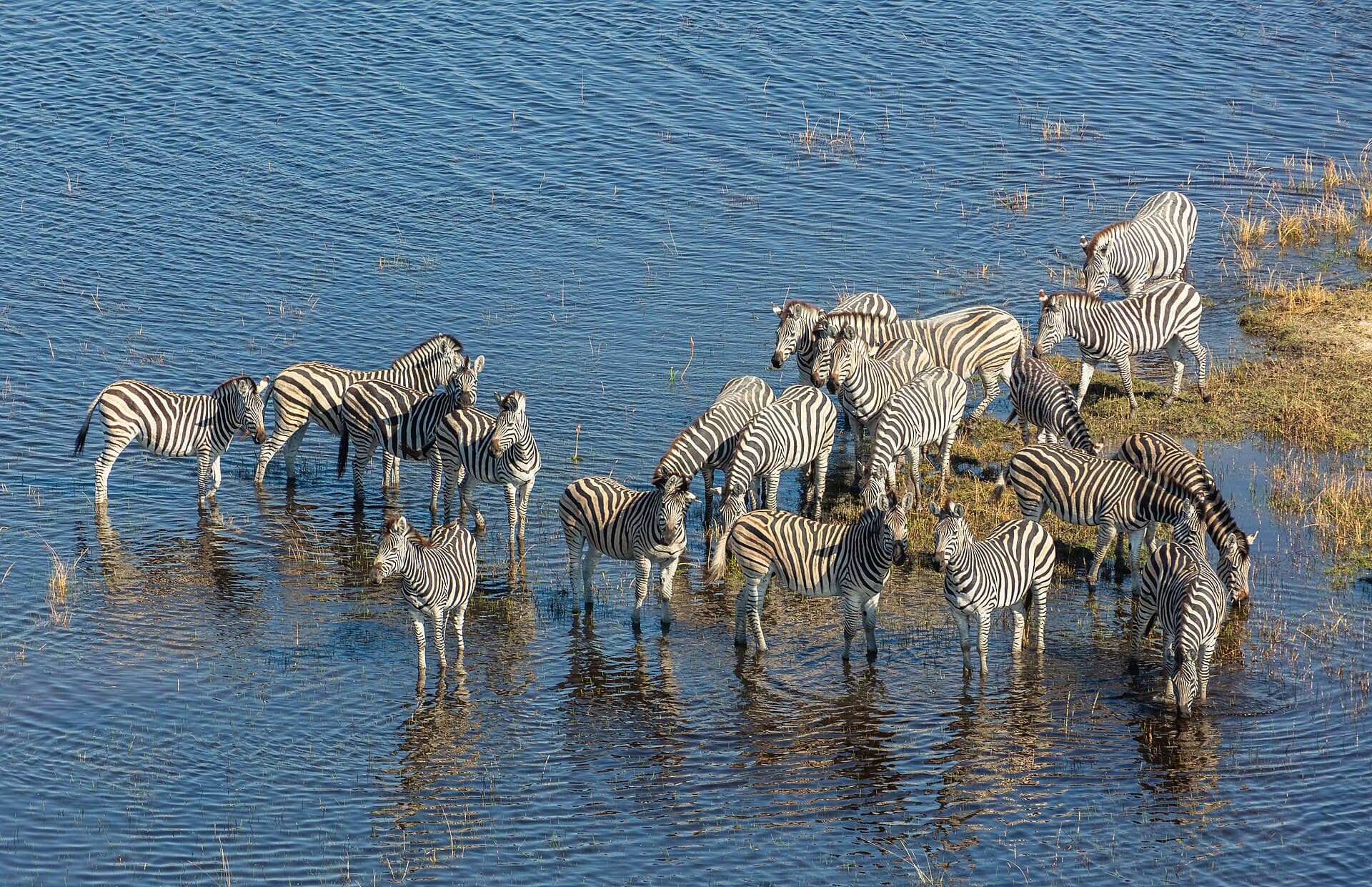
Zebra herd wading through shallow delta water
12 daysDesert & Delta

Desert, Zambezi & Delta

Windhoek · Sossusvlei · Etosha National Park · Zambezi Region · Kasane · Okavango Delta · Maun

Travelers who want Namibia’s landscapes and Botswana’s water safari in a single trip, without backtracking

Best months
May–October
Comfort levels
Premium · Luxury · Ultra-Luxury
Individually quoted

Good to know

Frequently asked questions

Is the Caprivi Strip the same as the Zambezi Region?

Yes. The Caprivi Strip, later the Caprivi Region, was renamed the Zambezi Region in 2013. The new name is official and used locally, but many maps, guidebooks and travelers still use the old one.

Can you see the Big Five in the Zambezi Region?

Elephant and buffalo are the stars, and lion and leopard are present though less often seen. Rhino are not a realistic expectation here, as Etosha is Namibia’s rhino park. Combining the two gives you the best chance of all five on one trip.

How do you get from the Caprivi Strip to Chobe?

Most travelers cross by road at the Ngoma border post to Kasane, about 1.5–2 hours from Katima Mulilo plus formalities. From lodges near Impalila Island you can cross by boat. Botswana has its own entry rules, so check them along with Namibia’s before you travel.

Are park fees lower in the Zambezi Region than in Etosha?

Yes. MEFT places Bwabwata, Mudumu and Nkasa Rupara in its standard fee category, below premium parks such as Etosha, with fees charged per person per day. A revised schedule was reported from April 2026, so check current amounts; on a trip we plan, they are included in your quote.

When is Nkasa Rupara flooded?

Water levels rise after the summer rains and depend on flows from upstream, so parts of the park can be under water from the height of the rains into the early dry season, and some tracks close. The dry season, roughly July to October, is the reliable time to explore it by vehicle.

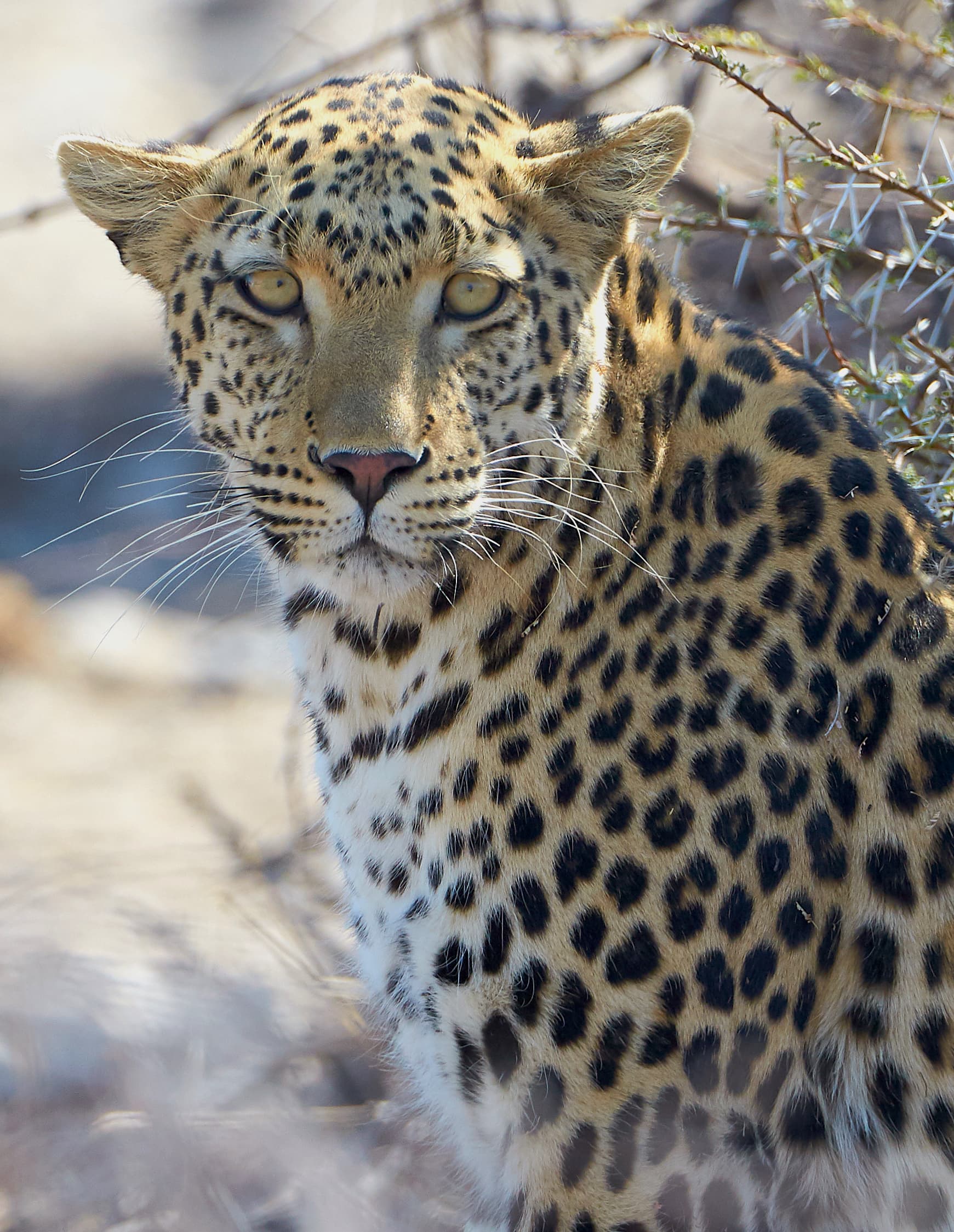
Close leopard portrait in golden light

Tell Us How You Picture Namibia

Share your dates, who is traveling and whether you imagine dunes at dawn, rhino tracks in Damaraland or a waterhole at night. We’ll shape a private route around those ideas and talk you through every choice before anything is confirmed.

Plan my safari here