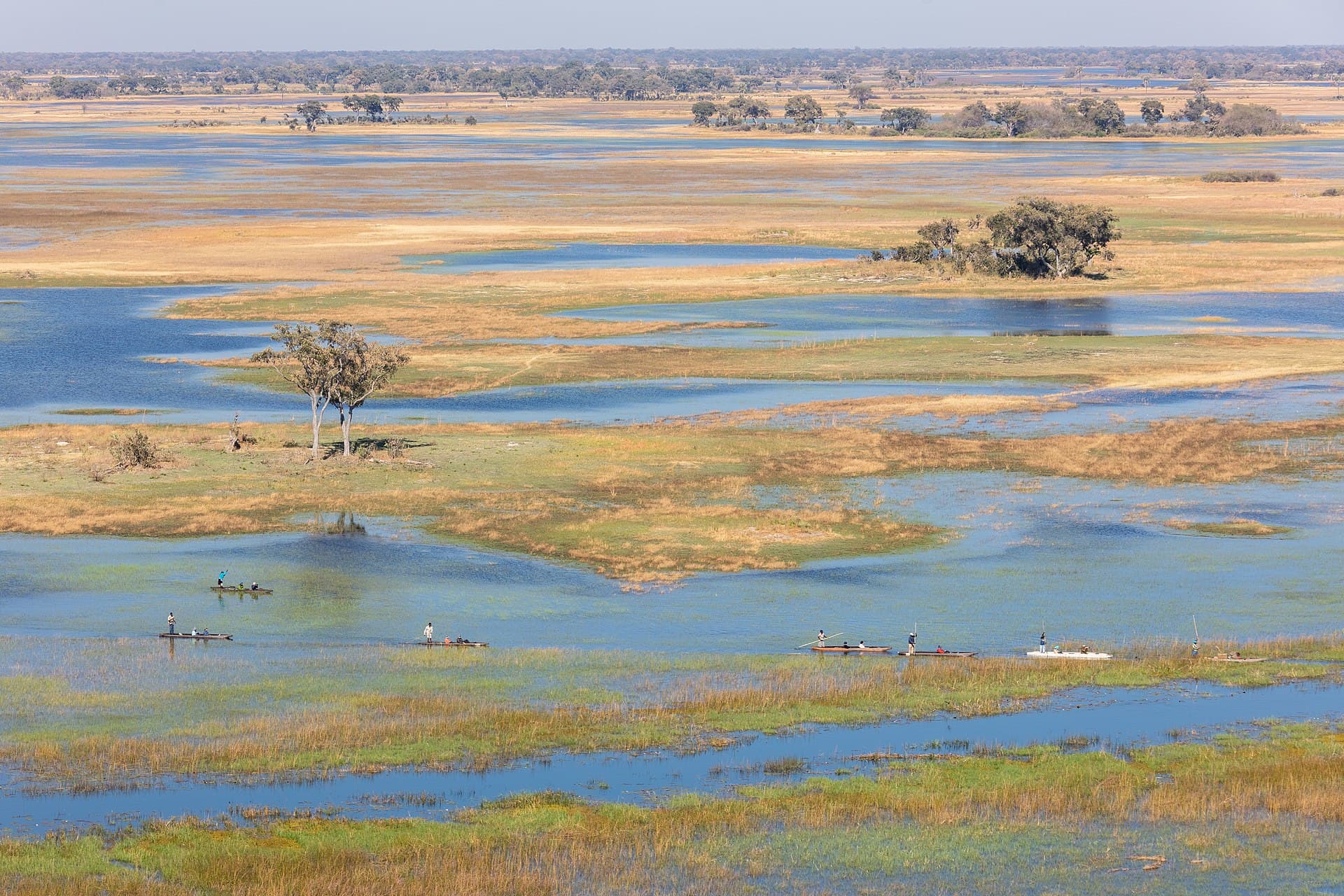
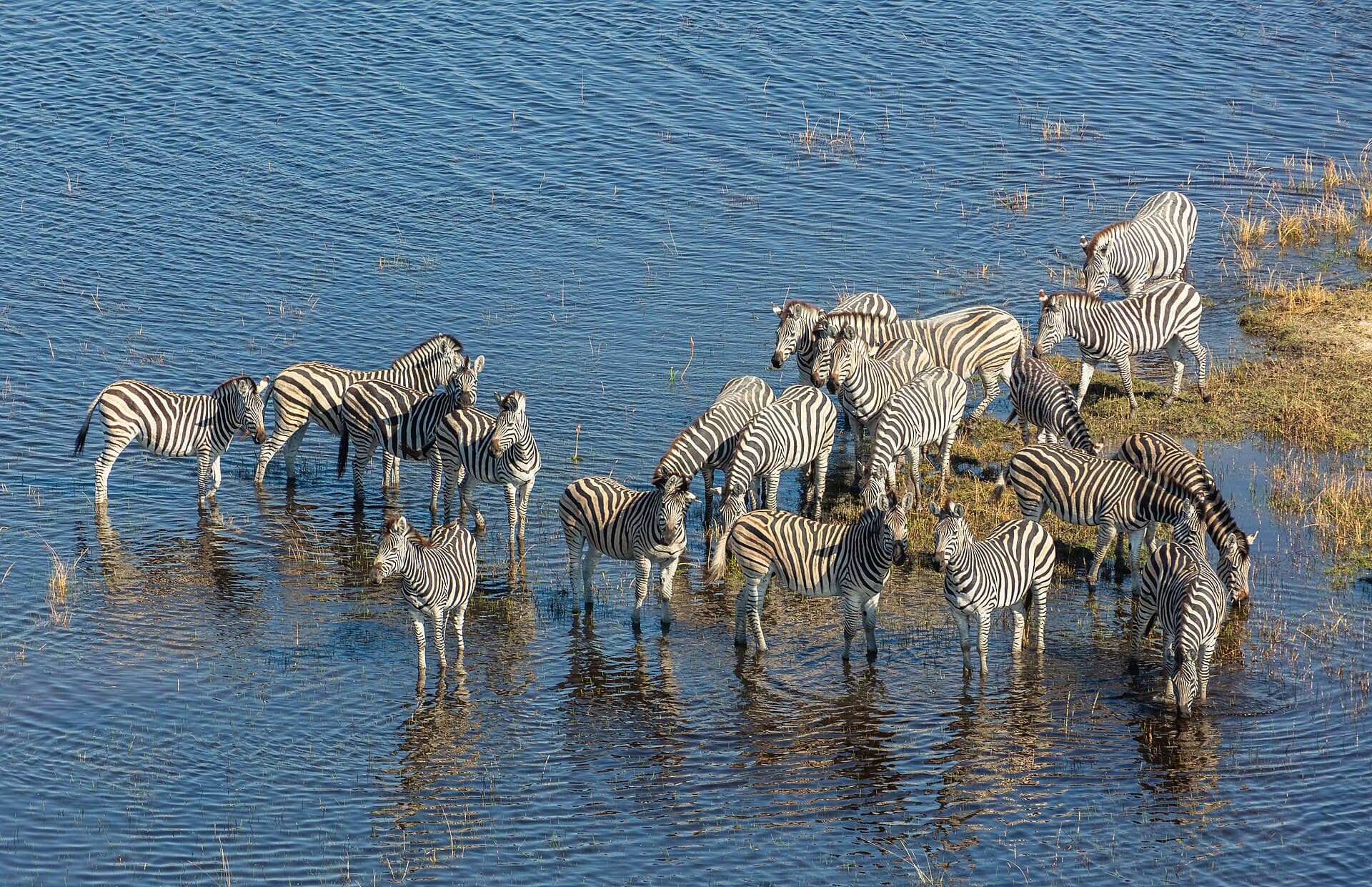
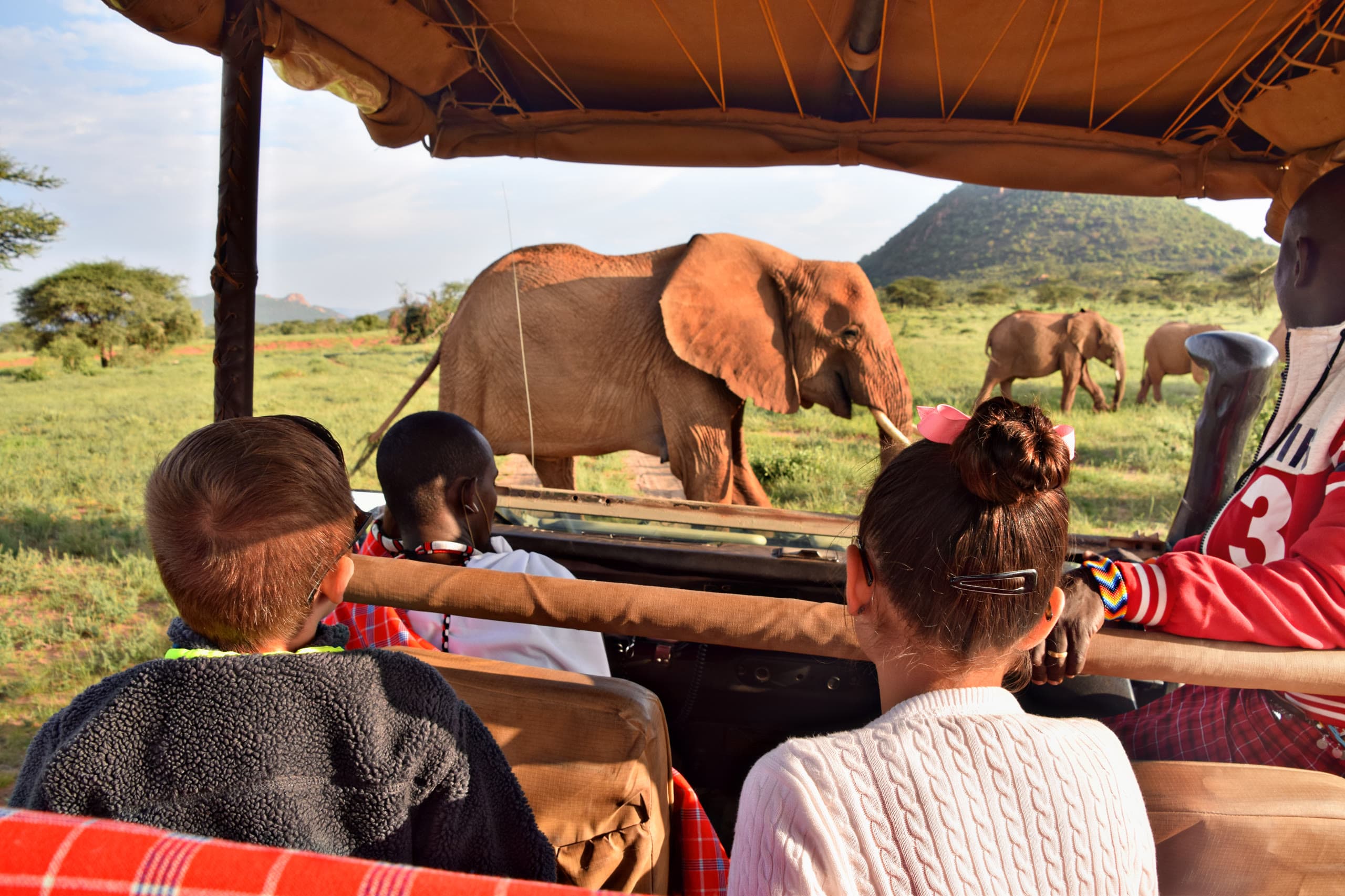
This Botswana green season safari is designed for December to April, when summer rains transform the Kalahari and the country’s dry-season logic turns upside down. Instead of following water, you follow grass: zebra and wildebeest spread across the Makgadikgadi Pans and Nxai Pan, springbok and gemsbok gather in the Central Kalahari, and predators follow the young. The trip closes with two nights in the Okavango Delta, green, lush and at its quietest.
Everything here depends on rainfall, and it is worth being clear about that. Good rains can bring thousands of zebra and extraordinary skies; a dry year thins the herds and pushes them elsewhere. Some Delta camps close or change their activities in these months, and the mokoro depends on water levels that are usually low. In return you get newborn animals, migrant birds, vivid light and wilderness shared with very few others. For the full calendar, see the best time to visit Botswana.
Why this route works
The rains decide where the animals go, and this route follows them. The Makgadikgadi comes first because it is closest to Maun and holds the most visible green-season spectacle: the zebra and wildebeest that leave the Boteti River for the grasslands once the storms arrive. From there a light aircraft reaches the Central Kalahari, where Deception Valley’s grasses draw antelope and predators in good years, and three nights allow for the reserve’s great distances. The Delta comes last with two nights, enough for its summer birdlife and a boat outing, and it puts you a short hop from Maun for the flight home. Flying between the three areas avoids long drives on wet, rutted tracks.