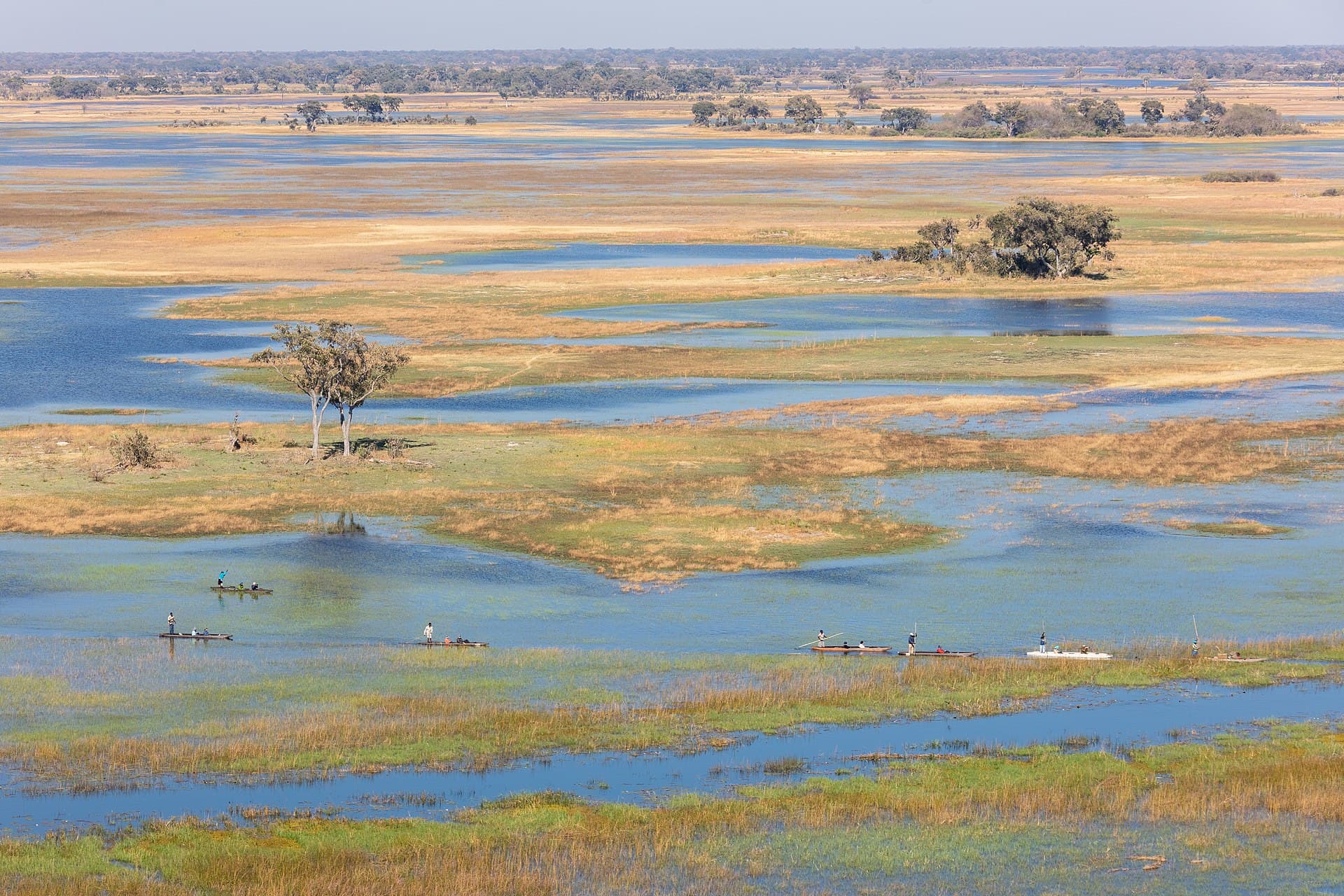
Wetland channels of Moremi Game Reserve

Destination guide

Moremi Game Reserve Safaris

The Delta’s eastern heartland, set aside by the BaTawana in 1963: lagoons, floodplains and mopane woodland where permanent water meets dry land.

SizeRoughly 4,000–5,000 km² (published figures differ)
Established1963, by the BaTawana; Chief’s Island added in the 1970s
Best timeJuly–October; October and November can be extremely hot
Recommended stay3 nights, by fly-in lodge or private mobile camp
AccessLight aircraft from Maun, or about 2–3 hours by road to South Gate
RulesGame reserve: no night drives or off-road driving; gate hours apply

Moremi Game Reserve

Why Visit

Moremi Game Reserve protects the eastern side of the Okavango Delta, and it is the one part of the Delta you can explore by road as well as by air. It covers roughly 4,000–5,000 km² — published figures differ — and holds about 40% of the Delta’s World Heritage property, from the deep lagoons of Xakanaxa to the mopane woodland of the Moremi Tongue and the wild interior of Chief’s Island. Few reserves in Africa pack so many habitats into a single morning’s drive.

Its origins are unusual too. In 1963, amid concern about dwindling game, the BaTawana people, led by Mrs Elizabeth Pulane Moremi, widow of Chief Moremi III, set the area aside as a reserve, making it one of the first in Africa created by local people. Chief’s Island, once the chief’s royal hunting ground, was added in the 1970s. Black and white rhino have since been reintroduced, and Moremi is again described as a Big Five reserve, though its rhino are closely guarded and rarely part of an ordinary game drive.

Because Moremi is a game reserve, national rules apply: you stay on the tracks, there are no night drives and drives run within gate hours. That is why many travelers pair it with the Khwai community area across the river, or with a private concession elsewhere in the Okavango Delta. The reserve itself can be experienced two ways — flying into a lodge on a private lease, or driving in with a private mobile camp — and the right choice depends on how you like to travel.

Best for

  • Big Five country inside the Delta’s best-known reserve
  • Private mobile safaris that camp in the wild
  • Land and water habitats within a single reserve
  • Birders, especially around the Xakanaxa lagoons
  • Pairing with Khwai for night drives across the river

Moremi Game Reserve

Wildlife & Highlights

  • Lion, often found on the floodplains and island edges
  • Leopard in the riverine forest and mopane woodland
  • African wild dog, whose packs range widely through the reserve
  • Elephant and buffalo, concentrating near permanent water in the dry months
  • Red lechwe, tsessebe, reedbuck and waterbuck on the floodplains
  • Hippo and Nile crocodile in the lagoons and channels
  • Black and white rhino, reintroduced and closely guarded
  • Cheetah on the more open grasslands (occasional)
  • Wattled crane, saddle-billed stork and, in some years, nesting colonies of storks and herons at the lagoons

Season

Best Time to Visit

  1. January
  2. February
  3. March
  4. April
  5. May
  6. June
  7. July
  8. August
  9. September
  10. October
  11. November
  12. December
July–OctoberThe reserve’s prime months. Seasonal pans have dried, so elephant, buffalo and predators concentrate along the permanent water, and the lagoons around Xakanaxa are full. Early in this period high water can still close some tracks near Third Bridge; by October the heat is intense and dust hangs in the late light.
November–MarchRain turns Moremi green, impala and tsessebe drop their young and migrant birds arrive. Clay tracks become slippery, low-lying areas can be cut off and animals disperse away from the rivers. Fewer vehicles, dramatic skies and hot, humid days; most mobile safaris pause in the wettest weeks.
April–JuneA quieter shoulder period. The bush is still lush, nights cool quickly and the new flood arrives from upstream, filling floodplains and lagoons on the reserve’s western side. Routes change with the water, so a mobile camp’s exact itinerary is fixed only once levels are known.

Moremi Game Reserve

Areas to Know

Chief’s Island

The Delta’s largest island is a long spine of dry land ringed by permanent and seasonal water, and it supports some of the densest game in the Okavango. It is not on the reserve’s self-drive network, so most visitors fly in to one of the very few camps on private leases around its edge. Those camps can use boats and mokoro where the water allows, but on land the reserve’s rules still apply: no night drives and no driving off the tracks.

Best for: Big game and exclusivity inside the reserve

Xakanaxa and the lagoons

In the north-east, Xakanaxa sits on a chain of deep, permanent lagoons edged with papyrus and tall riverine trees. It is one of the few places in the reserve where you can take a motorboat onto open water, although trips depend on levels that shift from year to year. A small number of lodges on private leases share the area with a public camping area popular with mobile safaris.

Best for: Boat trips, water birds and lagoon scenery

Third Bridge

Named after one of the log bridges on the road in from South Gate, Third Bridge lies deep in the reserve where floodplains, lagoons and islands meet. It is a public camping area rather than a lodge site, prized by mobile safaris for the lion, wild dog and leopard that move through the surrounding country. At high water the approach tracks can flood, which is why routes through here are confirmed close to travel.

Best for: Mobile camping in the reserve’s wild interior

South Gate and the Moremi Tongue

South Gate is the entrance from Maun, about 2–3 hours by road, and the Moremi Tongue extends east of it as a long finger of drier mopane woodland, pans and seasonal floodplain. Game tends to thin out here in the rains and gather again as the pans dry. For road travelers it is the gateway to the rest of the reserve, and often the first night’s camp.

Best for: Road access from Maun and a first taste of the reserve

North Gate and the Khwai River

North Gate stands on the Khwai River, the reserve’s northern boundary, with a public camping area under big riverine trees. The river frontage around it is some of Moremi’s most productive dry-season country for elephant and predators. Over the log bridge lies the Khwai concession, where night drives and walks are allowed — the obvious partner for a Moremi stay.

Best for: Combining Moremi with Khwai

Moremi Game Reserve

Getting There

By air, light aircraft from Maun reach the Xakanaxa and Chief’s Island airstrips in roughly 20–40 minutes, and your camp collects you from the strip. By road, Maun to South Gate takes about 2–3 hours, the last part on sand, and crossing the reserve to North Gate takes most of a day with game viewing on the way. Tracks mix deep sand, clay and seasonal water crossings, so a high-clearance 4x4 and an experienced driver matter; on a private mobile safari, your guide handles all of it.

Drive or fly?

The choice here is less about convenience than about the kind of trip you want. Flying into a lodge on a private lease gives you the reserve’s best-placed camps, short transfers and a guide who knows that patch intimately. Driving in on a private mobile safari means long, sandy days, but you see the full sweep of the reserve, sleep at the public sites under canvas and keep one guide from Maun to Chobe. The 14-day grand Botswana safari takes the fly-in route. Neither option lets you drive after dark or leave the tracks.

Airstrips & airports

  • Xakanaxa
  • Chief’s Island (private-lease camps)
  • Khwai River, for North Gate
  • Maun (MUB)

Typical travel times

Maun to South Gate
About 2–3 hours
South Gate to Xakanaxa or Third Bridge
Roughly 2–3 hours of slow sand driving, with game viewing
Maun to Xakanaxa
Roughly 20–40 minutes by light aircraft
North Gate to Savuti via Mababe
About 4–5 hours

Stays

Where to Stay

Moremi has very few permanent camps, all on private leases at Xakanaxa and around Chief’s Island, which is why they are among the most sought-after in Botswana and book early for July–October. The alternative is a private mobile camp pitched at one of the four public camping areas — South Gate, Third Bridge, Xakanaxa and North Gate — which must be reserved well ahead. Mobile camps range from classic dome tents to walk-in tents with en-suite bucket showers, and most run only from about April to November.

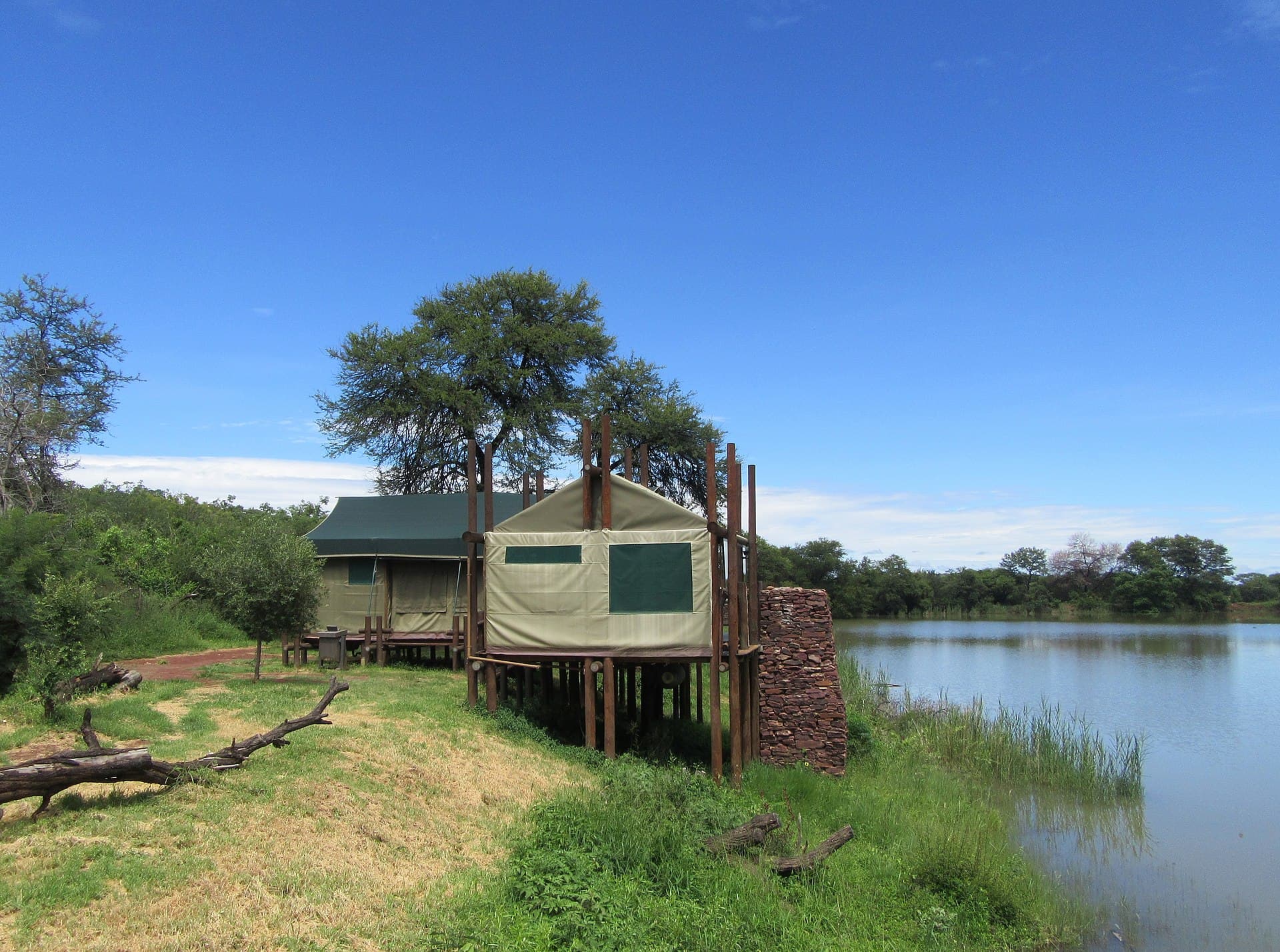
A canvas safari tent set among trees at a private tented campLuxury

Moremi · Xakanaxa lagoons

Lagoon-Edge Luxury Camp · Moremi

Tented camp

Deep in Moremi, where the Xakanaxa lagoons meet mopane woodland and open floodplain, a small number of camps combine boat trips on the lagoons with drives through some of the reserve’s best predator country. Reserve rules keep drives to daylight and to the tracks, but you start and end each day well inside the park, far from the gates.

  • Lagoon boat trips when water levels allow
  • Daytime drives on Moremi’s tracks
  • Large tents facing the lagoon or floodplain
  • Birding among papyrus and waterlilies

Ideal for: Travelers who want land and water in one stay inside Moremi
A canvas safari tent set among trees at a private tented campUltra-Luxury

Moremi · Chief's Island

Predator-Country Ultra Camp · Chief’s Island

Tented camp

Chief’s Island, once a royal hunting ground and added to Moremi in the 1970s, is home to a handful of Botswana’s most celebrated camps on private leases. Tents here are closer to suites, with plunge pools and outdoor showers, and the daytime game viewing on the surrounding floodplains is among the most concentrated in the Delta, though reserve rules mean no night drives or walks.

  • Suite-sized tents with plunge pools
  • Floodplain drives with very few other vehicles
  • Private vehicle and guide at many
  • Spa, gym or wine cellar at some

Ideal for: Honeymooners and photographers for whom the density of daytime wildlife matters most

Tented camp glowing at sunrise over golden hillsComfort

Moremi · Khwai · Savuti — moves with your route

Classic Dome-Tent Mobile Safari

Seasonal mobile camp · Typically operates April–November

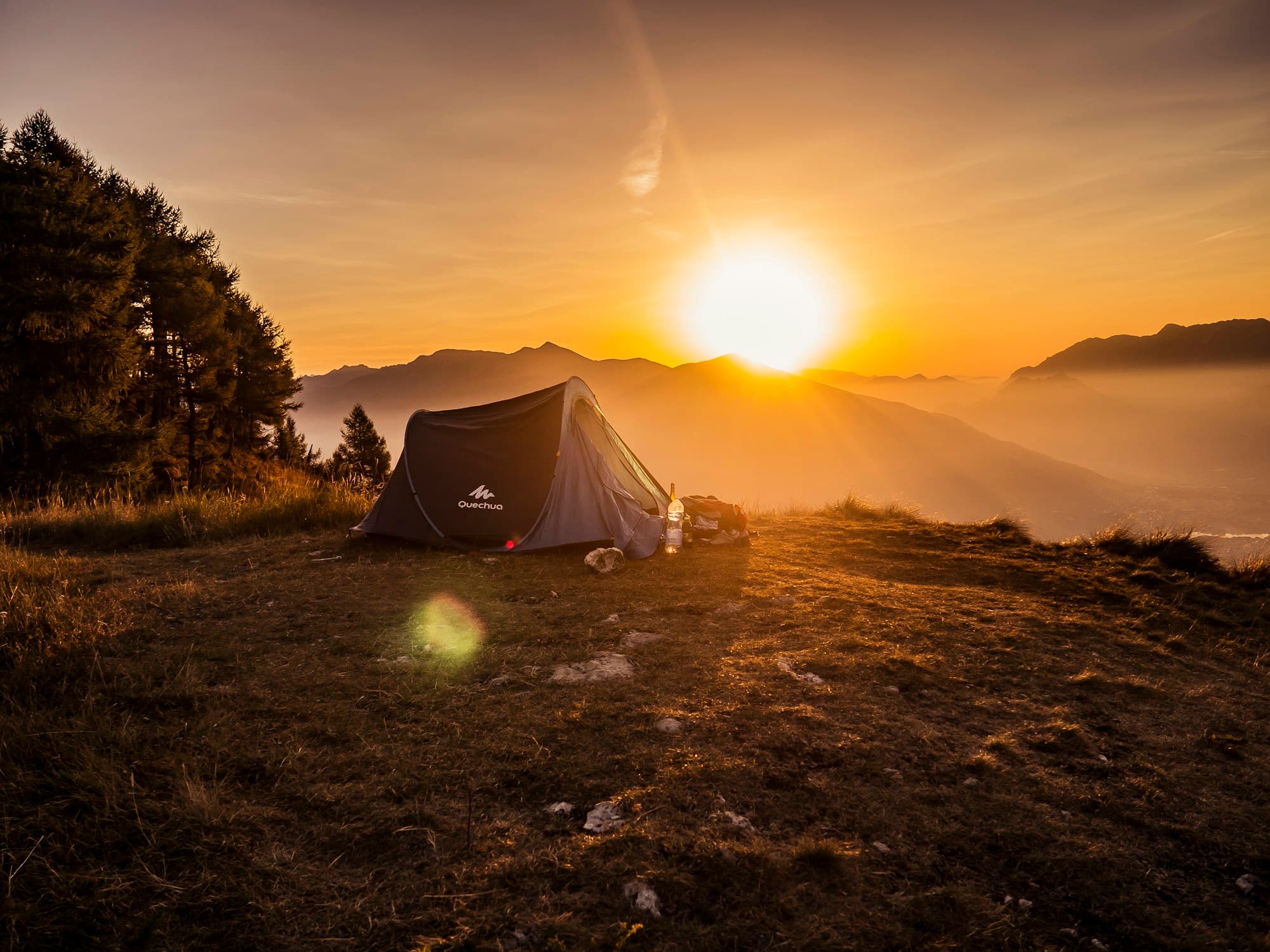
A private mobile safari is the original way to travel in northern Botswana: your guide drives you through Moremi, Khwai and Savuti while a small crew goes ahead to pitch camp at pre-booked public campsites. At this level the tents are walk-in domes with camp beds, bucket showers and toilet tents are shared, and dinner is cooked over the fire.

  • Walk-in dome tents with camp beds and bedding
  • Shared bucket-shower and toilet tents
  • Fireside meals cooked by the camp crew
  • One private guide from start to finish

Ideal for: Adventurous travelers happy with simple comforts in return for being deep in the bush

Tented camp glowing at sunrise over golden hillsPremium

Moremi · Khwai · Savuti — moves with your route

En-Suite Mobile Camp

Seasonal mobile camp · Typically operates April–November

The same moving safari with more comfort: every walk-in tent has its own attached bucket shower and toilet, proper beds and a small veranda. The crew sets up ahead of you at each campsite, so after the afternoon drive you arrive to lanterns already lit, hot water for the shower and a table laid beside the fire.

  • Walk-in tents with en-suite bucket showers and toilets
  • Beds made up with linen and duvets
  • Camp crew and cook travelling ahead of you
  • Same private guide and vehicle throughout

Ideal for: Couples and families who want the freedom of a mobile safari with private bathrooms

Tented camp glowing at sunrise over golden hillsLuxury

Moremi · Khwai · Savuti — moves with your route

Luxury Private Mobile Camp

Seasonal mobile camp · Typically operates April–November

At the top end, a mobile camp becomes a private travelling lodge: spacious furnished tents with en-suite bathrooms, a dining and lounge tent, fine linen and a chef who cooks over the coals. One guide stays with you from Moremi to Savuti, and the camp is set up for your party alone, so the campsite, the pace and the dinner table are all your own.

  • Large furnished tents with en-suite facilities
  • Private dining and lounge tent
  • Chef-prepared meals by the fire
  • Exclusive to your party

Ideal for: Honeymooners and private groups who want wilderness camping without giving up comfort

Experiences

Experiences

Aerial view over the winding channels and islands of the Okavango Delta

On the water

Mokoro Excursions

Glide through the Okavango’s papyrus channels in a poled canoe, low enough to meet reed frogs and lily-trotters at eye level.

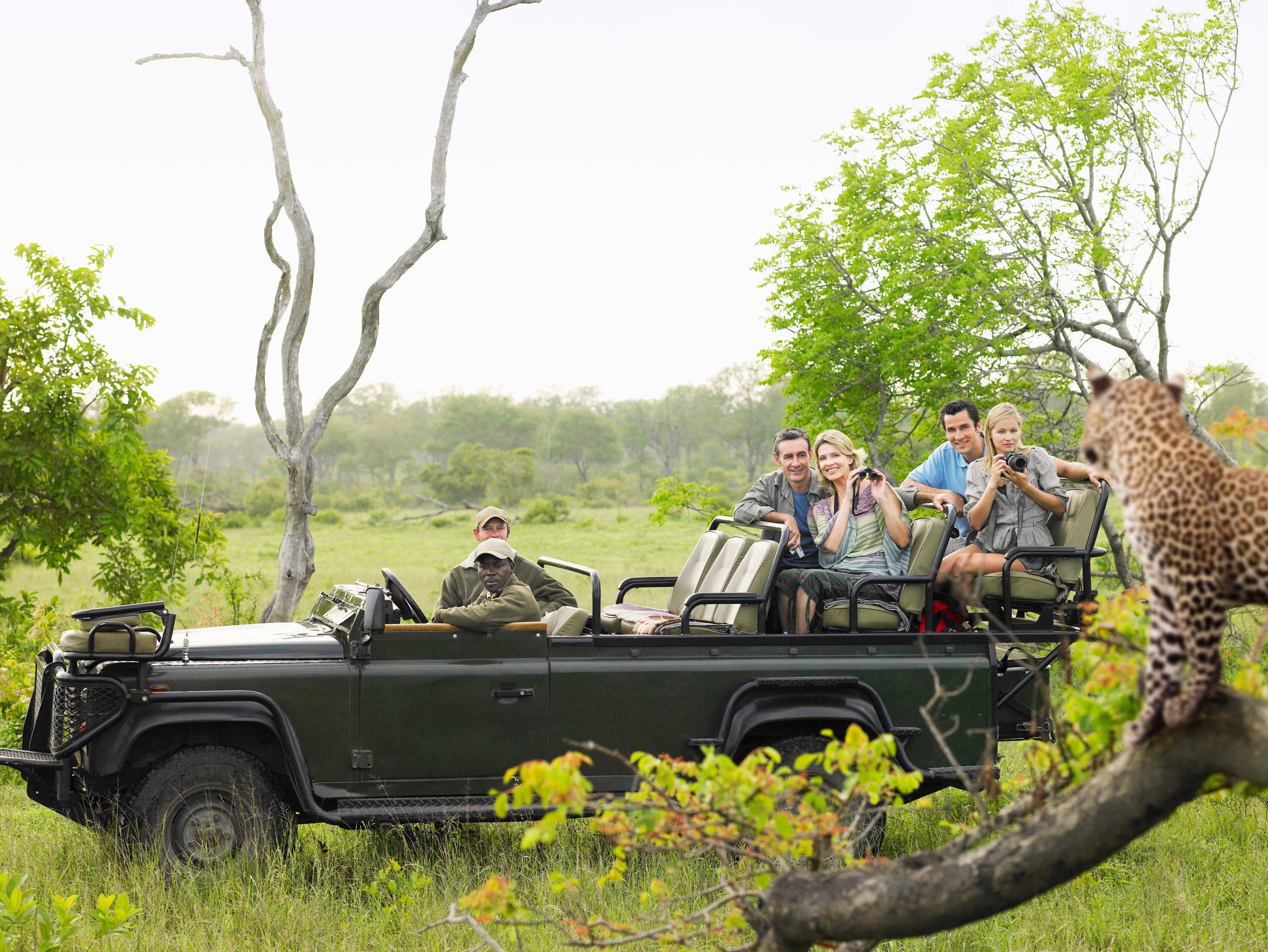
Safari guests in an open vehicle watching a leopard at close range on a private game drive

Photography

Photographic Safaris in Botswana

Private vehicles set up for cameras, low-angle boats on the Chobe, ground-level hides and concession rules that let you position for the light.

Safaris

Safaris That Go Here

A canvas safari tent set among trees at a private tented camp
10 daysOverland classic

Private Mobile Safari

Maun · Moremi Game Reserve · Khwai · Savuti · Chobe Riverfront · Kasane

Travelers who value wilderness and a guide’s company over lodge comforts, and don’t mind long, sandy drives

Best months
May–October, in the dry season
Comfort levels
Comfort · Premium · Luxury
Individually quoted
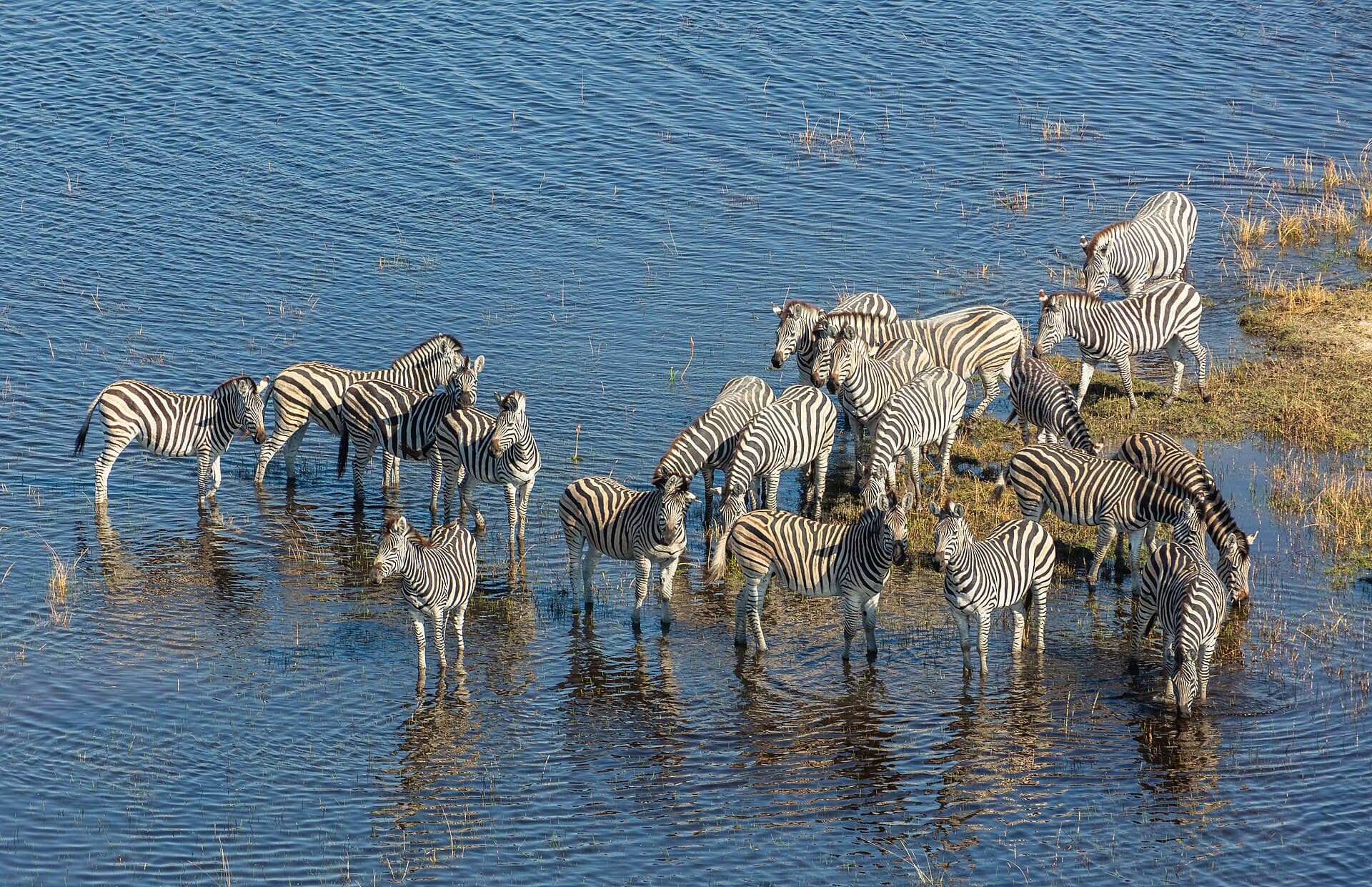
Zebra herd wading through shallow delta water
14 daysIn-depth

Grand Botswana

Maun · Okavango Delta · Moremi Game Reserve · Linyanti, Selinda & Kwando · Savuti · Chobe Riverfront · Kasane

Returning safari travelers, photographers and anyone with two weeks to see northern Botswana properly

Best months
May–October
Comfort levels
Luxury · Ultra-Luxury
Individually quoted

Good to know

Frequently asked questions

Is Moremi Game Reserve part of the Okavango Delta?

Yes. Moremi protects the eastern side of the Delta, including Chief’s Island and the Moremi Tongue, and holds about 40% of the Delta’s UNESCO World Heritage property. The rest of the Delta is mostly private and community concessions, which is why camps outside the reserve can offer activities that Moremi’s rules do not allow.

Can you camp in Moremi Game Reserve?

Yes, at four public camping areas: South Gate, Third Bridge, Xakanaxa and North Gate. Sites must be booked in advance, they are unfenced, and animals walk through camp at night. On a private mobile safari the outfitter reserves the sites, pitches the tents and cooks, so you simply arrive.

How do park fees work in Moremi?

The Department of Wildlife and National Parks charges a daily entry fee per person, tiered by residency, plus a daily vehicle fee and, if you camp, a campsite fee. Lodges on private leases usually include these in their rates, while mobile safaris either list them separately or build them in. Fees are reviewed from time to time, so current amounts are confirmed when you book.

Are there rhinos in Moremi?

Black and white rhino have been reintroduced, which is why Moremi is described as a Big Five destination. Their numbers and whereabouts are deliberately not publicised for their protection, and sightings are uncommon. Treat a rhino as a rare bonus rather than a reason to choose the reserve.

Can you visit Moremi in the rainy season?

Yes, and the green months from December to March bring newborn antelope, migrant birds and very few vehicles. Some tracks become muddy or flooded and game spreads away from the rivers, so drives are slower and less predictable. Most mobile safaris pause in the peak rains, so a lodge stay is the more practical option then.

Wetland channels of Moremi Game Reserve

Tell Us Your Month

Share when you can travel, who is coming and what you most hope to see in Botswana. A specialist will shape a private route around it and walk you through every choice before anything is booked.

Plan my safari here