Botswana Travel Guide

Is Botswana Safe? An Honest Guide for Safari Travelers

Botswana is one of Africa’s most settled safari countries. Here is where the real risks lie, and the simple habits that manage them.

The short answer

Is Botswana safe? For most safari travelers, yes, and a well-planned trip keeps you away from the places where problems usually happen. The UK government notes that attacks on tourists are rare, while violent crime has been rising in the larger towns, particularly Gaborone, Francistown and Maun. A typical safari spends a night in Maun or Kasane at most, then moves into remote camps by guided transfer or light aircraft.

The risks worth thinking about differ from those at home: wild animals walking through unfenced camps, long roads with livestock and elephants after dark, and the opportunistic crime of any town. None is a reason to stay away. Each is a reason to follow a few habits, which this guide sets out.

At the time of writing (September 2026), check the current advice before you book and again before you fly. Historically, the US State Department has placed Botswana at Level 1, its lowest advisory level (“exercise normal precautions”); levels can change, so confirm the current one on travel.state.gov.

Where the Risks Actually Are

Towns

In Gaborone, Francistown and Maun, the UK government reports hold-ups at restaurants and thieves targeting cars stopped at traffic lights. Keep valuables out of sight, use licensed taxis (blue number plates) and avoid walking at night.

Riverfront lodges near Chobe

There have been isolated room break-ins and thefts at river-facing lodges in the Chobe area. Use the room safe, lock doors and windows when you go out, and never leave cameras on a balcony or deck.

Remote camps

Crime is rarely the concern in the bush; wildlife is. Camps are unfenced by design, and the rules in the next section keep you safe.

Roads

Livestock, donkeys and elephants wander onto unlit roads, and potholes and deep sand add to the risk. Driving after dark is best avoided entirely.

Wildlife Safety in Unfenced Camps

Most Botswana camps sit in open wilderness, and elephants, hippos and predators move through them, especially at night. Your camp briefs you on arrival; these are the rules that matter most.

  • After dark, never walk alone between your tent and the main area; call or signal for an escort, however short the distance.
  • Stay on the marked paths, and look around before stepping out of your tent, even in daylight.
  • Keep tent zips fully closed and never keep food, snacks or sweets inside, which attract baboons and monkeys.
  • Never swim in rivers, lagoons or floodplain channels, whatever the temperature.
  • On game drives, stay seated with arms inside the vehicle, and only stand or step out when your guide says it is safe.
  • On foot, stay behind your guide in single file and never run; our walking safari page explains how guided walks are run.
  • Keep young children within arm’s reach around camp, and check each camp’s age policy before booking.

Roads, Floods and Getting Around

For visitors, the roads often carry more risk than the wildlife. Livestock and wild animals wander onto roads at night, distances between towns are long, and deep sand on safari tracks demands experience. Flying between camps, or using guided road transfers in daylight, removes most of that risk, which is one reason we plan journeys the way we do.

In the rainy season, roughly November to March, the UK government warns that flash floods can make roads unsafe and close border crossings at short notice. Guides and pilots watch conditions and adjust plans; if you are thinking about a road trip, a guided journey such as the 10-day Moremi to Chobe mobile safari gives you the adventure without the navigation.

Solo Women and LGBTQ+ Travelers

On safari itself, solo women generally find camps easy places to be: small, well staffed and sociable. The UK government notes a high rate of sexual assault in Botswana, while adding that visitors are unlikely to be targeted; the sensible precautions are to avoid walking alone at night in towns and to use licensed transport.

Same-sex activity is legal in Botswana, but the UK government notes that attitudes can be less tolerant than in many US or European cities, so many couples keep public displays of affection low-key in towns. Safari camps host guests from all over the world and are generally welcoming; tell us if you would like our input on camps that suit you.

Photography and Everyday Etiquette

  • Do not photograph military sites, police, government buildings or security installations.
  • Ask before photographing people, in villages, markets and towns alike.
  • Keep copies of your passport and insurance details apart from the originals, and saved offline on your phone.
  • Carry small amounts of cash in towns and leave the rest, with passports, in the lodge safe.

Emergency Numbers in Botswana

ServiceNumber
Ambulance997
Police999
Fire998

In a remote camp, tell the camp manager first: they can reach emergency services and arrange air evacuation with your insurer faster than you can alone.

Safaris

Recommended safaris

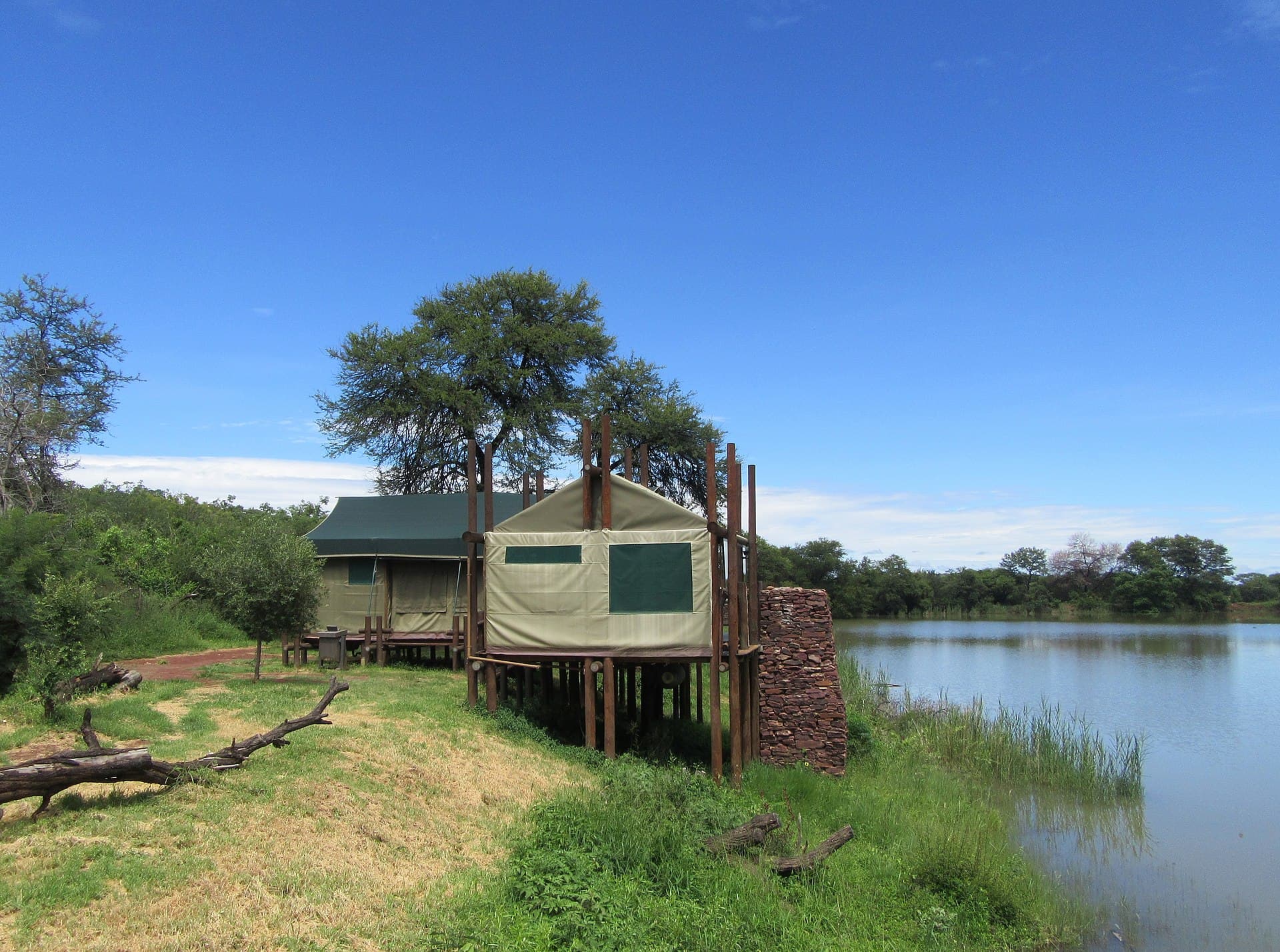
A canvas safari tent set among trees at a private tented camp
10 daysOverland classic

Private Mobile Safari

Maun · Moremi Game Reserve · Khwai · Savuti · Chobe Riverfront · Kasane

Travelers who value wilderness and a guide’s company over lodge comforts, and don’t mind long, sandy drives

Best months
May–October, in the dry season
Comfort levels
Comfort · Premium · Luxury
Individually quoted
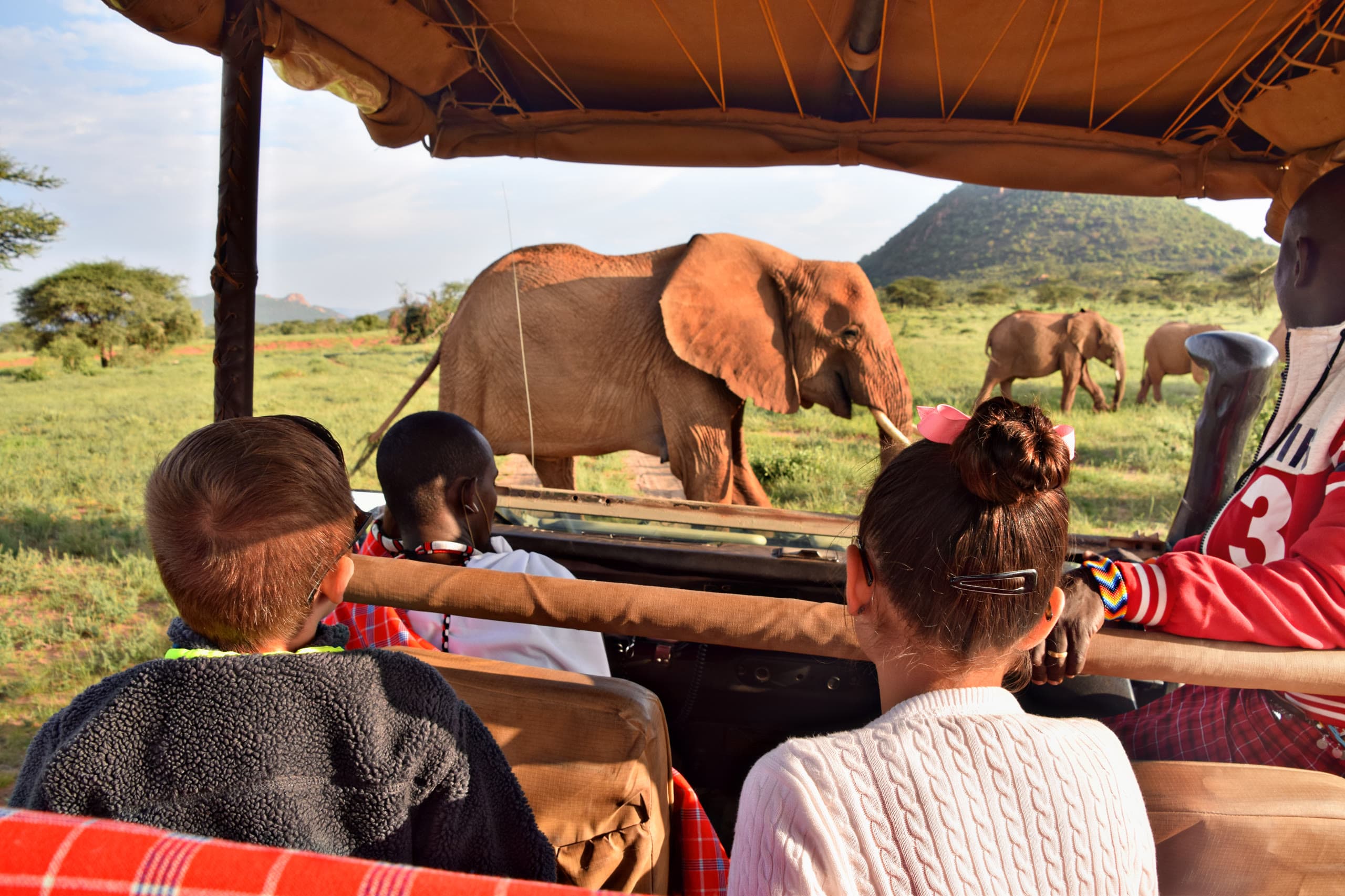
Safari guests watching a herd of elephants from an open vehicle on a family game drive
9 daysFamilies with teens

Botswana Family Adventure

Kasane · Chobe Riverfront · Okavango Delta · Makgadikgadi Pans · Maun

Families with children roughly 12 and older who want variety, activity and a little adrenaline

Best months
April–October (book school-holiday dates early)
Comfort levels
Comfort · Premium · Luxury
Individually quoted
Experiences

Related experiences

On foot

Walking Safaris in Botswana

Follow a qualified walking guide across Delta islands, Linyanti floodplains or Kalahari sand, and read the bush from ground level.

Good to know

Frequently asked questions

Is Botswana safe for American tourists?

For most travelers, yes. Attacks on tourists are rare, and safaris spend most of their time in remote camps away from the towns where crime is concentrated. Check the State Department’s current advisory before you book and again before you travel.

Is it safe to stay in unfenced camps in Botswana?

Yes, provided you follow the camp rules: an escort after dark, closed tents, no food in your room and no swimming in natural water. Staff brief every guest on arrival, and following their instructions is what keeps encounters with wildlife safe.

Is Botswana safe for solo female travelers?

Generally, yes, especially on a guided safari where transfers, meals and activities are organized for you. In towns, avoid walking alone at night and use licensed taxis, which have blue number plates.

Is Botswana safe for LGBTQ+ travelers?

Same-sex activity is legal in Botswana, and safari camps are used to welcoming international guests. Public attitudes are more conservative in places, so many couples choose discretion in towns.

Is it safe to drive yourself around Botswana?

Experienced 4x4 drivers do it, but it demands skill in deep sand, careful planning for fuel and water, and no driving after dark because of animals on the roads. For most visitors, a guided mobile safari or a fly-in trip is both safer and more relaxing.

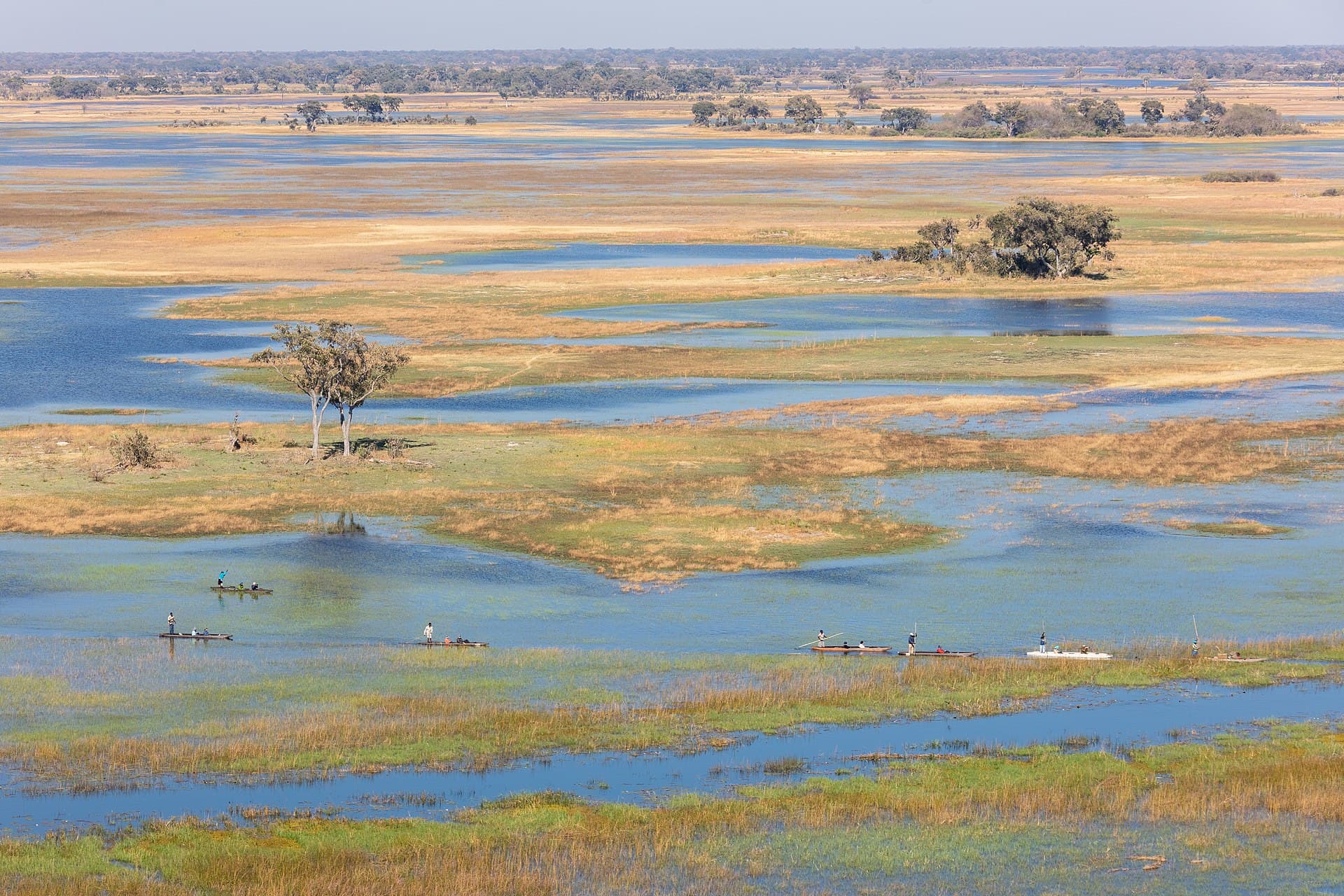
Wetland channels of Moremi Game Reserve

Tell Us Your Month

Share when you can travel, who is coming and what you most hope to see in Botswana. A specialist will shape a private route around it and walk you through every choice before anything is booked.

Plan My Botswana Safari