On horseback

Horseback Safaris in Kenya

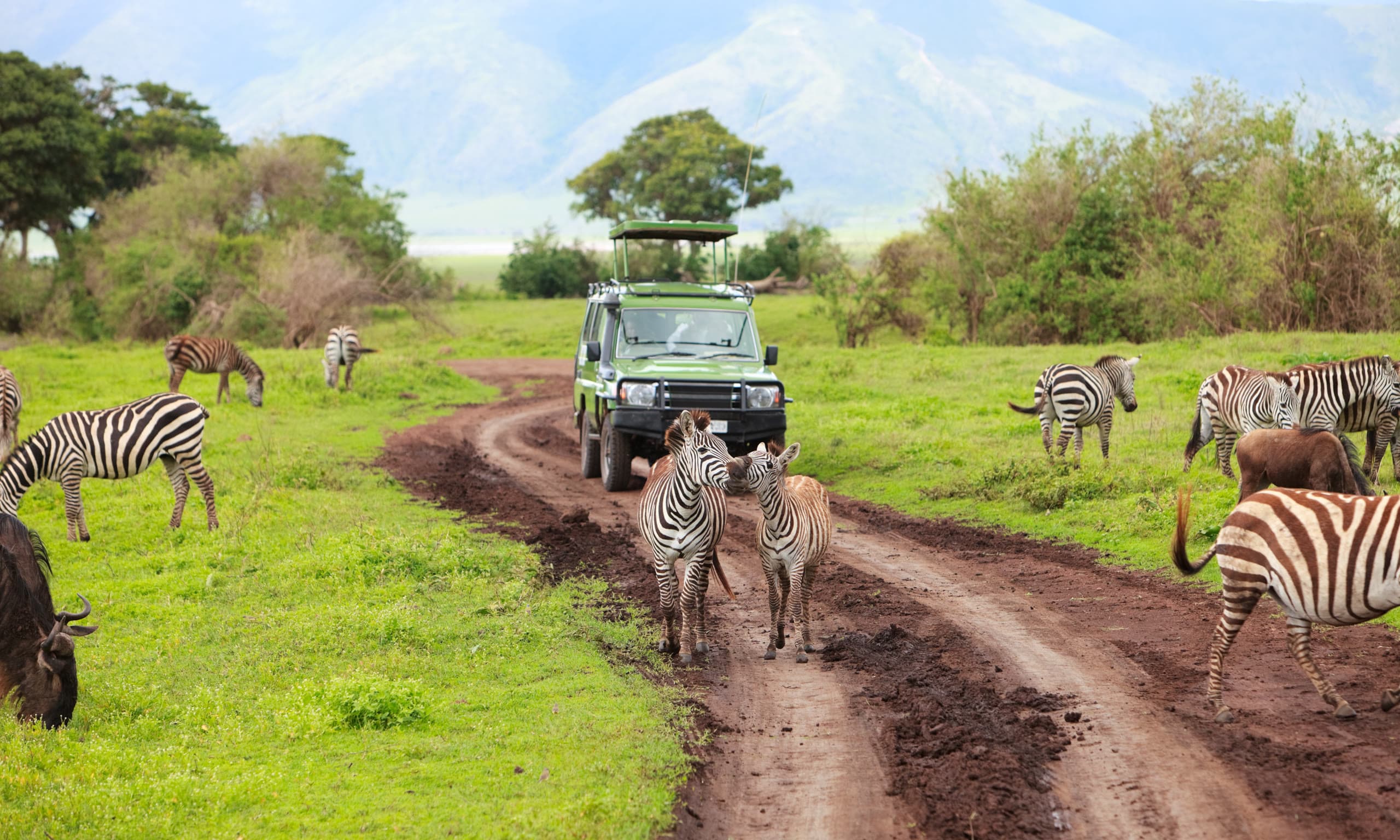
In the saddle, plains game treats you as one more animal on the grass. Zebra keep grazing, giraffe watch without alarm, and all you hear is hooves, leather and wind.

SeasonMost of the year; the dry months (June–October and January–February) give the best going underfoot, and many riding outfits pause in the April–May long rains.
DurationFrom a 1–2-hour ride at camp to multi-day riding safaris with about 4–7 hours in the saddle each day
WhereChyulu Hills · Laikipia ranches and conservancies · Mara North and Olerai · Lake Naivasha
Best forConfident riders who can control a horse at every pace · Couples or families where some ride and some don’t · Repeat safari travelers wanting a new way to meet wildlife · Novices happy with a walk-and-trot outing

A horseback safari in Kenya brings you closer to plains game than a vehicle or a walk can, because a horse doesn’t register as a threat to zebra, wildebeest or giraffe. Kenya has some of Africa’s most established riding country: the volcanic Chyulu Hills with Kilimanjaro on the horizon, the ranches of the Laikipia plateau, and the conservancies north of the Masai Mara, where herds pour through in the migration months.

There are really two products, and choosing honestly matters. A ride on safari is a one- or two-hour outing from a camp that keeps horses, often open to beginners at a walk. A riding safari is the trip itself, with several hours in the saddle each day, and it expects confident riders. Our walking and horseback itinerary pairs the Chyulu Hills with Laikipia for riders who want both.

Horseback Safaris in Kenya

How It Works

  1. We start with detailed questions about your riding: how often, which disciplines, and whether you are comfortable cantering and galloping in open country.

  2. We match your answers to the right setting, from a gentle ride at a camp that keeps horses to a multi-day safari with an experienced riding outfit.

  3. On arrival, the lead rider watches you on a short first ride before anyone heads out among wildlife.

  4. Rides go out in small groups behind a lead guide who reads animal behavior and chooses the approach, usually slowing to a walk near game.

  5. On multi-day safaris you ride through the cool of the morning, rest through the midday heat and ride again in the late afternoon.

Horseback Safaris in Kenya

Where You Can Do It

Chyulu Hills
Rolling green hills and lava fields facing Kilimanjaro; full rides here are aimed at confident intermediate-to-experienced riders, with gentler outings for beginners.
Laikipia ranches and conservancies
Several ranches keep sizeable stables of their own, and multi-day rides across the plateau commonly spend about 4–7 hours a day in the saddle.
Mara North and Olerai
Established riding outfits run multi-day safaris in Mara North, and the small neighboring Olerai conservancy offers riding too; July–October can put you among migrating herds.
Lake Naivasha
Farm and sanctuary rides among zebra, giraffe and antelope, in country where large predators are scarce; a relaxed choice for novices within easy reach of Nairobi.

Good to know

  • Serious riding safaris expect you to rise to the trot and hold a controlled canter and gallop with an independent seat; being able to move away quickly is a safety requirement, not a flourish.
  • Rider weight limits are common, often about 90–95 kg at the time of writing, and multi-day departures often set a minimum age of about 14, with assessments for younger teens. We confirm each outfit’s current rules.
  • Check that your travel insurance covers horse riding, including evacuation, because many standard policies exclude it or cap it.
  • Helmets are standard and usually provided, though many riders bring their own, along with half chaps and gloves.
  • Elephants, buffalo and big cats are given a wide berth; the lead guide decides when to approach and when to move off, and that call is final.

Safaris

Safaris Featuring This Experience

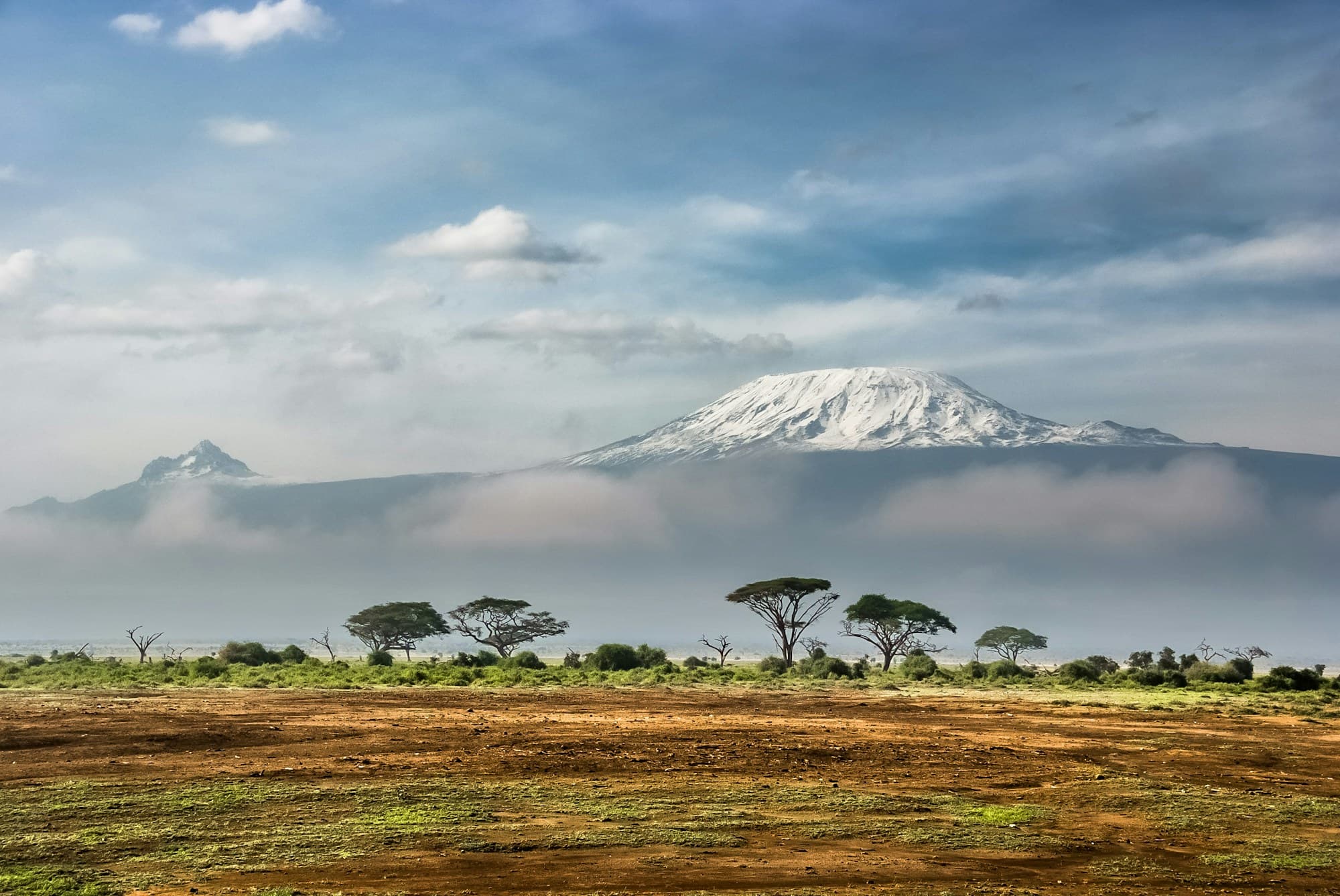
Snow-capped Kilimanjaro rising above the Amboseli savanna dotted with acacias
9 daysActive

Walking & Riding Kenya

Nairobi · Chyulu Hills · Laikipia

Confident riders and fit walkers who want to spend most of each day out of the vehicle

Best months
June–October and December–February
Comfort levels
Luxury · Ultra-Luxury
Individually quoted
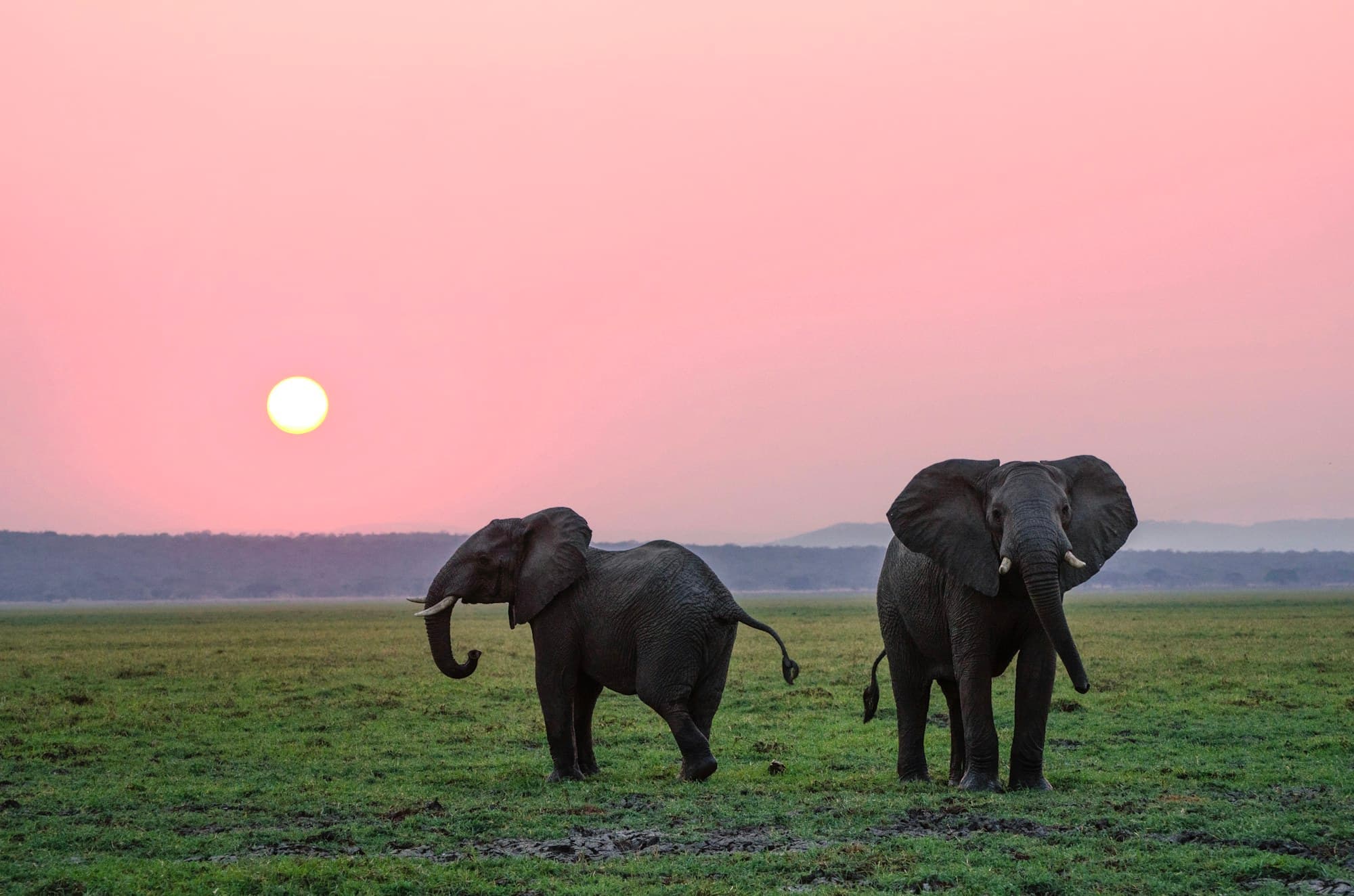
Two elephants together beneath a soft pink dusk sky
12 daysCouples

Kenya Honeymoon

Nairobi · Laikipia · Mara Conservancies · Diani Beach

Newlyweds who want privacy, a few genuinely special moments and a beach, without road days

Best months
July–October and December–February
Comfort levels
Premium · Luxury · Ultra-Luxury
Individually quoted
Good to know

Frequently asked questions

Do I need riding experience for a horseback safari in Kenya?

For a short ride at camp, no: several places take complete beginners at a walk. For a multi-day riding safari, yes, you need to trot, canter and gallop in control over rough ground. Be candid when we ask about your riding, because it decides which outfits are safe for you.

Is there a weight limit for horse riding safaris in Kenya?

Most outfits set one to protect their horses, often about 90–95 kg at the time of writing, and some weigh riders before the first ride. Limits vary by outfit and by horse, so tell us early if you are close to the line.

Is it safe to ride among wild animals?

Plains game generally tolerates horses well, and lead guides are trained to read animals and keep a safe distance from elephants, buffalo and cats. The main risks are falls and a startled horse, which is why the ability requirements exist and why insurance that covers riding matters.

Can non-riders join a horseback safari?

Often, yes. Many riding bases also offer game drives and walks, so a non-riding partner or child can do their own activities and meet you at meals. On point-to-point riding safaris, non-riders sometimes follow by vehicle, but check with us first.

Experiences

Related experiences

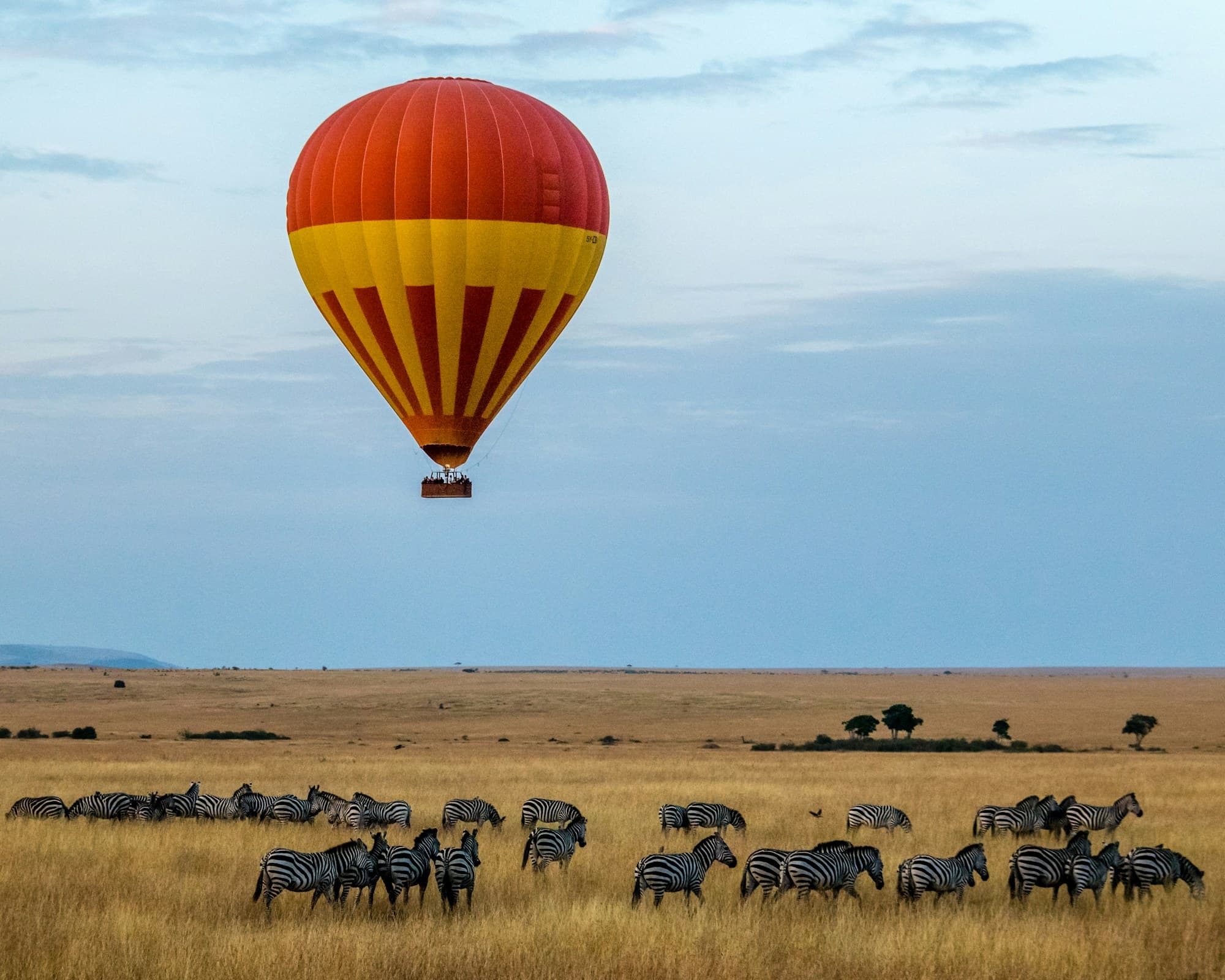
Aerial view over savanna herds from a hot-air balloon at first light

In the air

Masai Mara Hot-Air Balloon Safari

Lift off over the Mara at sunrise, drift for about an hour above the river and the plains, then land for a champagne breakfast in the grass.

On foot

Walking Safaris in Kenya

Walk the conservancies and northern ranches with Maasai or Samburu guides and an armed ranger, from dawn rambles to rhino tracking and camel-supported treks.

Men and women in traditional beaded dress dancing together during a community cultural visit

Culture

Maasai & Samburu Cultural Visits

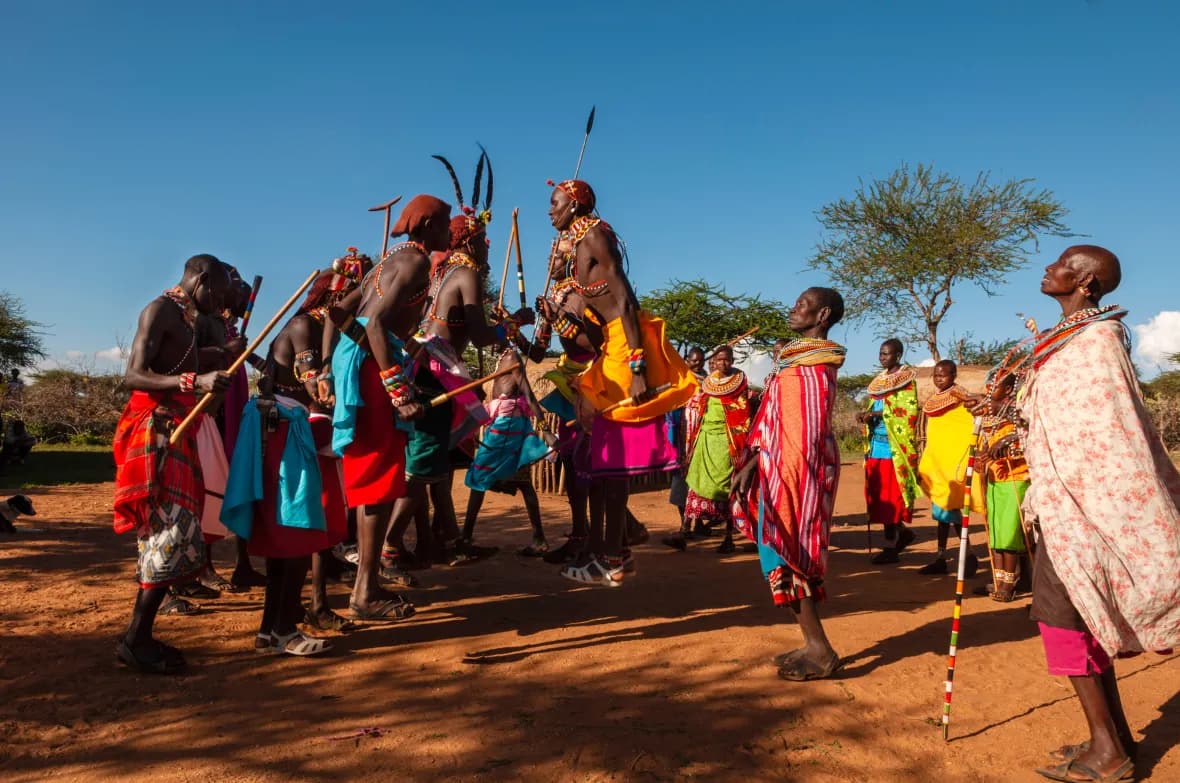
Meet Maasai and Samburu families on visits their own communities arrange, where conversation comes first and you know exactly where the fee goes.

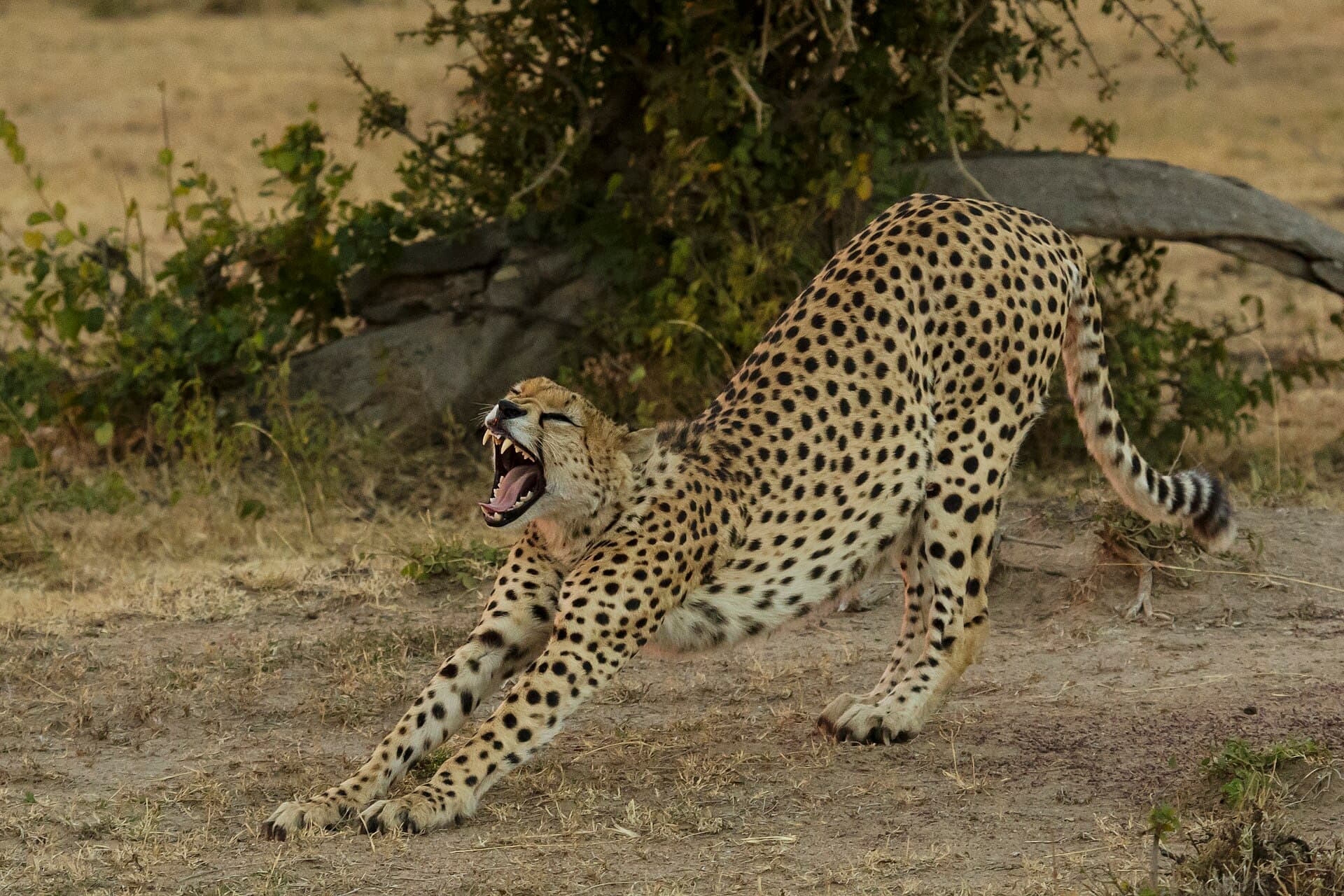
A cheetah scanning the plains in the Masai Mara

Start With Your Dates

Tell us when you can travel, who is coming and what you most want from Kenya. A safari specialist will design a private route around you, and nothing is booked until you approve it.

Plan My Kenya Safari