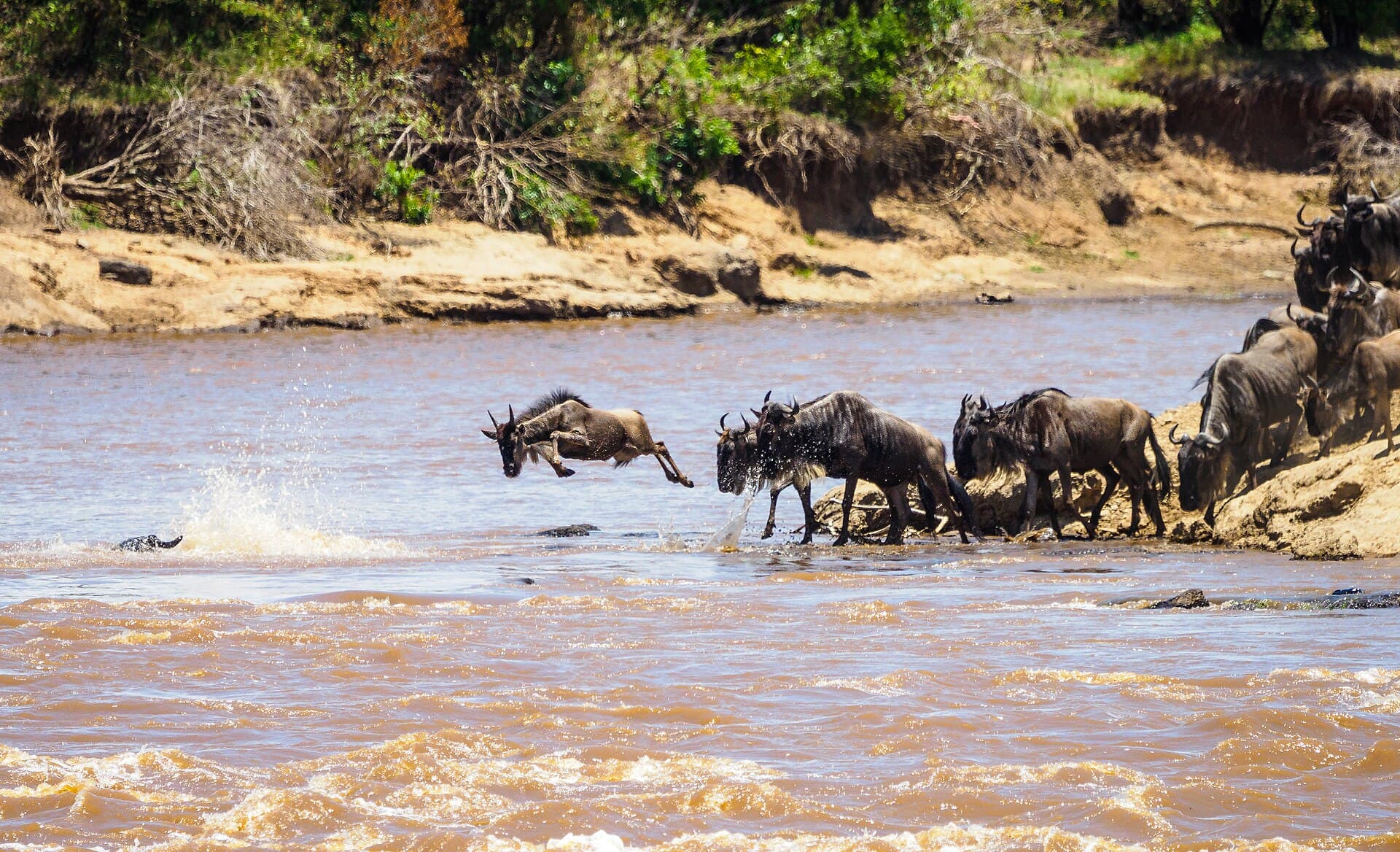
Wildebeest leaping into the Mara River during the Great Migration crossing

Private safari

8-Day Masai Mara Great Migration Private Safari

8 daysPrivate safariKenyaIndividually quoted

Three nights of walks and uncrowded sightings among the herds, then three dawn-to-dusk days on the river, where patience counts for more than luck.

Customize This Journey
Duration8 days · 7 nights
Best monthsJuly–October, the Mara’s migration months
Comfort levelsPremium · Luxury · Ultra-Luxury
RouteNairobi · Mara Conservancies · Masai Mara Reserve
Best forMigration-focused travelers and photographers with July–October dates and realistic expectations
Trip typePrivate safari

This Masai Mara migration safari itinerary is designed around one short, intense season. From around late July, the wildebeest and zebra that spend most of the year in Tanzania’s Serengeti push north into Kenya, and for the next few months the Mara River becomes the stage for the crossings photographers travel across the world to see. Our Mara migration guide explains the month-by-month pattern; this page is the plan for being in the right place when it happens.

The seven nights are split between two bases on purpose. Three nights in a private conservancy bring uncrowded sightings, walks and night drives, often with the herds grazing around camp. Three nights close to the river then put you within reach of the crossing points at first light, with packed meals and the freedom to wait. A crossing is a wild event, so nothing here promises one, but time and position are the two things good planning can give you.

Why this route works

Starting in the conservancy is deliberate: quieter, closer viewing lets you tune in to the Mara before the more competitive river days, and in July and August the northern conservancies often hold large herds of their own. The move on day 5 is a game drive, not a flight, following the grazing herds south into the national reserve. Three river nights matter because crossings are unpredictable; a herd can mass on the bank for hours and then turn away, and each extra day at the water adds another set of chances. Ending at the river also means your highest-stakes days come when you know the landscape best. In August, the busiest month, we sometimes reverse the order to match camp availability.

Itinerary

Day by Day

A suggested flow — every day can be reshaped around you.

  1. Day 1 · Nairobi

    Nairobi, a Night Before the Herds

    Drive · Jomo Kenyatta International Airport (JKIA)Karen, Nairobi · about 1 hour, longer at rush hour

    Your driver meets you at Jomo Kenyatta International Airport and takes you across the city to a quiet villa or manor-house hotel in Karen, where tall trees and wide lawns replace the traffic. The Nairobi night is not wasted time: August is the busiest month for Mara flights, and a rested start is better than chasing a light aircraft after a long-haul journey. If you land early, the Sheldrick Wildlife Trust’s elephant nursery opens to visitors for one hour from 11:00, by advance booking, and the orphans’ mud bath makes a joyful first sight of Kenya’s wildlife.

    • Meet-and-greet at JKIA
    • Optional visit to the elephant nursery’s public hour
    • Dinner and safari briefing in Karen
    Overnight
    Nairobi (Karen)
    Meals
    Dinner
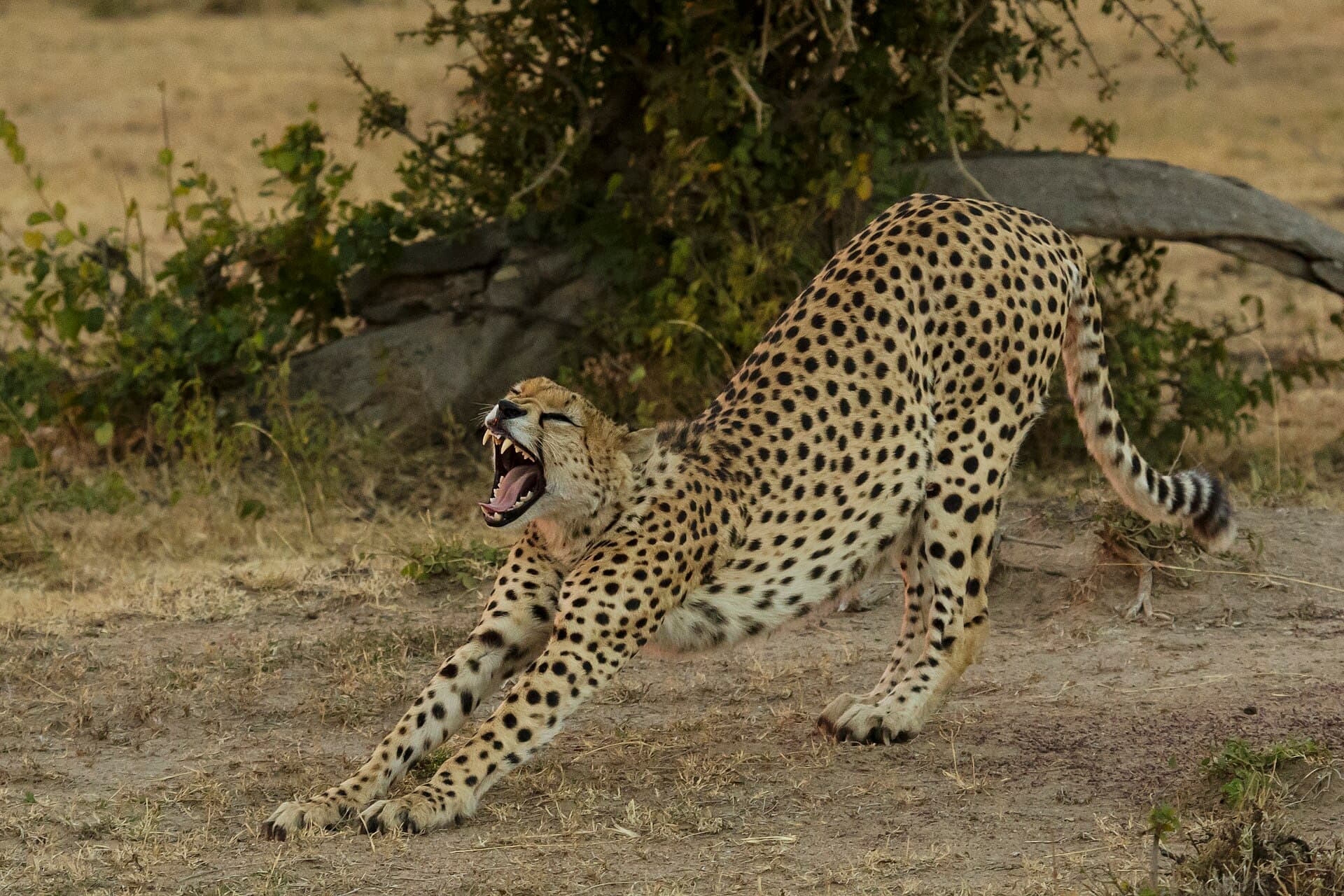
  2. A cheetah scanning the plains in the Masai Mara

    Day 2 · Mara Conservancies

    Into the Conservancy

    Flight · Wilson Airport, NairobiConservancy airstrip, Masai Mara · about 45 minutes–1 hourScheduled flights may land at one or two other airstrips on the way.

    A short drive brings you to Wilson Airport for a flight of 45 minutes to an hour west across the Rift Valley. From July, the view from the window may already show dark lines of wildebeest threading across the grass. Your guide meets you at the conservancy airstrip, and the afternoon drive is about orientation: where the resident prides are hunting, which way the herds are drifting and where the light falls best at sunset. Dinner is at camp, with the grunting of wildebeest carrying through the canvas long after dark.

    • Light-aircraft flight to the Mara
    • Afternoon orientation drive
    • Sundowners overlooking the plains
    Overnight
    Masai Mara conservancy
    Meals
    Breakfast, lunch & dinner
  3. Day 3–4 · Mara Conservancies

    Conservancy Days Among the Herds

    In the migration months the northern conservancies often fill with grazing wildebeest and zebra, and the predators follow them. Because vehicle numbers at each sighting are capped, you can sit with a lion kill or a cheetah and her cubs without a crowd building around you. One morning, walk with a Maasai guide and ranger along a dry riverbed, learning the grasses the herds are chasing and the tracks they leave. One evening, go out after dinner in search of hunting hyena and the smaller cats. Meanwhile your guide keeps an ear on the radio for news from the river.

    • Morning and afternoon game drives
    • Guided walk with a Maasai guide and ranger
    • Night drive by spotlight
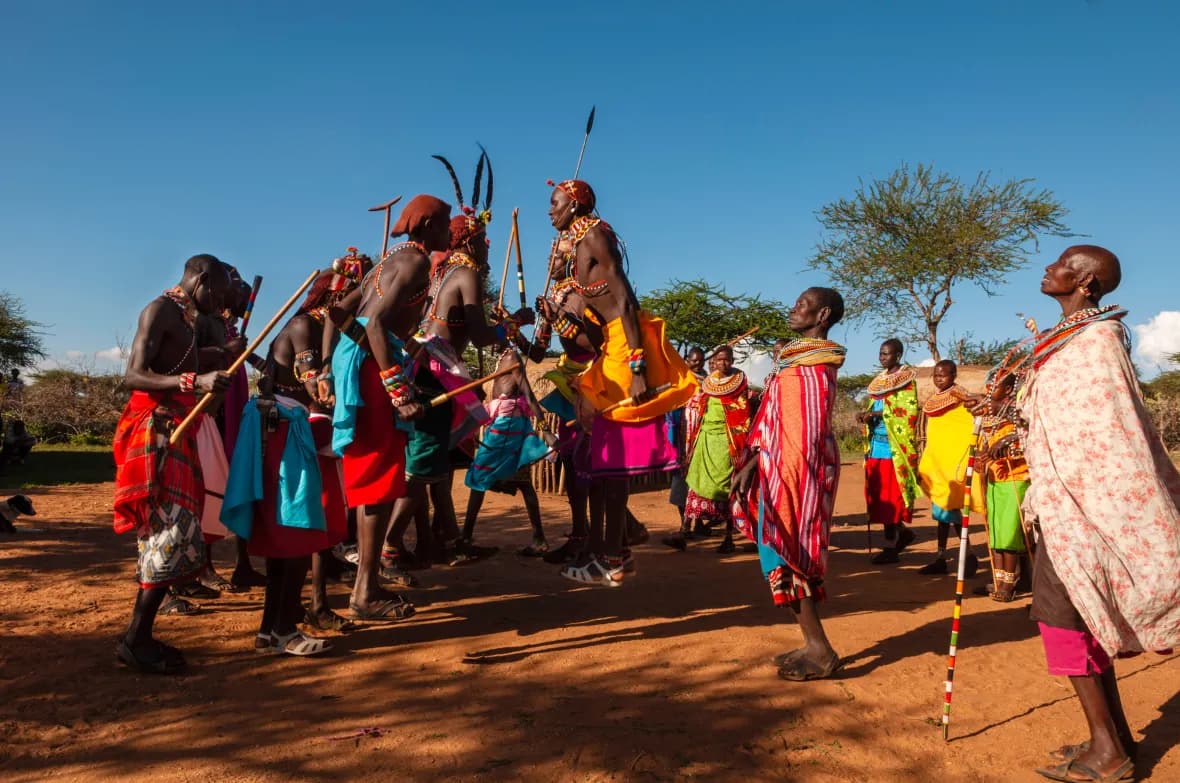
    • Optional community visit arranged through the conservancy
    Overnight
    Masai Mara conservancy
    Meals
    Breakfast, lunch & dinner
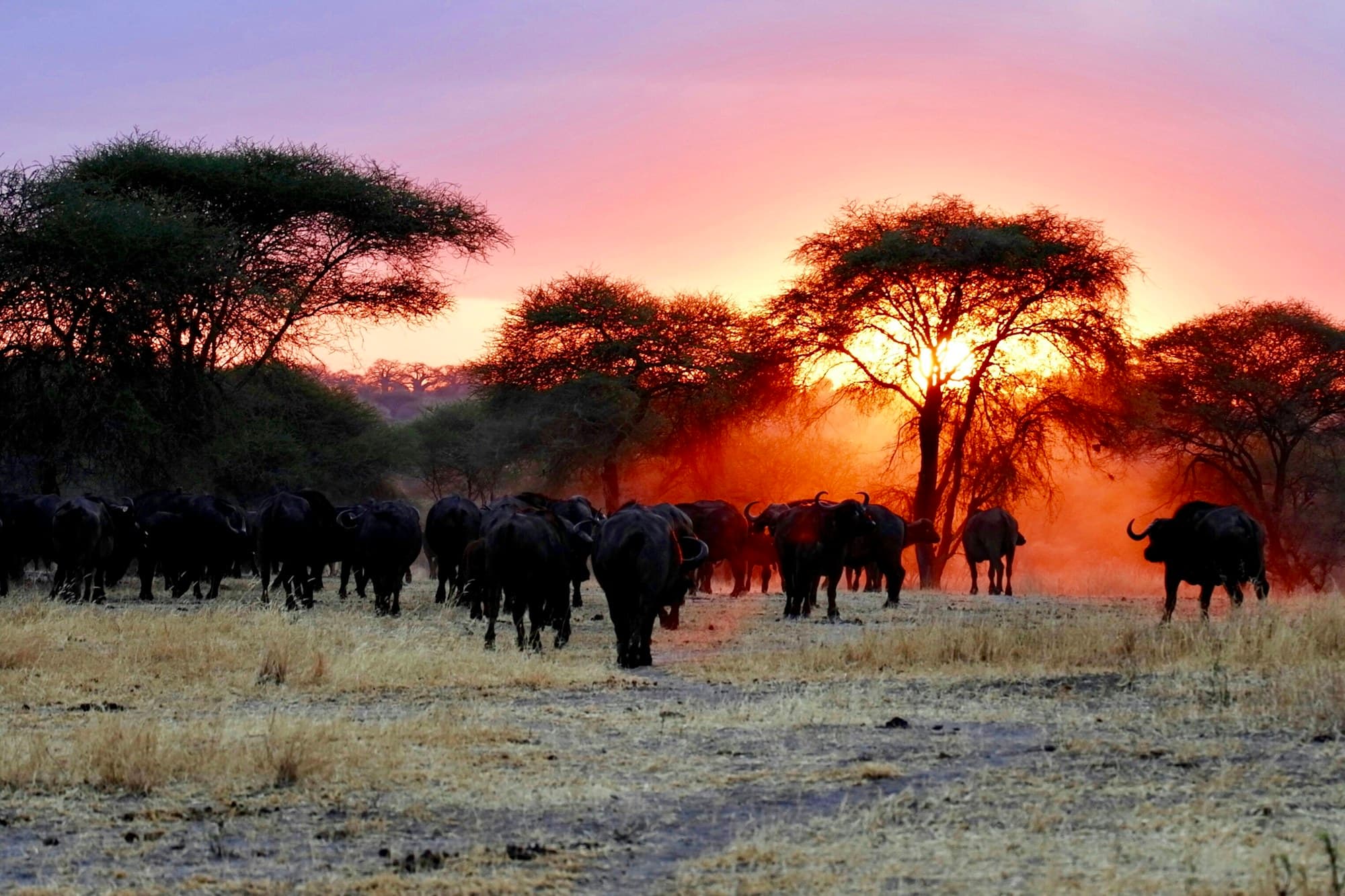
  4. Herds moving through golden dust at a fiery Masai Mara sunset

    Day 5 · Masai Mara Reserve

    Following the Herds to the River

    Drive · Masai Mara conservancyMara River area, national reserve · about 2–4 hours with game viewingThe exact route depends on which side of the river your second camp stands.

    After breakfast you pack up and drive south into the Masai Mara National Reserve, turning the transfer into a long game drive across open plains dotted with grazing herds, perhaps by way of the Musiara marsh. The rules change here: vehicles stay on the tracks, there is no walking and drives end at dusk. By early afternoon you reach your second camp, close enough to the river to be at the crossing points early. On the evening drive your guide checks where the wildebeest are gathering and which banks look likely, reading the river the way a sailor reads the weather.

    • Game-drive transfer into the national reserve
    • Picnic lunch en route
    • Evening drive to scout the crossing points
    Overnight
    Mara River, national reserve
    Meals
    Breakfast, lunch & dinner
  5. Day 6–7 · Masai Mara Reserve

    Waiting on the Mara River

    These two days belong to the herds. You leave at dawn with breakfast and lunch packed, find wildebeest building up on a bank, park well back from the edge and wait. Some mornings a crossing starts within minutes; on others the animals mill for hours and then turn away, and your guide moves on to lions or the river’s hippos rather than waste good light. When a crossing does happen it is loud, fast and chaotic, with crocodiles waiting and zebra often leading. Along the Mara Triangle’s bank, fewer vehicles and strictly enforced rules usually make viewing calmer.

    • Full days at the river with packed meals
    • Patient positioning at the crossing points
    • Afternoon drives for lion, cheetah and hippo
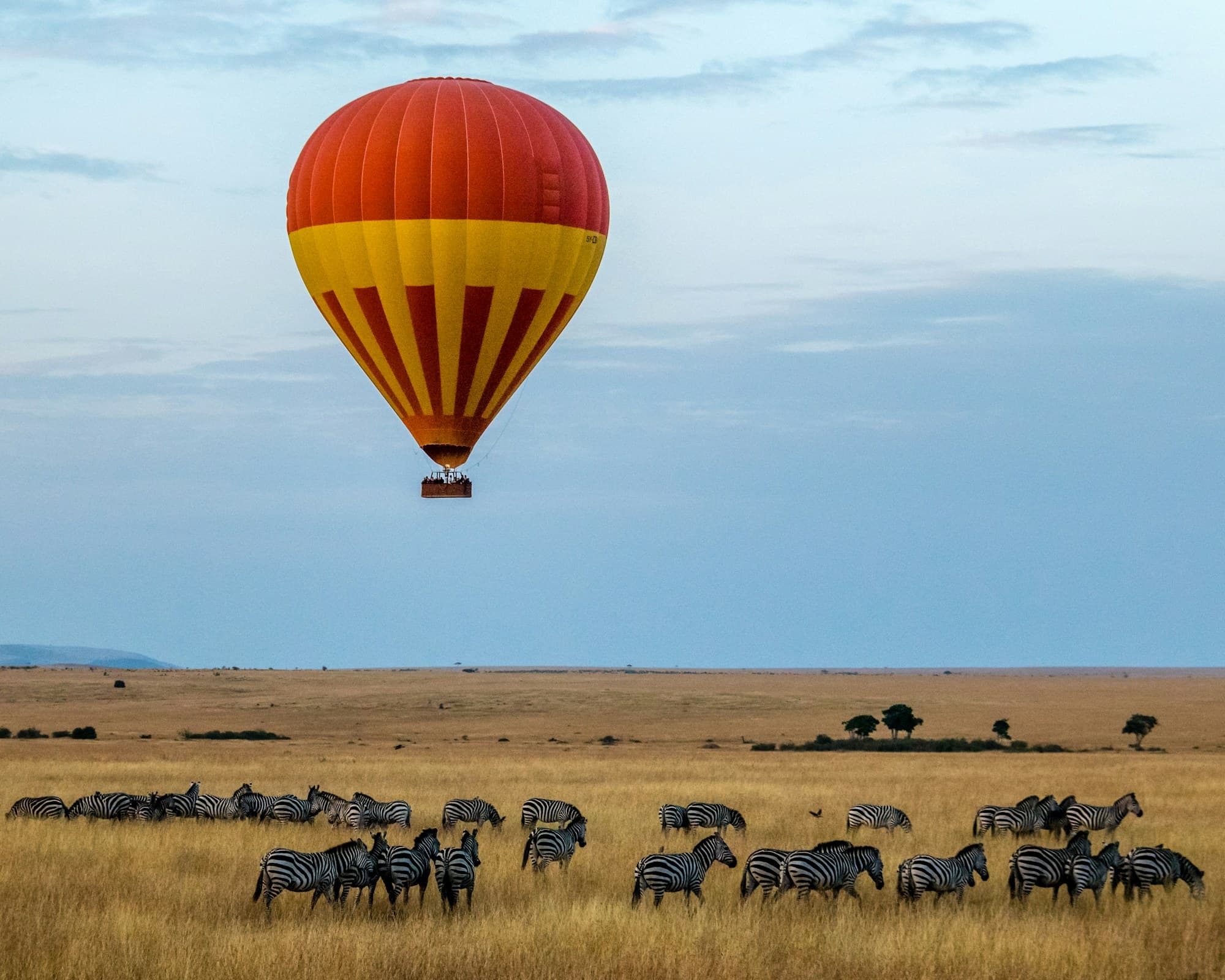
    • Optional dawn balloon flight
    Overnight
    Mara River, national reserve
    Meals
    Breakfast, lunch & dinner
  6. Day 8 · Masai Mara Reserve

    One Last Look Across the Plains

    Flight · Reserve airstrip, Masai MaraWilson Airport, Nairobi · about 45 minutes–1 hourAllow 30–60 minutes by road from Wilson to JKIA.

    Head out for a final short drive, perhaps back to the river or to a pride you have followed all week, before breakfast and the drive to the nearest reserve airstrip. The flight to Wilson takes 45 minutes to an hour and sometimes stops at another strip. In Nairobi, a driver takes you straight to JKIA for an evening departure, or to a day room first if your flight leaves late. If you are continuing to Tanzania, the route usually turns south here by air, through Nairobi and Kilimanjaro, as on our 13-day Tanzania and Kenya safari.

    • Short final game drive
    • Light-aircraft flight to Nairobi
    • Transfer to JKIA for your onward flight
    Meals
    Breakfast

Lodges

Where You’ll Stay

Choose a comfort level to see the stay style for each part of the journey. We match specific camps to your dates and availability.

Refined camps and lodges — often with plunge pools, fine dining and the very best positions.

  1. 1 night · Nairobi

    Luxury

    Nairobi · Karen & Langata

    Heritage Manor House

    Heritage hotel

    • Individually decorated rooms, many with fireplaces
    • Views toward the Ngong Hills from many
    • Fine dining and a wine list worth lingering over
  2. 3 nights · Masai Mara conservancy

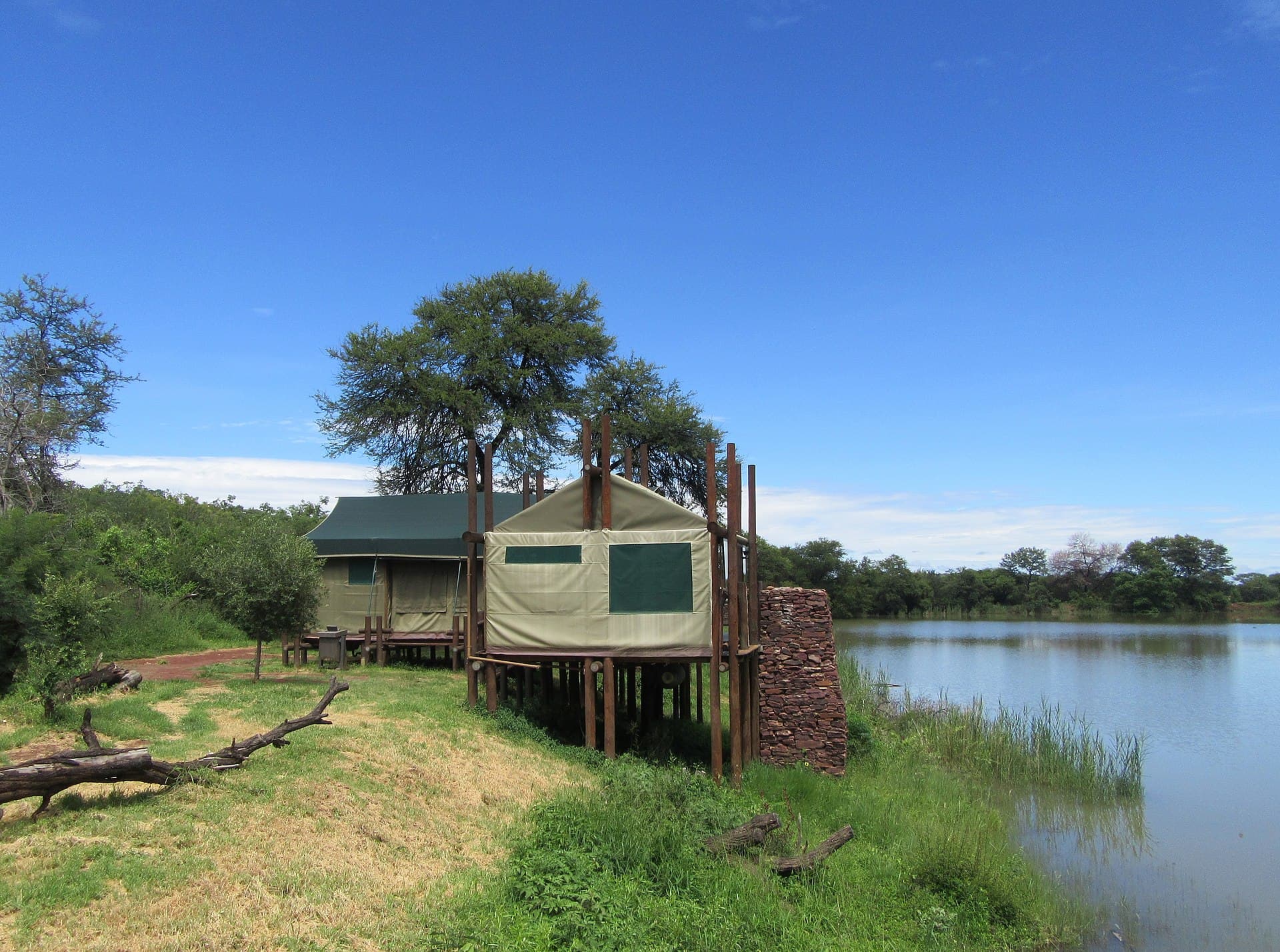
    A canvas safari tent set among trees at a private tented campLuxury

    Mara conservancies · Olare Motorogi & Mara North

    Luxury Conservancy Camp

    Tented camp

    • Spacious tents with private decks
    • Plunge pools at some
    • Private vehicles and highly experienced guides
  3. 3 nights · Mara River · national reserve

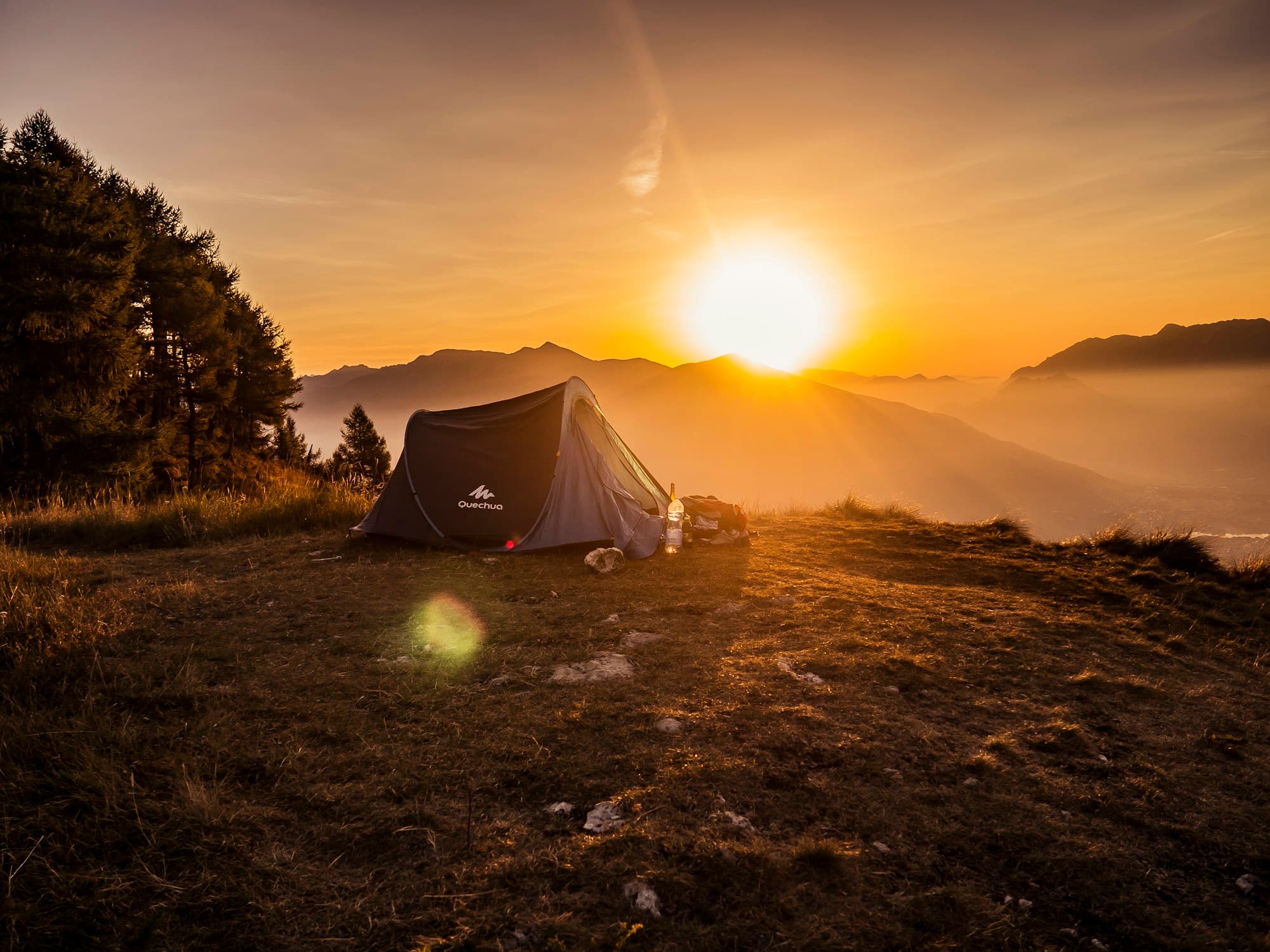
    Tented camp glowing at sunrise over golden hillsLuxury

    Masai Mara Reserve · river-crossing country

    Crossing-Season Mobile Camp

    Seasonal mobile camp · Typically open July–October

    • Usually only a handful of tents
    • Short drives to the crossing points
    • Hot showers, filled on request at some

Price

Price

Every private safari is priced for your dates, party and choices — here is what moves the number.

Individually quoted

Custom pricing based on your dates, comfort level, party size and routing.

  • SeasonPeak months sit at the top of the range; green-season and shoulder months are noticeably softer at many camps.
  • Party sizeYour private vehicle and guide are shared across your party — the per-person cost typically falls as your group grows from two to four or six.
  • Comfort levelMoving from Comfort to Ultra-Luxury changes the nightly rate more than any other choice.
  • RoutingFlying the long legs saves hours on the road and adds light-aircraft fares; driving keeps costs lower.

What’s Included

  • Professional guiding throughout: a private vehicle and guide on road-based legs, and the camp’s own guides at fly-in camps (a private vehicle can often be added)
  • Accommodation at your chosen comfort level
  • Meals as listed day by day
  • Park and conservation fees for the itinerary
  • Airport meet-and-greet and road transfers as listed
  • Drinking water on game drives
  • Support from our team before and during your journey
  • Light-aircraft flights between Nairobi and the Mara, in and out
  • Game-drive transfer from the conservancy into the national reserve
  • Packed breakfasts and lunches for full days at the river
  • A guided walk and a night drive during your conservancy nights
  • Airport-to-airport transfer in Nairobi on departure day

Not Included

  • International flights
  • Visa and entry fees
  • Travel and medical insurance (strongly recommended)
  • Gratuities for guides and camp staff
  • Premium drinks and personal expenses
  • Dawn balloon flight over the Mara (optional; book early for August)
  • Maasai homestead visit arranged through the conservancy (optional)
  • Photographic vehicle set-up with beanbags and extra charging (on request)
  • Day room in Nairobi before a late departure (on request)

A typical inclusion list — your written proposal itemizes exactly what is and isn’t included.

Activities

Activities & Add-Ons

Included experiences and optional upgrades for this journey.

Included

On foot

Walking Safaris in Kenya

A walk on conservancy land during your first three nights; walking is not allowed in the reserve.

Map

Route Map

Route map: Nairobi · Mara Conservancies · Masai Mara Reserve1Nairobi JKIA2Nairobi3Mara Conservancies4Masai Mara Reserve
By roadBy air

Approximate locations — not for navigation.

How This Journey Changes Through the Year

July
The herds usually arrive from the Serengeti over the month, depending on rainfall, and the conservancies often see big numbers first. Early crossings are possible late in the month.
August–September
Usually the most active crossing weeks, with herds spread across the reserve and the northern conservancies. River viewpoints and camps are at their busiest, which is one reason the conservancy nights come first.
October
Herds start drifting south, with return crossings typically from late October into November. Vehicle numbers fall and the short rains may begin; see the best time to visit Kenya for how the months compare.

Make It Yours

  • Add a fourth river night in August or September for more crossing chances
  • Choose a camp on the Mara Triangle side, where vehicle rules are stricter
  • Add a specialist photographic guide and a dedicated photo vehicle
  • Reverse the order to secure camp availability in August
  • Continue to the Serengeti via Nairobi and Kilimanjaro for the other half of the ecosystem
  • Finish with a few nights on Diani Beach, flying out of the Mara

Good to know

Frequently asked questions

Will we see a river crossing on this safari?

No one can promise it. Crossings depend on rainfall, grazing and the herds’ own hesitation, and some groups mass for hours before turning back. Three full days close to the river, with packed meals and a guide who knows the crossing points, give you a realistic chance in August and September, and the Mara’s predators make even the waiting days rewarding.

Why split the stay between a conservancy and the reserve?

Most crossings happen on stretches of the Mara River inside the national reserve and the Mara Triangle, which conservancy guests can only reach on day trips. The conservancies, meanwhile, offer calmer sightings, walks and night drives. Three nights in each gives you both without long daily drives.

How early should I book a Mara migration safari?

For August, as early as you can: camps close to the river and balloon seats often fill many months ahead. July, September and October are a little easier, but the best-placed camps still book up. Choosing your camps early matters more than the exact dates.

Can I combine this safari with the Serengeti?

Yes. Combinations usually route by air from the Mara to Nairobi and then on to Kilimanjaro or Arusha, which fits into a single travel day. A seasonal cross-border air-and-road link has also operated in some years, so we check what is running for your dates. Four or five Serengeti nights make a strong two-week journey.

Is this itinerary good for photographers?

Very much so. Full days out with packed meals keep you in the field for dawn and late-afternoon light, and your guide positions the vehicle for angle as well as action. Bring a long lens, because rules keep vehicles back from the banks at crossings, and ask for beanbags and charging points in the vehicle.

Safaris

Similar Safaris

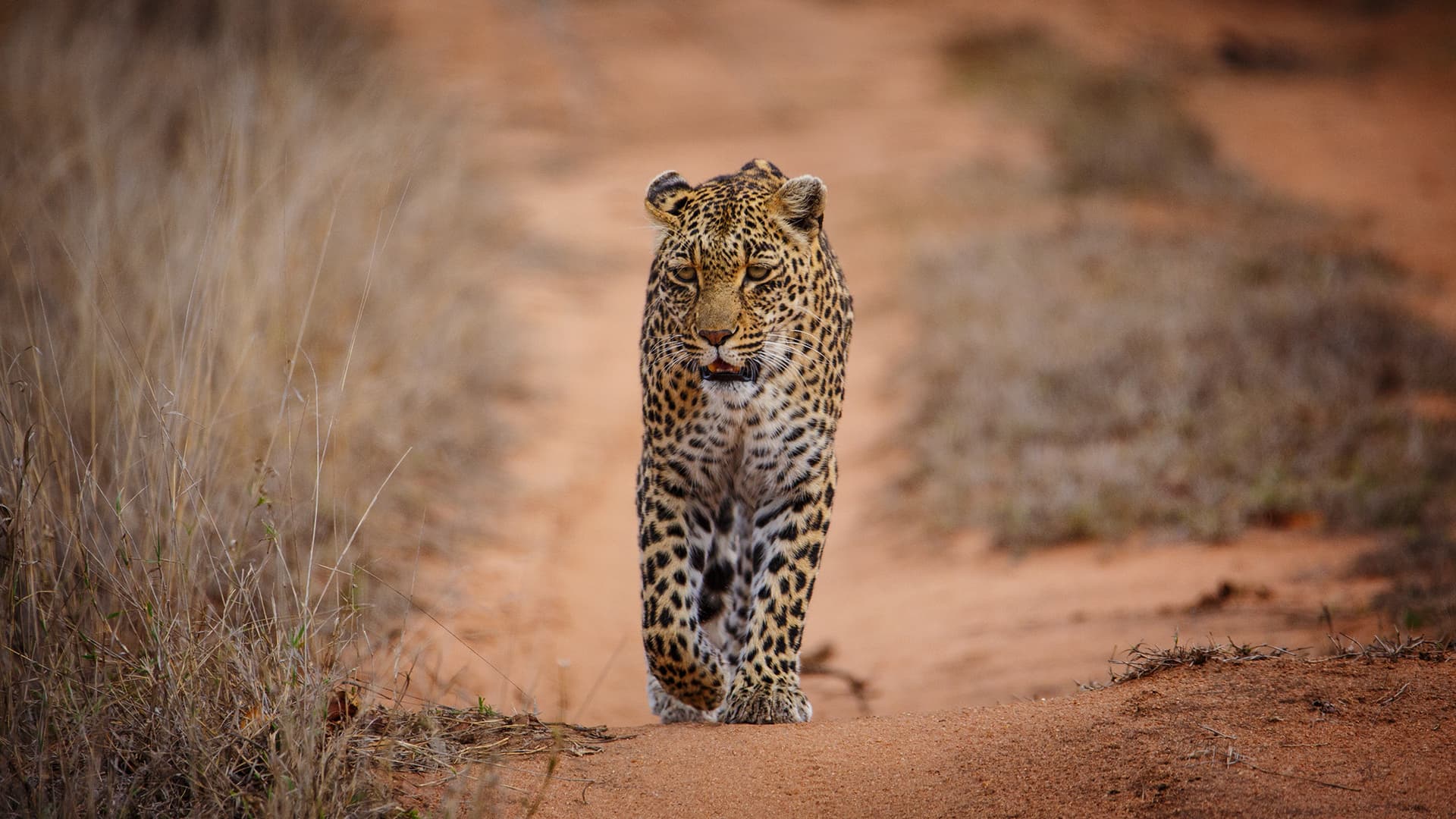
A leopard walking straight toward the camera — iconic big-cat viewing
9 daysPhotographers

Photographic Kenya

Nairobi · Amboseli · Mara Conservancies

Enthusiast and serious amateur photographers who want time, angles and light rather than a checklist

Best months
July–October and January–February
Comfort levels
Premium · Luxury
Individually quoted
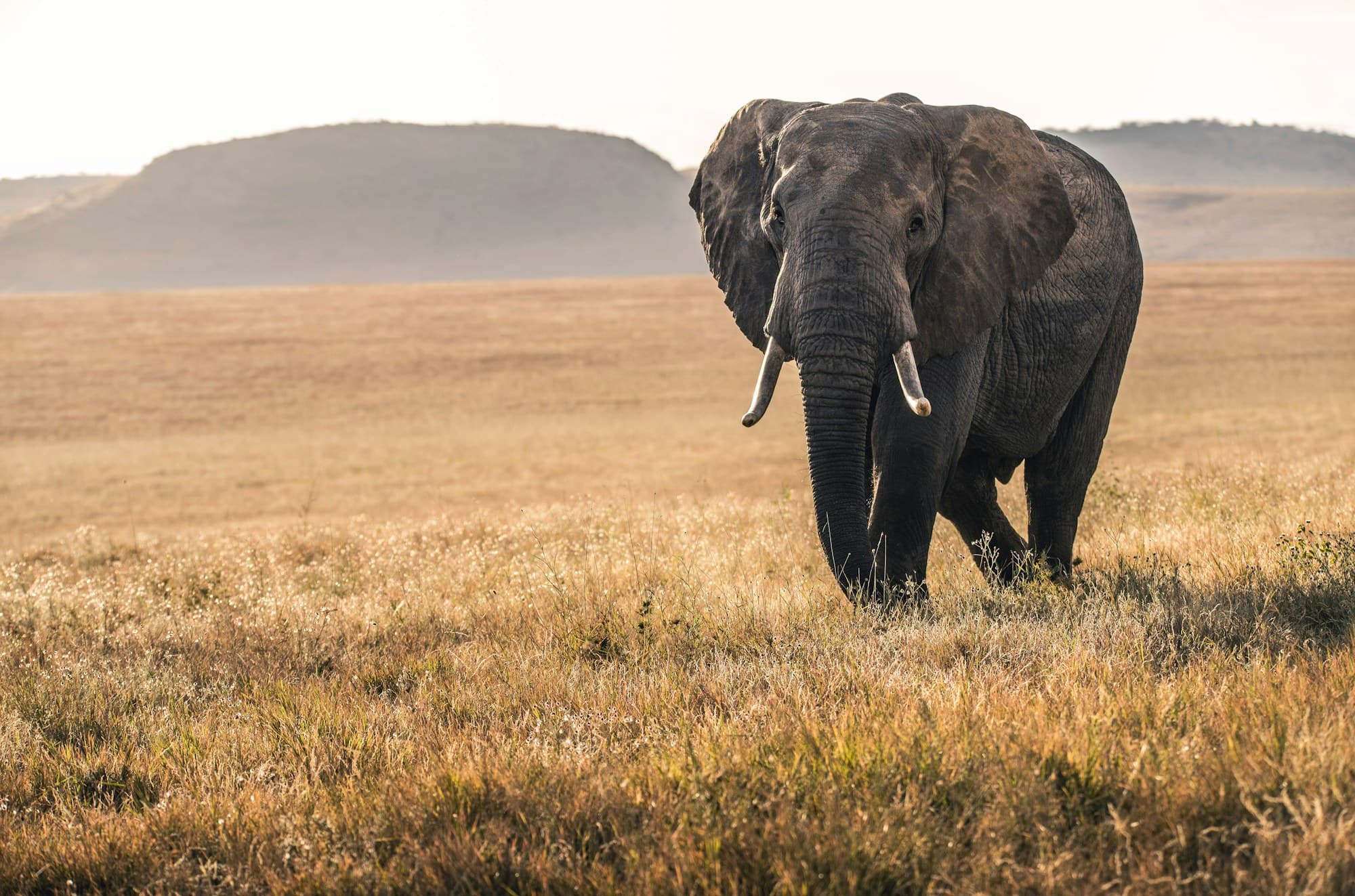
Elephant walking through dry golden grassland in northern Kenya
10 daysComplete Kenya

Kenya Highlights

Nairobi · Samburu · Laikipia · Mara Conservancies

First-timers who want Kenya’s full range, and returning travelers who have seen the Mara alone

Best months
June–October and December–March
Comfort levels
Premium · Luxury · Ultra-Luxury
Individually quoted
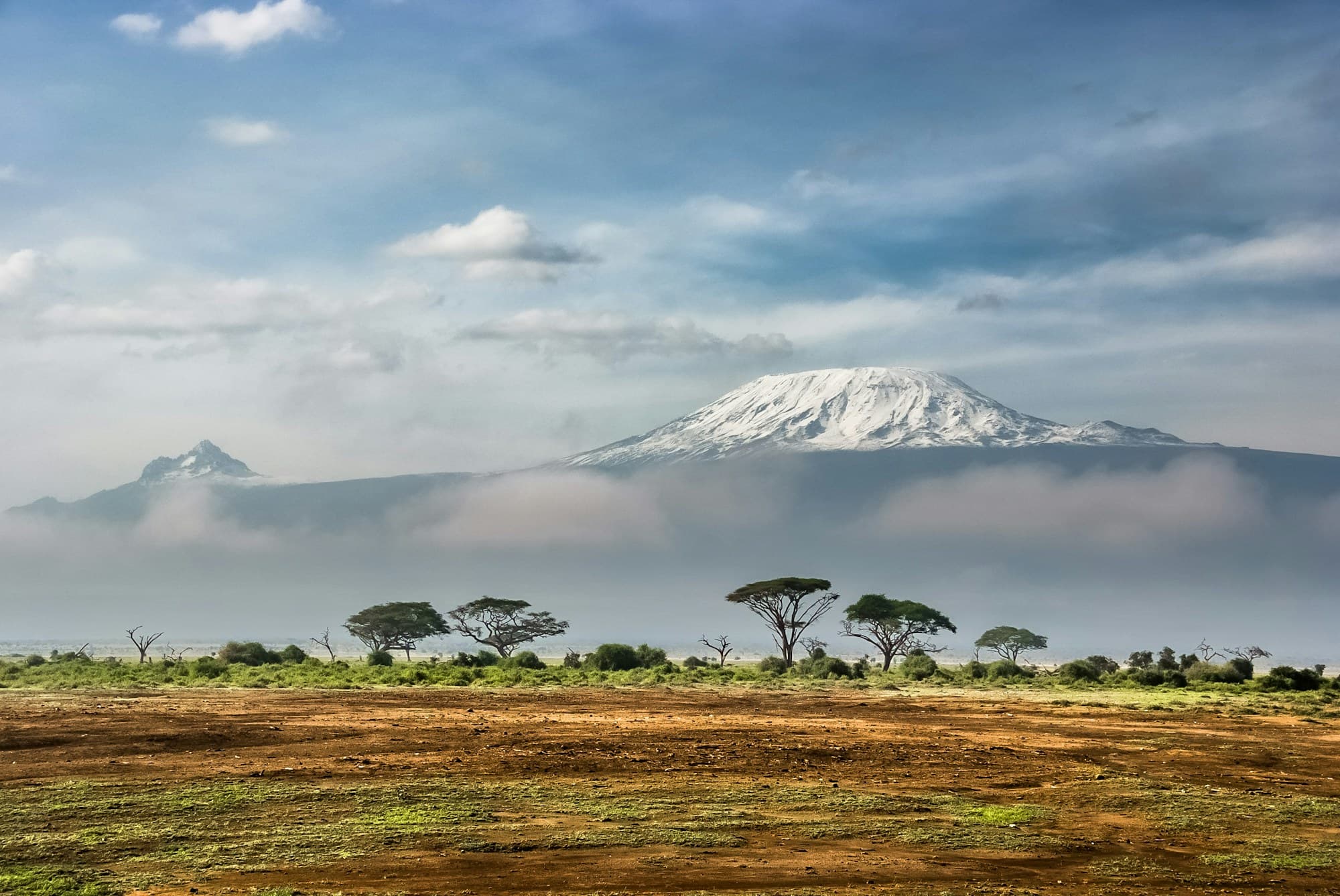
Snow-capped Kilimanjaro rising above the Amboseli savanna dotted with acacias
9 daysActive

Walking & Riding Kenya

Nairobi · Chyulu Hills · Laikipia

Confident riders and fit walkers who want to spend most of each day out of the vehicle

Best months
June–October and December–February
Comfort levels
Luxury · Ultra-Luxury
Individually quoted
Wildebeest leaping into the Mara River during the Great Migration crossing

Customize This Journey

Tell us your dates, who is traveling and your preferred comfort level. A safari specialist will tailor this route around you — nothing is booked until you approve every detail.

Customize This Journey