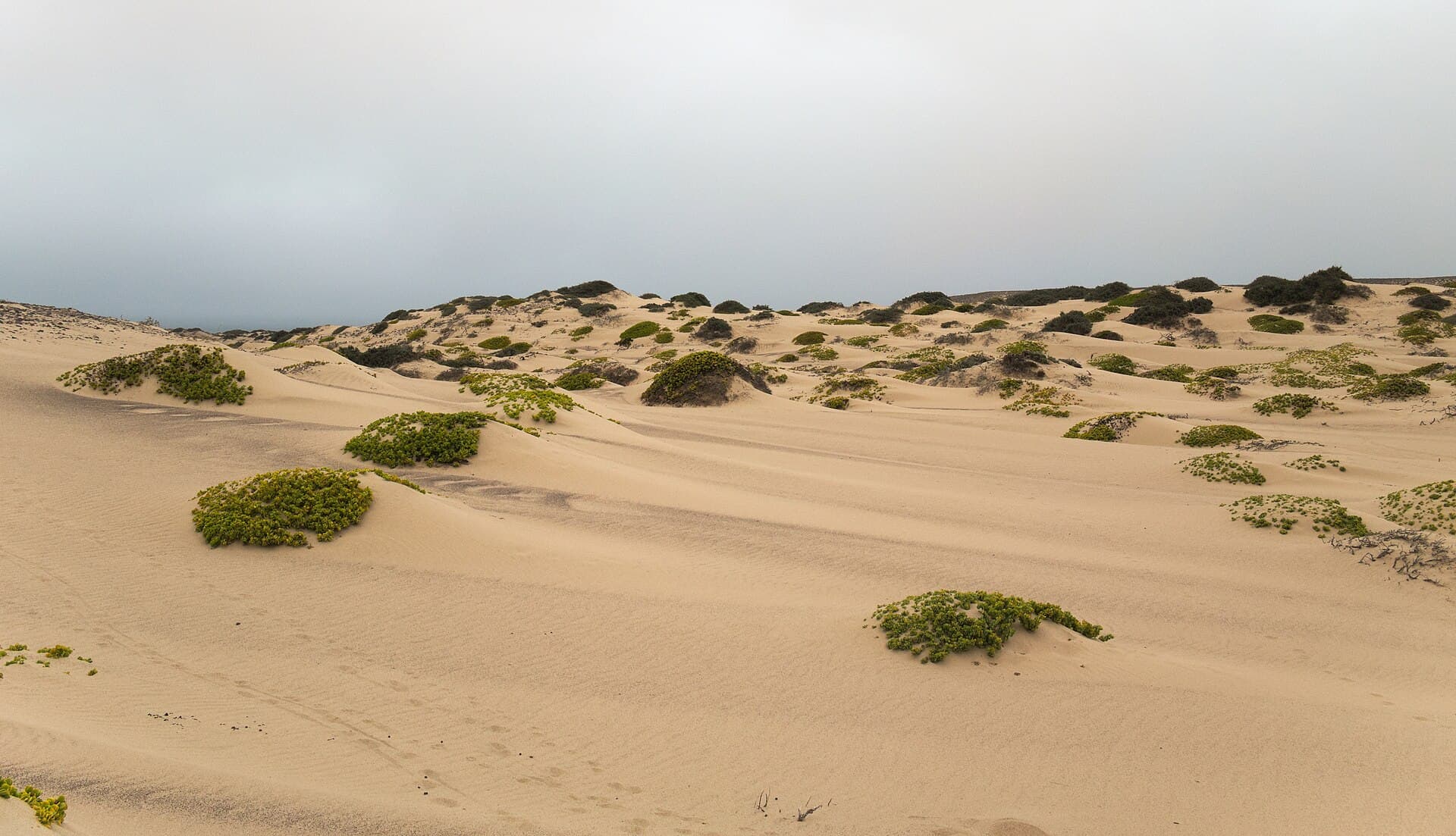
Wind-sculpted dunes meeting the Skeleton Coast

Destination guide

The Skeleton Coast: Namibia’s Fog-Bound Wilderness

Cold Atlantic fog rolling over dunes, gravel plains and river mouths for 500 km, on a coast most travelers only reach by light aircraft.

Size16,390 km² (MEFT), about 500 km long and 40 km wide
Best timeAny month on the coast; April–October is kinder in the hot inland valleys
Recommended stay3 nights in the north; Cape Cross as a half-day from Swakopmund
AccessFly-in only in the north; the south by road via the Ugabmund or Springbokwasser gates
Known forDesert-adapted lions and elephants, Cape fur seals, fog and dunes meeting the sea
Park feesSkeleton Coast and Cape Cross are both premium-category parks on MEFT’s daily fee schedule

Skeleton Coast

Why Visit

The Skeleton Coast National Park runs about 500 km from the Ugab River north to the Kunene on the Angolan border, reaching roughly 40 km inland, and covers 16,390 km² according to MEFT. Proclaimed in 1971, it is where the cold Benguela current meets the Namib. Fog rolls in from the sea most mornings, feeding lichens, beetles and plants on the gravel plains, and the shoreline is strewn with bleached bones, driftwood and the rusting remains of ships. The name is usually traced to that debris.

It helps to know there are two Skeleton Coasts. The southern section is reached by road through the Ugabmund and Springbokwasser gates: gravel plains, fishing spots and the settlement at Terrace Bay, which you may enter only with a booking. The northern section is a concession area that can only be visited on a fly-in safari, and here the Hoanib valley holds desert-adapted elephants and lions, brown hyena and giraffe within a few hours’ drive of the surf. The name is also used loosely for the whole shore north of Swakopmund, though most of that stretch lies in Dorob National Park, with the Cape Cross seal colony in its own small reserve.

Is it worth it? The north is remote, and flying in makes it one of the costlier parts of a Namibia trip. It suits travelers who value space, strangeness and silence over a long species list. Three nights is right, and the 10-Day Namibia Fly-In Private Safari places them between the dunes of Sossusvlei and the waterholes of Etosha.

Best for

  • Travelers who value wilderness and silence above species counts
  • Photographers drawn to fog, dunes and minimal landscapes
  • Seasoned safari-goers who want something unlike the savanna
  • Fly-in circuits linking the desert, the coast and Etosha

Skeleton Coast

Wildlife & Highlights

  • Desert-adapted lions in the Hoanib and neighboring valleys, a small population seldom seen
  • Desert-adapted elephants and giraffe feeding along the Hoanib
  • Brown hyena patrolling the beaches and seal colonies
  • Cape fur seals at Cape Cross, watched from the boardwalk
  • Black-backed jackal scavenging along the tideline
  • Oryx, springbok and Hartmann’s mountain zebra inland
  • Heaviside’s dolphins and green turtles offshore
  • 306 bird species (MEFT), including greater and lesser flamingo at river mouths
  • Lichen fields and fog-fed plants on the gravel plains

Season

Best Time to Visit

  1. January
  2. February
  3. March
  4. April
  5. May
  6. June
  7. July
  8. August
  9. September
  10. October
  11. November
  12. December
April–OctoberThe most comfortable months in the Hoanib and the inland valleys, with warm days and cool nights. On the coast itself, fog and a cold wind are normal, and in winter an occasional hot east wind can blow dust off the desert for a day or two.
November–MarchThe inland valleys get very hot, so activities start at dawn and finish late in the day, while the shore stays cool and grey. At Cape Cross, Cape fur seal pups are typically born from late November, which makes the colony busier and noisier.
All yearFog can hold up light-aircraft flights for a few hours, so travel days are planned with slack. Pack a warm fleece and a windproof jacket whatever the month.

Skeleton Coast

Areas to Know

The Hoanib valley

The Hoanib cuts west from Damaraland to the Atlantic, and along its course springs and reedbeds support a surprising cast: desert-adapted elephants, giraffe, oryx, brown hyena and a small population of lions whose movements researchers have followed for years. The fly-in camps here spend days tracking wildlife in the riverbed and one long outing driving through the dunes to the river mouth and the coast. Lion sightings are rare and never promised; the landscape is the constant.

Best for: Desert-adapted wildlife from a fly-in camp

The far north to the Kunene

North of the Hoanib, the park becomes a restricted wilderness of dune fields, dry river valleys and river mouths that only a few fly-in camps and their guests may enter. A simpler cabin-style lodge near the Möwe Bay ranger station sits on the coast itself, reached by air or a long 4x4 transfer. At the Kunene mouth, on the Angolan border, crocodiles and flamingos share a river that meets the surf.

Best for: Remote coastline and true solitude

The southern park: Ugab to Terrace Bay

The road-accessible south is flatter and bleaker: gravel plains, salt pans, sea-angling spots and the fishing settlement at Terrace Bay, which you may enter only with a booking. Transit through the Ugabmund and Springbokwasser gates is subject to permits and time limits that change, so these are confirmed for your travel dates. Wreck remains appear along the beaches, but most are fragments the sea is steadily breaking up, and the much-photographed Eduard Bohlen actually lies far to the south at Conception Bay, in the Namib-Naukluft.

Best for: A road transit between Damaraland and the coast

Cape Cross Seal Reserve

South of the park, the Cape Cross Seal Reserve protects a large breeding colony of Cape fur seals whose numbers swing with season and year; the noise and smell reach you before the view. A replica of the stone cross planted by Portuguese navigators in 1486 stands near the boardwalk. Seals in Namibia and South Africa have been affected by a rabies outbreak since 2024, so stay on the walkway, keep well back and never touch a seal, whatever anyone tells you.

Best for: A half-day outing from Swakopmund

Skeleton Coast

Getting There

The northern Skeleton Coast has no public road access, so you arrive by light aircraft, usually from Windhoek or as part of a circuit. The flight up the coast from the Sossusvlei area, about 3–4 hours with a fuel stop, follows the line where dunes meet surf and is a spectacular scenic flight in its own right. For the southern park, roads from Henties Bay reach the Ugabmund gate, and roads from Damaraland reach the Springbokwasser gate. If a full stay isn’t possible, a scenic day flight from Swakopmund takes in the dunes, wrecks and seal colonies from the air.

Drive or fly?

Here the decision makes itself. The north can only be reached by air, and the light-aircraft flight is part of the experience; luggage limits are strict, so pack soft bags and layers. The southern park can be crossed by road, but its accommodation is basic, its gravel is hard on vehicles and the scenery rewards a quick transit more than a stay. Most private itineraries fly into the north and treat Cape Cross as an outing from Swakopmund.

Airstrips & airports

  • Airstrips serving the Hoanib valley camps
  • Möwe Bay airstrip
  • Terrace Bay airstrip

Typical travel times

Sossusvlei to the northern concession by light aircraft
About 3–4 hours with a fuel stop
Swakopmund to Cape Cross
About 1.5 hours
Etosha to Terrace Bay (451 km)
A full day, much of it on gravel
Windhoek to Terrace Bay (648 km)
A very long day; rarely worth doing by road

Stays

Where to Stay

There are only a few places to stay, and they are remote by design. In the Hoanib valley concession, a luxury fly-in tented camp pairs real comfort with long days of desert tracking and a trip to the coast. In the far north, a simpler cabin-style lodge gives you the coastline itself, with fog, surf and wildlife along the shore. Any evacuation from here depends on aircraft, so comprehensive medical-evacuation insurance is essential.

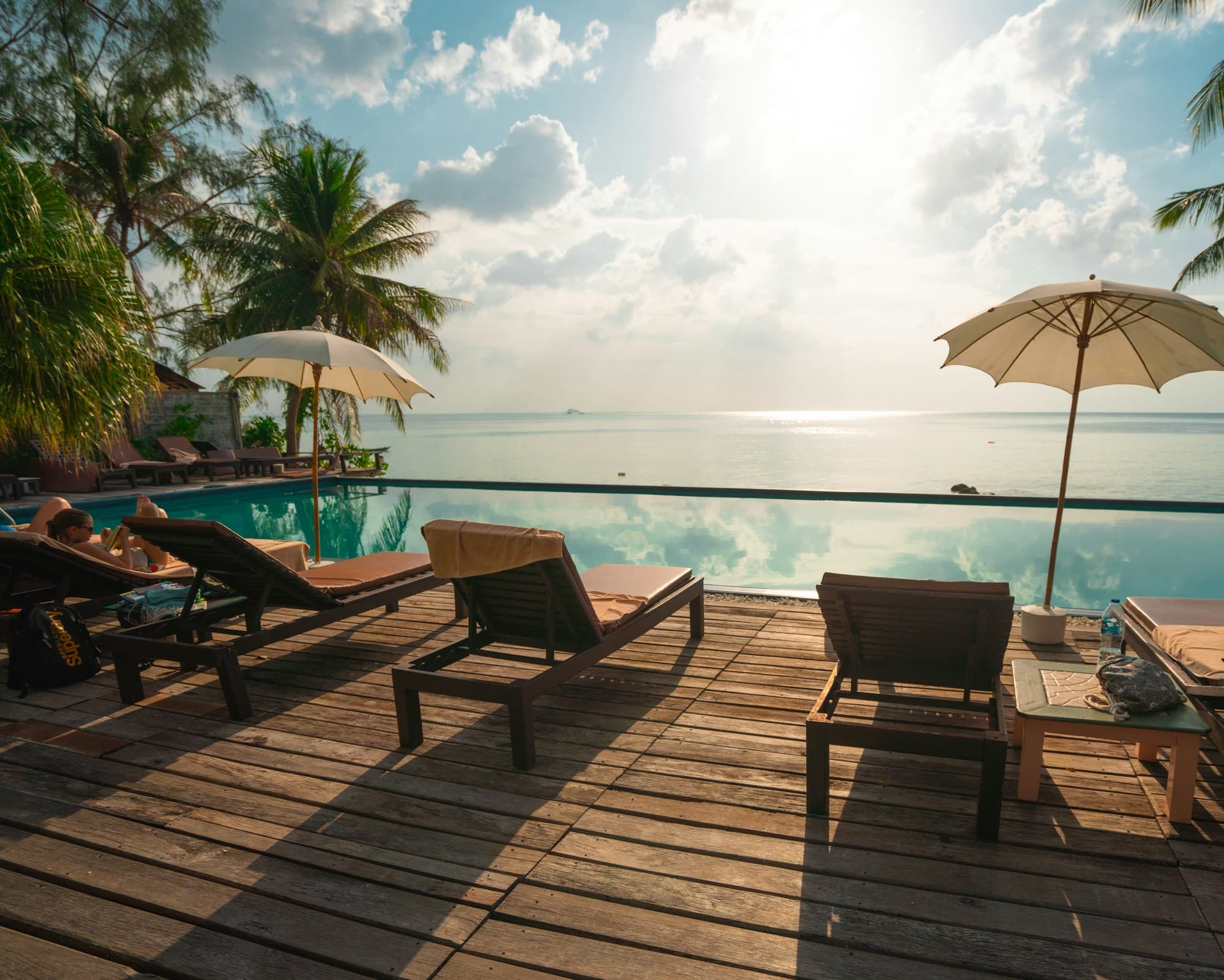
Luxury lodge deck with loungers and umbrellas at golden hourPremium

Skeleton Coast · Northern park, near Möwe Bay

Fog-Coast Cabin Lodge · Möwe Bay

Lodge

On the northern Skeleton Coast near Möwe Bay, a small lodge of simple cabins faces the cold Atlantic, reached by light aircraft or a long 4x4 transfer. Mornings are often wrapped in fog, and afternoons clear to reveal gravel plains, dune fields and a shoreline where whale bones and old wreckage wash up.

  • Simple cabins facing the ocean
  • Coastal drives to river mouths and seal colonies
  • Fly-in or long 4x4 access
  • Cool, foggy climate all year

Ideal for: Travelers drawn to wild coastline and solitude rather than big-game numbers
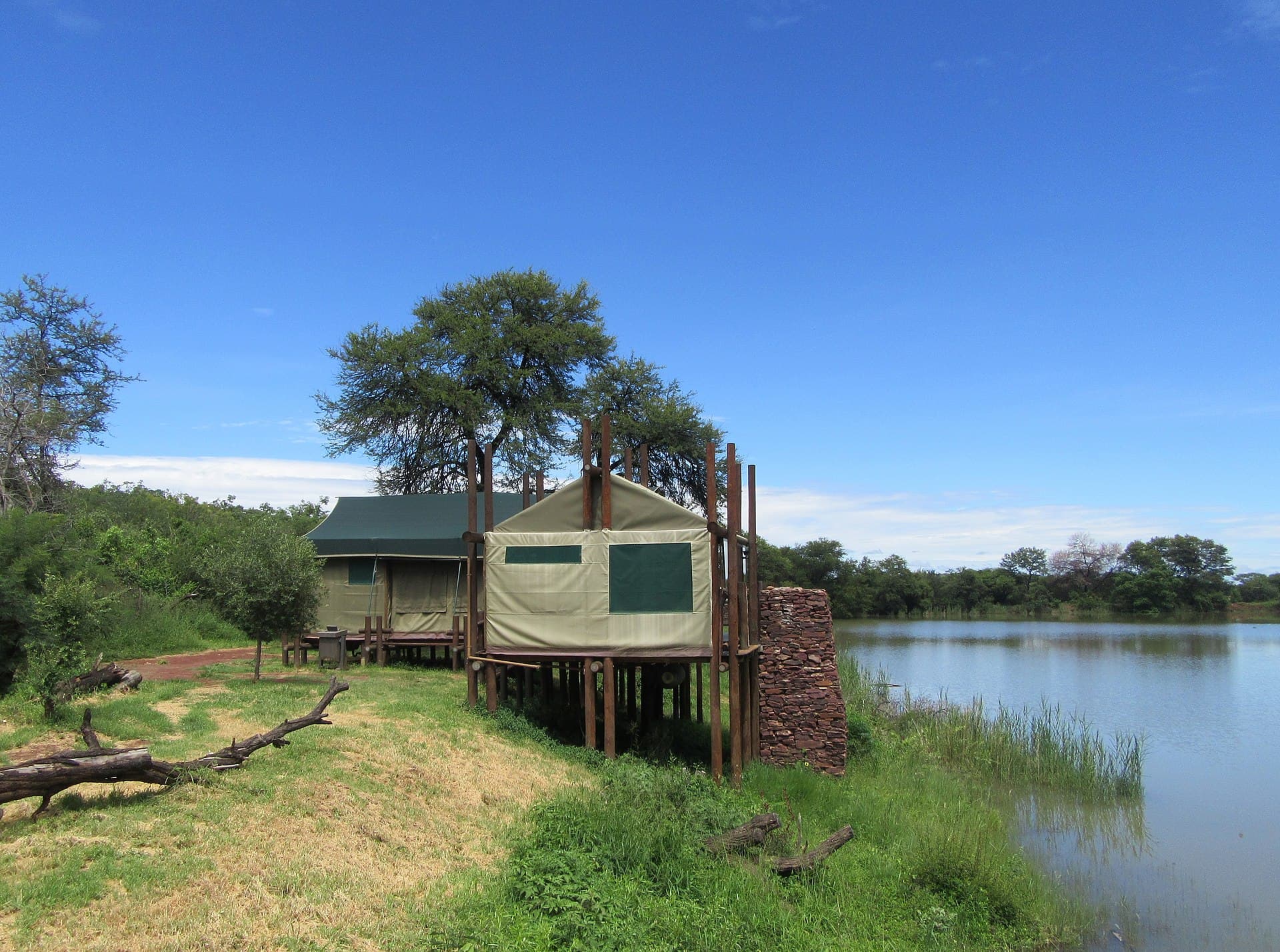
A canvas safari tent set among trees at a private tented campLuxury

Skeleton Coast · Hoanib valley concession

Hoanib Valley Fly-In Camp

Tented camp

Reached only by light aircraft, camps in the Hoanib valley concession sit where the dry river cuts through the desert toward the Skeleton Coast. Guides search the riverbed for desert-adapted elephants, lions and brown hyena, then drive through dune fields for a picnic within sight of the Atlantic.

  • Fly-in access only
  • Drives for desert-adapted elephant and lion
  • Day trips through the dunes to the coast
  • Talks on desert-lion research at some camps

Ideal for: Photographers and repeat safari travelers who want the northern coast at its most remote

Safaris

Safaris That Go Here

Wind-sculpted dunes meeting the Skeleton Coast
10 daysFly-in

Namibia by Air

Windhoek · Sossusvlei · Skeleton Coast · Etosha National Park

Travelers who would rather fly than drive, and who value remote wilderness and photography over a long species list

Best months
April–November
Comfort levels
Premium · Luxury · Ultra-Luxury
Individually quoted

Good to know

Frequently asked questions

Can you drive the Skeleton Coast?

Only the southern section. It is reached by road through the Ugabmund and Springbokwasser gates, with entry and transit rules to check before you travel. The northern section, where the Hoanib camps are, is open only to fly-in safaris.

Why is it called the Skeleton Coast?

The name is usually traced to the whale and seal bones that once littered the beaches and to the many ships lost in the fog and heavy surf. Sailors dreaded the coast because a shipwrecked crew faced hundreds of kilometers of waterless desert.

Are there really lions on the Skeleton Coast?

Yes. A small population of desert-adapted lions lives in the river valleys of the north-west and has at times hunted along the shoreline. They range over huge areas and are rarely seen, so treat any sighting as a bonus. The Hoanib valley is the likeliest place to encounter them.

Is it safe to visit the Cape Cross seal colony?

Yes, if you keep your distance. Since 2024 a rabies outbreak has affected Cape fur seals in Namibia and South Africa, and the CDC advises travelers not to approach or touch seals even if others say it is safe. Stay on the boardwalk, keep children close and seek medical care straight away after any bite or scratch.

Can you see shipwrecks on the Skeleton Coast?

You can see remains, but set your expectations. Most wrecks are fragments slowly broken up by the surf, and the best-known photograph, of the Eduard Bohlen, was taken far to the south in the Namib-Naukluft. Scenic flights and outings from the fly-in camps show what survives.

Is the Skeleton Coast worth the extra cost?

For travelers who love remote places, it is often the highlight of a Namibia trip. It is not a big-game destination, and the flights and small camps put it at the higher end of what you will spend in Namibia. If wildlife numbers matter most, put the time into Etosha instead.

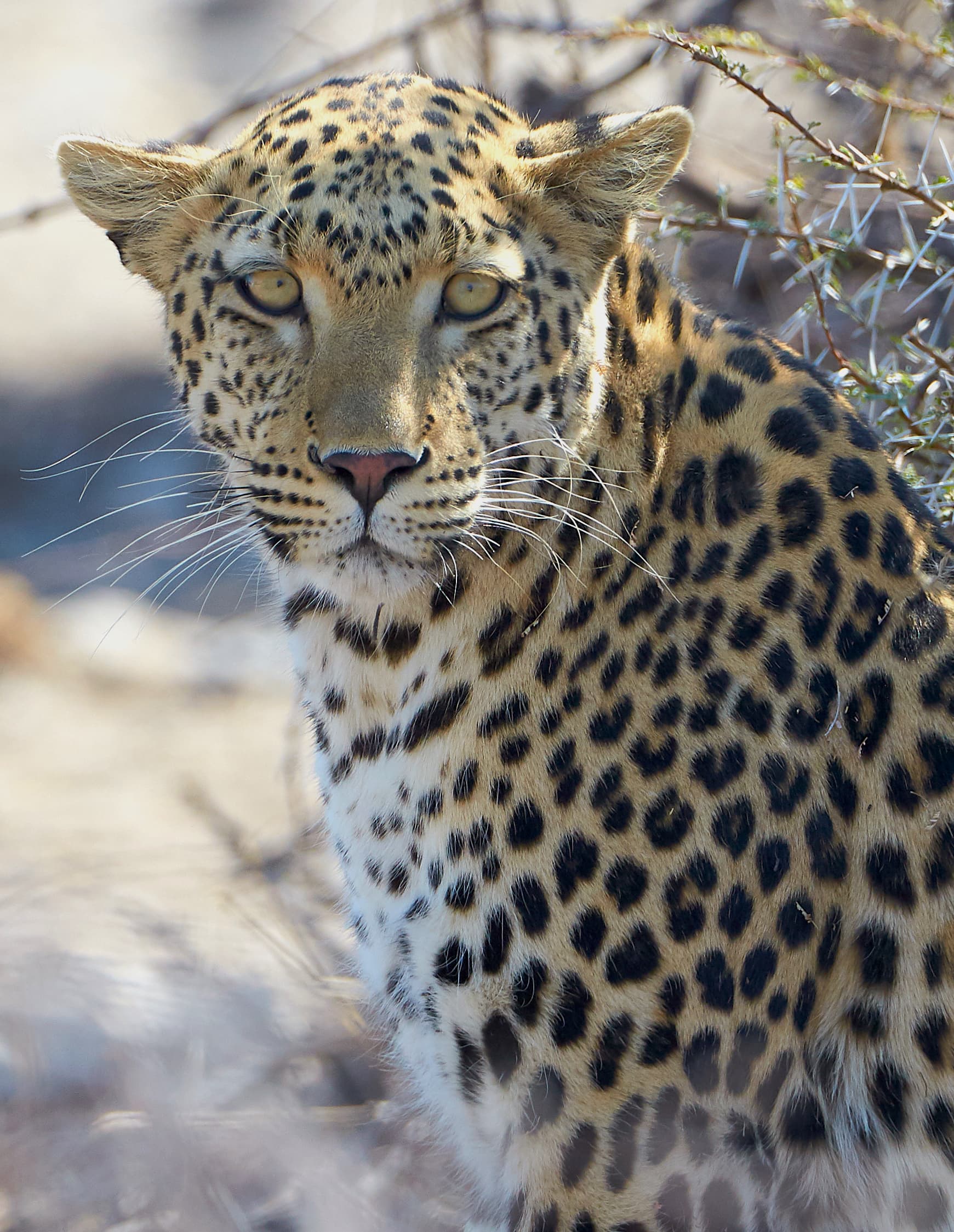
Close leopard portrait in golden light

Tell Us How You Picture Namibia

Share your dates, who is traveling and whether you imagine dunes at dawn, rhino tracks in Damaraland or a waterhole at night. We’ll shape a private route around those ideas and talk you through every choice before anything is confirmed.

Plan my safari here