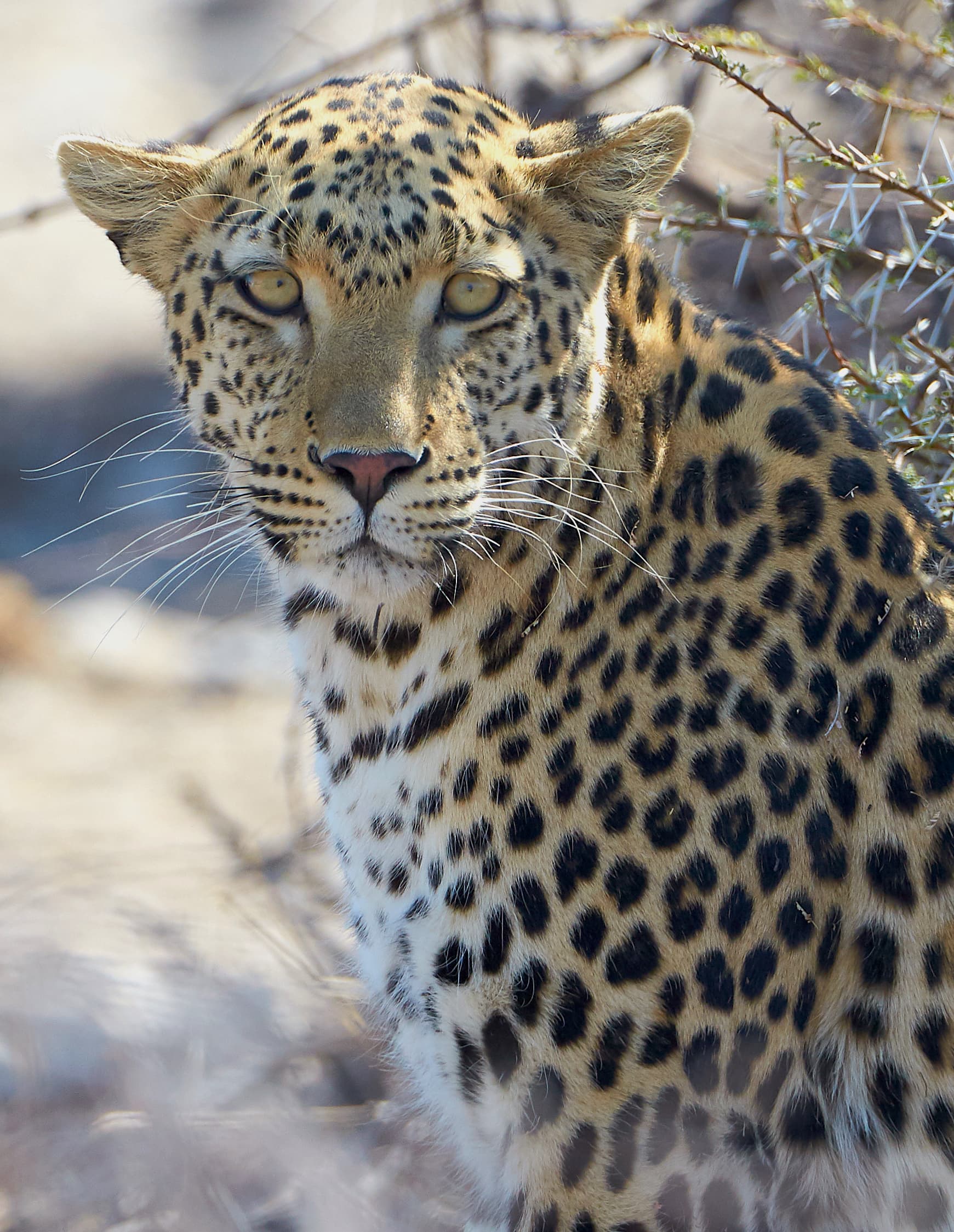
Close leopard portrait in golden light

Destination guide

Etosha National Park Safaris

A 4,760 km² salt pan ringed by springs and waterholes, where elephant, black rhino, lion and herds of springbok and zebra come to drink as the land dries.

Size22,935 km² (MEFT), including a salt pan of about 4,760 km²
Best timeJune–October, when game concentrates at the waterholes
Recommended stay3–4 nights, ideally split between the south and the east
Access432 km on tar from Windhoek to Okaukuejo, or about 1.5 hours by light aircraft
Known forWaterhole viewing, black rhino, elephant, lion and black-faced impala
2025 wildfireRoughly a third of the park burned in September 2025; we check current conditions before routing you

Etosha National Park

Why Visit

Etosha National Park works differently from the savanna parks of East Africa. Proclaimed in 1907 and covering 22,935 km² according to MEFT (other sources give about 22,270 km²), it wraps around the Etosha Pan, some 4,760 km² of glaring saline clay that holds water only after good rains; the name is usually translated as “great white place”. Surface water is scarce, so in the dry months wildlife comes to a string of springs and boreholes along the pan’s southern and eastern edges, and your safari becomes a matter of choosing the right waterhole at the right hour.

That makes for a patient, rewarding style of game viewing, and it is where a private guide earns their keep: reading the dust on the horizon that means an elephant herd is on its way in, knowing which waterholes have been busy that week, and staying put while other vehicles move on. Elephant, lion, leopard, black and white rhino, giraffe, the black-faced impala of Namibia’s north-west and some 407 bird species all live here. Buffalo do not. They disappeared from Etosha in the 1950s, so this is four of the Big Five rather than five; the Zambezi Region supplies the fifth, and the Namibia wildlife guide maps the rest.

The rules shape the day. You stay in your vehicle on designated roads, movement inside the park runs from sunrise to sunset, and guided night drives are offered only from the rest camps. Private reserves on the southern and eastern boundaries add night drives, walks and far fewer vehicles, and the best trips combine the two: a boundary base for evenings, long days inside the park for the waterholes. The 9-Day Namibia Family Safari and the 14-Day Namibia Private Guided Safari both work this way.

Best for

  • First-time visitors who want big-game viewing on a road-trip route
  • Families traveling May–October, when malaria risk is lower
  • Photographers working waterholes and night-time rhino
  • Travelers pairing the desert with a classic game park

Etosha National Park

Wildlife & Highlights

  • Elephant, often pale with the dust of the southern plains, arriving at waterholes in long lines
  • Black rhino, frequently seen drinking at the floodlit waterholes after dark
  • White rhino alongside the black, on the open plains and at waterholes
  • Lion, which often rest near water through the heat of the day
  • Leopard, elusive but possible wherever there is cover, and cheetah on the open grassland
  • Black-faced impala, a subspecies found mainly in north-west Namibia and south-west Angola
  • Springbok, oryx, blue wildebeest and Burchell’s zebra in large dry-season herds
  • Giraffe, eland, greater kudu and the tiny Damara dik-dik in the mopane and thornveld
  • Spotted hyena and black-backed jackal around the waterholes at dusk
  • 407 recorded bird species (MEFT), with flamingos gathering on the pan in wet years

Season

Best Time to Visit

  1. January
  2. February
  3. March
  4. April
  5. May
  6. June
  7. July
  8. August
  9. September
  10. October
  11. November
  12. December
June–OctoberThe dry season and the classic time to go. As the veld dries, game concentrates around permanent water, and a single waterhole can hold elephant, zebra, springbok and oryx at once. Mornings in June–August are cold in an open vehicle; October is hot and dusty but often the most intense month for sightings. The rest camps treat July–October as high season, so book early.
November–AprilThe rains, falling mostly from December to March, fill natural pans across the park and animals disperse away from the waterholes. In return you get green landscapes, newborn springbok and impala, migrant birds and, in a wet year, flamingos on the pan. Malaria risk in Namibia’s north is higher in these months; the malaria and health guide sets out current advice.
MayA quiet shoulder month. The bush is still green but drying, rain is unlikely, the higher-risk malaria season is ending and the park is at its least busy before the winter visitors arrive.

Etosha National Park

Areas to Know

Okaukuejo & the southern plains

Okaukuejo, 17 km inside the southern Andersson gate, is the park’s administrative center and has its best-known floodlit waterhole, where rhino, elephant and lion often come to drink after dark within sight of the camp wall. The grassland and scattered waterholes around it give the park’s most consistent dry-season viewing, and several private reserves lie just outside the southern boundary.

Best for: A first visit and floodlit evenings

Halali & the center

Halali sits midway along the pan’s southern shore among low dolomite hills, with its own floodlit waterhole below a rocky ridge. The thicker bush suits leopard, and the drive between Okaukuejo and Namutoni passes this way, showing you the pan’s scale as the white horizon stretches north without a break.

Best for: Breaking the traverse, and leopard country

Namutoni & the east

In the east, the whitewashed colonial-era fort at Namutoni overlooks a floodlit waterhole, and the landscape turns to woodland, with Damara dik-dik in the thickets. Nearby Fischer’s Pan fills in good rain years and is one of the park’s richest birding areas. Private reserves line the approach to the eastern Von Lindequist gate, the natural exit toward Okonjima, Windhoek or the Zambezi Region.

Best for: Birding, woodland species and onward routes east

Western Etosha & Dolomite

The western section, closed to general visitors until comparatively recently, sees a fraction of the traffic. Around the Dolomite area there are about 15 waterholes, both black and white rhino are often seen at Klippan, and Hartmann’s mountain zebra appear on the rocky ground. Access through the western Galton gate should be confirmed for your dates, and most visitors reach the west from Okaukuejo on a long game drive.

Best for: Rhino, solitude and return visitors

Okonjima & AfriCat, on the way north

About three hours north of Windhoek, the Okonjima nature reserve is home to the AfriCat Foundation, which grew out of rescuing cheetah and leopard caught up in conflict with livestock farmers. Guided activities on the reserve include tracking leopard and, at times, pangolin, brown hyena or rhino, plus night drives, and a visit to AfriCat’s work shows the realities of predator conservation on farmland. One or two nights here breaks the drive to Etosha neatly.

Best for: Families, leopard tracking and a first or last night

Etosha National Park

Getting There

Etosha is the easiest of Namibia’s big parks to reach by road. From Windhoek, tar runs all the way to the southern gate via Otjiwarongo and Outjo, 432 km to Okaukuejo, and to the eastern gate via Tsumeb, 486 km to Namutoni; a night at Okonjima breaks the journey. Light aircraft reach private-reserve airstrips on the southern and eastern boundaries in about 1.5 hours from Windhoek, and fly-in circuits arrive from the Skeleton Coast or Sossusvlei. Etosha is in the premium tier of MEFT’s per-person daily park fees, with a revised schedule reported from April 2026, and we include them when we quote your trip.

Drive or fly?

Etosha is where road travel makes the most sense in Namibia: the route from Windhoek is tarred, a stop at Okonjima turns the journey into part of the safari, and inside the park you explore by vehicle anyway. Flying earns its place when Etosha follows the Skeleton Coast or Sossusvlei, since the road from the dunes is 756 km. Whether to have a guide is a separate question; many visitors drive themselves here, and how to travel Namibia sets out what a guide adds at the waterholes.

Airstrips & airports

  • Ongava airstrip (south, near the Andersson gate)
  • Mokuti airstrip (east, near the Von Lindequist gate)
  • Private-reserve airstrips on the southern and eastern boundaries

Typical travel times

Windhoek to Okaukuejo (432 km)
About 5–6 hours on tar
Windhoek to Namutoni (486 km)
About 6 hours on tar
Windhoek to Okonjima
About 3 hours
Okaukuejo to Namutoni inside the park
A full day of game driving
Twyfelfontein (Damaraland) to the Andersson gate
About 4–5 hours

Stays

Where to Stay

You can sleep inside the park or just outside it, and each has its own rhythm. The state-run rest camps at Okaukuejo, Halali and Namutoni offer simple rooms and chalets, but you are steps from a floodlit waterhole and already inside when the gates open. Private reserves on the southern and eastern boundaries range from comfortable lodges to luxury tented camps and exclusive lodges, adding night drives, guided walks and quiet in exchange for a short drive to the gate each morning. On a longer trip we often combine one of each, then add Okonjima on the way north.

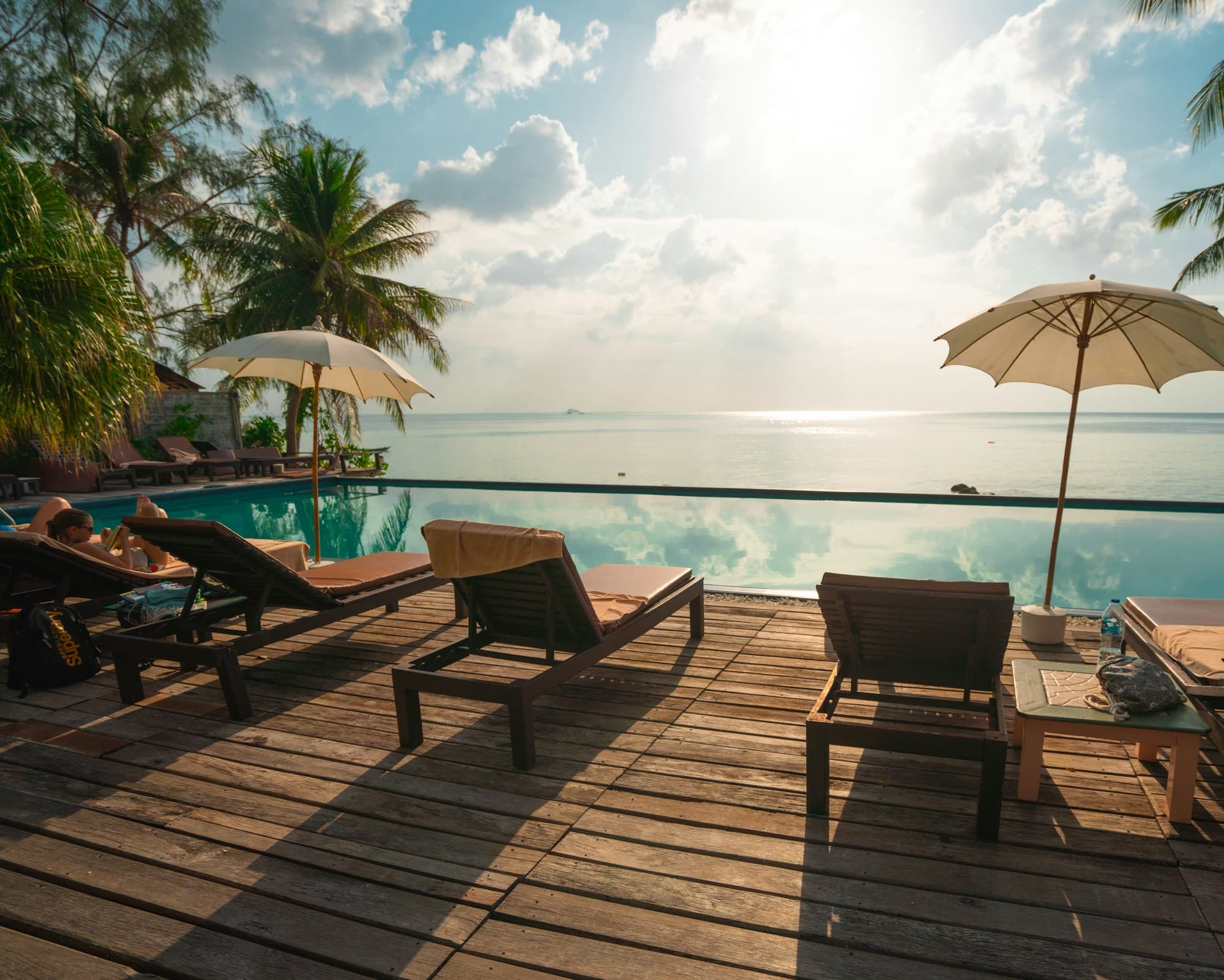
Luxury lodge deck with loungers and umbrellas at golden hourComfort

Etosha · National-park rest camp (Okaukuejo, Halali or Namutoni)

Floodlit-Waterhole Rest Camp · Etosha

Lodge

Staying at one of Etosha’s national-park rest camps means your evenings are spent at a floodlit waterhole, often a short walk from your room, where rhino, elephant and lion may arrive after dark. Rooms and chalets are straightforward and service is state-run rather than polished, but for after-dark waterhole watching the location is hard to beat.

  • Floodlit waterhole within the camp
  • Inside the park gates at sunrise and sunset
  • Chalets and family units
  • Park-run guided drives, including at night

Ideal for: Families and photographers who value location and night-time waterhole viewing over luxury
Luxury lodge deck with loungers and umbrellas at golden hourPremium

Etosha · Private reserve on the park boundary

Boundary-Reserve Family Lodge · Etosha

Lodge

Private reserves along Etosha’s southern and eastern boundaries host comfortable lodges with pools, spacious rooms and their own waterholes, a short drive from the park gates. Guides take you into the national park by day, and back on the reserve you can add guided walks, which the park itself doesn’t allow, and night drives away from other vehicles.

  • Family rooms or chalets
  • Pool and a lodge waterhole
  • Night drives on the private reserve
  • Short drive to Etosha’s gates

Ideal for: Families and first-time visitors who want comfort, a pool and easy access to the park

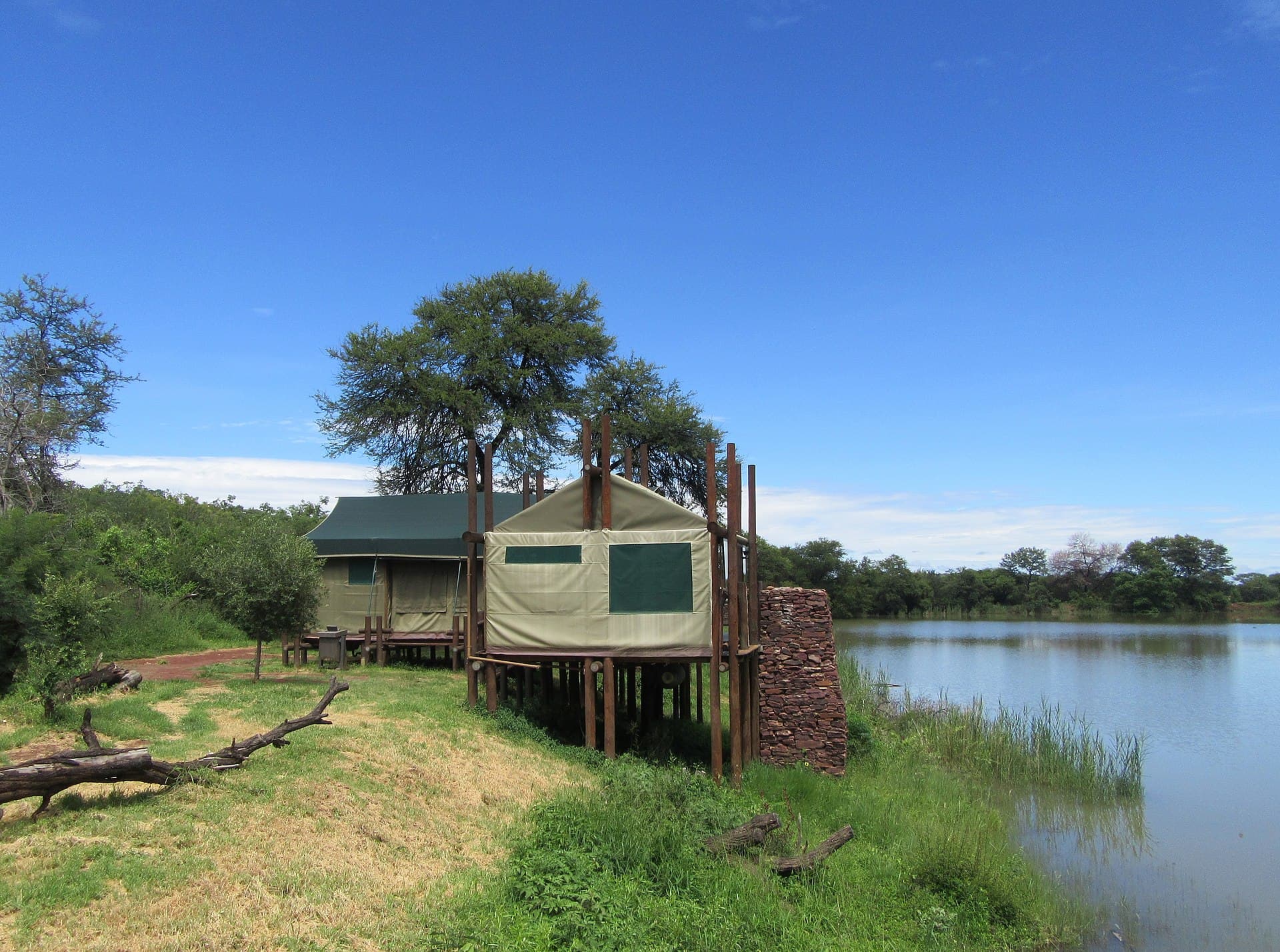
A canvas safari tent set among trees at a private tented campLuxury

Etosha · Private reserve, south or east

Private-Reserve Luxury Tents · Etosha

Tented camp

Luxury tented camps on private land south or east of Etosha have only a few spacious tents, each with a deck facing a waterhole or open plain. You get the intimacy of a small camp, experienced guides for your days in the national park and night drives on the reserve, where black rhino and nocturnal species become part of the story.

  • A few tents with waterhole views
  • Photographic hides at some
  • Night drives and guided walks on the reserve
  • Private vehicle options for park days

Ideal for: Couples and photographers who want intimacy and strong guiding around Etosha

Luxury lodge deck with loungers and umbrellas at golden hourUltra-Luxury

Etosha · Exclusive private-reserve lodge

Exclusive Waterhole Villas · Etosha

Lodge

At the top end, exclusive lodges on private reserves bordering Etosha offer a few villas, each with its own pool and terrace overlooking a waterhole, and service that anticipates every need. Private guiding, rhino-focused activities and fine dining complement full days in the national park.

  • Villas with private plunge pools
  • Dedicated guide and vehicle
  • Rhino-focused activities on the reserve
  • Spa and fine dining

Ideal for: Honeymooners and discerning travelers who want Etosha in complete privacy and comfort

Luxury lodge deck with loungers and umbrellas at golden hourPremium

Central Namibia · Okonjima Nature Reserve

Conservation-Reserve Bush Lodge · Okonjima

Lodge

Okonjima’s lodges sit on a private nature reserve that is also the base of the AfriCat Foundation, so every stay has a conservation thread running through it. Accommodation ranges from classic bush-lodge rooms to secluded villas, and activities include tracking leopard, rhino and brown hyena, night drives and walks on marked trails.

  • AfriCat Foundation conservation visits
  • Leopard, rhino and hyena tracking
  • Night drives for nocturnal species
  • Walking trails close to the lodge

Ideal for: Families, and anyone breaking the long drive between Windhoek and Etosha

Safaris

Safaris That Go Here

Wind-sculpted dunes meeting the Skeleton Coast
10 daysFly-in

Namibia by Air

Windhoek · Sossusvlei · Skeleton Coast · Etosha National Park

Travelers who would rather fly than drive, and who value remote wilderness and photography over a long species list

Best months
April–November
Comfort levels
Premium · Luxury · Ultra-Luxury
Individually quoted
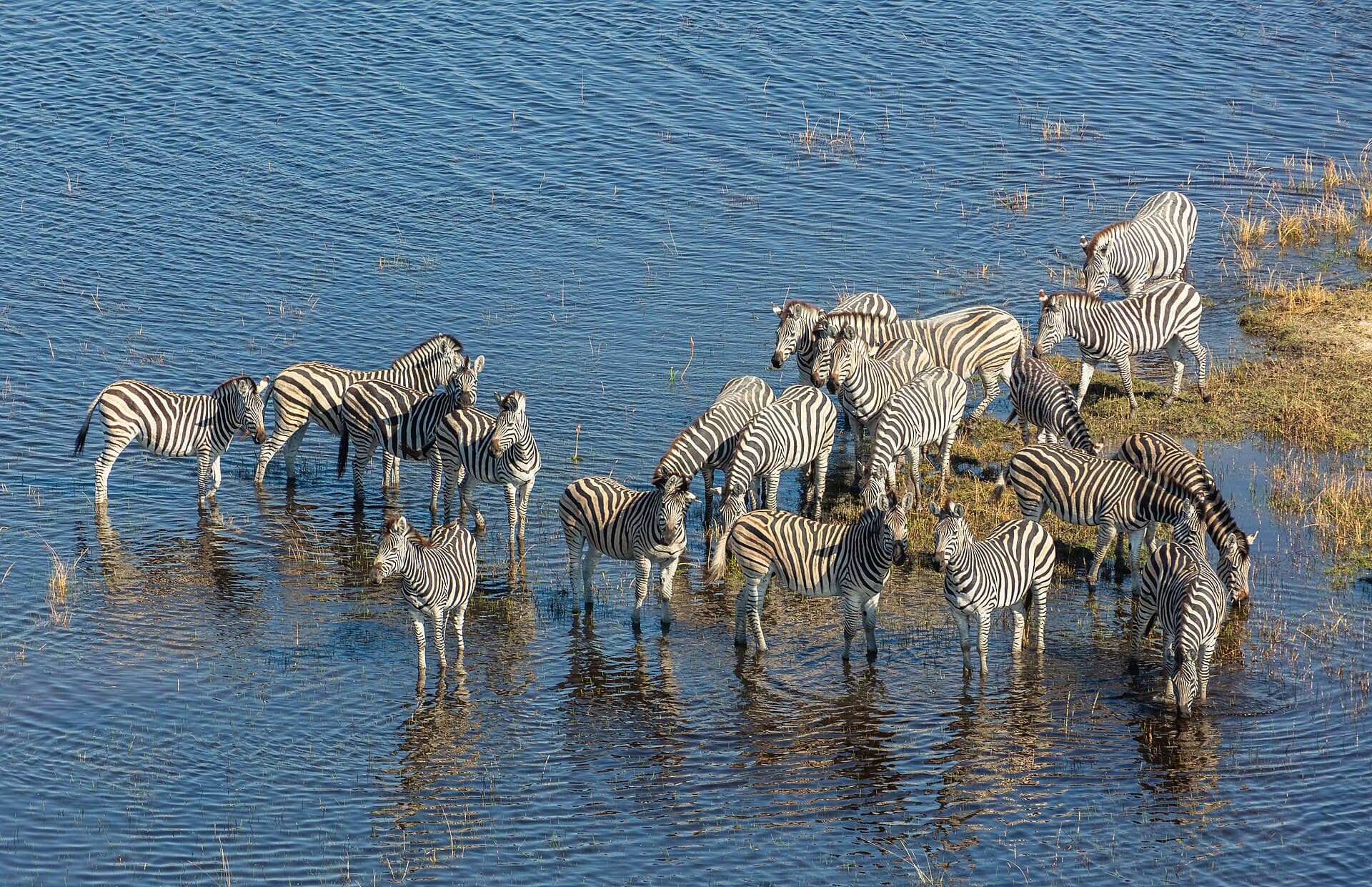
Zebra herd wading through shallow delta water
12 daysDesert & Delta

Desert, Zambezi & Delta

Windhoek · Sossusvlei · Etosha National Park · Zambezi Region · Kasane · Okavango Delta · Maun

Travelers who want Namibia’s landscapes and Botswana’s water safari in a single trip, without backtracking

Best months
May–October
Comfort levels
Premium · Luxury · Ultra-Luxury
Individually quoted
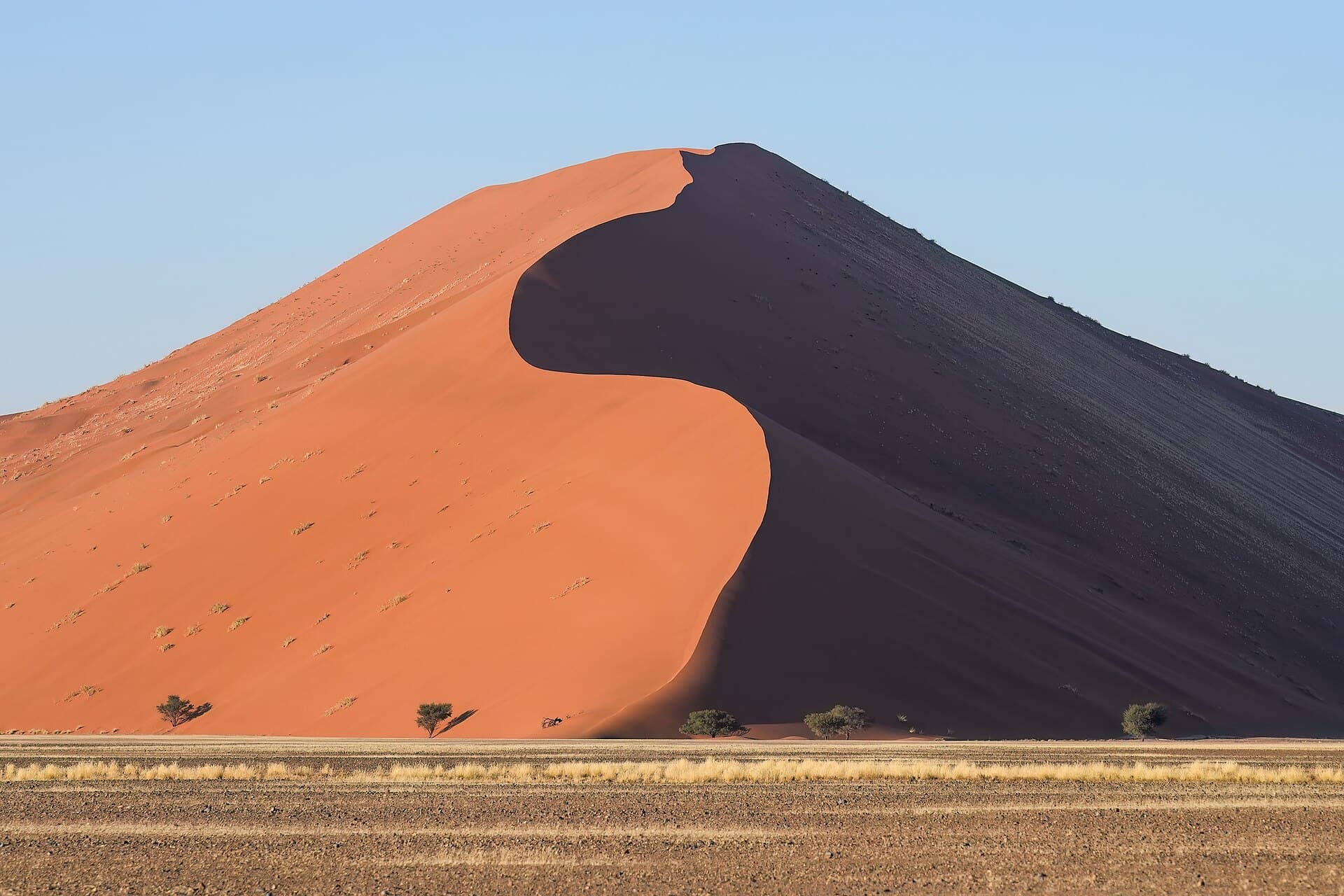
Red curve of Dune 45 at sunrise in Sossusvlei, Namibia
14 daysPrivate guide

Namibia Grand Loop

Windhoek · Sossusvlei · Swakopmund · Spitzkoppe · Damaraland · Etosha National Park · Eastern Etosha · Okonjima

First-time visitors to Namibia who want to see the whole country properly, with time to stop, walk and ask questions

Best months
April–November
Comfort levels
Comfort · Premium · Luxury
Individually quoted
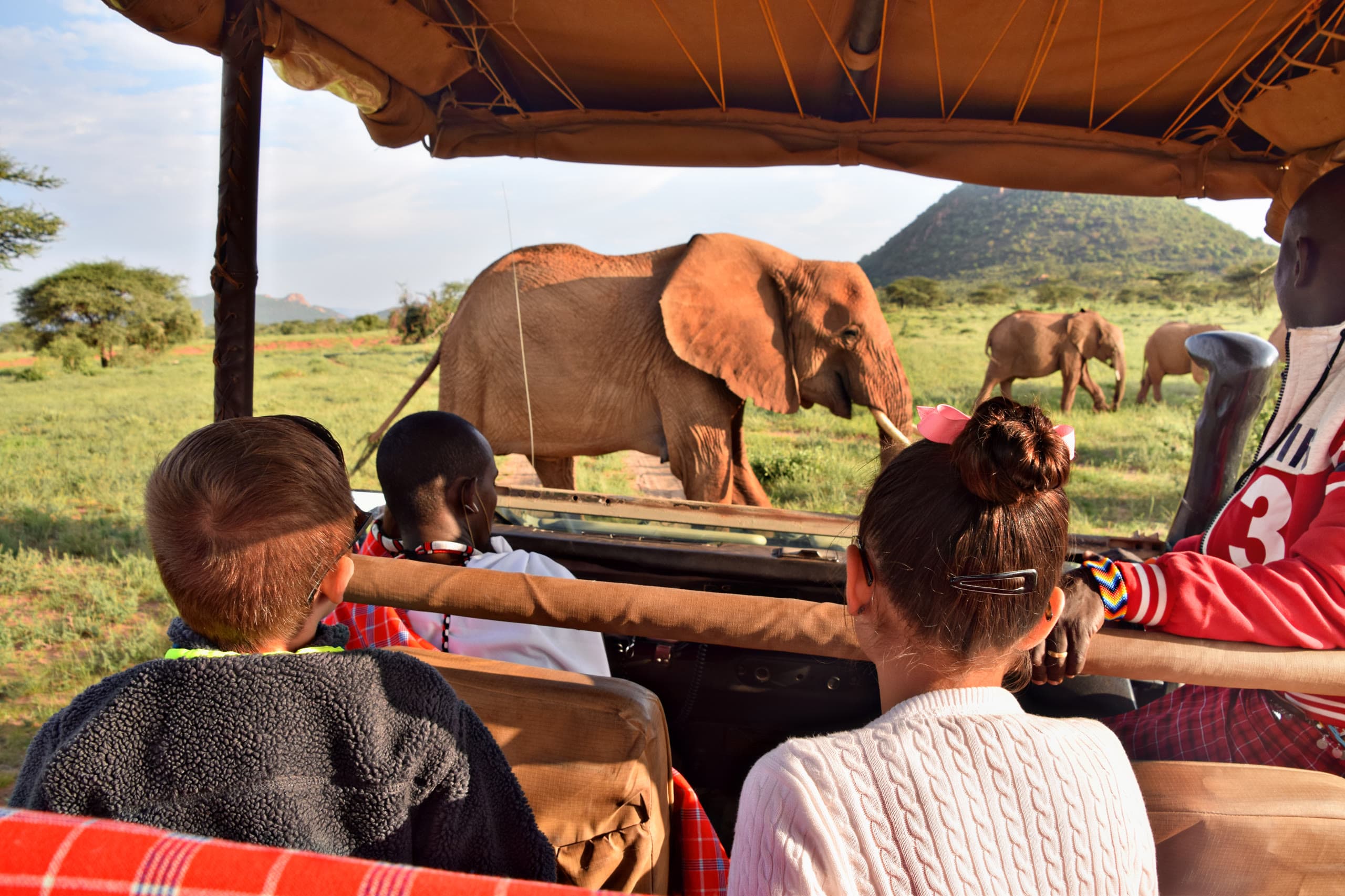
Safari guests watching a herd of elephants from an open vehicle on a family game drive
9 daysFamily

Namibia Family Adventure

Okonjima · Etosha National Park · Swakopmund · Walvis Bay

Families with school-age children who want real wildlife, short drives and plenty of variety

Best months
May–October, the dry winter months
Comfort levels
Comfort · Premium · Luxury
Individually quoted

Good to know

Frequently asked questions

Can you see the Big Five in Etosha National Park?

Four of them. Elephant, lion, leopard and both black and white rhino live in Etosha, but buffalo have been absent since the 1950s. If completing the five matters to you, add the Zambezi Region in Namibia’s north-east, where buffalo are common along the rivers.

Can you do night drives in Etosha?

Inside the park, only on the guided night drives offered by the rest camps; nobody may drive themselves after sunset. The private reserves on the boundary run night drives on their own land, one of the main reasons to stay on one. The floodlit waterholes at the rest camps are the other way to watch wildlife after dark.

Which part of Etosha is best to stay in?

For a first visit, the south around Okaukuejo usually gives the most consistent dry-season viewing, and the east around Namutoni adds woodland species and Fischer’s Pan birding. Three or four nights split between the two, with a traverse along the pan in between, shows you the park’s range. The quieter west suits return visitors.

How did the September 2025 wildfire affect Etosha?

A large wildfire in September 2025 burned roughly a third of the park, according to reports at the time, and the government deployed soldiers to help contain it. Fire is part of savanna ecology and grass usually regrows with the rains, but recovery varies by area. Before we plan your route, we check current conditions, roads and waterholes with our partners on the ground.

How many days do you need in Etosha?

Three nights is a good minimum and four is better, especially if you want to see both the southern and eastern sides. Two nights gives you only one full day in the park, which feels rushed given the distances between waterholes. Add a night or two at Okonjima if you are coming by road from Windhoek.

Why shouldn’t I geotag rhino photos from Etosha?

Poaching remains a real threat: of 61 black rhino reported poached in Namibia in 2022, 46 were killed in Etosha. Location data in photos can help poachers, so switch off geotagging and avoid naming specific waterholes when you share rhino sightings.

Close leopard portrait in golden light

Tell Us How You Picture Namibia

Share your dates, who is traveling and whether you imagine dunes at dawn, rhino tracks in Damaraland or a waterhole at night. We’ll shape a private route around those ideas and talk you through every choice before anything is confirmed.

Plan my safari here