
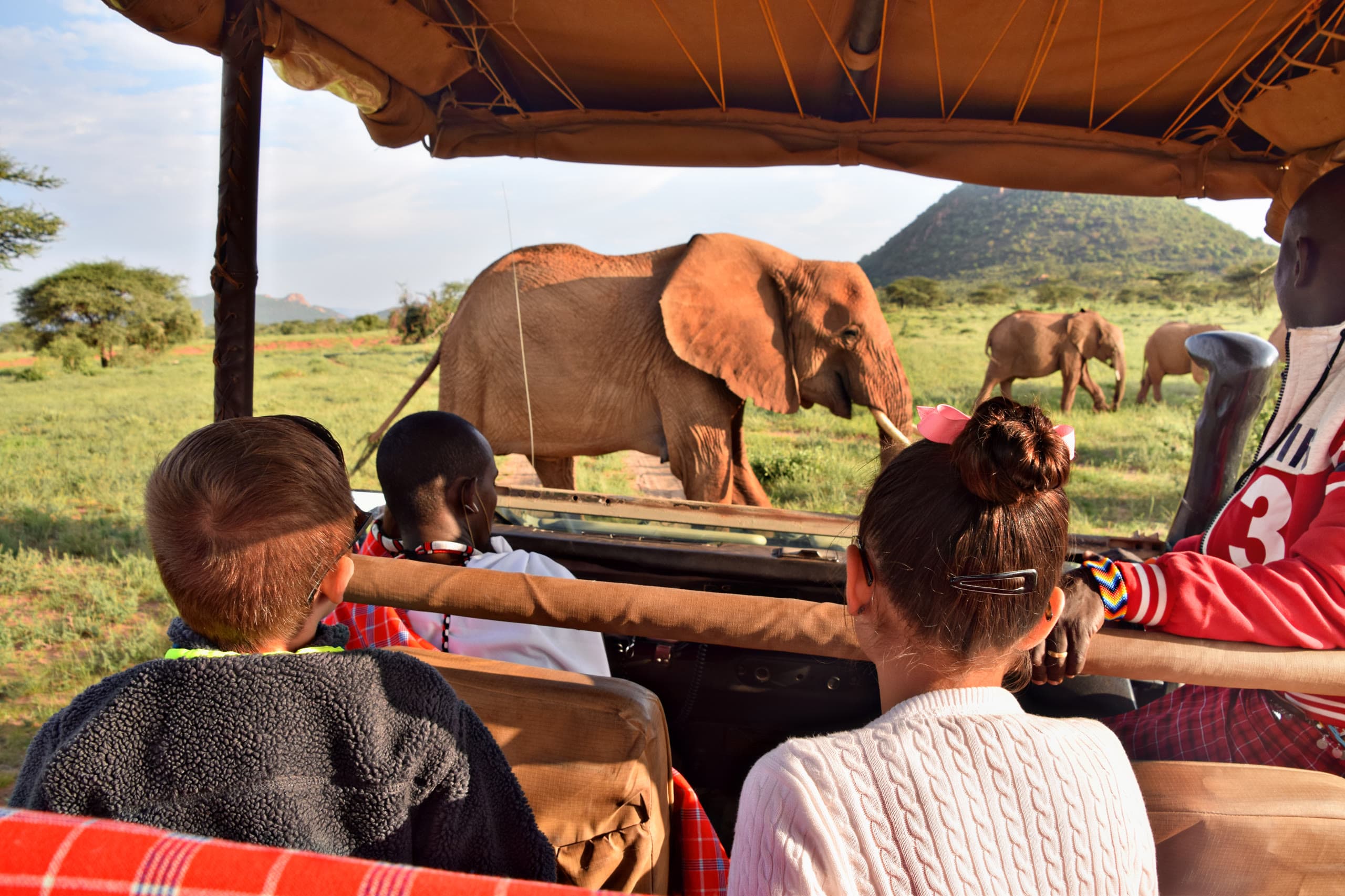
9 daysFamilies
Malaria-Free Family Safari
Madikwe · Cape Town
Families with children of most ages, and first-time safari travelers who would rather avoid malaria areas
- Best months
- March–November
- Comfort levels
- Premium · Luxury
Individually quoted
Malaria-Free Safaris
Big Five reserves with no malaria risk, the ones that are only low risk, and how they compare with Kruger, explained from the CDC’s own map.
A malaria-free safari in South Africa is not a compromise; it is one of the country’s great strengths. Several Big Five reserves lie entirely outside the areas where malaria is transmitted, which means no antimalarial tablets and one less thing to weigh up for young children, pregnancy or a short trip. The catch is that the country’s most famous safari region is not among them.
Kruger National Park, the Sabi Sand and the Greater Kruger reserves sit inside the CDC’s risk area, as does the Phinda area of Zululand. Madikwe and Pilanesberg in the North West, the Eastern Cape reserves, the Kalahari and the whole Western Cape, including Cape Town, do not. This page explains the map in plain English, sets out the honest trade-offs, and shows how the malaria-free reserves fit with a Cape Town stay.
The Malaria Map
The CDC groups South Africa into three levels of advice. At the time of writing (September 2026), they break down like this:
| CDC advice | Where it applies | Safari areas affected |
|---|---|---|
| Antimalarial medication recommended | Kruger National Park; the Ehlanzeni district of Mpumalanga; the Mopani and Vhembe districts of Limpopo; the uMkhanyakude district of KwaZulu-Natal | Kruger, the Sabi Sand, Timbavati, Klaserie, Balule and the far north around Makuleke; Phinda and the northern iSimangaliso coast |
| Mosquito avoidance only, no medication | The Waterberg, Capricorn and Greater Sekhukhune districts of Limpopo; the Zululand and King Cetshwayo districts of KwaZulu-Natal | The Waterberg reserves, including Welgevonden, and parts of central Zululand |
| No malaria | Everywhere else, including the North West, Gauteng and the Eastern, Western and Northern Cape | Madikwe, Pilanesberg, Addo and the Eastern Cape reserves, the Kalahari, the Karoo, Cape Town, the Winelands and the Garden Route |
Summarized from the CDC’s South Africa traveler page, which also flags areas along the borders with Mozambique and Zimbabwe. District lines don’t always follow reserve boundaries, so ask your travel-medicine clinic to confirm the advice for your exact route.
Where They Are
The map marks the regions we plan around. Madikwe in the north-west, the Eastern Cape reserves, Cape Town, the Winelands and the Garden Route all lie outside the CDC’s malaria areas; the Kruger reserves in the north-east and Phinda in Zululand lie inside them.
Approximate locations — not for navigation.
Where to Go
Five choices, each with its own character, and all in areas where the CDC reports no malaria risk.
About 750 km² of bushveld and hills on the Botswana border, restocked from 1992 under Operation Phoenix and opened in 1994. The reserve reports three wild-dog packs and admits no day visitors, so drives feel unhurried. It lies about 4.5 hours by road from Johannesburg, or roughly an hour by light aircraft.
Explore →A 572 km² reserve set in the eroded rings of a volcano some 1.25 billion years old, with the Big Five reintroduced. It is one of the easiest Big Five reserves to reach from Johannesburg, roughly two to two and a half hours by road, and as a public park it welcomes day visitors, so it is busier than Madikwe and suits a short add-on better than a centerpiece.
Addo Elephant National Park, about 1,640 km² and South Africa’s third-largest national park, is famous for its elephants and spans an unusual range of habitats. Around it, private reserves restored from old farmland offer Big Five drives with lodge comforts, 45 minutes to two hours by road from Gqeberha, which is a short flight from Cape Town.
Explore →Semi-desert reserves in the Great Karoo and the Klein Karoo add vast skies and a very different landscape, and one has built its reputation on reintroduced cheetah. Several hold lion, but not every Karoo reserve has the full Big Five, so check before you choose one for that reason.
In the Northern Cape, Tswalu, South Africa’s largest private reserve at more than 1,110 km², holds four of the Big Five (there are no elephants), along with black rhino, wild dog, meerkats and pangolin, which are studied there. It suits a second safari or a special-interest trip more than a first one.
An Honest Caveat
The Waterberg, about two and a half hours north of Johannesburg by road, is often sold as malaria-free. Welgevonden, its best-known Big Five reserve at around 36,000 ha, has much to recommend it: no self-driving for commercial guests, more than 20 lodges spread across a mountain plateau, and a flight of about 45 minutes from Johannesburg.
The CDC, however, lists the Waterberg district as a low-risk transmission area, where it advises mosquito avoidance rather than tablets. In practice the risk is very low, and many families travel there with repellent, long sleeves at dusk and screened rooms. But “very low” is not “none”, and if you are pregnant or have a medical reason to avoid any exposure, Madikwe or the Eastern Cape is the cleaner choice. We use the term “malaria-free” only where the CDC reports no risk at all.
Trade-Offs
Choosing malaria-free means choosing a different kind of reserve. Neither is better; they suit different trips.
| Consideration | Malaria-free reserves | Kruger and the Greater Kruger |
|---|---|---|
| Scale | Fenced reserves, most restocked since the 1990s; Addo, at about 1,640 km², is the largest | An open system of more than 20,000 km² once the unfenced private reserves are included |
| Wildlife | The Big Five and much more, in managed populations that guides know individually | Larger populations moving freely, and the Sabi Sand’s celebrated leopard viewing |
| Feel | Intimate and easy to cover; the lodge is never far away | A sense of true wilderness and, in the far north, real remoteness |
| Access | Madikwe by a short flight from Johannesburg; the Eastern Cape about an hour and a quarter by air from Cape Town | About an hour’s flight from Johannesburg, or two and a half hours direct from Cape Town |
| Families | Family suites are common and some lodges run children’s programs | Minimum ages for drives are common, often six and up, and antimalarials are recommended |
| Best for | Young children, pregnancy, short trips and easy pairing with Cape Town | Leopard-focused and longer safaris, walking and return visits |
General guidance; lodge policies on ages and activities vary.
Who It Suits
Families with young children are the most obvious fit. Child-dose antimalarials, bite prevention every evening and the worry of a fever after you get home all fall away, and the malaria-free reserves tend to have the family-oriented lodges to match. The same logic applies to travelers who are pregnant or hoping to become pregnant, who are commonly advised by their doctors to avoid malaria areas altogether.
It also suits people whose health conditions or regular medications make antimalarials awkward, and anyone on a short trip, where a course of tablets that starts before the bush and continues after it feels out of proportion to three nights. None of this is medical advice: see a travel-medicine clinic well ahead of your trip, and take its recommendation over any general guide, including this one.
Pairings
Cape Town, the Winelands and the Garden Route are malaria-free too, so a whole trip can be. Three journeys show how.
Three nights in Madikwe with game drives timed around children’s energy, then four in Cape Town with the penguins of Boulders Beach and a day on the Cape Peninsula. This is our 9-day malaria-free family safari.
Explore →A flight of about an hour and a quarter from Cape Town to Gqeberha leads to three nights on a Big Five reserve: the simplest malaria-free safari from the Cape, and the heart of our 7-day journey.
Explore →Thirteen days along the coast via Hermanus and the Garden Route, finishing with three nights on a malaria-free reserve near Gqeberha, with a private driver-guide at the wheel.
Explore →Safaris
Madikwe · Cape Town
Families with children of most ages, and first-time safari travelers who would rather avoid malaria areas
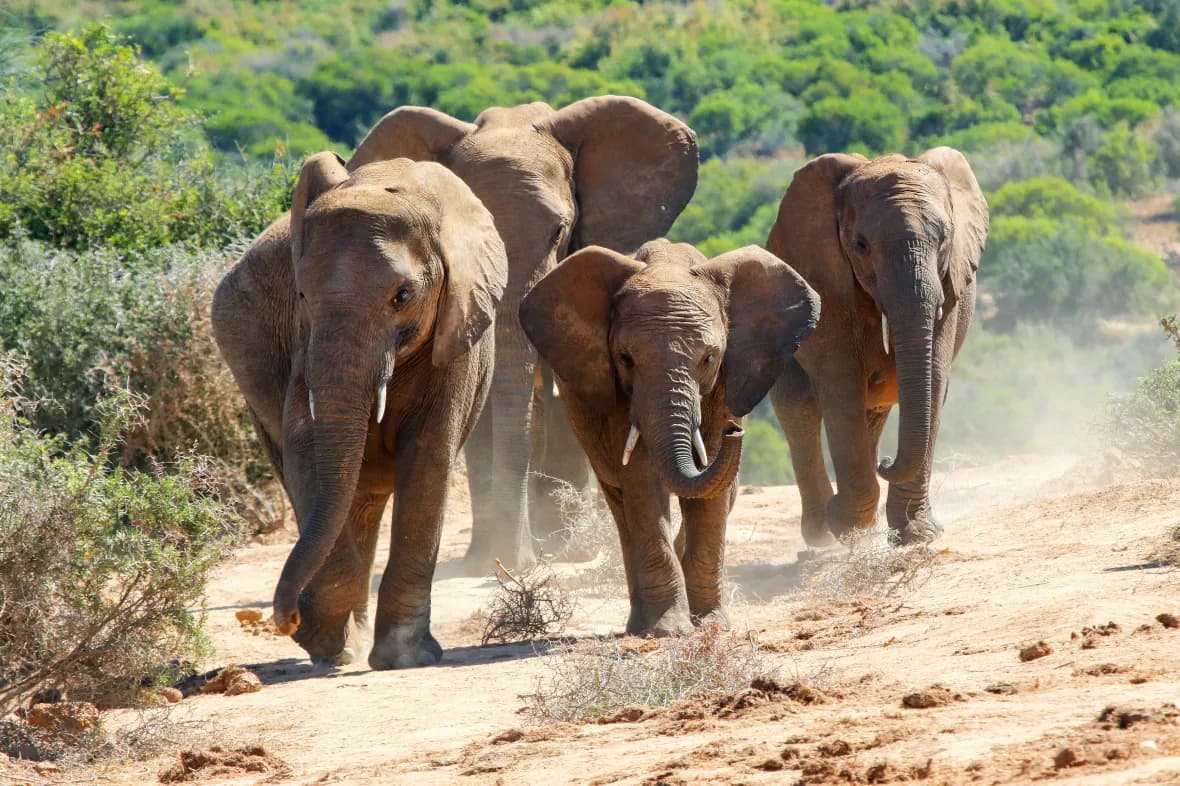
Cape Town · Gqeberha Airport (PLZ) · Eastern Cape private reserves
First-time visitors and families with one week, or anyone who wants a safari without antimalarials
Cape Town · Hermanus · Knysna · Plettenberg Bay · Eastern Cape private reserves · Gqeberha Airport (PLZ)
Families and first-timers who want Cape Town, the coast and a Big Five safari without malaria or rushed transfers
Where to go
A malaria-free Big Five reserve on the Botswana border, closed to day visitors and well suited to families.
ExploreMalaria-free Big Five reserves and Addo’s elephants, a short flight from Cape Town or at the end of the Garden Route.
Explore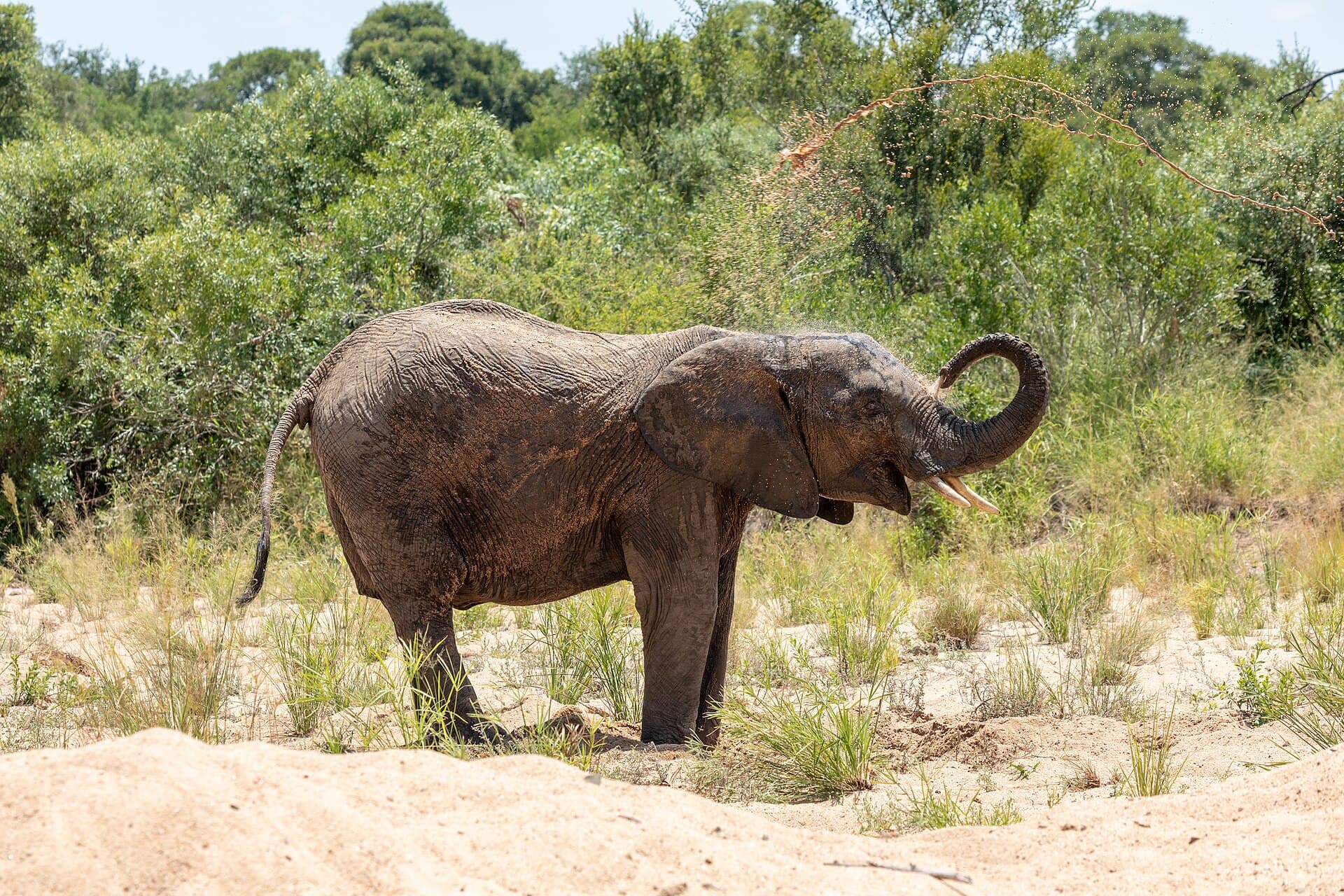
South Africa’s flagship national park, with rest camps, private concessions and three very different regions from south to north.
Explore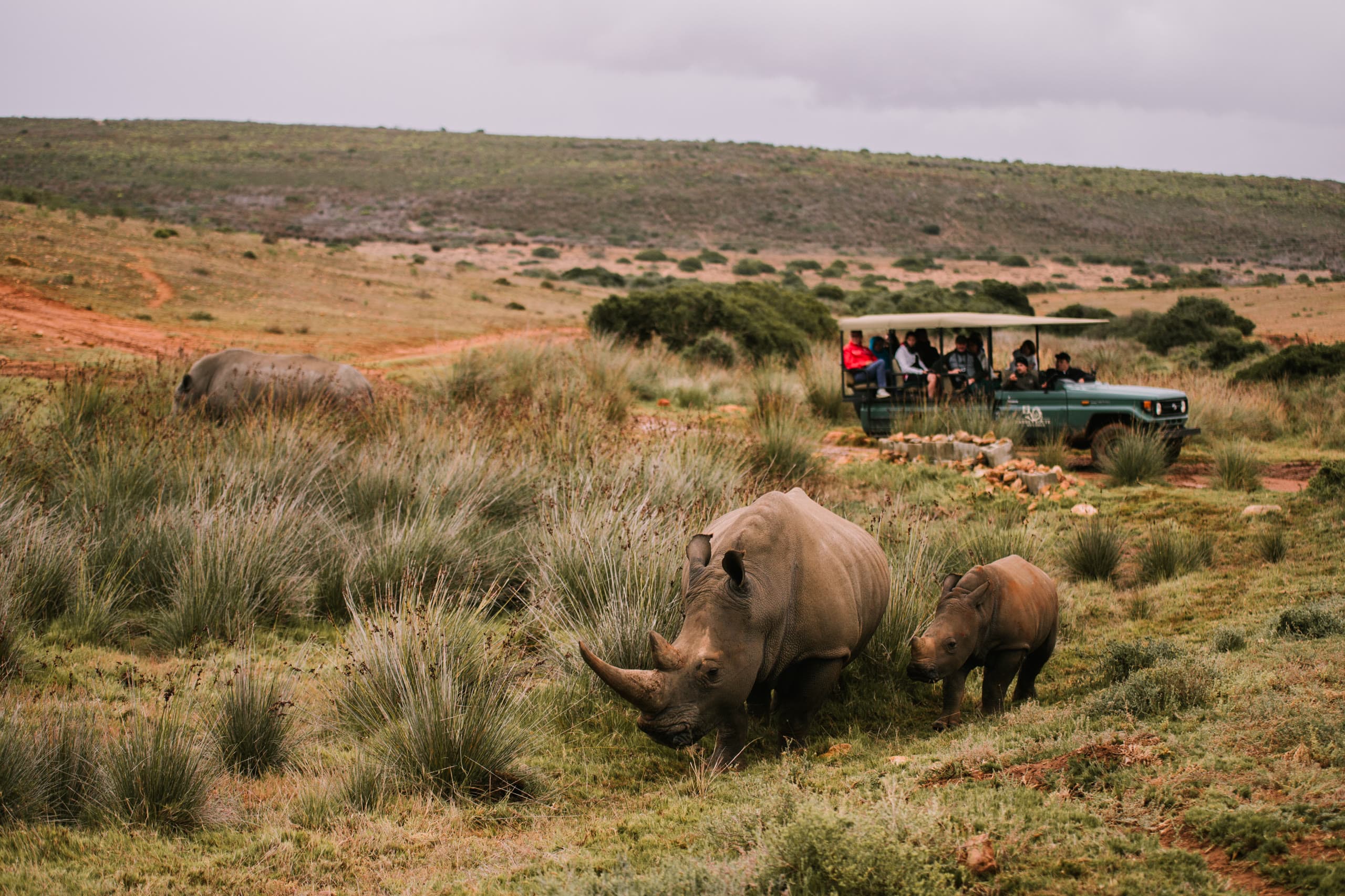
Zululand’s Big Five reserves and the iSimangaliso coast: a bush-and-beach trip without leaving South Africa.
ExploreGood to know
No. The CDC lists Kruger National Park as an area where antimalarial medication is recommended, and the same applies to the Sabi Sand and the private reserves along Kruger’s western boundary. Its advice does not change with the season, even though local risk is lower in the dry winter.
Madikwe is the usual first choice: it lies outside every malaria area on the CDC’s map, admits no day visitors, and has lodges designed around families, about an hour from Johannesburg by light aircraft. From Cape Town, an Eastern Cape reserve near Gqeberha is the easier option. Check each lodge’s minimum age for game drives before you book.
No. The whole Western Cape, including Cape Town, the Winelands, the Whale Coast and the Garden Route, lies outside the CDC’s malaria areas, as does the Eastern Cape. Malaria only becomes a question if your route adds Kruger, its private reserves or northern KwaZulu-Natal.
South African guidance describes the risk in the north-east as highest in the warm, wet summer months and lower in winter. The CDC’s recommendation for Kruger stays the same all year, so a winter trip does not by itself remove the need for tablets. A travel-medicine clinic can advise on your specific dates.
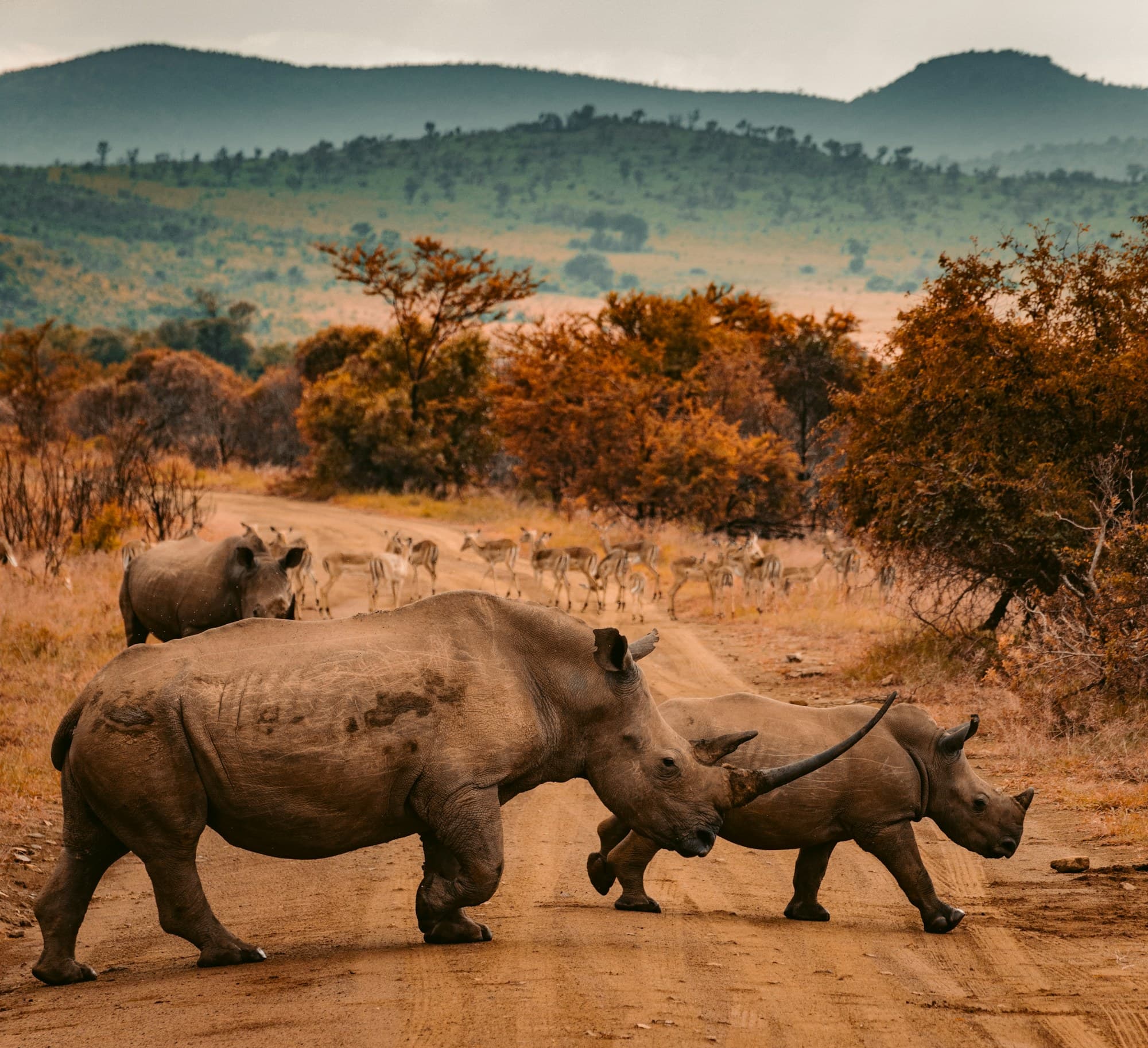
Yes. Madikwe, Pilanesberg and many Eastern Cape reserves hold all five, as does Welgevonden in the low-risk Waterberg, while the Kalahari reserves hold four, with no elephants. Leopard is usually the hardest to find in smaller, fenced reserves, so give yourself at least three nights.
Share your dates, who is coming and whether malaria-free matters, and a safari specialist will design a private South Africa route around you. Nothing is booked until you approve it.
Plan My South Africa Safari