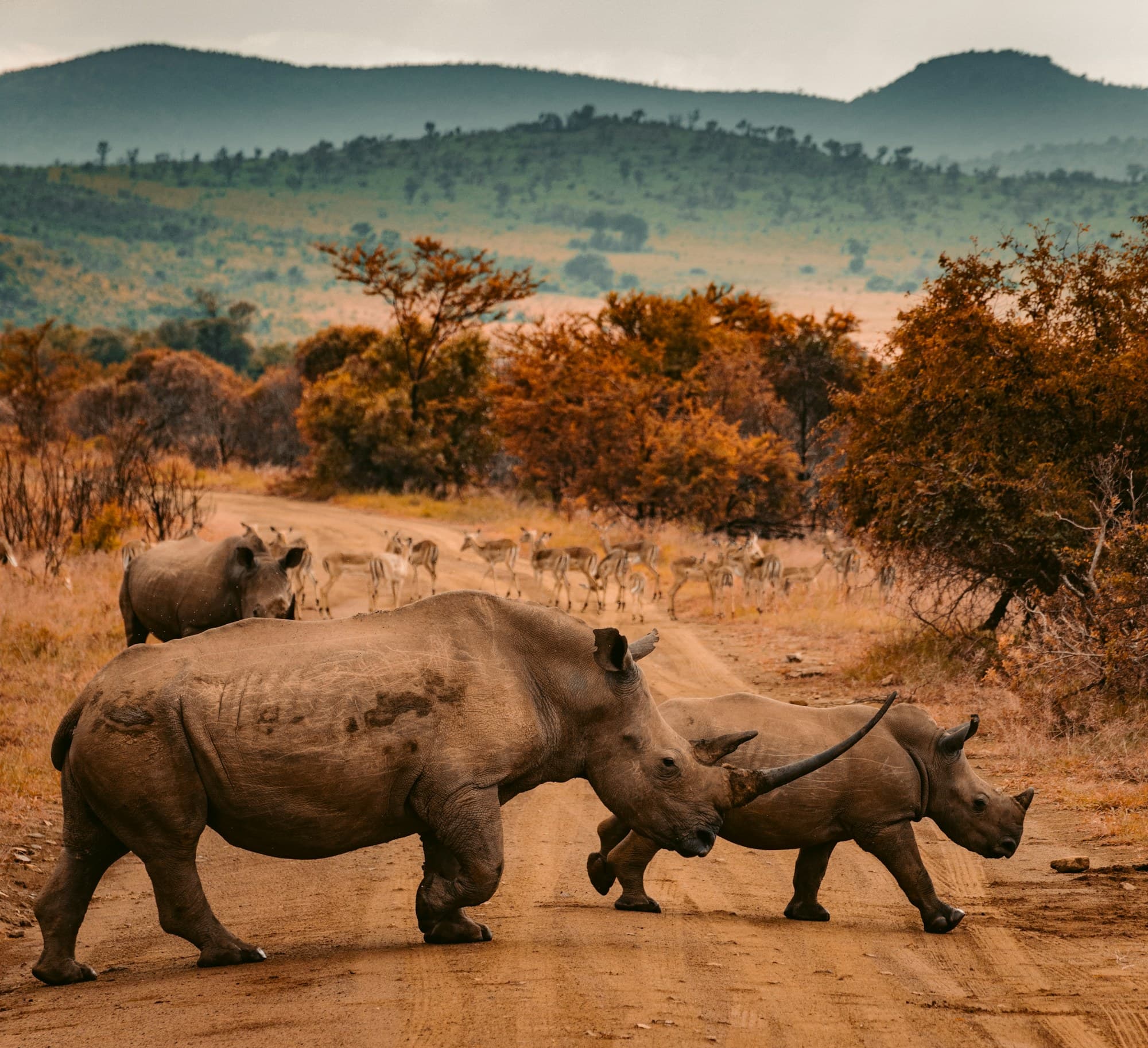
Two white rhinos grazing side by side in a private reserve

From Cape Town

Safari Near Cape Town: Honest Options and When to Fly Instead

What a reserve within driving distance of Cape Town can and can’t give you, and when an hour or two in the air buys a far richer safari.

Cape Town is one of the world’s great cities, but it is not safari country. The Big Five reserves most people picture lie in the far north-east of South Africa, a flight rather than a drive away. What you can find near Cape Town is a handful of fenced private reserves in the Karoo and the wider Western Cape, two to four hours away by road, where reintroduced animals roam semi-desert and mountain landscapes. For a safari near Cape Town they are the honest starting point, and for some trips they are enough.

The real question is what you want from the safari part of your trip. If it is a taste of the bush and a first look at elephant and rhino, a night or two in the Karoo can deliver. If it is leopards, large predator populations and the feeling of true wilderness, you will do better to fly: about an hour and a quarter to Gqeberha for the malaria-free Eastern Cape, or about two and a half hours direct to the Kruger area. This guide sets out each option plainly.

The Geography

How Far the Safari Regions Are From Cape Town

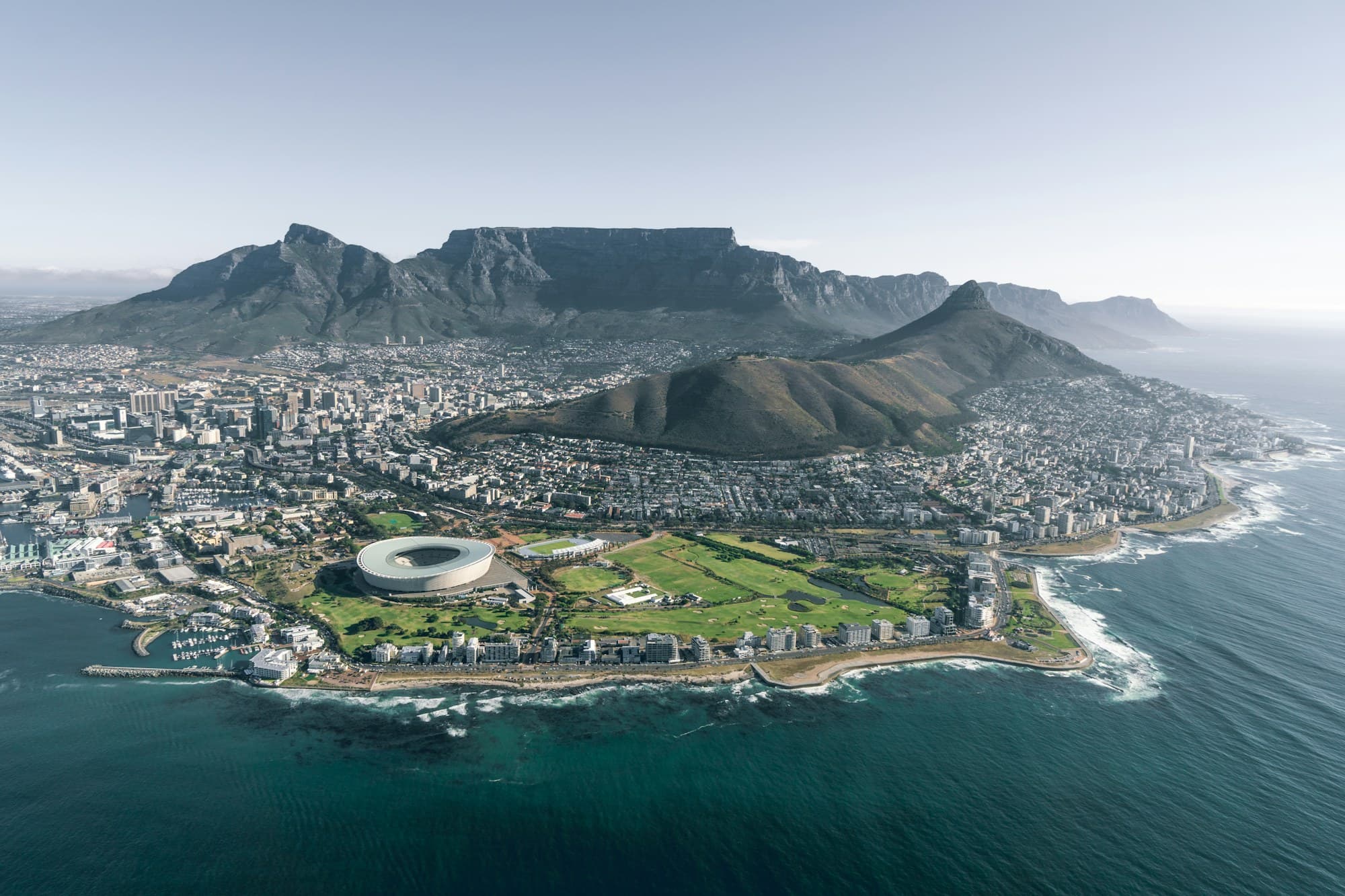
Cape Town sits at the south-western tip of the map, with the Winelands and the Garden Route to its east. The Eastern Cape reserves lie beyond the Garden Route near Gqeberha, while the Kruger reserves and Madikwe are in the far north-east and north. The Karoo reserves, not marked here, lie inland between Cape Town and the Garden Route.

Map: South AfricaNamibiaBotswanaSouth AfricaKruger National ParkSabi SandTimbavatiMadikweEastern Cape private reservesPhindaCape TownFranschhoekKnysna

Approximate locations — not for navigation.

Three Honest Options

Your Choices, From Nearest to Wildest

Karoo and Western Cape reserves · 2–4 hours by road

Fenced private reserves in semi-desert and mountain country, stocked with reintroduced species. Several hold lion, elephant, rhino and buffalo; leopards live wild in the Cape’s mountains but are very rarely seen. Lodges range from comfortable to luxurious, and all are malaria-free.

The Eastern Cape · a short flight

Fly about an hour and a quarter to Gqeberha, then drive 45 minutes to two hours to a Big Five reserve or to Addo Elephant National Park. The reserves are larger and more varied than the Karoo options, and the region is malaria-free with mild weather all year.

Explore

Kruger and the private reserves · about 2.5 hours by air

Direct flights link Cape Town with Skukuza, Hoedspruit and Kruger Mpumalanga airports, putting the Sabi Sand, the Greater Kruger and Kruger National Park within half a day. This is South Africa’s classic safari, with the biggest predator populations, though it lies in a malaria area.

Explore

Expectations

What “Big Five Near Cape Town” Really Means

Reserves within driving range of Cape Town can fairly advertise the Big Five, and the animals are real and free to roam inside the fence. But the scale is different. A reserve here may hold a single lion pride that the guides know well, a small elephant herd and a few closely protected rhino. Sightings can be good and relaxed; they are rarely the layered, unpredictable encounters of a vast ecosystem.

Leopard is the big caveat. The Cape’s mountains hold wild leopards, but they are shy and seldom seen, and no reputable reserve near the city will promise one. If a leopard matters to you, the Sabi Sand, where generations of leopards have grown used to vehicles, gives you a far better chance, and Kruger vs Sabi Sand explains the choices there.

None of this makes the Karoo reserves a poor choice. Ancient mountains, succulent plains and star-filled nights are spectacular in their own right, and for families or anyone short on time, a well-run reserve two or three hours from the city can be a lovely introduction to the bush.

Decision Table

Which Option Fits the Time You Have

Time availableBest optionWhat to expect
One dayA day visit to a Karoo or Western Cape reserveFour to eight hours on the road for two or three hours of game viewing, in the middle of the day when many animals rest
One nightAn overnight stay at a Karoo reserveAn afternoon drive into the evening and an early drive the next morning, when animals are most active: the most realistic short option
Two nightsThe Eastern Cape, or a longer Karoo stayFour drives on a Big Five reserve with time for a walk; flying to Gqeberha costs you little time in transit
Three nights or moreFly to the Kruger area or the Eastern CapeEnough drives to find the harder species, a real rhythm of bush life and, in the Kruger reserves, the country’s richest predator viewing

Driving and flight times are approximate and depend on the reserve, the airport and the day’s schedules.

Day Trips

The Honest Arithmetic of a Day Safari From Cape Town

Day safaris from Cape Town are widely sold, and it is easy to see why: breakfast in the city and elephants by lunchtime is an appealing idea. In practice, a two- to four-hour drive each way means a very early start, a game drive in the middle of the day when many animals are resting, and a return after dark. Most of the day is spent on the road.

If you only have a day, a private Cape Peninsula tour, with the penguins of Boulders Beach, the baboons of the Cape of Good Hope and, in season, whales along the coast, is often the more rewarding wildlife day. If you can spare a night, stay over in the Karoo instead: a dusk drive and a dawn drive from a lodge change the experience completely.

A Responsible Filter

What to Avoid Near Cape Town

South Africa has a large captive-lion industry, and some facilities within easy reach of the city trade on it. We don’t include any place that offers:

  • Cub petting, or photos holding young predators
  • Lion walks or “walking with cheetahs”
  • Predator breeding presented as conservation, where animals are bred for tourism rather than returned to the wild
  • Elephant-back rides
  • Shark-cage diving, which we also leave off coastal itineraries
  • A useful test for any sanctuary: ask whether it breeds, sells or lets visitors touch its animals; a genuine rescue center does none of the three

Seasons

When to Go on Safari From Cape Town

The Karoo is a land of extremes. Summer days from December to February can be fiercely hot, so drives start early, finish late and leave the middle of the day to the pool. Winter, from June to August, brings crisp, clear days and cold nights that can dip close to freezing; lodges light fires and hand out blankets for the drives.

Cape Town’s own seasons matter too. The city’s rain falls mostly between May and August, so a Karoo night can be a welcome dry escape from a wet week, while the Eastern Cape reserves work in every month and are at their most comfortable in spring and autumn. The best time to visit South Africa maps the whole year.

Safaris

Recommended safaris

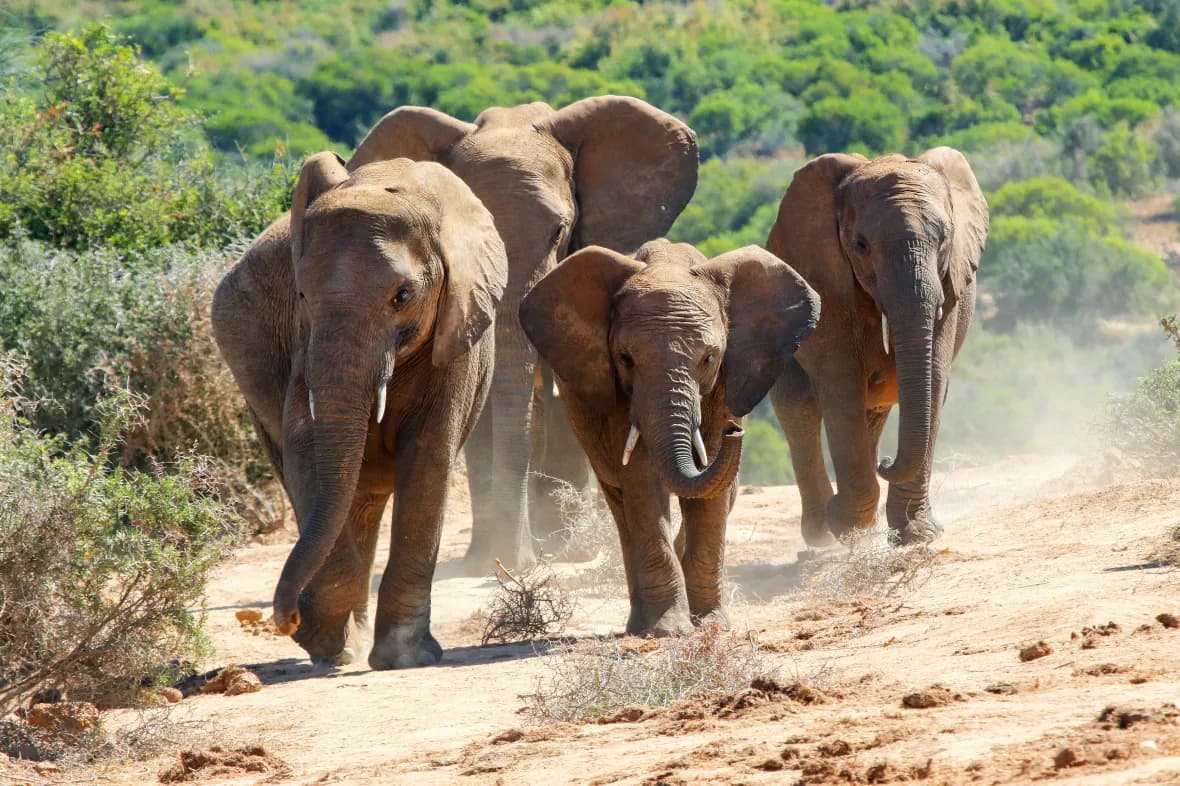
A family of elephants walking along a dusty track through dense green thicket
7 daysShort & malaria-free

Cape Town + Malaria-Free Safari

Cape Town · Gqeberha Airport (PLZ) · Eastern Cape private reserves

First-time visitors and families with one week, or anyone who wants a safari without antimalarials

Best months
September–May
Comfort levels
Comfort · Premium · Luxury
Individually quoted
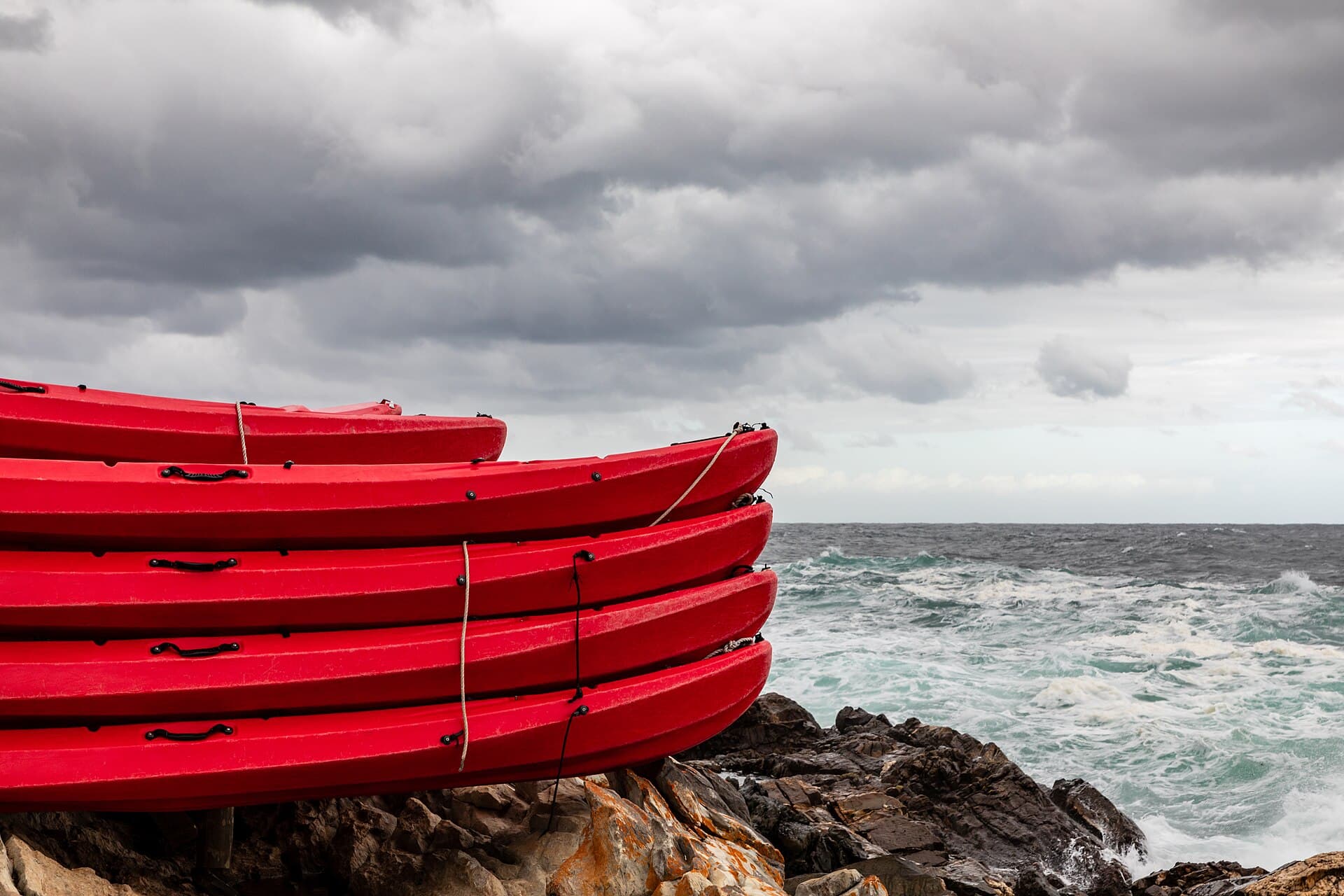
Green fynbos hills meeting the ocean along the Garden Route
13 daysCoastal road trip

Cape to Garden Route

Cape Town · Hermanus · Knysna · Plettenberg Bay · Eastern Cape private reserves · Gqeberha Airport (PLZ)

Families and first-timers who want Cape Town, the coast and a Big Five safari without malaria or rushed transfers

Best months
February–April and September–November
Comfort levels
Comfort · Premium · Luxury
Individually quoted
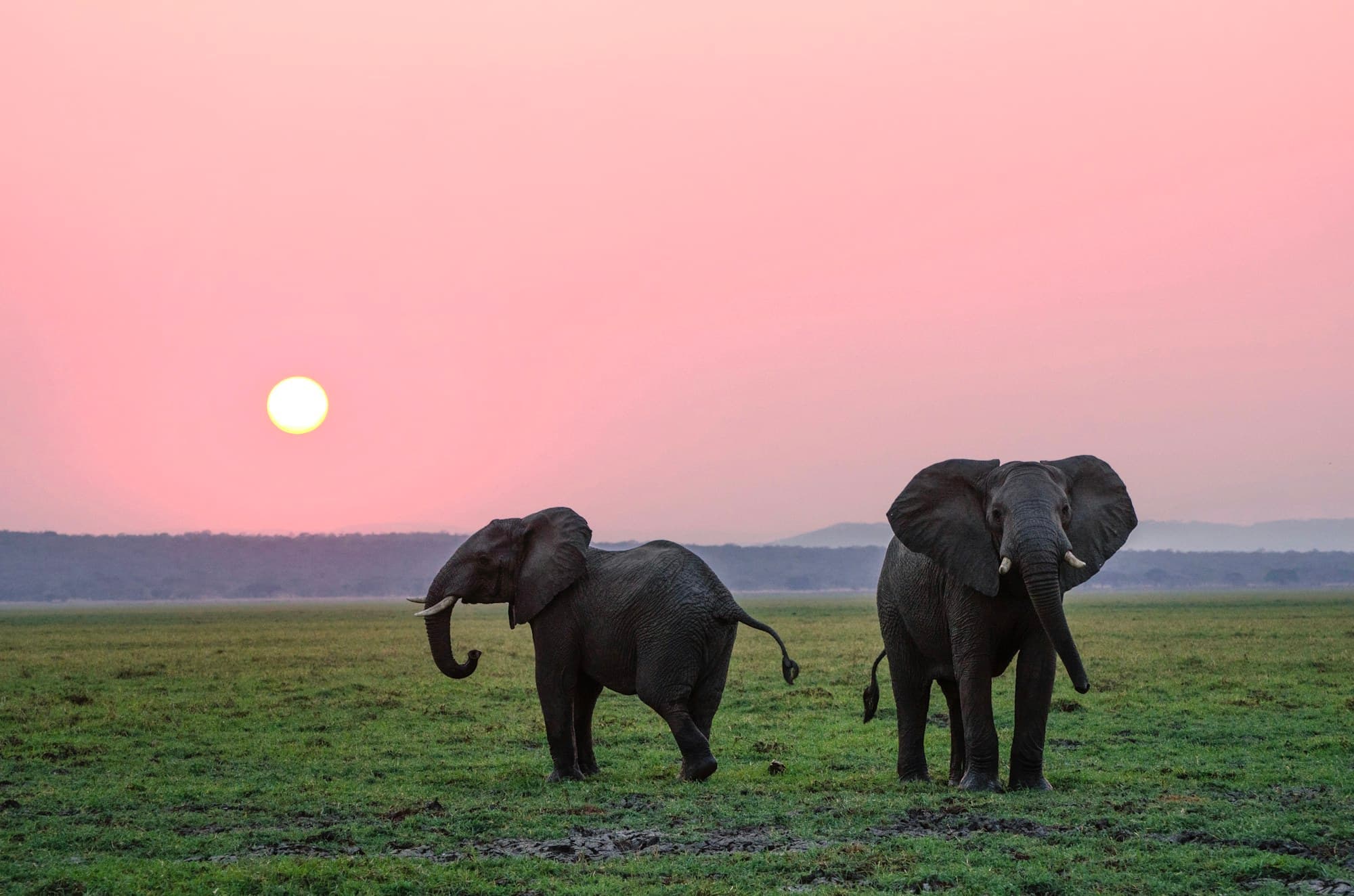
Two elephants together beneath a soft pink dusk sky
11 daysCouples

Winelands, Whales & Kruger

Cape Town · Franschhoek · Hermanus · Skukuza Airport · Kruger National Park

Honeymooners and anniversary couples traveling between June and November

Best months
June–November (whale season and the dry bush)
Comfort levels
Premium · Luxury
Individually quoted
Experiences

Related experiences

Table Mountain and the Cape Town coastline seen from above at dusk

Cities & culture

Cape Peninsula Tour

A full private day around the peninsula south of Cape Town: cliff roads, the Cape of Good Hope, African penguins at Boulders and a harbor lunch in Kalk Bay.

Ocean & reef

Whale Watching in South Africa

Watch southern right whales court and calve within sight of the Cape’s cliffs, from a clifftop path or a licensed boat, roughly June to early December.

Good to know

Frequently asked questions

Can you see the Big Five near Cape Town?

Yes, on a few fenced private reserves two to four hours’ drive from the city, though not every reserve holds all five and leopard is very rarely seen. Populations are small and managed, so sightings are pleasant rather than plentiful. For the full cast in larger numbers, fly to the Eastern Cape or the Kruger area.

Is a day safari from Cape Town worth it?

Only if a single day is all you have. You spend most of it on the road and reach the animals during the quietest hours. An overnight stay at a Karoo reserve, with evening and morning drives, is a much better experience for one extra night.

What is the closest malaria-free Big Five safari to Cape Town?

The Karoo and Western Cape reserves are the closest by road, and all are malaria-free. By air, the Eastern Cape reserves near Gqeberha are about an hour and a quarter from Cape Town and offer a larger, more varied Big Five experience, also without malaria.

Should I fly to Kruger instead of doing a safari near Cape Town?

If you have three or more nights for the bush and malaria precautions are not a concern, yes. Direct flights of about two and a half hours link Cape Town with the Kruger area, where the private reserves offer South Africa’s richest predator viewing. With fewer nights, or with young children, the Eastern Cape is the better compromise.

Two white rhinos grazing side by side in a private reserve

Tell Us When You Can Travel

Share your dates, who is coming and whether malaria-free matters, and a safari specialist will design a private South Africa route around you. Nothing is booked until you approve it.

Plan My South Africa Safari