
Entry Requirements
Zambia Visa & Entry Requirements for US Travelers (2026)
Good news first: US passport holders do not currently need a visa for a Zambian safari. Here is what you do need, and when the KAZA UNIVISA earns its place.
The Short Version
At the time of writing (September 2026), US passport holders can visit Zambia for short tourist stays without a visa. Zambia’s visa waiver for US, UK, EU, Canadian, Australian and several other nationalities took effect on 19 October 2022, so there is no application to make before a straightforward safari.
Published sources currently disagree on exactly how long a visa-free stay may last. If your trip is long, or includes time in neighboring countries, confirm the permitted length with the Embassy of Zambia in Washington, DC or the Zambia Department of Immigration before you book.
Three things still need attention: your passport, which must meet Zambia’s validity and blank-page rules; the KAZA UNIVISA, which is only worth buying if you plan to cross into Zimbabwe; and yellow fever, where the rule depends on your route rather than your nationality. Entry rules change, so treat this as a planning summary rather than legal advice, and check the official sources listed below shortly before you travel.
Zambia Entry at a Glance
| Item | What applies to US travelers |
|---|---|
| Tourist visa | Not required for short tourist stays at the time of writing; the waiver has been in effect since 19 October 2022 |
| Length of stay | Sources differ, so confirm with the Embassy of Zambia or Zambia Immigration before booking a long trip |
| Passport validity | At least six months’ validity remaining when you arrive |
| Blank pages | Three full blank pages, per Zambia’s Department of Immigration; UK advice says two, so plan on three |
| Onward travel | A return or onward ticket if you arrive by air |
| KAZA UNIVISA | Optional: US$50 at the time of writing, covering Zambia and Zimbabwe plus day trips to Botswana |
| Yellow fever | A certificate is needed only if you arrive from, or transit for more than 12 hours through, a country with yellow fever risk |
| Departure tax | About US$25 on international flights, normally included in your ticket |
| Cash | Declare amounts over US$5,000 on arrival |
Position at the time of writing (September 2026). Rules and fees change; check the official sources below before you fly.
Decision Tree
What Do You Actually Need? A Quick Check
Work through these five questions in order. Most US travelers stop after the first or second.
Staying only in Zambia?
Then you need no visa at the time of writing. Bring a passport with six months’ validity and three blank pages, your return ticket and your itinerary, and check the yellow fever question below.
Crossing into Zimbabwe at Victoria Falls?
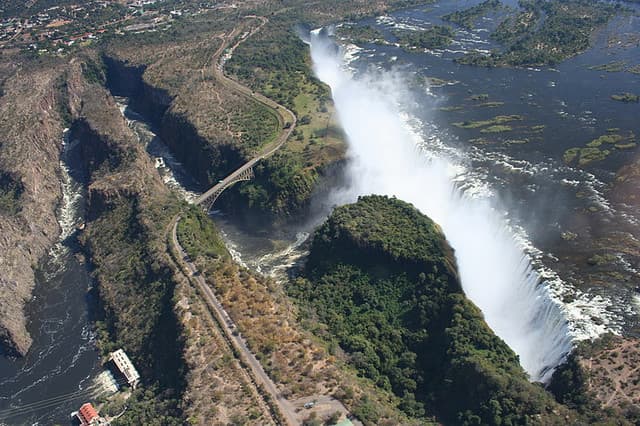
If you will spend time in Zimbabwe, even a night in Victoria Falls town or a few days in Hwange, compare the KAZA UNIVISA with Zimbabwe’s own visa. If you will cross more than once, the UNIVISA is usually the simpler choice. Our Zimbabwe section covers the Zimbabwean side.
Visiting Botswana’s Chobe for the day?
Day trips into Botswana through the Kazungula crossing are one of the uses the KAZA UNIVISA was designed for. If your trip covers only Zambia and Botswana, it is rarely necessary; check Botswana’s current rules for your passport, and see our Botswana section for Chobe itself.
Coming from Kenya, or connecting through Addis Ababa or Nairobi?
A safari in Kenya earlier in the trip, or a layover of more than 12 hours in a country with yellow fever risk, means you are likely to need a yellow fever certificate. The section below explains the rule.
Anyone in your party on another passport?
Rules differ by nationality, and one traveler may need a visa when another does not. Check the Zambia Department of Immigration’s visitor pages for each passport in your group.
KAZA UNIVISA
The KAZA UNIVISA, From Zambia’s Side
The KAZA UNIVISA is a joint tourist visa for Zambia and Zimbabwe, named after the Kavango–Zambezi transfrontier conservation area. At the time of writing it costs US$50 and allows up to 30 days in any 12-month period while you stay within the two countries, with as many crossings between them as you like, plus day trips into Botswana through Kazungula. It has been a permanent arrangement since December 2016.
On the Zambian side it is issued at Kenneth Kaunda International Airport in Lusaka, Harry Mwaanga Nkumbula International Airport in Livingstone, the Victoria Falls border and Kazungula. You can also apply online through Zambia’s e-visa system, but only if you will arrive at a Zambian port of entry; US nationals are on the eligible list. Issuance has paused at times in the past, so check that it is available at your crossing before relying on it.
Is it worth it for a US traveler? Because Zambia is already visa-free for US tourists, the UNIVISA mainly buys you Zimbabwe and the freedom to cross back and forth at the falls. If your trip stays in Zambia, skip it. Zambia also sells a Day Tripper visa at the Victoria Falls and Kazungula borders, but it is intended for nationalities that need a Zambian visa, so it rarely matters for US passport holders.
Yellow Fever
Yellow Fever: The Rule That Catches Travelers Out
If you fly to Zambia from the United States, you do not need a yellow fever certificate. According to the CDC, you do need one, for every traveler aged one or over, if you arrive from a country with a risk of yellow fever transmission, and that includes airport transits or layovers of more than 12 hours in such a country.
Two kinds of trip trigger it. The first is a multi-country safari that begins in East Africa, such as a week in Kenya’s Masai Mara before flying on to Lusaka. The second is a long connection: some convenient routings from the US connect through Addis Ababa or Nairobi, and Ethiopia and Kenya are both countries with yellow fever risk. A normal same-day connection is fine; an overnight layover beyond 12 hours can bring you under the rule.
The CDC does not recommend the yellow fever vaccine for most travel in Zambia, and generally does not recommend it for the North-Western and Western provinces, where Liuwa Plain lies. If a certificate is required, it only becomes valid 10 days after vaccination, so see a travel-health clinic early. The wider health picture, including malaria, is covered in Is Zambia safe? Safety and health advice.
Documents to Carry
Keep these in your hand luggage, with copies saved offline on your phone and one paper copy packed separately.
- A US passport with at least six months’ validity and three full blank pages
- Your return or onward flight details
- Your itinerary, with the name and address of your first night’s accommodation
- A yellow fever certificate, if your route requires one
- A printed KAZA UNIVISA approval, if you applied online
- Your travel insurance details, including medical evacuation cover
- Some clean, recent US dollar notes in small denominations for incidentals
At the Border
Money and Health Checks on Arrival
Zambia’s departure tax, about US$25 on international flights, is normally built into your airline ticket, so there is nothing to pay at the airport. If you carry more than US$5,000 in cash, declare it on arrival. By law, payments inside Zambia are made in kwacha, but safari camps and many tourist businesses price in and accept US dollars.
Health screening can also change at short notice. At the time of writing, the UK government notes that Zambia may introduce entry measures, including health screening, for travelers arriving from areas affected by an Ebola outbreak that the World Health Organization has declared a public health emergency of international concern. If you are traveling from or through an affected region, check current guidance before you fly.
Good to know
Frequently asked questions
How long can a US citizen stay in Zambia without a visa?
Published sources currently give different figures, so we don’t quote one. Short tourist stays are visa-free for US passport holders at the time of writing, and the stay granted on your entry stamp is the final word. For a long or complex trip, confirm the permitted length with the Embassy of Zambia in Washington, DC or the Zambia Department of Immigration.
Is the KAZA UNIVISA worth it for Americans?
Only if you are going to Zimbabwe. US citizens already enter Zambia visa-free, so the UNIVISA’s value lies in covering Zimbabwe and repeated crossings at Victoria Falls. If your safari stays in Zambia, or adds only a Botswana day trip, you probably don’t need it.
Can I buy the KAZA UNIVISA online?
Yes, through Zambia’s e-visa system, but only if you will enter at a Zambian port such as Lusaka, Livingstone, the Victoria Falls border or Kazungula. Print the approval and carry it with your passport. It can also be issued on arrival at those ports when it is available.
Do I need a yellow fever vaccine for Zambia?
Not if you fly in from the United States with a normal connection. A certificate is required if you arrive from a country with yellow fever risk, including after a layover of more than 12 hours there, which catches travelers coming on from a Kenya safari. Discuss your full route with a travel-health clinic.
How many blank passport pages do I need for Zambia?
Zambia’s Department of Immigration asks for three full blank pages, while UK government advice mentions two. Plan on three, plus extra pages if you are also visiting Zimbabwe, Botswana or other countries on the same trip.
Tell Us When You Can Travel
Share your dates, who is coming and whether you want to walk, paddle or simply watch. A safari specialist will design a private Zambia journey around the seasons, with nothing booked until you approve it.
Plan My Zambia Safari