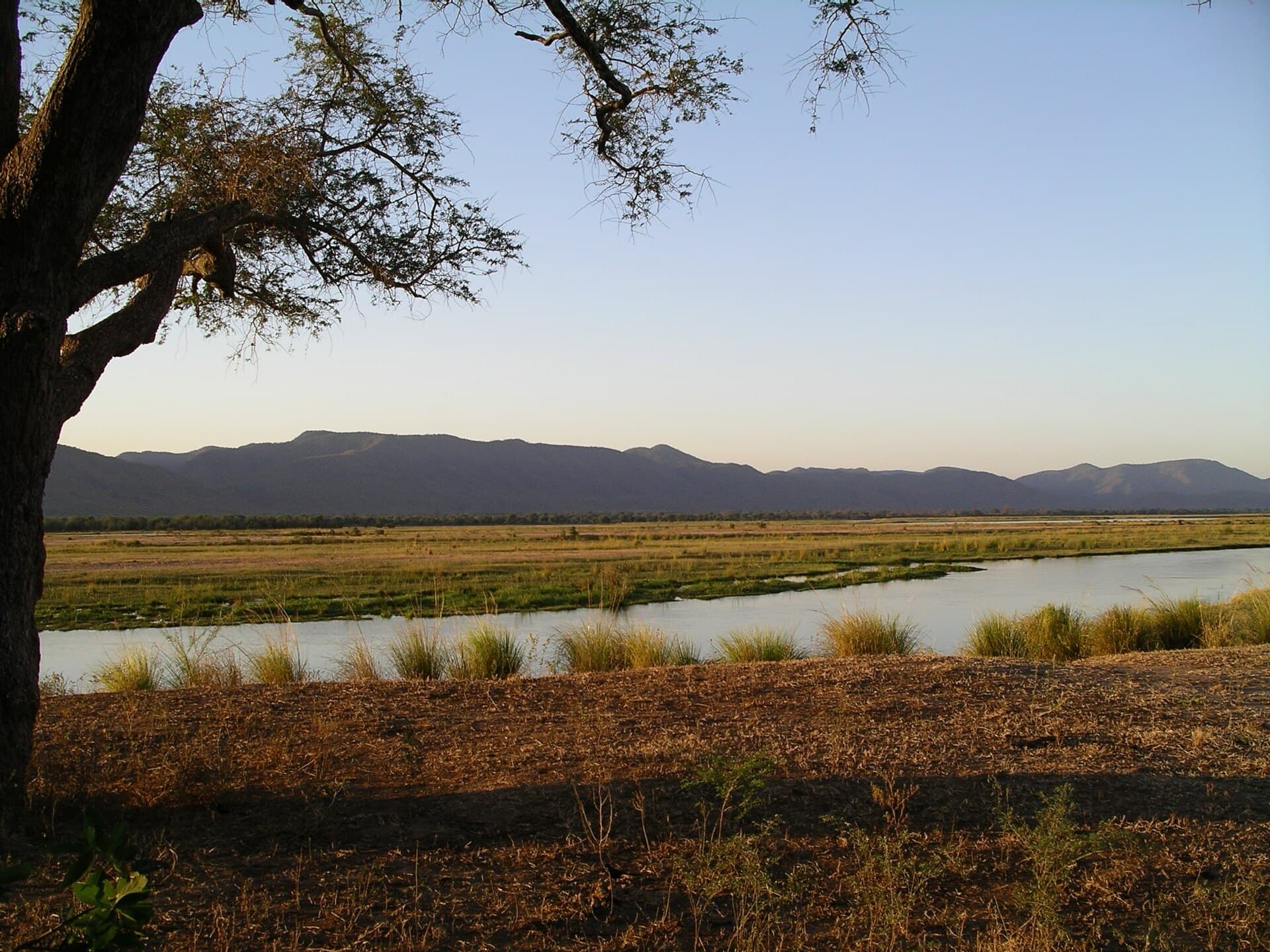
Floodplain and mountains of Mana Pools at dusk

Destination guide

Mana Pools National Park Safaris

A Zambezi floodplain of apple-ring acacias and oxbow pools, explored on foot with licensed guides and open to visitors only in the dry months.

SizeAbout 2,196 km²; part of a 676,600 ha UNESCO site with Sapi and Chewore
Best timeJune–October; most camps closed roughly November–March
Recommended stay3–5 nights, often split across two camps
Getting thereLight aircraft from Harare, Kariba, Hwange or Victoria Falls
Known forGuided walking, albida floodplain, standing elephants and canoeing
Conservation feeUS$24 per international visitor per day (ZimParks, at the time of writing, September 2026)

Mana Pools National Park

Why Visit

Mana Pools National Park is the Zambezi floodplain at its most beautiful: open woodland of apple-ring acacia (albida) and Natal mahogany, oxbow pools left by old river channels, and the blue wall of the escarpment rising more than 1,000 m to the south. “Mana” means four in Shona, after the four main pools — Long Pool, which runs for more than 6 km and holds hippo and crocodile, Green Pool, Chisasiko and Chine. The park covers about 2,196 km² of the Zimbabwe bank; across the river lies Zambia’s Lower Zambezi National Park, a separate park with its own camps.

Mana is walking country. The open floodplain lets you see a long way between the trees, and fully licensed professional guides lead walks as a normal part of the day rather than an add-on. Its famous image — an elephant bull rising onto his hind legs to reach albida pods — belongs to the late dry season, when the pods drop and a few bulls learn the trick; it happens, but never on cue. With the Sapi and Chewore safari areas, the park has been a UNESCO World Heritage Site since 1984, covering 676,600 ha in all.

The trade-offs are access and season. Most camps open around April or May and close around October or November, because the rains turn the black-cotton soil to mud. Stays usually run three to five nights, often split between the floodplain and either Chitake Springs or the Mana Pools canoe safari, as on the 9-Day Mana Pools Walking & Canoe Private Safari.

Best for

  • Walking safaris with top-licensed guides
  • Experienced travelers seeking a wilder, quieter Zambezi
  • Photographers after elephants in soft floodplain light
  • Fit adventurers aged 14 and over ready for the canoe trail

Mana Pools National Park

Wildlife & Highlights

  • Elephant, including bulls that stand on their hind legs for albida pods
  • Buffalo herds on the floodplain and at Chitake’s springs
  • Lion, often shadowing the buffalo
  • Leopard in the riverine woodland
  • Painted dogs, present but wide-ranging
  • Hippo and Nile crocodile in the Zambezi and Long Pool
  • Spotted hyena and, occasionally, cheetah
  • Eland, waterbuck, kudu and impala on the floodplain
  • More than 450 bird species along the river and woodland

Season

Best Time to Visit

  1. January
  2. February
  3. March
  4. April
  5. May
  6. June
  7. July
  8. August
  9. September
  10. October
  11. November
  12. December
April–MayCamps reopen as the tracks dry, typically from April or May. The bush is still thick and green and animals are spread out, but the floodplain is lush, quiet and lovely to walk.
June–AugustCool, dry and comfortable on foot, with chilly early mornings. The grass thins, the albidas come into pod and game increasingly heads for the river — a fine window for the canoe trail and Chitake Springs.
September–OctoberThe peak: little water inland, animals crowded onto the floodplain and around the springs, and standing elephants most likely. Afternoons in the valley often reach the mid-to-high 30s °C, and most camps have no air-conditioning.
November–MarchThe rains. Most camps close and the park becomes largely inaccessible on its black-cotton soil, while the escarpment turns green. The best time to visit Zimbabwe guide shows where to go instead.

Mana Pools National Park

Areas to Know

The Zambezi floodplain & the pools

The heart of the park: a band of albida and mahogany woodland along the river, with Long Pool and the other pools behind it. Riverfront camps sit here, and a morning walk, an afternoon drive and a sundowner on the bank fit easily into one day. Nyamepi, near the river, is the ZimParks headquarters and main public campsite.

Best for: Walking among the albidas and classic Zambezi scenery

Chitake Springs

About 50 km inland, below the escarpment in the south of the park, springs keep the sandy Chitake River flowing through the dry season. Buffalo come down to drink in the heat, and lions wait in the riverbed; the encounters can be raw and close. The area is walking-focused, served by small seasonal camps, typically June to October, with no permanent lodges.

Best for: Experienced walkers and serious wildlife photographers

The canoe trail

Mana’s roughly 50 km of river frontage can be paddled over three nights, from near the Ruckomechi River in the west to the Chikwenya area in the east, with walks ashore and simple fly-camps each night. The trail needs a guide holding both a canoe licence and a full professional guide licence, and paddlers must be at least 14. Lighter day paddles run from the floodplain camps.

Best for: Fit adventurers aged 14 and over

Mana Pools National Park

Getting There

Nearly everyone flies. Light aircraft reach Mana’s airstrips from Harare in about an hour, from Kariba in about 30–40 minutes and from Hwange or Victoria Falls in about two hours (check current schedules). By road, Mana is a long day from Harare, and the final stretch down the escarpment is slow gravel, so driving only makes sense for self-drivers with time. Pair it with Lake Kariba, the shortest hop on the circuit.

Drive or fly?

Fly. The road from Harare is long and the escarpment descent slow, and every hour in a vehicle is an hour not spent walking. Flying also links Mana with Kariba and Hwange in a single morning. Light aircraft set strict luggage limits — usually soft bags of about 15–20 kg — so pack for the bush, not for dressing up.

Airstrips & airports

  • Floodplain airstrips near the main camps
  • Chikwenya airstrip (eastern end)
  • Harare (HRE) and Kariba (KAB) for connections

Typical travel times

Harare to Mana Pools
About 1 hour by light aircraft
Kariba to Mana Pools
About 30–40 minutes by light aircraft
Victoria Falls to Mana Pools
About 2 hours by light aircraft
Floodplain to Chitake Springs
About 2 hours by road

Stays

Where to Stay

Mana’s camps are small and seasonal: riverfront tented camps on the floodplain, with walking, drives, canoeing and fishing from the door; simpler seasonal camps at Chitake Springs; and the fly-camps of the canoe trail, moved each day by a support crew. Expect open-fronted views and mosquito nets rather than air-conditioning, which is why we steer heat-sensitive travelers away from October.

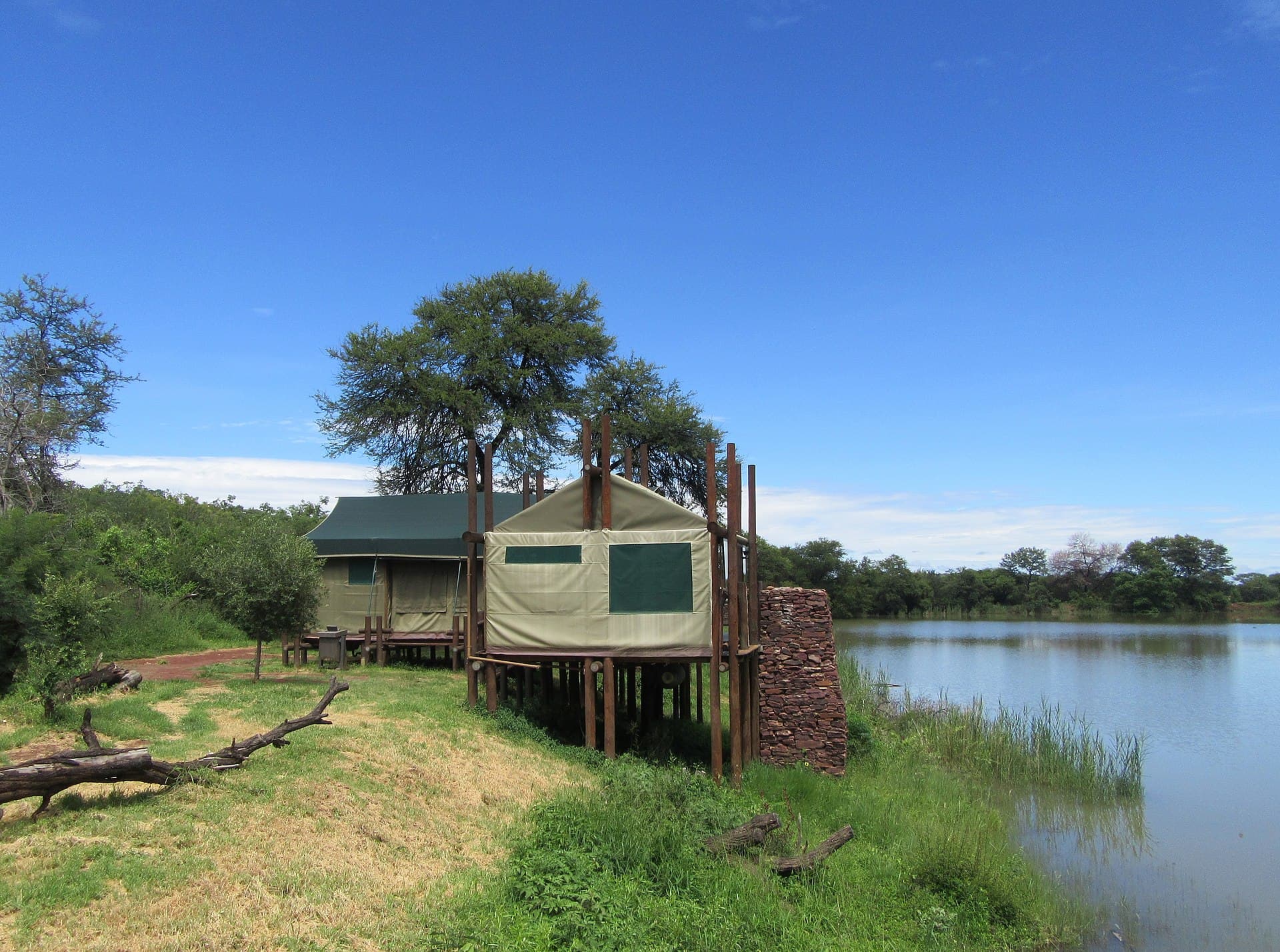
A canvas safari tent set among trees at a private tented campPremium

Mana Pools · Zambezi floodplain

Floodplain Tented Camp

Tented camp · Typically open April/May–October/November

Set beneath albidas and mahoganies on the Zambezi floodplain, camps in this style have classic safari tents facing the river and the Zambian escarpment beyond. Elephants often feed through camp, and the day is built around walking with a licensed professional guide, with drives, day paddles and river sundowners filling the rest.

  • Tents facing the Zambezi
  • Daily guided walks on the floodplain
  • Day paddles and game drives
  • Simple, generous bush cooking

Ideal for: Walkers and photographers who want the heart of Mana Pools without luxury trimmings
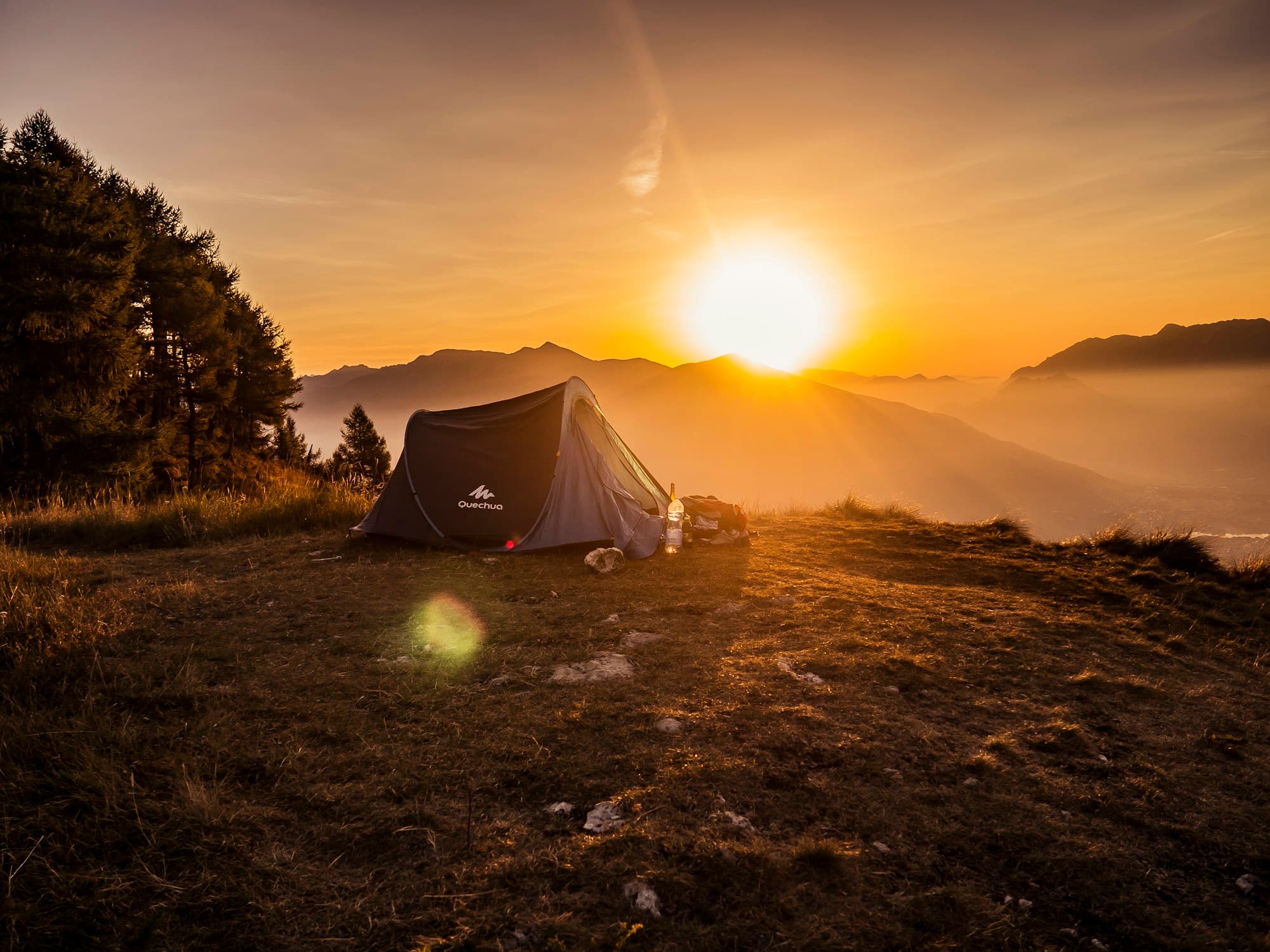
A canvas safari tent set among trees at a private tented campLuxury

Mana Pools · riverfront

Riverfront Luxury Camp

Tented camp · Typically open April/May–October/November

A handful of spacious tents or suites stand on raised decks along the riverbank, some with open-air bathtubs, and a plunge pool in the main area looks over channels where elephants cross. Guiding is the real luxury here: small groups, walks led by highly experienced professional guides and the freedom to spend a whole afternoon with a single herd.

  • Large tents or suites on riverbank decks
  • Plunge pool in the main area
  • Walks, drives, canoeing and photographic hides
  • Private guiding on request

Ideal for: Couples and discerning walkers who want comfort, privacy and first-rate guiding on the Zambezi

Tented camp glowing at sunrise over golden hillsPremium

Mana Pools · Chitake Springs

Chitake Springs Walking Camp

Seasonal mobile camp · Dry season only, typically June–October

Seasonal camps at Chitake are deliberately simple: a few walk-in tents with bucket showers, pitched for the dry months near the springs that draw buffalo and lions down from the escarpment. There is nothing here to distract from the walking, and evenings are spent by the fire listening to the bush.

  • A few tents in a remote inland setting
  • Walking-focused days with professional guides
  • Bucket showers and simple comforts
  • Open only in the dry season

Ideal for: Experienced safari travelers who want intense, walking-focused encounters with predators and prey

Tented camp glowing at sunrise over golden hillsPremium

Mana Pools · Zambezi canoe trail

Zambezi Canoe-Trail Fly Camp

Seasonal mobile camp · Typically May–October; minimum age 14

On the canoe trail, a support crew drives ahead each day to pitch small dome tents on a sandbank or the riverbank, so camp is ready when you paddle in toward dusk. Comforts are few, just a bush shower, a basic toilet and dinner by the fire, but you fall asleep to hippos grunting in the dark.

  • Dome tents moved nightly by a support crew
  • Bush shower and basic toilet
  • Fireside dinners on the riverbank
  • Minimum age 14

Ideal for: Fit adventurers aged 14 and over who want to sleep beside the Zambezi between days in a canoe

Experiences

Experiences

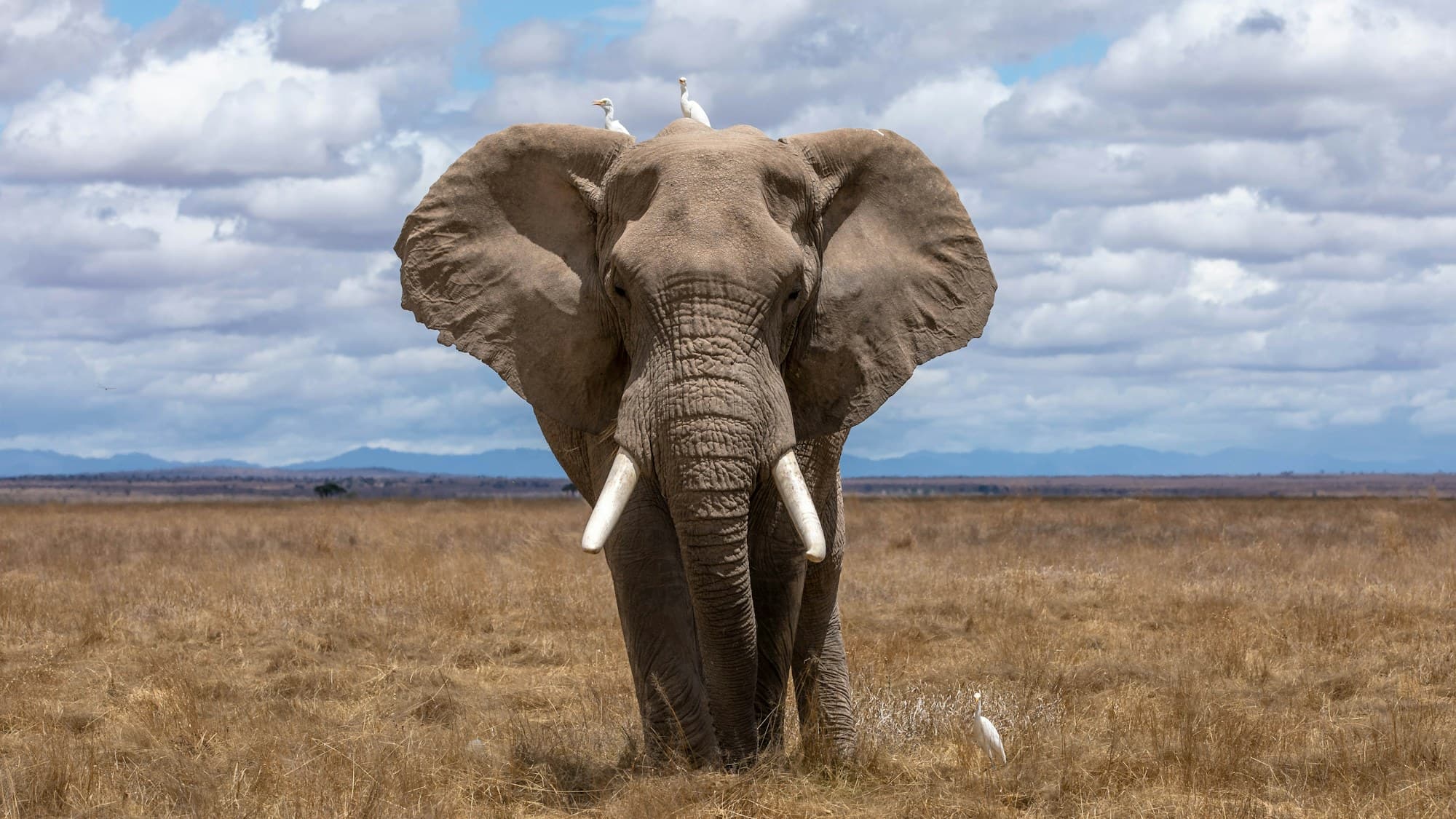
Elephant with white egrets standing front-on in open grassland under a wide sky

On foot

Walking Safaris in Zimbabwe

Walk the bush with some of Africa’s most rigorously trained guides, from Mana Pools’ floodplain to the rhino country of Matobo.

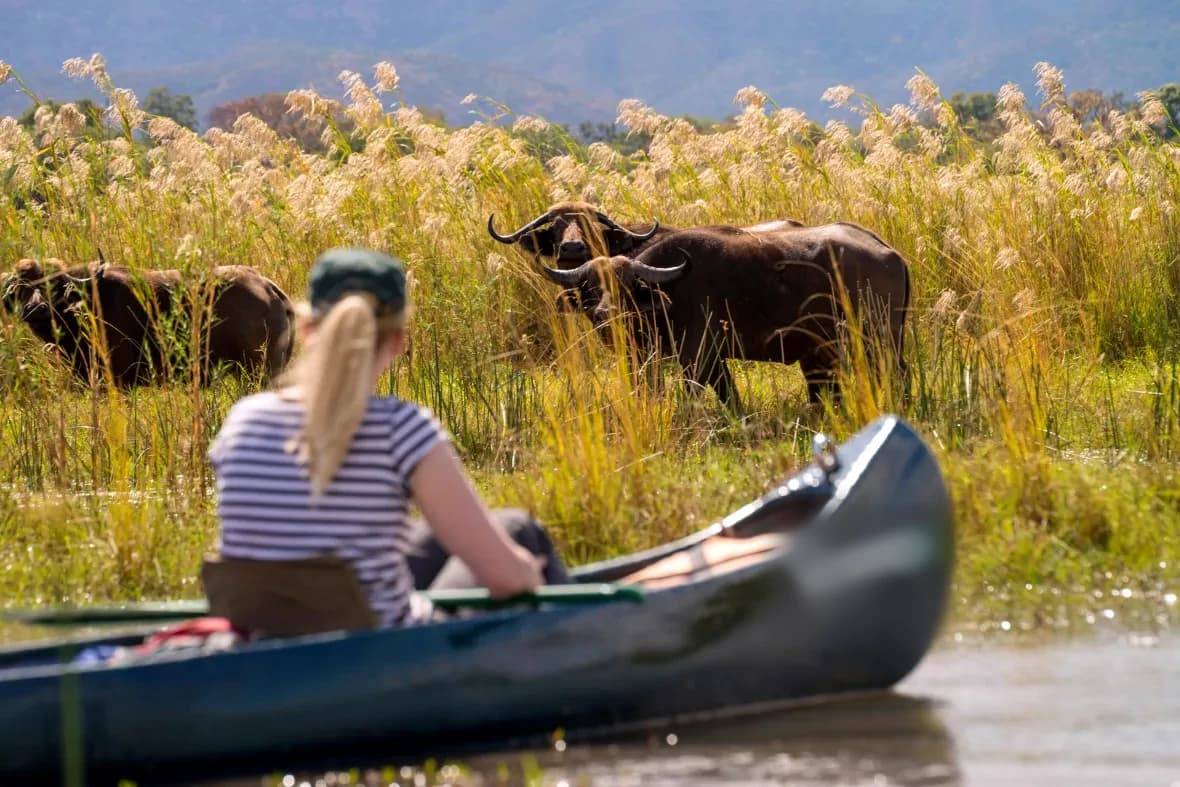
A guest in a canoe watches Cape buffalo among tall riverside reeds, with an escarpment beyond

On the water

Mana Pools Canoe Safari

Paddle about 50 km of the Zambezi over three nights, walking ashore by day and sleeping in simple fly-camps beside the river.

Safaris

Safaris That Go Here

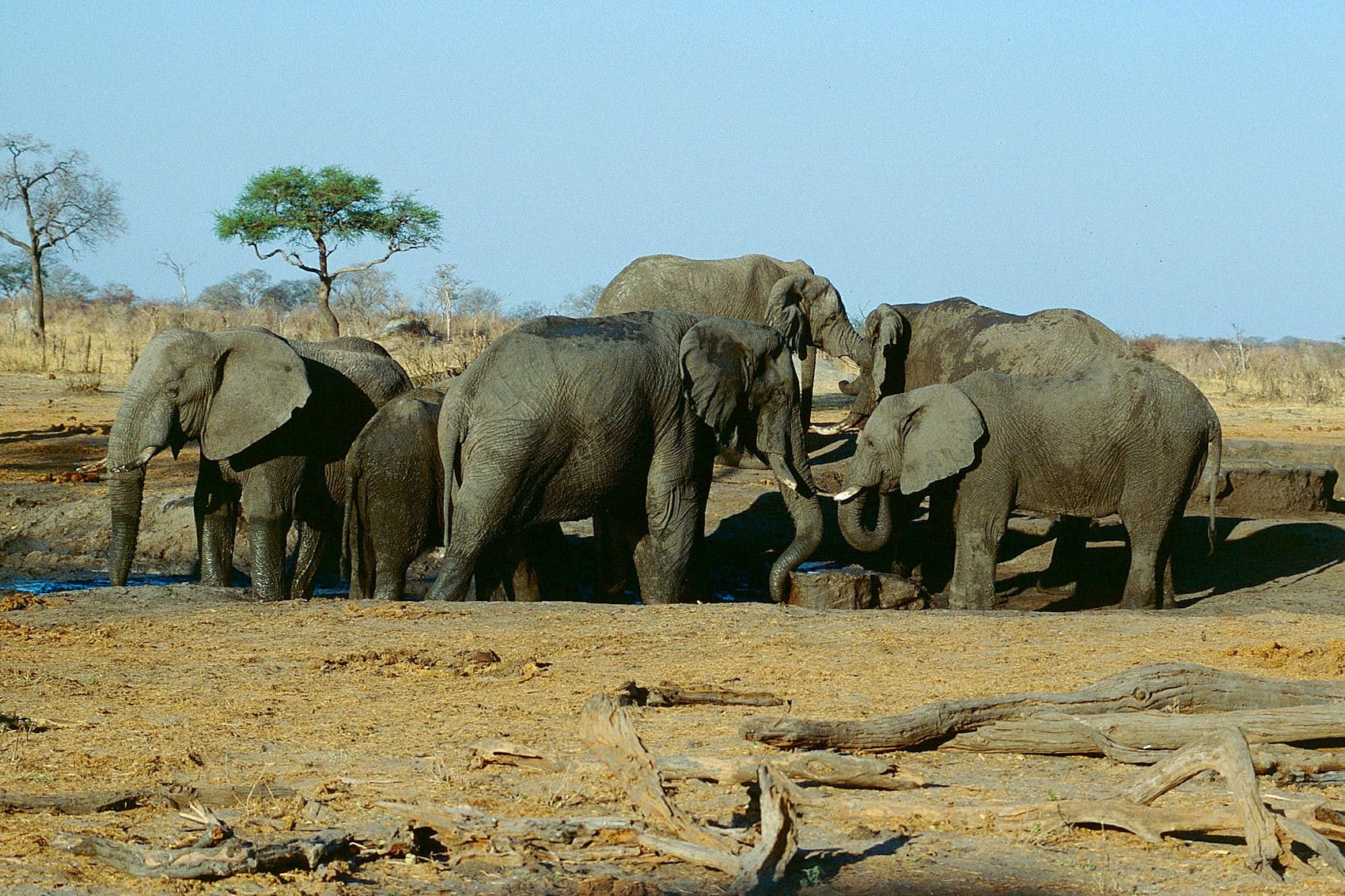
Elephants shoulder to shoulder at a Hwange waterhole
12 daysComplete Zimbabwe

Grand Zimbabwe

Victoria Falls · Hwange National Park · Matusadona · Mana Pools · Harare

Returning or ambitious safari travelers who want Zimbabwe’s full range — falls, big herds, open water and walking — in one private trip

Best months
May–October
Comfort levels
Premium · Luxury · Ultra-Luxury
Individually quoted
Floodplain and mountains of Mana Pools at dusk
9 daysWalk & paddle

Mana Pools on Foot & by Canoe

Harare · Chitake Springs · Mana Pools · Chikwenya

Fit, returning safari travelers aged 14 and over who would rather walk and paddle than sit in a vehicle

Best months
June–October
Comfort levels
Premium · Luxury
Individually quoted

Good to know

Frequently asked questions

When is Mana Pools open?

The park is managed year-round, but most camps operate only from about April or May to October or November. In the rains the black-cotton soil becomes impassable and the camps close. June to October is the most reliable window.

Are there rhinos in Mana Pools?

No. Mana’s black rhino, around 500 when the park was listed by UNESCO in 1984, were lost to poaching by the mid-1990s and the last survivors were moved out. For rhino on foot in Zimbabwe, plan a stay in Matobo National Park.

Can children visit Mana Pools?

Older children can, but Mana suits teenagers better than young children. Camps set their own minimum ages for walking, often 12 or older, and the canoe trail requires 14. Camps are unfenced, with elephants and hippos moving through at night.

Can you walk without a guide in Mana Pools?

Mana has long been known as one of the few African parks where self-guided walking has been allowed on parts of the floodplain, and the rules can change. We plan every walk with a licensed professional guide, who reads the animals, carries a rifle and knows when to stop.

How hot is Mana Pools in October?

Very hot. Afternoons in the Zambezi Valley often reach the mid-to-high 30s °C (the mid-90s °F and above), and most camps have no air-conditioning. Walks start at first light and finish by mid-morning, with the heat of the day spent resting.

Floodplain and mountains of Mana Pools at dusk

Start With Your Dates

Tell us when you can travel, who is coming and whether you picture the falls, a canoe on the Zambezi or rhino tracks in the Matobo Hills. We’ll design a private Zimbabwe journey around it, and nothing is booked until you approve it.

Plan my safari here